Cycling Gear
New Bike Tech Roundup: Aero Carbon Wheels, a 180mm Freeride Rig, and Tubeless Upgrades
A practical look at this month's most interesting bike releases, from a wind-tunnel-tested carbon wheelset to a high-pivot freeride bike and a bundle of tubeless maintenance gear.
Introduction
Bike tech moves quickly, and this month’s haul leans hard into two themes: going faster on the road and staying comfortable off it. There is a wind-tunnel-developed carbon wheelset at a mid-tier price, a high-pivot freeride bike built for bike parks, an integrated bikepacking luggage system, and a cluster of tubeless maintenance products that make wheel setup and cleanup a lot less grim.
None of these are novelty items. Each one solves a specific problem, and each one has a trade-off worth understanding before you spend money.
How This Month’s Picks Were Chosen
The thread running through this selection is practicality rather than headline specs. Wheels were judged on real-world speed, stability and tubeless setup behaviour. The freeride bike was judged on how it rides on the terrain it was designed for, not on paper figures alone. The luggage system was judged on rattle-free stability over rough gravel. The tubeless products were judged on whether they genuinely make fitting and maintaining tyres easier.
Where a product carries a clear compromise, whether weight, price or convenience, it is noted below rather than glossed over.
Hunt 54 Aerodynamicist Carbon Disc Wheelset
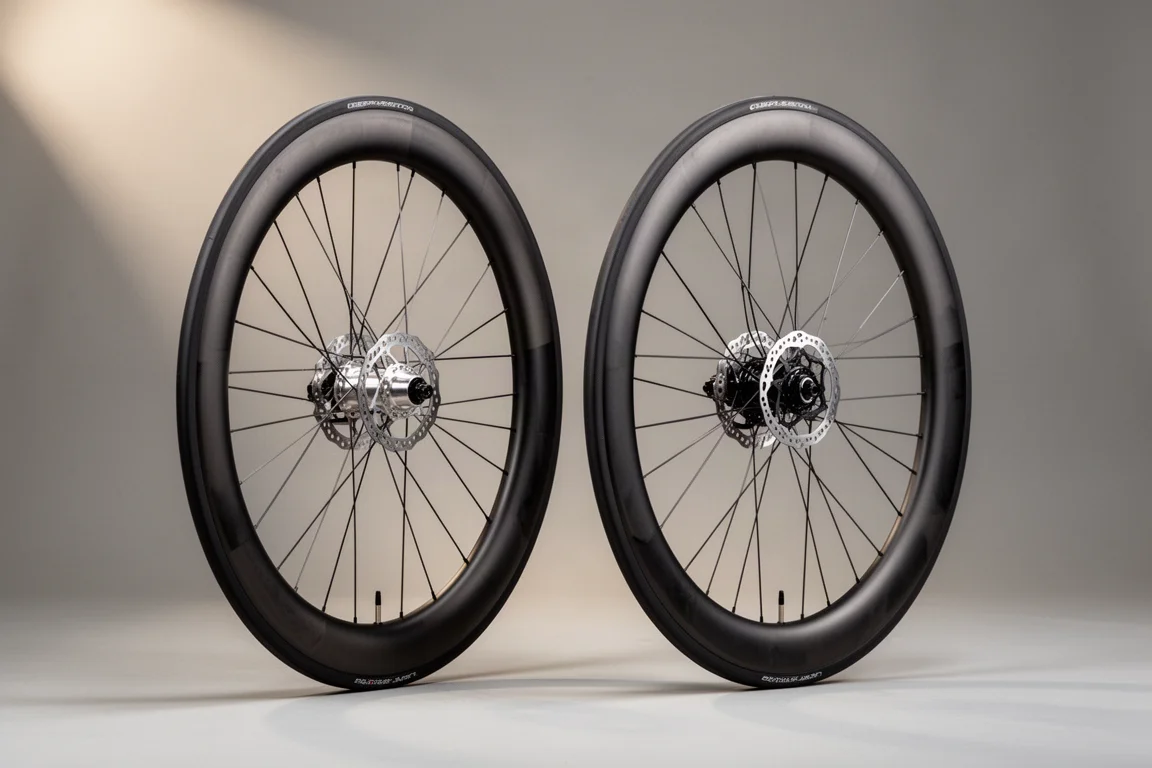
The Hunt 54 Aerodynamicist is a disc-brake carbon wheelset built around 54mm deep aero rims. It inherits design cues from Hunt’s top-tier Limitless Aerodisc wheelset but at a more accessible price point of 899 pounds, and the result is a wide, blunted rim profile that is less extreme than the flagship version.
The rim is hooked and tubeless ready, with a 29mm external width and a 20mm internal width, aerodynamically optimised for 700 x 25 and 700 x 28c road tyres. Other tyre sizes will still fit. A test set weighed in at 1,580g with tubeless rim tape installed, and tubeless valves and spare spokes are included in the box as standard. The hubs are Hunt’s own, fitted with EZO steel bearings, and the wheelset can be customised at checkout to match your axle size and freehub.
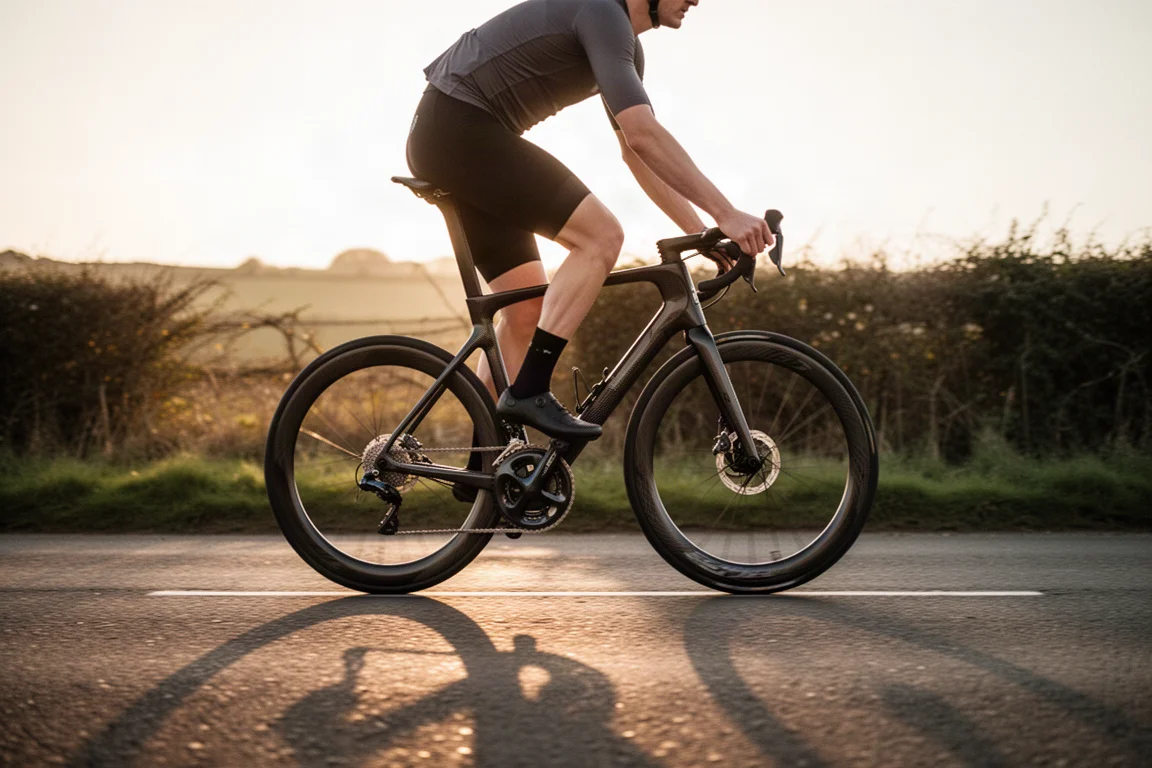
Hunt’s own wind tunnel testing claims the 54 Aerodynamicist outperforms comparable wheels from DT Swiss and Zipp by 0.4 and 0.96 watts respectively, though those comparison rims are slightly shallower, and a difference that small is not something a rider would detect on the road. It is reassurance that the wheels sit in the right aerodynamic ballpark rather than a buying reason on its own.
In extended real-world use the wheels feel noticeably faster and more stable than a lighter stock wheelset, despite being around 180g heavier. The deeper rims also look the part. The trade-off is wind sensitivity: on gusty days you feel more movement at the front wheel, which is expected at this depth. Setting them up tubeless with modern road tyres was straightforward, with both beads seating using only a track pump and the valve core removed.
Norco Shore 2
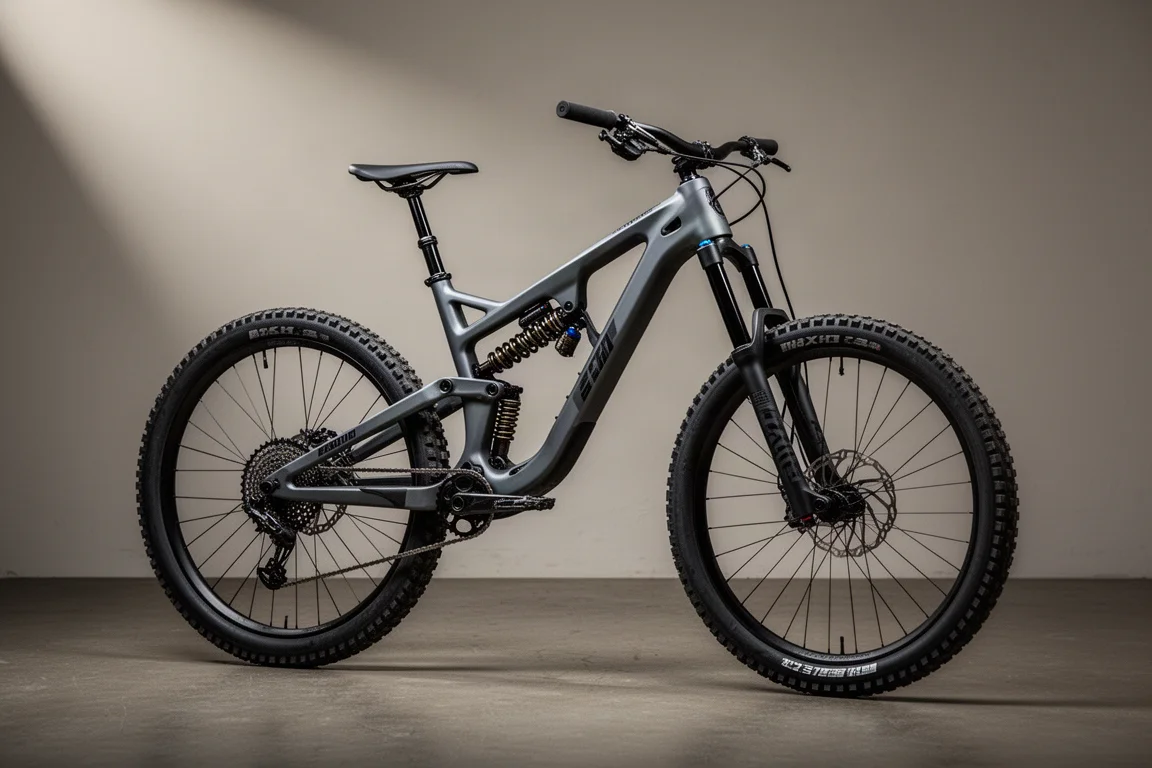
The Norco Shore 2 is a long, slack, high-pivot machine with 180mm of travel and a paint job that turns heads. It is marketed as Norco’s freeride and park bike, aimed at the kind of riding where airtime, wooden features and creative line choice matter more than a stopwatch.
Norco has adapted its multi-pivot linkage design to create a rearward axle path with a high main pivot, adding an idler pulley to cut pedal kickback and the pedal-induced suspension bob that comes with it. The rear axle moves 13mm rearward and upward by the time the bike is 105mm into its travel, then arcs forward and upward again, finishing 7mm from its original position at bottom out. That movement changes the effective chainstay length as the suspension compresses.
There is no geometry adjustment, but the stock numbers suit its intentions. The size large test bike has a 480mm reach, a slack 63-degree head angle and long 445mm chainstays, putting it close to a modern enduro bike in shape. It is differentiated by its long travel and smaller 27.5 inch wheels, while its racier stablemate, the Norco Range, runs 29 inch hoops and 170mm of high-pivot rear travel.
The Shore 2 is the most affordable of three bikes in the range, at 3,399 pounds or 5,199 US dollars. Despite that, the build kit is solid: a RockShox 180mm travel Zeb R fork with Charger damper, a coil-sprung Super Deluxe Ultimate rear shock custom tuned for the Shore, a Shimano Deore 6100 12-speed drivetrain with ethirteen LG-1 cranks and a 34-tooth chainring, Shimano four-piston MT520 brakes with 203mm rotors, a TranzX YSP-105 dropper post with 200mm of travel on large and extra large sizes, and ethirteen LG1 DH rims laced to Shimano Deore hubs. Maxxis Assegai 2.5 inch 3C MaxxGrip DoubleDown tyres are fitted front and rear.
At 18.26kg the bike is heavy, and that only becomes an issue on longer, steeper climbs. On flat local trail loops it feels like overkill, but it comes alive at bike parks and on steeper, rougher tracks. Adding a little more air to the fork, reducing sag and adding rebound to both fork and shock turns it into a genuinely poppy, playful machine on jump-focused trails, while staying composed on heavy landings.
Tailfin AeroPack Alloy
The Tailfin AeroPack Alloy is a bikepacking luggage system rather than a conventional saddle bag. It pairs a fully waterproof bag with a pair of aluminium support legs to add stability and load capacity. Carbon legs are available as a lighter, more expensive alternative.
The bag uses high-frequency welded seams so water stays out, and a roll top with compression straps keeps contents tight and secure. One side has a stash pocket for quick-access items like a phone, while the other side has a zip that opens directly into the main compartment, useful when it is raining and you do not want to undo the whole roll top.
The key design decision is that the frame is integrated into the bag rather than bolted on as a separate rack and bag. That means fewer holes punched through the material and, in principle, a sturdier, more reliable build. The downside is convenience: removing the top bag from the bike also means removing the legs.
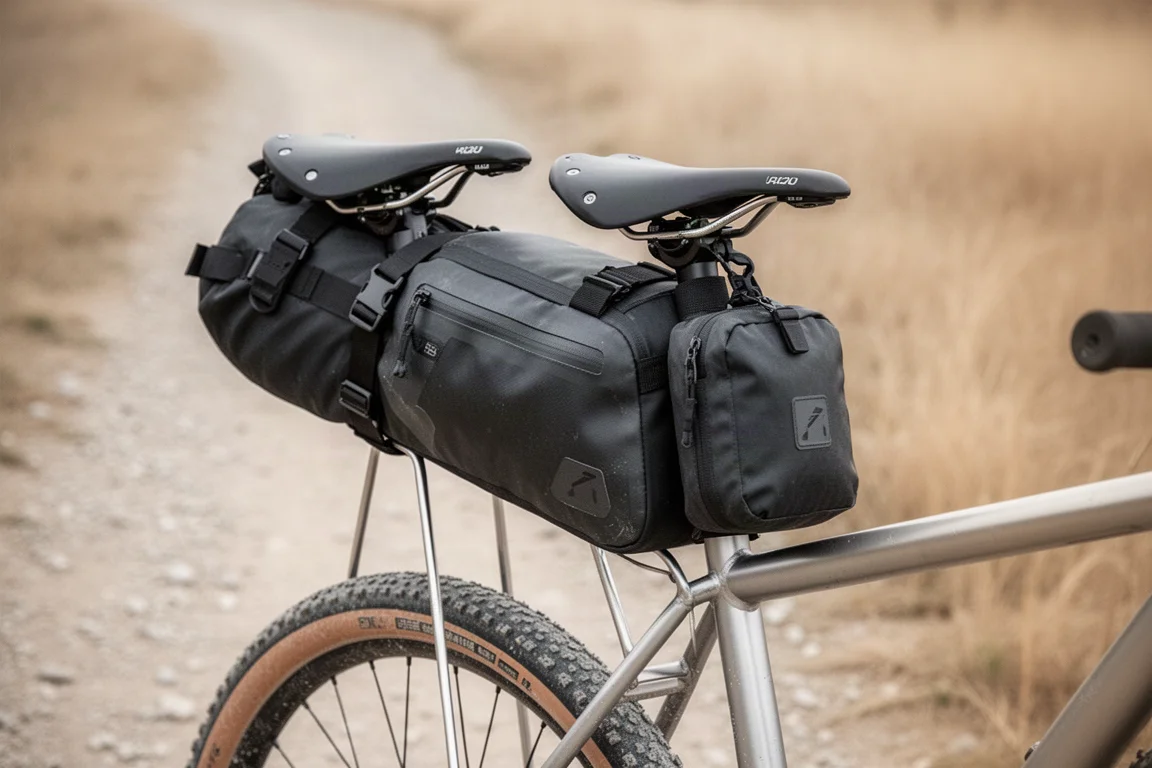
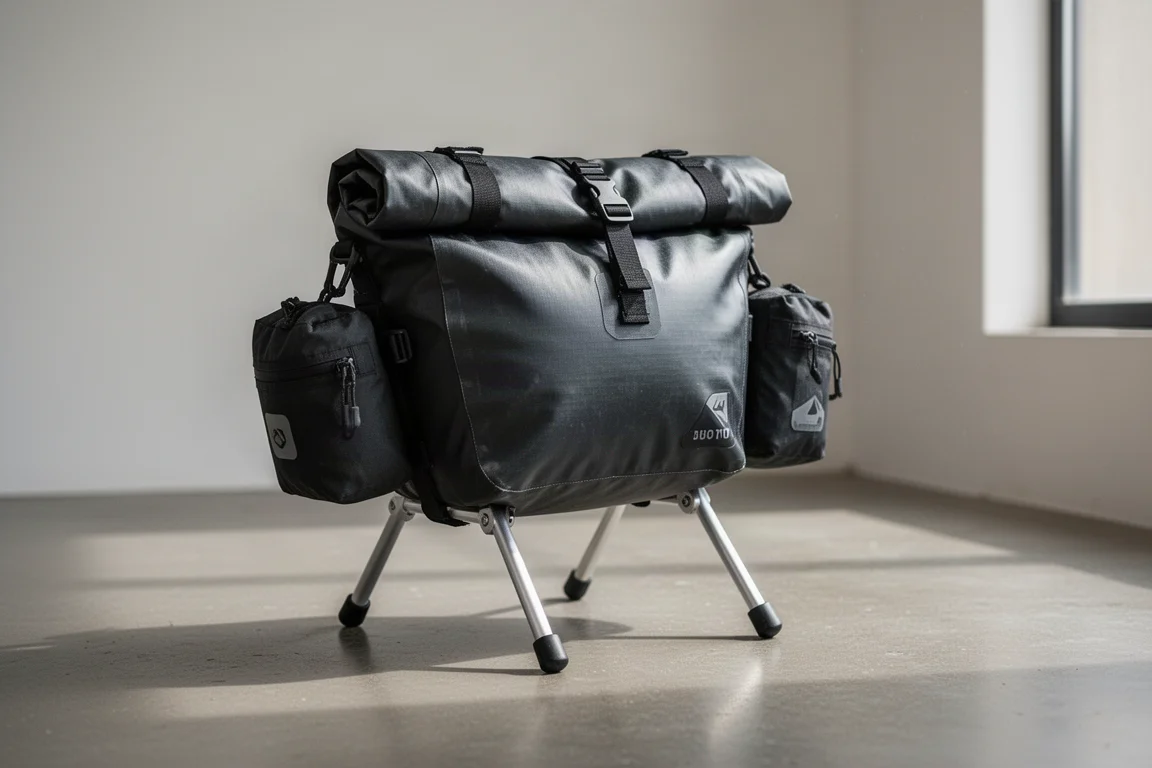
The optional mini panniers come in 5 and 10 litre sizes and attach with two hooks and a cam lever that grips stubs on the aluminium arms, which is intended to give a secure, rattle-free connection for off-road use. The system can also be used with a regular pannier rack, though the stubs are narrower than a standard rack. Fitting and removing the pack is quick, roughly 10 to 15 seconds once you have the knack, and is easiest with the panniers taken off first. A universal axle system ships with multiple axle lengths that screw together to suit different bikes and thread pitches.
Because there is a hinge between the vertical legs and the horizontal base, the pack can move with the bike, which means it can be used on a full suspension bike. That is realistic on a cross-country or downcountry trail bike rather than a 180mm freeride rig. Pricing depends on configuration: an aluminium setup with the side pannier pegs and a universal axle comes in around 374 pounds. The side bags cost 60 pounds for 5 litres and 80 pounds for 10 litres each. It is not cheap, but the intention is a solid, reliable, quiet long-distance setup.
Muc-Off V2 Tubeless Valves
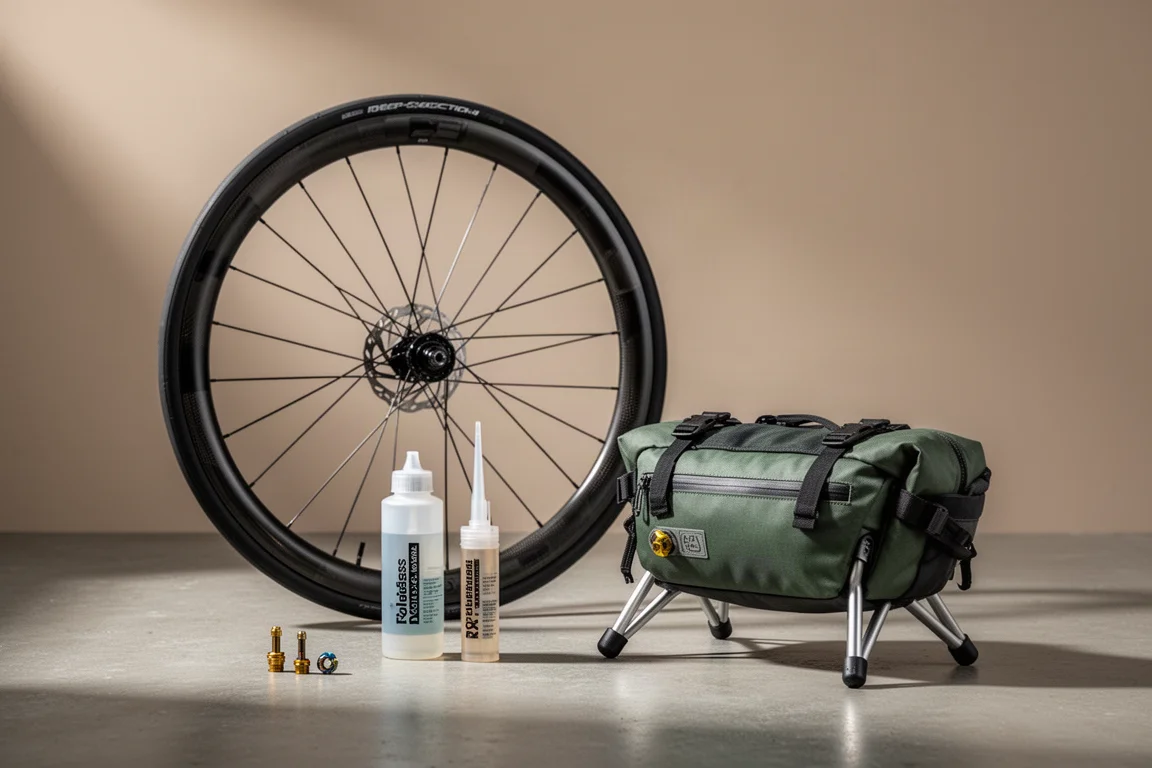
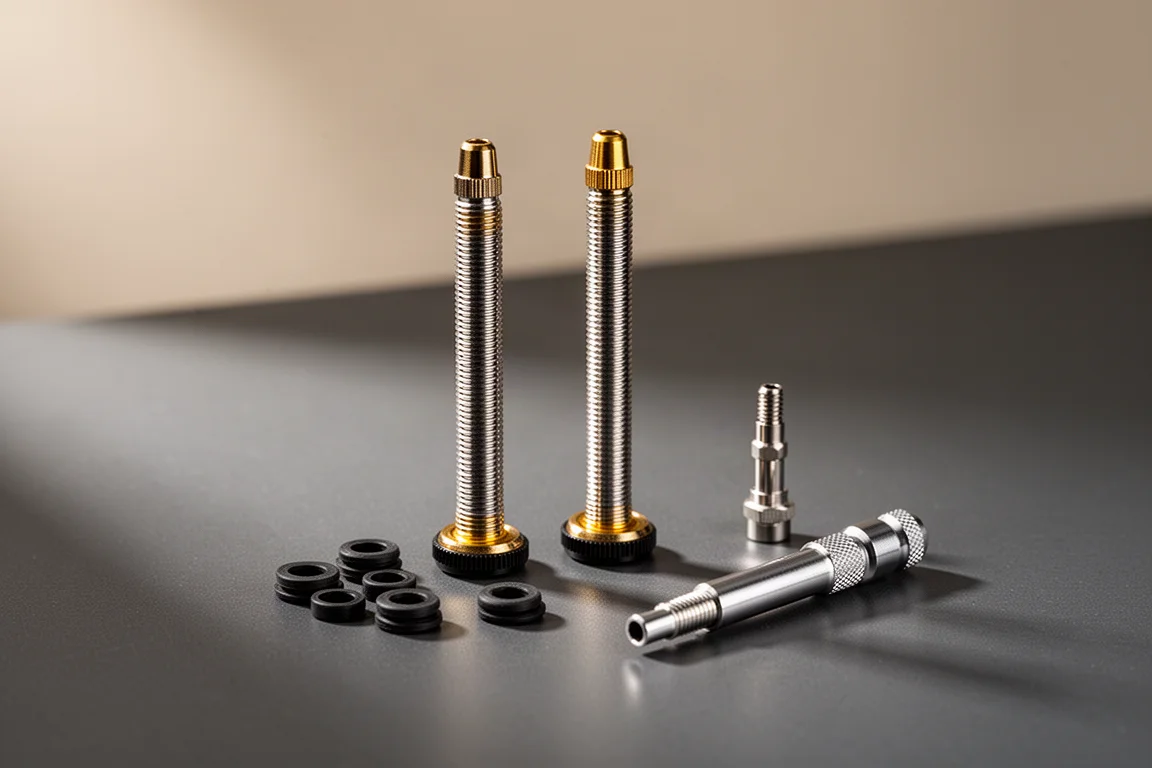
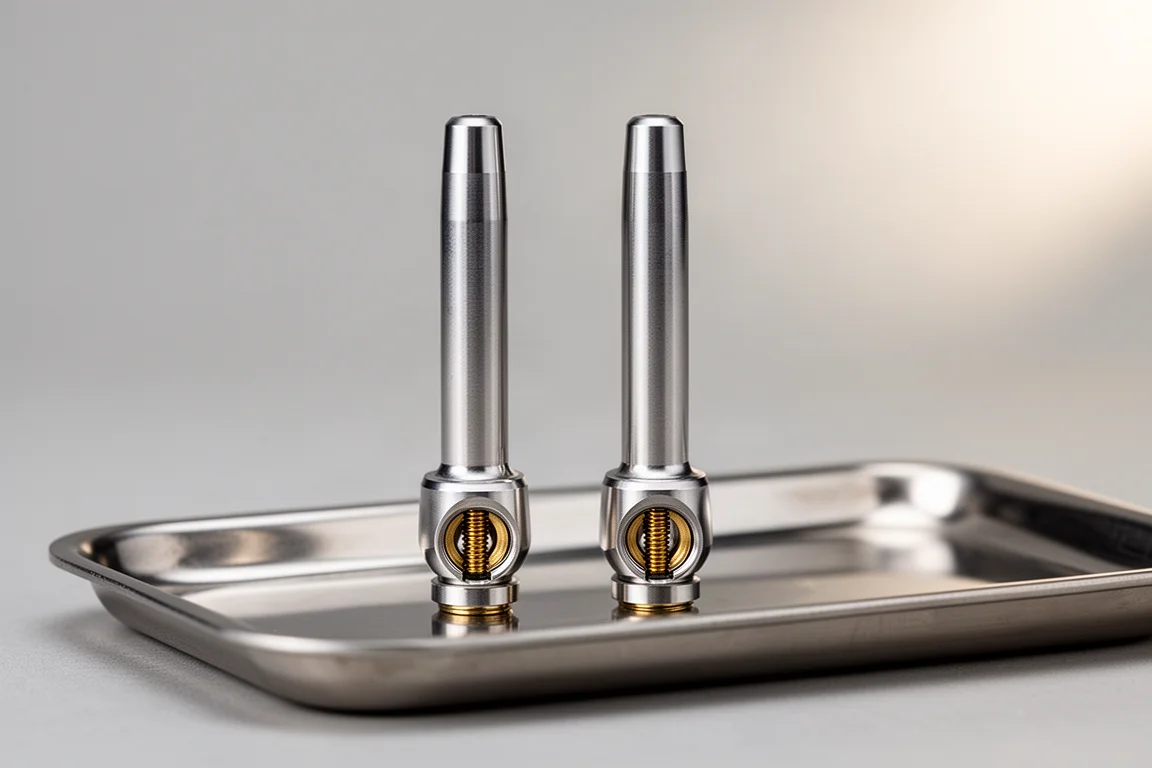
The Muc-Off V2 Tubeless Valves are made from high-grade aluminium and come in a wide range of colours if you want to add some visual interest to your wheels. The latest version adds cut-outs at the base of the valve, allowing sealant and air to flow freely around tyre inserts.
In the box you get three different types of rubber insert, which helps you find the best seal for your specific rim profile, plus a valve core remover tool built into the end cap. At just under 25 pounds, or 31 euros, they are not the cheapest valves on the market, but the aluminium construction, tyre insert compatibility and the extra seal options make them a reasonable buy.
Reserve Fillmore Valves
The Reserve Fillmore valves take a different approach. At 40 pounds for a set they cost more than the Muc-Off option, and the claim is that they are clog free and allow increased airflow compared with more traditional valve designs. Whether that translates into easier long-term maintenance is something only time on the bike will tell, but the design intent is clear: fewer blocked valves and less frustration at the roadside.
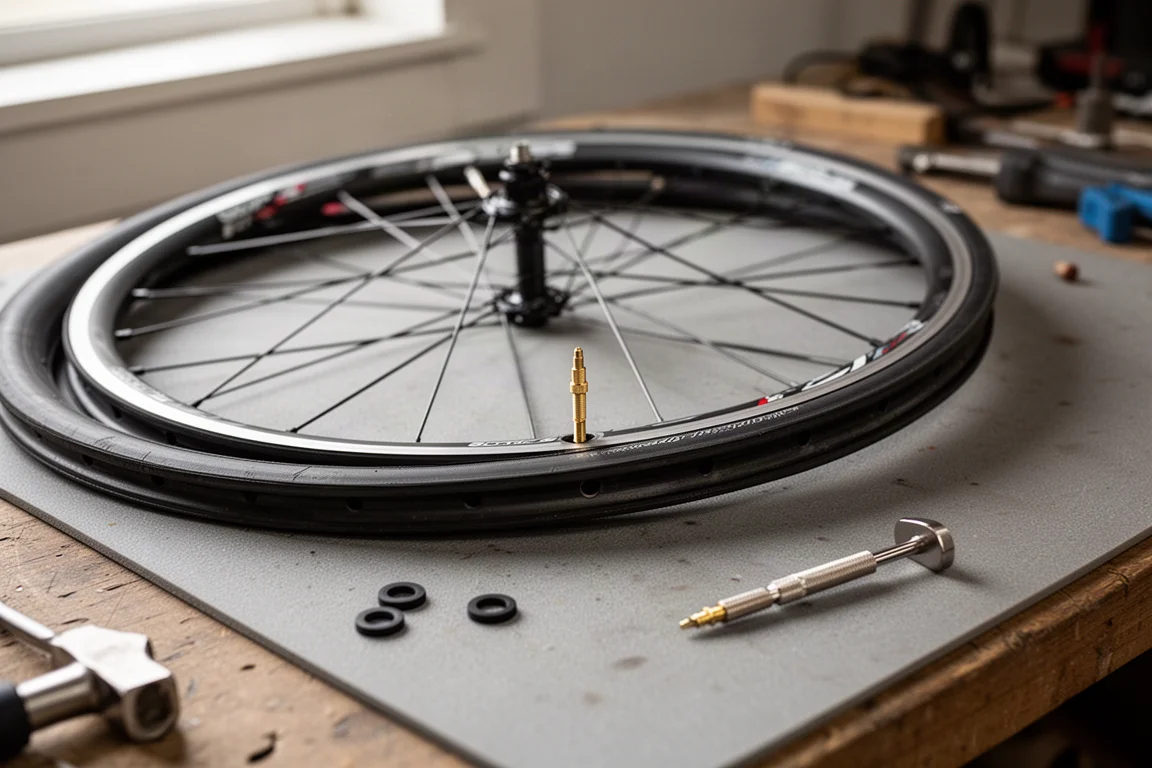
If you run tubeless and have ever dealt with a valve that refuses to pass air, the premium is easier to justify. For riders who rarely touch their valves between tyre changes, a cheaper set will do the same job.
Muc-Off Glue and Sealant Remover
Anyone who has run tubeless for a while knows what dried sealant looks like once it has sprayed across a frame or baked onto a rim. It sticks to almost any surface and is genuinely difficult to shift. Muc-Off’s Glue and Sealant Remover is formulated to make that cleanup easier.
In practice it does still require plenty of clean rags to wipe old glue away, and a fair amount of solution, but cleaning rim beds becomes noticeably easier with this specific formula. That matters because a clean rim bed is an essential step before installing fresh rim tape. The packaging, styled after an old VHS tape, is a nice touch.

Muc-Off Tubeless Sealant
Muc-Off’s Tubeless Sealant is available in a 140ml pouch, a one litre bottle and a large five litre container, which makes it easy to match the size to how often you set up tyres.
The consistency is thicker and more gloopy than some well-known alternatives, which means it takes a bit more patience to coat the inside of the tyre evenly. The payoff is that all-important ping when the bead seats itself on the rim. If you are new to tubeless, budget a little extra time for the install and work the sealant around thoroughly before inflating.
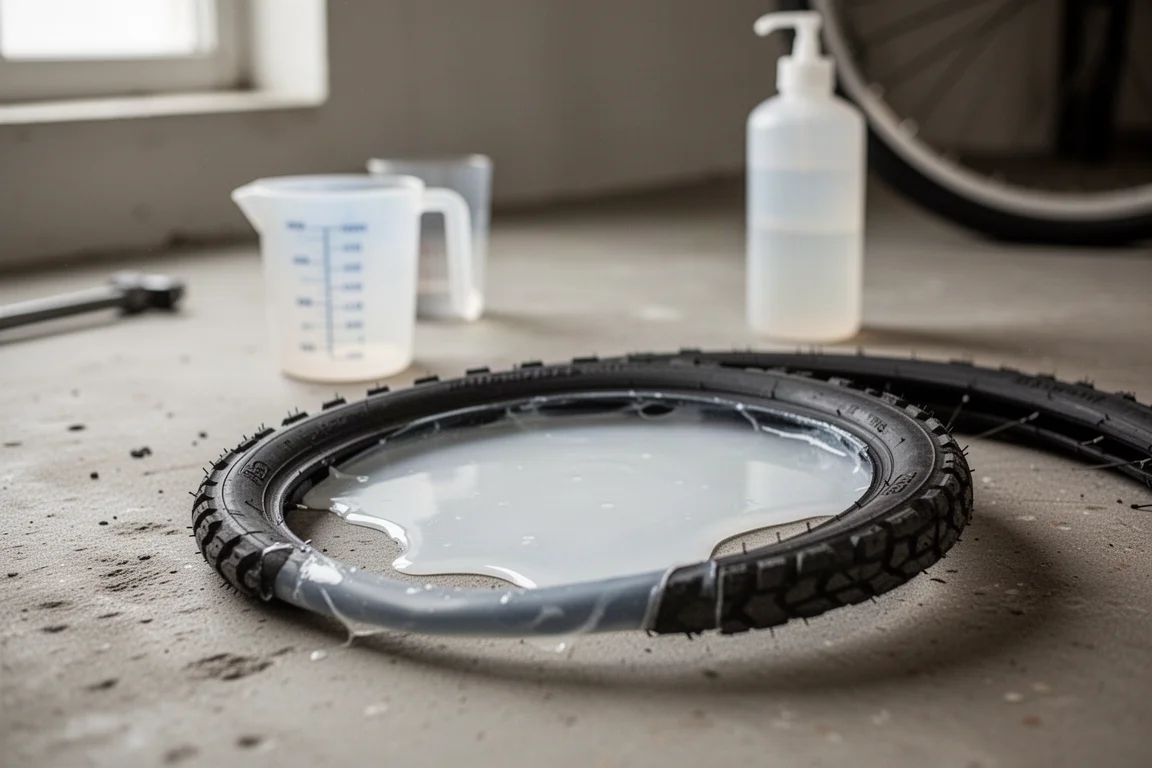
For riders who set up tubeless once or twice a season, the smaller pouch is a sensible starting point. Regular users will get better value from the larger bottles, and the formula is designed to keep doing its job over the long term.

Buying Advice
The right purchase here depends entirely on what you ride. If you spend most of your time on the road and want a genuine speed upgrade, the Hunt 54 Aerodynamicist wheelset is the standout: a deep-section carbon rim with tubeless-ready construction, customisable hubs and straightforward setup, at a price below the flagship tier. Just accept that deep rims need more attention in crosswinds.
If your riding happens at bike parks and on steep, rough tracks, the Norco Shore 2 delivers a high-pivot, 180mm freeride platform with a strong component spec for its position as the entry point to the range. The weight is real, and you will feel it on long climbs, but that is the nature of a bike built for descending.
For bikepacking, the Tailfin AeroPack Alloy trades a little convenience for stability and weather protection, which is the right call on a long, rough trip. And if your priority is keeping tubeless setups running smoothly, the Muc-Off V2 valves, the Reserve Fillmore valves, the Glue and Sealant Remover and the Tubeless Sealant each address a specific maintenance headache, so buy the one that matches the problem you actually have.
Conclusion
This month’s selection covers a lot of ground: aerodynamic road wheels that perform above their price bracket, a freeride bike built unapologetically for fun, a luggage system engineered to stay quiet on rough gravel, and a tubeless toolkit that makes wheel maintenance less of a chore. Each product has a clear reason to exist and a clear trade-off, which is exactly what makes them worth considering.
Match the product to your riding rather than the spec sheet, and any of these will feel like money well spent.
Further reading
Related Reviews
Cycling Gear
8 Cycling Products Riders Keep Coming Back To
Eight cycling components and accessories with clear strengths, honest trade-offs and long-standing reputations among riders and mechanics.
Cycling Gear
Aero Helmets and Bottle Setups Tested: Six Options Ranked by Measured Watt Savings
Wind tunnel data on six aero helmets and bottle setups, with real watt savings, practical trade-offs, and guidance on what is worth buying first.
Cycling Gear
Aero Road Bikes and Fast Tires Worth Watching in 2026
Four aero road bikes and one fast road tire, with the real strengths, the open questions, and what to check before you buy.