Cycling
Bike Size Calculators Put to the Test: Four Aero Road Bikes Compared
A fitting experiment tests manufacturer size calculators against four aero road bikes, and shows why a recommended frame size often needs an unusually short stem or a saddle height that sits too high.
Introduction
A frame size calculator looks like a shortcut. Enter a height, sometimes an inseam, and a manufacturer returns a number. A recent fitting experiment put that shortcut under scrutiny, and the results are a useful warning for anyone shopping for an aero road bike.
The test rider measured just under 5 ft 10 in during a morning session and 5 ft 9 in later the same day. That gap is the first problem. Height can vary by as much as 2.7 cm depending on the time of day, and most people also measure themselves inaccurately. His inseam is 83 cm, he runs a saddle height of 71.5 cm, with 5 to 6 cm of setback, 7 to 8 cm of handlebar drop and roughly 65 cm of reach.
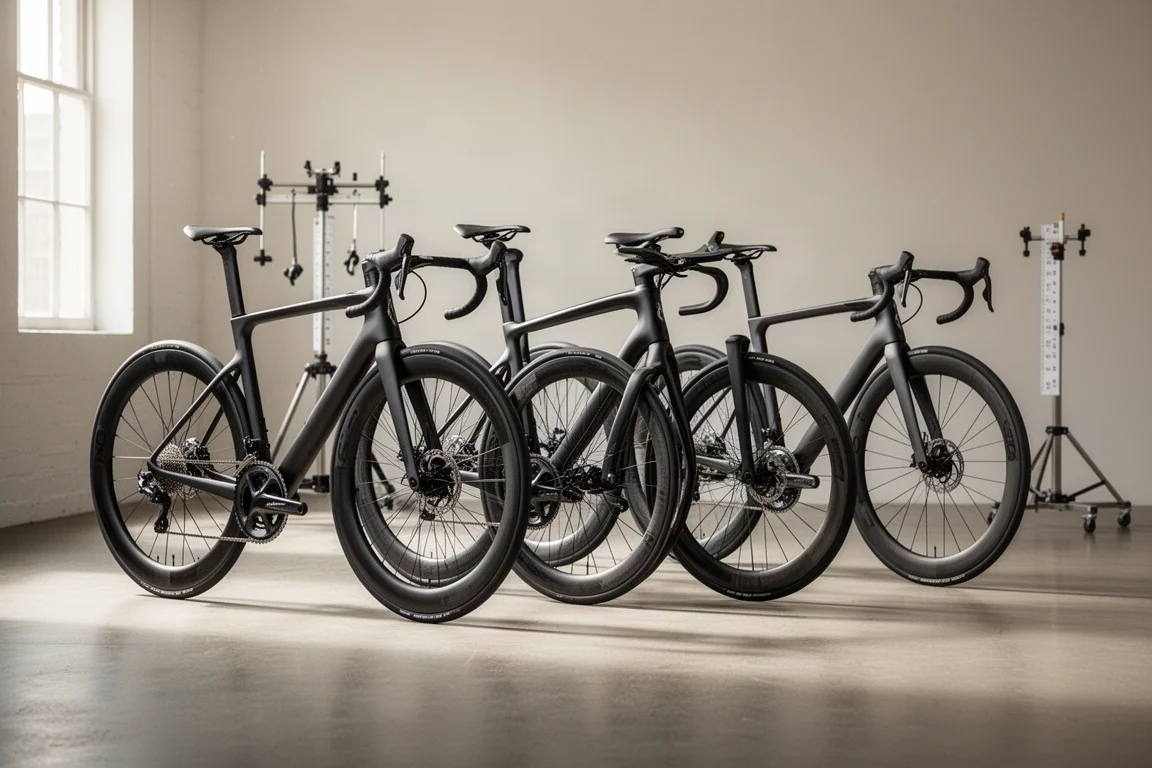
Four bikes were checked against their manufacturer recommendations: the Cervélo S5, the Canyon CFR, the Trek Madone and the Pearson Forge. The Pearson stands apart because it takes a different approach to sizing altogether.
Why Bike Size Calculators Get It Wrong
Most calculators rely on height, and some add inseam. That is a narrow input set for a decision that depends on stack, reach and head tube angle, the measurement that is most often left out of the conversation.
A fitting jig was set to each recommended position, and the geometry was run through fit software to work out how many headset spacers, what stem length and whether a setback or inline seat post would be needed. In nearly every case, the recommended frame could only be made to work with a stem far shorter than the one the bike ships with.
That matters because a very short stem on a steep head tube angle changes how a bike behaves. A 73.5 degree head tube angle is already quick steering, and pairing it with an 80 mm stem makes the front end feel nervous rather than composed. The calculator never accounts for that, and it never accounts for how the finished bike looks or how much seat post remains exposed.
There is also the question of what a size number even means. One brand recommended a size 51 frame that has a 53 cm top tube and no tube on the frame measuring 51 cm at all. The practical takeaway is that a size label is a naming convention, not a measurement you can compare across brands.
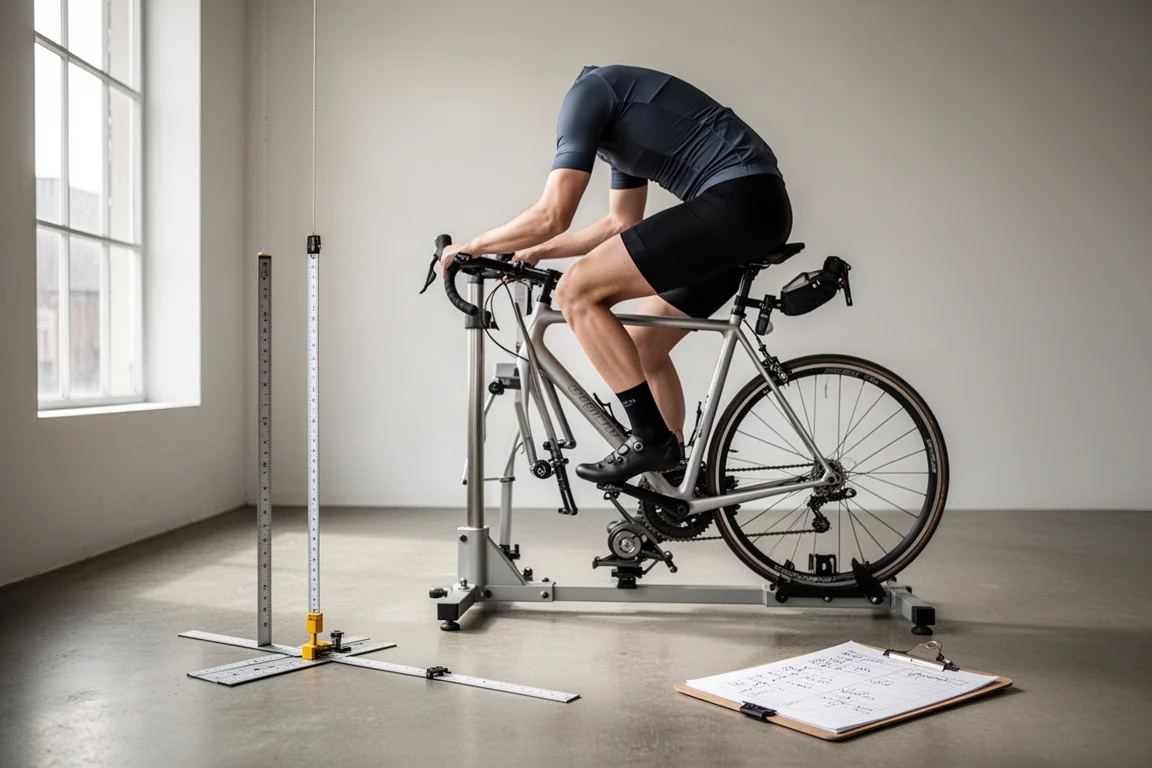
For a buyer, the useful output of a calculator is not the size number. It is the stack and reach figure behind it, because those two measurements can be checked against a position you already know works.
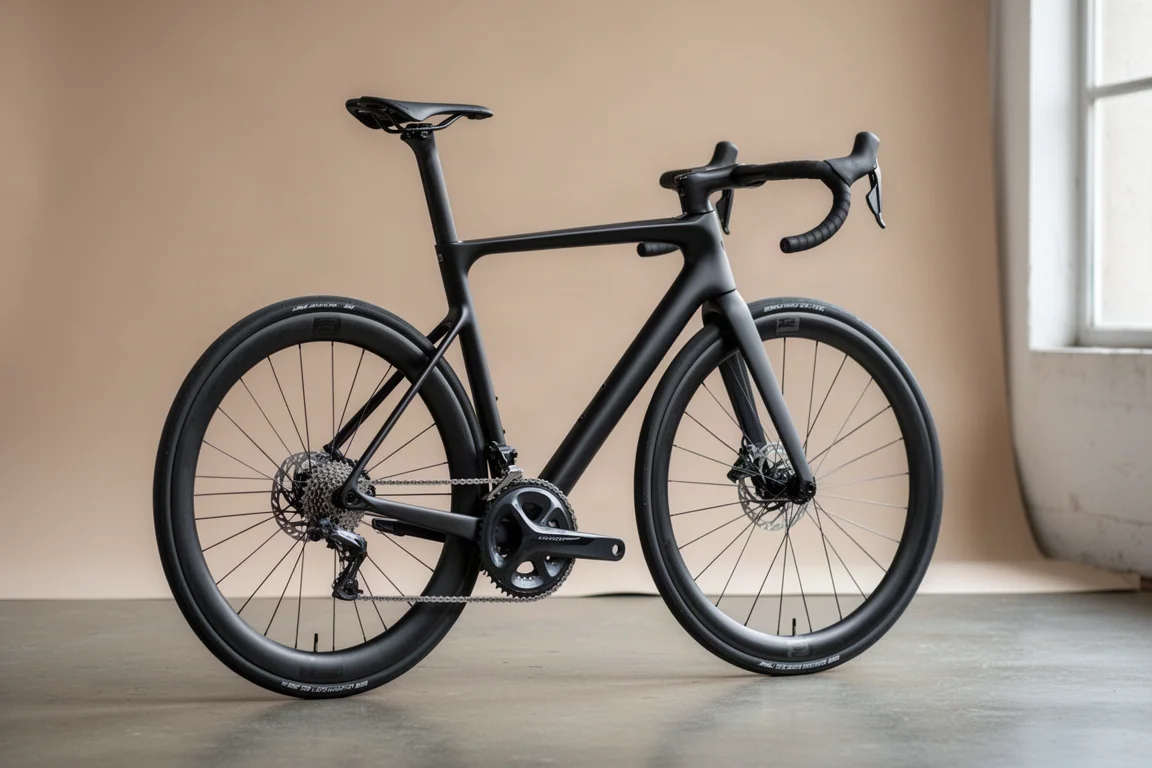
Cervélo S5: A 56 cm Recommendation That Feels Massive
The S5 calculator asked for height and returned a 56 cm frame. On the jig, that position felt enormous, roughly 4 cm wider through the shoulders than the rider’s usual setup.
Two things compounded the problem. The bike was assumed to ship with 42 cm bars and a 100 mm stem, because no cockpit information was published alongside the geometry table. Working back from the recommended position, the fit software called for a 78 mm stem and zero spacers. An effective 80 mm stem on a 73.5 degree head tube angle produces exactly the scatty, unstable steering feel described above.
The frame also left little room to adjust. Seat post exposure was minimal, and the saddle could not be moved far enough forward. To its credit, the S5 does carry a note next to its geometry table warning against trusting the calculator blindly, which is more honesty than most brands offer.
None of this means the S5 is a poor bike. It means the recommended size was wrong for this rider, and the frame could not be rescued with normal component changes.
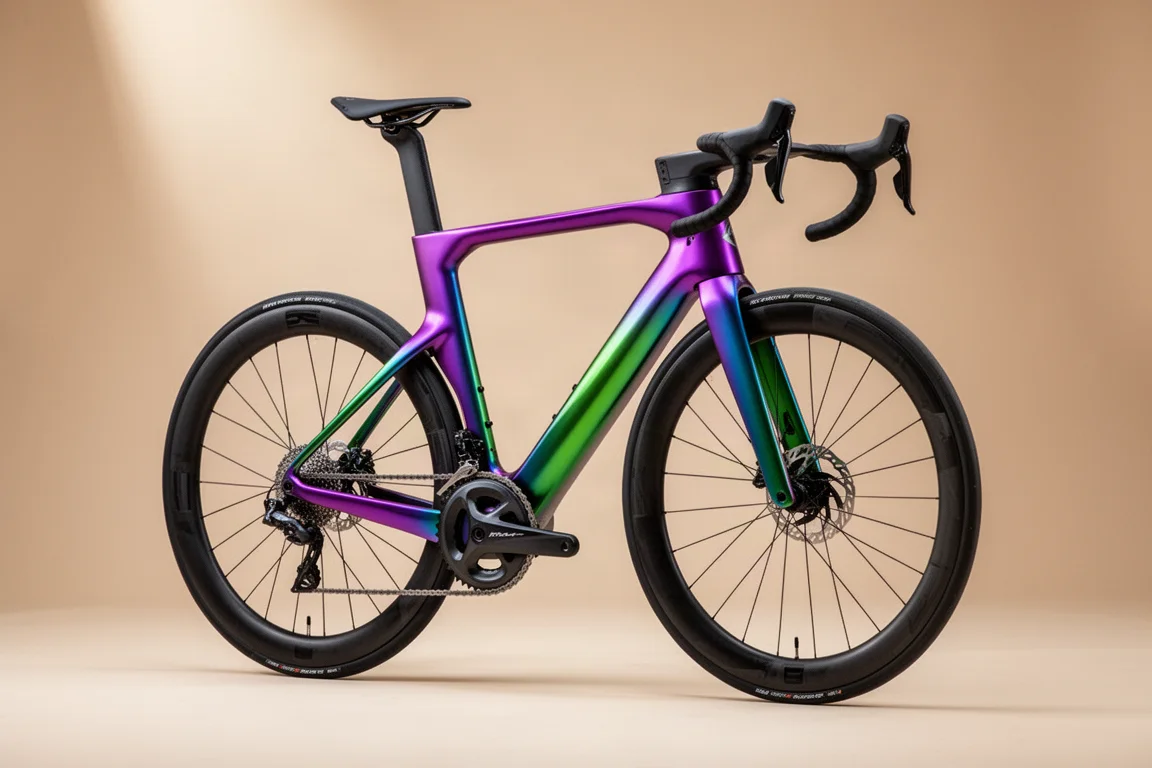
Canyon CFR: Aggressive Saddle Height Advice
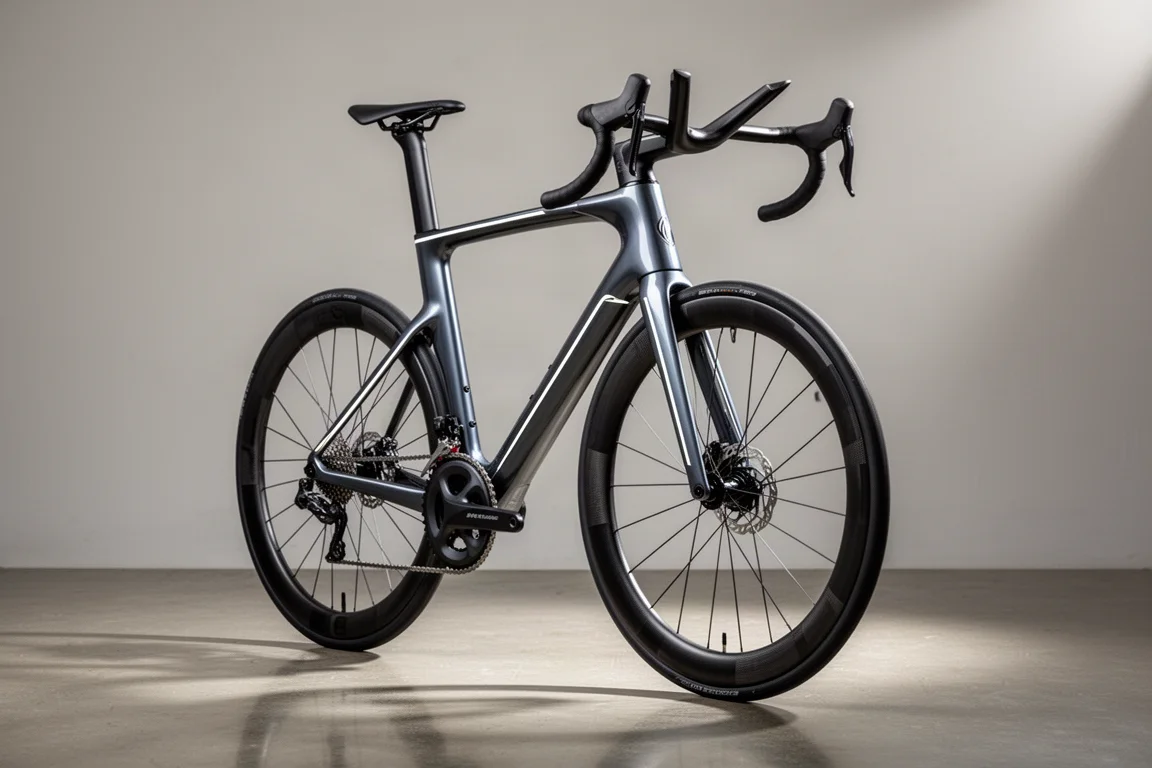
Canyon’s calculator recommended a small frame based on the 83 cm inseam, which was much closer to correct. The saddle height guidance was the real issue: 725 to 735 mm, derived from inner leg length, which sat 15 to 25 mm above the rider’s measured 71.5 cm saddle height.
Running a saddle that high has consequences well beyond comfort. It pushes weight onto the hands, encourages the rider to sit off to one side, and is linked to saddle sores and hand problems. It also forces the foot to point through the bottom of the pedal stroke, and the rider’s line of sight drops because the body is pitched further forward.
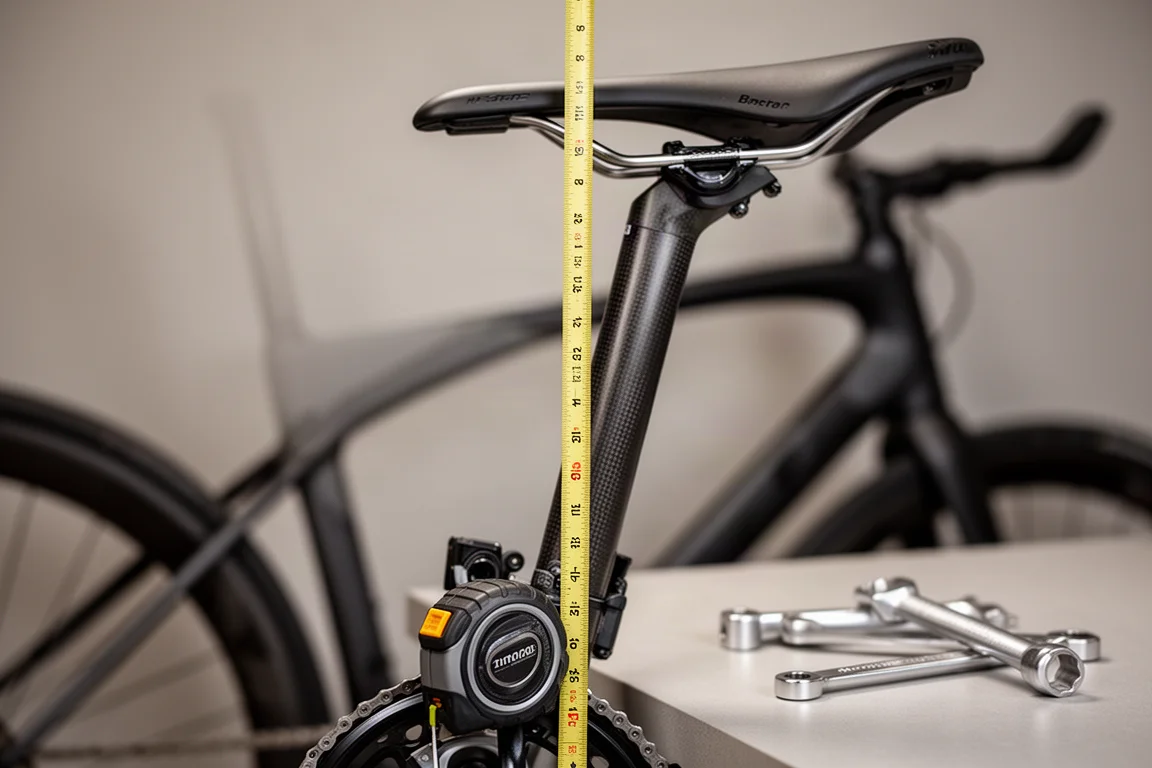
A saddle height that is 15 to 25 mm too high is easy to dismiss as a small number, but it changes the entire position on the bike. Nearly every common cycling complaint can be traced back to a saddle that sits too high, which makes this recommendation worth checking against a real measurement rather than accepting it as printed.
Trek Madone: Two Sizes Too Large
Trek’s calculator used both height and inseam and arrived at a 56 cm frame. That is two sizes above what the rider actually needed.
Making that frame work would require an 80 mm stem and a fully slammed position, which runs straight into the same 73.5 degree head tube angle problem. An effective top tube of 55.7 cm is also too long for this rider. The geometry does leave a more reasonable amount of seat post exposed, at roughly 15 cm, so the adjustment story is better here than on the S5.
The Madone ships with a 42 cm bar and a 110 mm stem, with a 41 cm control width. Narrower cockpits are becoming more common on aero bikes, and most men measure between 39 and 41 cm across the shoulders, so 42 cm is wider than ideal for many riders. A narrower bar is usually better ergonomically as well as aerodynamically, although some brands have pushed so narrow that the opposite problem appears.
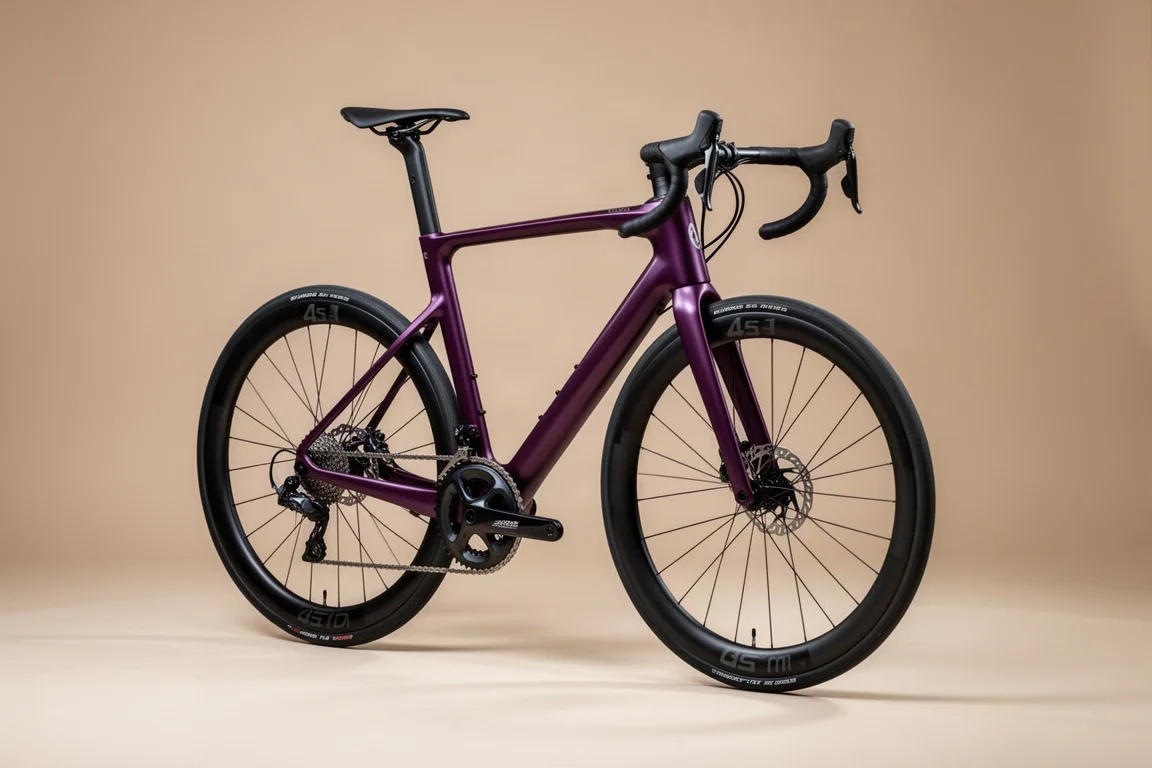
Pearson Forge: A Fresh Take on Sizing
Pearson takes a different route with the Forge. Instead of a numbered frame size, the range runs from 1 to 5, and the design was built around bike fit data rather than a legacy measurement.
Size 2 corresponds to a 52, which put the test rider squarely in range. The Forge also increases bottom bracket drop, a detail that suggests the brand is thinking about how the bike behaves with a rider actually on it.
A numbered scale will not suit everyone, and the instinct to say “I have always ridden a 54” is hard to shake. But sizing conventions have been carried forward for decades while bicycles themselves have changed considerably, and a scale that reflects fit data rather than tradition is a sensible step.
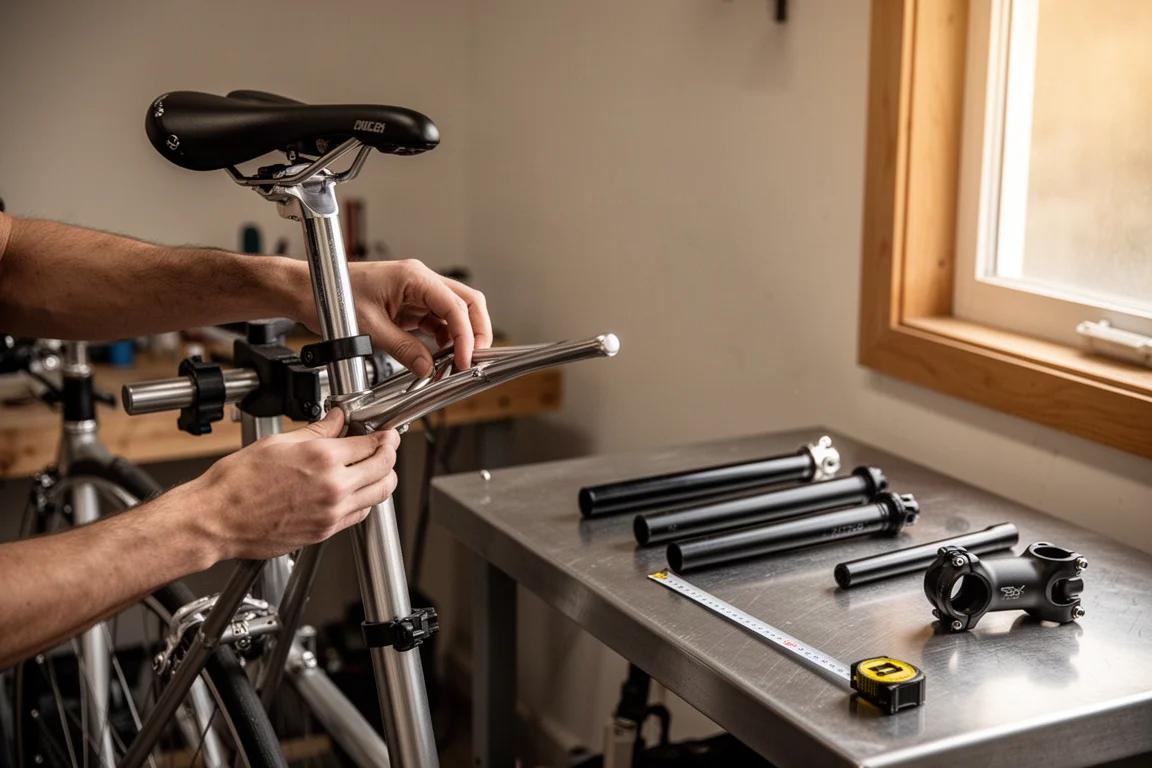
For riders who are tired of translating a size number into real geometry, the Forge approach removes one layer of guesswork. It also shows what is possible when sizing is treated as a fit question rather than a marketing label.
What to Check Before You Buy
The clearest lesson from all four bikes is that the safest default is to size down rather than up. A frame that is slightly small can usually be adjusted with a longer stem, more seat post and a little more spacer. A frame that is too large often cannot be rescued at all.
Two numbers are worth checking before you commit. First, the stem length the recommended size would need. If it lands below roughly 90 mm, the handling is likely to suffer. Second, the saddle height the calculator suggests. Compare it with a measured figure rather than an estimate drawn from inseam alone.

Component choices are slowly improving. Smaller frames are beginning to ship with shorter cranks, and narrower handlebars are becoming more common across the range. Those changes help, but they do not fix a frame size that is fundamentally wrong. A professional bike fit before purchase remains the most reliable path, even though it is not realistic for everyone.
Conclusion
Size calculators are a starting point, not an answer. The Cervélo S5, Canyon CFR and Trek Madone all produced recommendations that needed unusually short stems or saddle heights that were too high, while the Pearson Forge showed that a fit-led sizing scale can be clearer. If you take one thing from this comparison, make it this: measure carefully, size down when in doubt, and treat the calculator’s number as a suggestion to be verified.
Further reading
Related Reviews
Cycling
2026 Bike of the Year and the Cycling Gear Worth Watching
A drop bar roundup for 2026 covering the Ridley Kanzo Fast 2.0, Shimano Dura-Ace Di2 R9300, Trek Checkpoint ALR Gen 3, Specialized Tarmac SL9, Garmin Fenix 9 and Insta360 X6.
Cycling
Best All-Road Bikes 2026: Six Versatile Endurance Road Bikes Worth Considering
A practical look at six all-road and endurance road bikes, from lightweight carbon speed machines to steel all-rounders and comfort-focused mile eaters.
Cycling
Best All-Road Bikes 2026: 8 Endurance Bikes for Road and Light Gravel
Eight all-road bikes that blur the line between endurance road and light gravel, compared on tire clearance, ride character, practicality, and value.