Cycling Accessories
Bike Locks Tested: Five Models Ranked by Real-World Resistance
Five bike locks, a 15-minute limit per lock, and an angle grinder. Here is how each model held up and which one makes sense for your situation.
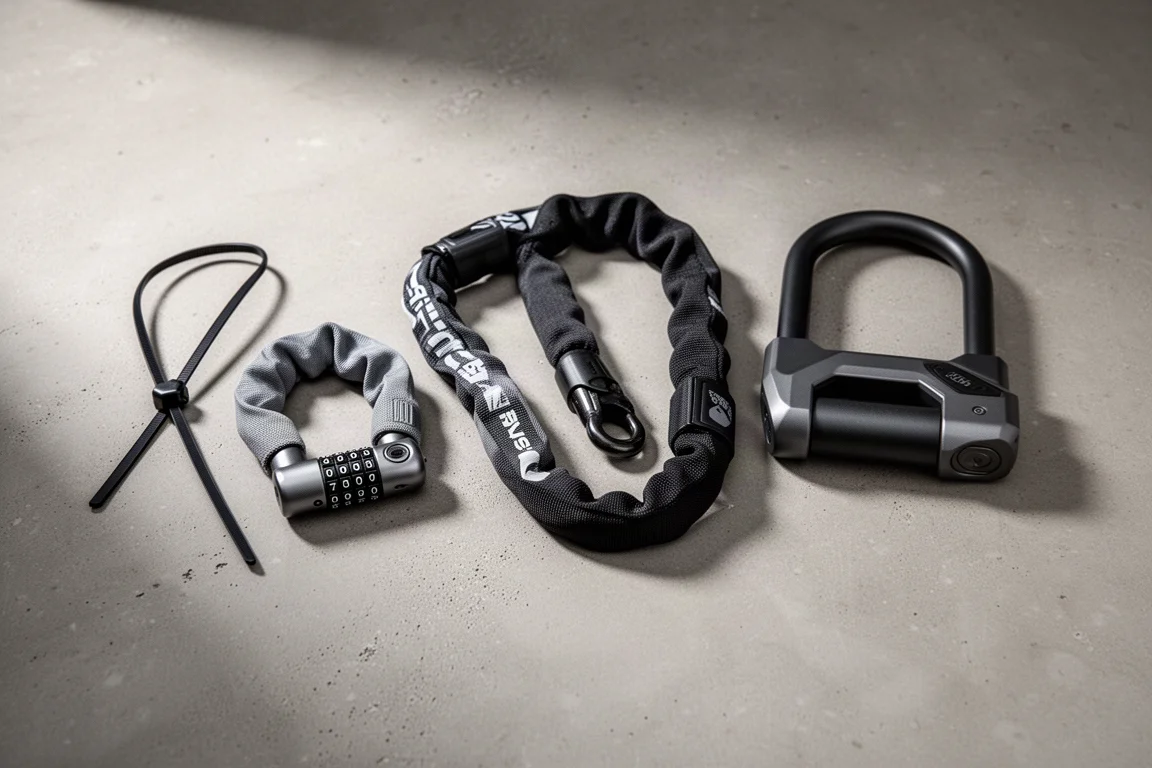
Introduction
A bike lock only earns its keep when someone actually tries to break it. In this test, five locks were attacked with an angle grinder and a pair of bolt cutters, with a 15-minute limit per lock, to see how much time each one really buys. The results were blunt. Most of them fell quickly, and only one held out for the full session.
That does not make the cheaper options pointless. It makes matching the lock to the situation more important than the rating printed on the packaging.
How These Locks Were Evaluated
Every lock was fitted to the same bike and attacked with the same tools: a cordless angle grinder and bolt cutters. Each lock had a 15-minute window, which is a generous amount of time in the context of a street theft, and the aim was to find out how much of that window each design could survive.
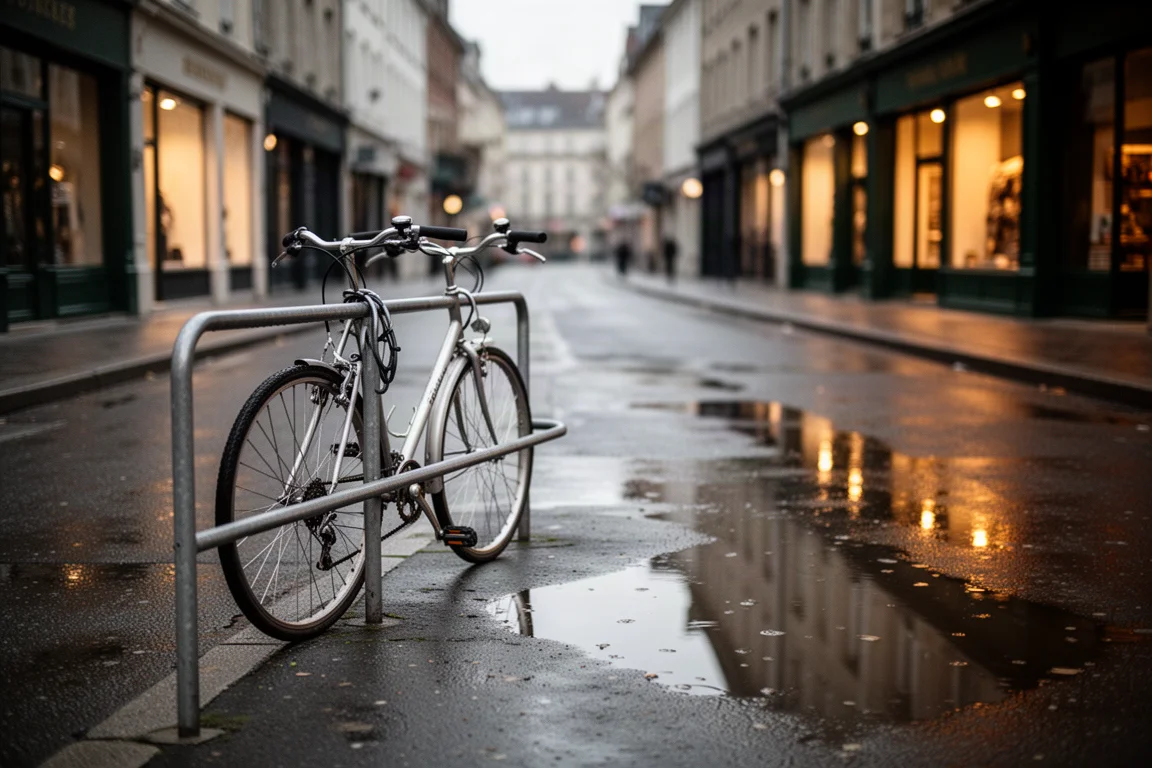
As a reference point, the Sold Secure tiers are commonly summarised as Bronze for resisting around a minute with basic tools, Silver for roughly three minutes with a wider selection of tools, and Gold for five minutes against a more sophisticated array. Those windows assume a thief who is willing to work at the lock. As the results below show, a cutting disc changes that maths considerably.
Hiplok Z Lok: Lightweight Cafe Coverage
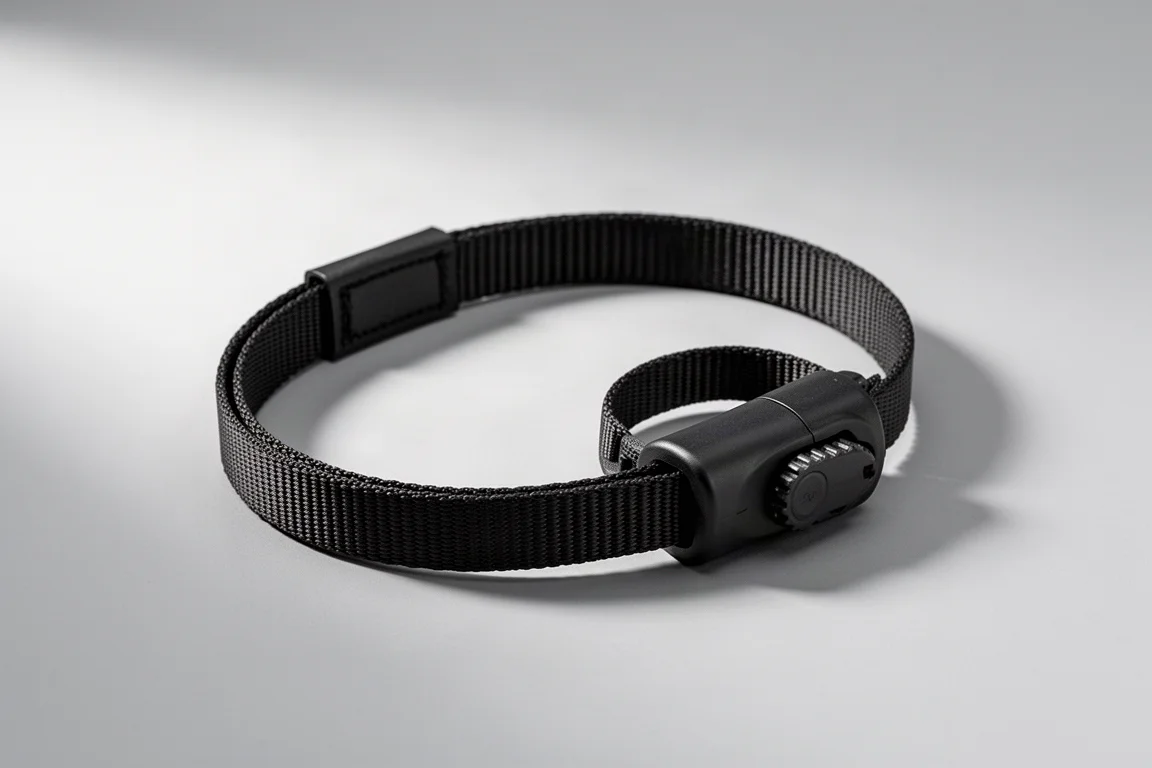
The Hiplok Z Lok is the lightest lock in this group and is built for cafe stops rather than long-term parking. It retails around £19.99 and uses a ratchet mechanism similar to a zip tie. The internal construction is metal, but the ratchet housing that holds it closed is plastic.
That plastic is the weak point. In testing the Z Lok was opened in roughly two minutes without any tools at all, and a strong person pulling directly against the ratchet could plausibly defeat it faster still. As a visible deterrent while you sit a few metres away, it does the job it was designed for. As anything more than that, it does not.
Sportneer Chain Lock: Budget Combination Security
At around £11.99, the Sportneer chain lock is the cheapest option here and the one with the most obvious compromise. It is a combination lock, and the combination is fixed at 0000 with no way to change it. Anyone who has handled this type of lock before knows exactly where to start.
The chain itself did not survive the test. The combination mechanism is the part to think about most, because a fixed and well-known code removes the one advantage a combination lock normally has over a keyed one.
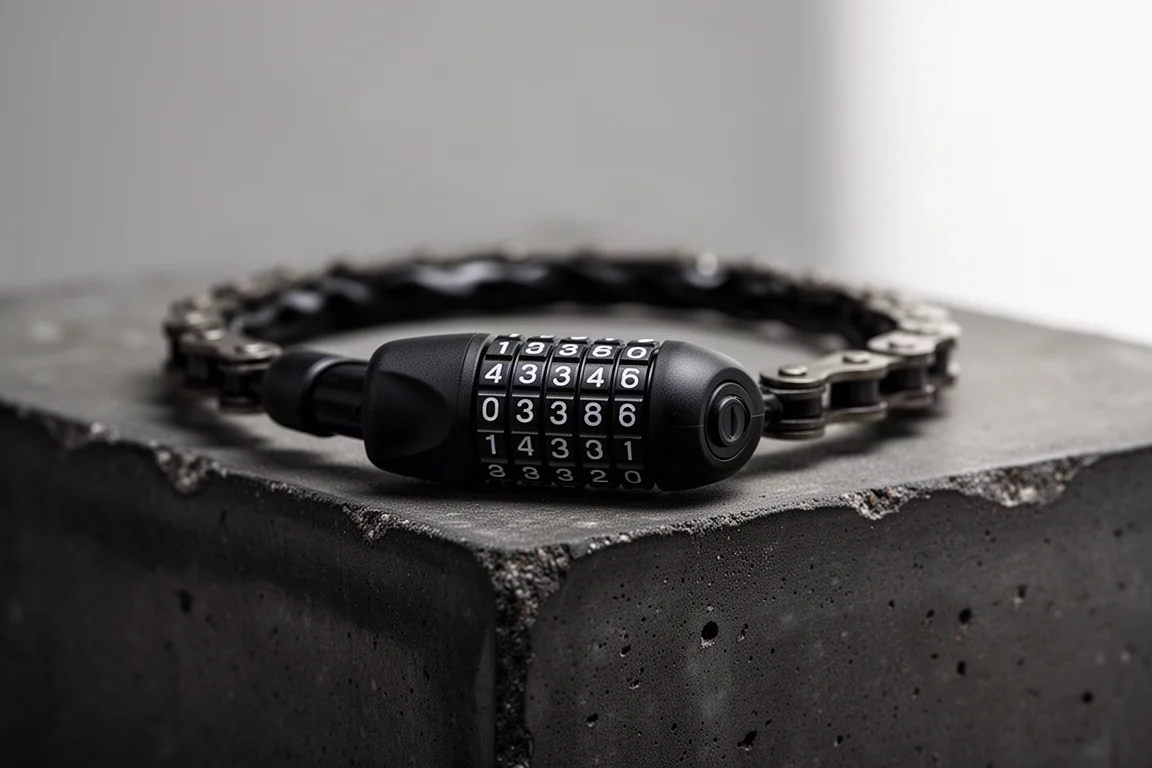
For a bike that never leaves your sight for more than a minute or two, this is a cheap way to make it look secured. For anything longer, the fixed code and light construction leave very little margin.
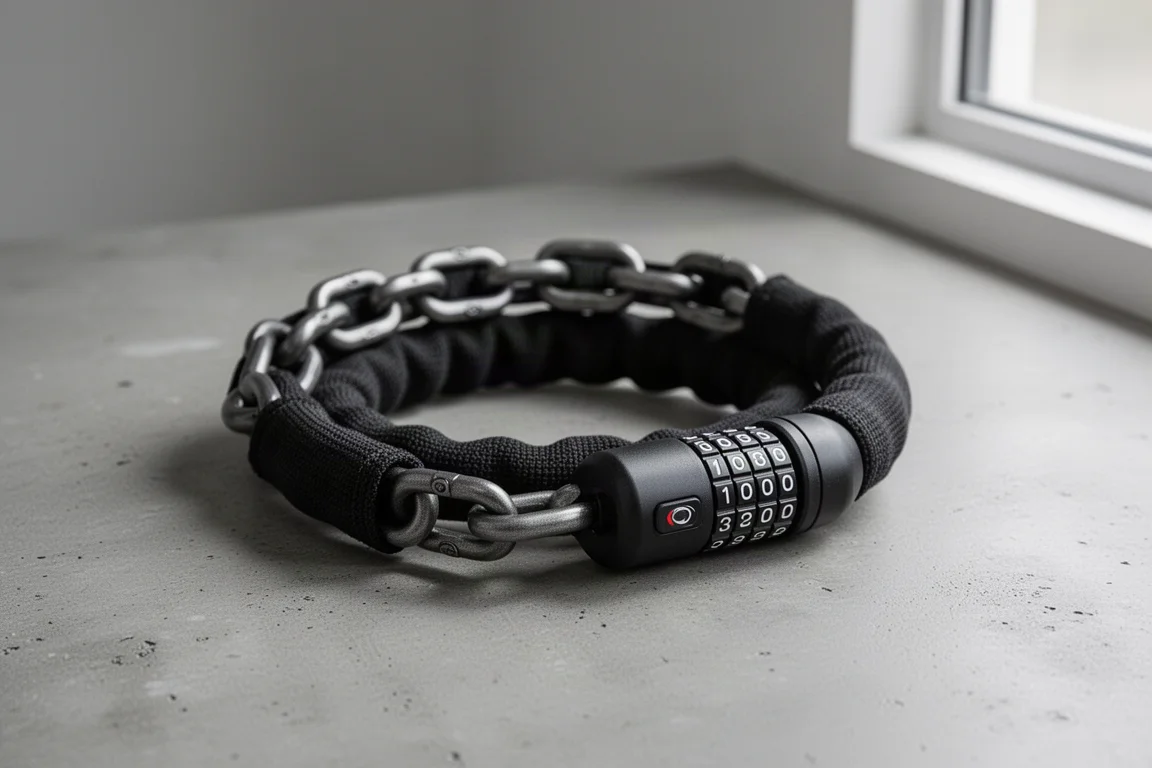
Hiplok Original Chain Lock: Wearable Silver-Rated Chain
The Hiplok Original is designed to be worn around the waist while riding, which makes it genuinely practical for riders who do not want to carry a lock in a bag. It uses an 8 mm chain, carries a Sold Secure Silver rating, and retails for around £50.
Against hand tools and bolt cutters it held firm. The design leaves very little exposed edge for a tool to bite into, and it took roughly four minutes of angle grinder work to get through. That is a meaningful step up from the cafe-level locks above, and the wearable format means the lock is actually with you when you need it.
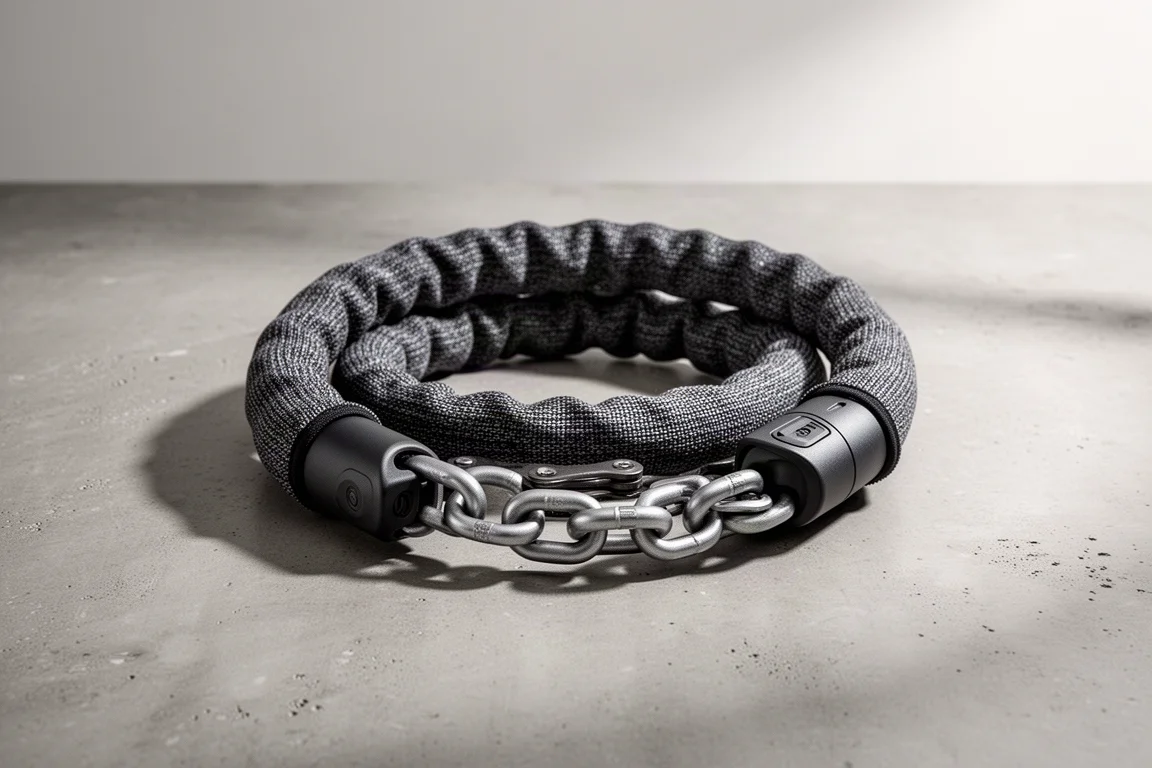
Hiplok Gold: Heavier Chain, Higher Rating
The Hiplok Gold takes the same wearable concept and moves to a thicker 10 mm chain with a Sold Secure Gold rating. That rating matters beyond the test itself. Many bike insurance policies require a Gold Sold Secure lock or better for a claim to be valid, so this is often the minimum specification for a bike that is covered.
The extra material defeats bolt cutters completely. It does not defeat an angle grinder. In testing, the Gold was cut in around 43 seconds, with the actual cutting time closer to 30 seconds once the disc was positioned. For a lock rated to withstand five minutes against a sophisticated tool set, that is a sobering result.
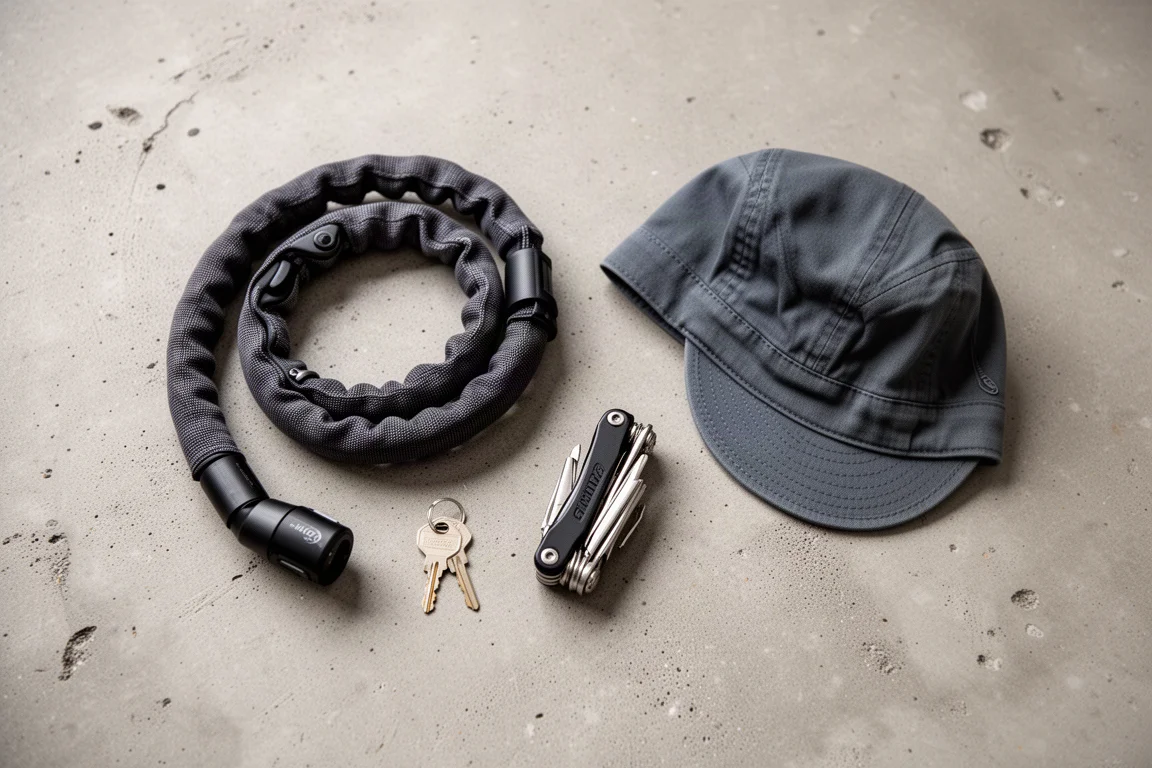
None of this makes the Gold a bad lock. The rating is still a useful benchmark, and the insurance requirement is real. It simply shows that a Gold rating describes resistance to a defined tool set, not immunity to a power tool on an open street.
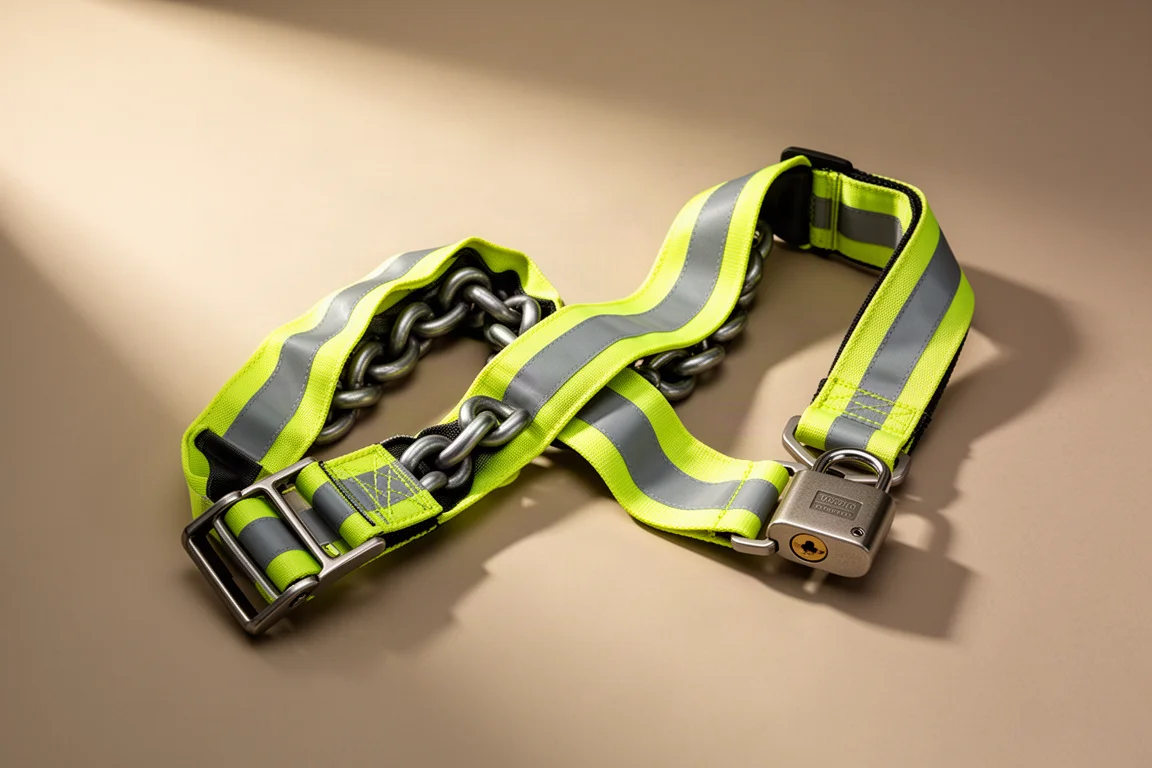
Hiplok D1000: The Anti-Angle-Grinder Option
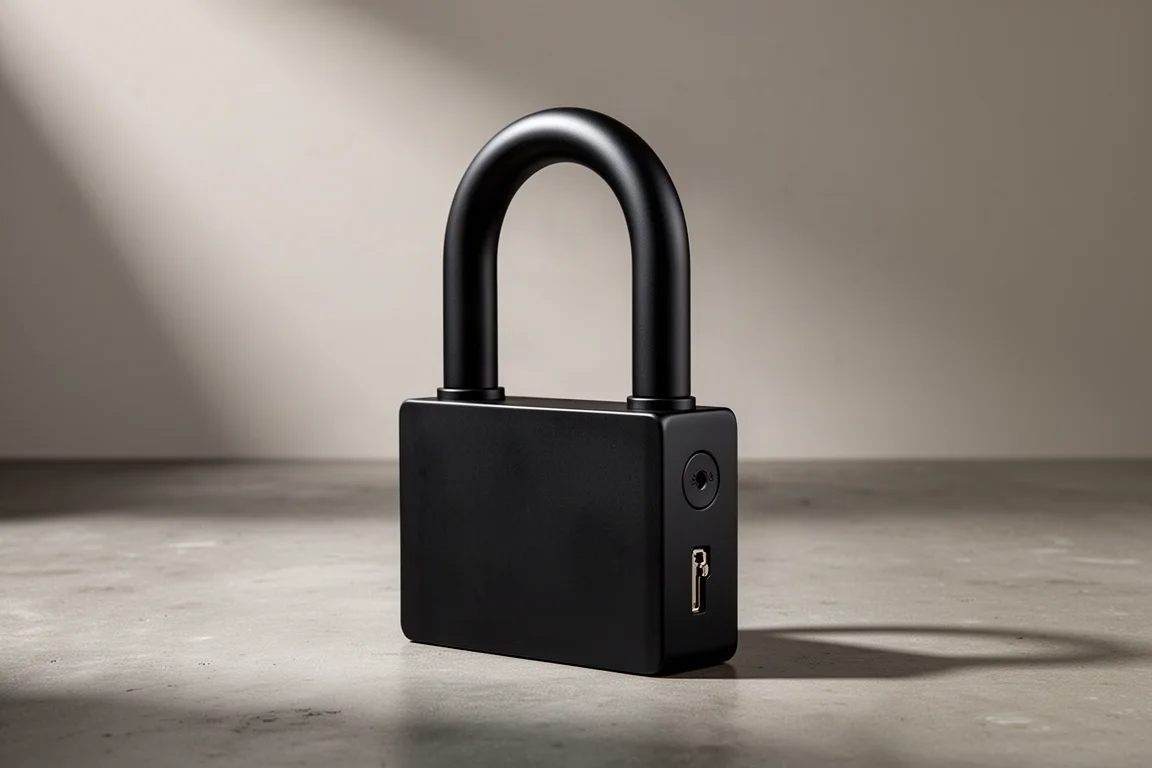
The Hiplok D1000 is the outlier in this group. At the time of testing it was a pre-production unit that had not yet gone on sale, with an expected retail price of around £250 once released. It is built with a metal-on-metal welded construction specifically to resist cutting discs.
It worked. Multiple discs were spent on it without getting through, and the attempt produced heavy smoke, a strong smell and a considerable mess. Anyone trying this on a street would draw attention long before the lock gave way, and that combination of time, noise and mess is arguably the whole point of the design.
Buying Advice: Matching a Lock to Your Risk
The results point to a simple hierarchy. If your bike is only ever left within sight for a few minutes, a lightweight cafe lock such as the Z Lok is a reasonable, low-cost deterrent. If it stays locked in a city for hours at a time, you need something that survives bolt cutters, and that means real material thickness in a chain or a D-lock.
A Gold Sold Secure rating is a sensible baseline for an insured bike, but this test shows it is not a guarantee against an angle grinder. If your bike is valuable enough that a power tool attack is a realistic concern, the D1000 was the only lock here that answered it. Heavy-duty D-locks remain a popular alternative and generally cost considerably less, though they were not part of this test.
One practical point worth carrying over: locks that are awkward to carry tend to get left at home. A wearable chain or a lock that fits a frame mount is more likely to be on the bike when you actually stop somewhere.
Conclusion
Five locks, one clear result. The D1000 was the only one that could not be defeated within the time limit. Every other lock here was opened or cut quickly, whether by hand or by grinder, including a Gold-rated chain that fell in around 43 seconds.
The practical takeaway is not that cheap locks are worthless. It is that the time a lock buys you depends entirely on the tools the person attacking it brought with them. Knowing that is worth more than any single rating on a box.
Further reading
Related Reviews
Cycling Accessories
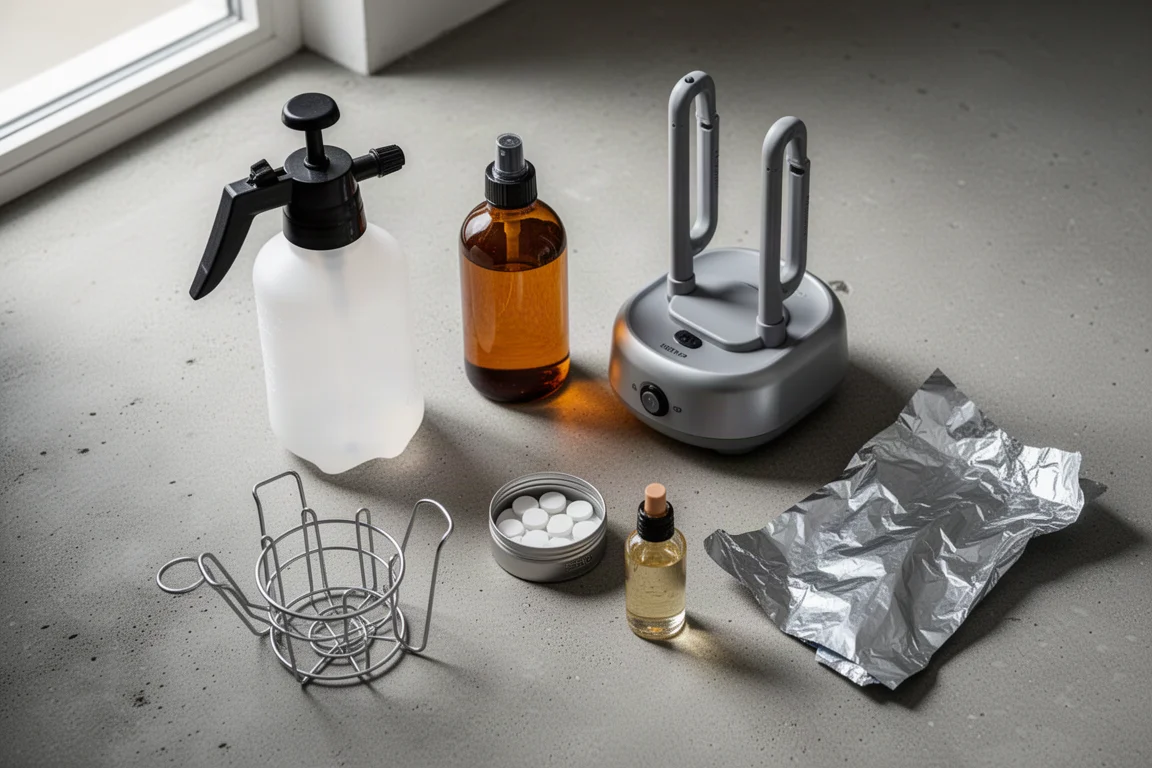
7 Inexpensive Everyday Products That Are Brilliant for Cyclists
Seven cheap household products that solve real problems for cyclists, from portable bike washing and dry shoes to clean bottles and protected paintwork.
Cycling Accessories
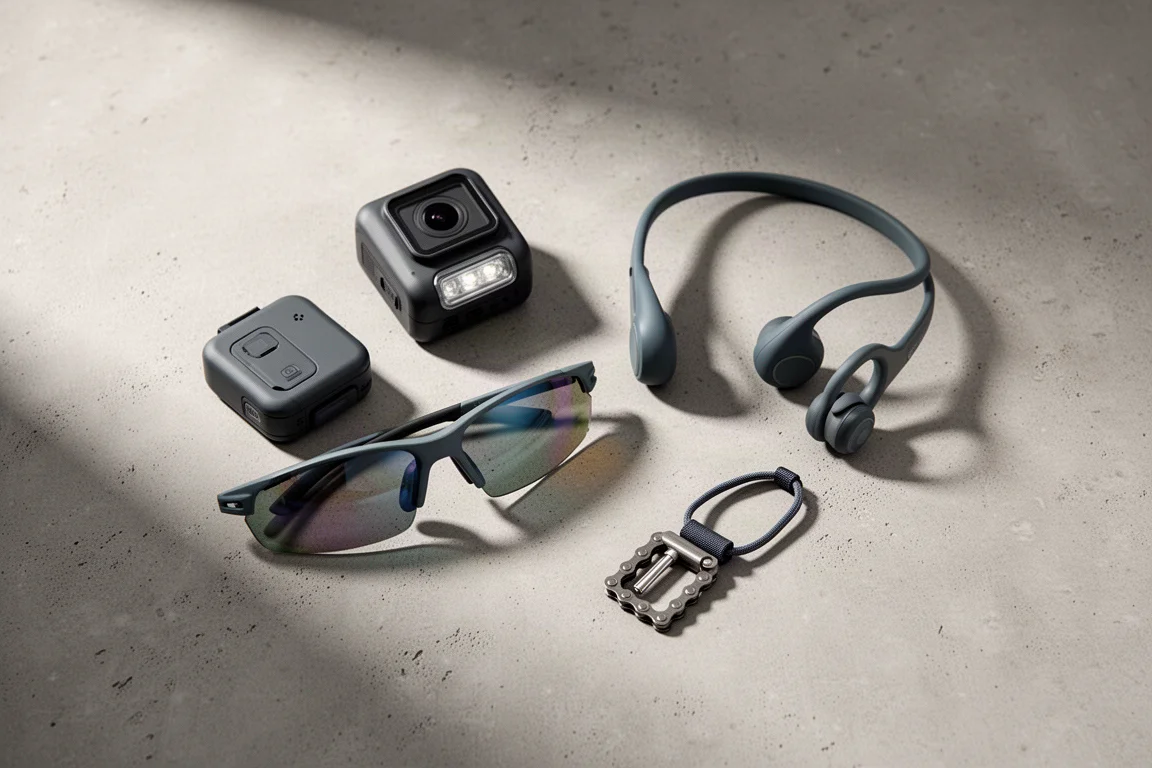
Amazon Cycling Accessories Worth Buying: Five Practical Picks
A basket of low-cost cycling accessories judged on real-world use, from a dash cam style camera and light combo to bone conduction headphones and one tool best left on the shelf.
Cycling Accessories
Electric Bike Pumps Compared: AS2 Pro Tiny Pump vs AS2 Pro Max
A practical look at two battery-powered bike pumps: what they do well, where they fall short, and which one suits which kind of rider.