Cycling Gear
Bike Gear Trade-offs: Six Popular Products and What to Know Before Buying
Six widely bought cycling products, the real trade-offs behind each one, and how to judge whether they suit the way you ride.
Introduction
Most cycling purchases are not disasters. They are mismatches: a product that does exactly what it was designed to do, bought by a rider who needed something else. That gap is where the frustration lives.
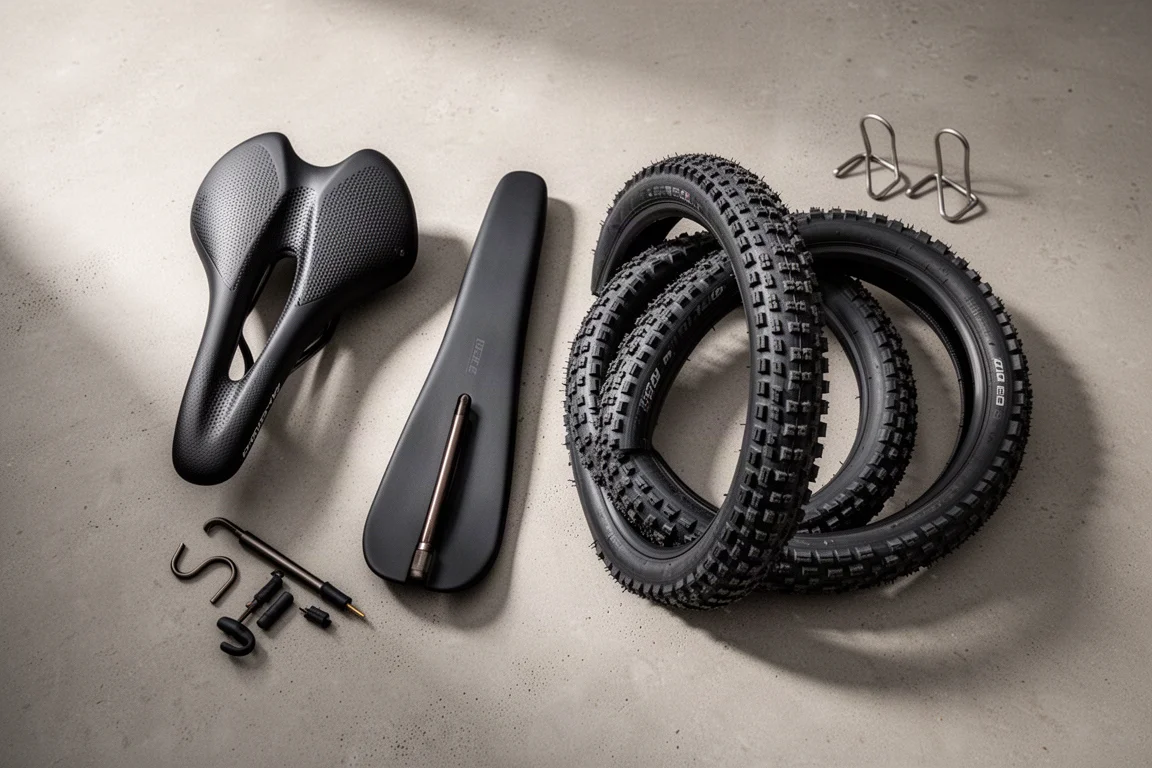
The six products in this guide all have a legitimate case for buying them. Each one also carries a trade-off that is much easier to accept when you know about it in advance, whether that is a firmer ride, a tougher tyre fitting, or a design that only works if you use it in a particular way.
What These Six Products Have in Common
Look closely and the pattern is consistent. Every item here has a real strength. A saddle shape that takes pressure off sensitive tissue. A tyre that refuses to puncture. A storage hook that costs less than a coffee. None of that is marketing noise.
The problems appear when that strength is pushed past its natural limit. A saddle with no relief channel is fine for riders who genuinely get on with a flat, firm platform, and painful for everyone else. A heavily armoured tyre is a gift on a commuter route littered with glass and a penalty on a fast weekend ride. The product is not wrong. The match is.
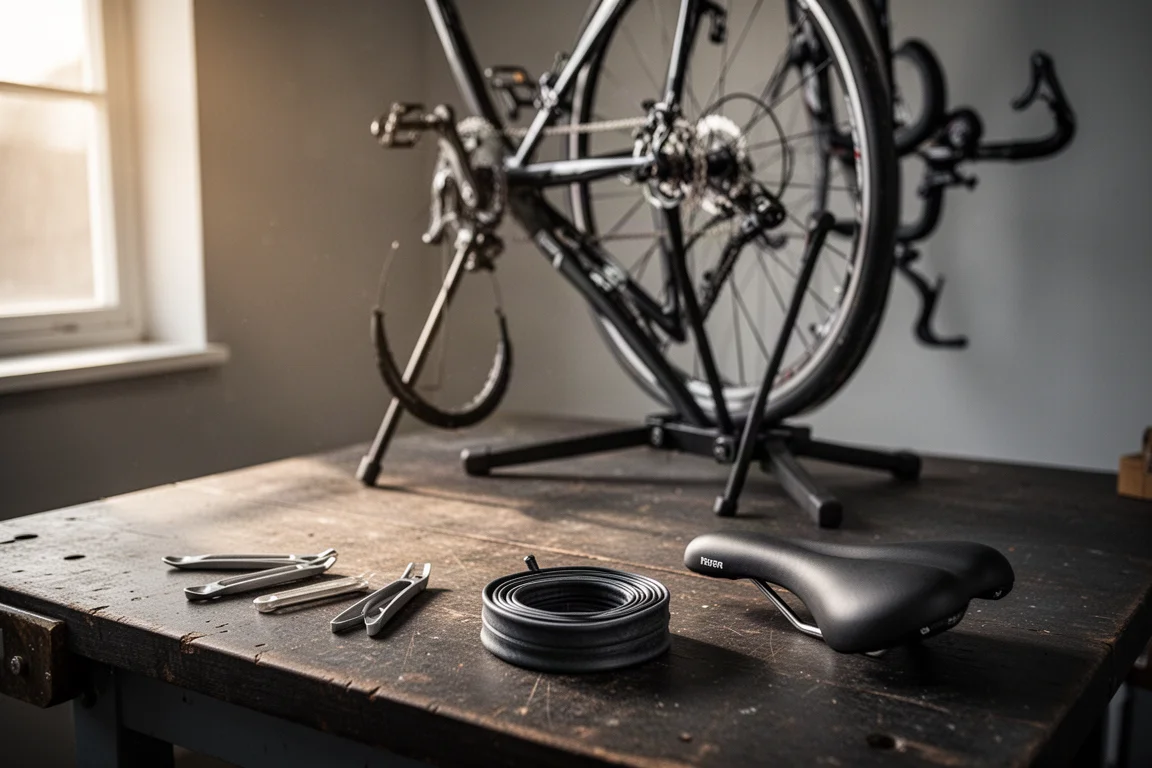
There is a second, quieter pattern worth noting. Several of the disappointments below came from counterfeit or unbranded versions of products that are perfectly good in their genuine form. When the price on a marketplace listing looks too good to be true, the part that fails is usually the one holding you up.
Fizik Antares Versus Evo: A Pressure-Relief Saddle Worth Buying Genuine
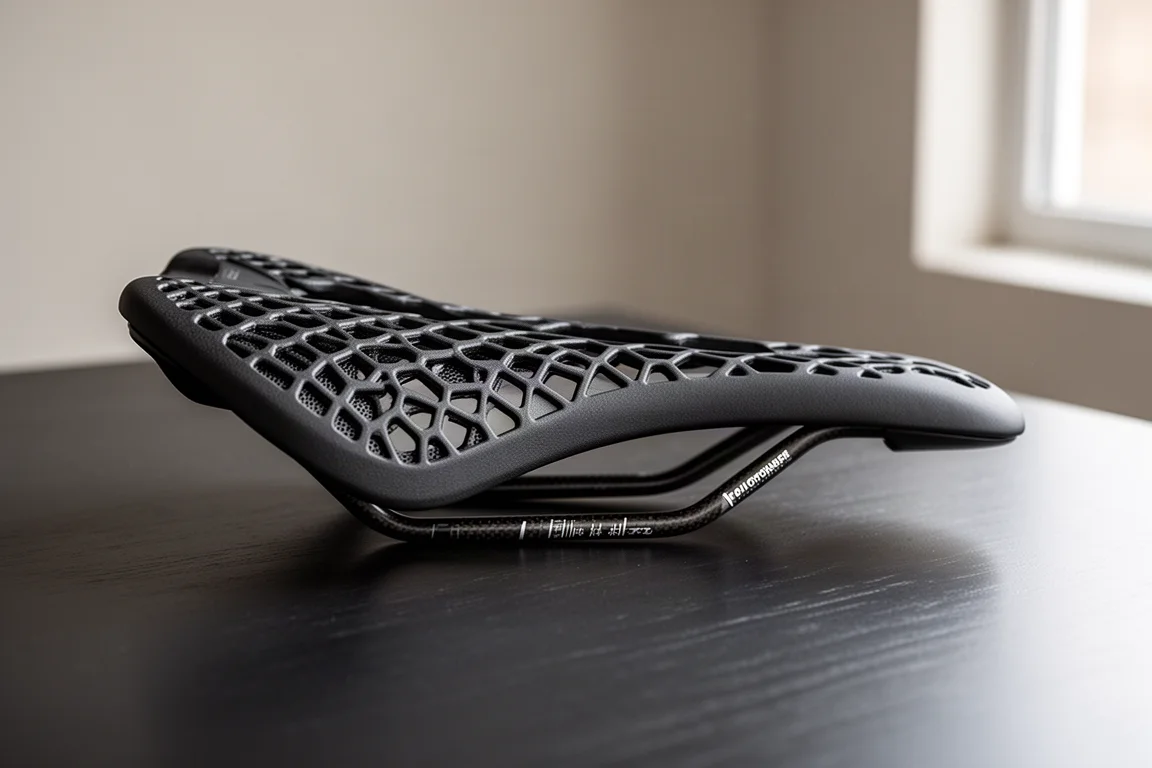
The Antares Versus Evo is built around the feature that matters most on a modern performance saddle: a pressure relief channel running through the middle. That shape exists to remove the compression that flat, solid saddles place on soft tissue, which is why this saddle sits at the opposite end of the spectrum from a classic hard race perch.
The 3D-printed top is the other defining characteristic. It gives the saddle a textured, cushioned surface without the bulk of conventional foam.
The caution here concerns copies. Versions of the Antares Versus Evo circulate at prices far below what a genuine 3D-printed saddle costs, and the build quality does not survive contact with real riding. The top layer peels away easily. The rails flex under load and feel flimsy rather than controlled. In at least one case the saddle came apart in the hand, which is not something a genuine saddle does.
Buy from a seller you trust. If a listing is dramatically cheaper than every other source, treat that as the product description.
Fizik Arione: A Firm Race Saddle With a Narrow Fit Window
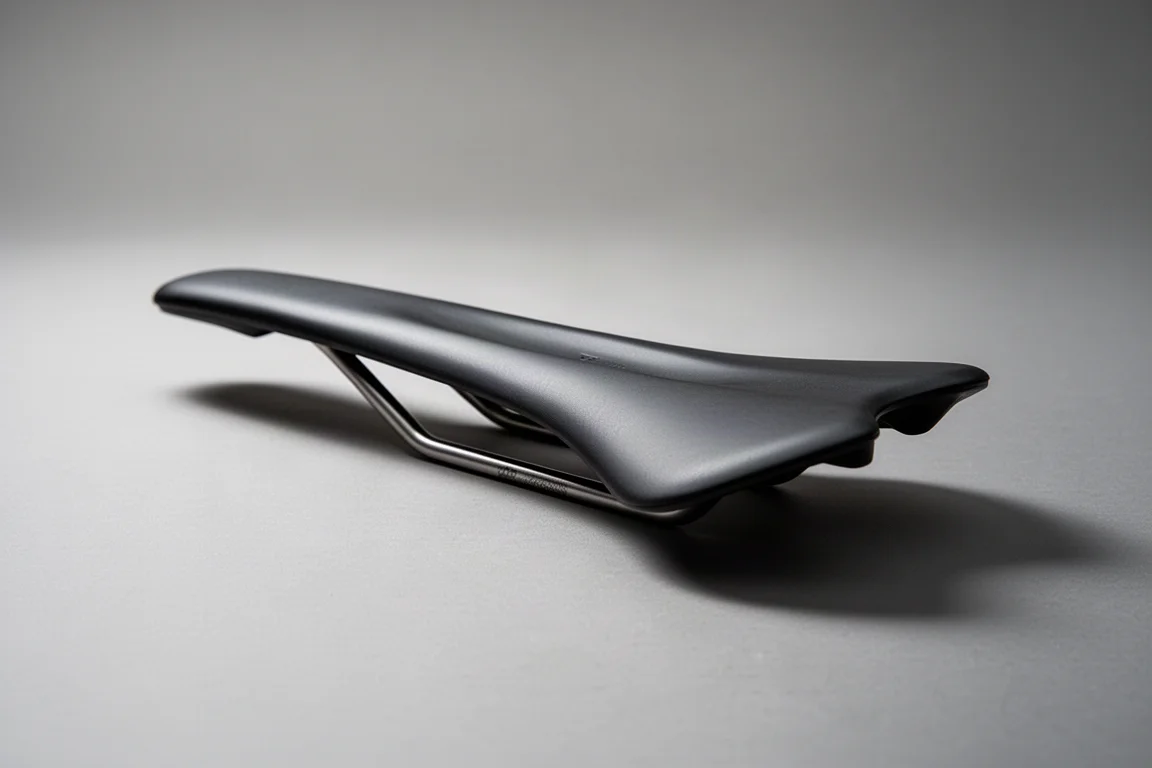
The Arione has been one of the most widely used saddles in road cycling, and its reputation rests on a long, flat profile that looks fast and suits riders who like to shift position as they ride. It is also a hard piece of foam with no pressure relief built in.
That combination is unforgiving. Riders who do not naturally sit well on a flat platform can end up in pain, and pain changes posture. Sliding to one side to escape pressure creates compensation elsewhere on the bike, which is how a saddle problem quietly becomes a knee or back problem.
None of this makes the Arione a bad saddle. It makes it a specific one. If you already know that a firm, flat platform works for you, the Arione delivers exactly that. If you are buying your first performance saddle, or you have ever finished a long ride numb, a shape with a central relief channel is the safer starting point, and the Antares shape above is one option.
Continental Gatorskin Hardshell: Maximum Puncture Protection, Minimal Comfort
The Gatorskin Hardshell takes the standard Gatorskin and adds another layer of puncture defence. On paper that is exactly what a winter training tyre or a commuter tyre should be, and in practice it is genuinely difficult to flat.
The cost is ride quality. The Hardshell is a stiff, heavily built tyre, and the ride is noticeably harsher than the standard Gatorskin, which is itself not a plush tyre. Road vibration comes through in a way that gets tiring over long distances.
Fitting is the other consideration. This is a tyre that fights back when you mount it, and it is just as stubborn when you try to remove it at the side of a road. That matters less than it sounds, because the whole point of the Hardshell is that roadside repairs become rare. It still means any puncture you do get will take longer to fix than you expect.
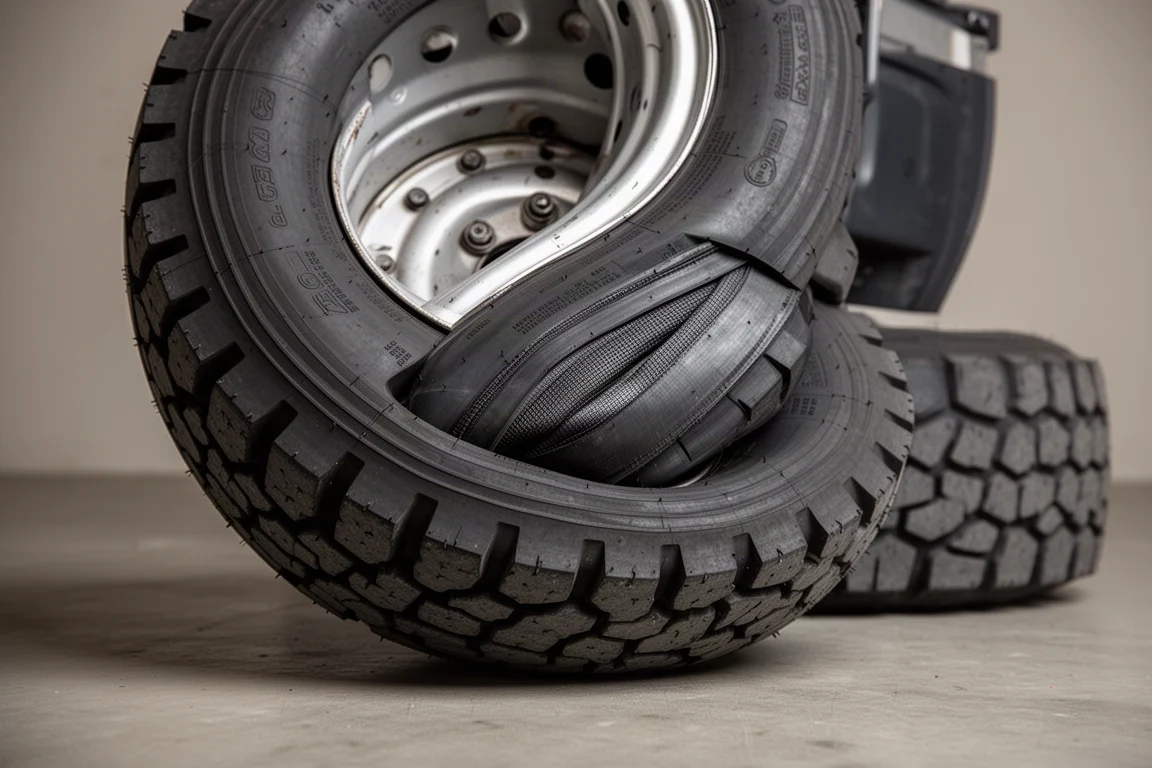
The honest summary is that the Hardshell trades comfort and convenience for protection, and it makes that trade more aggressively than most tyres in its class. Riders who commute through glass-strewn streets or train through winter on rough lanes often decide the trade is worth it. Riders who want a lively feel and quick tyre changes usually do not.
Schwalbe Marathon Plus: The Same Trade-off, Taken Further
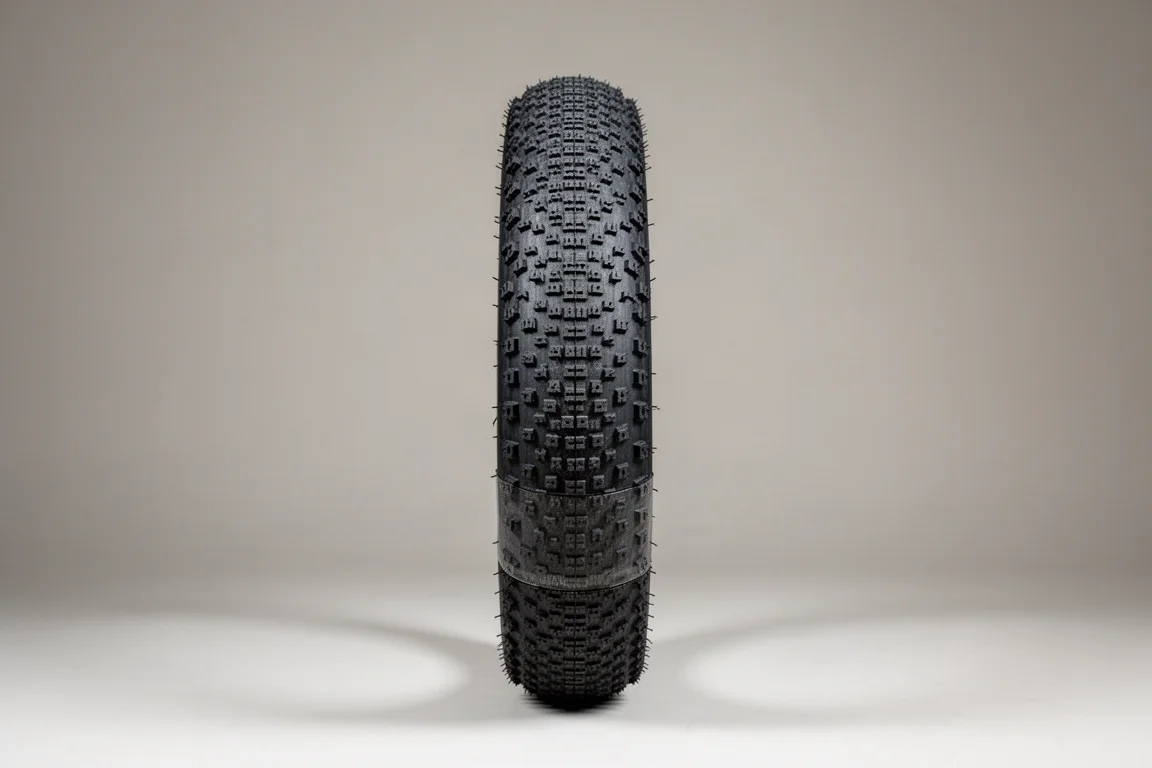
The Marathon Plus sits in the same category as the Hardshell, and the experience is similar. Puncture protection is outstanding, to the point that flats become a rarity rather than a routine annoyance.
The same two penalties apply. The ride is slow and heavy, and the tyre is stubborn on and off the rim. Anyone who has wrestled one onto a wheel at home will recognise the sore thumbs that come with the job, and a roadside repair is a longer project than most riders plan for.
For a commuter or a touring bike that simply needs to arrive, that is a reasonable exchange. The protection is real, and the tyre is designed to be forgotten about for long stretches of riding. For a bike you ride for pleasure on good roads, the weight and the dulled feel are harder to justify.
Stan’s Dart: A Tubeless Plug Tool That Divides Riders
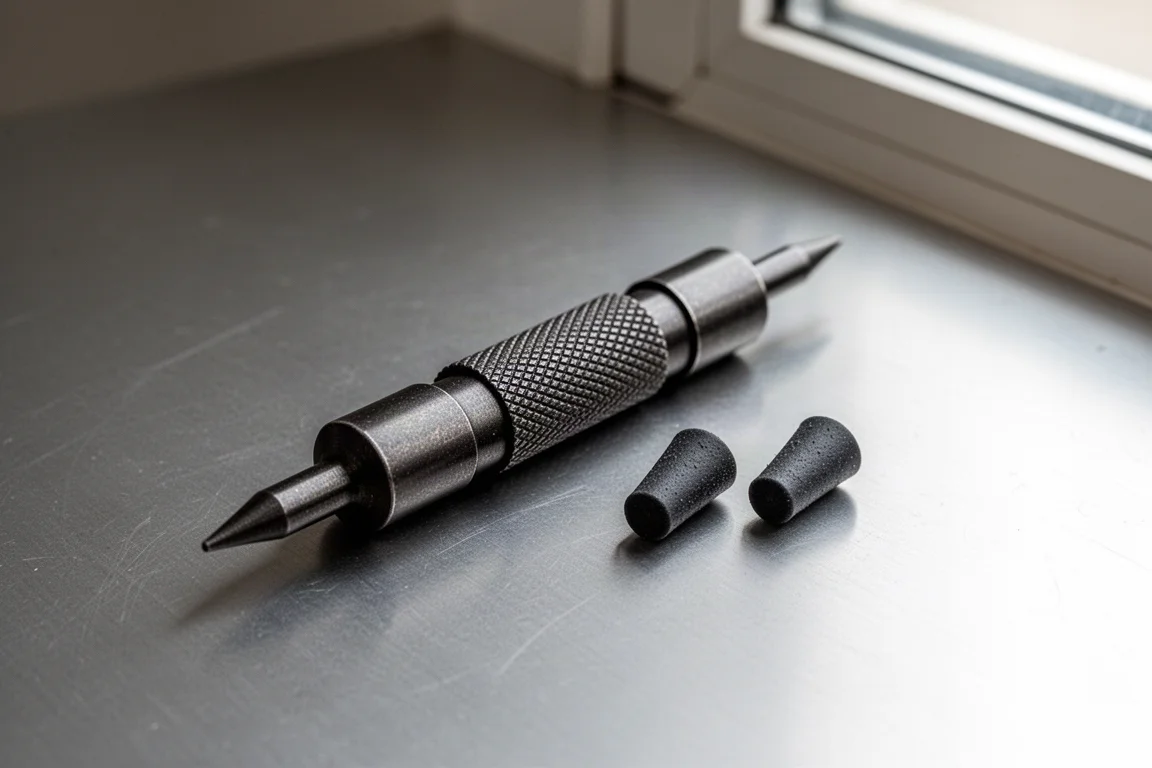
The Dart is a double-ended tubeless plug tool from a brand with a strong record in sealants. It carries a premium price for what is essentially a compact repair tool, and the refill darts are sold separately, so the cost continues after the initial purchase.
Durability is the weak point. The tool came apart during use, and when the second end was tried it failed in the same way, leaving nothing to plug the hole with. A simple rubber worm and a standard tubeless plug tool finished the job instead, at a fraction of the price.
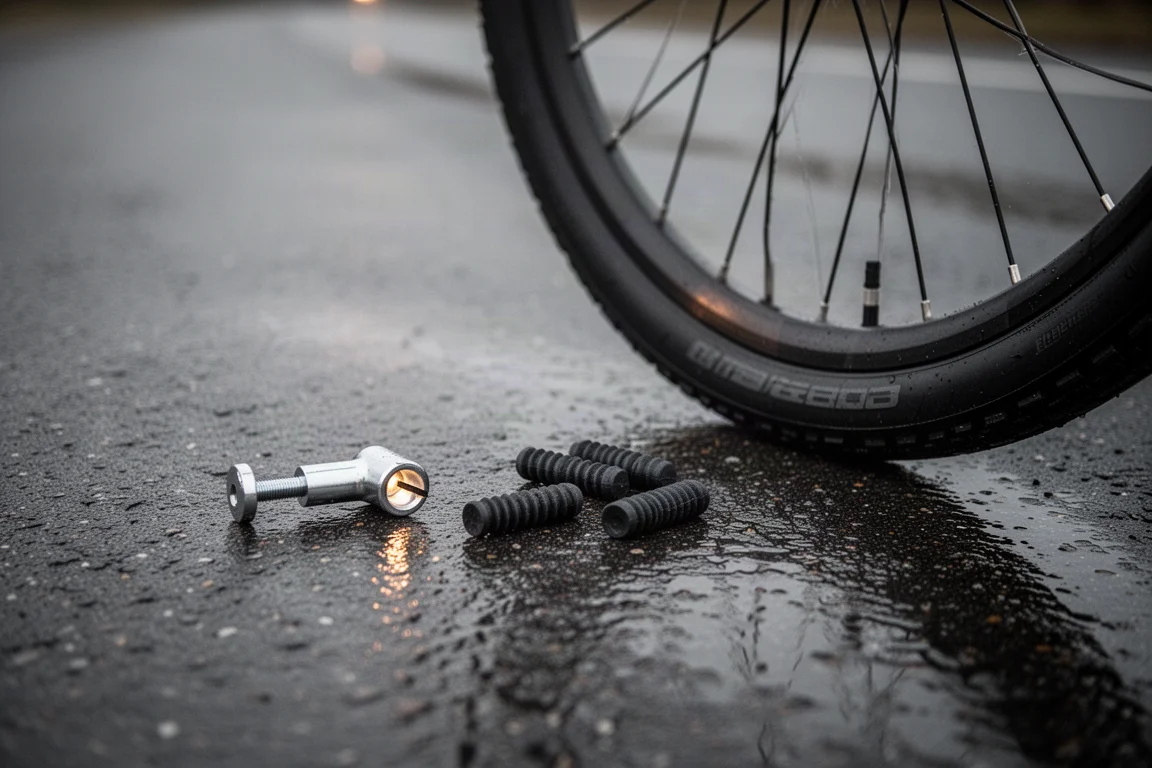
That experience says nothing bad about the brand’s sealants, which remain well regarded. It does suggest that a tool with moving parts and a premium price should be judged on whether it holds together when you actually need it. If you ride tubeless, the inexpensive option is worth keeping in your saddle bag as a backup regardless of what else you carry.
Jobsworth Bike Hangers: Low-Cost Storage Hooks With a Learning Curve
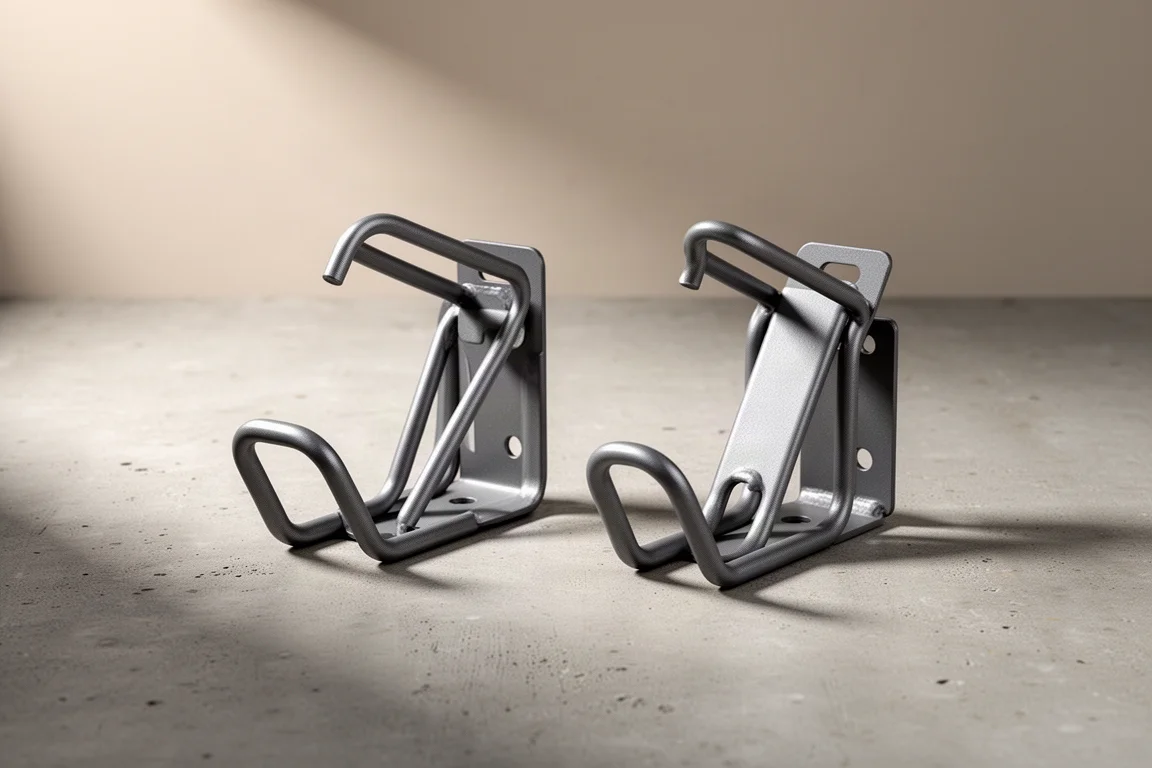
These wall hooks sell for very little, often around a pound each, and that price explains most of the experience. The small hooks fold down when unloaded, so hanging a bike becomes a two-handed job: one hand to hold the hook up, one hand to lift the bike. Doing it alone is awkward, and with a heavier bike it is worse.
If you have a bike that goes on the wall and stays there, the hooks are a cheap way to get it out of the way. If you commute daily and hang the same bike every evening, the fiddliness becomes a small daily irritation, and it is usually easier to lean the bike against something instead.
Overall Buying Advice
Start with the job the product will do most often, not the job it could do occasionally. Puncture-resistant tyres are excellent on a commuter that rolls over broken glass every day and frustrating on a bike you ride purely for enjoyment. A flat, firm race saddle is ideal for the rider it fits and a source of pain for everyone else.

Buy genuine. Several of the disappointments above came from copies of products that are well made in their real form. Counterfeit saddles in particular fail in ways a genuine part never would, and the savings are not worth the risk when the component is carrying your body weight.
For tyres, decide which you value more: protection or feel. If you choose protection, accept the firmer ride and learn how to fit the tyre at home so you are not learning at the roadside. If you choose feel, carry a plug tool and a spare tube, and treat punctures as routine rather than a crisis.
For saddles, prioritise pressure relief unless you already know from experience that a flat platform suits you. For tubeless tools, buy the version that is simple, inexpensive and known to hold together, and keep a spare plug in your bag.
For storage, be honest about how often you will use the hardware. Cheap hooks are fine for a permanent parking spot. Anything you use daily deserves a design that works with one hand.
Conclusion
Six products, and not one of them is a bad design. The Antares Versus Evo shape relieves pressure where it matters, the Gatorskin Hardshell and the Marathon Plus refuse to puncture, and a one-pound storage hook does exactly what it claims. The frustration in each case came from a mismatch: the wrong tyre for the wrong road, the wrong saddle for the wrong rider, a cheap part asked to do a job it was never built for, and counterfeit versions sold as the real thing.
Buy for the riding you actually do, buy from sellers who can stand behind the product, and the same purchases that disappoint one rider will quietly do their job for years for another.
Further reading
Related Reviews
Cycling Gear
8 Cycling Products Riders Keep Coming Back To
Eight cycling components and accessories with clear strengths, honest trade-offs and long-standing reputations among riders and mechanics.
Cycling Gear
Aero Helmets and Bottle Setups Tested: Six Options Ranked by Measured Watt Savings
Wind tunnel data on six aero helmets and bottle setups, with real watt savings, practical trade-offs, and guidance on what is worth buying first.
Cycling Gear
Aero Road Bikes and Fast Tires Worth Watching in 2026
Four aero road bikes and one fast road tire, with the real strengths, the open questions, and what to check before you buy.