Cycling Gear
Bike Gear That Disappoints: 11 Purchases to Think Twice About
Eleven cycling products with real drawbacks, from solid tires and firm saddles to cheap bike hangers, plus the trade-offs to weigh before you spend.
Introduction
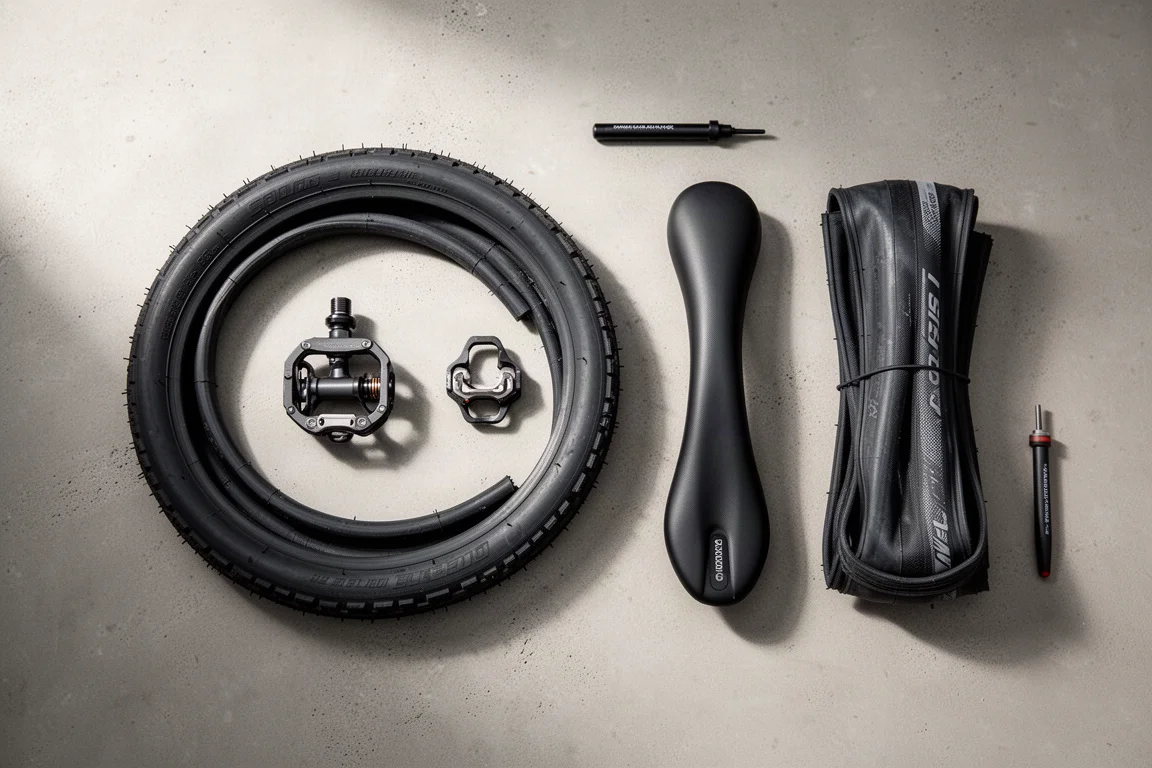
Most cycling gear earns its place in the shed. A smaller number of purchases look sensible on paper and then turn out to be frustrating in daily use, whether because of comfort, cost, installation, or durability. This guide looks at eleven products that fit that second category, explains what goes wrong with each one, and points out the situations where they might still make sense.
None of these are bad companies. In several cases the brands involved make excellent products elsewhere in their range. The problem is specific to the item, and knowing about it in advance is the easiest way to avoid an expensive mistake.
What Makes These Purchases Frustrating
A few themes come up again and again. Comfort is the first: some products trade ride quality for a single benefit, such as puncture resistance or zero maintenance, and the result is a bike that feels harsh over every bump. Installation is the second: a product that is difficult to fit turns a five-minute job into an hour of effort, and the same difficulty returns at the roadside when something goes wrong.
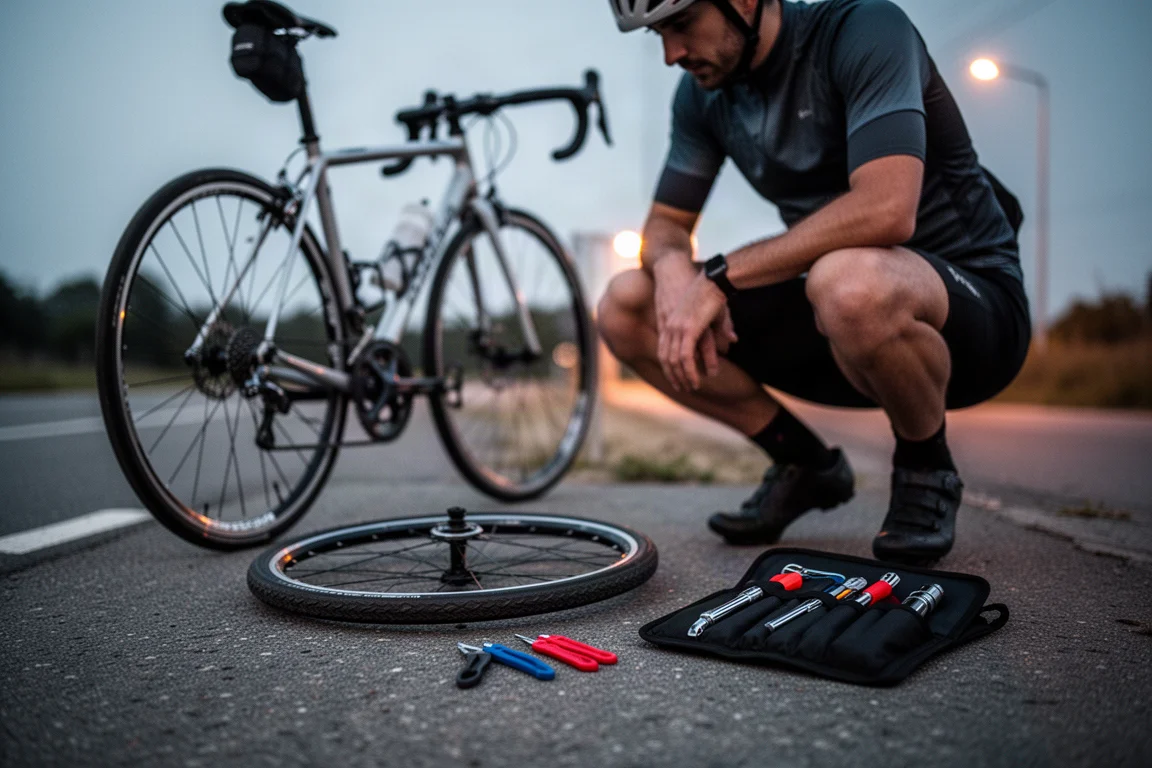
Cost of ownership is the third theme. A product can be reasonable to buy and expensive to keep running once consumable parts wear out. Durability is the fourth: items that work well once and then fail are worse than items that never worked at all, because the failure usually happens after the money has been spent.
Each section below sets out the practical trade-off so you can judge whether it matters for the riding you actually do.
Tannus Solid Tires: No Flats, No Comfort
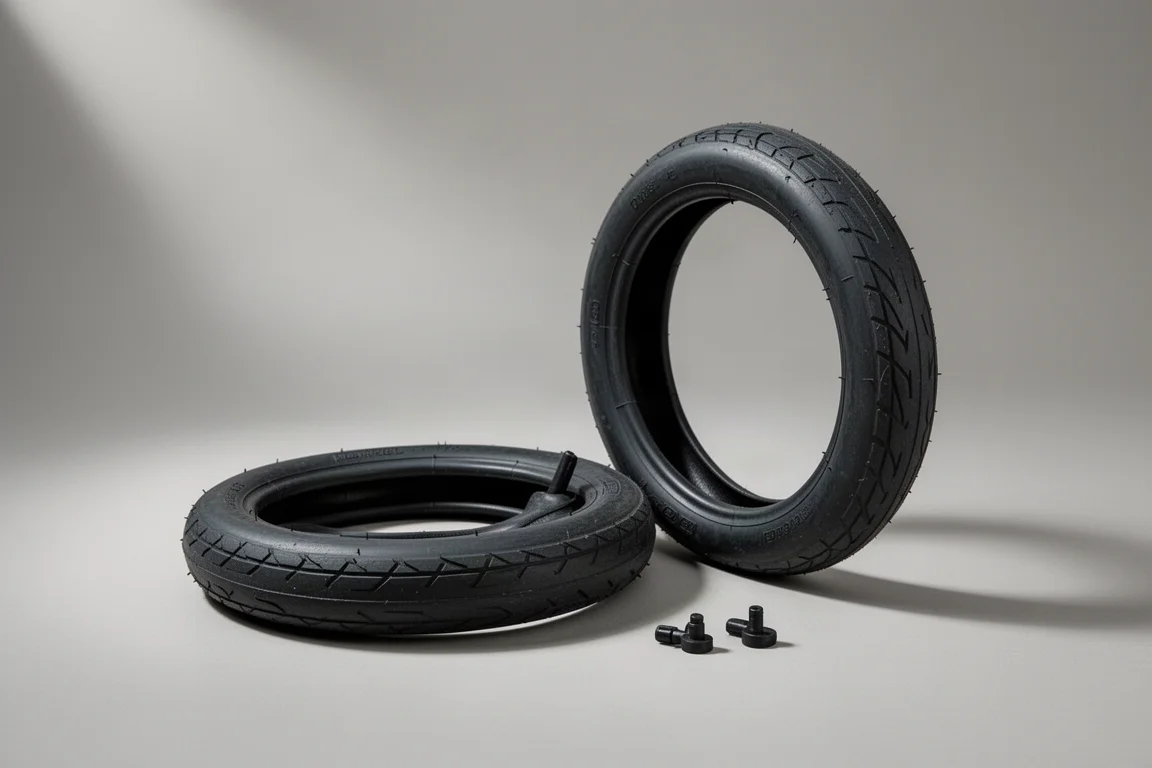
Solid tires promise something appealing: no punctures at all, and no air pressure to check. The trade-off is ride quality. In use they produce a bone-shaking feel that is a long way from a pneumatic tire, and fitting them is a genuinely difficult job.
Tannus is the most established name in this category, and its tires use small plastic inserts that have to be positioned around the wheel before the tire is levered on. The inserts stop the tire from coming off as you ride, but they add a slow, awkward step to installation. Cheaper solid tires that skip the inserts and rely on holes in the rubber for comfort are not noticeably more comfortable, and without the inserts there is a real risk of the tire working loose while riding.
Speedplay Pedals: Strong Design, Costly Consumables
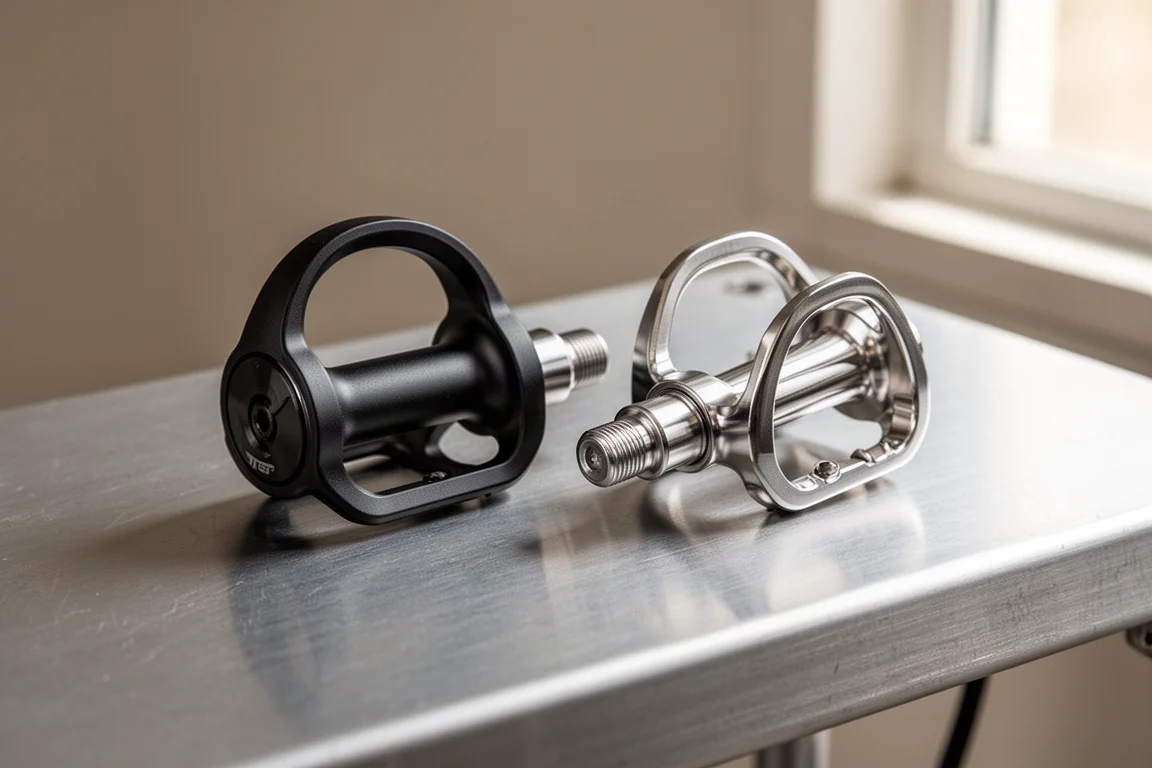
Speedplay pedals, now owned by Wahoo, invert the usual arrangement: the pedal body is small and light, while the cleat carries the mechanical fastening. That design brings real benefits. The pedals are double-sided, which makes clipping in simpler, the bodies can be serviced by adding fresh grease to the axles, the stack height is low enough to pedal through corners, and the fit is highly adjustable.
The running costs are the problem. A pair of pedals costs over £100, and replacement cleats are around £30 a set. Because the cleat holds the mechanism, walking in cycling shoes wears it out quickly. Once a cleat is slightly worn it develops a lateral rock, which showed up as knee pain. If you spend much time off the bike in your shoes, the maths rarely works out.
Fizik Arione: Firm Foam With No Pressure Relief
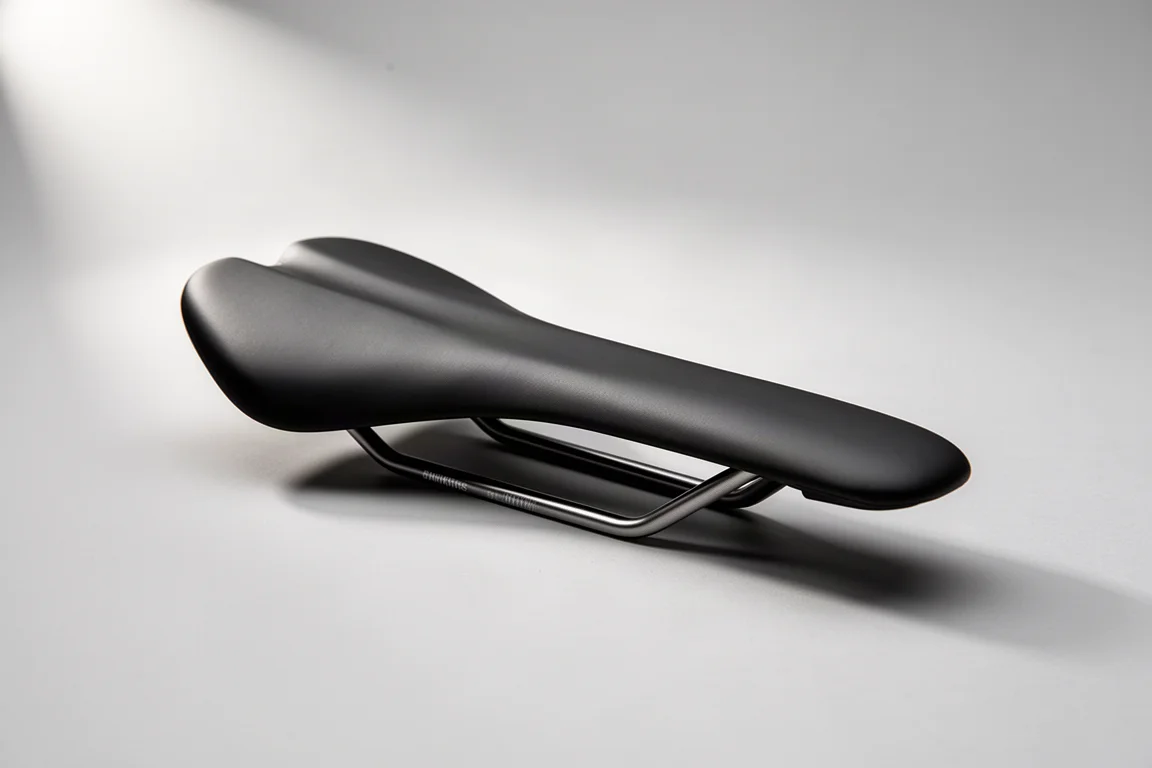
The Fizik Arione has been a popular saddle for years, largely on looks and racing heritage. It is also extremely firm, with no pressure relief channel through the middle. That combination caused real discomfort, and the discomfort changed the way the bike was ridden: shifting to one side of the saddle to compensate created knock-on problems elsewhere in the position.
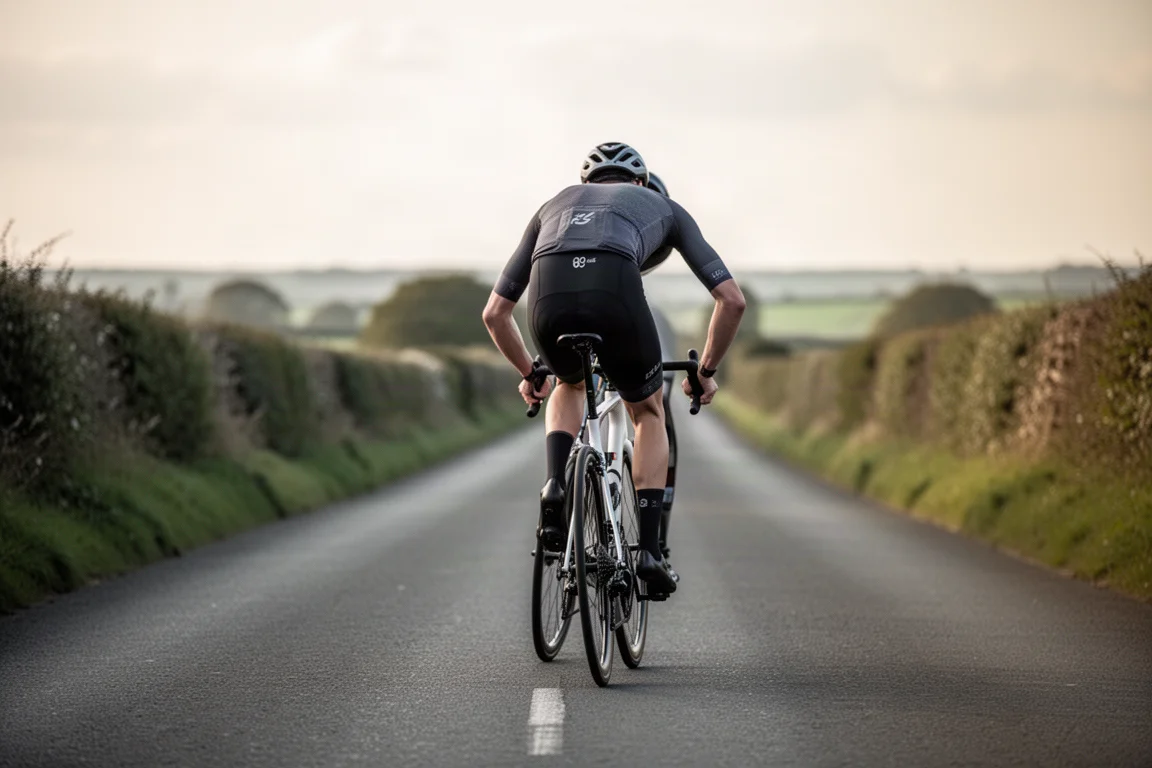
Saddles are personal, and some riders get on well with a flat, hard profile. If you are shopping for a new saddle, a shape with a central cut-out or channel is a more forgiving starting point, and it costs nothing to try before committing to a firm racing model.
Rotor Power Meter: Why First-Generation Tech Is Risky
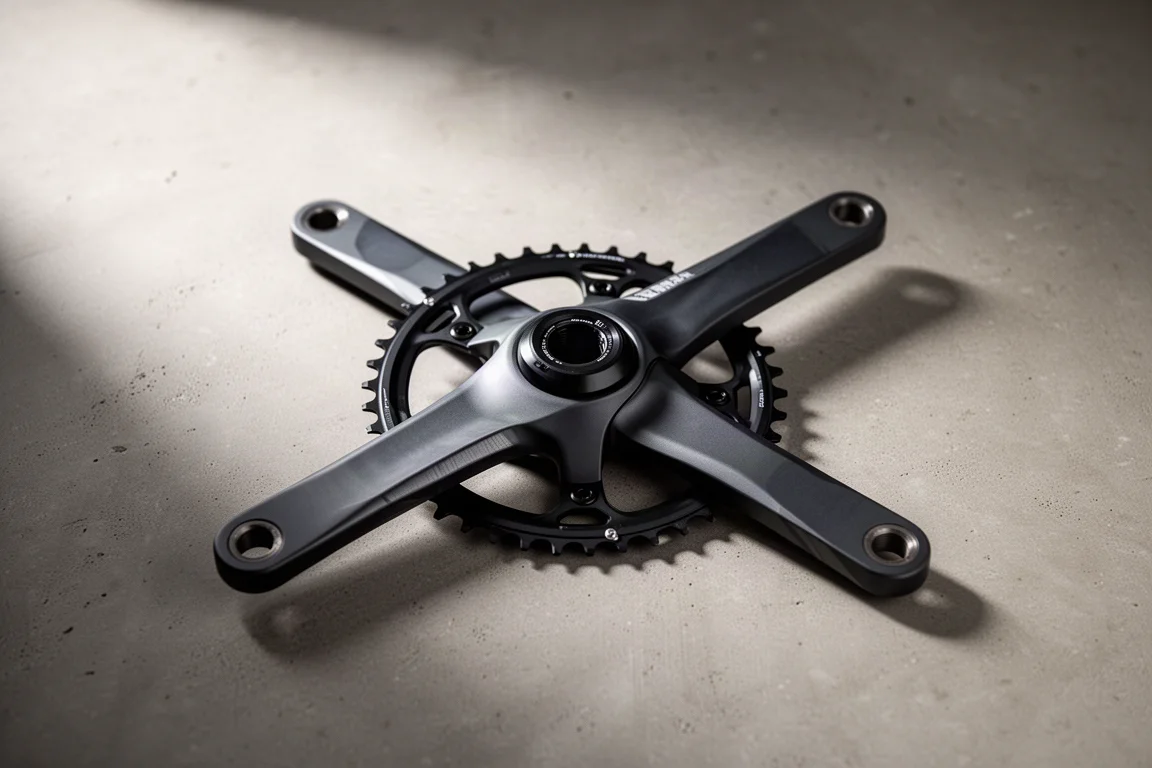
Rotor is a Spanish company best known for cranksets and chainrings, with a strong range of shorter crank lengths, oval rings, and rings in a wide spread of sizes and standards. Its first-generation power crank, from around 2011, was a different story: it produced random numbers and never worked reliably.
The broader lesson is worth more than the anecdote. First-generation electronics often carry problems that are fixed in later revisions, and buying early means paying to find them. Waiting for a second or third generation, or for long-term feedback from other riders, is usually the cheaper route. In this case the money was refunded.
Planet X Jobsworth Bike Hangers: A Two-Person Job
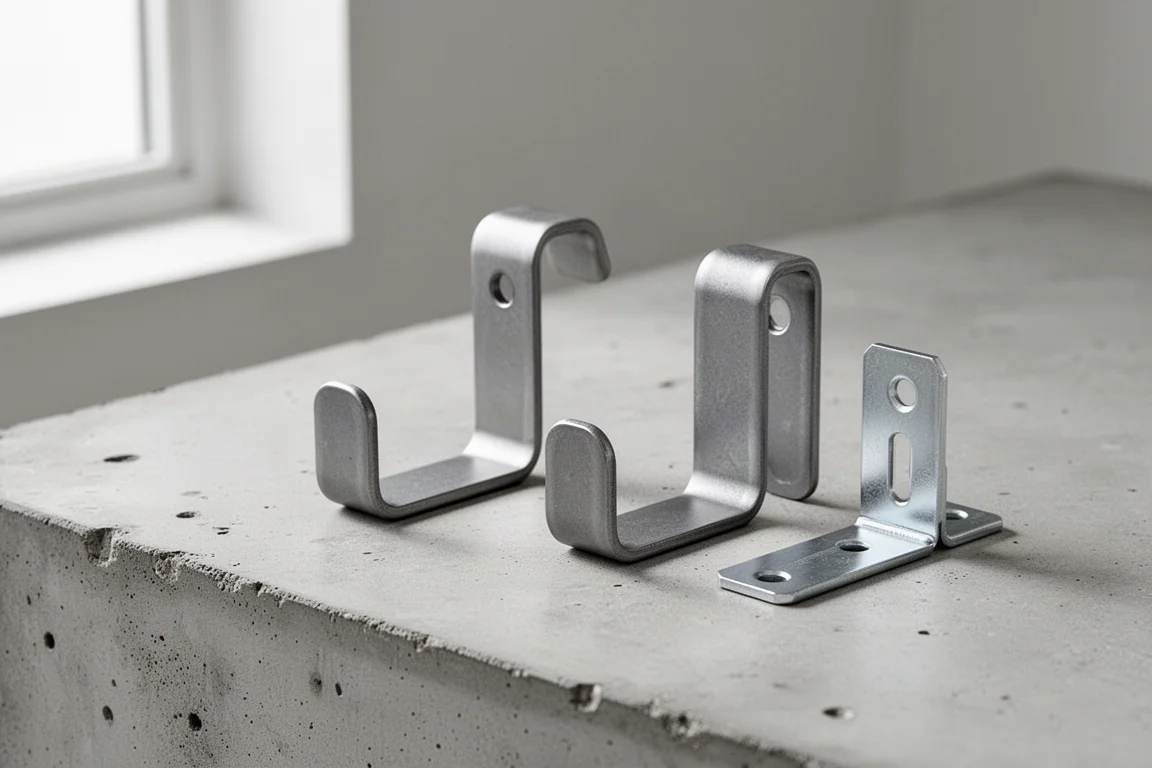
At around £1 each, these wall hangers look like an easy way to clear floor space. In practice the small hooks flop downwards, so one hand is needed to hold the hook in position and another to lift the bike. That makes hanging a bike a two-person task, and the awkwardness is enough that it becomes easier to leave bikes leaning against the wall instead.
If a bike is going up on the wall once and staying there for months, a cheap hanger can be adequate. For regular daily use, where the bike goes up and comes down after every ride, a more stable system is worth the extra cost.
Velotoze Overshoes: One Great Ride, Then a Split
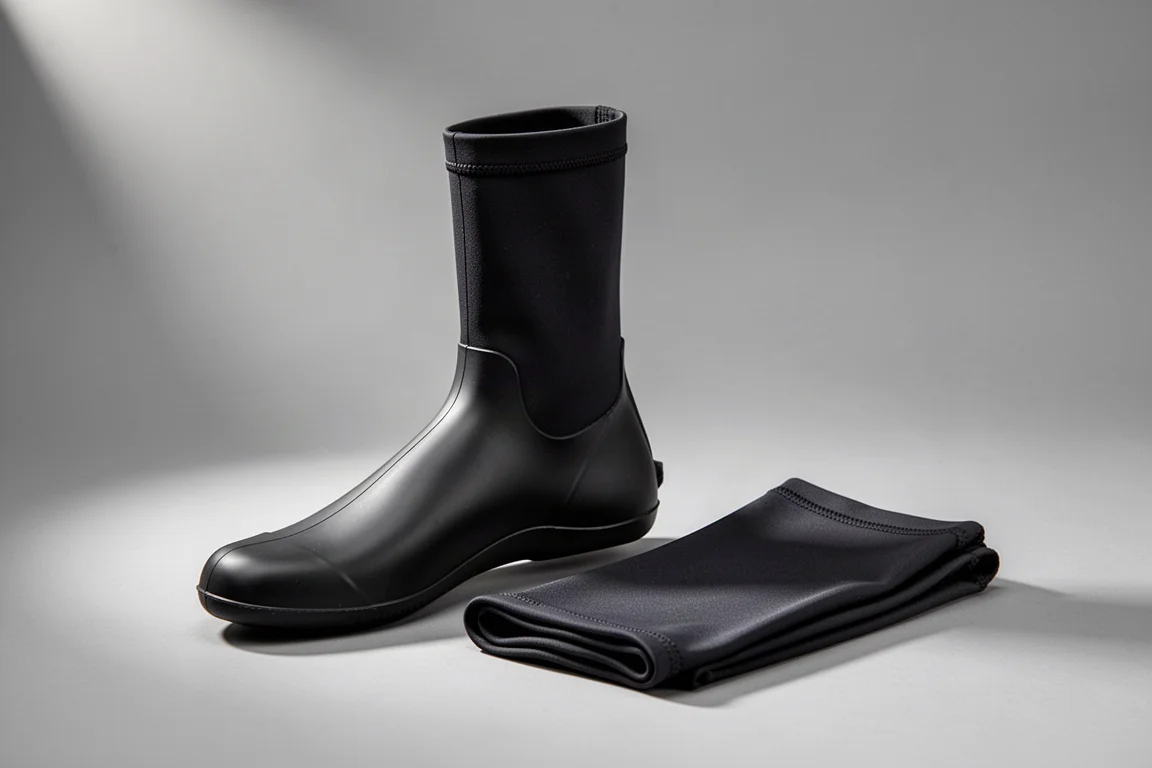
Stretchy waterproof overshoes are a neat idea for wet rides, and the first outing was genuinely good. The second time they were pulled on, they split, and the damage could not be repaired, so they went in the bin. Impatience during fitting may have contributed, but the material offers little margin for a hurried pull.
If you want dry feet in winter, a heavier oversock over your shoe keeps feet warm even when they get wet, and full winter boots with a cleat recess are the warmest option of all. Both are more forgiving than a thin stretchy cover.
Continental Gatorskin Hardshell: Tough but Harsh
Continental is one of the largest tire manufacturers in the world and makes plenty of excellent tires, but the Gatorskin Hardshell is not one of them for comfort. The ride is harsh, noticeably more so than the standard Gatorskin, and the tire is extremely difficult to mount and remove from a rim. That combination matters at the roadside, where a puncture repair becomes a long job with sore thumbs.
The counter-argument is straightforward: these tires are exceptionally puncture resistant. Riders who prioritize that above all else, and who rarely need to remove a tire by the roadside, will find them dependable.
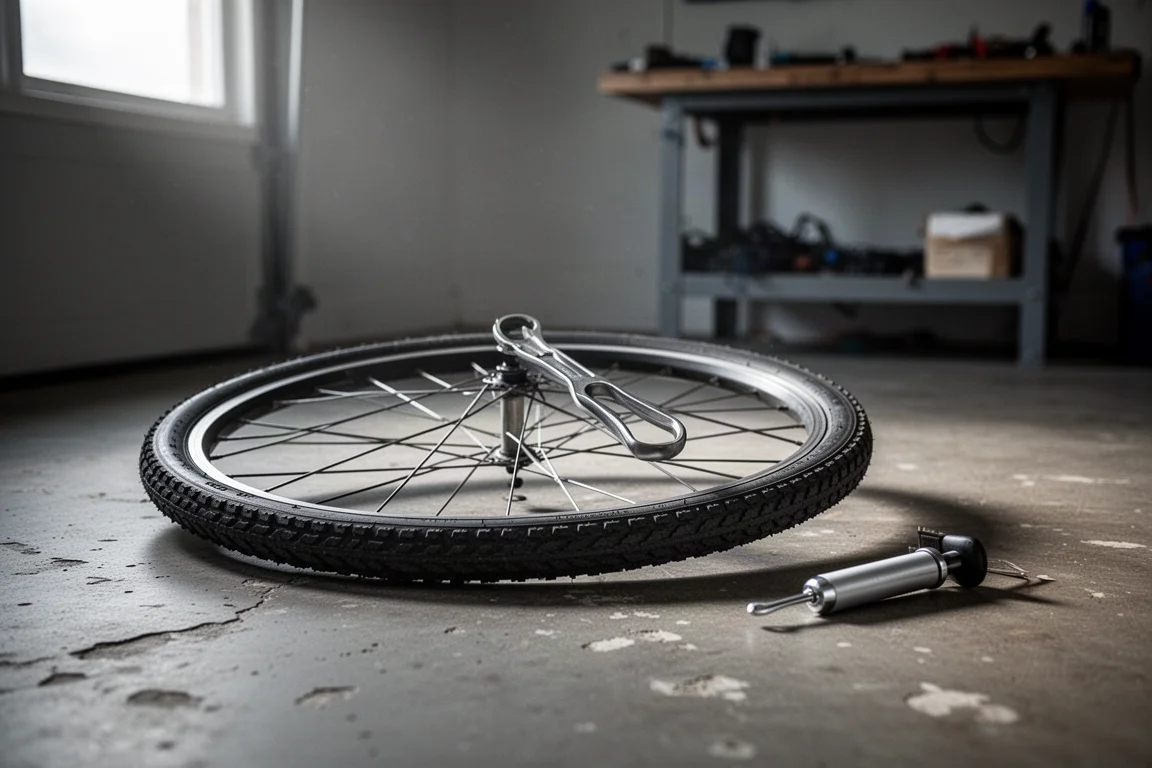
For most riders, though, there is a better balance to be had. Repairing the occasional puncture is quicker than fighting a stubborn bead, and tubeless setups make small punctures a matter of pushing a plug into the hole.
Schwalbe Marathon Plus: Puncture Proof and Heavy Going
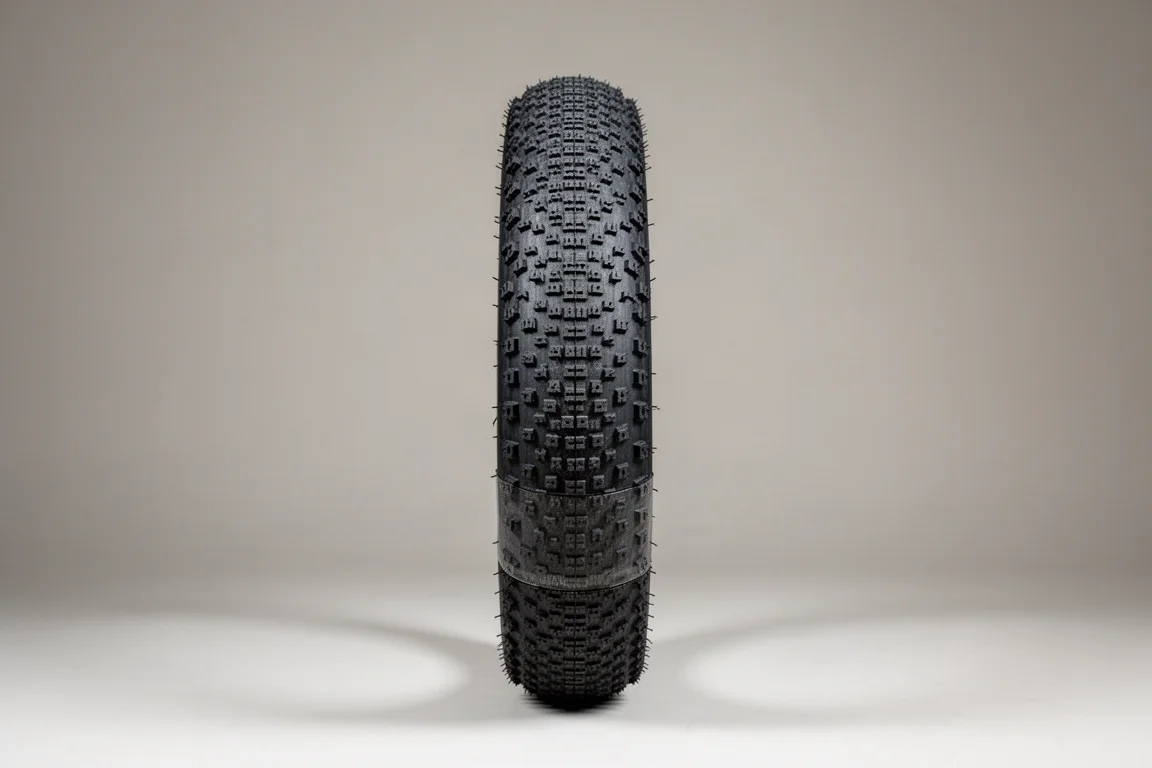
The Schwalbe Marathon Plus follows the same philosophy as the Gatorskin Hardshell: maximum puncture protection, at the cost of feel and ease of use. It turns a bike into a slug, and it has been consistently hard to fit and remove.
That said, the protection is real. For a commuter or touring bike where a puncture means a missed train or a long walk, the trade-off can be worth accepting.
Stan’s Dart: A Premium Plug Tool That Fell Apart
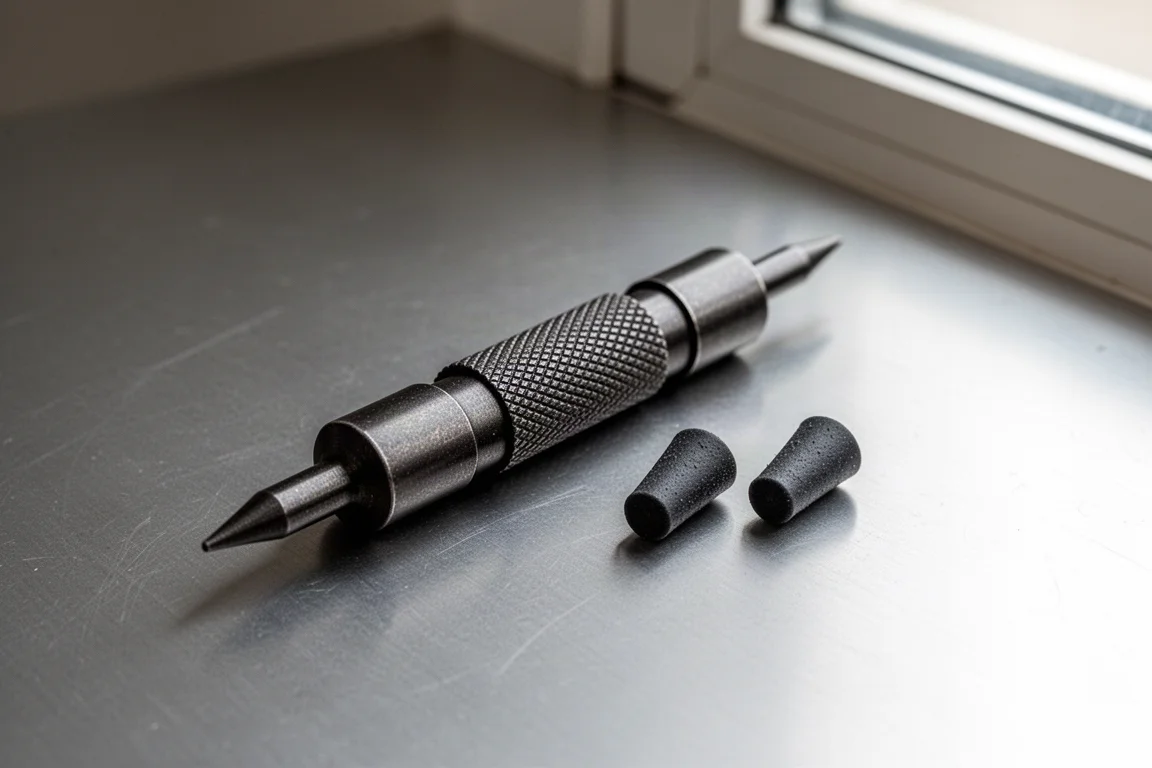
Stan’s makes excellent tubular sealant, but the Dart plug tool for tubeless repairs was a disappointment. It is a double-ended tool that carries a plug at each end, sold at a premium price, and in use it came apart. The second end failed in exactly the same way.
The cheaper alternative worked better: a standard tubeless tool with simple rubber worms, which have never let us down and cost far less. The Dart also ships with only two plugs, with refills sold separately.
Burley One-Wheel Trailer: Only for Very Small Loads
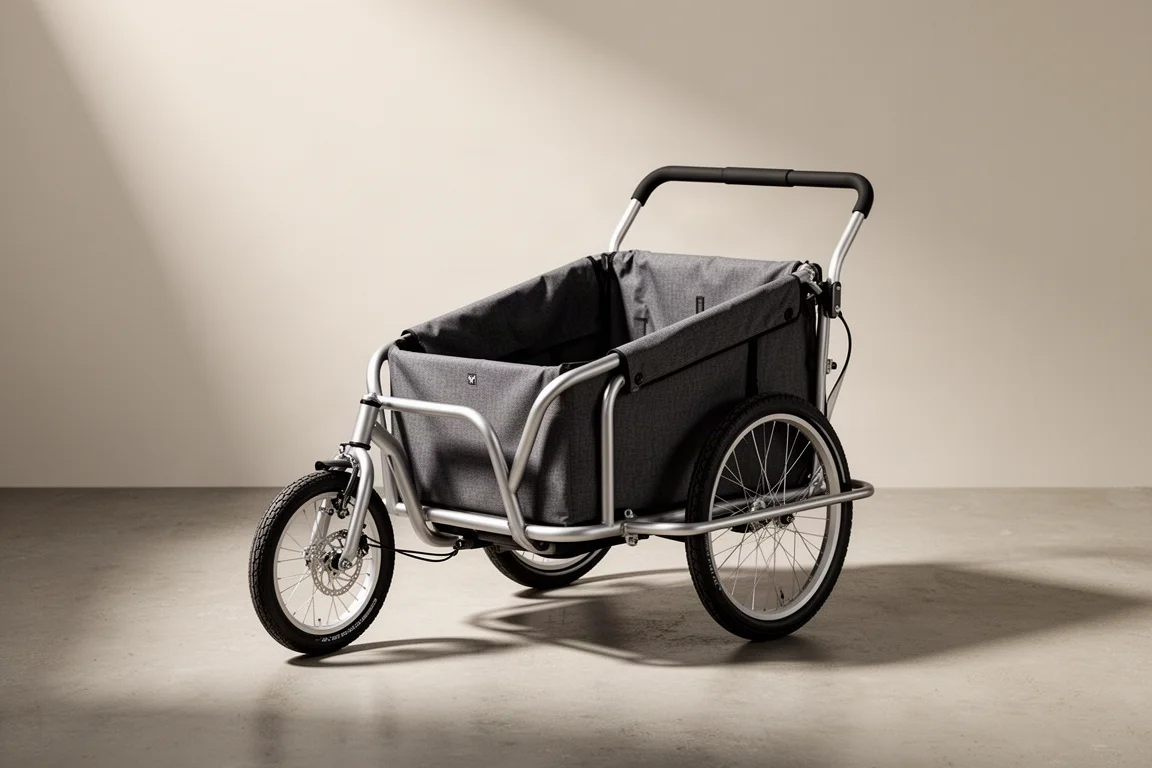
A single-wheel trailer looks like an elegant way to carry cargo, and Burley builds both this and a two-wheel version to a high standard. The problem is handling. With any significant weight inside, the trailer pushes the bike around and the combination feels unsafe.
A two-wheel trailer behaves differently. Its articulated arm attaches to one side of the rear axle, so the bike still handles like a normal bike, just a little slower. The two-wheel design was a much better solution for carrying a wheelchair, and it would be the sensible choice for a dog or for children. The one-wheel trailer is only appropriate for very small loads.
Invisible Bike Stand: Unstable When It Matters Most
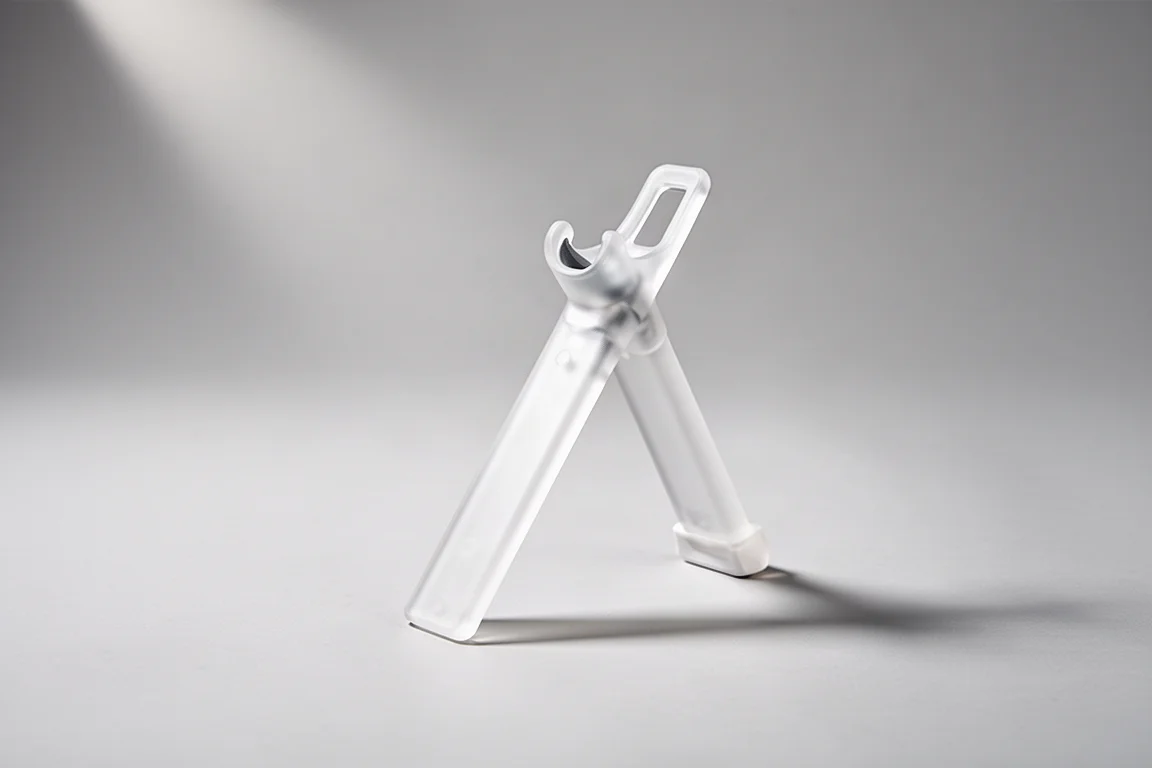
A stand that holds a bike upright on its own is useful for photography and for tight storage. This one is not stable enough to trust. A very expensive bike resting on it can be blown over by a small gust of wind, and the resulting falls leave scratches on derailleurs and shifters.
If you use a stand like this, treat it as a temporary prop for a photo rather than somewhere to park a bike you care about.
Buying Advice: Choosing Gear You Will Actually Keep Using
The pattern behind all of these products is a single strong benefit traded against everyday usability. Before buying, it helps to ask which of those two things you will notice more. A puncture-proof tire that is hard to fit is a good deal if you never remove it, and a bad deal if you change tires often.
Counterfeit parts deserve a separate warning. Copies of well-known components appear at prices that are too good to be true, and the savings do not survive contact with real use: 3D printed saddle copies have peeled apart and flexed at the rails, and imitation eyewear has shattered into sharp plastic in a crash. Buying from a legitimate retailer is the only reliable protection.
The final check is consumables. Cleats, plugs, and refills are where a cheap purchase becomes an expensive one, so it is worth pricing them before you commit to a system. Gear that you keep using for years is almost always the better value, even when it costs more on day one.
Conclusion
None of these products are unusable in every situation, and several come from brands that make excellent equipment elsewhere. The point is to match the product to the riding you do. Where comfort, easy roadside repairs, or regular handling matter, the trade-offs above are worth taking seriously before you spend.
Further reading
Related Reviews
Cycling Gear
8 Cycling Products Riders Keep Coming Back To
Eight cycling components and accessories with clear strengths, honest trade-offs and long-standing reputations among riders and mechanics.
Cycling Gear
Aero Helmets and Bottle Setups Tested: Six Options Ranked by Measured Watt Savings
Wind tunnel data on six aero helmets and bottle setups, with real watt savings, practical trade-offs, and guidance on what is worth buying first.
Cycling Gear
Aero Road Bikes and Fast Tires Worth Watching in 2026
Four aero road bikes and one fast road tire, with the real strengths, the open questions, and what to check before you buy.