Cycling Gear
Bike Fitting Products Worth Buying: 12 Picks From a Professional Bike Fitter
A practical roundup of footbeds, handlebars, saddles, cleats, shoes, pedals and racks that solve real fit problems at the contact points between rider and bike.
Introduction
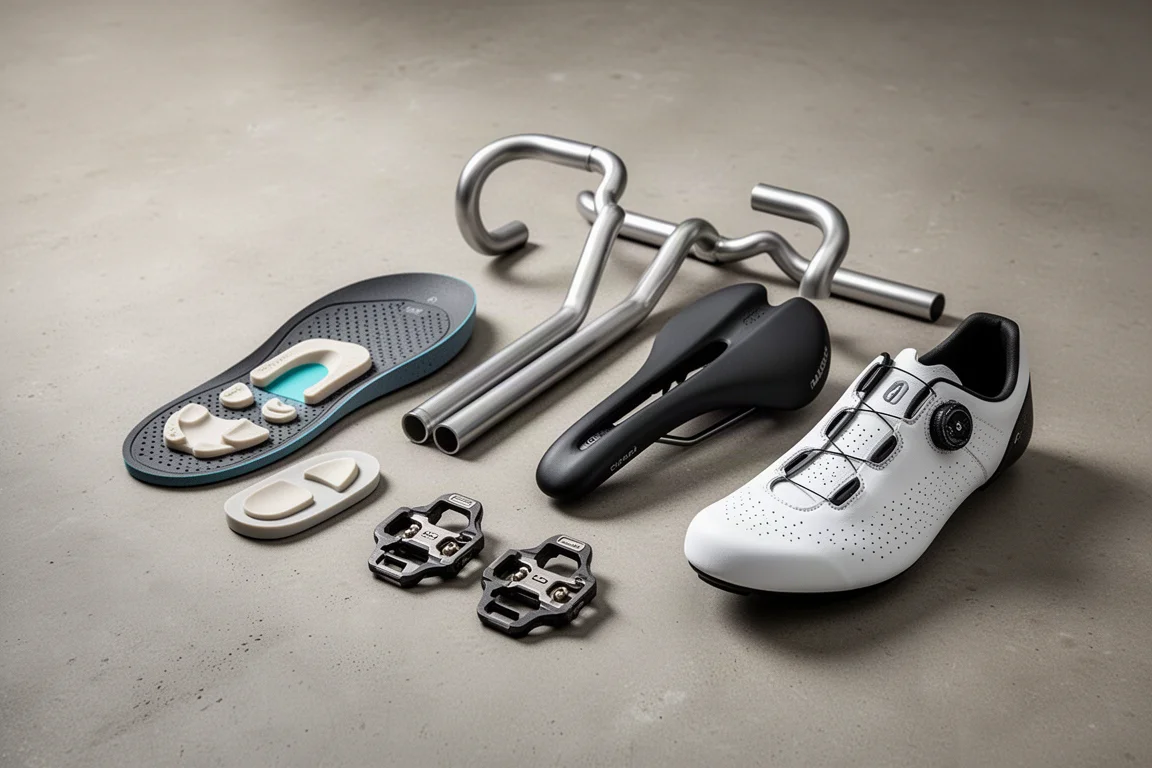
Comfort on a bike is rarely decided by a single component. It is the result of a chain of small decisions: how your foot sits inside the shoe, how far the handlebar stretches you out, how the saddle carries your weight, and how wide or narrow your stance ends up being.
The twelve products below come from a professional bike fitter with more than 20 years of experience. They share a common thread: each one addresses a specific, measurable problem at the points where your body meets the bike. Some are inexpensive and unglamorous. Others are serious upgrades. All of them earn their place because they change how a rider actually feels after three hours in the saddle.
How These Picks Were Chosen
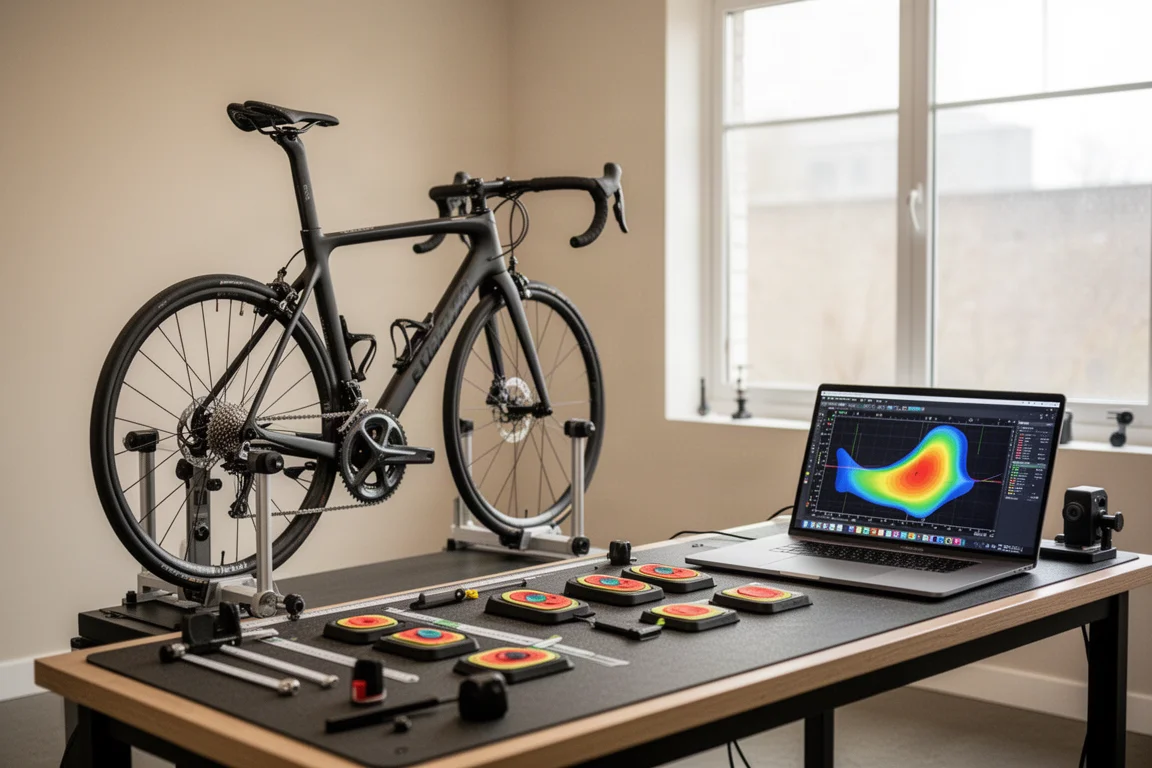
Every product here has been proven in a working fit studio rather than judged on specifications alone. The most useful tool in that process is pressure mapping, which has been in use for the better part of a decade. It turns a rider’s interaction with the saddle into something you can see and measure, instead of something you guess at.
That visibility changed how fitting is approached. It showed how much influence the foot, shoe and pedal interface has on saddle comfort, and it revealed that widening a rider’s stance can improve how they sit. It also made one thing obvious: adding arch support alone can reduce the pressure going through the saddle by up to 50 percent.
The other filter is practicality. A full custom moulded footbed can take half an hour to forty minutes just to cast, which is a large slice of a three hour fit session. The picks below favour solutions that are repeatable, quick to administer, and easy to live with afterwards.
G8 2620 Modular Customizable Footbed
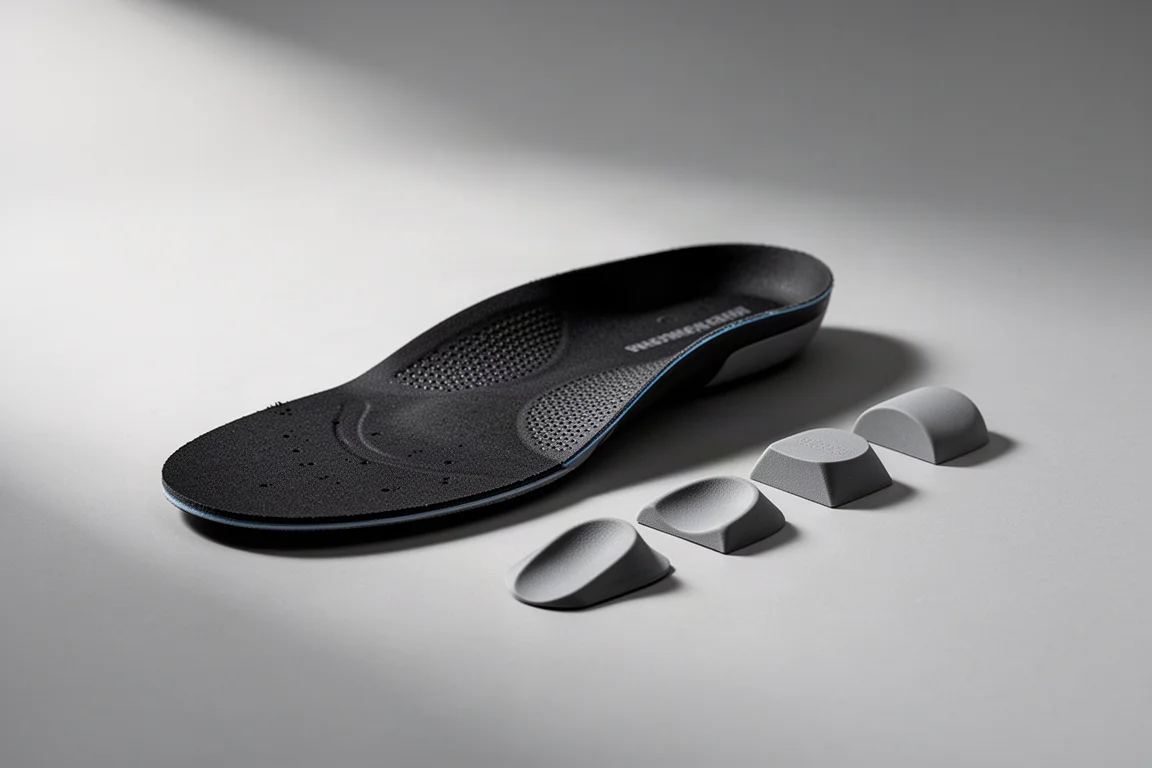
The G8 2620 is a modular footbed that comes in four sizes, all of which can be trimmed to sit precisely inside your shoe. Five interchangeable arch pieces can be positioned fore and aft as well as medially and laterally, so the support follows the shape of your foot instead of forcing your foot to follow the support.
That adjustability matters because a cycling shoe removes most of the sensory feedback your feet normally provide. Restoring arch contact helps both biomechanical function and proprioception, and in practice it is one of the most reliable ways to settle a rider into the saddle.
Compared with a fully custom moulded footbed, the modular approach is cheaper, repeatable, and far quicker to administer. It is also one of the few changes in a fit session that produces an immediate, measurable result on the pressure map.
Deda RHM Handlebars
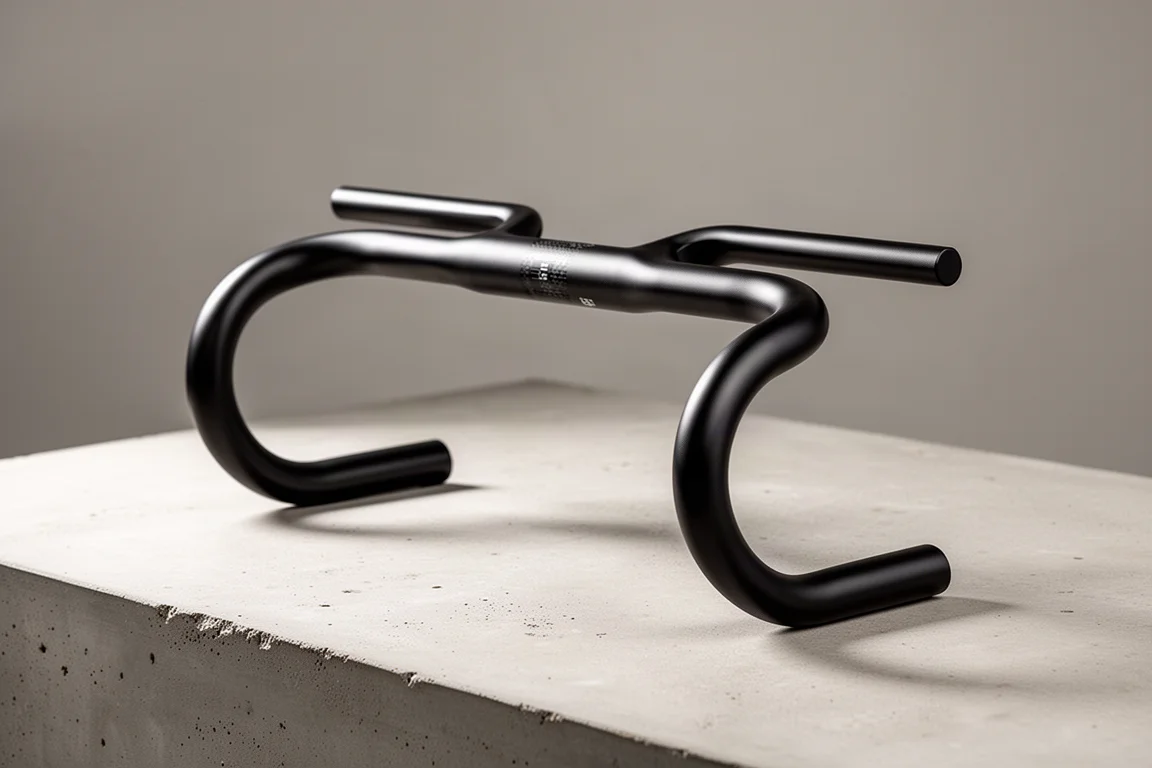
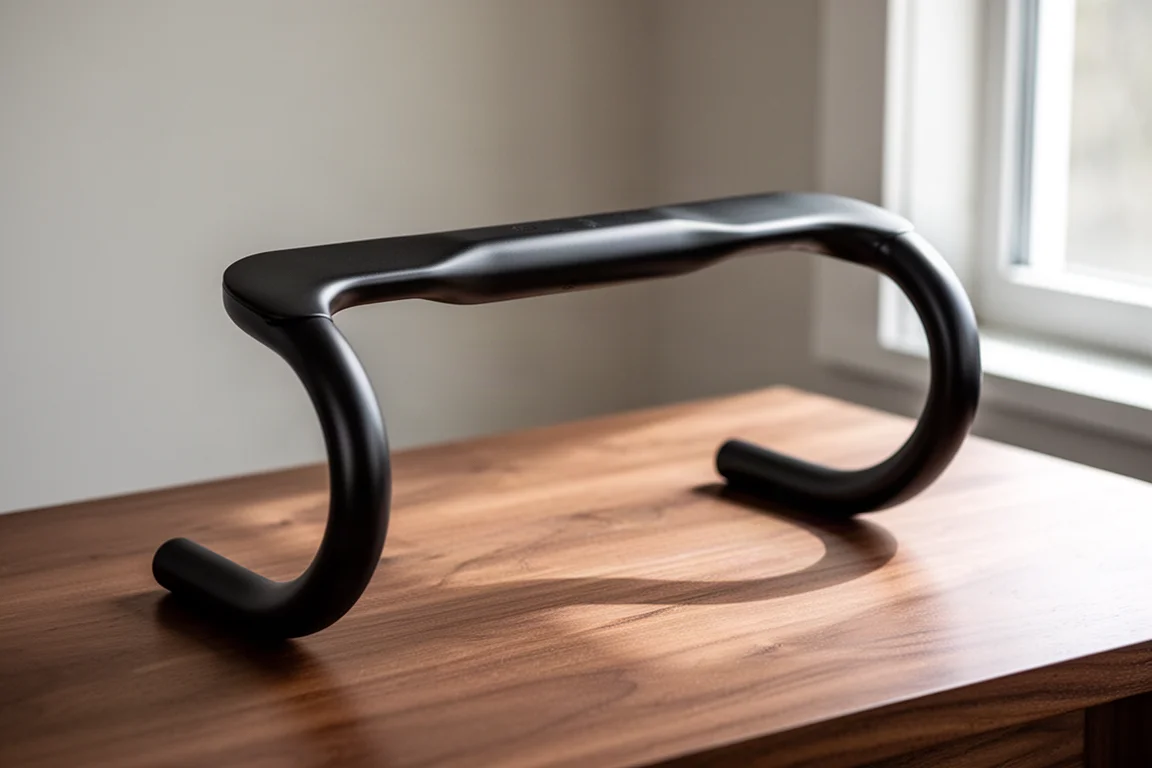
The RHM is a straightforward, functional drop bar with a 75mm reach and a 128mm drop, available in widths from 36cm all the way up to 44cm. That spread covers most riders without forcing a compromise.
The aluminium versions are the ones worth seeking out. The carbon options make it harder to position the controls in the right place, and that is a bigger deal than a small weight saving.
Reach is the measurement that matters most here, because it is one of the easiest ways to shorten a rider’s position without swapping the stem.
Deda Zero100 Handlebar
The Zero100 is the pick of the Deda range at around £120, and its ergonomic flat top is the detail most riders notice first on long days. The best part is consistency: shape, reach and drop stay essentially the same across the entire range, from the entry level bar up to the top tier model, so upgrading does not change your position.
Reach here is measured from the centre of the bar bore to where the controls sit. Reducing that number is a clean way to shorten the cockpit without resorting to a shorter stem.
That matters because overreach is a common root cause of problems that get blamed on other parts of the bike, including saddle discomfort, neck and shoulder pain, hand issues and even knee pain.
Selle Italia SLR Superflow Boost S3
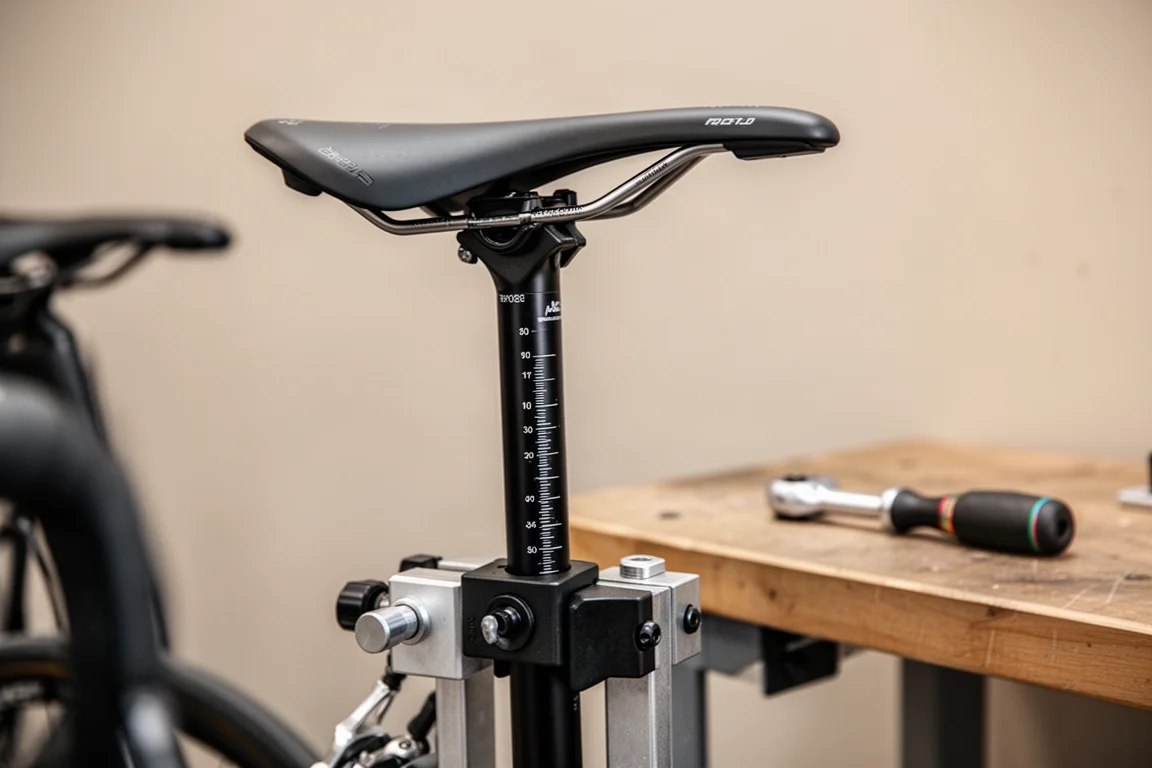
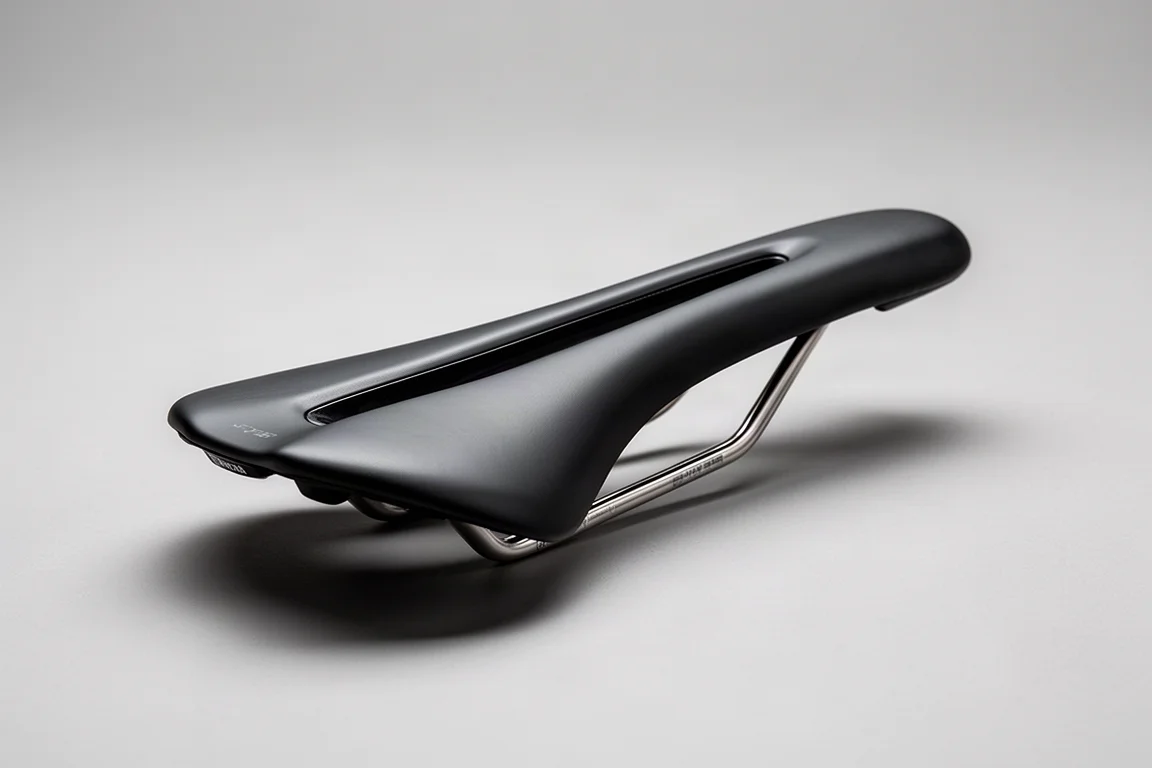
This is one of the narrowest saddles on the market, measuring around 128mm at its widest point, and that is precisely the point. A narrower profile does not interfere with thigh movement as your leg sweeps past the wings of the saddle, which encourages a more rearward and more supportive contact with the widest part of the shell.
It is slightly shorter than a conventional saddle without being a true short nose design, and the nose itself is narrow enough to stay out of the way. A very large pressure relief channel runs through the middle, so riders who need relief are far more likely to actually find it.
Roughly three quarters of the customers who come through the studio leave with one of these. The range runs from a chromoly rail version at around £130 up to a carbon railed top model at around £290, and there is a more padded gravel version with integrated elastomers where the rails meet the shell.
One word of caution: sit bone measuring has become a standard sales ritual, and it often pushes riders toward saddles that are too wide. When a saddle is too wide, the usual reaction is to slide forward onto the nose to clear it. If you are still uncomfortable on a narrow saddle like this one, the saddle is rarely the real problem. Position usually is.
Shimano SPD-SL Cleats
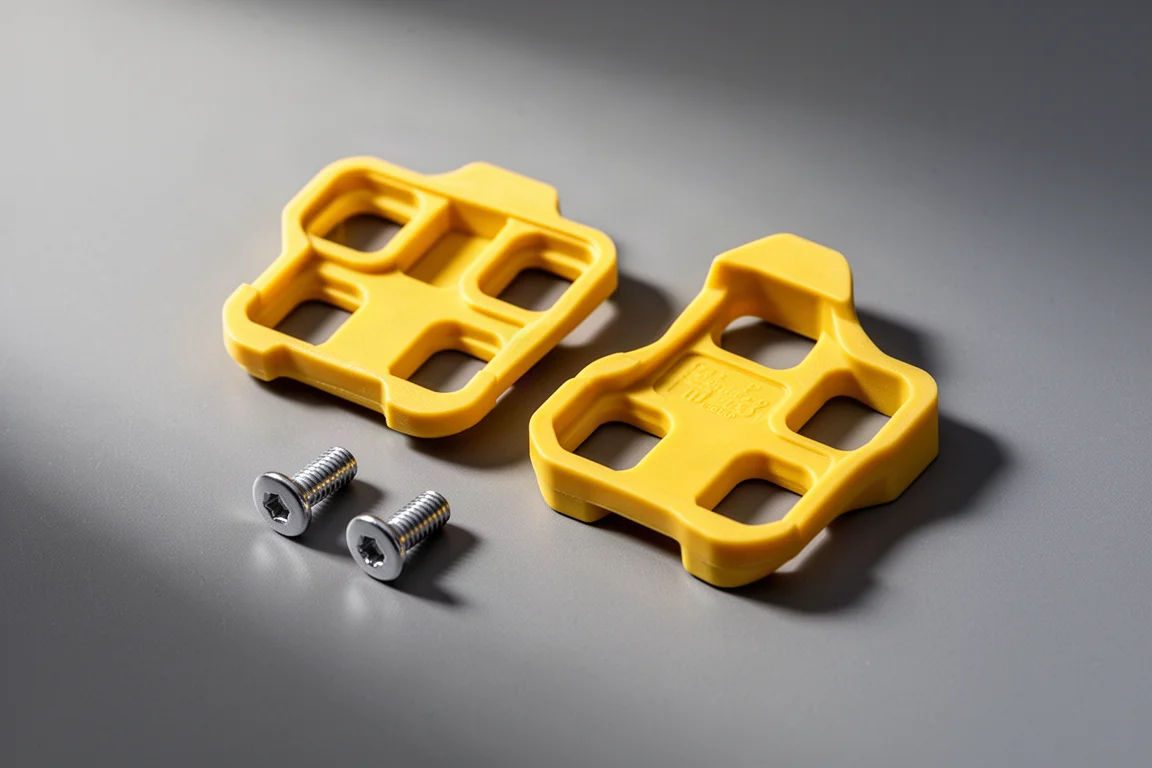
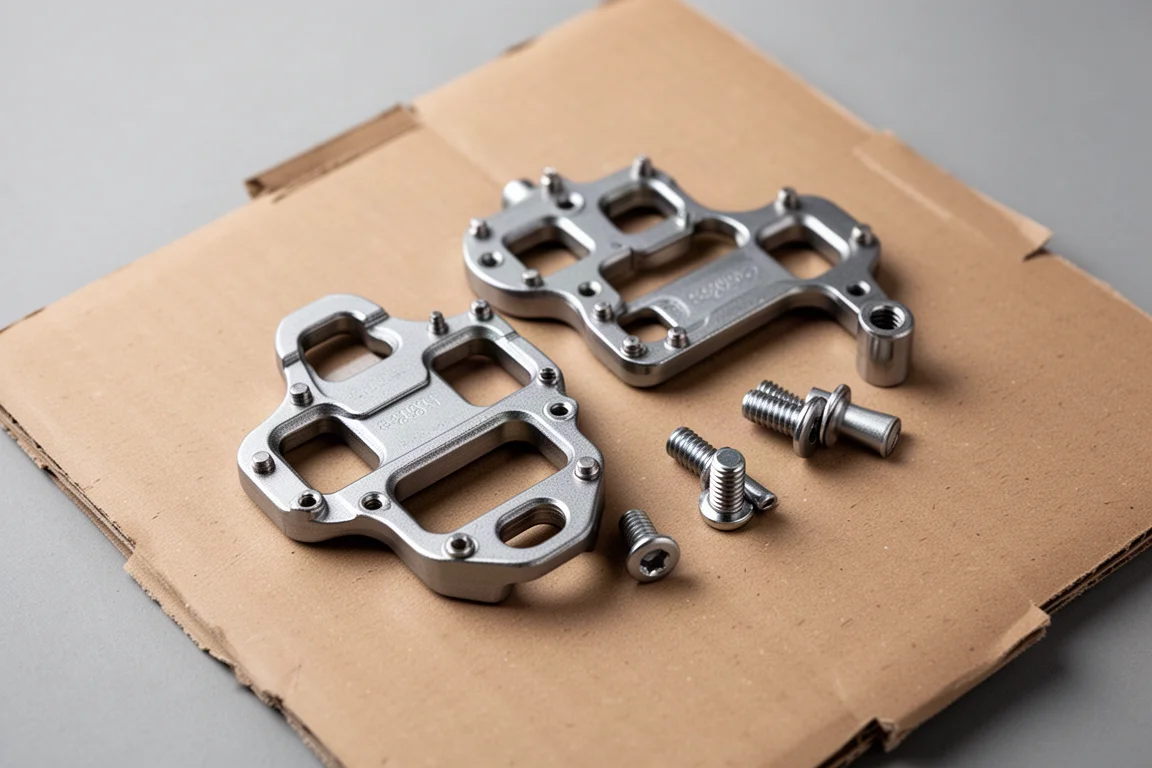
Shimano has removed the plastic from its cleat packaging and moved to plain cardboard, part of a wider packaging change across its product range. It is a small shift with a genuine environmental benefit, and it covers the road cleat line as well as the off-road options.
Cleats look like an afterthought, but they decide where your foot sits over the pedal. Small errors there travel upward through the knee and into the saddle, so it is worth treating them as a fit component rather than a consumable.
Shimano SPD Cleats
The off-road cleats get the same treatment, arriving in cardboard rather than plastic. If you ride off-road style pedals, your replacement cleats now generate less waste for exactly the same function.
Brannock Device
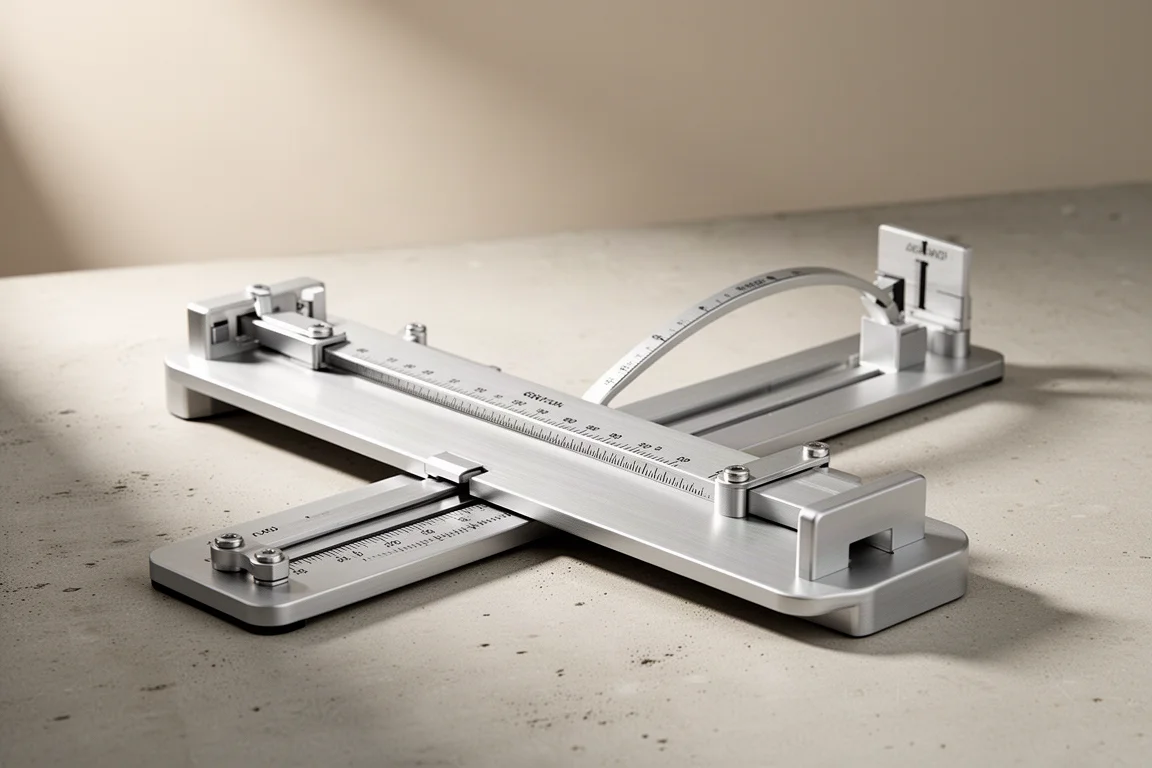
The Brannock device is a simple metal tool for standardising foot measurement. It records foot length, width and arch length, which turns shoe fitting into a repeatable process rather than an educated guess.
Every customer who buys shoes goes through this measurement. Simply looking at a foot is not enough to tell whether it is wide or narrow, and the numbers frequently point to a completely different model than the rider expected.
It also prevents the most common mistake in shoe retail: sizing up to accommodate a wide foot. Going up a size moves the cleat forward relative to the foot, which can produce foot pain, knee pain, saddle issues, or all three at once. Shoes are the most important piece of equipment on the bike, because that is where the power goes. Getting the fit right there pays off everywhere else.
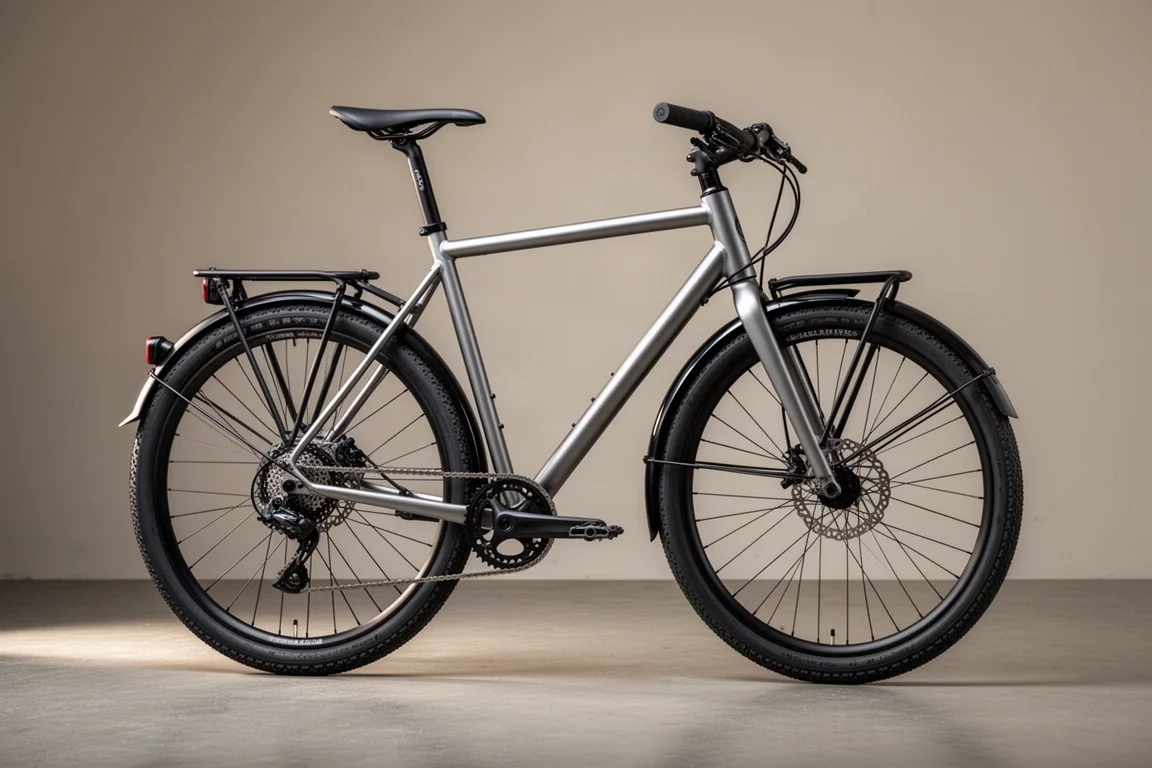
Fairlight Secan
Fairlight is a small British brand building steel bikes with a strong fit story. The size range is unusually broad, and the frames come in both standard and tall geometries, which means riders at the extremes of the height range are not left choosing between a cramped frame and a stretched one.
Fit is treated as a primary design consideration rather than an afterthought, and the frames are practical too: some models offer mudguard eyelets, rack mounts and additional luggage capacity. That combination makes them genuinely useful for bikepacking as well as everyday riding.
The Secan is one of the two models most often recommended to customers. It shares its overall approach with the Strael, with the difference between them coming down to tyre clearance.
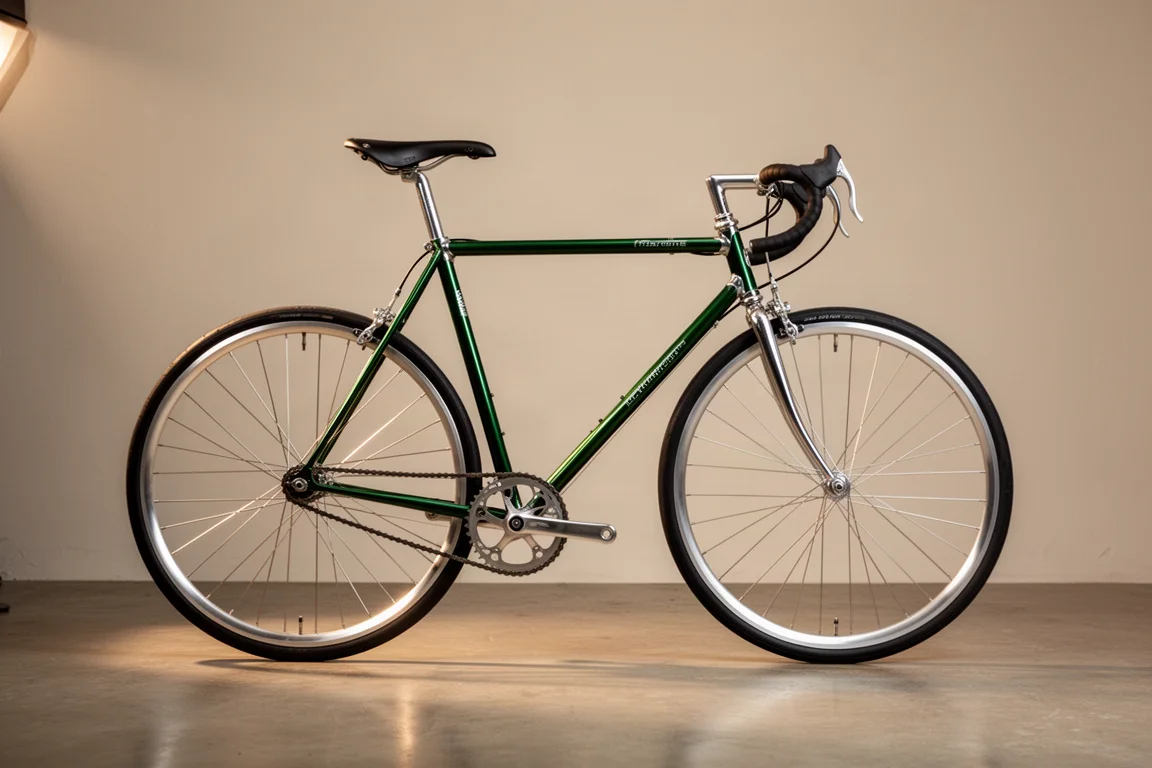
Fairlight Strael
The Strael is the second of the two Fairlight models worth knowing. It follows the same fit-led philosophy and the same broad size range, including the tall geometry option, along with the same practical provision for mudguards and luggage on the relevant models.
The decision between the Strael and the Secan is mostly about tyre clearance and the kind of riding you have in mind. Both are steel, both are designed around the rider rather than the catalogue, and both suit riders who have struggled to find a stock frame that fits properly.
Tailfin Rack System
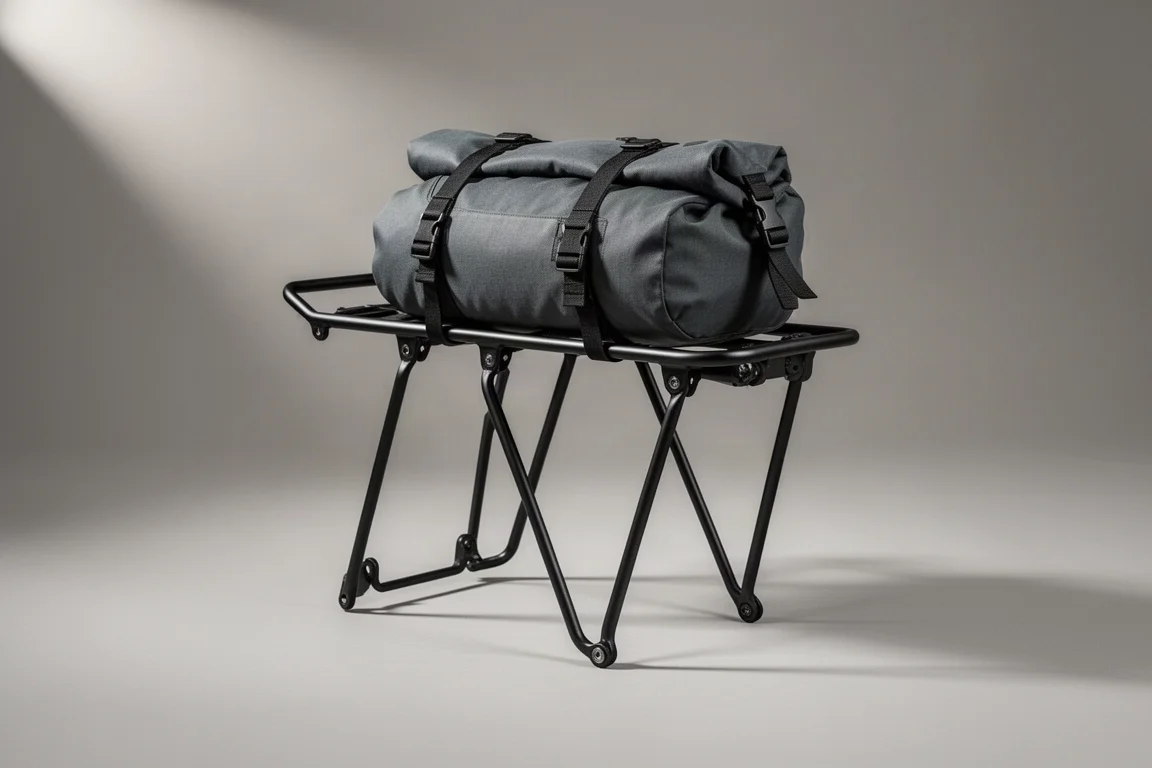
The Tailfin rack system fits to basically any bike, which is the first reason it stands out. It is aerodynamic, lightweight and genuinely functional, and it works as well for a fast commute as it does for a multi-day bikepacking trip.
The real difference shows up in comparison. Traditional saddle rail mounted saddlebags feel vague and move around once the load gets heavy. A proper rack system massively increases stability, gives you far more options for lashing gear down, and can be fitted and removed quickly when you do not need it.
It is the kind of upgrade that changes how a loaded bike feels underneath you, which is usually the difference between a trip you enjoy and one you endure.
Lake CX332
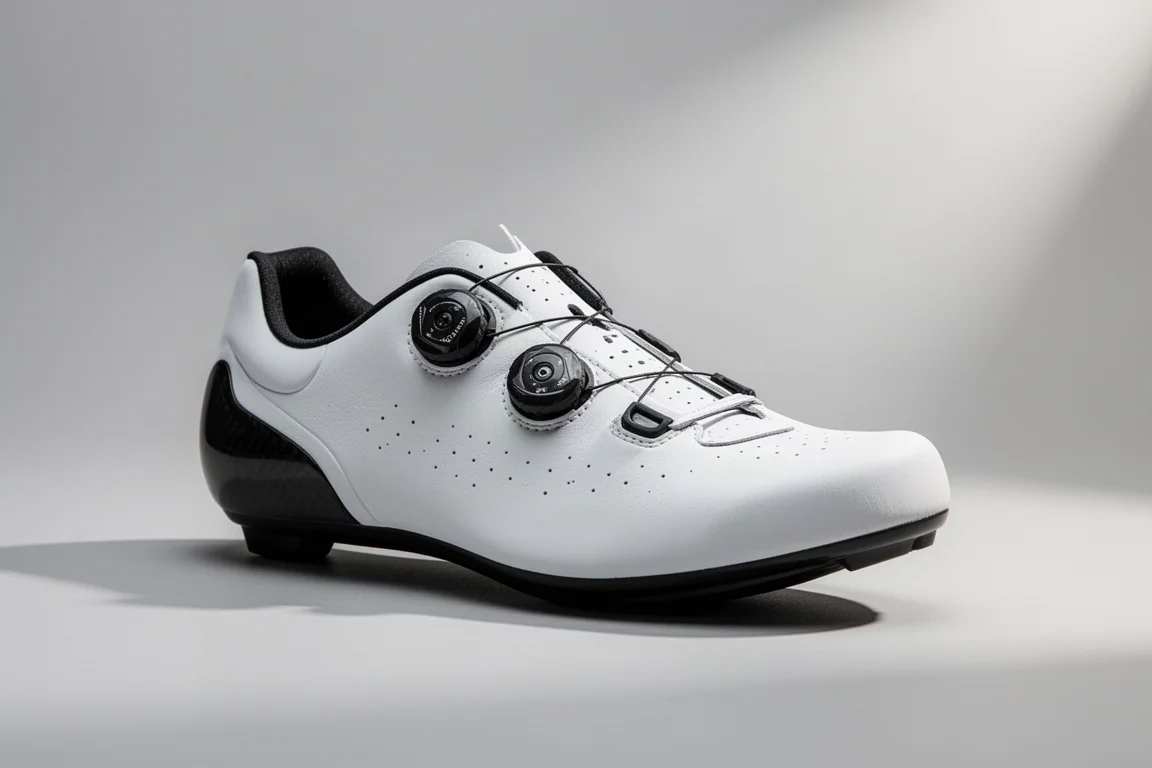
The CX332 pairs a kangaroo leather upper with a carbon fibre sole, a dial closure and a heat mouldable heel cup that can be shaped to your own foot. It is light, stiff, comfortable and very breathable, and it is one of the best selling shoes in the range.
Fit is the whole story with this one. The shoe is available in a standard fit and an extra wide fit, and it is only as good as the fit you get. Riders who buy online and end up three sizes too big get no performance benefit at all from that carbon sole.
There is also a vegan friendly Clarino option, and the shoe can be customised with different dials, colours and logos, including no logos at all.

That combination of fit options and customisation makes it a sensible choice for riders who want one shoe that can be dialled in properly rather than accepted as a compromise.
Shimano SPD-SL Extended Axle Pedal
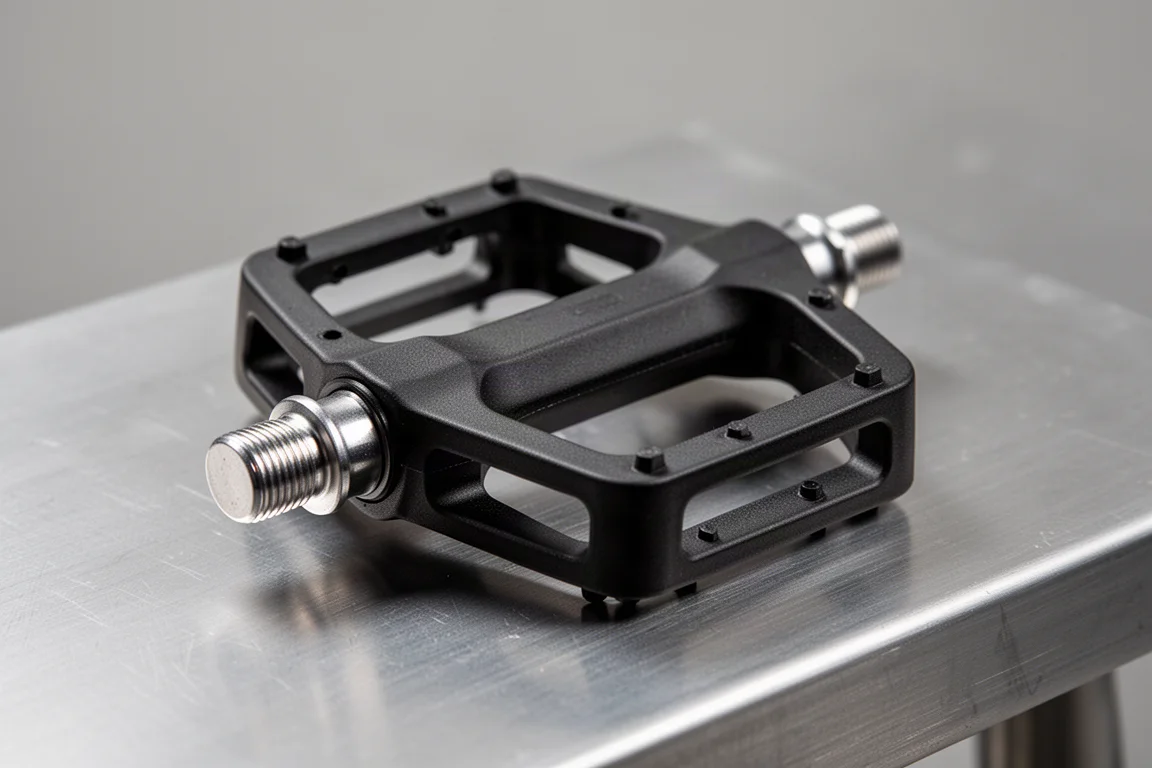
This is the four millimetre extended axle version of the SPD-SL road pedal, and many riders do not know it exists. Bicycles have become narrower over the decades so that light, powerful racers can carry more speed through corners with the pedals closer together. The vast majority of riders never needed that, and in a fit studio the job is usually the opposite: bringing the feet further apart to undo the narrowing.
This pedal solves that problem directly. It has become the best selling pedal in the studio by a ratio of roughly 100 to 1, and it is now appearing in professional circles as well.
Buying Advice
If you are working through this list, start at the foot and work upward. A modular footbed, a properly measured shoe and the right cleat position affect everything above them, and they are usually the least expensive changes you can make.
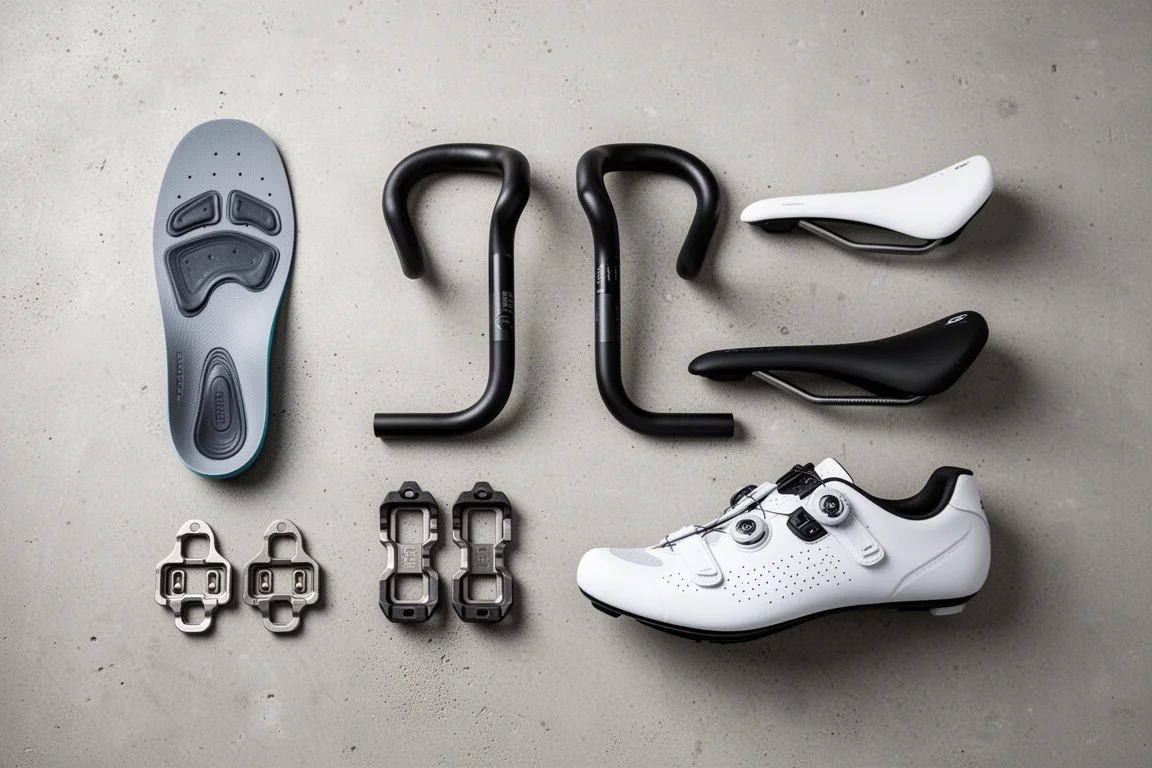
From there, look at your position on the bike. A handlebar with a shorter reach can ease neck, shoulder and hand problems without touching the stem, and a narrow saddle with a large relief channel gives your thighs room to move. Riders who cannot get comfortable on any stock frame should look at brands such as Fairlight, where fit drives the geometry and tall options sit alongside standard ones.
Finally, consider your stance and your luggage. An extended axle pedal is a straightforward fix for riders who need their feet further apart, and a rack system is a worthwhile upgrade for anyone carrying weight on a bike, whether that is a weekend of bikepacking or a daily commute.
Conclusion
None of these products are glamorous. A footbed, a measuring device and a pair of cleats will never generate the excitement of a new wheelset, but they are where comfort and power delivery are actually decided. The upgrades here share a single idea: solve the problem at the contact point, measure the result, and stop guessing.
Further reading
Related Reviews
Cycling Gear
8 Cycling Products Riders Keep Coming Back To
Eight cycling components and accessories with clear strengths, honest trade-offs and long-standing reputations among riders and mechanics.
Cycling Gear
Aero Helmets and Bottle Setups Tested: Six Options Ranked by Measured Watt Savings
Wind tunnel data on six aero helmets and bottle setups, with real watt savings, practical trade-offs, and guidance on what is worth buying first.
Cycling Gear
Aero Road Bikes and Fast Tires Worth Watching in 2026
Four aero road bikes and one fast road tire, with the real strengths, the open questions, and what to check before you buy.