Bike Fitting
Bike Fit Stance Guide: Five Ways to Widen Your Pedal Stance
Stance is one of the most overlooked numbers in bike fitting. Here are five practical ways to widen it, from inexpensive pedal washers to long-axle pedals and a dual-sided power meter.
Introduction
Stance, the distance between your feet on the pedals, is one of the most overlooked numbers in bike fitting. Bikes have become progressively narrower over the past few decades, largely so that elite riders can keep pedalling through corners: the closer the pedals sit together, the more clearance there is at the bottom of the stroke when the bike is banked over. A standard even governs bottom bracket height with that clearance in mind.
Most riders, however, are not racing and are not pedalling through corners at speed. For them, a wider stance can be the difference between discomfort and a position they can hold for hours. Cleat position is one way to widen it, and mechanical changes at the pedal interface are the others. The five options below cover the full range, from a very inexpensive fix to a dual-sided power meter that happens to add a substantial amount of stance.
Why Stance Is So Often Overlooked
Stance is rarely measured and rarely discussed, which is why riders often chase the wrong solution when pain appears. Two symptoms in particular point towards feet that sit too close together.
The first is knee tracking. If your knee abducts, or drifts outwards through the top of the pedal stroke, that displacement is a very common sign that a wider stance would help. The second is pressure along the lateral aspect of the foot. When the feet are too close together the foot tends to become supinated, and pressure builds along the outer edge of the shoe.
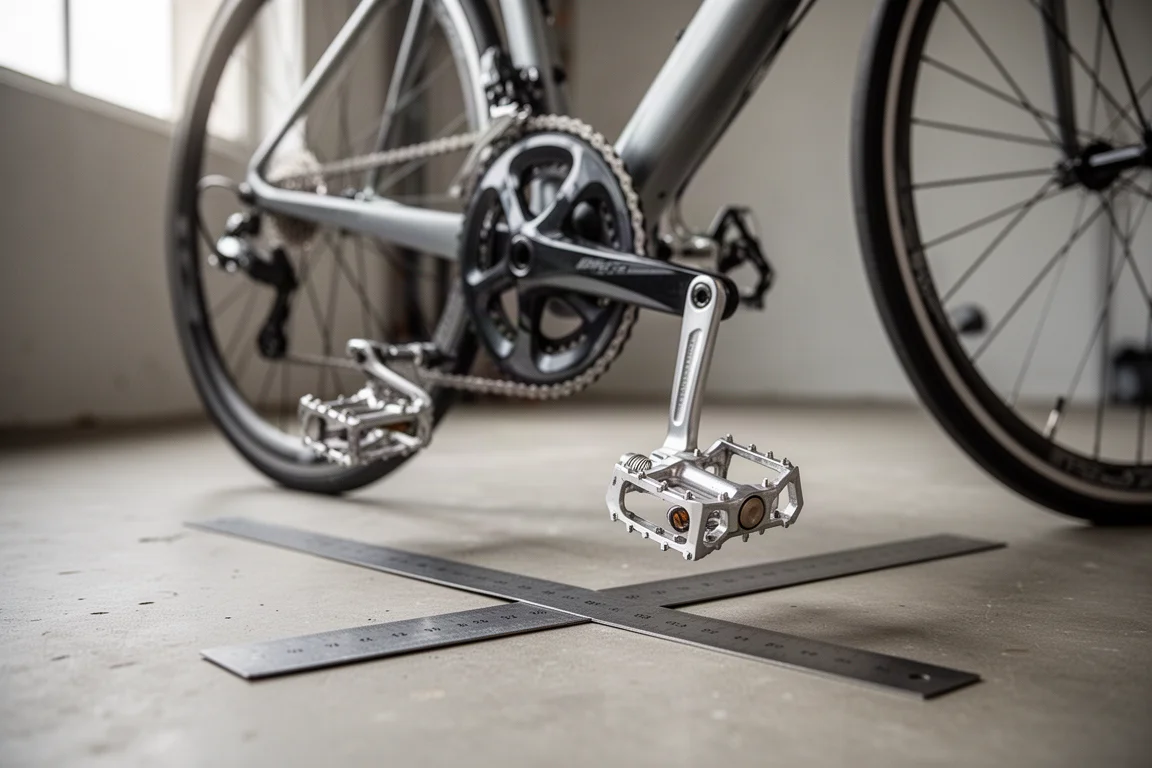
The second symptom is worth acting on early. Riders frequently buy an expensive pair of wide-fitting cycling shoes before testing a simple stance increase, even though widening the stance is usually cheaper and quicker to evaluate.
Gravel and mountain bike riders often report fewer problems when they move between the road and the trail, and the likely reason is mechanical. Those bikes typically run a wider bottom bracket and a wider Q factor at the crank. Shimano GRX, SRAM DUB Wide, and the mountain bike transmissions from both Shimano and SRAM all offer a wider Q factor, which may explain why some riders feel better on a gravel or trail setup.
Best Budget Fix: Form Bike-Fit Pedal Washers
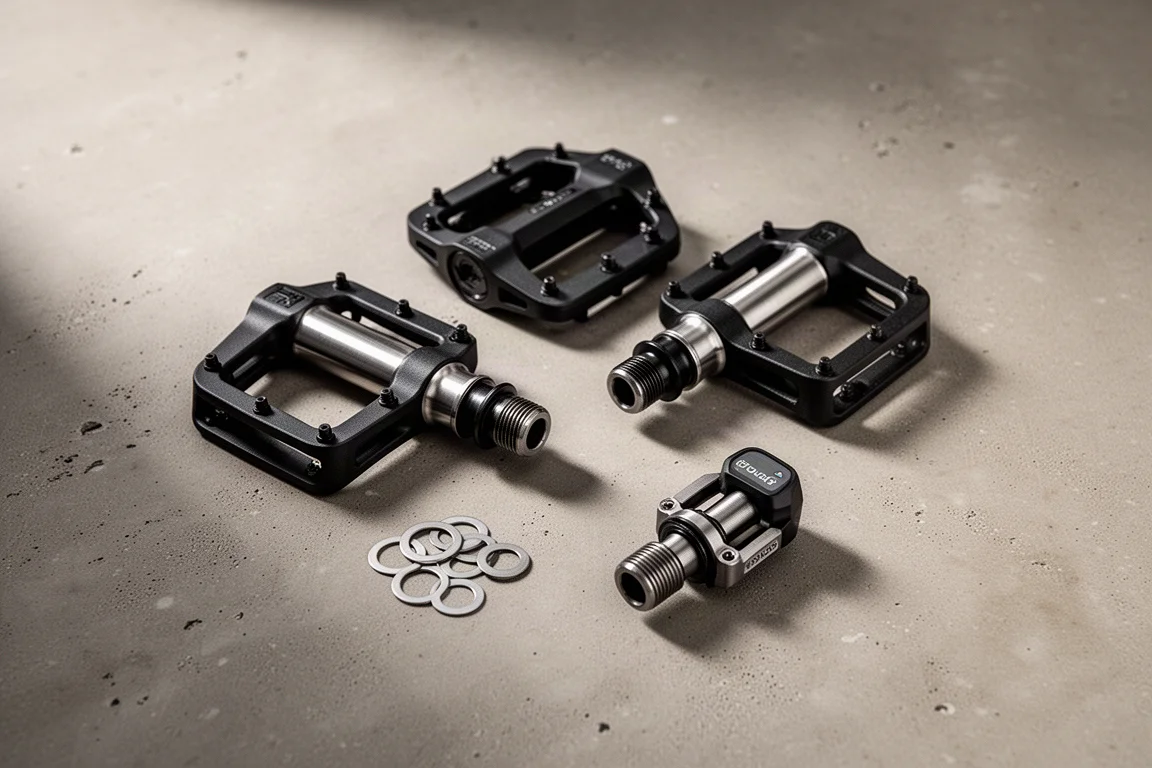
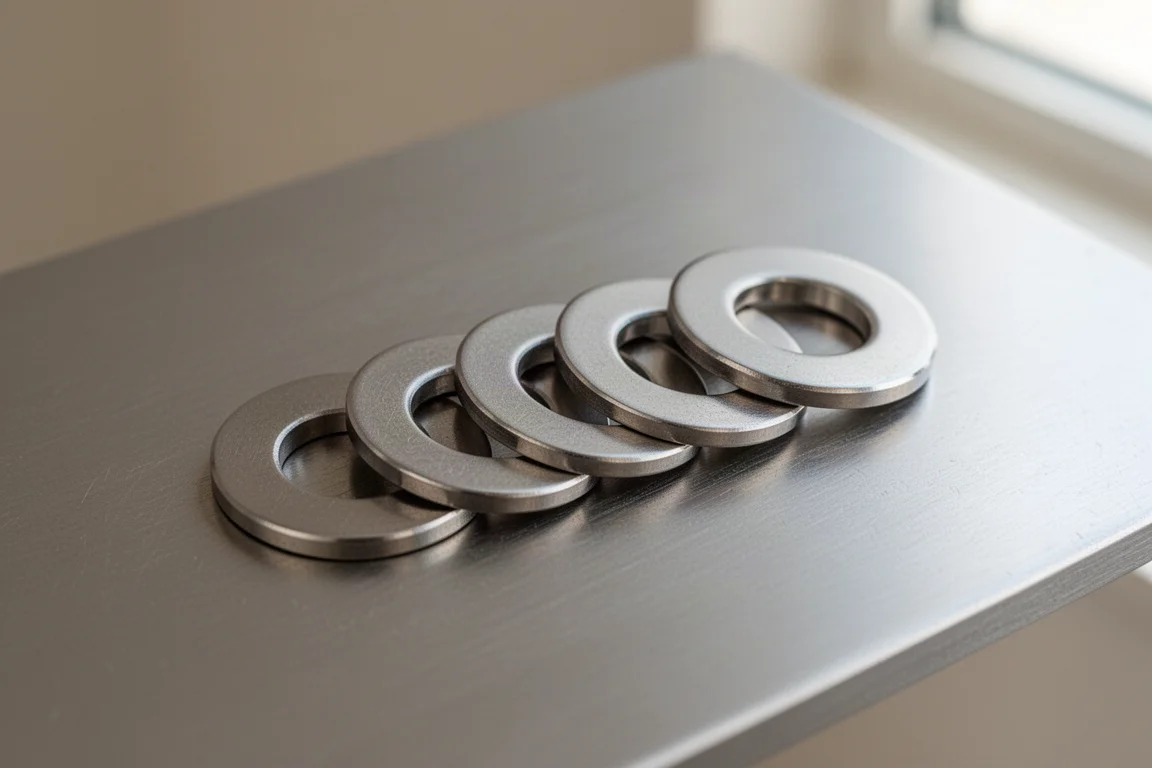
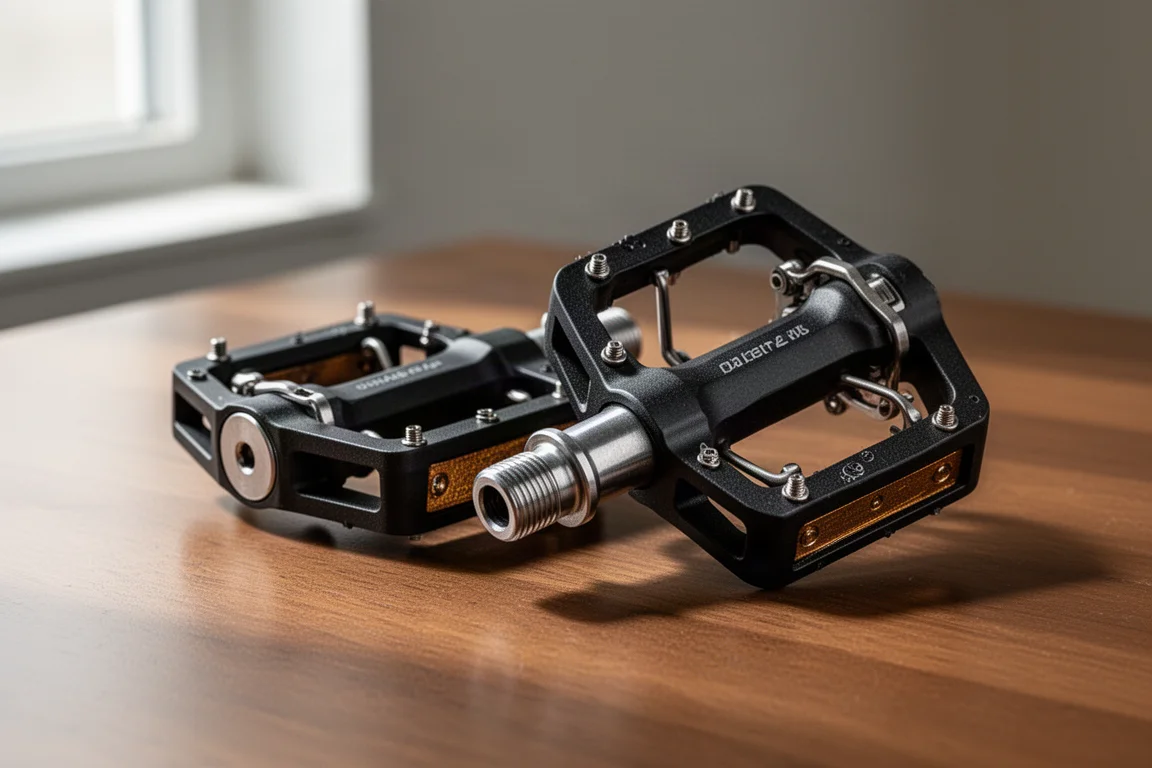
Pedal washers are the cheapest and most cost-effective way to increase stance. Form is a small British company that makes bike fitting equipment, and its washers are designed specifically for this purpose.
You can run one washer per pedal, which adds 2 mm of stance per side. Combined with cleat adjustments, that can add up to roughly 3 to 4 mm of extra stance in total. For a rider sitting on the edge of discomfort, a change that small can be the difference between pain and no pain, which makes it the sensible first thing to try.
Best Road Pedal Upgrade: Shimano SPD-SL Extended Axle
Shimano’s SPD-SL is one of the most widely used road pedal systems, and the 4 mm extended axle version is a straightforward way to gain stance without changing anything else about the bike.
The extra 4 mm per side typically reduces pressure on the outside of the foot and produces a flatter, better interaction between the foot and the pedal body. It is often accompanied by improvements in how the rider sits on the saddle and how effort is delivered through the front of the bike. This version has also been used at the top level of road racing.
For riders already on SPD-SL, this is the least disruptive upgrade here: the cleat interface and the feel underfoot stay familiar, and the only change is where the foot sits relative to the crank.
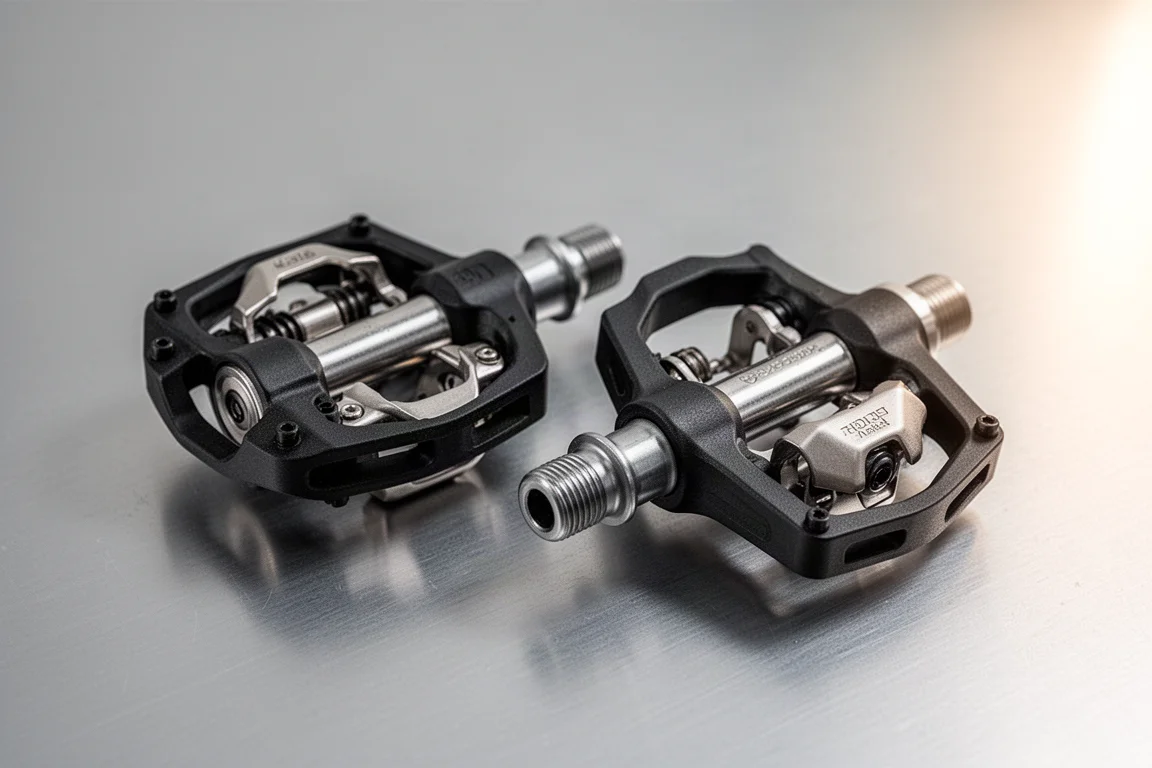
Best Power Meter Option: Favero Assioma DUO-Shi
The Assioma DUO-Shi is a dual-sided power meter that replaces the axle of a Shimano pedal. Because the electronics live in the axle, it also increases stance dramatically, by around 15 mm compared with a standard Shimano road pedal.
That number deserves respect. A 15 mm jump is a large change and it does not suit everyone. Smaller riders, and particularly smaller women, may find that the wider position compromises knee alignment. The usual result is a valgus knee pattern, where the knee drops inwards towards the top tube through the pedal stroke, and that is commonly associated with lateral knee pain or pain on the outside of the knee. It is often misdiagnosed as IT band syndrome, so it is worth recognising the pattern before pursuing the wrong treatment.
For a bigger rider who wants dual-sided power and already uses a Shimano road system, the combination is good value, since the pedal body you already own is reused.
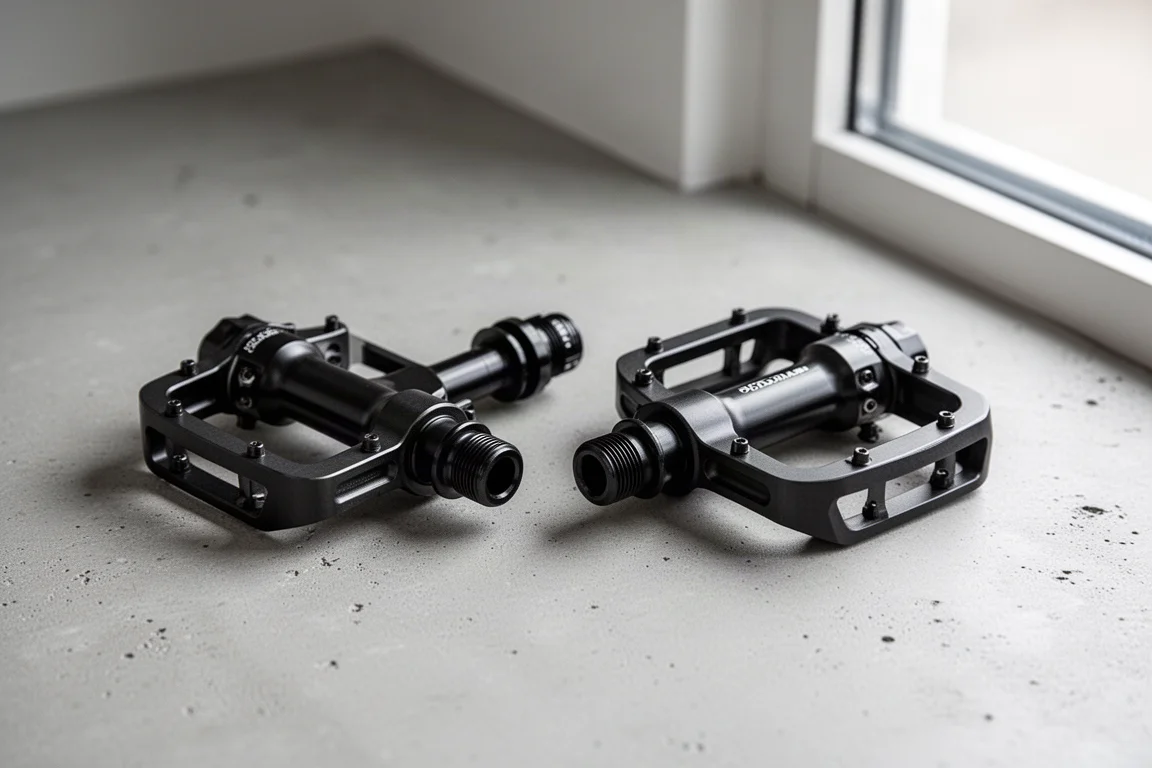
Best Long-Axle SPD Pedal: SQlab Long-Axle SPD
SQlab is a small German brand focused on ergonomics. Its catalogue is mostly saddles and grips, but it also makes what appears to be the only long-axle SPD pedal available.
Build quality is not the strongest part of the story. What matters is that the pedal exists at all: riders who want a mountain bike pedal system on a road bike, or who need more stance than a bottom bracket change can deliver, have very few alternatives. The axle extensions come in more than one length, and the longest option goes a very long way towards putting the feet underneath the knees and the knees underneath the hips.
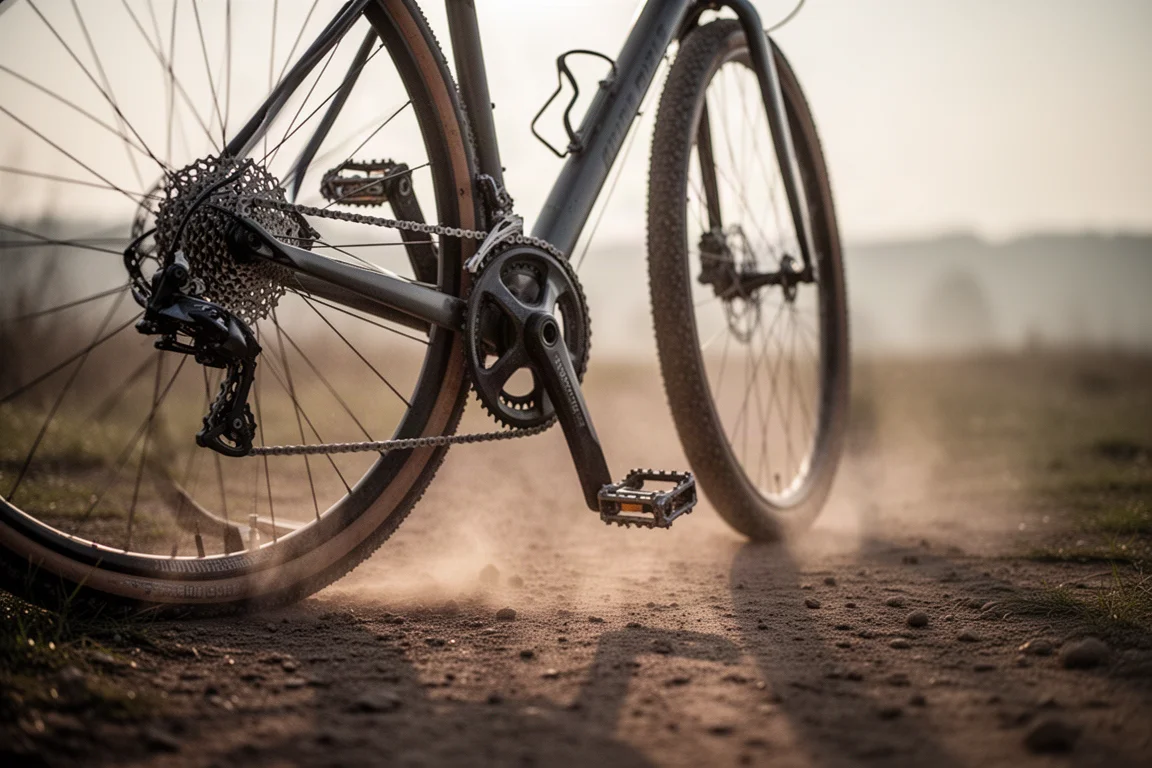
That last point matters most for heavier riders, whose feet can otherwise sit a long way inboard of the hips. A long axle is often the only way to bring the knees back into a line that tracks cleanly through the top of the stroke.
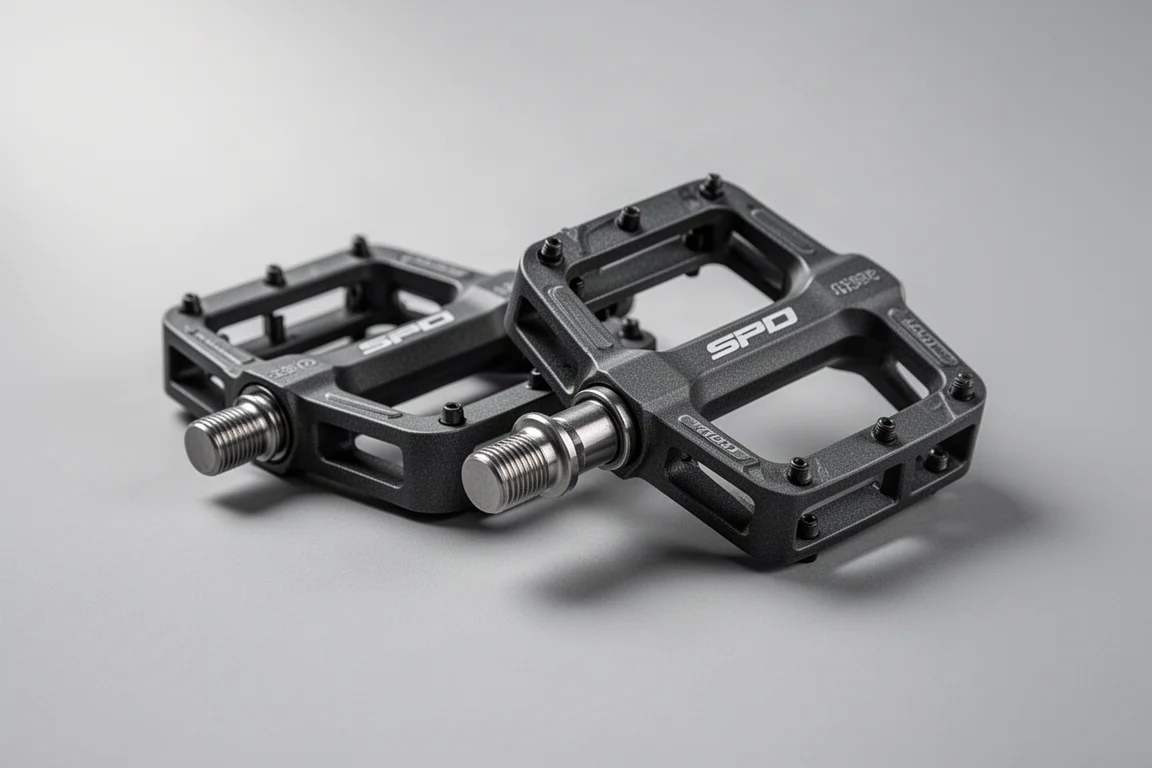
Best Long-Axle Look Pedal: SQlab Long-Axle Look
The second SQlab option uses a Look-compatible system and follows the same idea, with 8 mm and 15 mm axle extensions available. Riders on a three-bolt Look setup can widen their stance without switching pedal platforms.
Fewer riders run a Look-compatible system, so this pedal is less commonly seen than the SPD version. It still offers a stance increase in the same territory as the DUO-Shi, at a much lower price point, and without adding a power meter you may not need.
How to Choose the Right Stance Fix
Work from the cheapest option upwards, and change one thing at a time. If you have outer-foot pressure or a knee that drifts outwards, start with pedal washers. They cost very little, they are easy to remove if they do not help, and they will tell you quickly whether stance is part of your problem.
If you are already due a new set of road pedals, the 4 mm extended axle version of SPD-SL is a natural choice, because it adds stance without altering anything else. If you want dual-sided power and you are a larger rider on a Shimano road system, the DUO-Shi solves two problems at once, provided the 15 mm increase suits your knees.
For riders who need more stance than a standard pedal can give, the SQlab long-axle pedals are the remaining option, in either SPD or Look-compatible form. It is also worth checking the Q factor of your existing bike first: on a gravel or mountain bike frame you may already have more stance than a road frame provides.
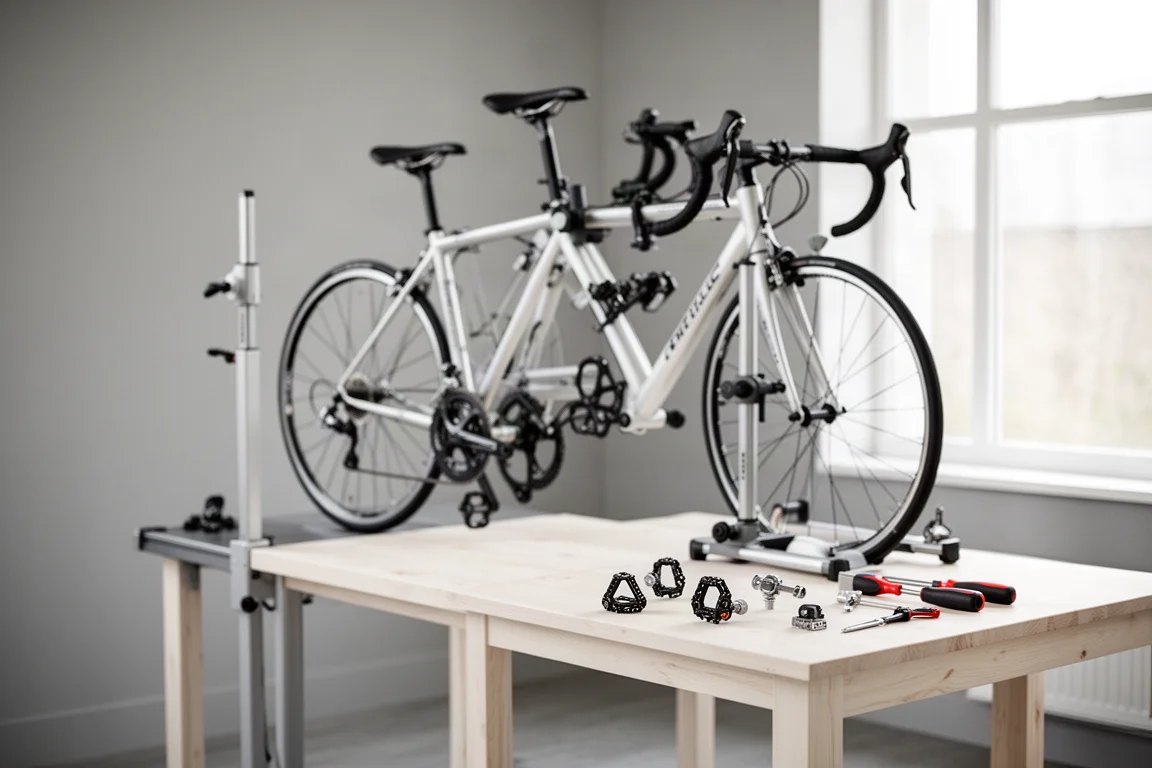
Whatever you choose, give the new position a few rides before judging it, and watch two things in particular: whether your knee tracks straight through the top of the stroke, and whether pressure on the outside of the foot fades.
Conclusion
Stance is easy to ignore and surprisingly influential. The cheapest route, pedal washers, costs very little and can resolve outer-foot pressure on its own. A 4 mm extended axle is the tidy upgrade for riders already on SPD-SL, a dual-sided power meter adds stance as a side effect for larger riders who want power data, and the long-axle SQlab pedals cover the cases where nothing else is wide enough. Start with the smallest change that addresses your symptom, and let your knees and feet tell you whether it worked.
Further reading
Related Reviews
Cycling Power Meters
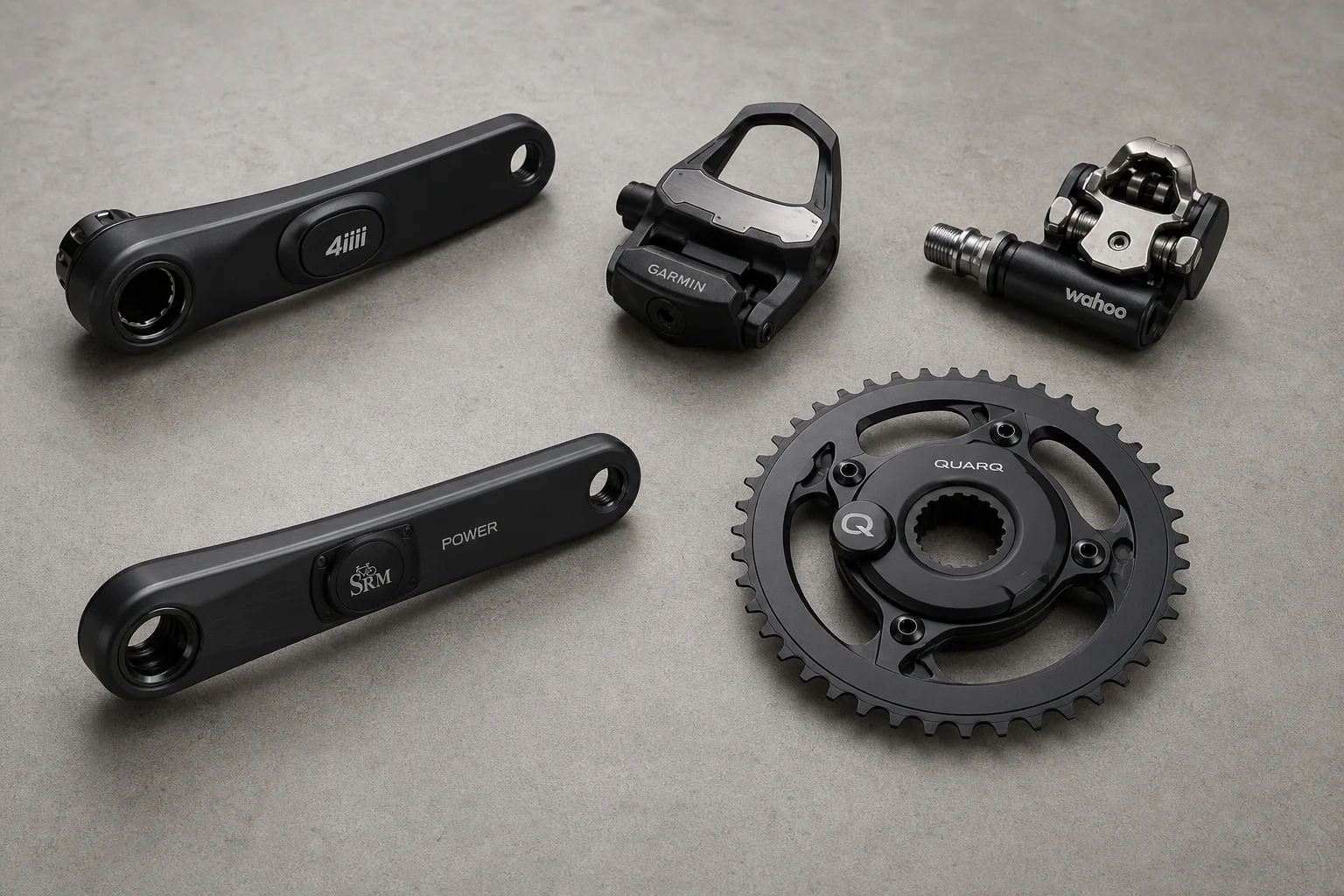
Five Affordable Power Meters for Road and Off-Road Cycling
Five practical power meter options under $500 that deliver reliable power measurement without breaking the budget.
Sim Racing
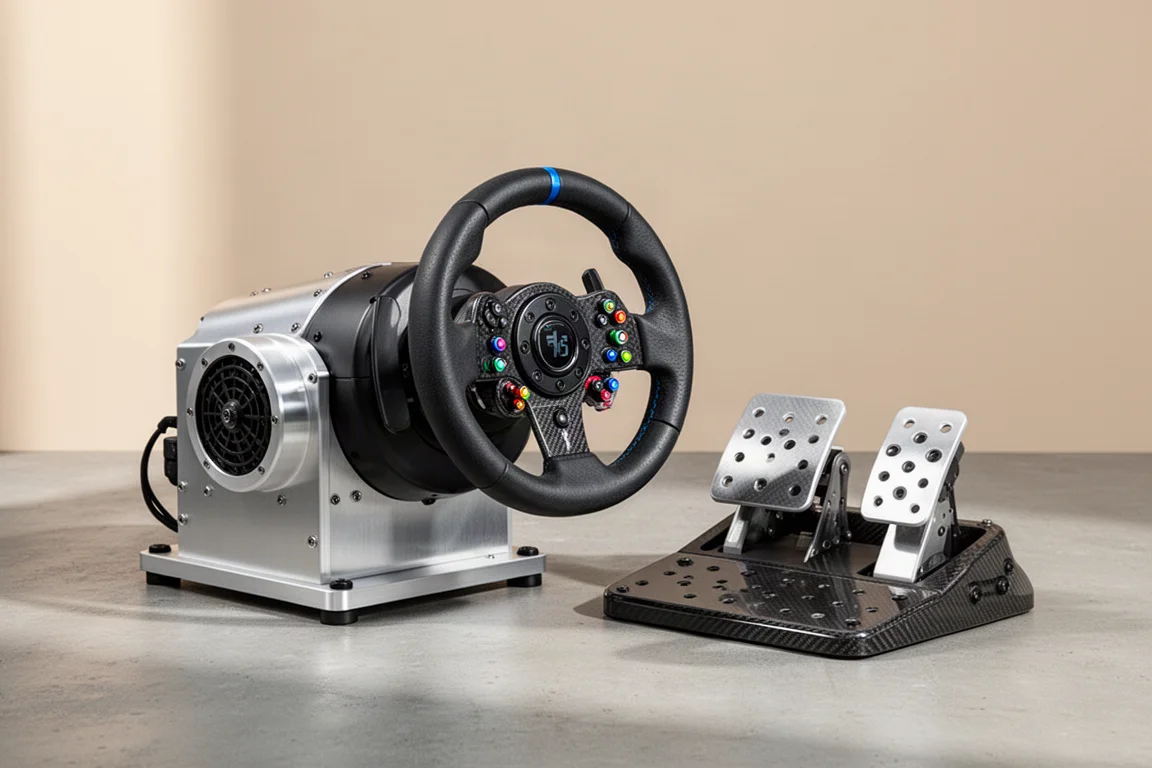
Asetek Initium Direct Drive Bundle Review: A Strong Entry Point With a Standout Pedal Set
The Asetek Initium bundle brings a 5.5 Nm upgradeable wheelbase, a functional round wheel, and a surprisingly capable pedal set to a crowded entry-level direct drive market.
Handlebars
Best Drop Handlebars Ranked: 9 Road and Gravel Bars Compared
Nine drop handlebars ranked by reach, drop shape, width range and integrated routing compatibility, from designs that fight the rider to bars that solve a real fit problem.