Work Gear
Best Work Suspenders: Five Options From Budget Clips to Lifetime Leather
Five suspenders for working men, from an entry-level clip-on to a handcrafted leather Y-back built to outlast everything else in the closet.
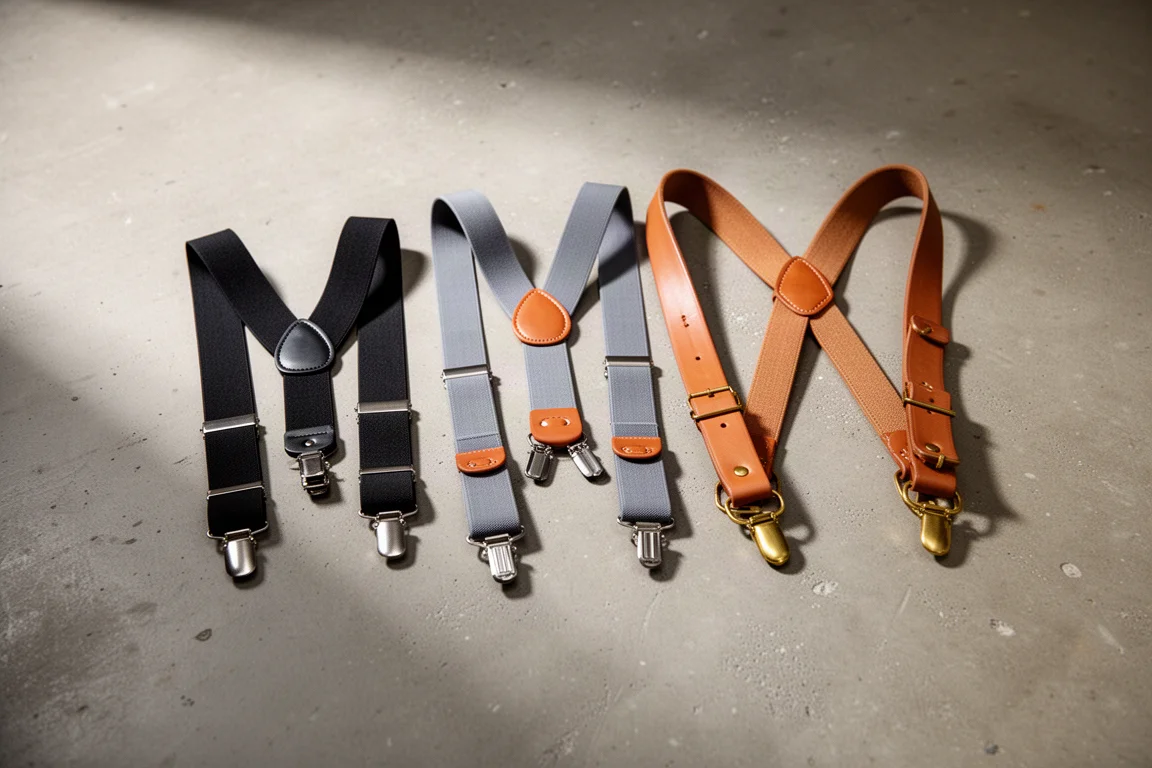
Introduction
Suspenders are one of those pieces of gear that seem old-fashioned until you actually work in them. Once you do, it is hard to go back. Whether you are carpentering, welding, logging, or running a sawmill, suspenders hold everything where it belongs without cinching a belt tight around your waist all day.
The catch is that “suspenders” covers a huge range of products. There is comfort, toughness, durability, and how long the elastic lasts, but what it really comes down to is whether they hold your pants up and whether you can function in them. If you have never worn suspenders, a sensible approach is to start cheap and work your way up. This list runs from an eight-dollar clip-on to a handcrafted leather pair that may genuinely be the last suspenders you ever buy.
Why Suspenders Belong in Your Work Kit
Work clothes are gear. Suspenders are gear. Work can put you in a spot where you get scraped, banged, or cut if you are not wearing the right kit, and suspenders are part of that kit. They work for you all day, keeping your pants up and your shirt in place without the waistband pinch.
There is also a low-risk way to find out if they are for you. Even a cheap elastic clip-on pair is enough to test the idea, which is exactly how one reluctant convert started. Two years later, suspenders are part of his daily wardrobe, worn discreetly under a shirt.
Entry-Level Pick: Dickies Work Suspenders
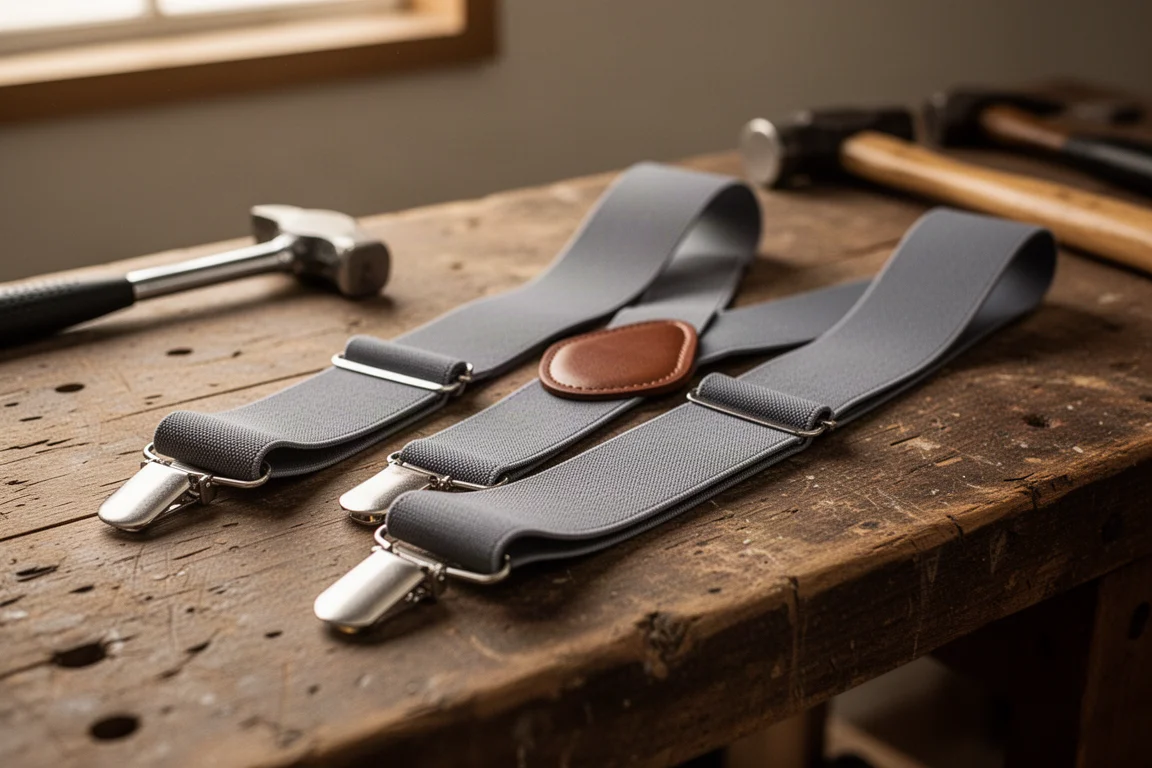
Dickies makes a version of a work suspender aimed squarely at the clip-on category. The adjustment looks adequate and should hold, and the heavier clips grip wherever you pinch the fabric of your pants. As a first pair, it is not a bad way to start.
The honest caveat is the elastic. If the bands are stretched to begin with, they will eventually become permanently stretched, and it is hard to say whether you get three months or six months out of them. That is the nature of clip-on suspenders in general: they hold for a while, right up until they do not. Manage expectations accordingly.
Best Belt-Loop Option: AOS Belt-Loop Suspenders
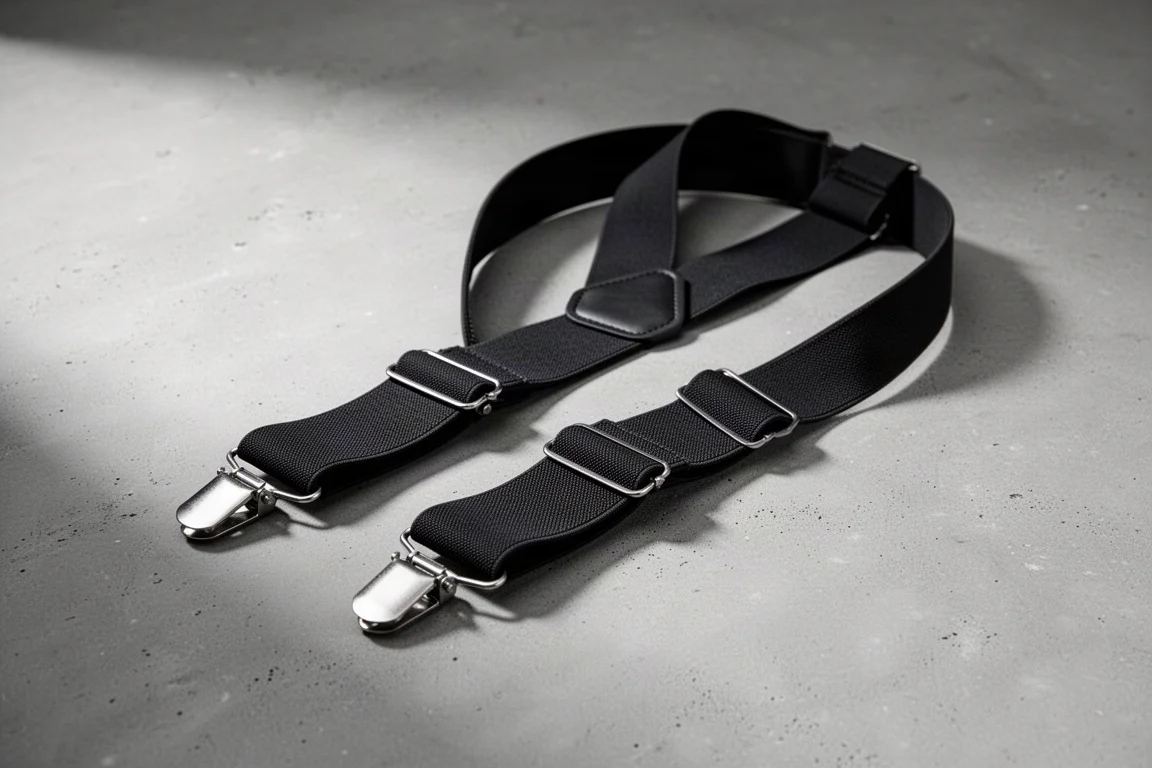
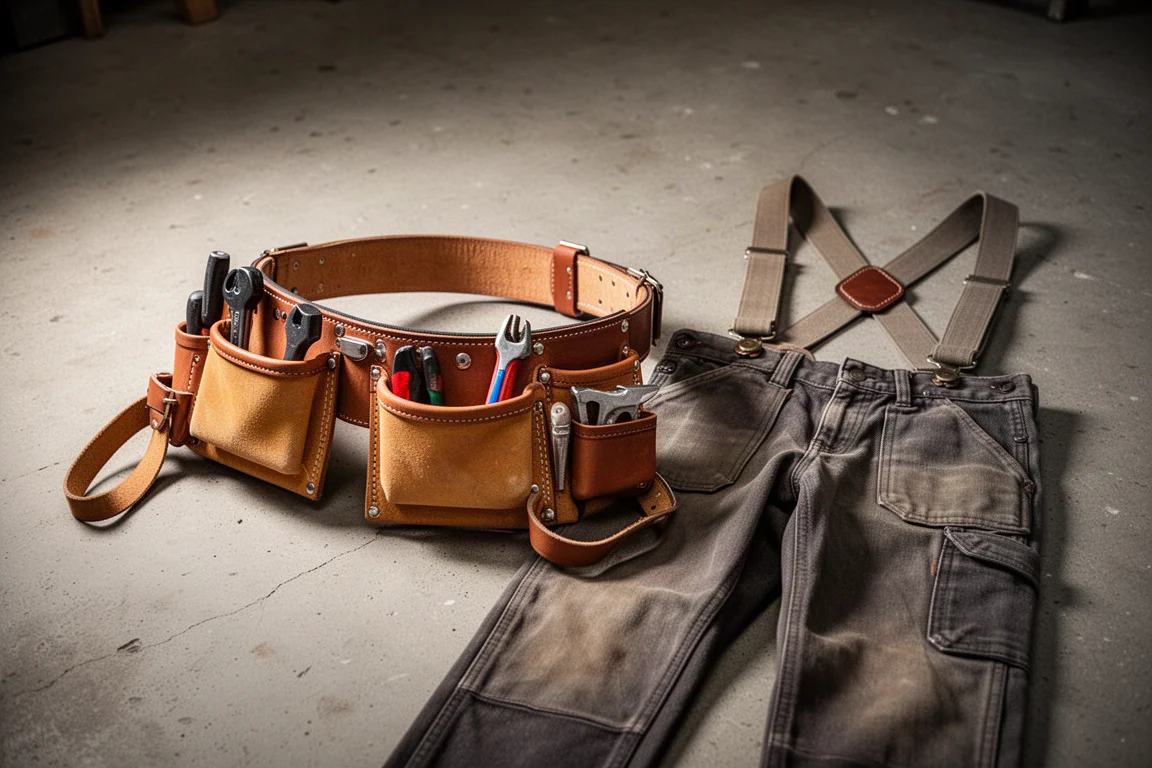
If you wear any sort of holster on your belt, you cannot simply switch to suspenders. That is where the belt-and-suspenders combination earns real respect. It keeps your shirt tucked, keeps everything up where it goes, and lets you leave the belt loose enough to carry holsters for tools or protective equipment.
These suspenders from AOS hook under the belt or clip directly into the belt loop itself, and the belt can ride through the attachment. The length adjustment seems positive and the price sits around fifteen dollars, which is reasonable for something that genuinely keeps everything where it goes. Once you accept that some trades need gear on the belt and support on the pants, this category makes complete sense.
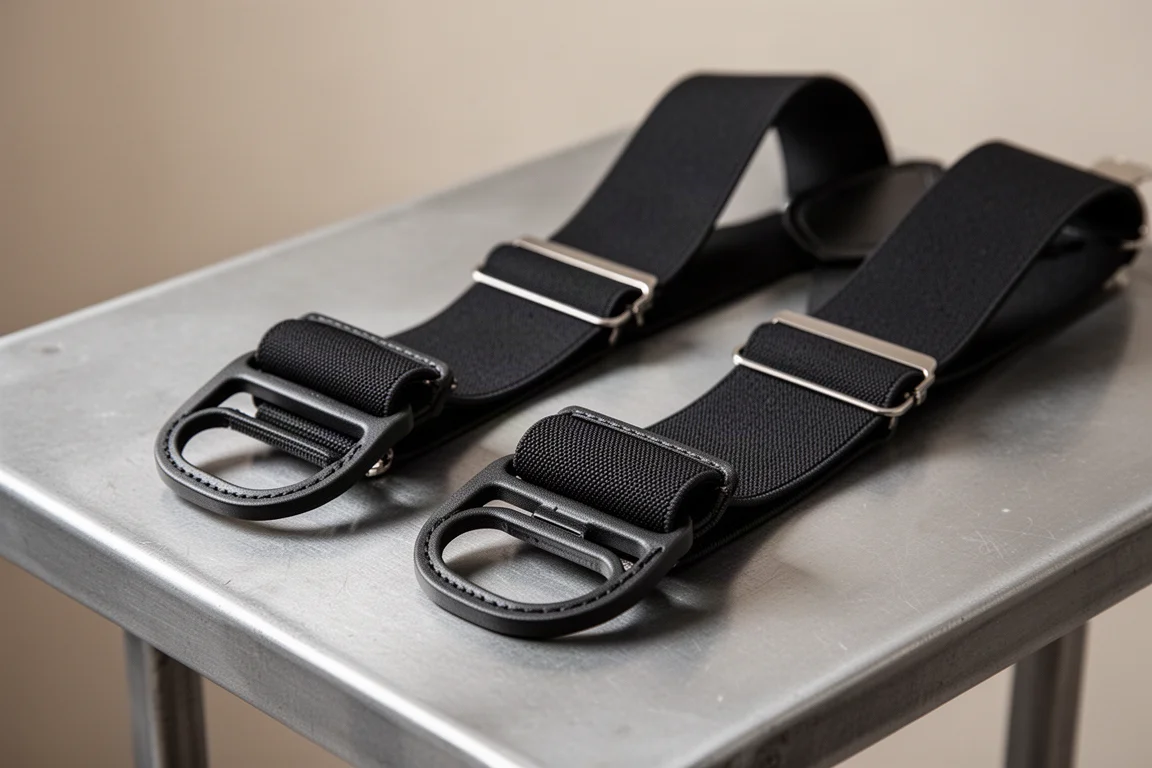
Best Under-Shirt Option: Hikers Upfitter Fitted Suspenders
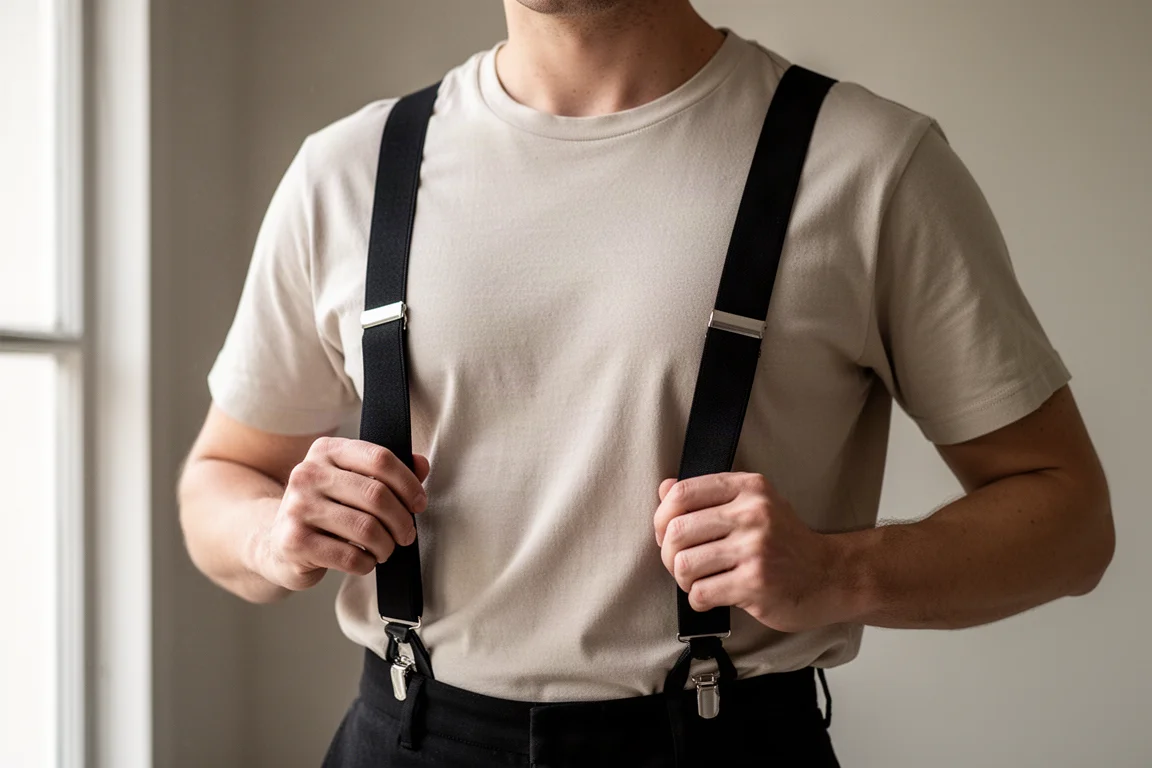
If you like the idea of suspenders but do not want the world to know, the under-shirt category exists for you. The Upfitter fitted suspenders by Hikers have a smooth front with nothing visible down the middle, and the clips slide onto your belt loops rather than pinching fabric.
These have been genuinely work tested by a slim build who wears them every day under a t-shirt. He likes the belt-loop attachments, the way they stretch, and the way they fit, and he settled on a size extra large even though he is far from extra large, with all the adjustment happening at the bottom. As long as the plastic parts hold up, this is a discreet, comfortable way to become a suspenders person without telegraphing it.
Best Overall Value: Welch Work Suspenders
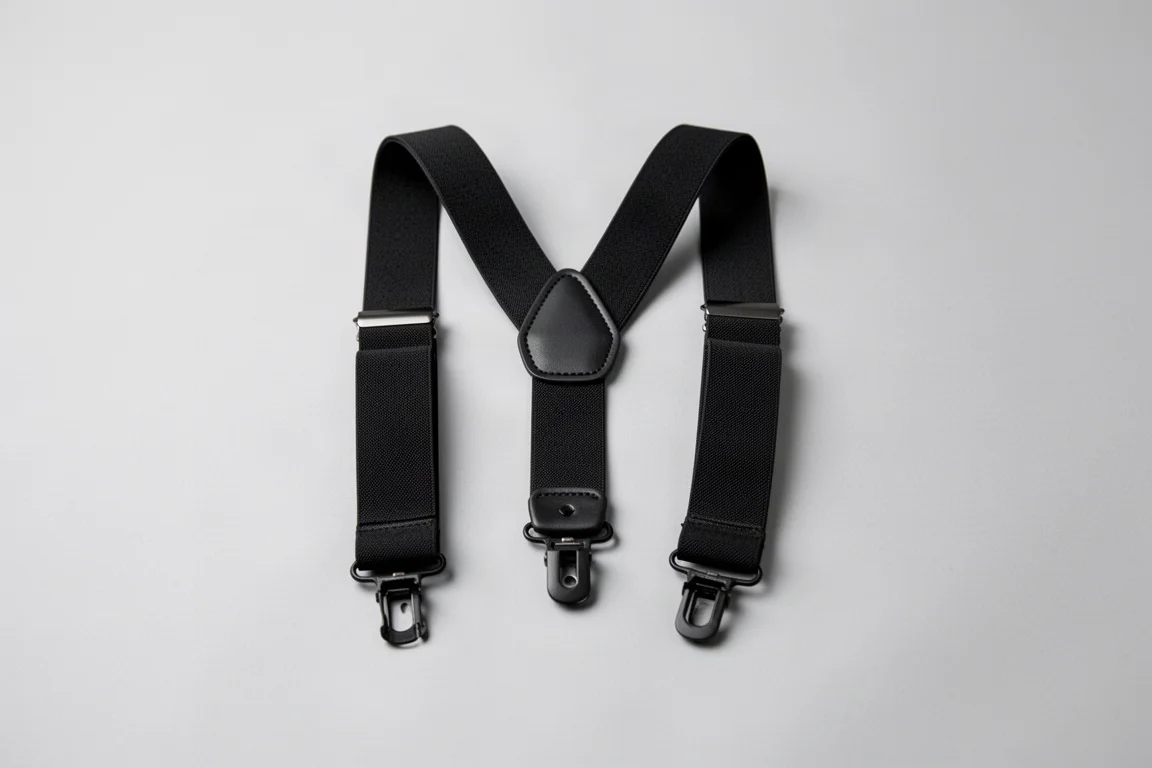
Welch work suspenders are the pair that twenty years of daily wear have been built on. They run between twenty-five and thirty-five dollars a pair, and the details are what make them: the leather attachments to the braces are very good, the locks are very good, and the elastic lasts a good long time.
The realistic lifespan is about three years of heavy use, which works out to roughly ten dollars a year. One quirk to know about: the black ones turn brown in the sun. For anyone past the experimental stage who wants a serious pair of work suspenders that feel good and work well, Welch is the way to go.
Last Pair You’ll Ever Need: Buck and Billy Ray Smith Y-Back Leather Suspenders
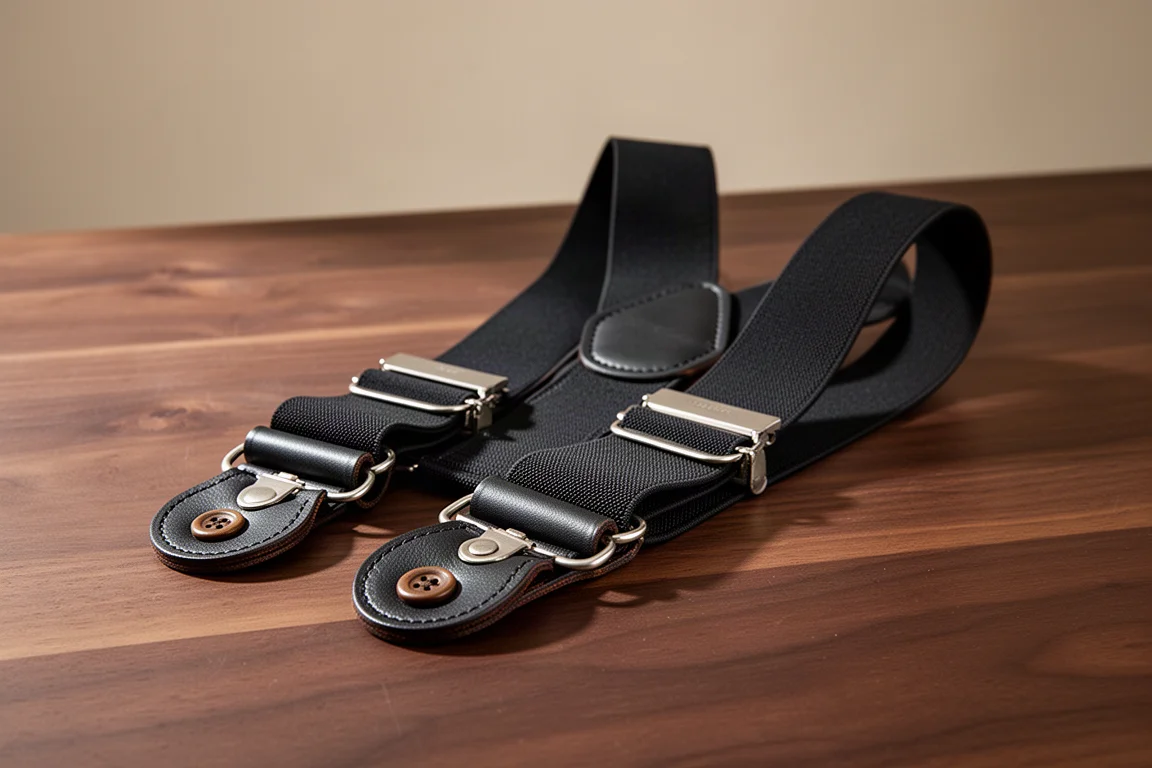
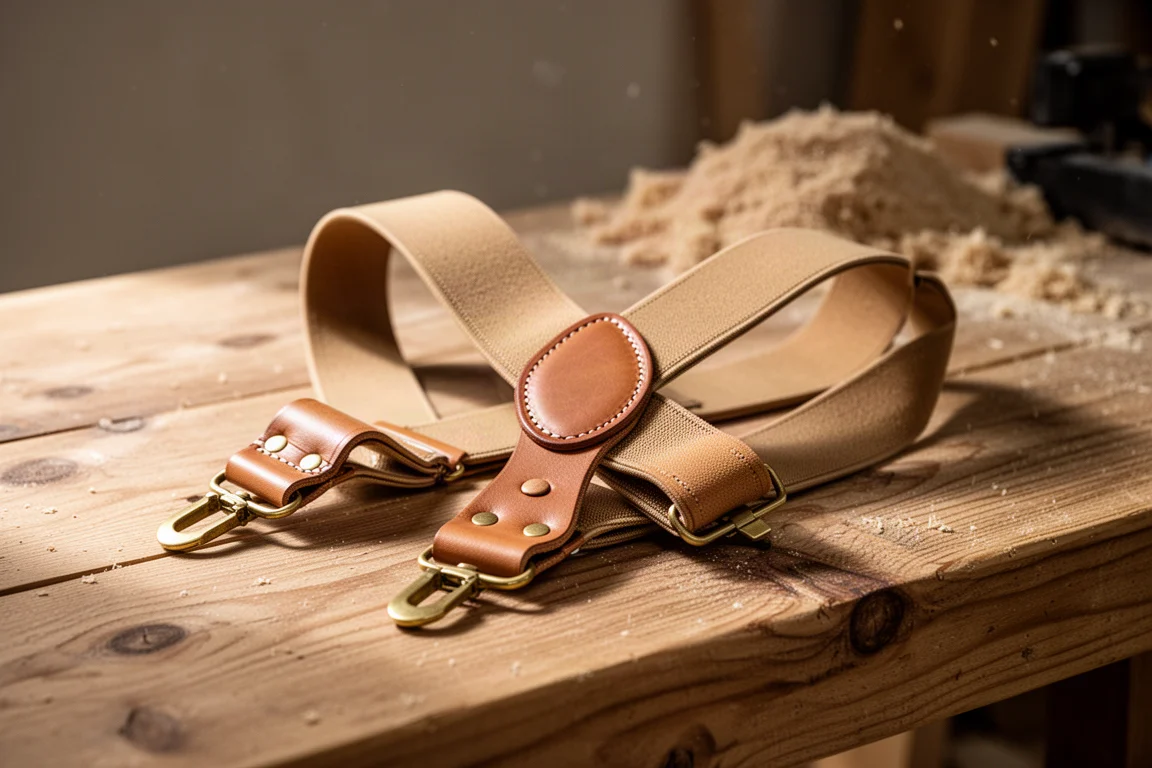
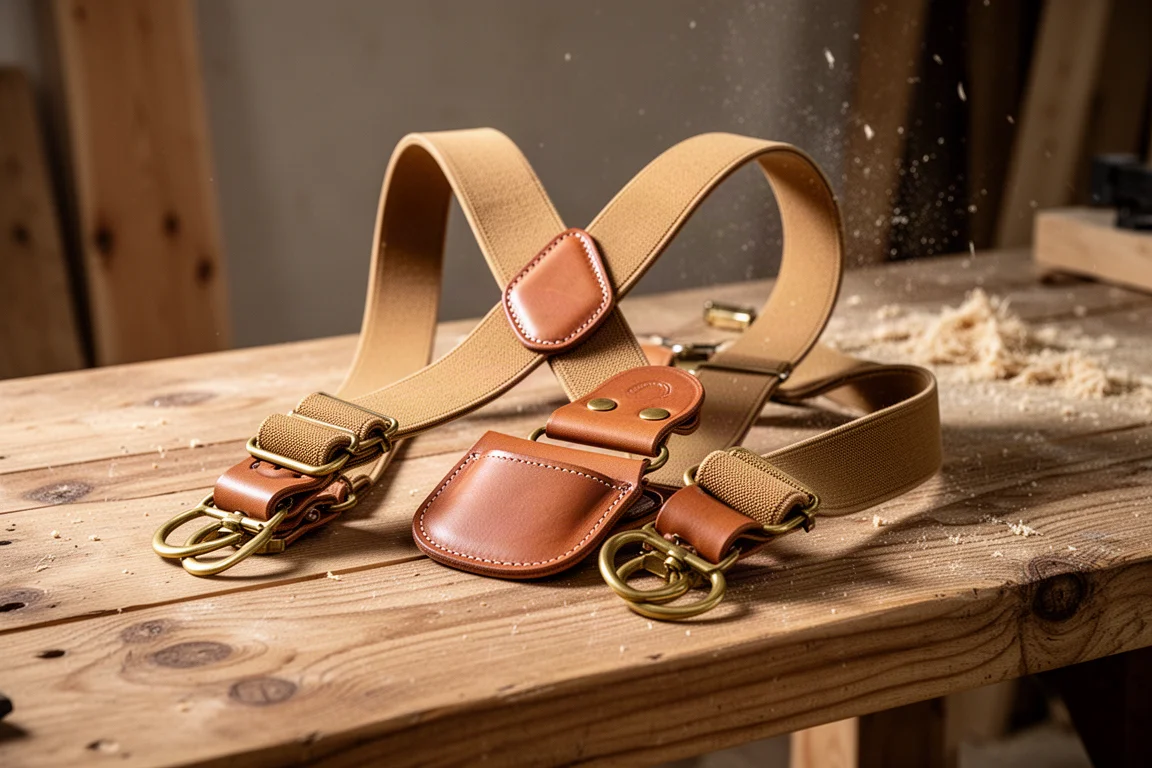
These are a different animal entirely. Buck, a logger and tree climber out of Vancouver, BC, designed these and had them made by a leather worker in Spokane from heavy, stout USA tan leather with solid brass attachments throughout. This is a buy-once, cry-once product: they are not cheap, and they are never wearing out.
The Y-back design runs to a single strap that splits between the shoulders, which keeps the straps from slipping off, provided that split point sits high enough. The button loops are thick leather and stiff when new, so work them over with needle-nose pliers or a multi-tool to loosen them up before the first wear. Once you are hooked around a button, you are hooked. Sizing is fussy in a good way: there is a specific measurement from the back buttons to the midpoint of the shoulders, and the lower section adjusts with a screw rather than a buckle. A leather pocket on the front holds a small screwdriver or a set of safety glasses, and the rings are handy for hanging a keel when marking logs or top plates.
Overall Buying Advice
A few practical notes tie this list together. If your work pants use flat buttons, as many rig and work pants do, button-on suspenders are the most secure attachment method. When new leather loops feel impossible to stretch over a button, do not force them by hand: work them gently with pliers first. And if you wear a belt with holsters, choose a suspender that attaches to the belt or belt loops rather than replacing the belt entirely.
For a first test, start with something inexpensive and see whether suspenders suit how you work. If they do, the button-on work suspender category is where the real long-term value lives, and a well-made pair can cost you about ten dollars a year over its life.
Conclusion
Suspenders are a quiet upgrade to how you work. Start cheap if you are unsure, go belt-loop compatible if you carry gear on your belt, go under-shirt if you want discretion, and step up to a serious button-on leather pair once you know they are part of how you work. The right pair holds everything up all day and asks nothing of you in return, and that is worth finding.
Further reading
Related Reviews
Work Gear
Best Knee Pads for Work and Overland Kits: Three Options Compared
Knee protection is easy to overlook until your knees start complaining. Here are three knee pad options with different strengths for work, overlanding, and backup kits.
Work Gear
Best Work Gloves Tested: Which Pairs Are Actually Worth Your Money?
We compare 17 work glove brands across grip, cut resistance, durability, impact protection, puncture resistance, and comfort to find the real value picks.
Work Gear
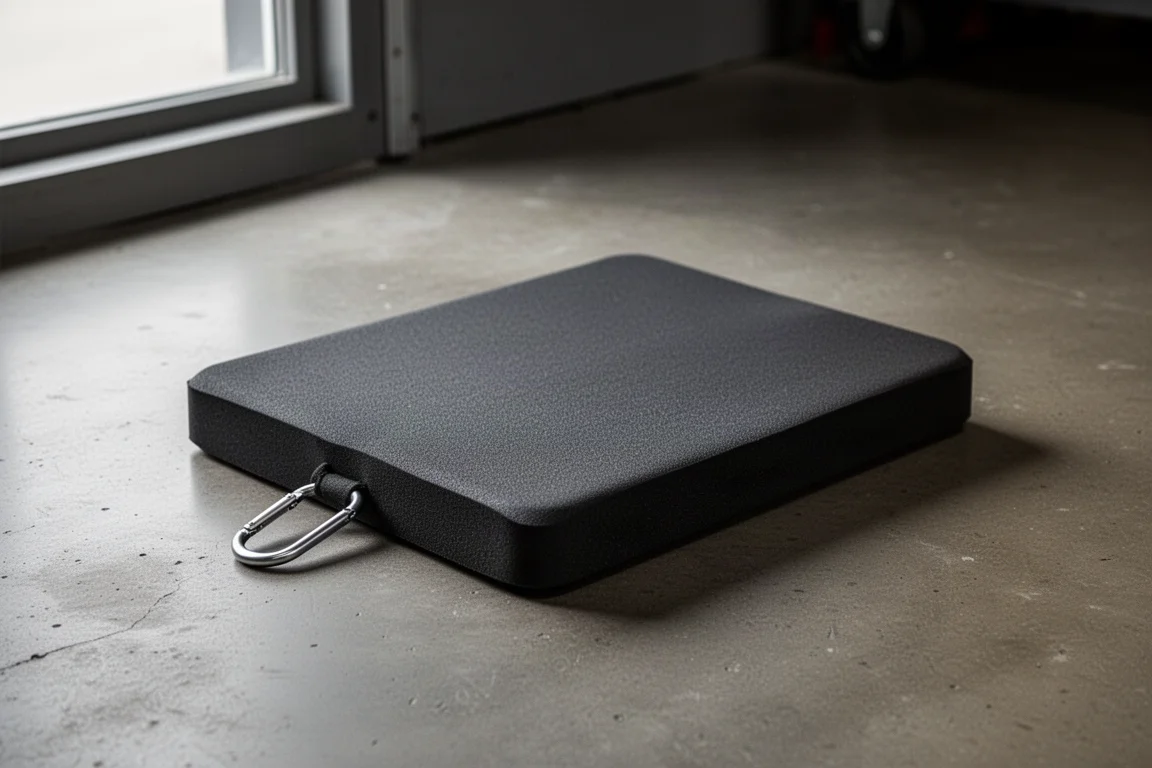
Ergodyne ProFlex Kneeling Pad Review: A Small Foam Pad That Saves Your Knees
A compact one-knee kneeling pad built for tool bags, plumbing jobs, and gravel-covered ground. Here is what it does well and where a larger pad makes more sense.