Work Gear
Best Work Gloves Tested: Which Pairs Are Actually Worth Your Money?
We compare 17 work glove brands across grip, cut resistance, durability, impact protection, puncture resistance, and comfort to find the real value picks.
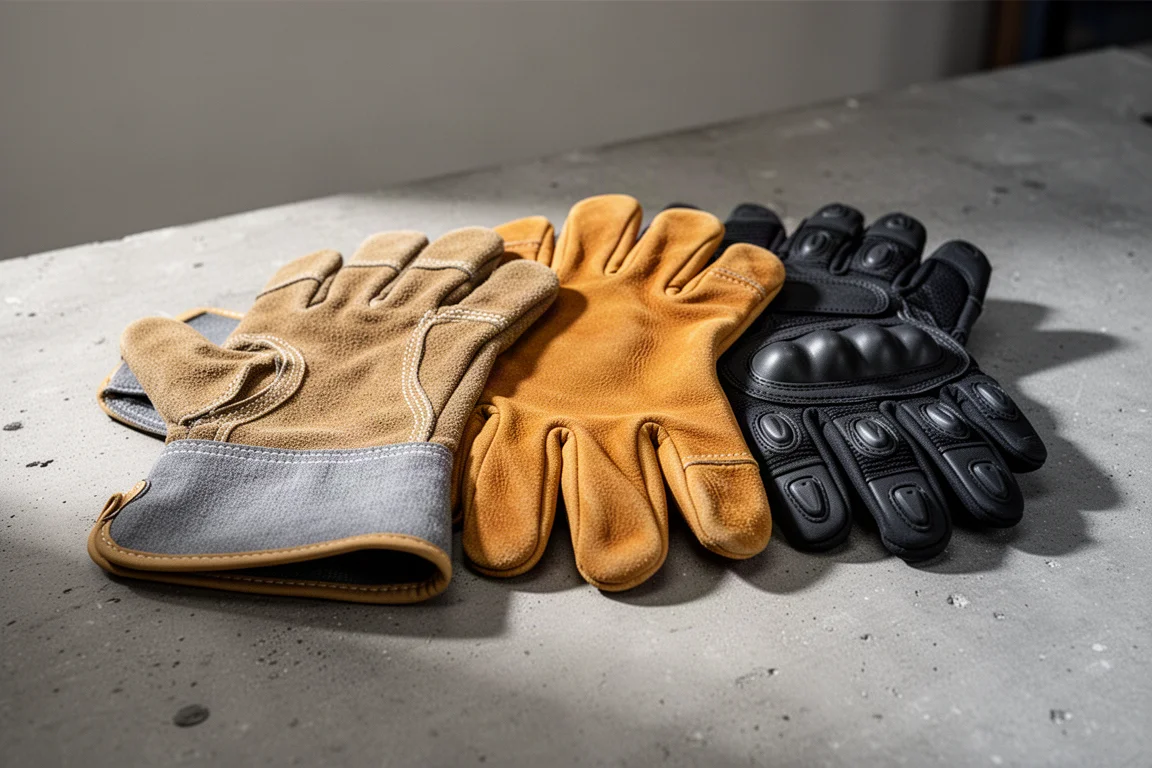
Introduction
Hand injuries from poor gloves are easy to underestimate until they happen. The real question most buyers face is simple: is a $3 pair of gloves just as good as a pair that costs over $30? To find out, a wide field of work gloves was put through the same gauntlet of tests covering grip, cut resistance, wear durability, impact protection, puncture resistance, comfort, and stiffness.
The results were surprising. Several of the cheapest gloves ran circles around premium brands, while some of the most expensive pairs underperformed badly. This guide breaks down the standouts so you can match a glove to the way you actually work.
How These Gloves Were Evaluated
Each glove went through the same battery of tests. Grip was measured by how much force it took to slide a weighted steel plate across the palm. Cut resistance was timed with an electric knife cutting through the glove finger. Wear resistance was tested with 180-grit sandpaper under a consistent 15-pound load, counting passes until the material failed. Impact protection was assessed with a coil spring device pressing a wooden dowel inside the glove, measuring total deformation. Puncture resistance was measured with a push-pull meter, and comfort and stiffness were assessed by how much force it takes to bend a gloved finger.
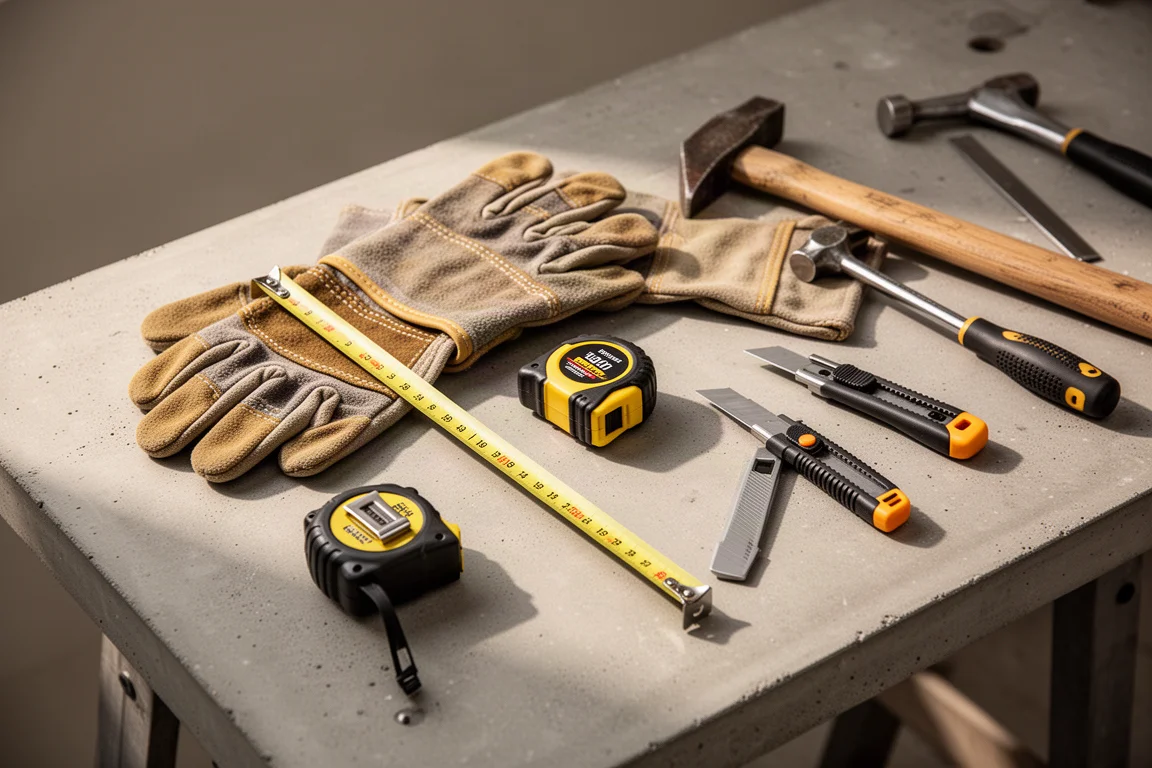
Results were converted into A-through-F rankings per category, and raw performance data drove the scoring. Here is how the standout performers shake out.
Best Overall Value: GNF Work Gloves
At $14 for five pairs, or just $2.80 per pair, the GNF suede double-palm work gloves are the definition of cheap utility. They feature a 2.5-inch rubberized safety cuff, a very thick 6.63 mm finger construction, and a two-layer index finger. Despite being the least comfortable pair in the lineup and quite stiff, they dominated the hard tests: 61 sandpaper passes for durability, just 0.59 mm of damage in the impact test, 4.3 seconds of cut resistance, and 8.95 pounds of puncture resistance, the best puncture result by a wide margin.
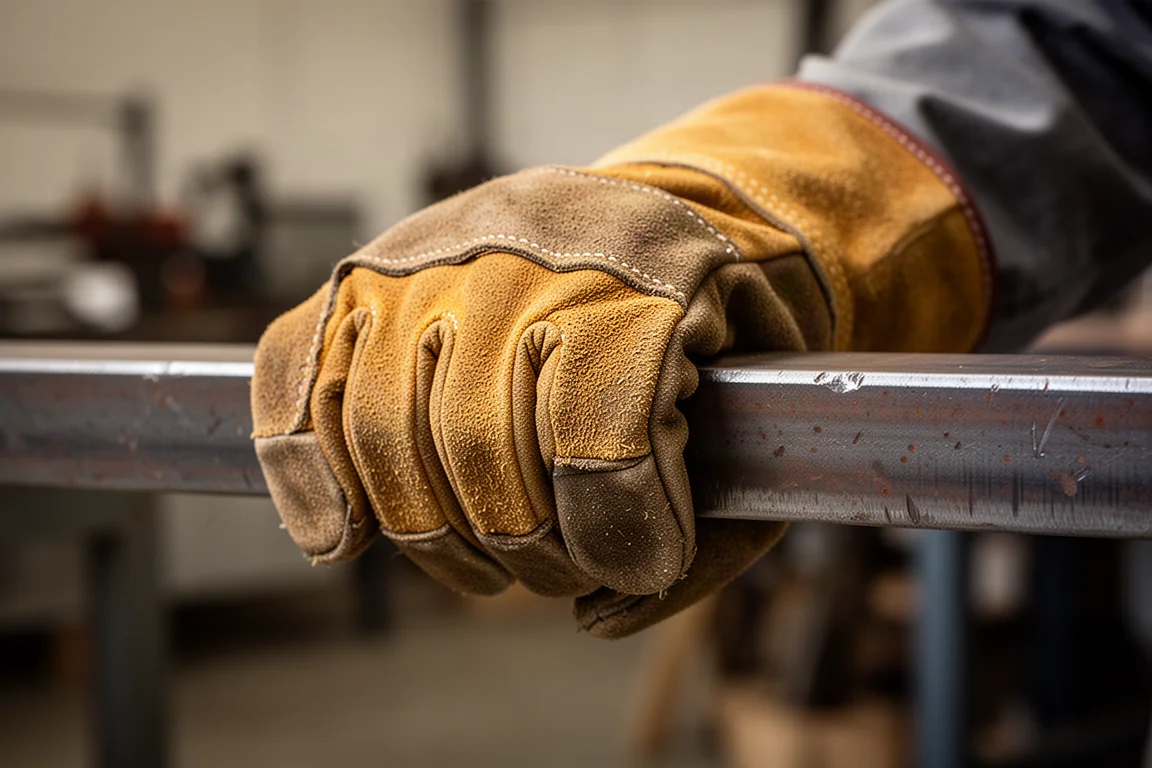
If your priority is raw protection and value over all-day comfort, this is the pair to buy.
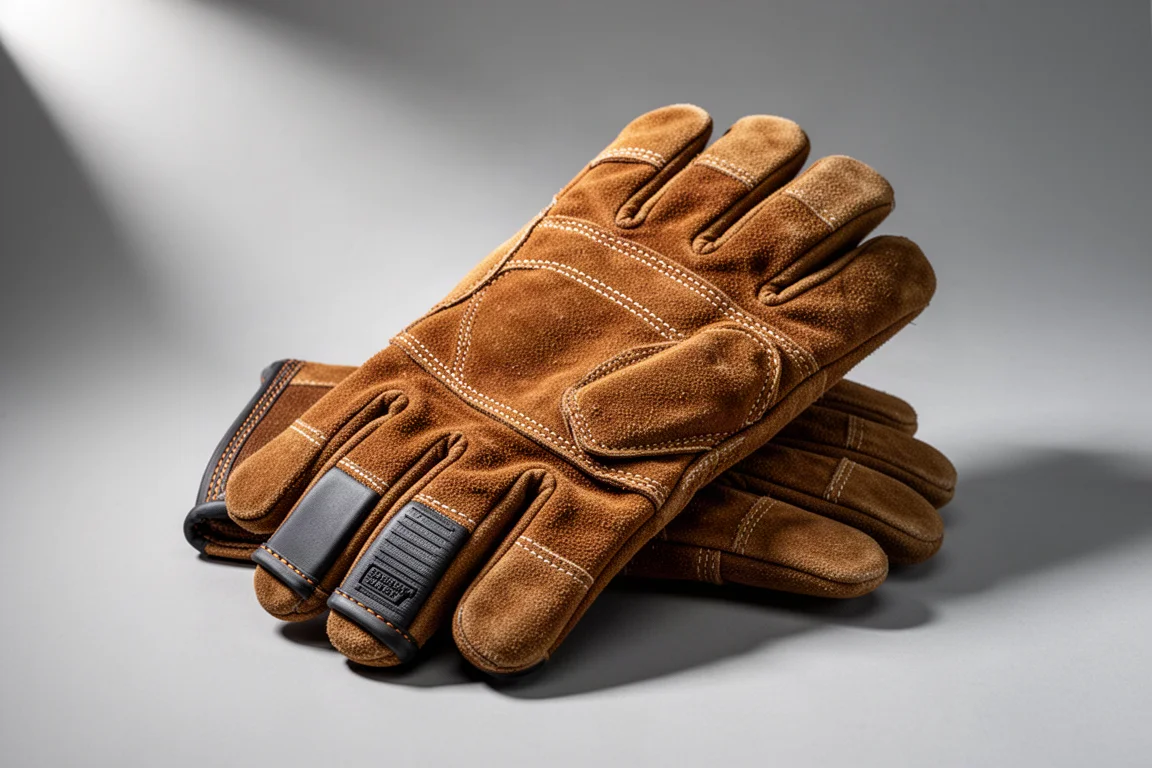
Best Budget All-Rounder: WZQH Work Gloves
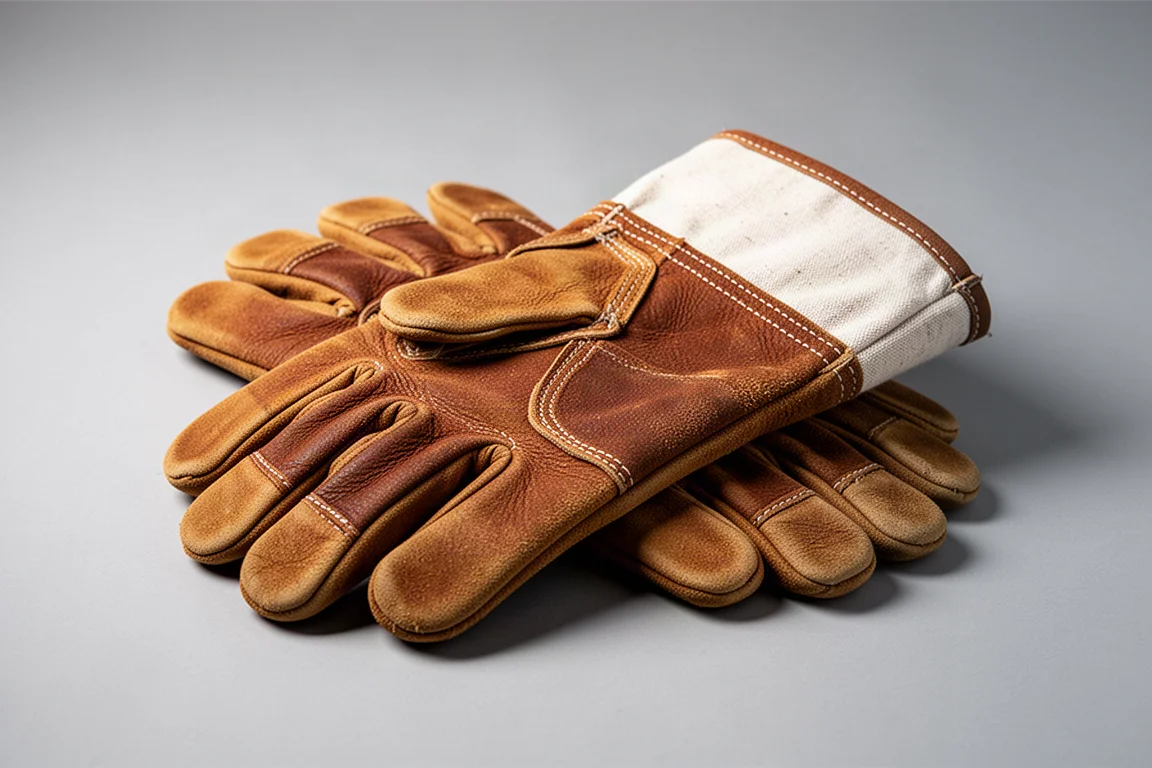
At $10, the WZQH gloves are made of 100 percent split cowhide with a 100 percent cotton lining, and the brand claims high abrasion, puncture, cut, and temperature resistance along with flexibility. In testing they earned A grades in four out of seven categories: 23 sandpaper passes, only 1.51 mm of dowel damage, solid 4.9-pound grip, and a reasonable 2.6-pound puncture resistance. They are not the most comfortable gloves here, but for overall value and performance at ten dollars, they are hard to beat.
Best Comfort-Performance Balance: Tulip Work Gloves
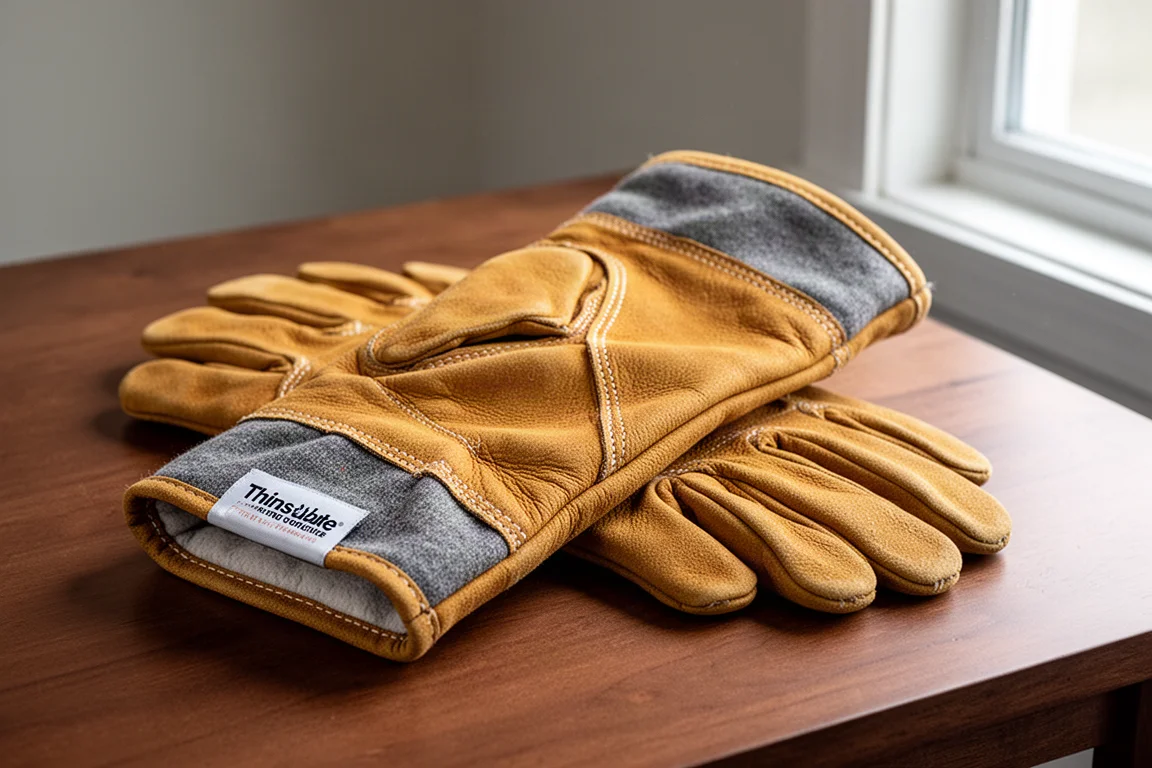
The Tulip leather work gloves cost $20 and pair full-grain cowhide with a warm 3M Thinsulate lining and a keystone thumb for flexibility. They earned four A’s and three B’s across testing: 26 sandpaper passes for third place in durability, 5.62 seconds of cut resistance for second place, a good 1.64 mm impact result, and a soft lining that made them noticeably more comfortable than most rivals. At just 1.8 pounds of force to bend a finger, they tie for the most flexible gloves tested. If you are willing to spend around $20 and want warmth plus comfort, these are an excellent pick.
Best for Cut Hazards: Hex Armor Work Gloves
At $18, the Hex Armor gloves use an interior HPE steel protective liner with claimed 360-degree cut resistance and a goatskin leather palm. The cut test backs the claim: 9.1 seconds before the electric knife cut through, the best result at the time of testing. They also did well on impact, with just over 2 mm of dowel damage. On the downside, puncture resistance was weak at 1.83 pounds and the gloves wear out relatively quickly at only 12 sandpaper passes. They are a specialist pick for handling sharps, not an all-purpose glove.
Impact and Wear Surprise: NoCry Work Gloves
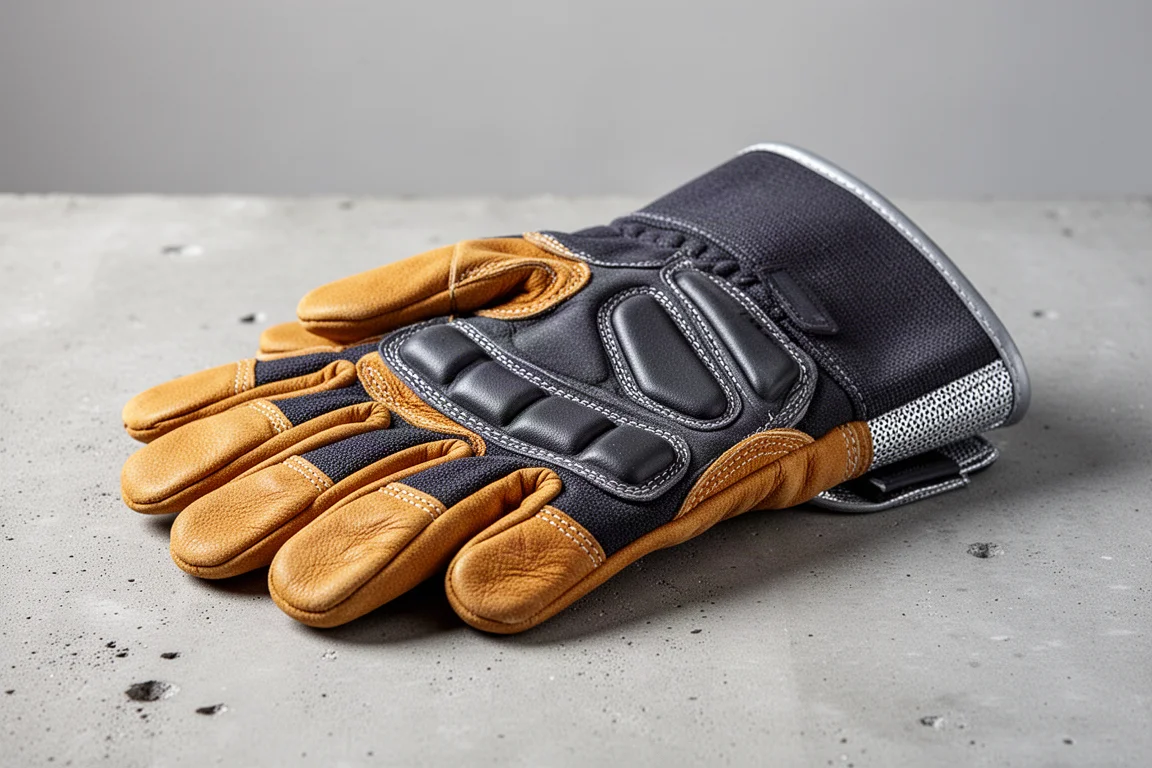
The NoCry gloves cost $19 and feature PVC knuckles, touchscreen compatibility, and an extra layer on the fingertip. Their wear resistance was the genuine surprise: 32 sandpaper passes for second place overall despite a thin 2.09 mm construction. Grip was also excellent at 6.3 pounds, third best in the field. Impact protection was underwhelming at 3.36 mm of dowel damage, and the gloves run stiff at 3.1 pounds of bending force. For grinding, abrasion-heavy work, though, they punch well above their price.
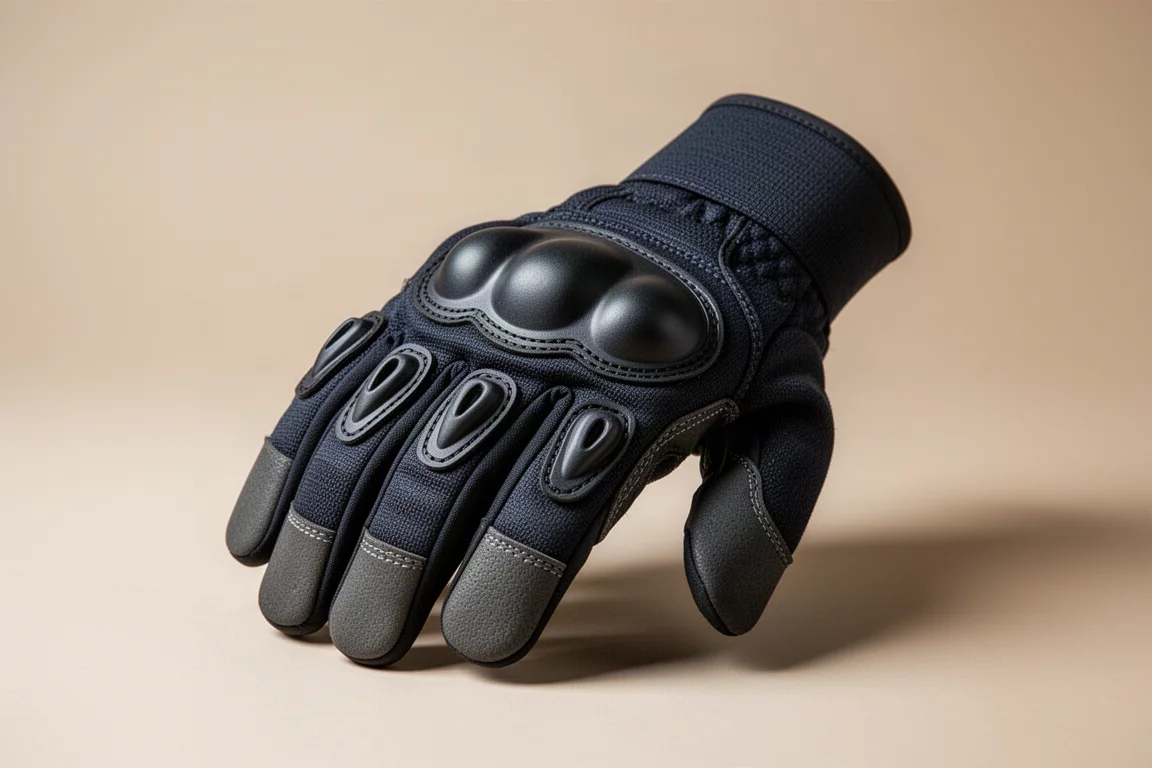
Best Grip: Westchester Work Gloves
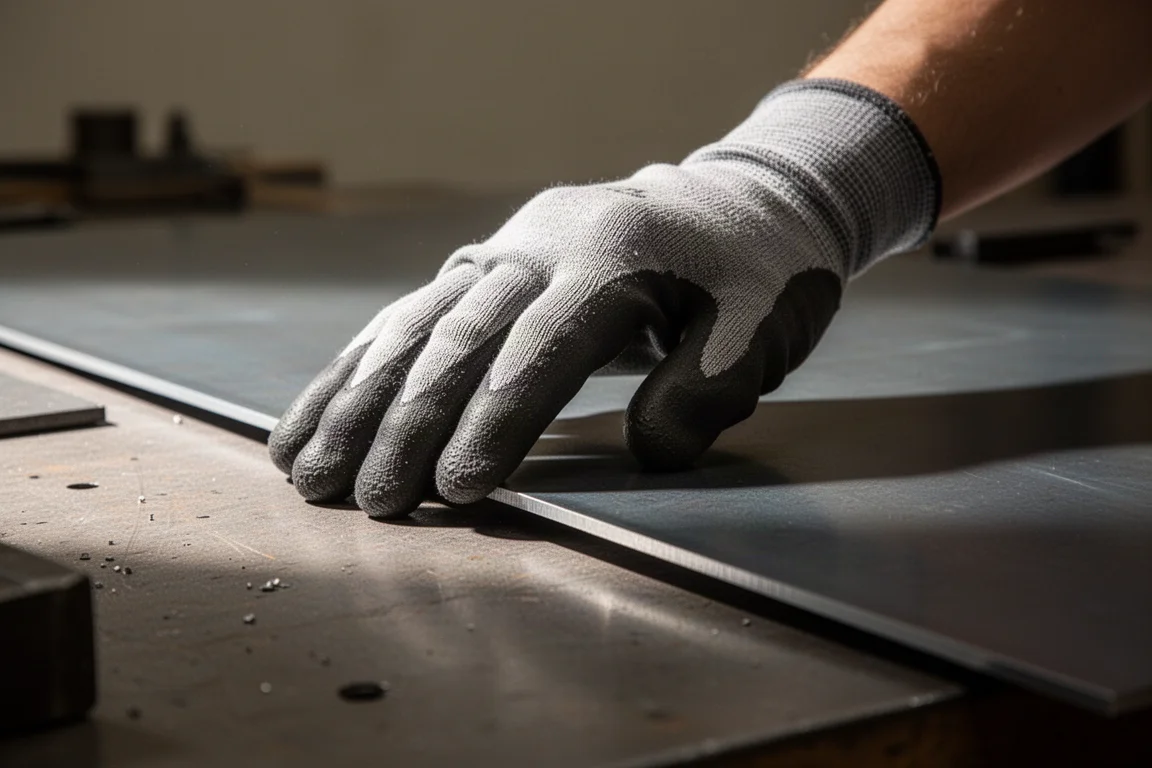
At $24, the Westchester gloves use synthetic leather with red silicone-coated fingers, a double palm for oil resistance, TPR heavy-duty knuckles, and a claimed level-three cut-hazard certification. That silicone coating delivered the best grip of the entire field at 7.7 pounds, beating the Magid nitro grip. Impact protection was above average at 1.75 mm of damage, and the double-layer fingertip held 3.39 pounds before puncturing, third best. The trade-offs: they wear out fast at just seven sandpaper passes and run somewhat stiff at 3.1 pounds. For oily, slippery tasks, grip matters more than anything else.
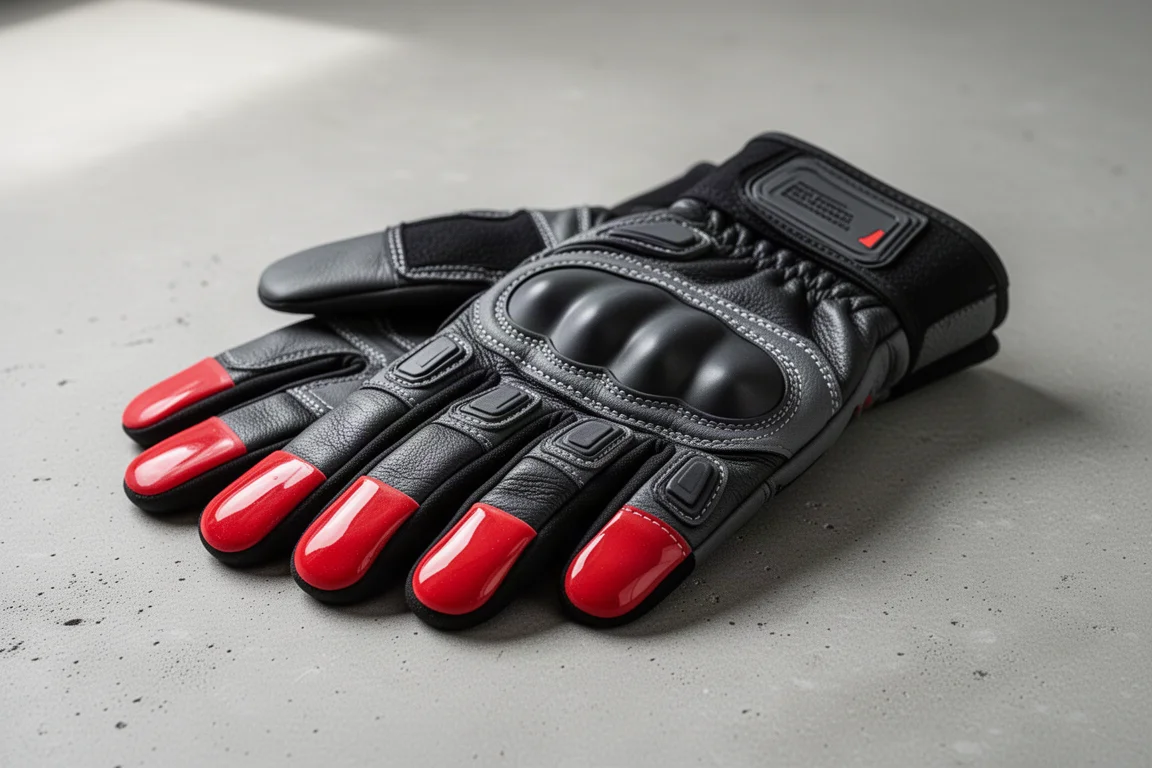
Most Comfortable: Mechanix Work Gloves
The Mechanix leather gloves cost $25 and are water-resistant with a stretch elastic cuff for easy on and off. They were the most comfortable gloves tested, with the material and seaming earning top marks, and the least stiff at just 1.3 pounds of force to bend a finger. Grip was also strong at 6.1 pounds, and leather construction helped them achieve a good 1.51 mm impact result despite thin 1.75 mm material. The downsides are durability, only 10 sandpaper passes, and modest cut resistance at 1.7 seconds. For long days of general work where comfort is king, they lead the field.
Best for Cold and Thick Padding: Kinco Work Gloves
At $29, the Kinco gloves are a lined premium grain pigskin pair with a knit wrist, heat thermal insulation, and a soft lining that repels cold and wicks moisture. All that padding paid off in the cut test, where they took the overall lead at 9.4 seconds. Puncture resistance was above average at 3.36 pounds. The insulating liner is also the thickest tested at 9.8 mm, which explains why they are the stiffest gloves in the field at 7.7 pounds of bending force and not very comfortable. Buy them for winter work, not for dexterity.
Overall Buying Advice
Two clear patterns emerge. First, price and performance are only loosely related: the $2.80 GNF gloves beat every $30-plus pair on durability, impact, and puncture resistance, while some premium gloves felt stiff, poorly padded, or wore out early. Second, comfort and protection trade off against each other. The thinnest, softest gloves, like the Mechanix, excel on feel but give up quickly under abrasion, while thick gloves protect better but fatigue your hands faster.
Match the glove to the job. For general tough labor on a budget, the GNF or WZQH gloves deliver the most protection per dollar. For cold-weather work, the Tulip or Kinco gloves bring insulation with proven cut performance. For cut-heavy tasks, Hex Armor is the specialist choice, and for oily grip-critical work, Westchester stands alone. If comfort for long shifts matters most, Mechanix is the safest bet.
Conclusion
Cheap gloves do not have to mean cheap protection. The most affordable pair in this field earned top marks in nearly every objective test, while several premium brands fell short on the same measurements. Work out which risk matters most in your daily work, whether that is cuts, impacts, abrasion, grip, or fatigue, and pick from the standouts above. Your hands will thank you.
Further reading
Related Reviews
Work Gear
Best Knee Pads for Work and Overland Kits: Three Options Compared
Knee protection is easy to overlook until your knees start complaining. Here are three knee pad options with different strengths for work, overlanding, and backup kits.
Work Gear
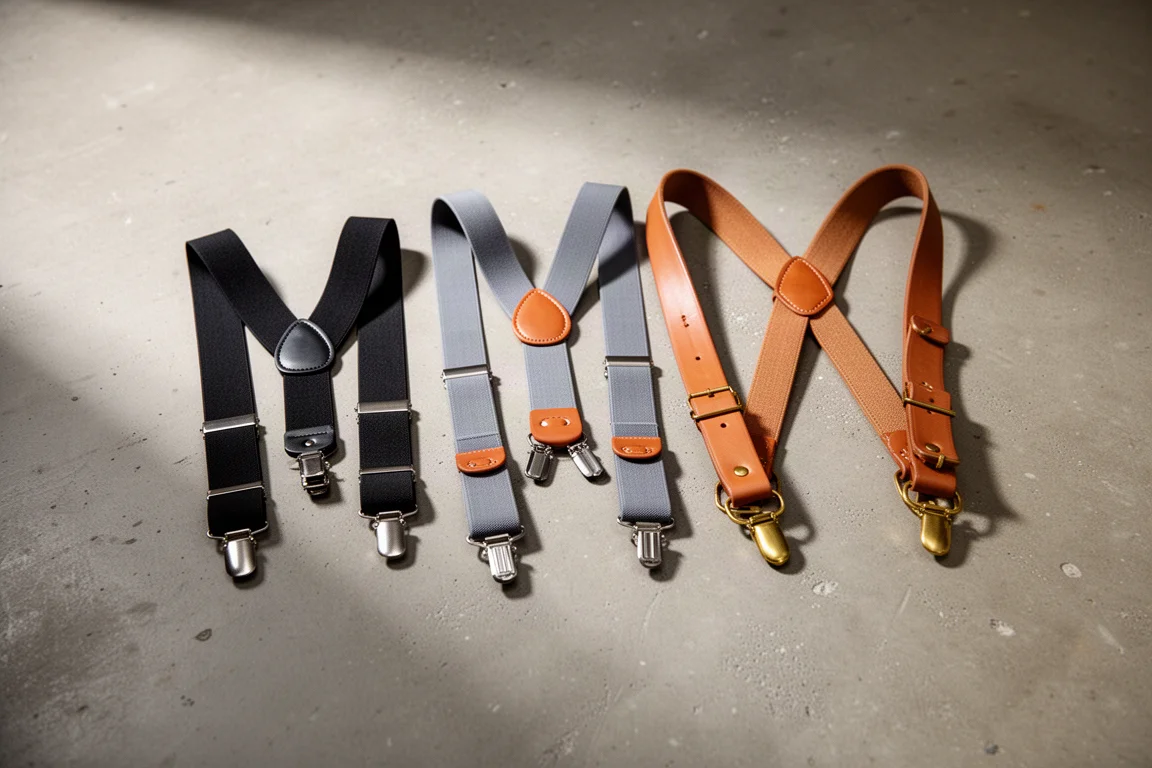
Best Work Suspenders: Five Options From Budget Clips to Lifetime Leather
Five suspenders for working men, from an entry-level clip-on to a handcrafted leather Y-back built to outlast everything else in the closet.
Work Gear
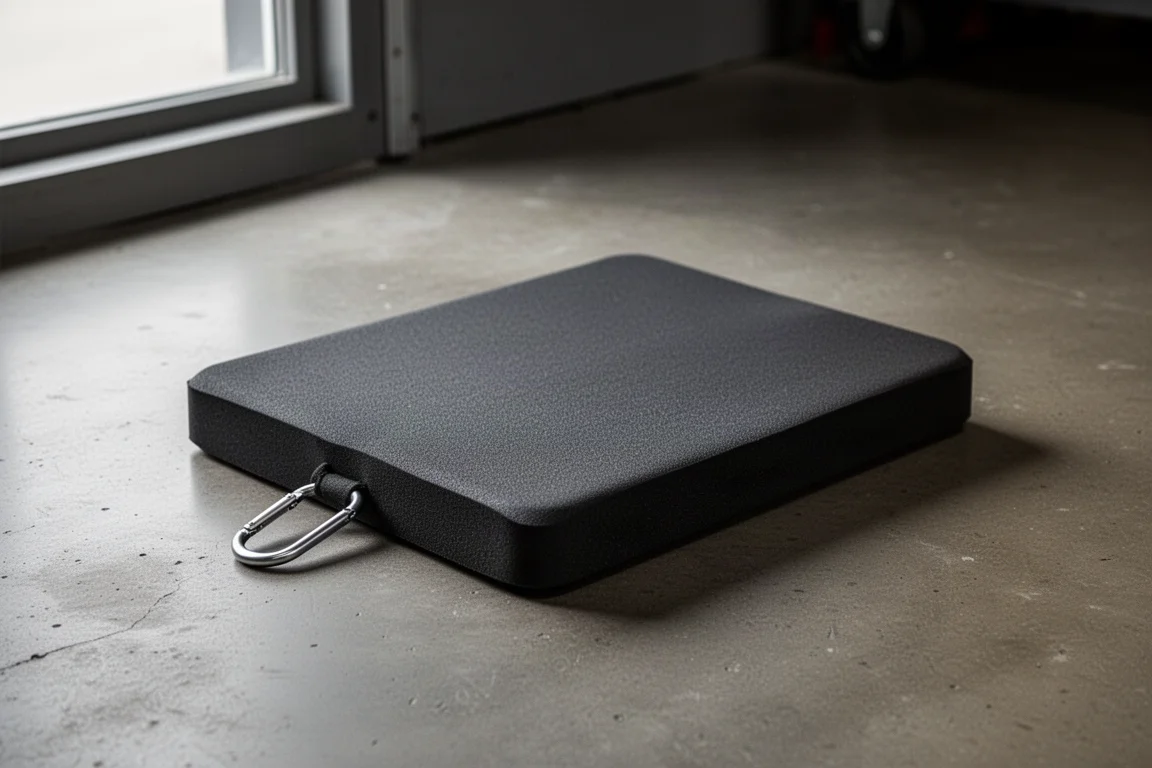
Ergodyne ProFlex Kneeling Pad Review: A Small Foam Pad That Saves Your Knees
A compact one-knee kneeling pad built for tool bags, plumbing jobs, and gravel-covered ground. Here is what it does well and where a larger pad makes more sense.