Work Gear
Best Knee Pads for Work and Overland Kits: Three Options Compared
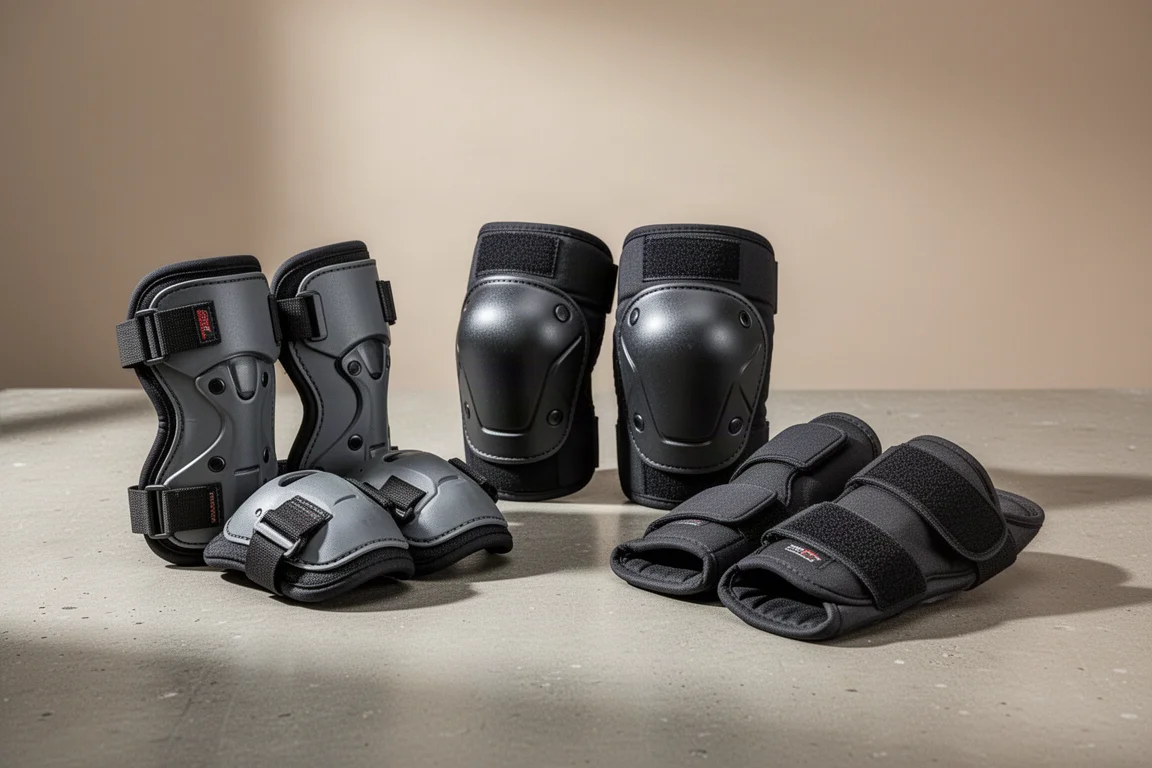
Knee protection is easy to overlook until your knees start complaining. Here are three knee pad options with different strengths for work, overlanding, and backup kits.
Introduction
Knee pads are one of those pieces of gear that most people ignore until the day they drop onto a concrete floor, a rocky trail, or a roof rafter and feel it immediately. Anyone with a background in skiing or cycling tends to already know this: knees are one of the weak points of the human body, and they do not tolerate abuse well.
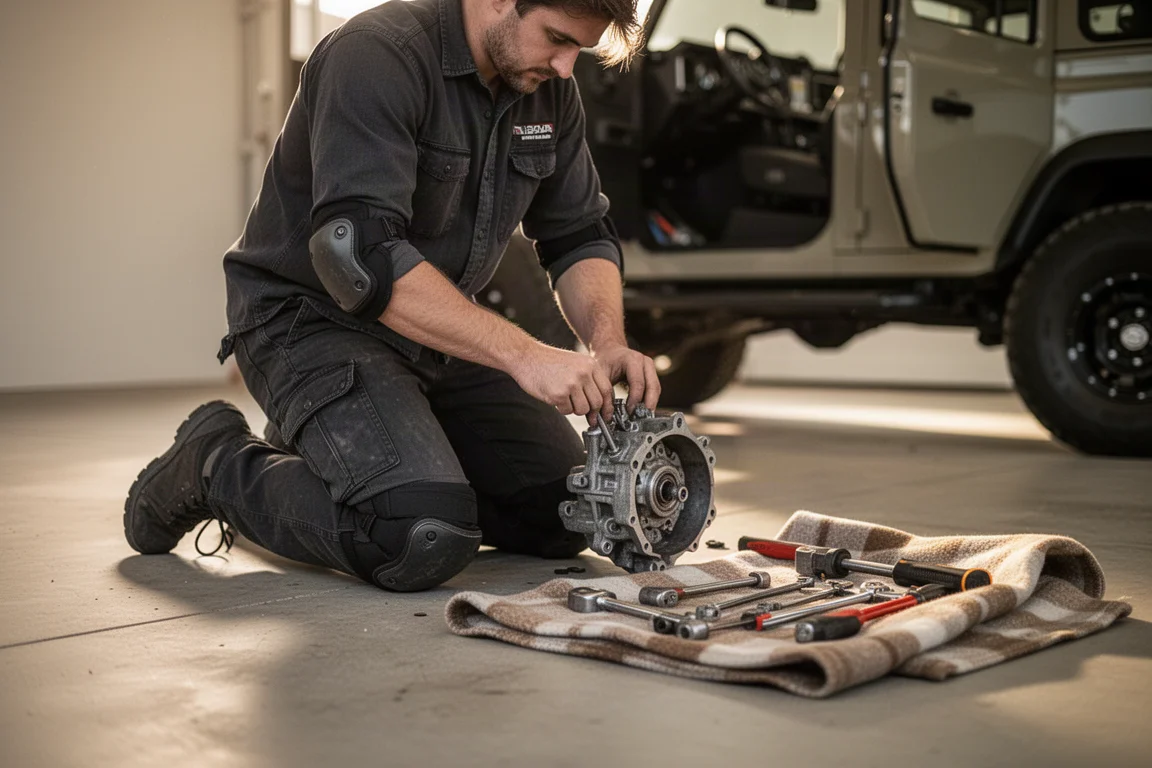
The problem is that when a job needs doing, you rarely stop to think about protection. You just drop down and start crawling around, driving your kneecaps straight into hard surfaces. The only real fix is having knee pads that are so easy to grab and put on that there is no excuse to skip them.
Why Knee Pads Matter More Than You Think
There are knee pads in every size, shape, and feature combination, and the options have evolved a lot over the years, from slim pads originally meant for volleyball to full work-grade designs. Two features matter most in practice.
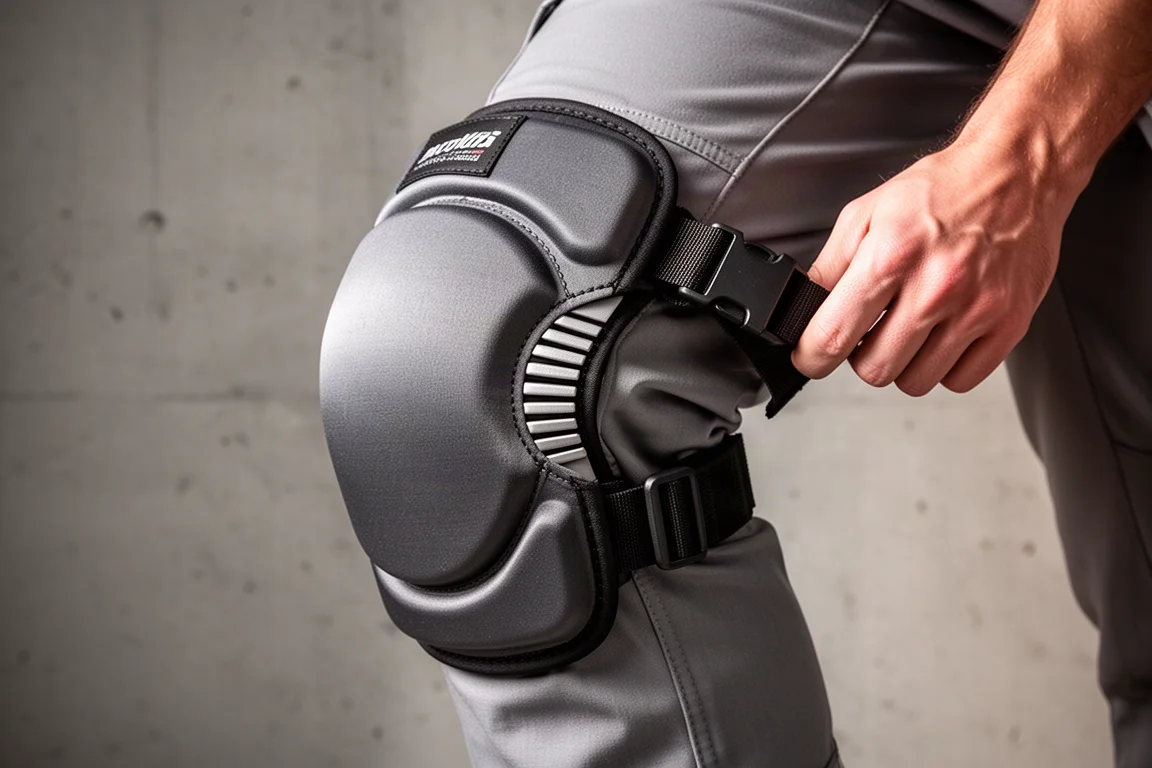
First, attachment style. Velcro-only closures are frustrating: they need constant adjustment, and once they get dirty with sawdust, snow, or ice, they stop holding well and tend to pop off. Quick snap or buckle attachments make the pads something you can throw on in seconds, which matters because knee protection is like eyewear or a helmet: if it is not easy to use, you get lazy with it.
Second, fit above the knee. The pad needs a secure point that sits above the kneecap, so the protective cap stays in place when you stand up and move around rather than sliding down your shin.
Best Overall: Klein Tools 60344 Hinged Knee Pads
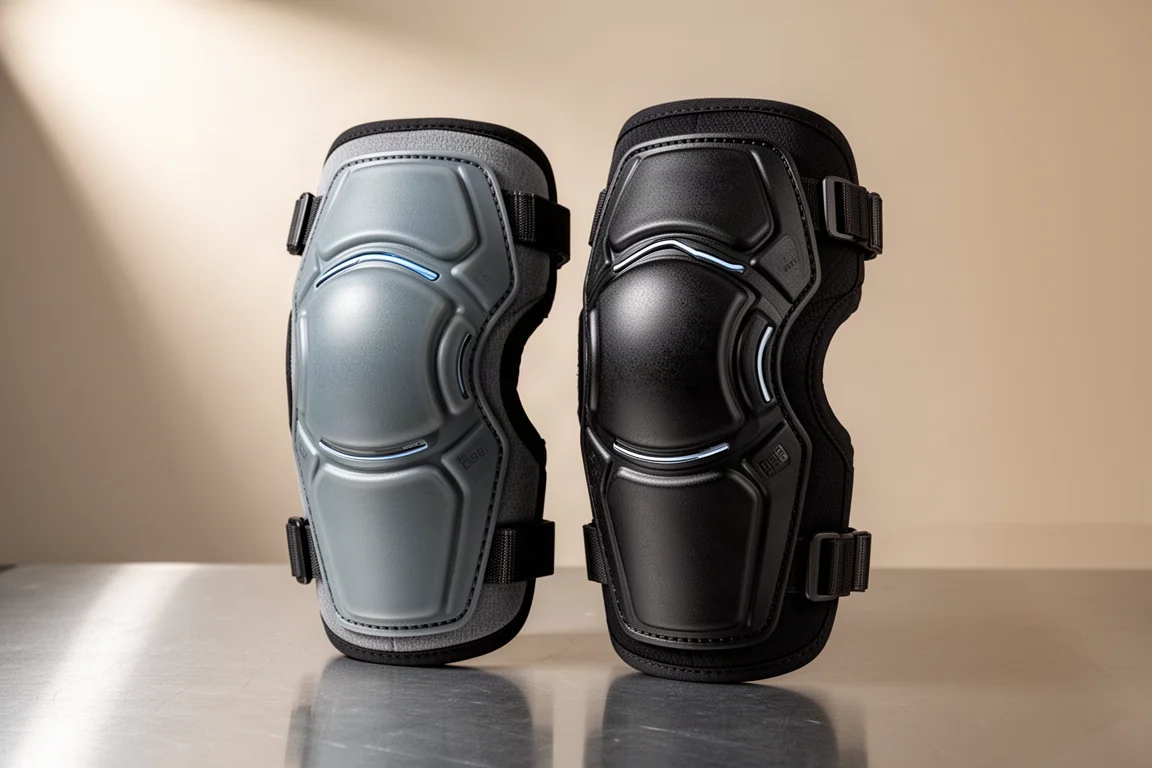
The Klein Tools 60344 hinged knee pads are currently the favorite of the bunch, and not just for the brand name. They combine two attachment systems, so they can be thrown on quickly and snapped into place, then tightened as needed. That works with different clothing too, whether it is winter layers or shorts.
The hinged design is the standout detail. The flex line sits above the main knee area, which allows a secure fit above the kneecap while still letting the pad move naturally as you kneel and stand. They also contain gel padding, which has been a proven cushioning approach in running shoes for decades.
These run about $35 at Home Depot, and given the cost of a knee injury, from X-rays to surgery and physical therapy, that price is insignificant for what it protects.
The Old Reliable: LifeLink Knee Pads
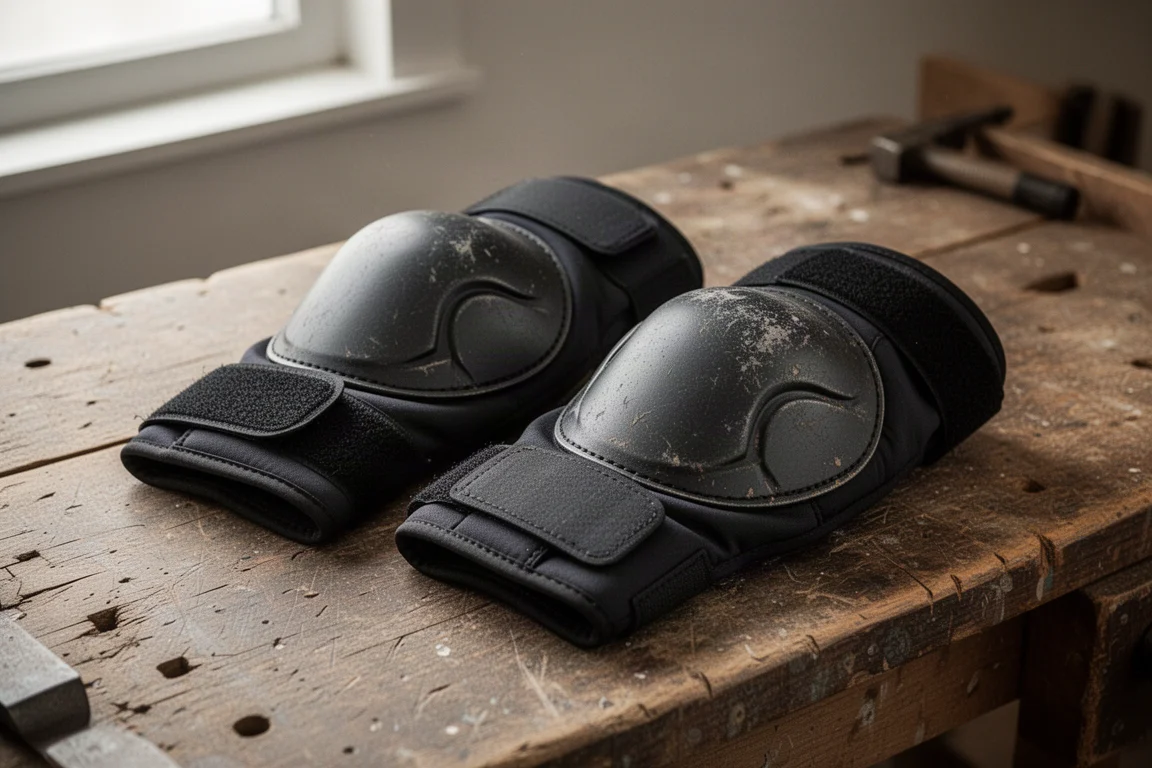
These older LifeLink pads from Jackson Hole, Wyoming were originally designed for backcountry telemark skiing, where landing on a buried fallen tree in a powder field could mean an airlift off the mountain. Serious protection for a serious situation.
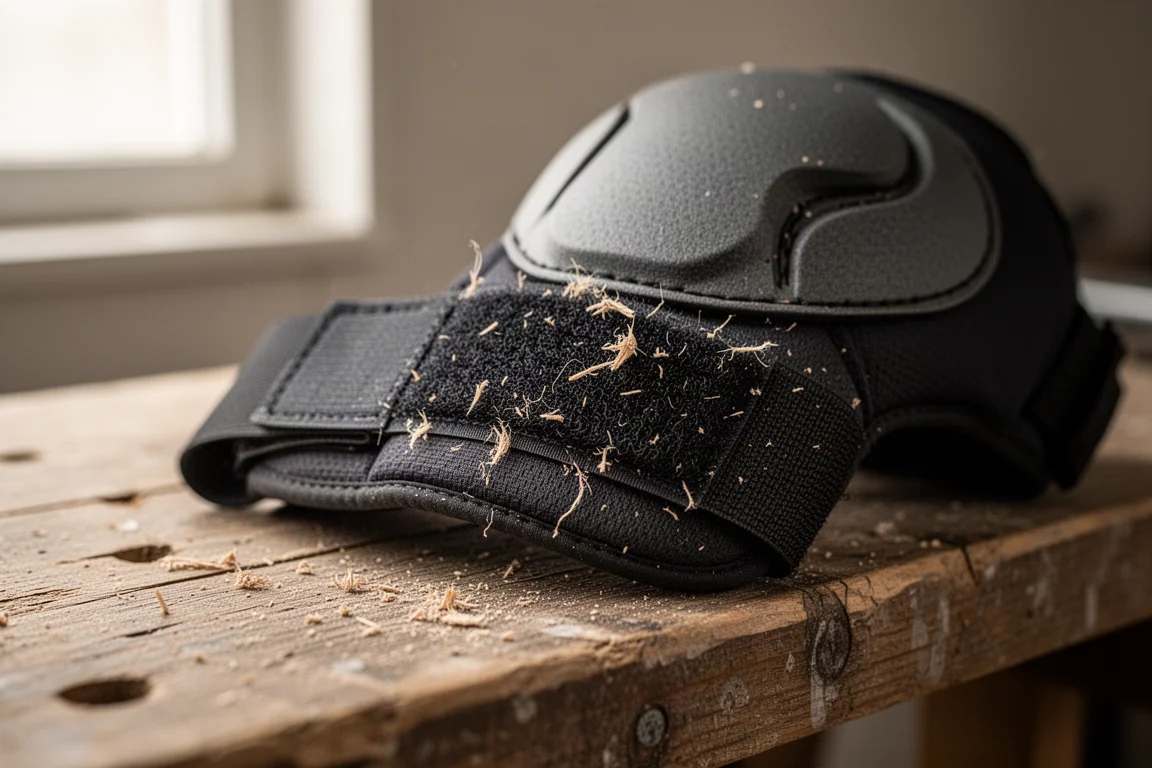
They are held on by velcro alone, which is exactly the weak point described earlier: constant adjustment, poor grip when dirty, and a tendency to pop off. They were inexpensive, picked up at a home improvement store decades ago, and they did the job, but the velcro-only design has largely been superseded.
Best Budget Stash Pair: Harbor Freight Knee Pads
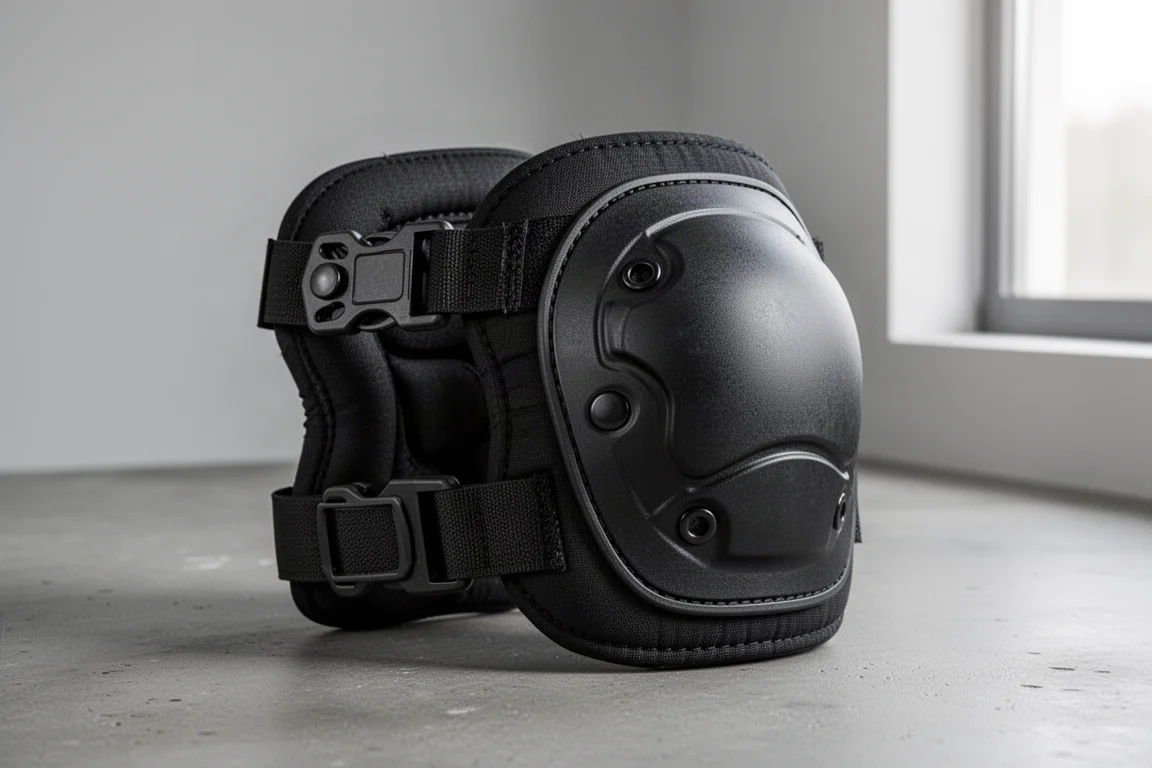
The Harbor Freight pads are heavy, noticeably heavier than the other options, but they do have the snap connection that makes them easy to take on and off. The attachment point sits at the top of the pad, though it remains within the frame, which means the kneecap lands right at the edge rather than being fully protected by a cap that rolls around the knee.
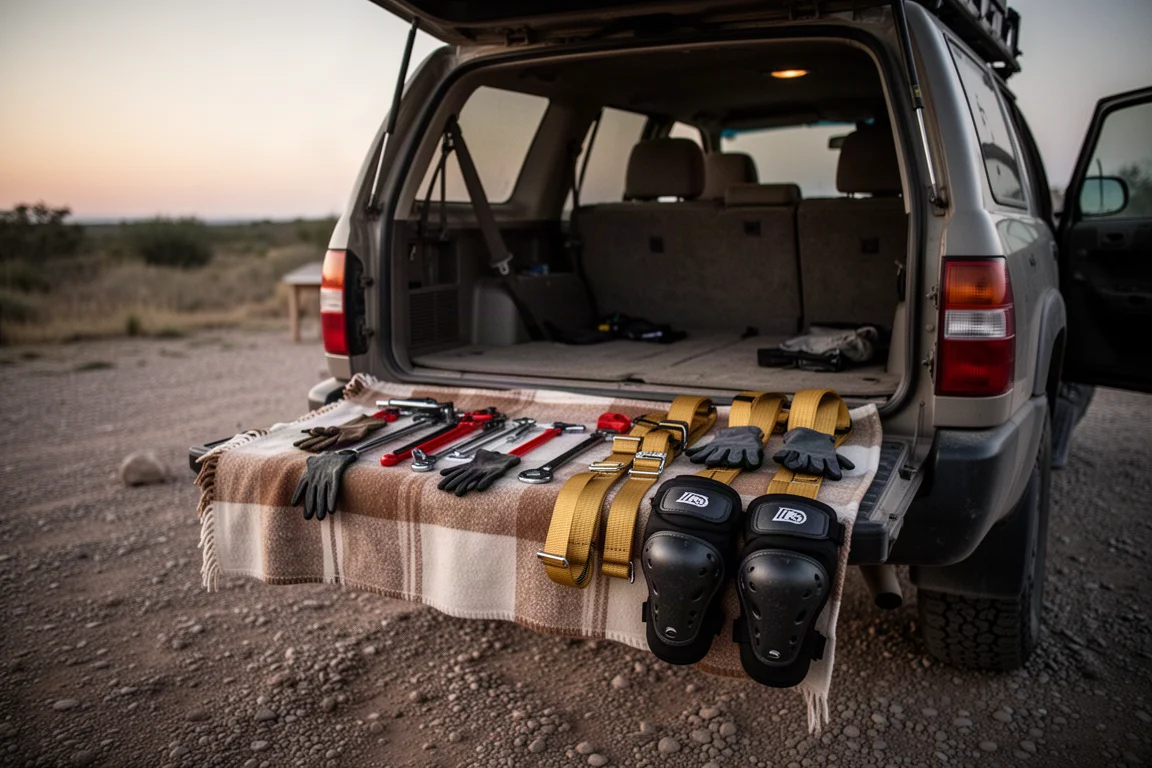
The padded section also does not flex much at all; it is fairly rigid despite the articulated look. That said, any knee pad is better than no knee pad, whether it is a rolled-up towel, a t-shirt, a hat, or even a pair of gloves used as improvised protection. At a low price, these make a fine throw-in-the-vehicle pair for occasional roadside repairs or overlanding kits where they might sit unused for months.
Buying Advice
If you are buying one pair for regular use, prioritize two things: a fast, secure attachment system and a design that holds its position above the kneecap. Gel or foam padding is a bonus, but fit and convenience determine whether you actually wear them. Keep a cheaper, bulkier pair in each vehicle or overland kit as insurance, and treat the better pair as your everyday work option. The math is simple: knee pads cost a fraction of what even a minor knee injury costs in medical bills and lost time.
Conclusion
Knee protection is cheap insurance for one of the body’s most vulnerable joints. The Klein Tools 60344 hinged knee pads set the standard with quick attachments, a secure fit above the knee, and gel cushioning. The velcro-only LifeLink pads did their job for years but show why attachment design matters, and the heavy but inexpensive Harbor Freight pair works well as a stash pair for vehicles and overland kits. Whatever you choose, get something: any knee pad beats dropping onto bare concrete.
Further reading
Related Reviews
Work Gear
Best Work Gloves Tested: Which Pairs Are Actually Worth Your Money?
We compare 17 work glove brands across grip, cut resistance, durability, impact protection, puncture resistance, and comfort to find the real value picks.
Work Gear
Best Work Suspenders: Five Options From Budget Clips to Lifetime Leather
Five suspenders for working men, from an entry-level clip-on to a handcrafted leather Y-back built to outlast everything else in the closet.
Work Gear
Ergodyne ProFlex Kneeling Pad Review: A Small Foam Pad That Saves Your Knees
A compact one-knee kneeling pad built for tool bags, plumbing jobs, and gravel-covered ground. Here is what it does well and where a larger pad makes more sense.