Tools & Work Gear
Best Work Gloves for DIYers and Weekend Projects
From throwaway dirt-work gloves to cut level and impact protection, here is how different work glove styles compare for fit, durability, and price.
Introduction
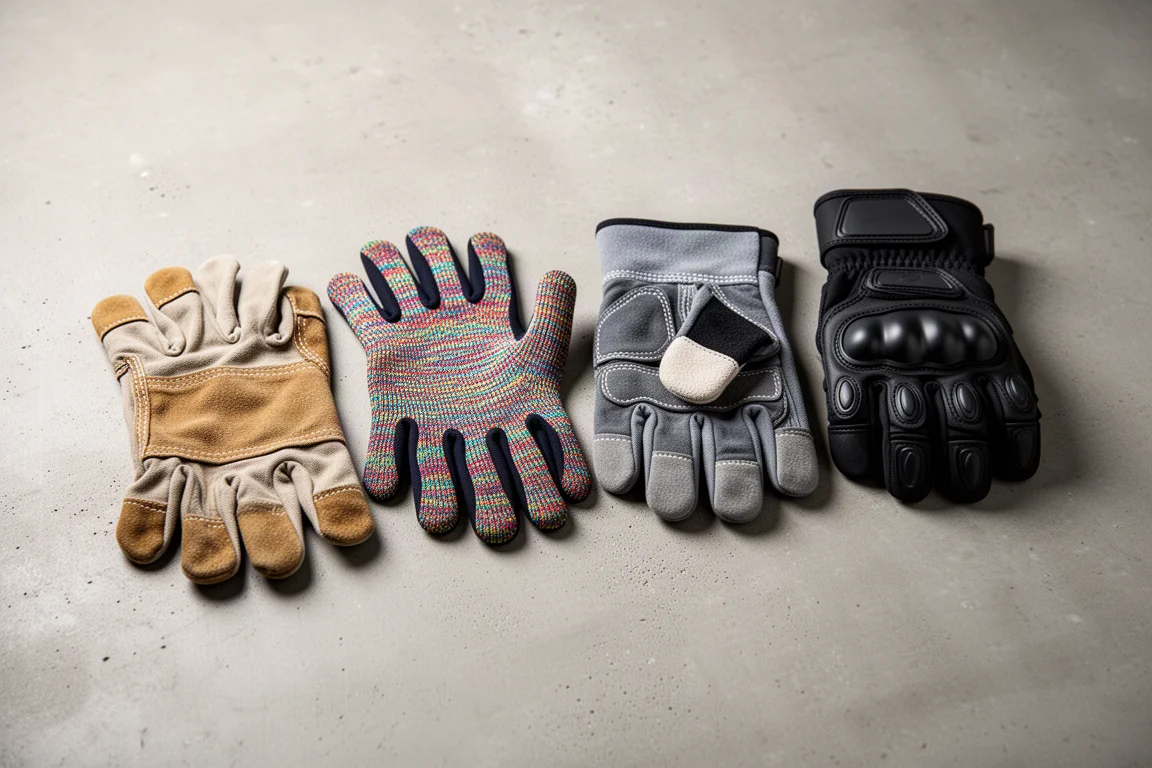
Gloves are one of those things almost everyone buys, yet few people put much thought into. It is easy to grab the cheapest pair at the checkout or just keep buying whatever you are used to. But different glove styles are built for very different jobs, and matching the glove to the task makes a real difference in comfort, protection, and how long a pair lasts.
This guide walks through four glove types, ordered roughly from cheapest to most expensive, covering where each one shines and where it falls short.
The Throwaway Work Glove
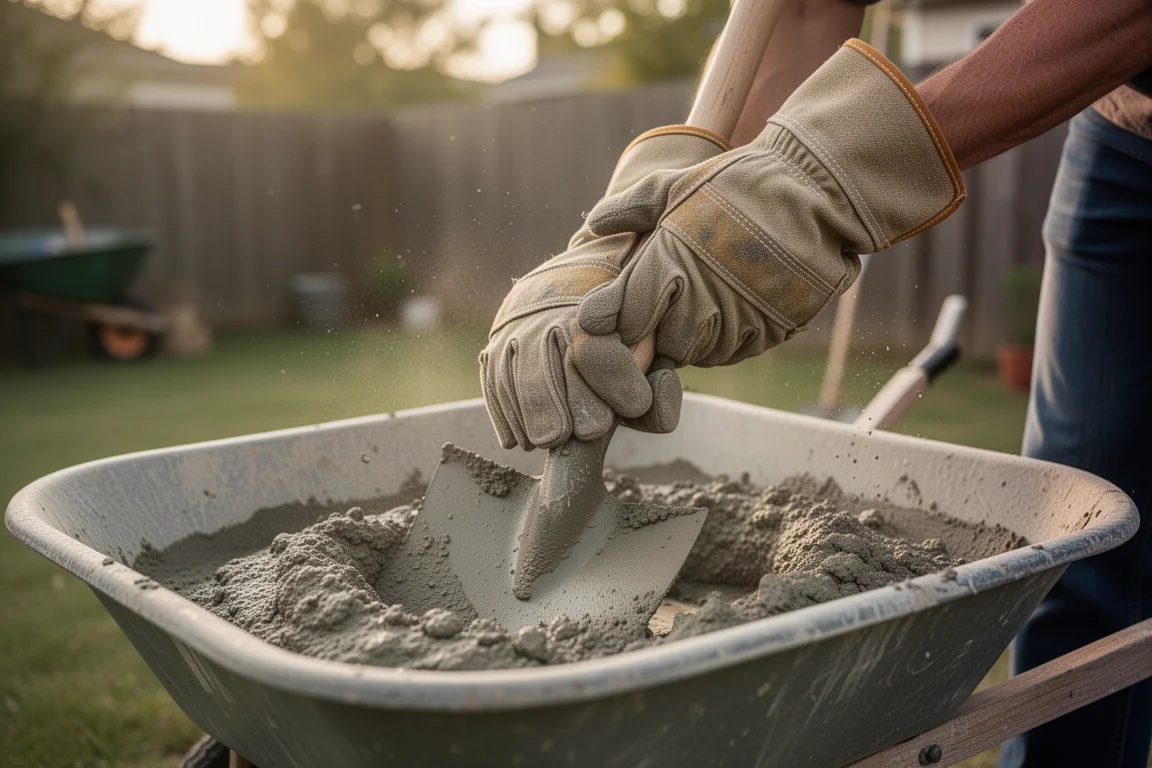
At the bottom of the price range sits the standard heavy-duty work glove, often sold in packs of four to six pairs for around five to ten dollars. These are generally one-size-fits-all and fit accordingly.
They are best treated as disposable. For dirty, rough jobs like pulling vines out of the backyard, working with concrete or Quikrete, or general dirt work, they are a great choice precisely because you can get them filthy and toss them at the end of the day. The downsides are obvious: they are bulky, they fit loosely and baggy, and dexterity is limited. Expect a day or two of use per pair, and treat them as your cheapest option rather than your everyday glove.
Cut Level Gloves: The Everyday Workhorse
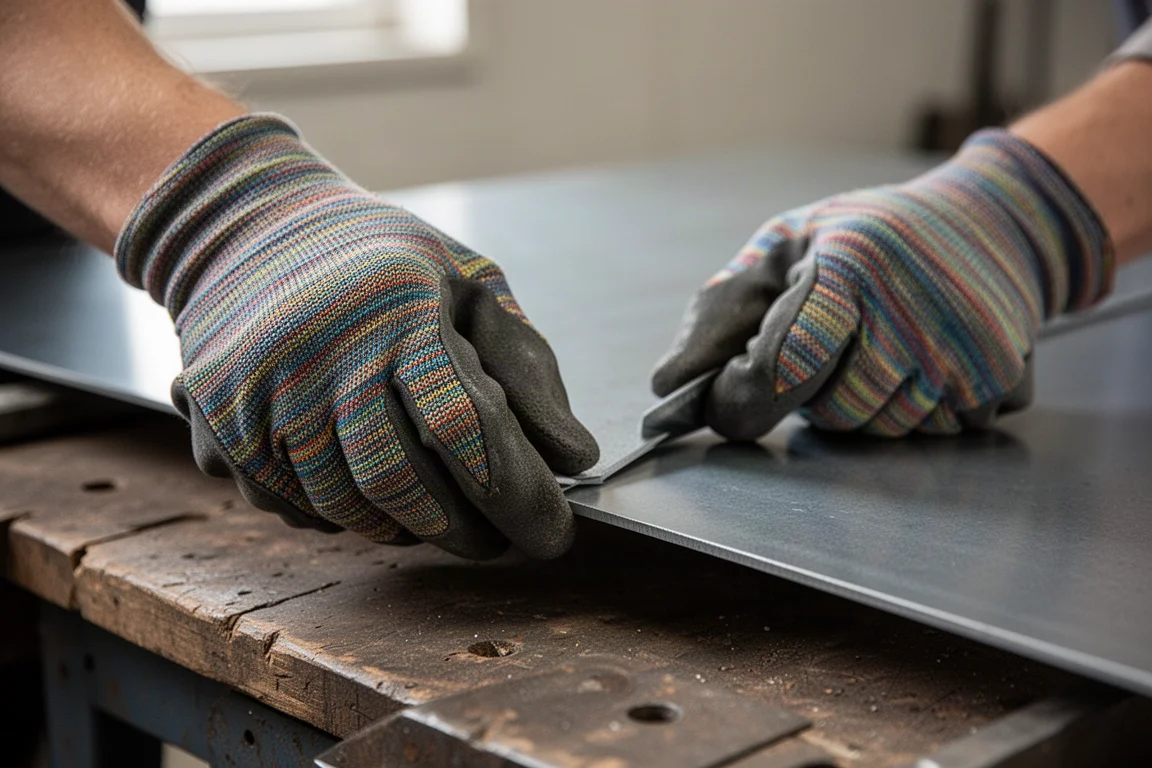
Cut level gloves are the pair most people will reach for constantly, and they earn their keep. Several brands make them, and Milwaukee versions in particular have a reputation for holding up well, often lasting a month or two of regular use per pair. They come in cut levels one, two, and three, in blackout, high-visibility, and brighter color options.
The appeal is the combination of real cut protection for metal work and a surprisingly good fit. They are snug enough to give genuine dexterity, cheap enough to replace without thinking twice, and easy to find almost anywhere. Big six-pair packs often land in the twelve to eighteen dollar range, especially on sale. If you could only wear one glove for everything, this is the style that makes the strongest all-around case: versatile, affordable, protective, and comfortable.
Mechanics-Style Gloves for Yard Work
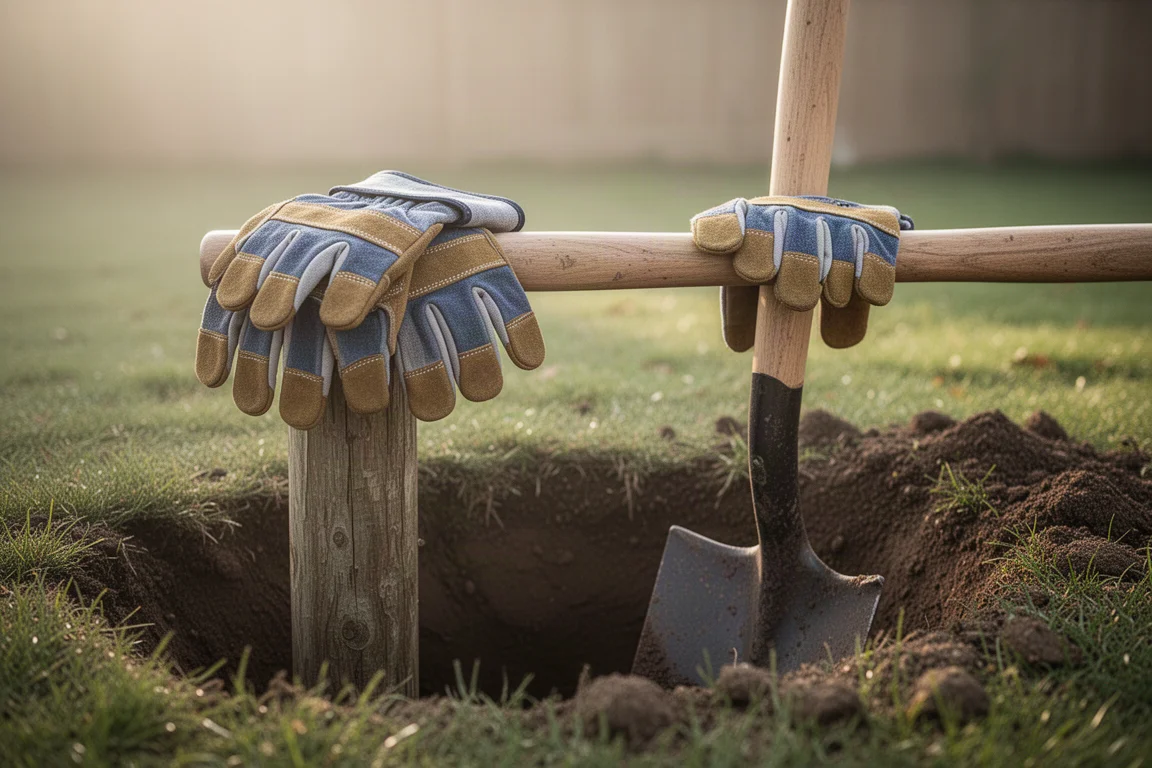
Mechanics-style gloves occupy a middle ground, and opinions on them are genuinely mixed. They look fancier than basic work gloves and usually cost six to eight dollars a pair at regular price, though sales can bring them down to two or three dollars.
Durability is roughly on par with cut level gloves, but cut resistance is lower, and they simply do not offer much protection on a real job site. Their best feature is a softer sweat pad on the thumb for wiping your forehead, which sounds minor but earns its place on hot days. In practice, these are yard gloves: digging a fence post hole, pulling out leaves and branches, or working with basic garden tools. They will not save your hand from anything aggressive like a chainsaw, but for a Saturday or Sunday around the yard, they do the job nicely.
Impact Gloves for Heavy-Handed Work
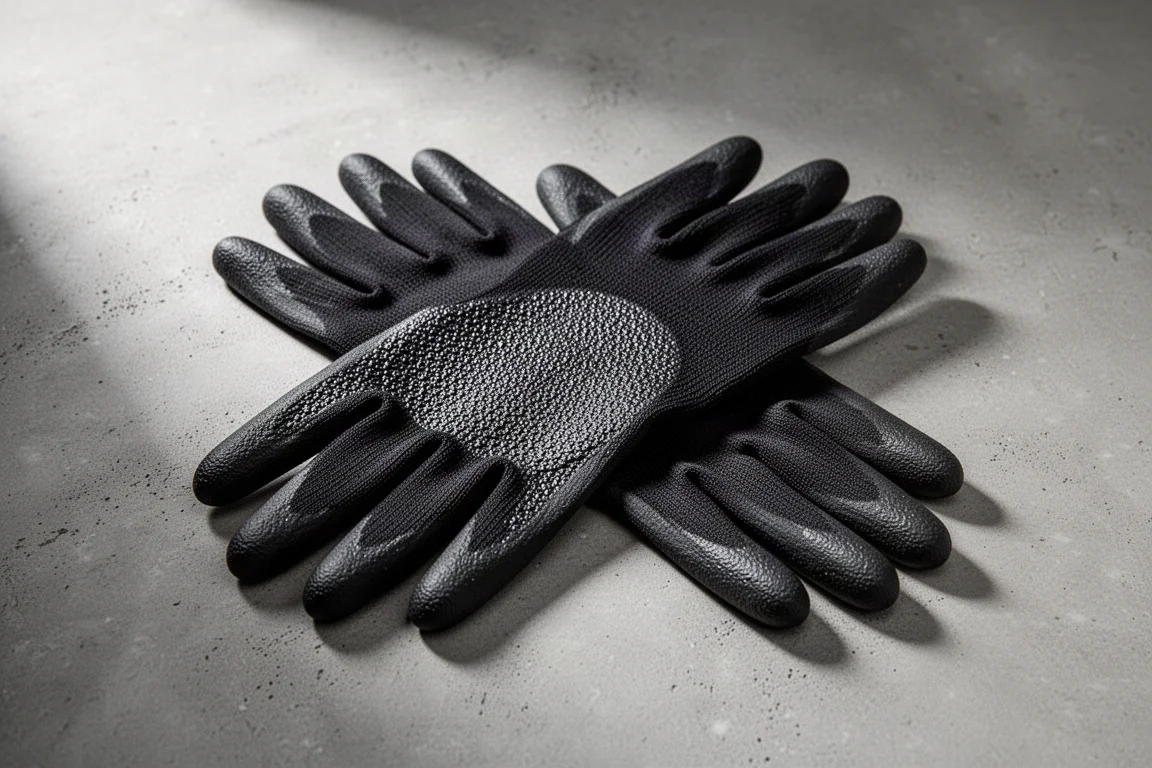
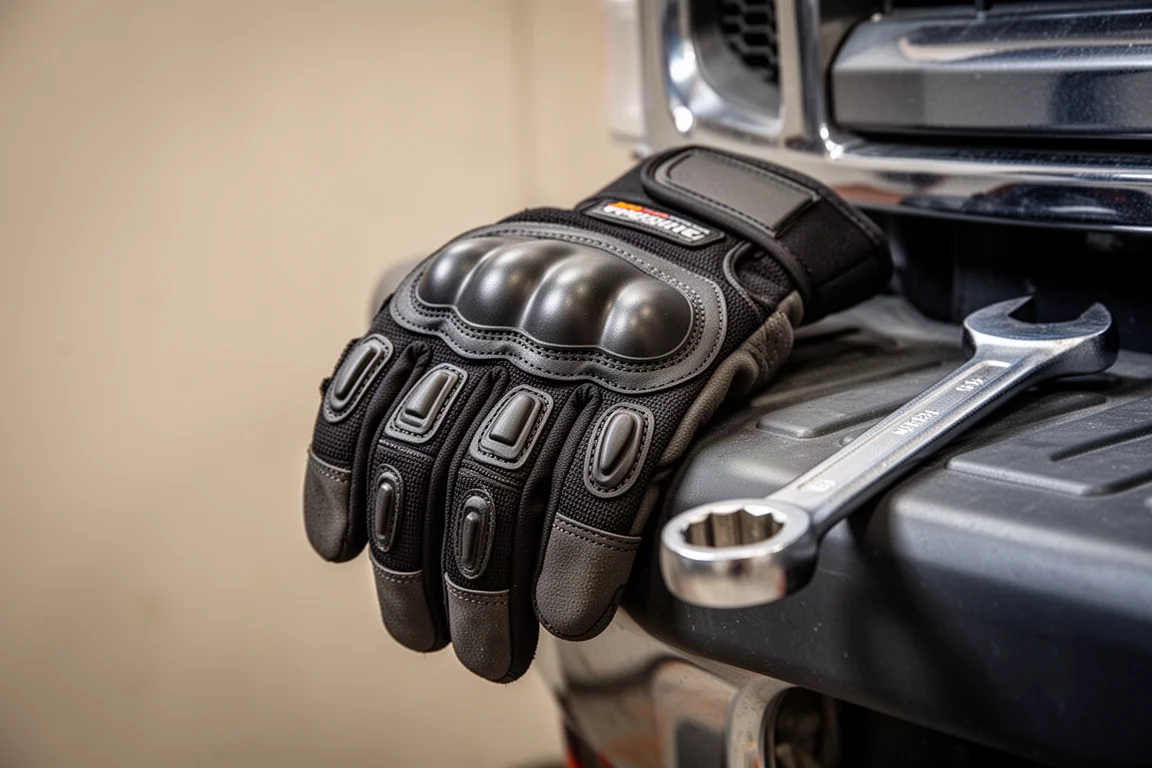
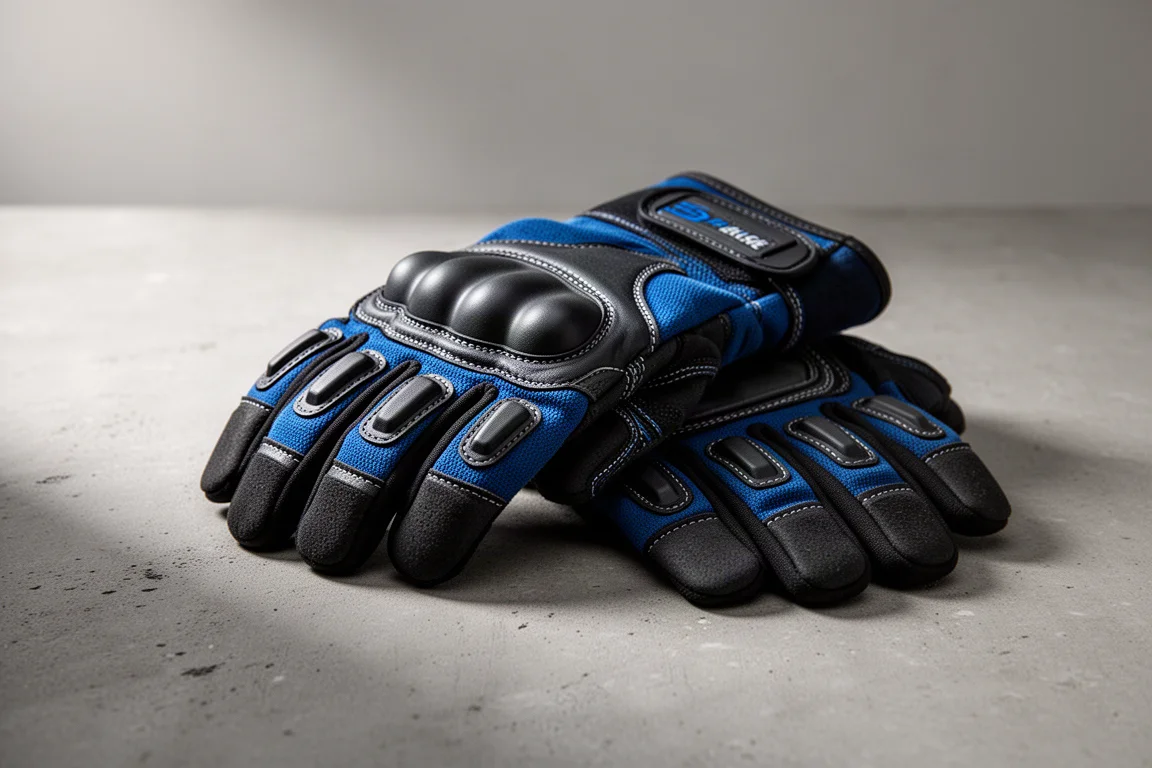
At the top of the typical price range sit impact gloves, such as the Kobalt pair sold at Lowe’s for around six dollars on sale, with prices reaching as high as twenty dollars a pair. Structurally they are similar to cut level gloves, with a layer of rubber molded over most of the glove for shock absorption.
That rubber layer is what makes them worthwhile. They are excellent around concrete, hammering, or automotive work, where accidentally smashing the back of your hand into metal would otherwise sting badly. One fitting note: Lowe’s versions are reported to run small, so sizing up is worth considering if you are between sizes. These are not everyday gloves for most people, but for truck work, demolition, or anything involving repeated bumps to the hand, they are a real lifesaver.
Overall Buying Advice
Leather gloves exist a step above impact gloves in price, but they are hard to recommend: they are pricey, and for most tasks they do not offer meaningfully more protection than a good cut level glove. Skip them unless you have a specific need.
For most people, the smartest setup is a pack of throwaway gloves for messy one-day jobs, a supply of cut level gloves as your daily pair, and impact gloves waiting in the drawer for the days your hands are going to take a beating.
Conclusion
Gloves deserve a little more thought than they usually get. Cut level gloves stand out as the most versatile, comfortable, and affordable everyday choice, impact gloves earn their price for heavy contact work, and the cheap throwaway pairs still have a legitimate role for dirty weekend jobs. Match the glove to the job, and every pair in your drawer will earn its keep.
Further reading
Related Reviews
Automotive Tools
ALAIAL 1/2" Digital Torque Adapter Review: Turn Any Ratchet Into a Precision Tool
A practical look at the ALAIAL 1/2" digital torque adapter, an affordable way to add torque measurement to your existing ratchet.
DIY Tools
Beginner's Guide to Taping Drywall with Rollers and Corner Tools
A practical walkthrough of drywall taping using rollers and affordable corner tools, designed for first-time DIYers.

Tools
Best Stud Finders 2026: Five Popular Models Put to the Test
We tested five popular stud finders on drywall, firewall, and lath and plaster surfaces to see which ones really find studs and avoid false readings.