Winter Camping Gear
Best Winter Camping Sleep Systems and Tents: Three Cold-Weather Picks Tested Below -20°C
Three winter camping products put through real sub-freezing nights: a 7.4 R-value sleeping pad, a quilt-based sleep system rated to -5°F, and a freestanding two-person shelter built for wind and snow.
Introduction
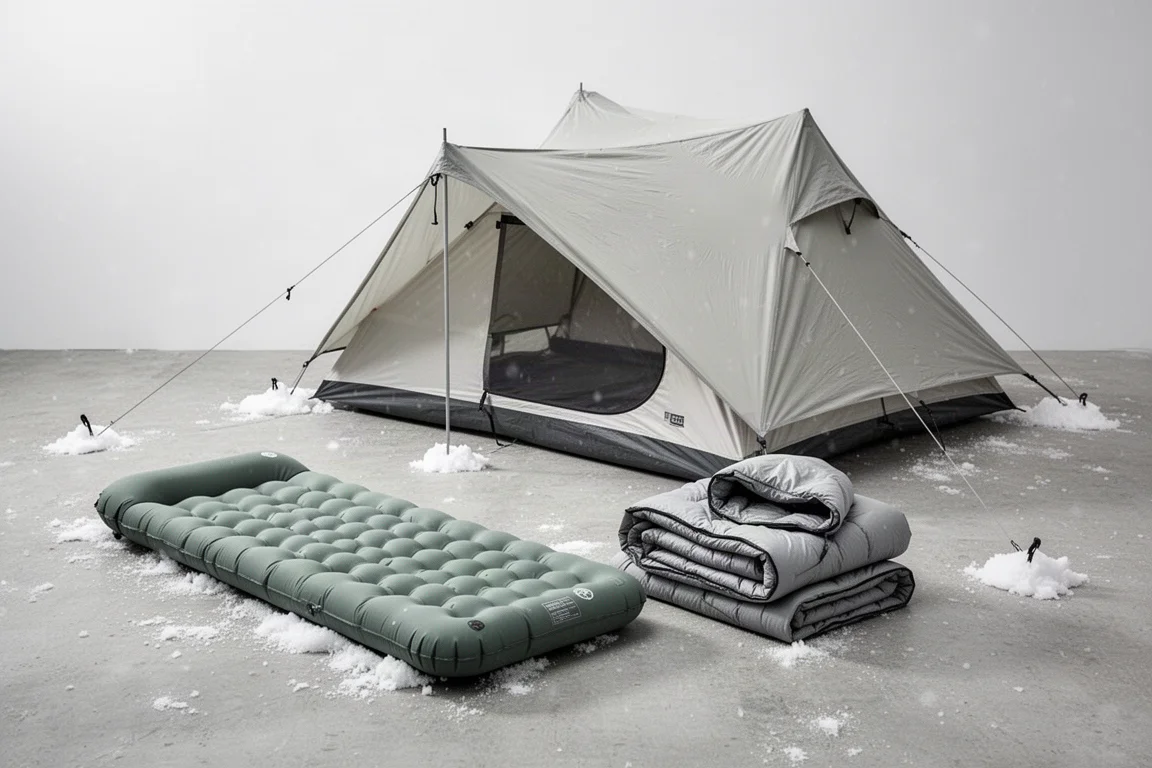
Winter camping comfort usually comes down to two things: whether your sleep system still holds heat once temperatures fall well below freezing, and whether your shelter stays standing when the wind picks up. This roundup covers three pieces of gear that were put through exactly that kind of night in the Rockies, where the forecast called for -16°C and the mercury eventually dropped to -22°C.
The goal was straightforward: find out whether newer materials and design ideas can keep a winter camper warmer and, just as importantly, more comfortable. Soreness, numb limbs and the claustrophobic feel of a mummy bag are common complaints on cold trips, and every product here addresses at least one of them.
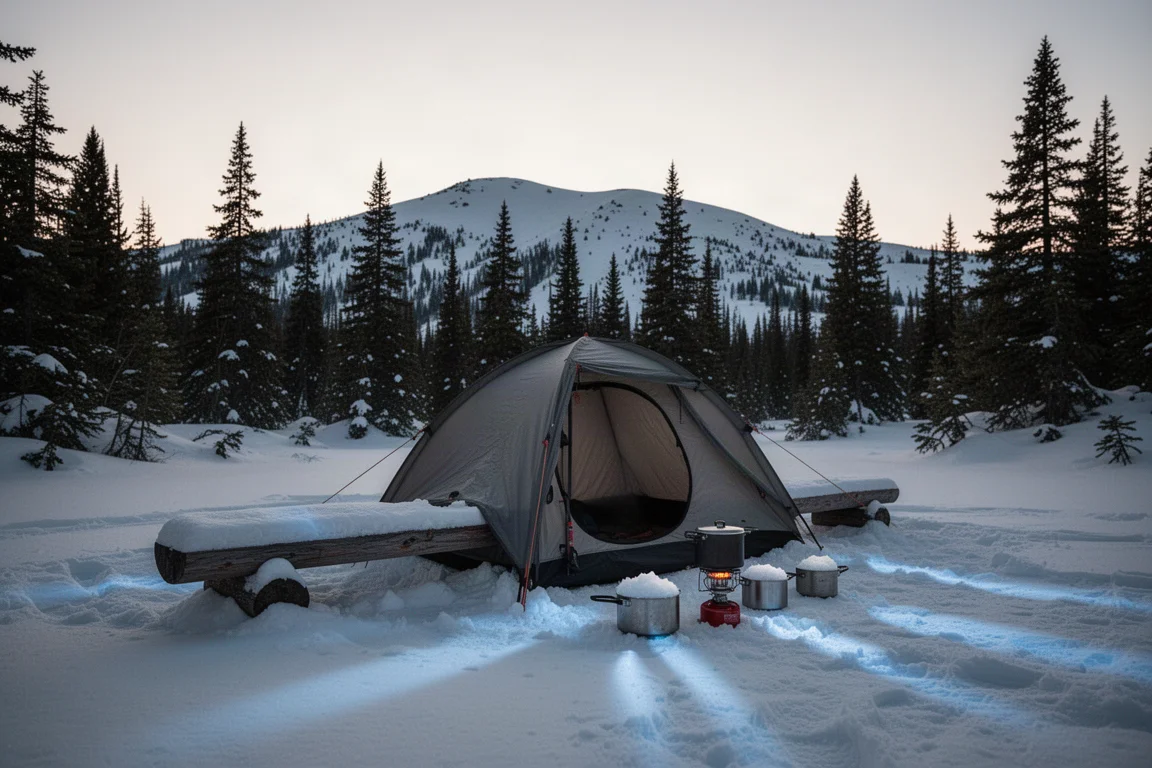
Two of the three are sleep system components and one is a shelter. Each was judged on the questions a buyer would actually ask: does it keep you warm at the temperatures it claims, does it stay comfortable through the night, and does it hold together when the weather turns?
What Matters Most in Winter Camping Gear
Warmth ratings are a starting point, not a promise. A pad’s R value and a bag’s temperature ratings describe controlled conditions, and real-world performance depends on how well the insulation is implemented, how much air moves around your body, and whether the system stays sealed while you sleep.
Durability matters just as much in winter, because gear is used harder. Pads are inflated and packed while cold, zippers are worked with gloves on, and shelters are pitched in wind. A pad that slowly loses air or a tent that will not hold its shape in a gust ends a trip early.
Comfort deserves equal weight. Sleeping well at -20°C depends on pressure relief under the hips and shoulders, on being able to shift position without letting cold air in, and on keeping drafts away from the neck and head.
Sea to Summit Etherlite XR Pro: Warmth and Comfort on Snow
The Etherlite XR line is Sea to Summit’s update to the Etherlite XT, a pad that earned a reputation for comfort but drew criticism over warmth and long-term durability. The XR responds to both concerns. The brand claims improved insulation that sleeps closer to its rated R value in real conditions, a thicker internal TPU layer for a more reliable air seal, and oval weld points that increase surface area at the joints where pads most often fail.
The Pro version is the warmest in the line, with an R value of 7.4. Its dimpled baffle pattern uses lowered channels and raised air springs for pressure relief, while the added warmth comes from extra reflective layers that bounce heat back toward the sleeper. That reflective approach works well on some pads and poorly on others, so the open question was how it would behave on snow.
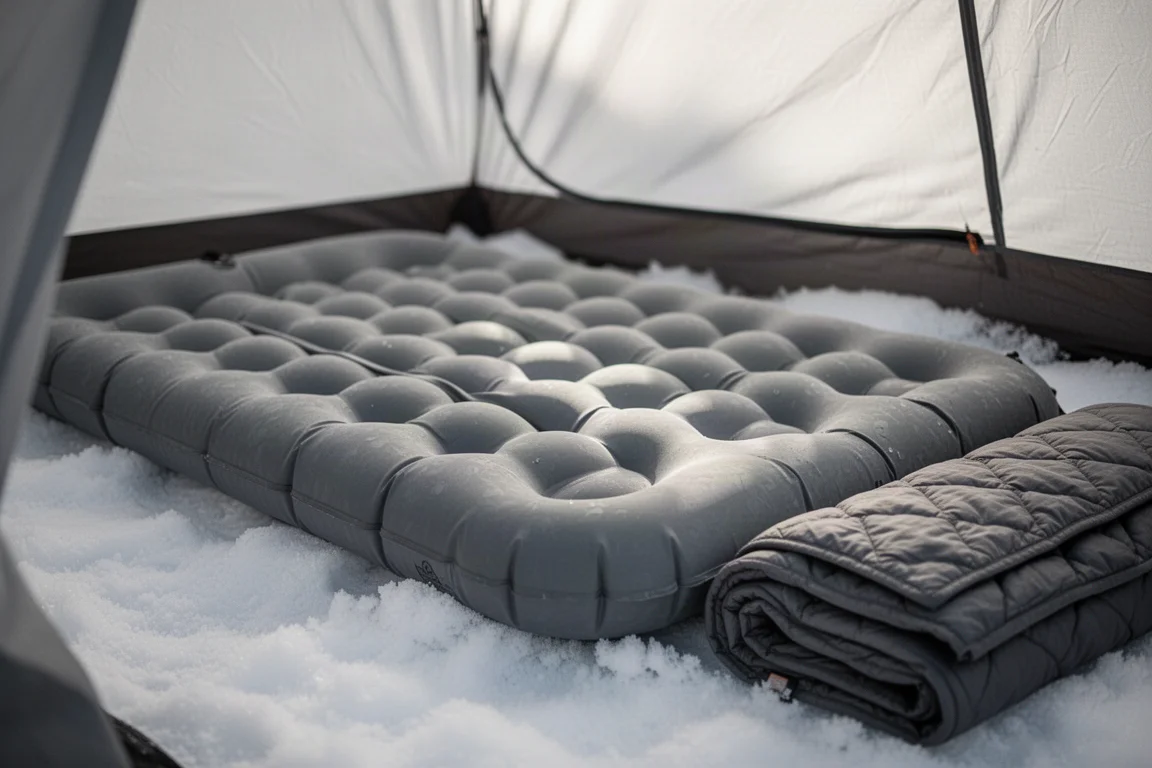
On an overnight test with lows of -22°C, the pad warmed up within the first few minutes and stayed comfortable for most of the night. Warmth began to fade in the early hours, partly because internal pressure dropped as temperatures fell, letting the sleeper sink deeper and reducing the pad’s effective insulation. Its practical lower limit looked to be around -20°C, which puts it below the Therm-a-Rest XTherm and roughly on par with the Nemo Tensor Extreme Conditions, and better than expected overall. Comfort was the bigger surprise: pressure relief on the side felt less generous than on the earlier Etherlite XT, possibly because the raised air springs sit lower. The upside is that this is a genuine winter pad that packs far smaller and lighter than the brand’s previous cold-weather offering, and it was used over a closed-cell foam pad, which remains standard practice on snow.
ZenBivy Light Bed Winter Edition: Quilt Freedom in Deep Cold
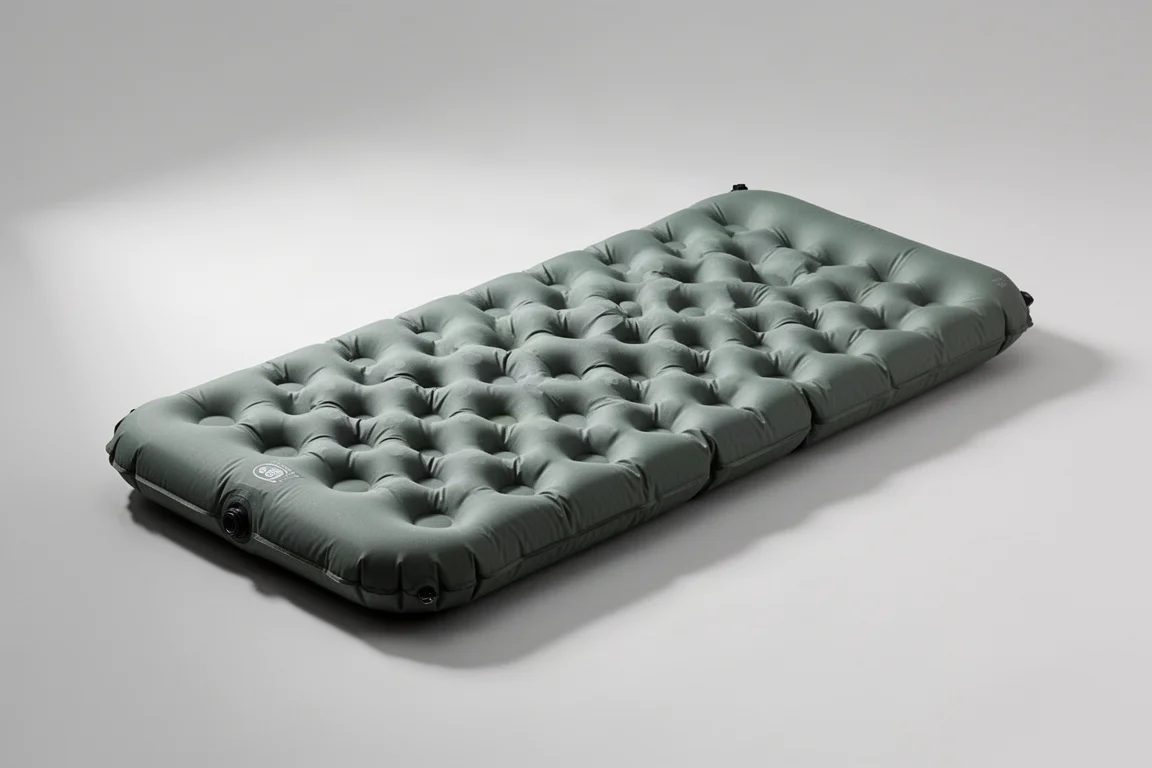
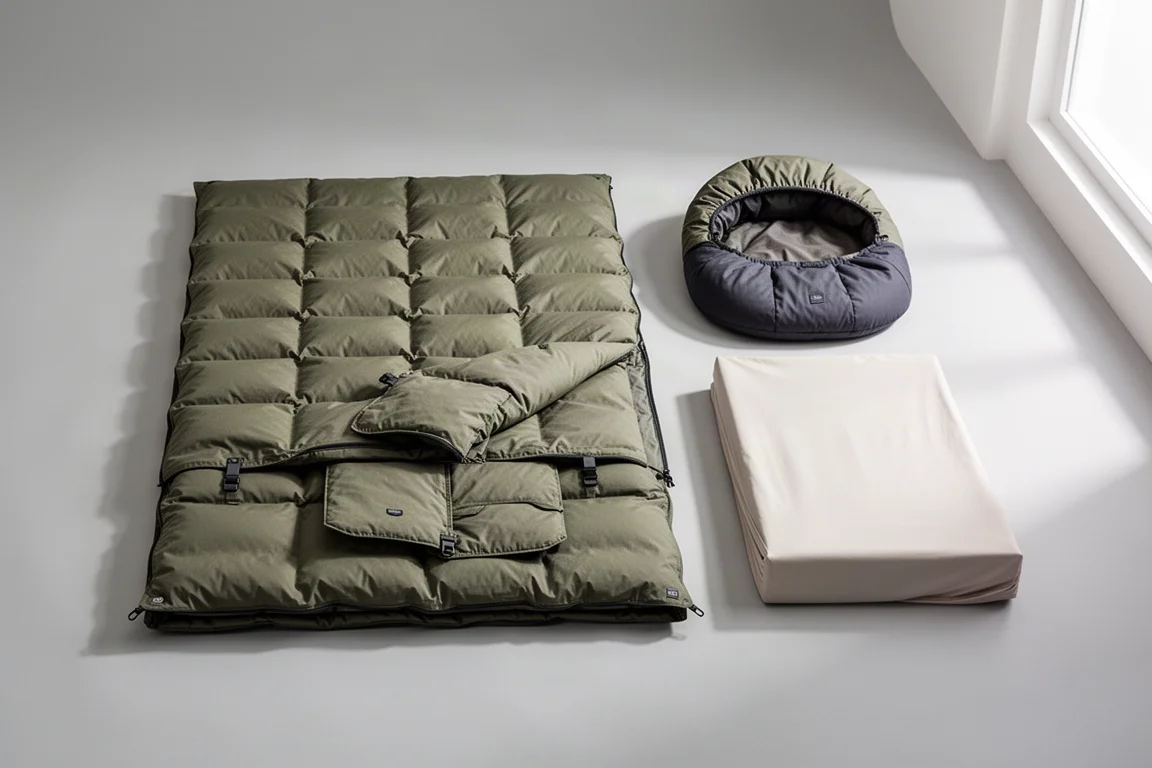
ZenBivy’s sleep systems are built around a simple idea: give a camper the draft protection of a sleeping bag with the freedom of a quilt. The Light Bed Winter Edition pairs a full-length sheet that wraps over the sleeping pad with a large down quilt that clips onto it, plus an insulated hood that holds a pillow in place. The quilt connects only across the top half of the system, so the lower half stays fully enclosed like a conventional bag.
The Winter Edition is comfort rated to 5°F and limit rated to -5°F. In testing, that range held up well. At -8°C the system felt very warm, close to too warm, even with several light layers worn underneath. Temperatures later fell to -22°C, well past the limit rating, and the system still allowed a night of sleep without the sleeper freezing.
The weaknesses appeared in the same places at those temperatures. Heat escaped around the head, where the hood appears to carry less insulation than the quilt, or simply holds enough volume for air to move around. The neck and shoulder seal also leaked: the corners tuck into the hood rather than snapping shut, so shifting position reintroduced drafts. Above roughly -18°C the system was comfortable enough to move around in; below that, staying still was the price of staying warm. For a system taken past its stated limit, that is a reasonable result, and it is worth knowing before buying.
Tarptent ArcDome: Stormworthy Two-Person Shelter
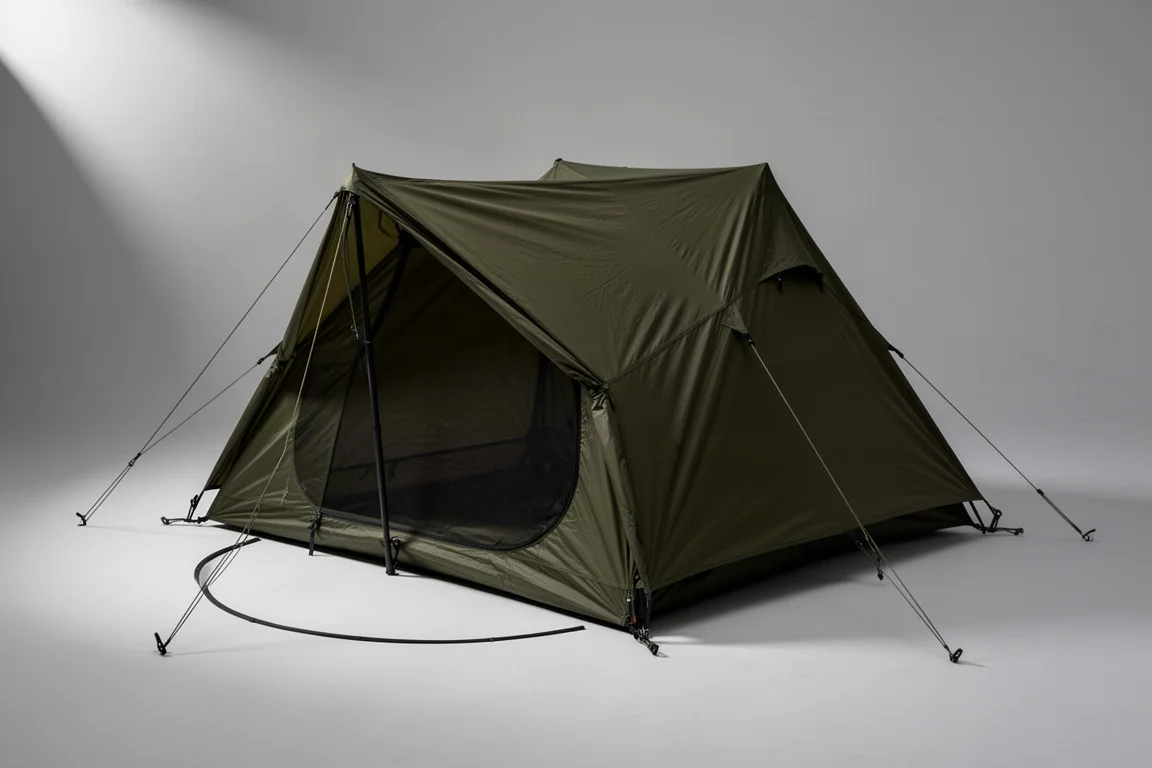
The ArcDome is a true two-person tent in the sense that matters most in winter: two 25-inch wide pads fit side by side with a little corner space left over for gear. It is a double-wall design with an inner available in solid or mesh, and because the inner and fly are attached, the whole tent pitches in one go, which keeps the interior dry when it is snowing or raining. Used with the fly alone, it becomes a much larger shelter for campers willing to sleep on snow and drop weight.
Storm performance comes from several places: an Ultra TNT fly fabric that is stiff and durable, a sleeved cross-pole frame built around large aluminum poles, and 16 guy points in total. Each pole sleeve carries two, and each large side panel has one in the middle and one at the foot end. Fully guyed out, the tent is extremely rigid. In milder conditions it is freestanding and can be pitched with four stakes or none at all.
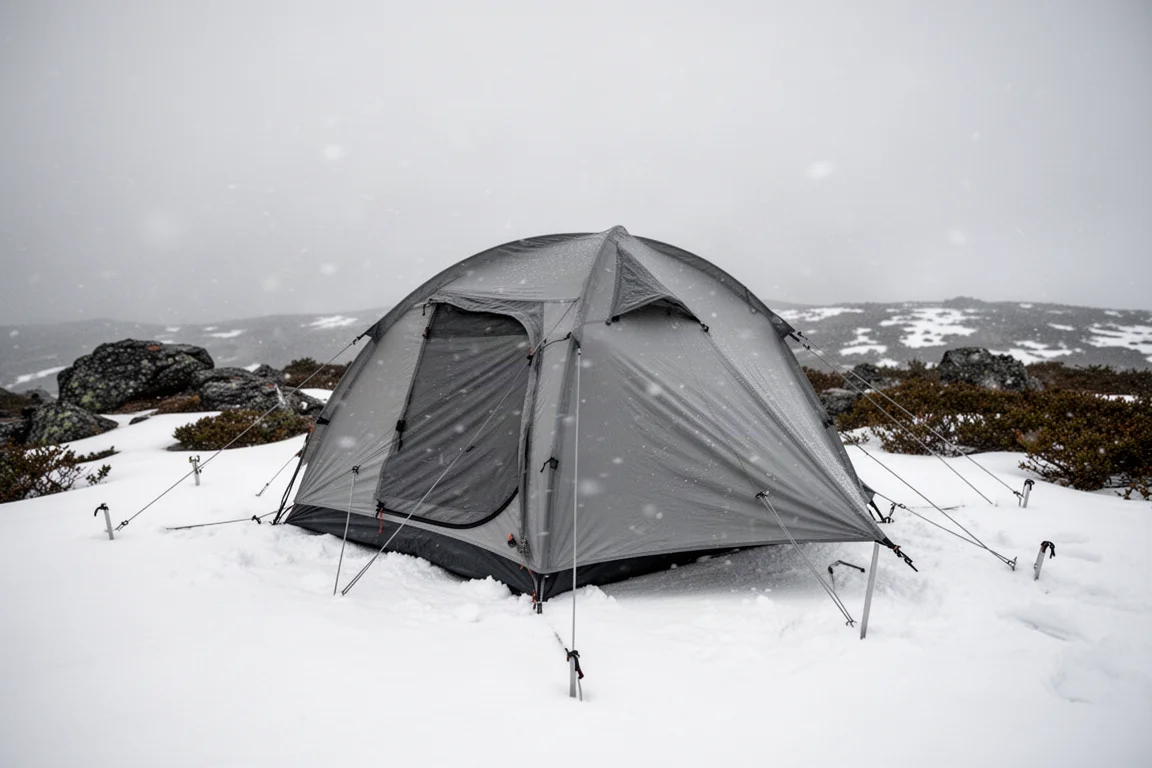
Wind has been the strongest argument for this shelter. It has stayed intact through gusts of roughly 100 km/h, and in a six-tent field comparison with winds up to 73 km/h it came out ahead of everything else tested. Snow load is similarly reassuring: pressing down on the fly, even with the door open, produced almost no deflection. Storage is well thought out for a two-person winter tent, with two pockets at the ceiling and two large pockets at either end keeping gear off the floor.
Where These Winter Systems Could Improve
Each product carries a short list of annoyances. On the ArcDome, the door is small and low, which is awkward for larger campers, and the fly zipper sits higher than the inner zipper, so closing the tent from the inside means reaching around the door in the dark, often with gloves on. The guyline loops at the corners are too narrow for snow stakes as delivered and have to be untied and retied, and the pole sleeves are tight enough that threading them in the cold takes patience. The tight overall pitch adds to that friction, and the Ultra TNT fabric has to be folded and rolled rather than stuffed, which is slower when the material is cold and crinkly.
On the sleep side, the Etherlite XR Pro could use more pronounced air springs to match the pressure relief of its predecessor, and the ZenBivy hood and neck seal are the two places where heat escapes first once temperatures drop past the limit rating. Neither issue makes the products hard to recommend, but both are worth planning around.
Overall Buying Advice
Match the gear to the temperatures you actually expect, not the ones on the label. A pad rated at R 7.4 and a sleep system rated to -5°F both perform best with a margin in hand, and both showed their practical limits near -20°C in real use. If you regularly camp below that, budget for an extra insulation layer rather than assuming one product will cover it.
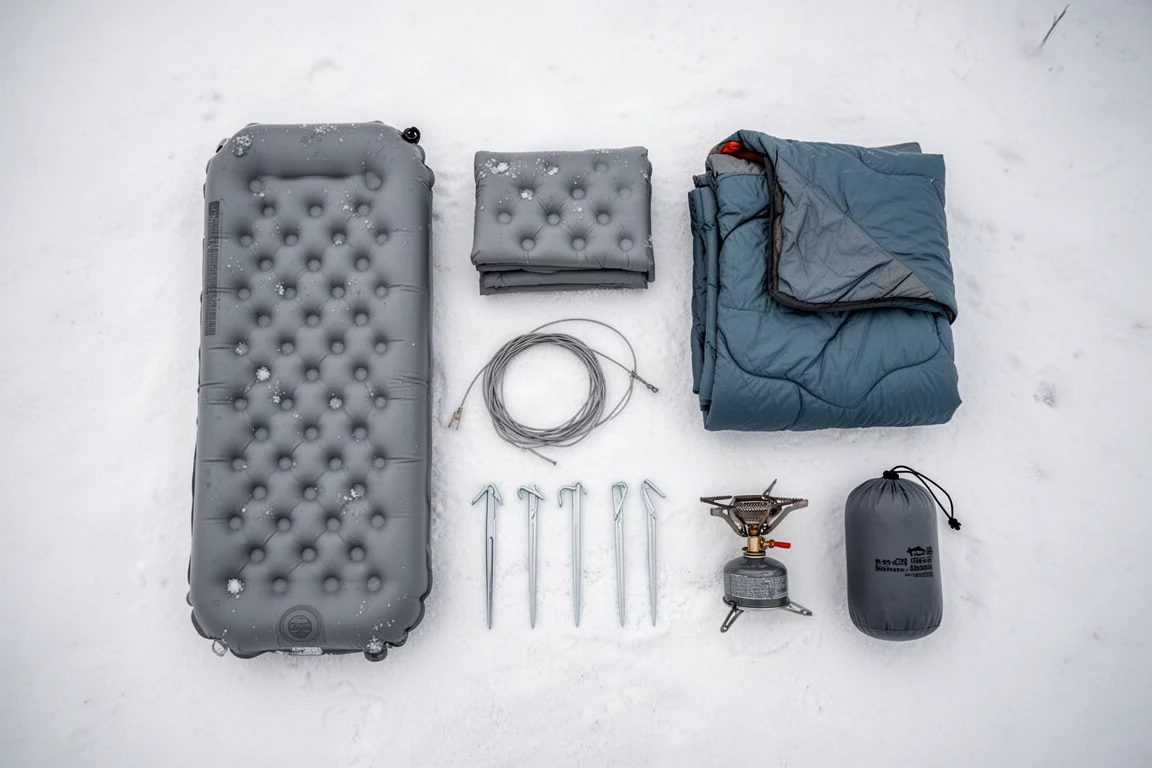
For two-person winter trips, the shelter decision is simpler. If wind and snow load are the main worry, a fully guyed freestanding tent with a rigid fly fabric and a high number of guy points is worth the weight and the extra setup fiddliness. If your trips are milder and you are comfortable sleeping on snow, a fly-only pitch saves a great deal of weight.
The sleeping pad is the most straightforward upgrade of the three. It delivers genuine winter warmth in a package that packs down small, without the bulk of older winter designs. The sleep system and the tent sit further up the range, and both justify it with features that are difficult to find elsewhere at the same weight.
Conclusion
All three products move winter camping in the right direction, and each has a clear buyer. The Sea to Summit Etherlite XR Pro is a legitimate winter pad at a weight that makes it easy to carry, with a practical limit around -20°C. The ZenBivy Light Bed Winter Edition delivers quilt-like freedom with most of the draft protection of a bag, and it stayed sleepable even below its stated limit. The Tarptent ArcDome is, by the standards of the conditions it has already been through, one of the best true two-person winter shelters available, with wind and snow performance that few tents at this weight can match.
None of them is perfect. The pad’s pressure relief is a step back from its predecessor, the ZenBivy hood and neck seal leak heat in extreme cold, and the ArcDome’s door, pole sleeves and guyline loops would all benefit from refinement. But if the goal is to be warm and comfortable below freezing rather than merely surviving it, these three are a strong place to start.
Further reading
Related Reviews
Winter Camping Gear
Affordable Winter Camping Gear: Six Budget Pieces Tested Below Freezing
Three reflective sleeping pads, an updated down jacket, a titanium pot and a $25 winter stove, assessed on frozen ground at around minus 12 degrees Celsius.
Winter Camping Gear
Best Winter Camping Gear 2026: Seven Pieces Worth Packing
A practical look at seven winter camping items, from an insulated parka rated to minus 20 degrees Celsius to a titanium stove built for cold canisters.
Winter Camping Gear
Ultimate Winter Camping Gear List: Proven Essentials for Cold-Weather Adventures
A curated list of winter camping gear that has proven itself in freezing temperatures, from shelter and sleep systems to cooking and safety essentials.