Winter Camping Gear
Best Winter Camping Gear: Five Field-Tested Essentials for Cold-Weather Trips
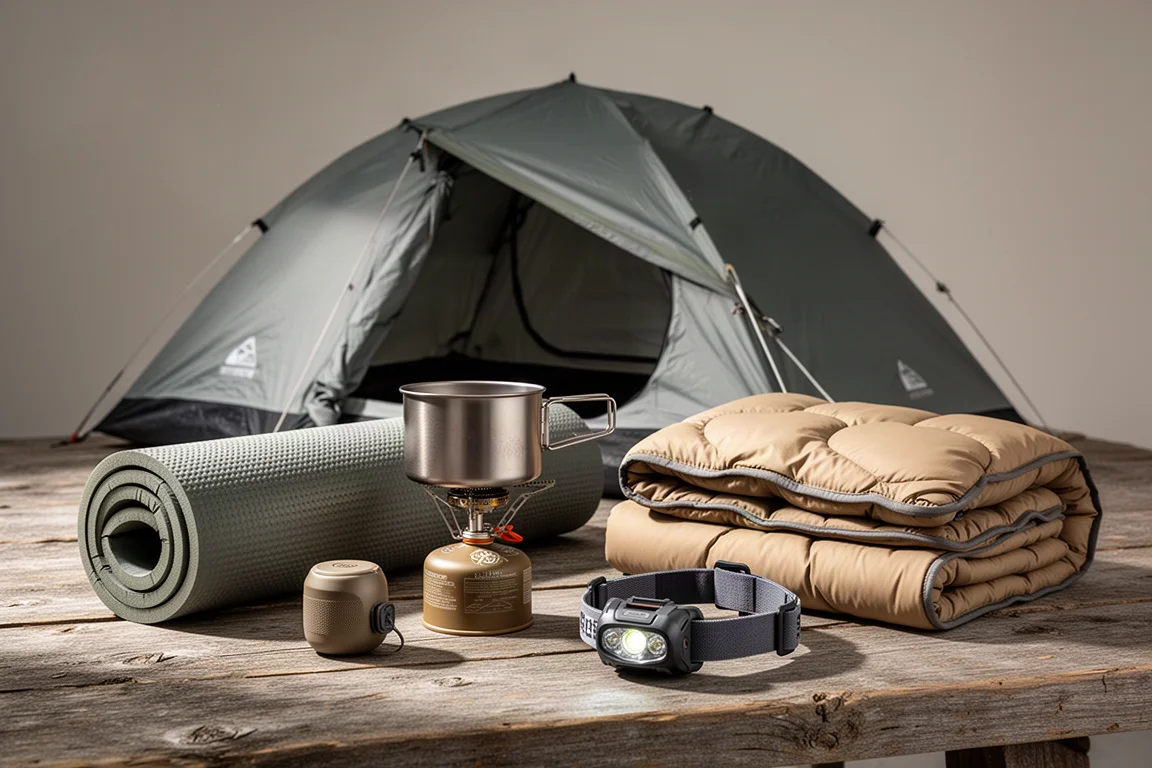
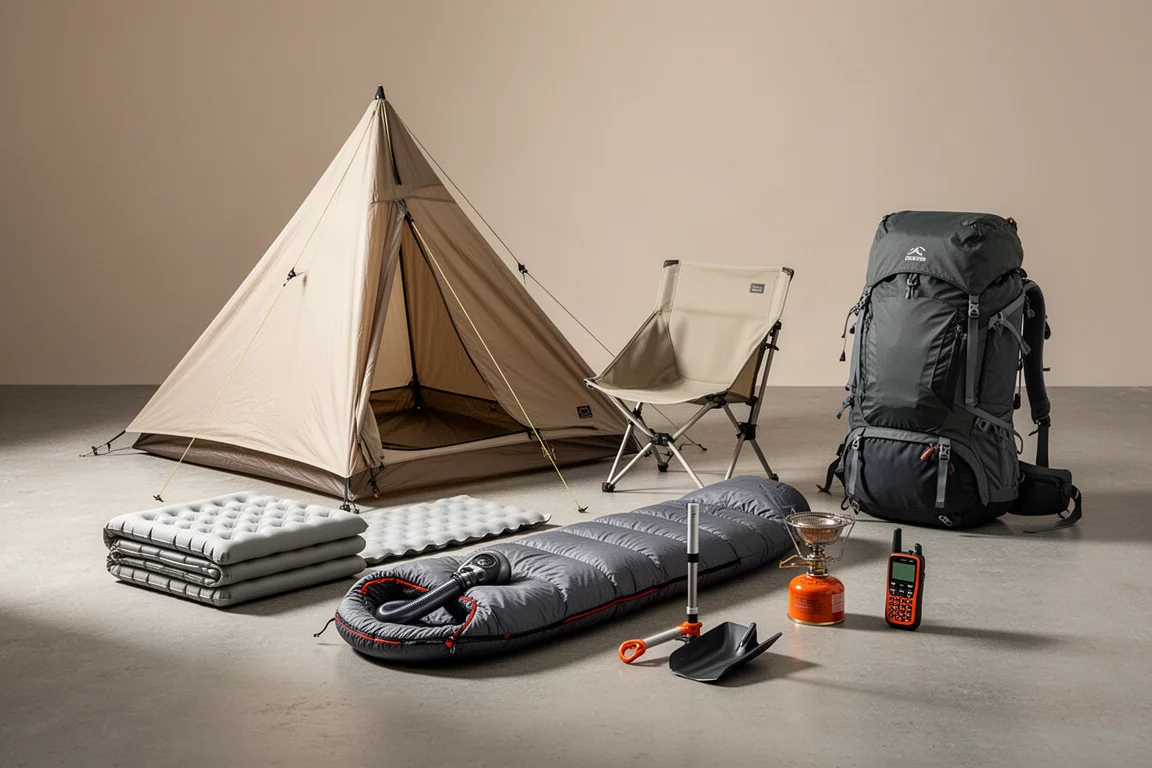
A four-season shelter, a down sleeping pad, an all-in-one stove system, a high-output headlamp, and a winter top quilt, tested together on a night that dropped to around minus 10 degrees Celsius.
Introduction
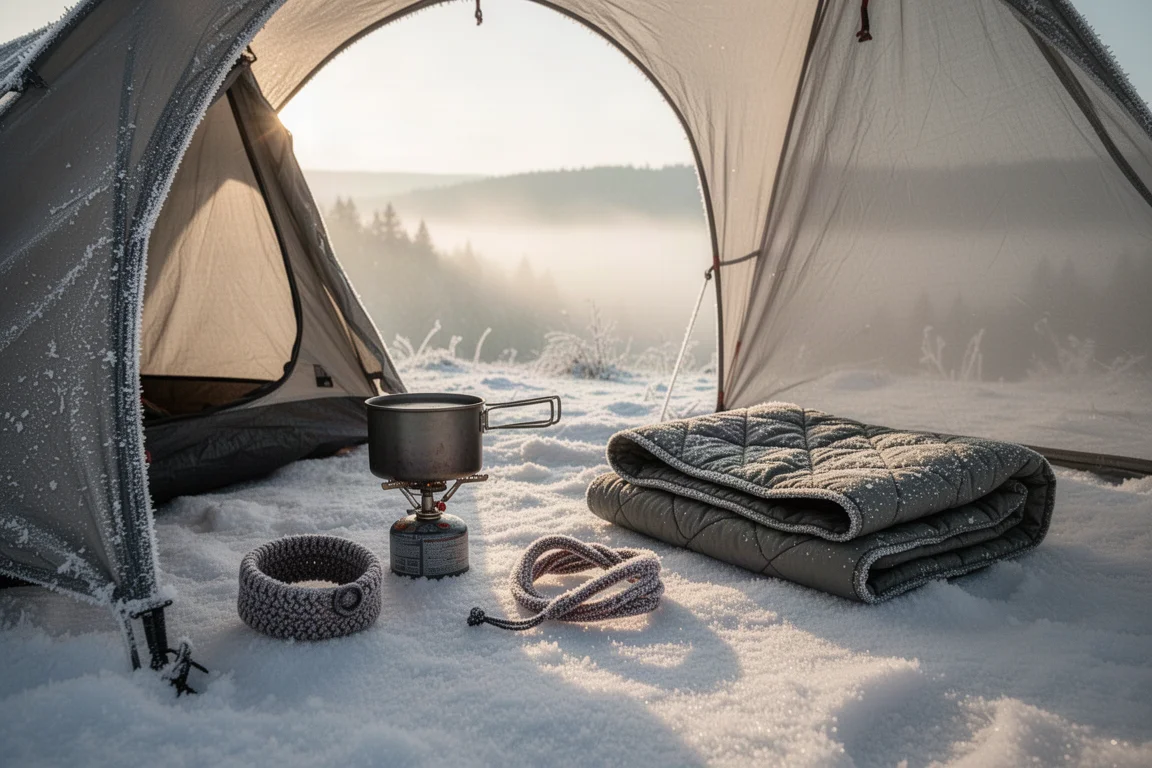
Winter camping gear has one job: keep working when temperatures fall well below freezing, the ground is frozen solid, and wind loads every panel of a shelter. The five items below were used together on a single overnight trip, with temperatures dropping to around minus 10 degrees Celsius, snow underfoot, and wind that built through the night and into the morning. Each one addresses a different winter problem, from shelter stability to fuel efficiency in the cold.
How We Evaluated This Winter Gear
Four criteria shaped the assessment. Stormworthiness covered how a shelter handled wind load and snow without extra support. Warmth and comfort covered whether a sleeping system actually kept heat in on frozen ground. Ease of use covered the small details, including doors, pocket placement, and controls that have to work with gloves on. Cold-weather performance covered how fuel and batteries behaved once the temperature dropped.
The overnight low was forecast at around minus 12 degrees Celsius, with wind expected to reach roughly 40 km/h and a chance of light snow. In the end the low landed closer to minus 10 degrees Celsius and the wind stayed lighter than hoped. That was still cold enough to expose weak points in insulation, fuel delivery, and battery behaviour, and the snow under the sleeping setup made the insulation test more meaningful than dry ground would have.
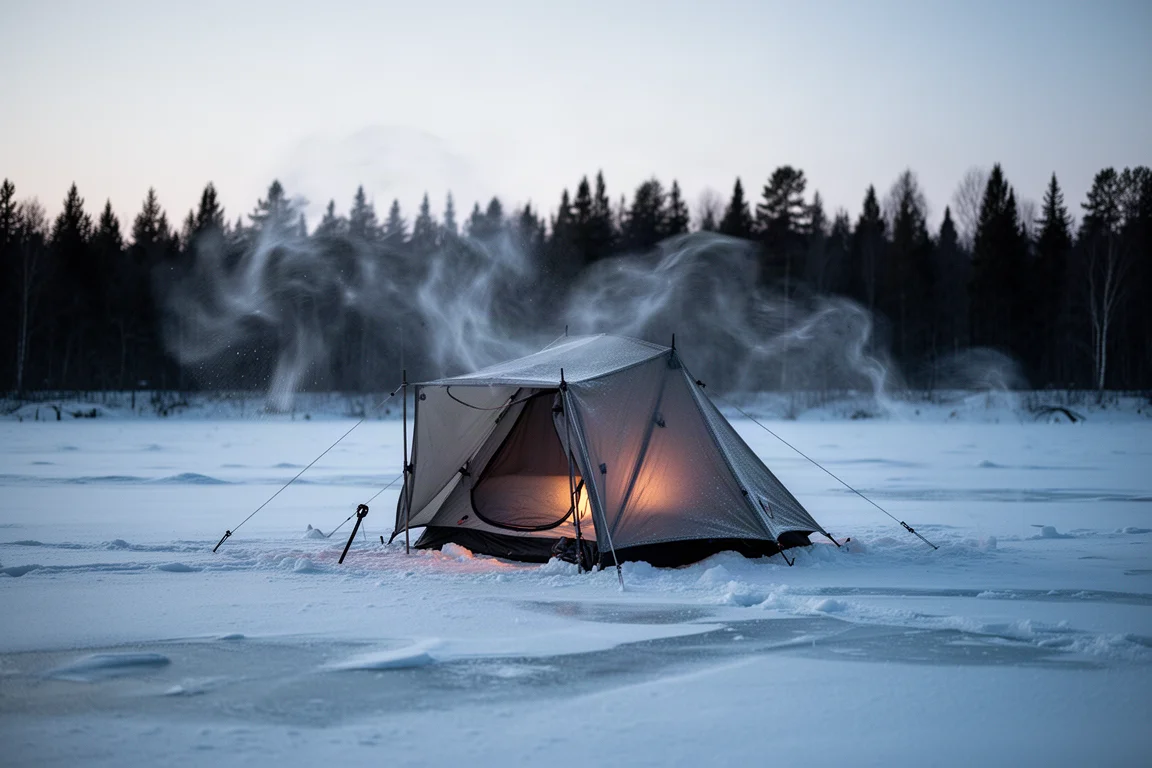
Testing on snow rather than bare ground matters. Snow pulls heat out of a sleep system differently than dry ground does, and it also shows how well a shelter’s panels shed drifting snow. Every item here was used in the same conditions on the same night, which makes the comparison between them more useful than a set of separate impressions.
Tarptent Arcdome 1 Plus: A Storm-Ready Winter Shelter
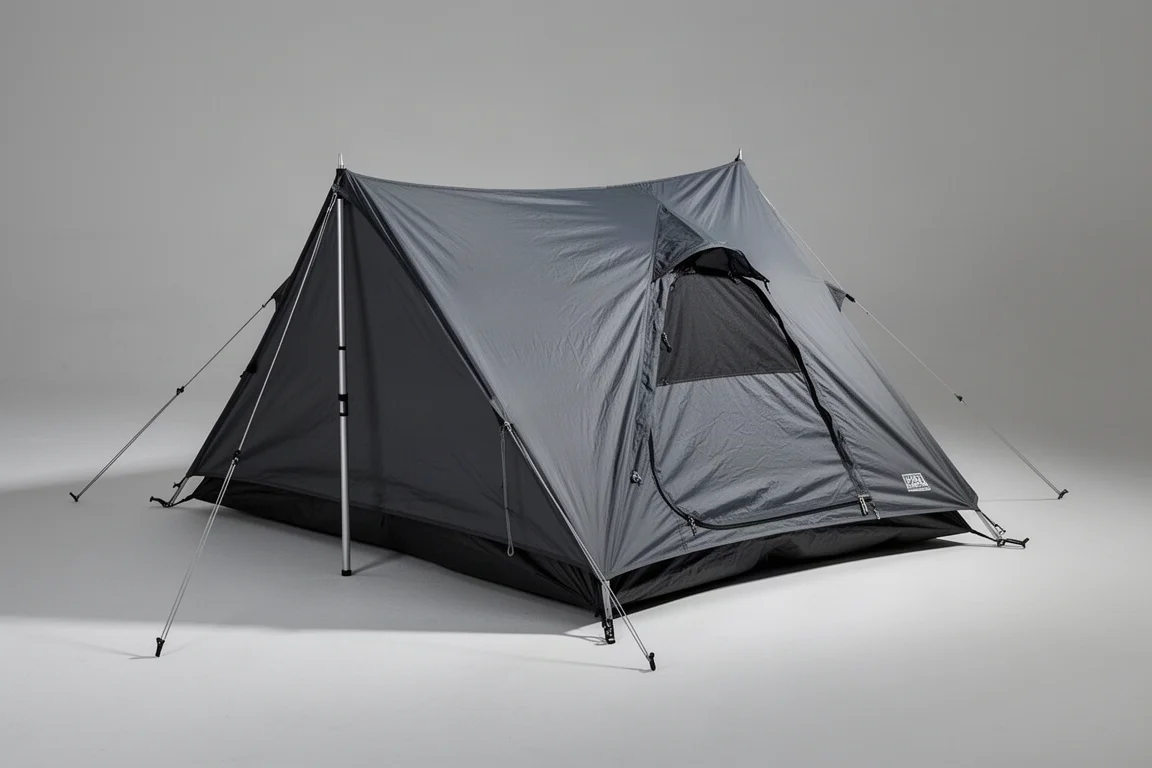
The Tarptent Arcdome 1 Plus carries the boldest claim of the group: heavy snow and strong wind ready without any additional trekking poles, plus a versatile and roomy interior. It weighs around 1,500 g and uses a 30D polyester fly with a 30D nylon floor. The version tested came with DAC 9.3 aluminium poles, which sit in the middle of the range for weight and strength, and thicker poles as well as carbon fibre ultralight poles are also offered. The partial solid inner balances breathability against protection from wind and drifting snow, and a fully solid inner and a two-person inner are available as alternatives.
On setup, the structure feels unusually rigid. Pressing on the roof or the side panels produces almost no give. The shelter can be guyed out to 20 stakeout points, of which 12 were used during the test. Each pole side has three attachment points, and each panel has two, including an arrangement where a single stake tensions both a lower point and a mid-panel point. Adding a short length of cord to the mid-panel loop and a second stake pulls those panels even tighter.
The interior is where the design gets interesting. Instead of cutting a corner to create vestibule space, the inner has a dip in the middle that forms two storage corners, one at each end. A 30-inch wide pad fits easily with room left over for gear. The single large door opens from one side, and the vestibule on that side is correspondingly larger, which makes it a practical place for a pack and boots. Pocket layout is the weaker point: one large mesh pocket sits partway up one side, and two smaller pockets sit at the peak. A second large pocket and some low perimeter pockets would make overnight life easier, particularly for items needed in the dark.
Stormworthiness is the headline. With 20 possible stakeout points and the DAC 9.3 poles, the shelter feels close to bombproof, and it has the potential to be the most storm-resistant tent tested in this class so far. It is not an ultralight choice at around 1,500 g, and the doors are a little fiddly rather than smooth. The case for it is exposed, above-treeline camping, alpine use, and windy upland conditions where stability matters more than saving grams.
Rab Ultrasphere 7.5: Chasing Warmth and Comfort
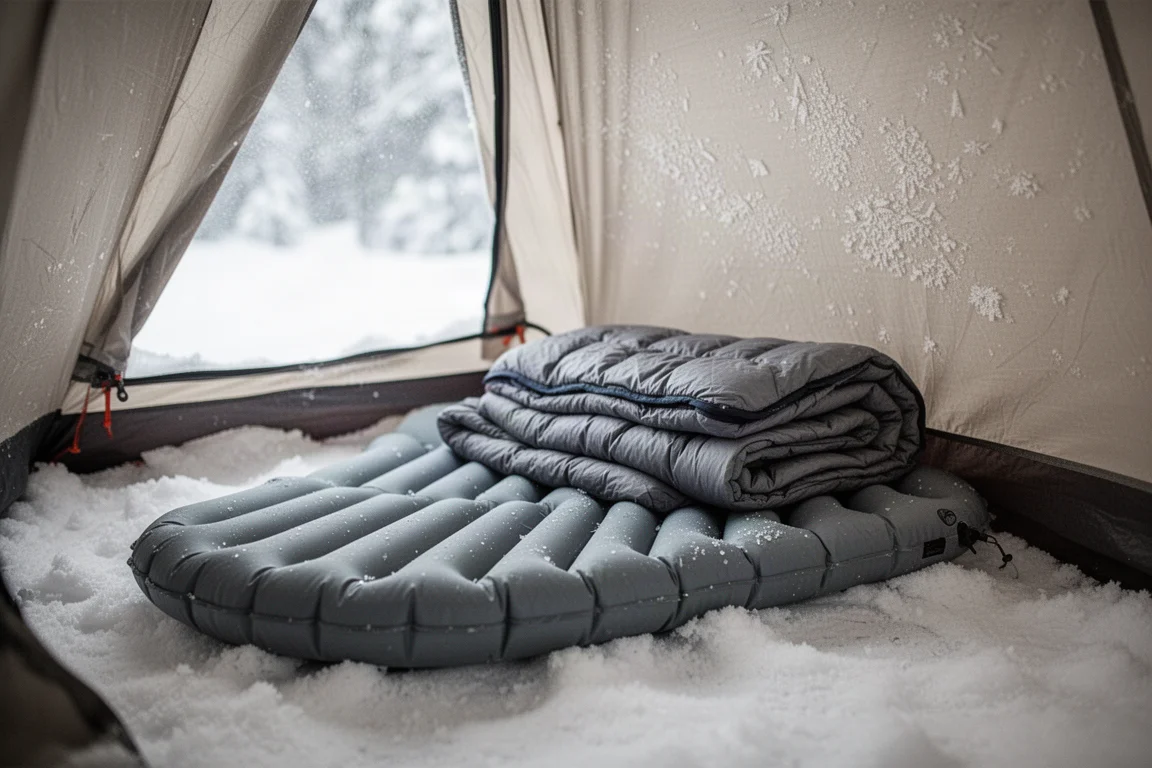
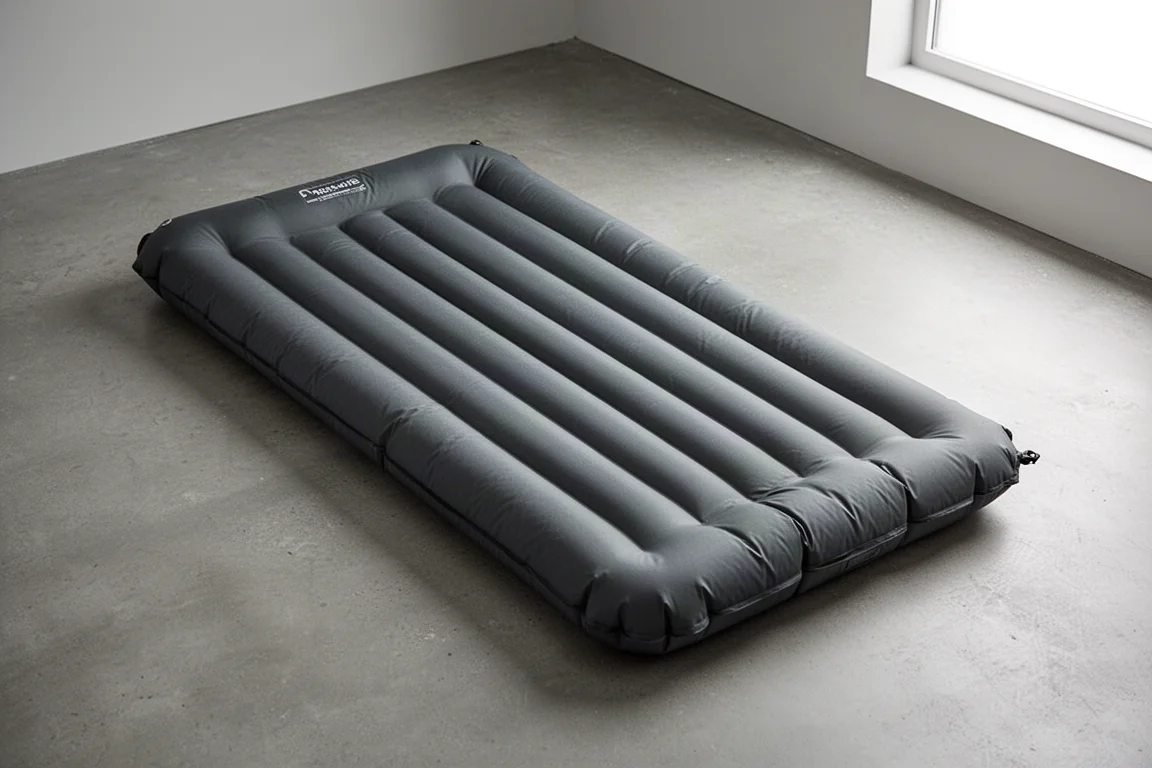
Rab describes the Ultrasphere 7.5 as an incredibly warm yet light and packable down air mat, ideal for fast-moving pursuits in extreme conditions. The figure that matters most is the 7.5 R-value, which would make it the warmest pad tested so far if it holds up in practice. The construction uses 800 fill power down spread through vertical baffles, with a soft top fabric.
The long wide version tested weighs around 810 g, which is heavier than the lightest winter pads and noticeably bulkier when packed. Comfort lands in the middle. Vertical baffles are more supportive than the horizontal baffles found on many winter pads, but cold-weather use requires full inflation, so the baffles offer less give and less pressure relief. Sleeping on a side was tolerable without a numb arm, although a few position changes were needed during the night.
Warmth was the real question. With temperatures dropping to about minus 10 degrees Celsius and snow under the pad, heat loss through the mat stayed low and there was no need to fall back on a backup pad. One cold spot appeared near the knees, which points to down shifting inside a baffle rather than a flaw in the overall design. The vertical baffles appear to do a good job of limiting convective heat loss, which is the usual concern with a long wide down mat. The down distribution also held up well, since a simple shake and a few pats were enough to spread the fill.
The realistic ceiling for this pad is probably around minus 20 degrees Celsius, not the minus 25 to minus 30 degrees Celsius range of the very warmest options available. For anyone who values a warm and comfortable night over the lowest possible pack weight, it remains a strong choice.
Primus Ulti Stove System: Cold-Weather Cooking Efficiency
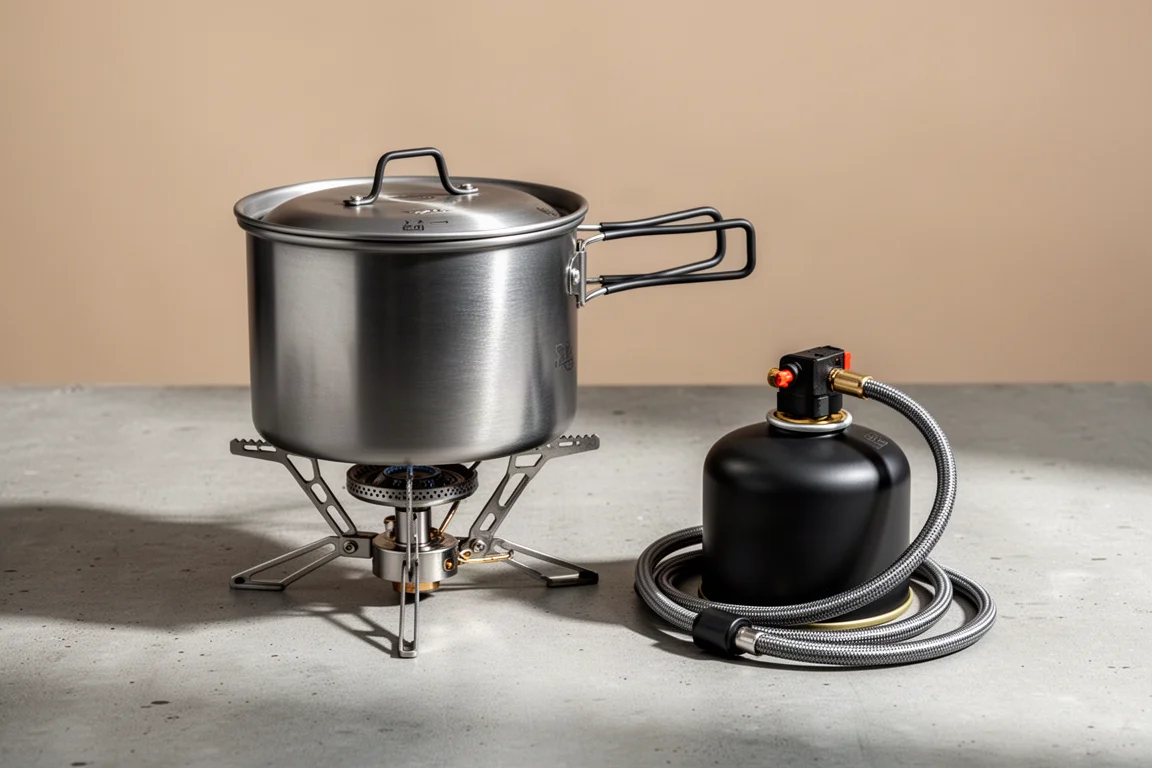
The Primus Ulti Stove System with the 1.7 L pot is an all-in-one design: the fuel canister and the stove both nest inside the pot. Primus positions it as a wind-resistant and powerful stove meant for extreme environments such as high alpine terrain and deserts. Two design details matter for winter use. It is a remote canister stove with a preheating tube, and it uses a radiant burner, a combination that should allow operation down to roughly minus 30 degrees Celsius. The radiant burner also improves efficiency, wind performance, and noise, and the stove runs quietly.
Testing was a straight comparison. One litre of water was boiled at around minus 8 degrees Celsius with the valve fully open and the canister inverted after a short warm-up. The Primus Ulti reached a rolling boil in about four minutes and twenty seconds and used roughly 14 g of fuel. A comparable canister stove took about eleven minutes and twenty seconds and used around 29 g. Wind was negligible during both runs, and the comparison pot was titanium while the Primus pot is aluminium, so the gap is not entirely down to the burner. Even so, the difference in both time and fuel is far too large to explain away.
The trade-off is weight. The Primus Ulti system comes in at close to 700 g, against roughly 556 g for the lighter comparison setup. That is the price of the nesting pot, the preheating tube, and the radiant burner. For winter trips where fuel efficiency and reliable cold-weather performance matter, the extra grams are easy to justify.
Petzl Swift RL: Bright Light With a Swappable Battery
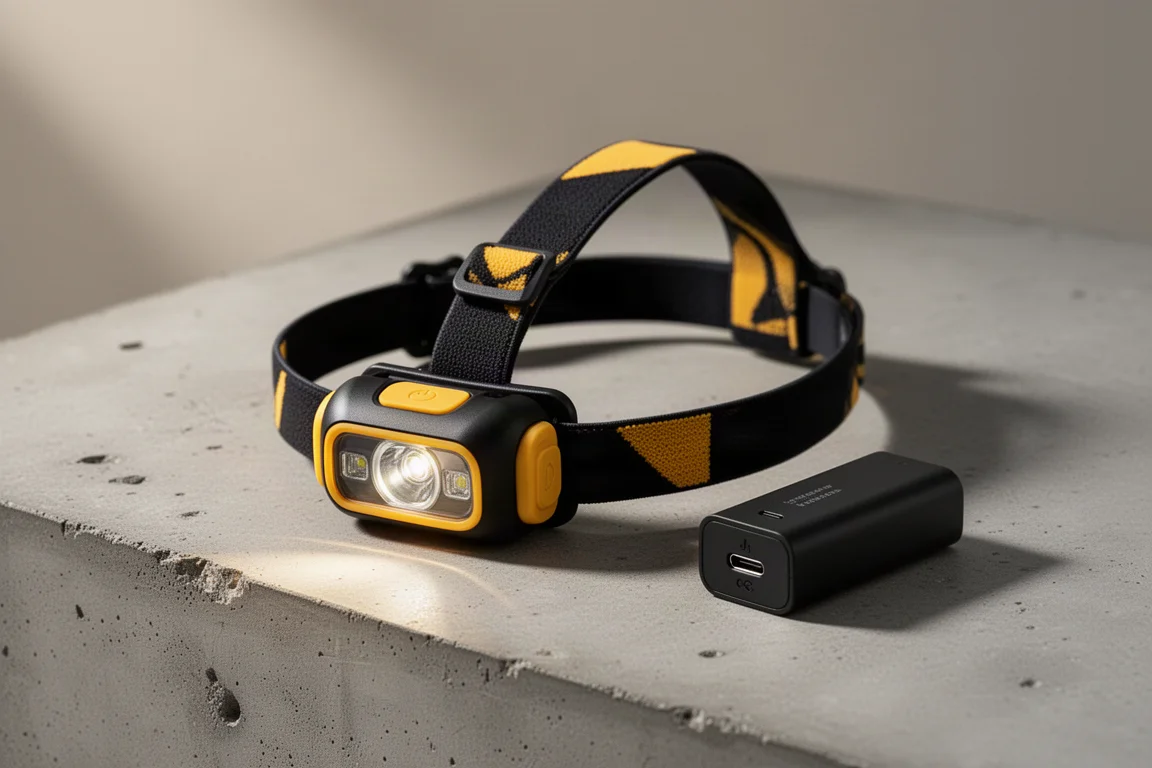
The Petzl Swift RL is a lightweight headlamp with a large output figure. It weighs around 100 g and reaches 1,100 lumens, a substantial jump over the 360-lumen three-season headlamp it replaces in a winter kit. Battery life is equally notable, with up to 100 hours at 10 lumens, which is dim but enough for camp chores and reading. The battery itself is rated to operate in very cold conditions, down to around minus 40 degrees Celsius, and it is replaceable.
The replaceable battery is the feature that makes the most sense in winter. Because the USB-C charging port is built into the battery rather than the headlamp, a second battery can be charged while the first is in use, so back-to-back trips or long nights do not require waiting around for a charge. A spare battery is a separate purchase, but it removes the need to charge a headlamp while it is still on your head.
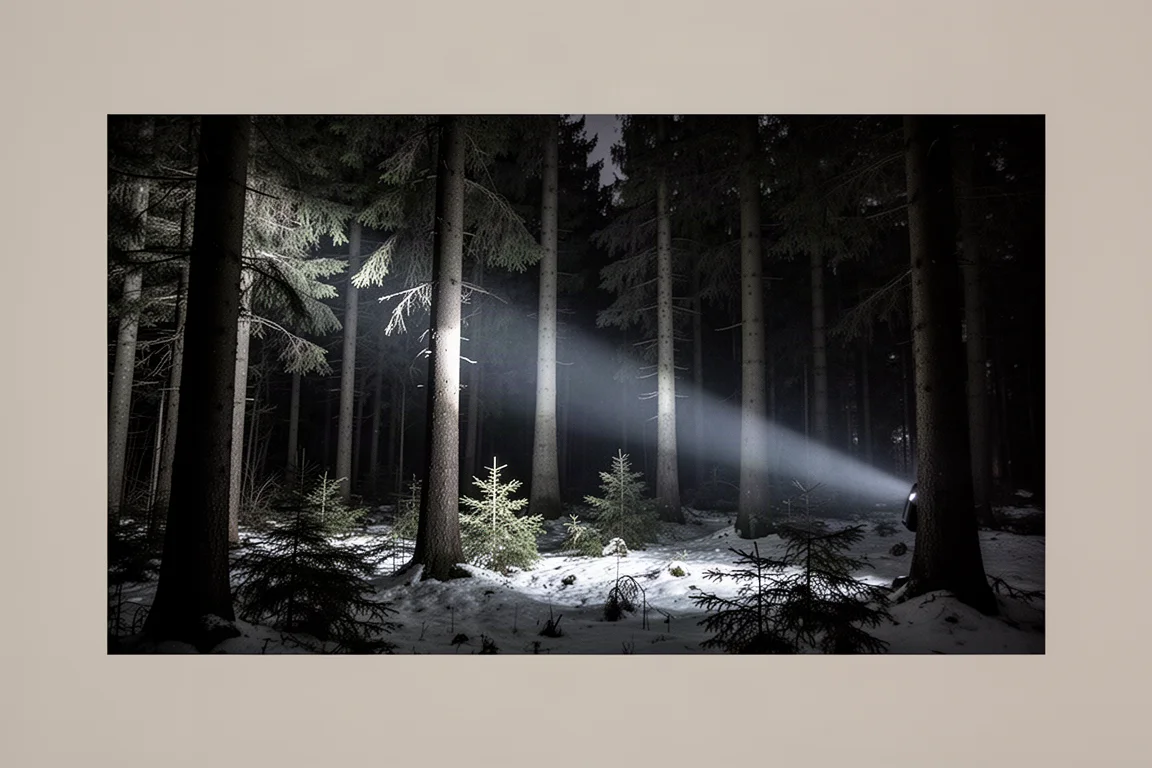
Brightness was tested against trees at increasing distances in the dark. On low, nearby trees at roughly 10 metres were clearly visible. Medium brought mid-distance trees into view, and high reached the far tree line without trouble. Very distant terrain stayed out of reach, but for trail finding, camp setup, and night navigation the output is more than sufficient.
The main consideration is runtime. The highest settings draw the battery down far faster than the low settings, so a spare battery or a disciplined approach to brightness keeps the light available across a long winter night.
ZenBivy Winter Bed: Reliable Top Insulation
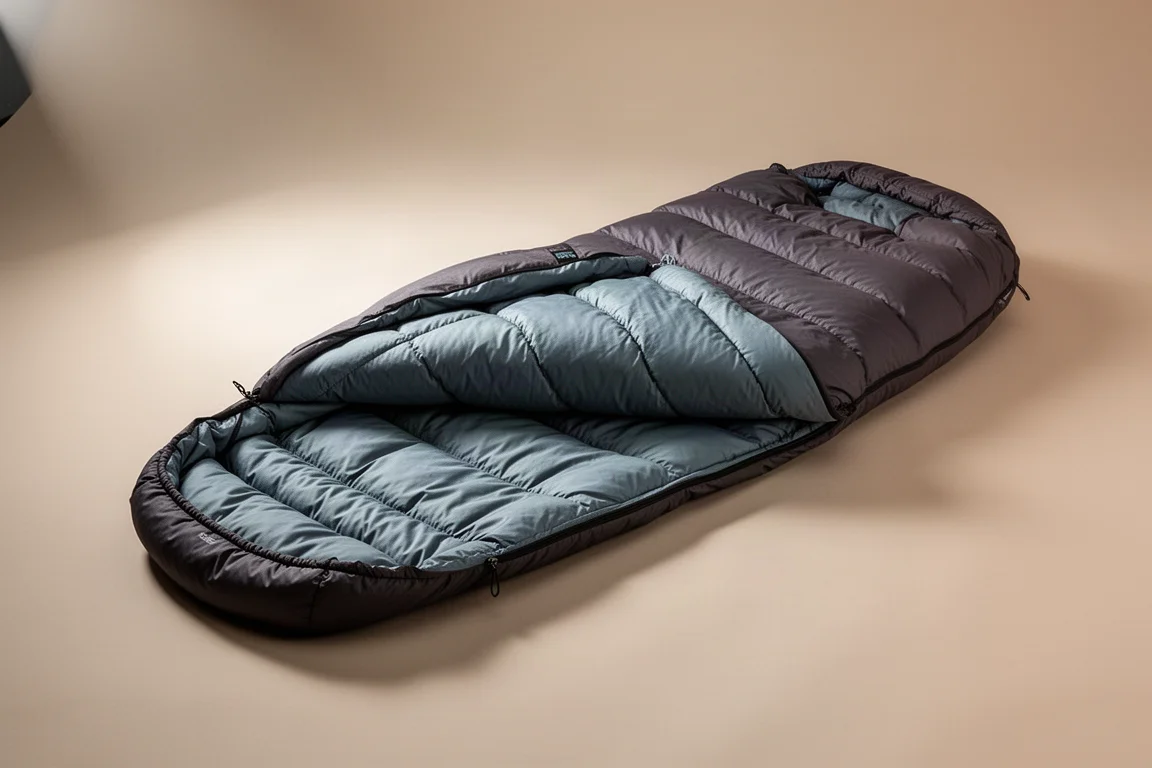
The ZenBivy Winter Bed was used as top insulation, which is exactly what it is designed to provide. It has a reputation for warmth in serious cold, and it kept the overnight test comfortable above the sleeping pad. It provides no ground insulation of its own, so it works alongside a pad rather than replacing one. Used over the Rab Ultrasphere 7.5 on a night that reached about minus 10 degrees Celsius, it delivered consistent warmth with no cold spots of its own.
For anyone assembling a winter sleep system, this is the piece that handles what happens above you while the pad handles what happens below. The combination matters more than either item alone, and the Winter Bed proved to be the more dependable half of the pairing in this test.
Overall Buying Advice
Priorities decide the list. If the goal is a shelter that stands up to wind and snow without trekking poles, the Arcdome 1 Plus is the item to look at first, provided the extra weight is acceptable. If warmth on frozen ground is the concern, the Ultrasphere 7.5 delivers a warm night with a comfort level above the most basic winter pads, though it is not the lightest or the most compact option available.
For cooking, the Ulti Stove System is the clear efficiency winner in this group, and the difference is large enough to change how much fuel a multi-day winter trip requires. For light, the Swift RL pairs very low weight with high output and a battery system built for cold and for long trips. The Winter Bed is the simplest recommendation of the five, since it does one job, top insulation, and it does it well.
Two general points are worth keeping in mind. First, weight and storm resistance still trade against each other, and the shelter here sits firmly on the storm-resistant side. Second, winter performance depends on the system rather than any single item. A warm pad, a warm top layer, and a shelter that blocks wind together decide whether a night is comfortable.
Conclusion
Used together on one cold night, these five items cover the main winter problems: shelter stability, ground insulation, top insulation, fuel efficiency, and light. The Arcdome 1 Plus is the shelter to choose when conditions are exposed and stability matters most. The Ultrasphere 7.5 is a warm, comfortable down mat that handles cold ground well. The Ulti Stove System stands out for cooking, with boil times and fuel use that leave conventional canister stoves behind. The Swift RL brings low weight, high output, and a battery that can be swapped and charged independently. The ZenBivy Winter Bed is dependable top insulation for the coldest nights.
Further reading
Related Reviews
Winter Camping Gear
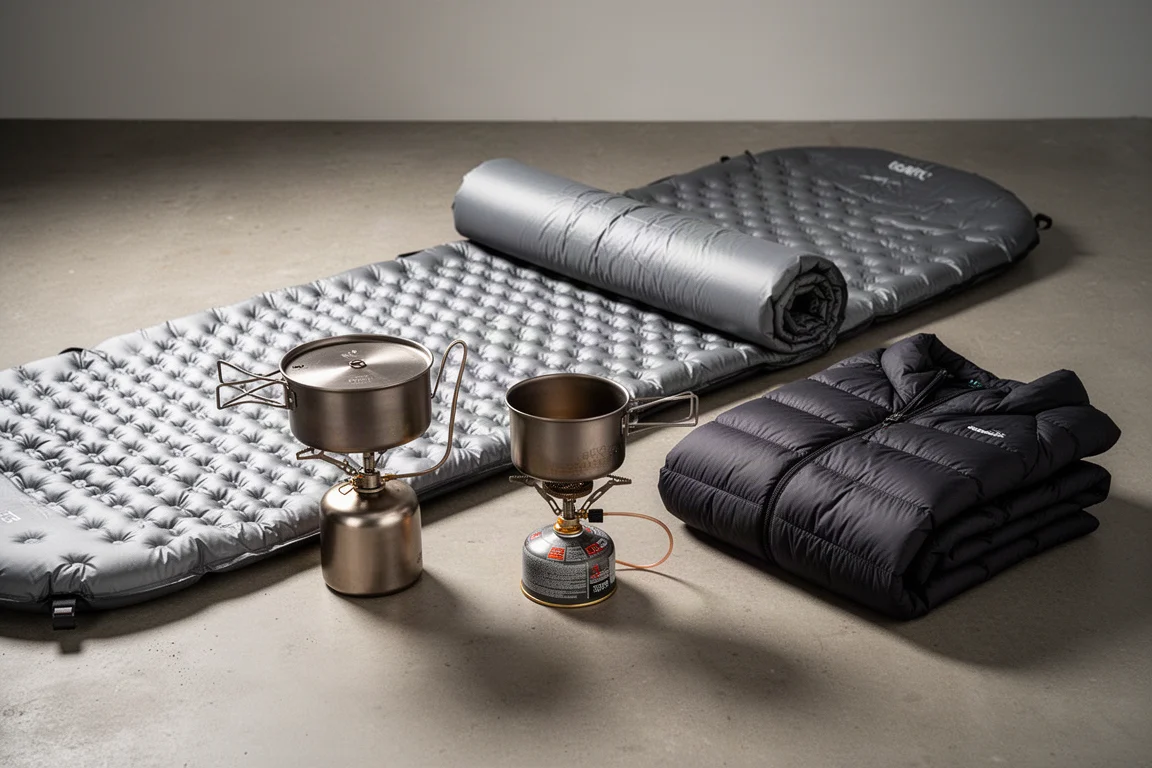
Affordable Winter Camping Gear: Six Budget Pieces Tested Below Freezing
Three reflective sleeping pads, an updated down jacket, a titanium pot and a $25 winter stove, assessed on frozen ground at around minus 12 degrees Celsius.
Winter Camping Gear
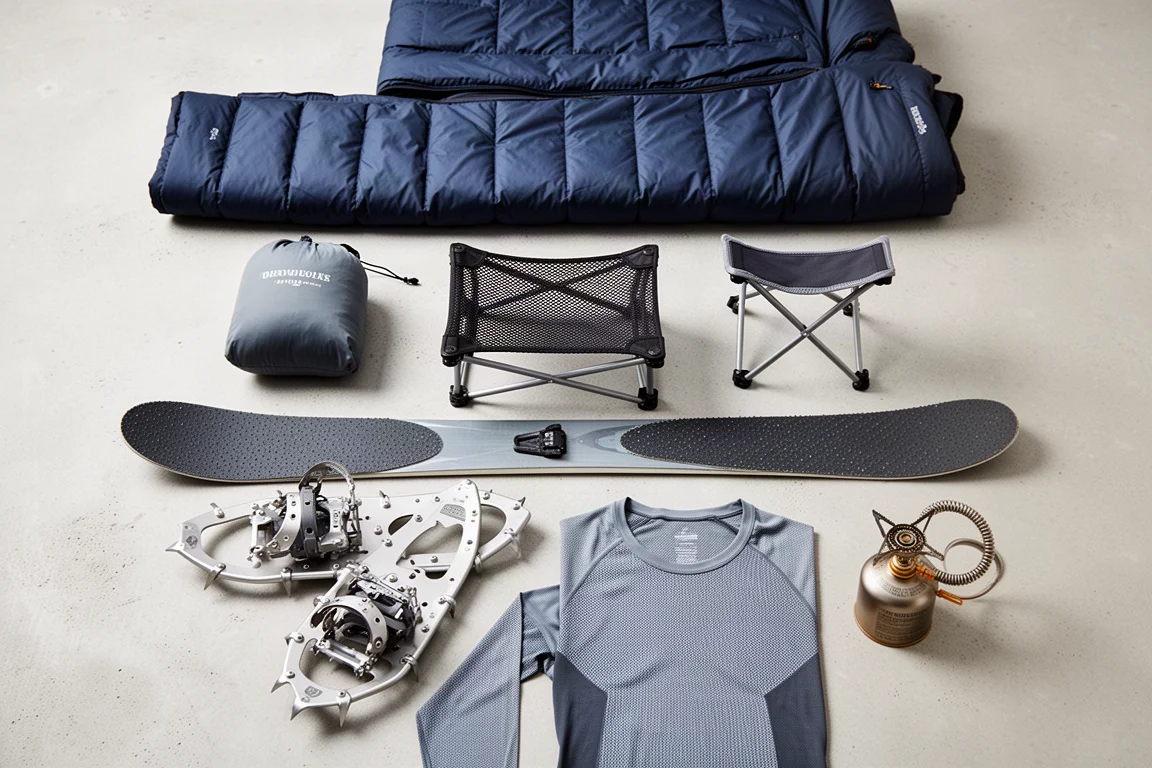
Best Winter Camping Gear 2026: Seven Pieces Worth Packing
A practical look at seven winter camping items, from an insulated parka rated to minus 20 degrees Celsius to a titanium stove built for cold canisters.
Winter Camping Gear
Ultimate Winter Camping Gear List: Proven Essentials for Cold-Weather Adventures
A curated list of winter camping gear that has proven itself in freezing temperatures, from shelter and sleep systems to cooking and safety essentials.