Cycling
Best Winter Bike Builds: Carbon and Aluminum Approaches Compared
Two winter road bike builds compared: a carbon Cannondale Synapse with Ultegra Di2 and an aluminum Kinesis Four Season Disc, plus the wheels, lights and fenders that make cold-weather riding work.
Introduction
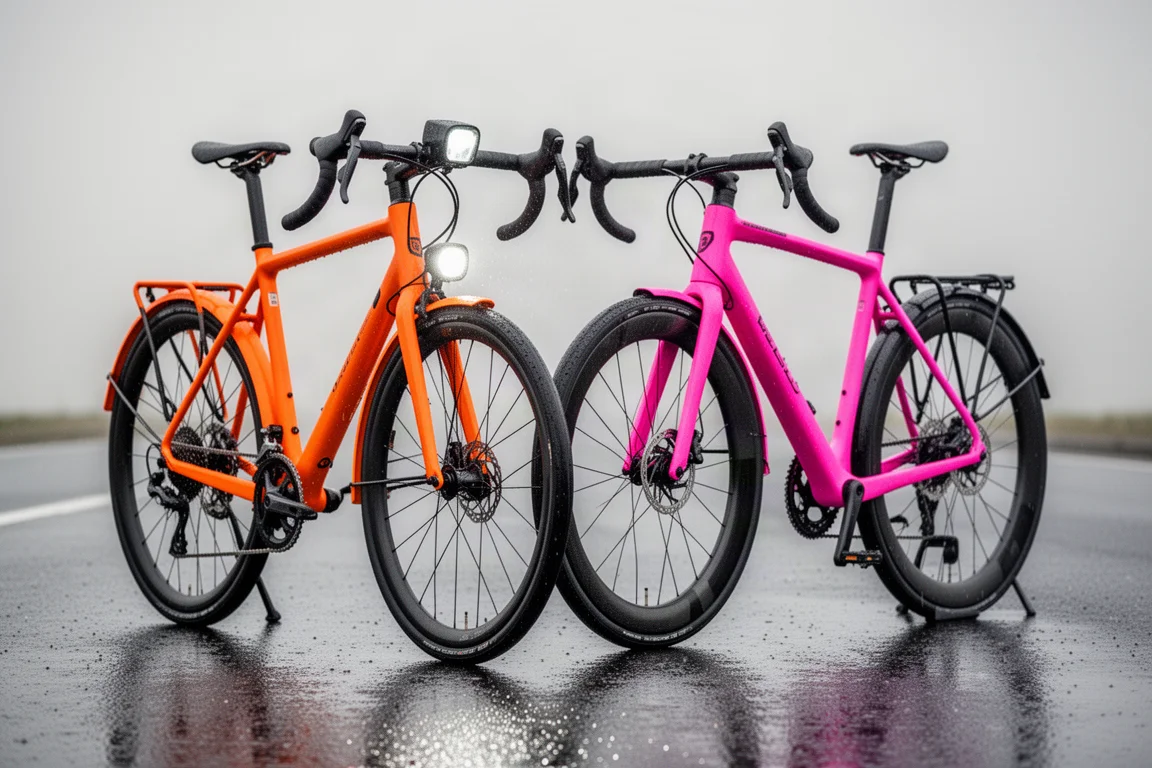
Riding through winter is hard on a good bike. Salt, grit, cold and constant wet weather wear out drivetrains, bearings and rims, which is why plenty of riders keep a dedicated winter machine that takes the abuse instead. The two builds compared here take opposite routes to that goal. One uses a carbon frame, the other aluminum. Both run mostly 11-speed Shimano Ultegra, both use disc brakes, and both are set up for long, cold rides rather than race pace. The real differences come down to frame material, groupset electronics, wheel choice and how much maintenance the rider is willing to take on.
Carbon Winter Build: Cannondale Synapse
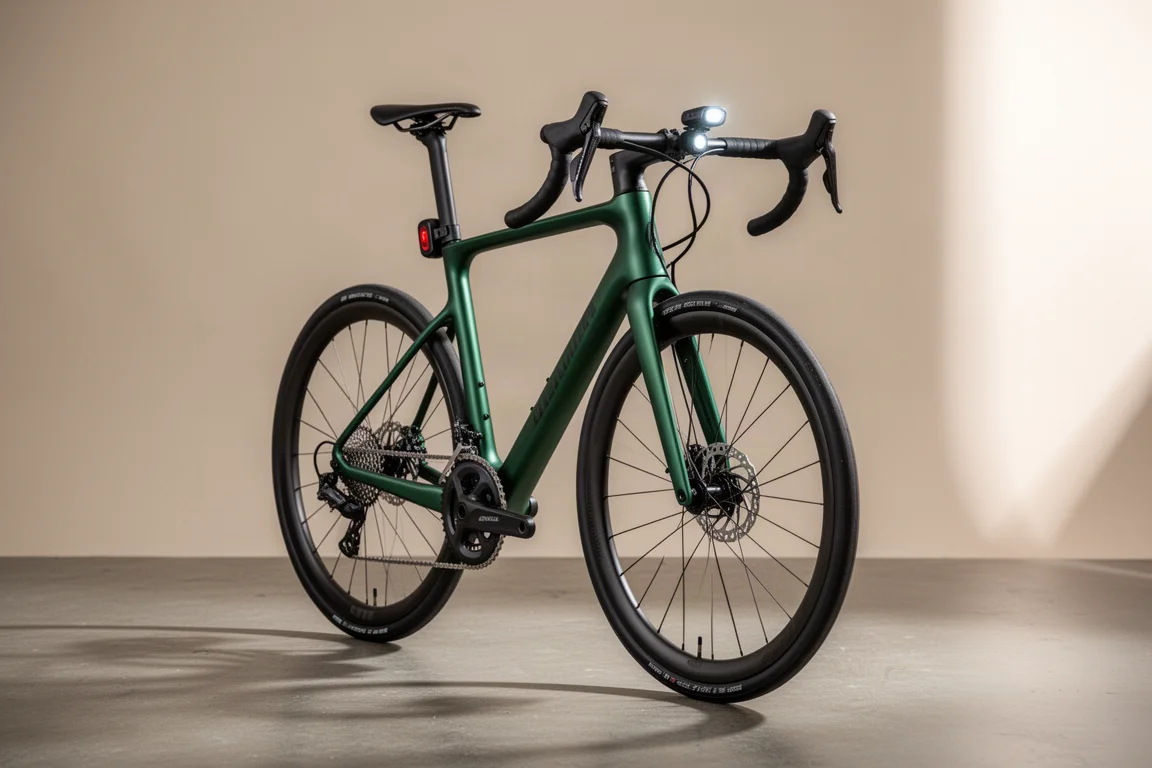
Modern carbon frames are perfectly capable of standing up to winter conditions, even though carbon still carries a reputation for being delicate. This build is based on a Cannondale Synapse frame, chosen for a comfort-tuned ride that suits winter roads when surfaces are at their worst. It is also light and stiff, which makes climbing easier when winter fitness is not at its peak.
The groupset is Shimano Ultegra Di2, and it is very much a parts-bin build. The rear derailleur covered 20,000 km on a previous bike and another 10,000 km on this winter machine, the shifters came from an old cyclocross bike, the cassette from a hill-climb bike, and the Power2Max NG Eco power meter has seen years of use.
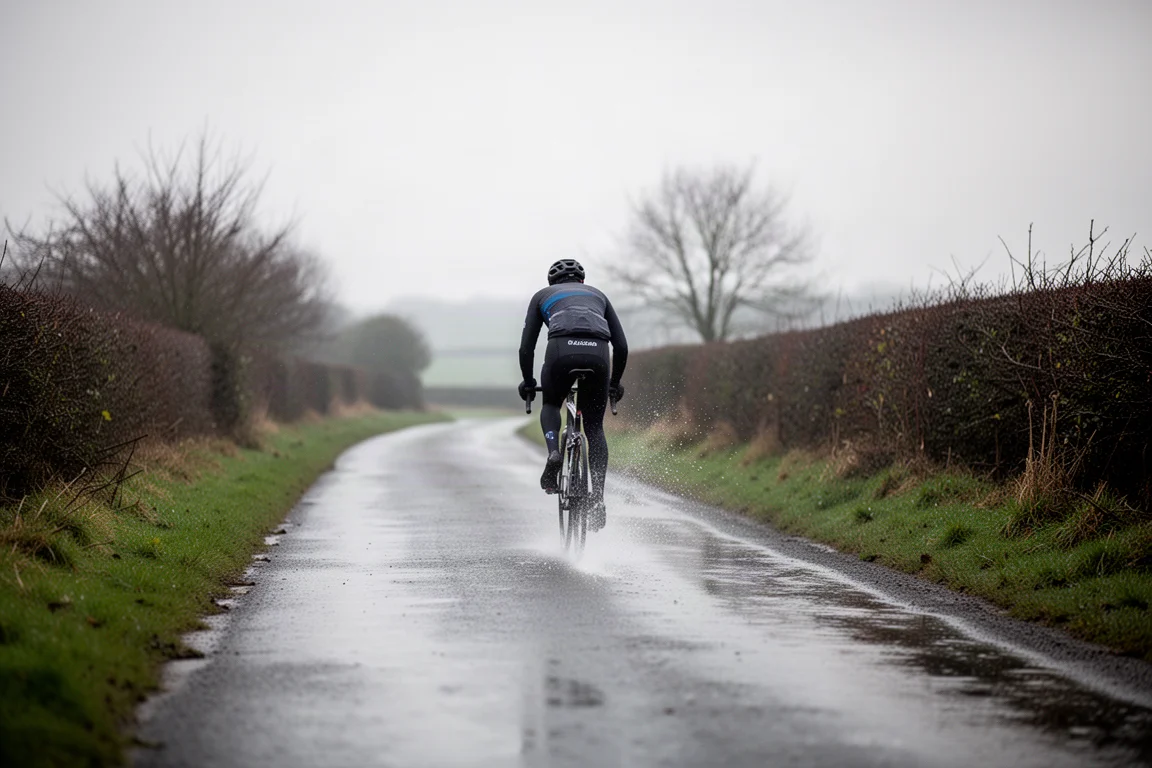
Electronic shifting is a genuine advantage in winter, when cold hands make mechanical levers harder to work: a single click changes gear. Gearing is 53/36 at the front with an 11-32 cassette, which covers most hills, although a smaller gear would have helped on a 15 percent gradient with a full backpack on. Braking comes from a 160mm rotor up front, and the bike runs full-length fenders so wet roads do not soak the rider.
Aluminum Winter Build: Kinesis Four Season Disc
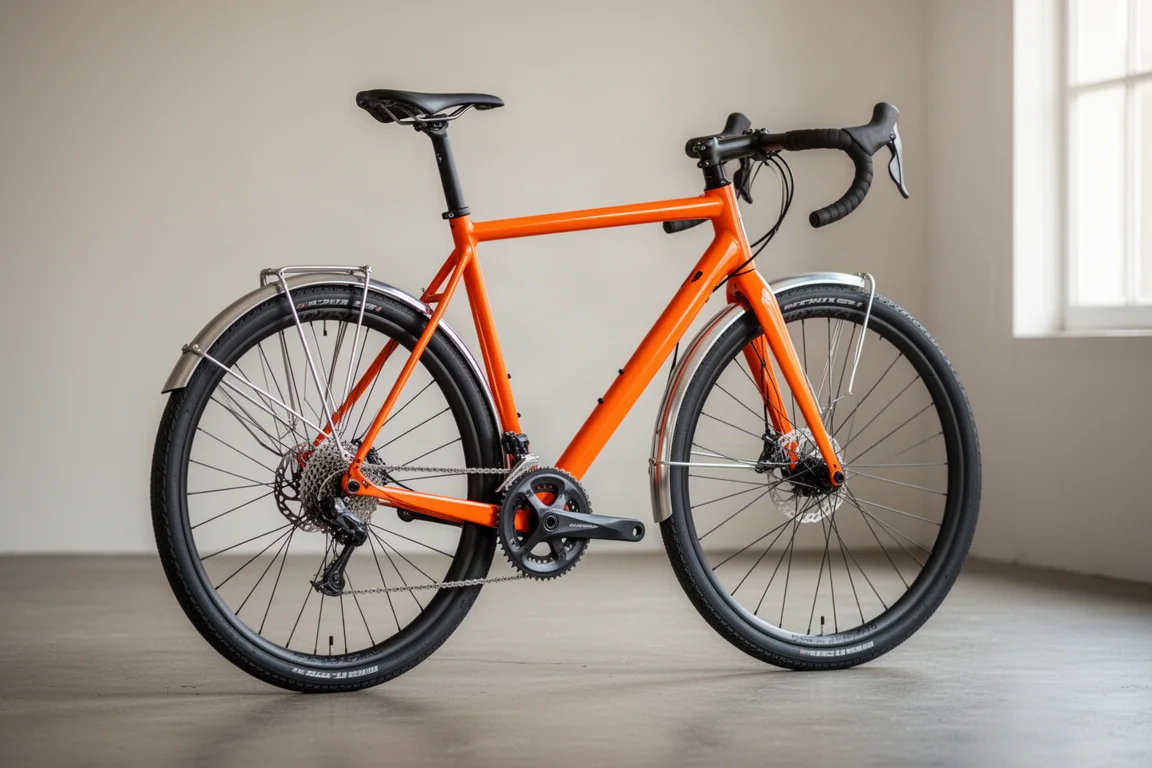
An aluminum frame brings a different kind of confidence. This Kinesis Four Season Disc build feels solid and dependable, and its extra weight is part of why a very light summer bike feels so good by comparison. The ride is a little harsher than carbon, which wider winter tires largely offset. A straight top tube makes it easy to fit a large frame pump underneath.
The drivetrain is mechanical Shimano Ultegra, 11-speed, which has never felt like it needed changing for long rides. A compact Cannondale Si chainset at the front and an 11-34 cassette at the back give easier gears for tired winter legs. Braking uses 160mm rotors, and the calipers are Shimano 105 rather than Ultegra because the originals needed replacing after about three years. They still look and perform much like the parts they replaced.
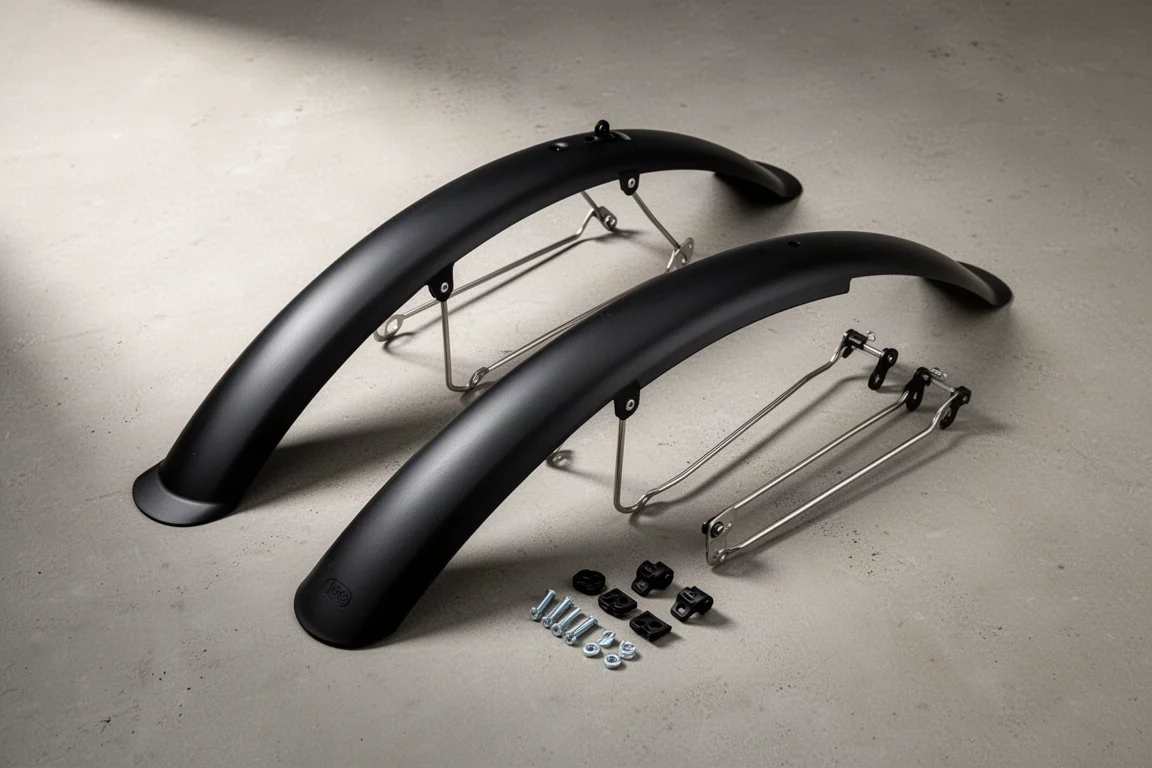
The build runs full-metal Kinesis Fend Off fenders, designed specifically for the Four Season Disc frameset, so the fit is exact. Coverage is good even over a 30mm rear tire, and there are holes in the guards for making custom mud flaps. Wheels come from Hunt and are set up with inner tubes rather than tubeless, because clincher tires are often cheaper, a flat can be fixed in a few minutes, and tubeless needs more upkeep through winter.
Wheel Choice for Winter: DT Swiss ERC 1400 Dicut
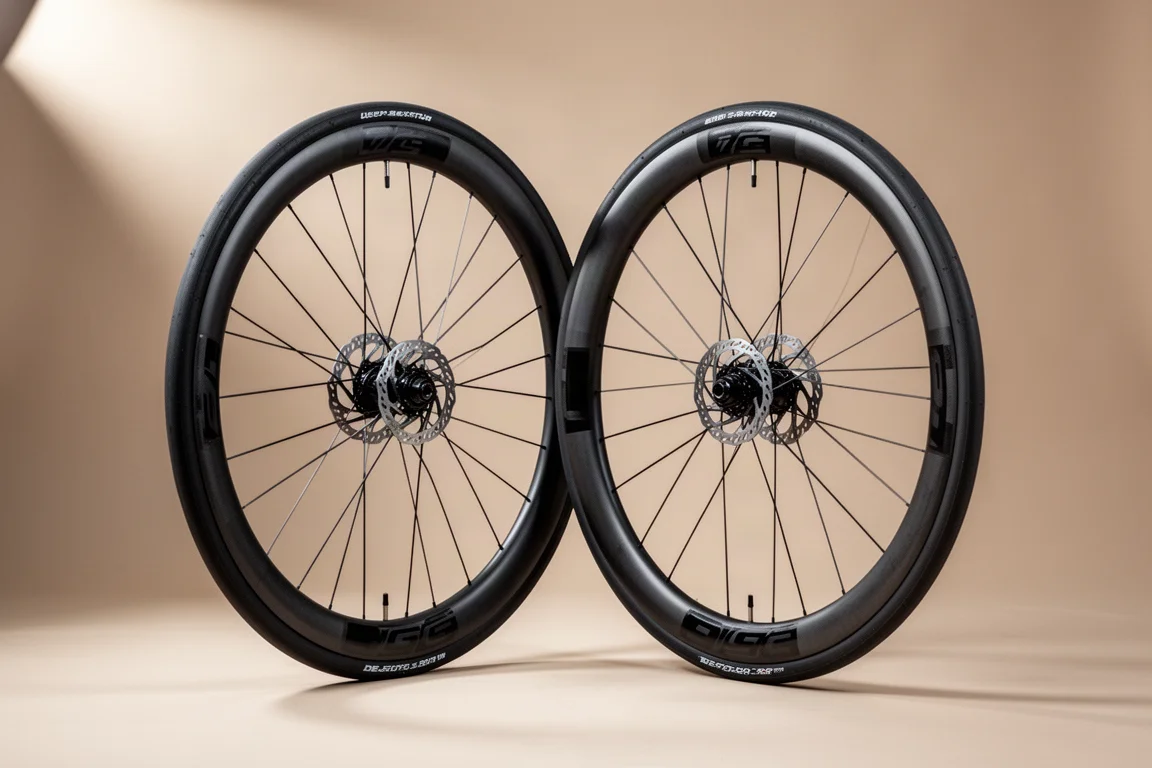
Disc brakes changed what makes sense to ride through winter. On a rim-brake bike, grit grinds the braking surface and destroys rims over a season, but with disc brakes that risk disappears, which is why carbon wheels are now a sensible winter choice rather than a costly one. This build uses a set of DT Swiss ERC 1400 Dicut wheels with tubeless Schwalbe Pro One tires in 28mm. The rims are 45mm deep and optimized around 28mm tires, weighing just under 1500g for the pair while offering an aerodynamic advantage over shallower profiles.
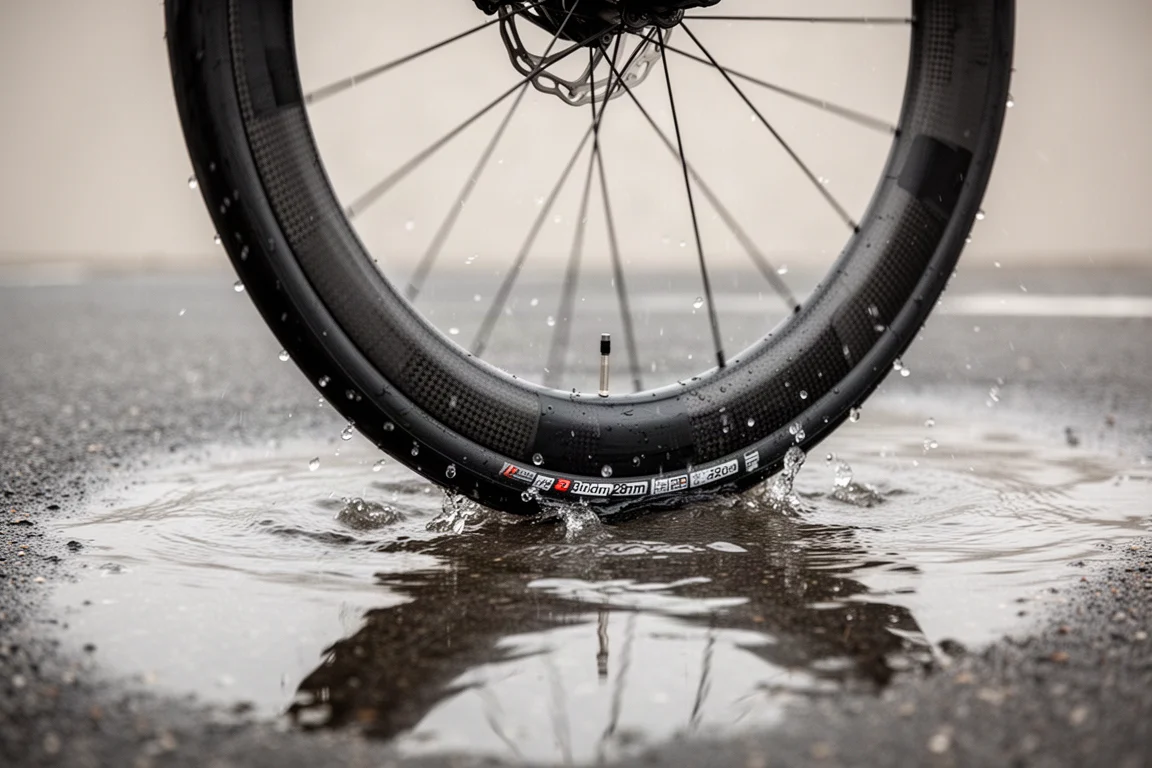
That combination reduces the effort needed to keep the gears turning through winter. The Pro One tires are fast, the sort of rubber you see equipped on Tour de France bikes, yet surprisingly good at avoiding punctures. Tubeless does demand attention, so use plenty of sealant, especially when temperatures drop.
Winter Lighting: Exposure Toro Mk14
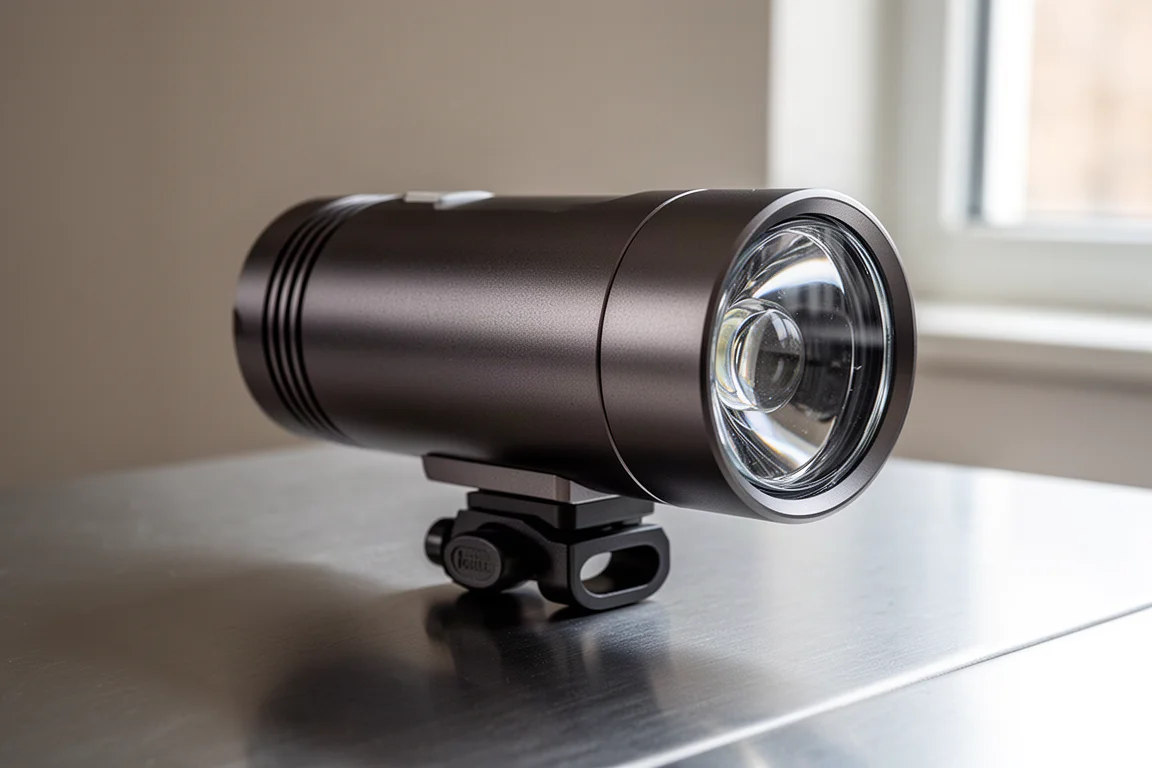
Winter riding often means riding after dark, so lights matter as much as fenders. The Exposure Toro Mk14 is a large front light with serious output, the sort of unit that makes unlit lanes manageable on a long ride. It is paired with rear lights, including a Magicshine CME 300 and a smaller unit from a Magicshine 150 combo.
The other build runs a Magicshine RN 3000 up front, plus matching Exposure Boost front and rear lights for commuting. That Magicshine unit has already proven itself on an overnight ride. Between the two setups, the message is straightforward: winter lighting deserves to be treated as a priority rather than an afterthought.
Full-Length Fenders: SKS Bluemels
Full-length fenders are the most useful accessory on a winter bike. They keep the rider dry and they keep everyone riding behind dry too, which matters on group rides. SKS Bluemels are the popular plastic option: full coverage, quiet in use, and a matte black finish that looks smart on almost any frame.
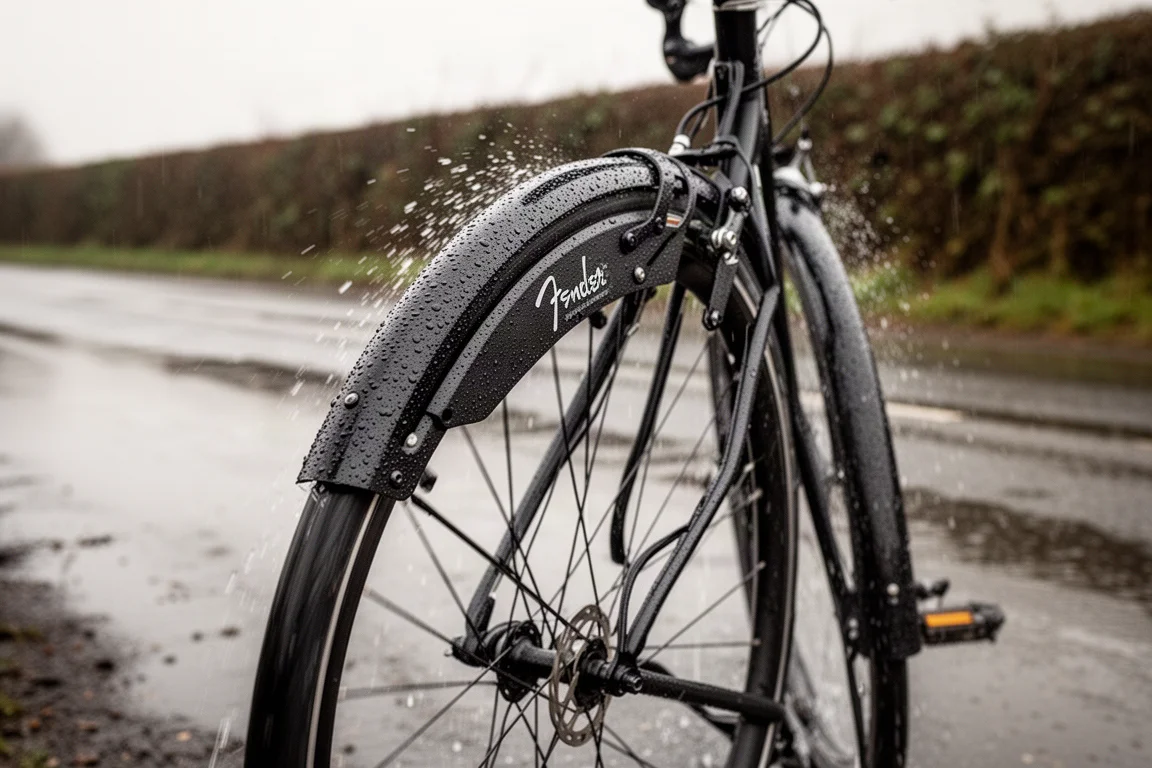
Tubeless can be a hassle, but with full-length fenders fitted the pairing works well in practice, and it is worth using plenty of sealant when the weather turns really cold.
Gearing, Tires and Cold-Weather Practicalities
A few details matter on any winter bike regardless of frame material. Gear range is the first: a wide cassette such as 11-34 makes a real difference on tired legs, and even a 53/36 with an 11-32 can run out of gears on a steep gradient with a loaded backpack. Wider tires are the second, since they take the edge off rough, wet surfaces and make a stiff frame far more comfortable.
The third detail is how the tires are sealed. Tubeless brings fewer punctures but needs sealant and upkeep, while inner tubes are often cheaper and faster to change at the roadside. Both approaches work, and the right answer depends on how much maintenance you want to do in the cold. Finally, both builds use bright paint rather than the dark shades that hide winter grime, a deliberate choice when so much of the season is grey.
Buying Advice
Choose the carbon route if you want a light, comfortable winter bike and you value electronic shifting when your hands are cold. The trade-off is cost and a build that leans on premium components. Choose the aluminum route if you want dependability, simpler mechanics and cheaper replacement parts, and you do not mind a slightly heavier bike.
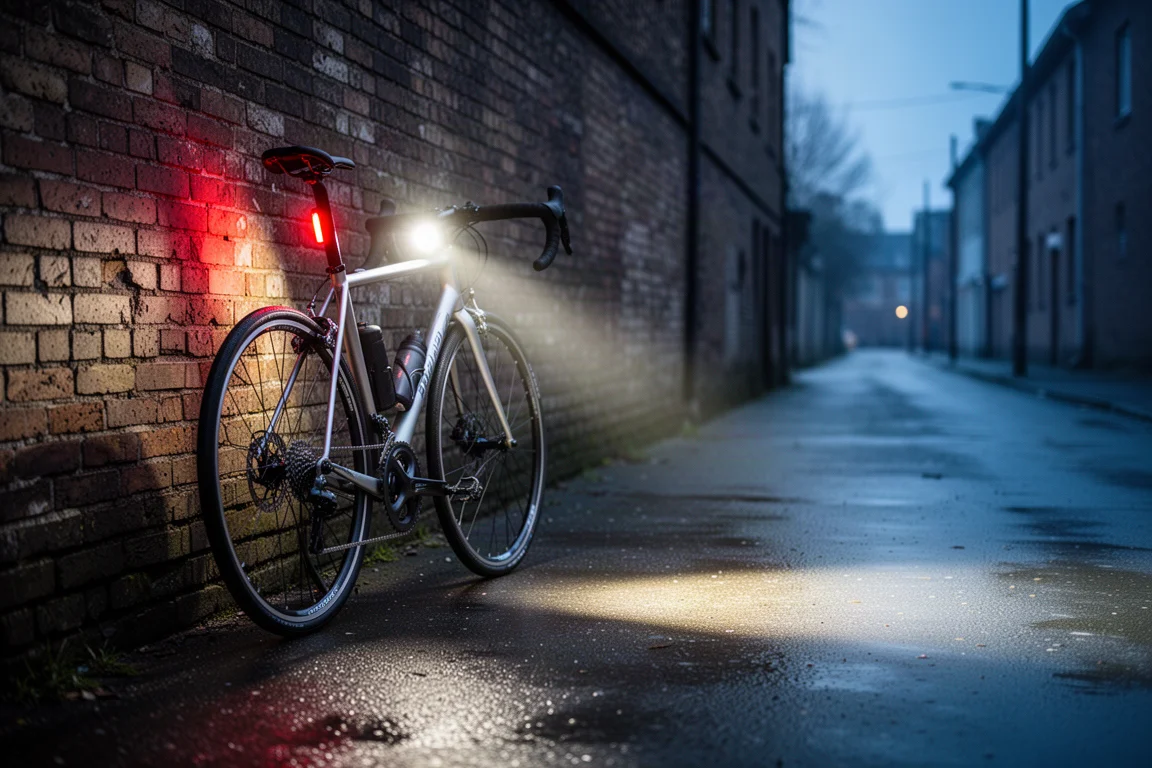
Whichever frame you pick, the details do more for winter comfort than the material does: full-length fenders, a wide gear range, disc brakes with 160mm rotors, and lights strong enough for unlit roads after dark. Decide early whether you want tubeless or inner tubes, because that choice shapes how much time you spend maintaining the bike versus riding it.
Conclusion
Both approaches work, and neither is the obvious winner. A carbon frame with electronic shifting makes winter riding easier on the body and the hands, while an aluminum frame with mechanical gears and full-metal fenders offers dependable, low-drama miles. Match the build to your priorities: comfort and light weight on one side, toughness and simple maintenance on the other. Either way, a dedicated winter bike protects the good bike and keeps the riding going through the coldest months.
Further reading
Related Reviews
Cycling
2026 Bike of the Year and the Cycling Gear Worth Watching
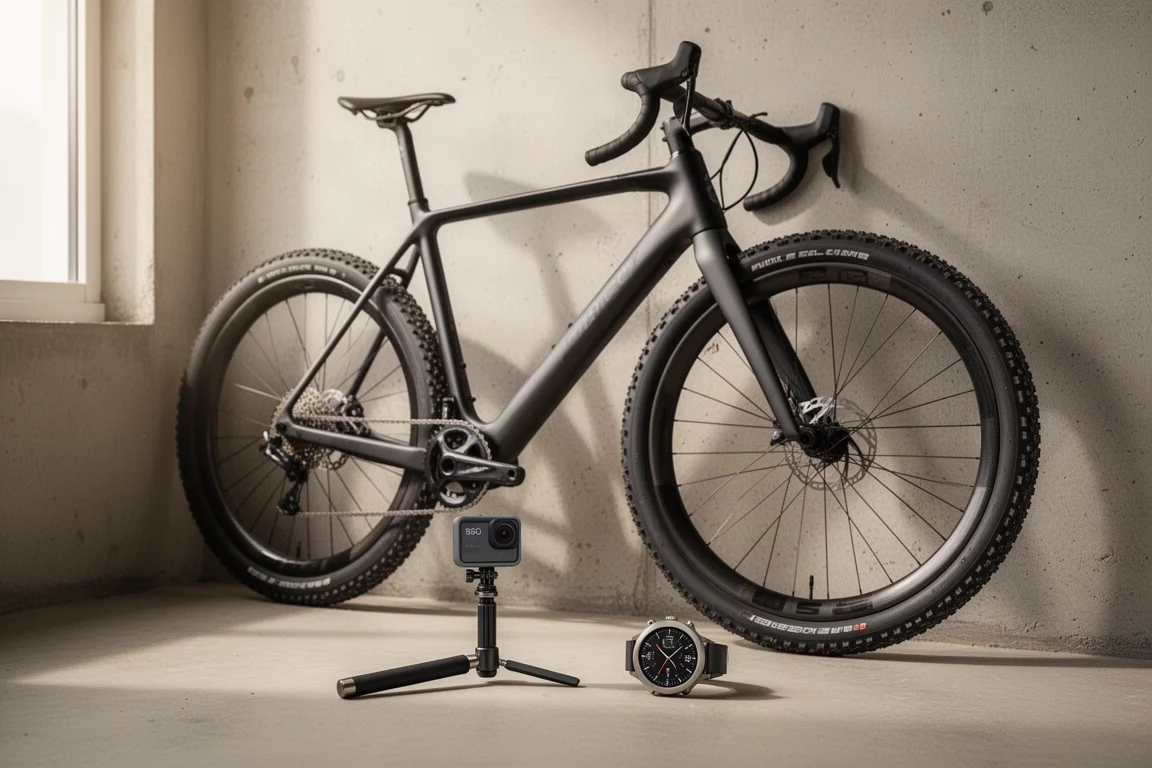
A drop bar roundup for 2026 covering the Ridley Kanzo Fast 2.0, Shimano Dura-Ace Di2 R9300, Trek Checkpoint ALR Gen 3, Specialized Tarmac SL9, Garmin Fenix 9 and Insta360 X6.
Cycling
Best All-Road Bikes 2026: Six Versatile Endurance Road Bikes Worth Considering
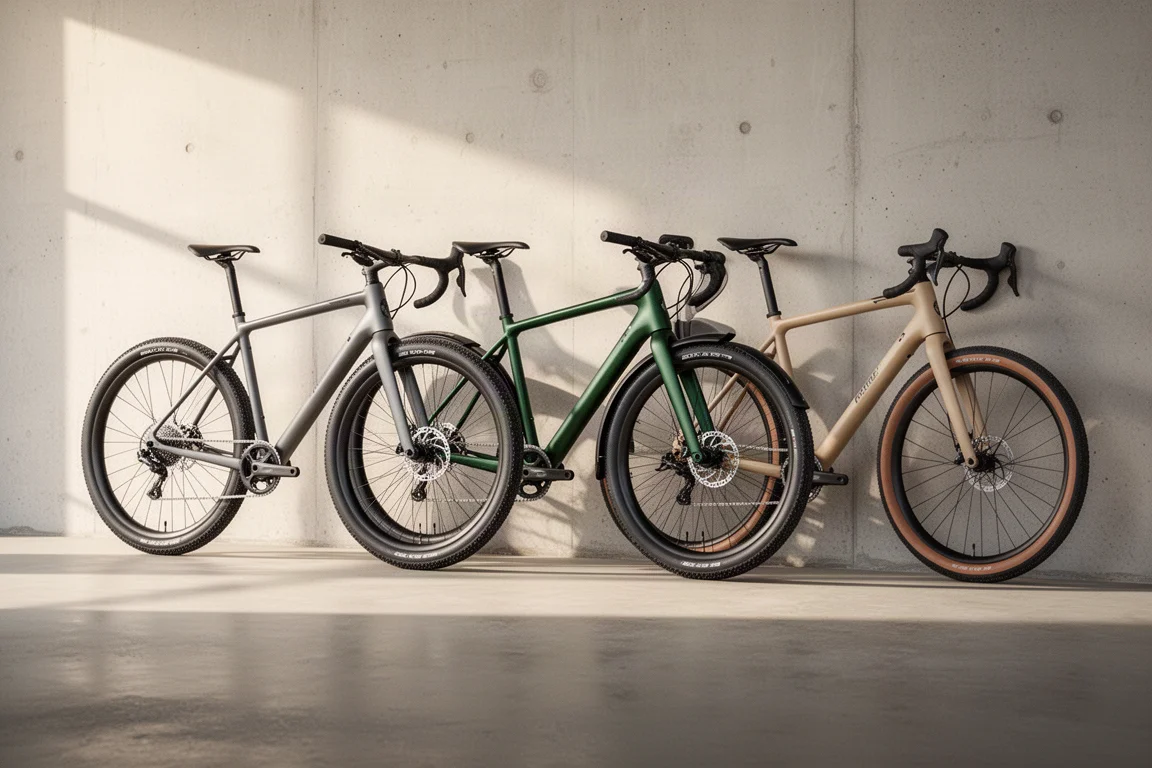
A practical look at six all-road and endurance road bikes, from lightweight carbon speed machines to steel all-rounders and comfort-focused mile eaters.
Cycling
Best All-Road Bikes 2026: 8 Endurance Bikes for Road and Light Gravel
Eight all-road bikes that blur the line between endurance road and light gravel, compared on tire clearance, ride character, practicality, and value.