Home & Kitchen
Best Water Bottles: Our Top Picks in Plastic, Stainless Steel, and Glass
We tested 12 water bottles from 20 to 34 ounces and picked the best option in each material: the Yeti Rambler, Yeti Yonder, and LifeFactory glass bottle.
Introduction
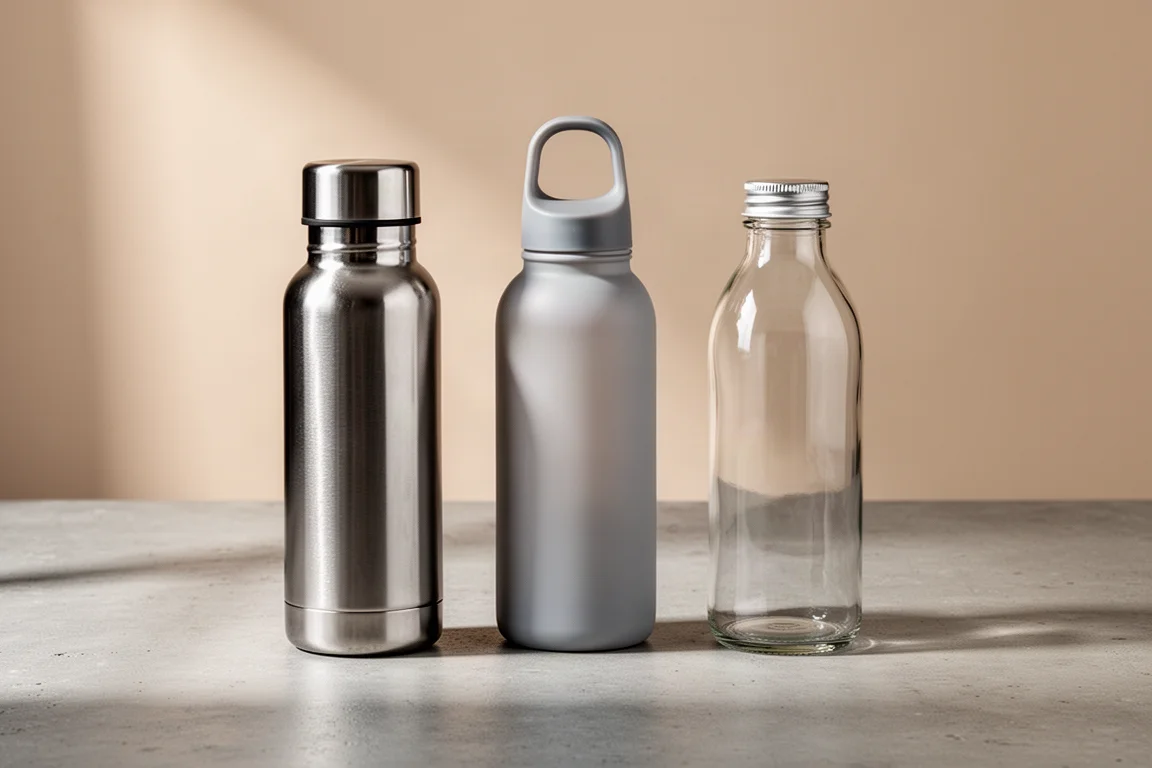
The humble water bottle has come a long way from the round metal canteen with a canvas strap many of us grew up with. Today the market is packed with options in every material, size, and price bracket, some of them stylish enough to double as a status symbol. To cut through the noise, we tested 12 water bottles with capacities ranging from 20 to 34 ounces and prices from about $13 to around $45. This guide sums up what we learned and names the bottle we would buy in each material.
How the Materials Compare
Plastic bottles are the lightweight choice. On average, a full plastic bottle weighed close to half a pound less than comparable stainless steel or glass models, which makes a real difference on a long hike. The trade-offs: plastic tends to collect condensation, so bottles can get drippy and slippery, and it does not keep water super cold all day long.
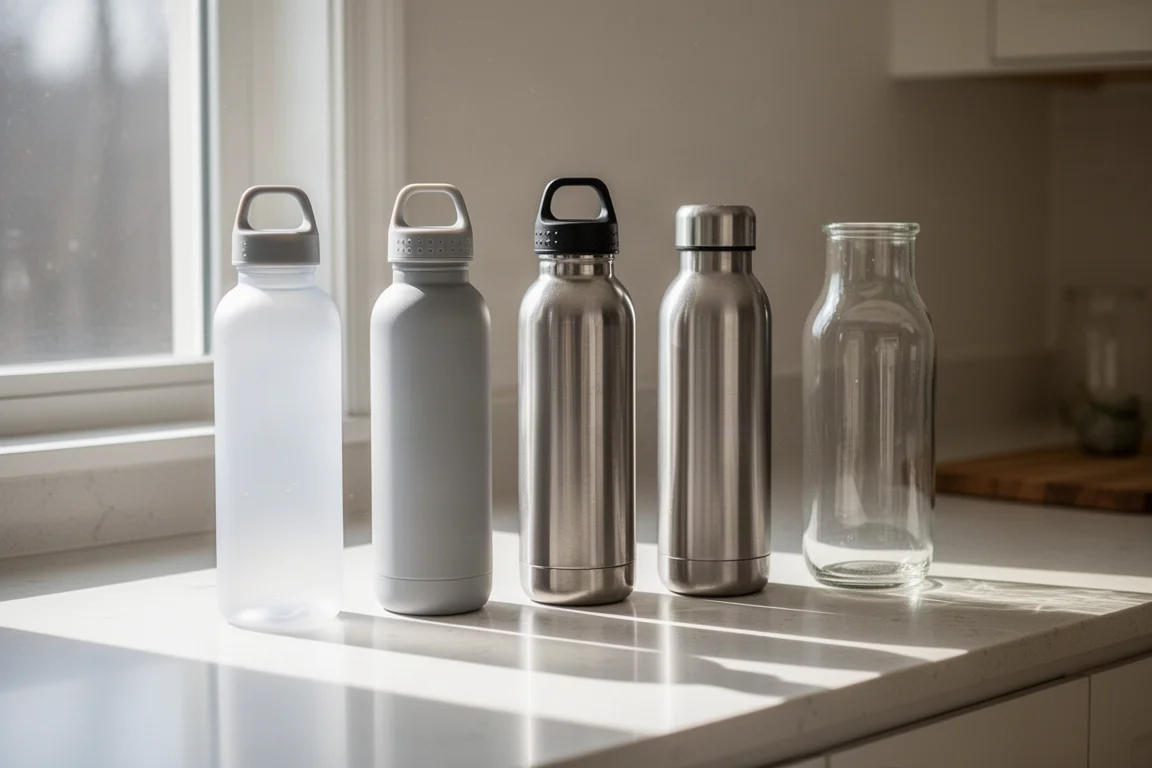
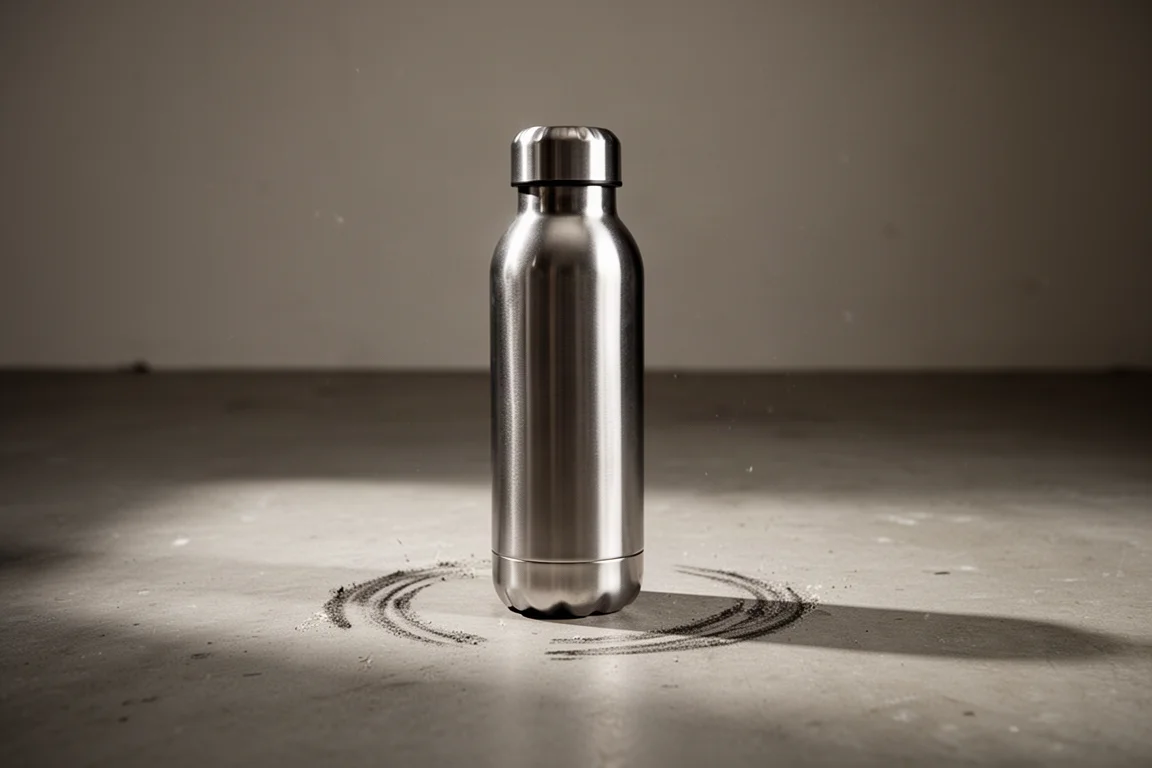
Stainless steel models did the best job of keeping water cool for more than eight hours when double walled, and they are very durable. They are heavier, though, coming in at close to three pounds when filled with water.
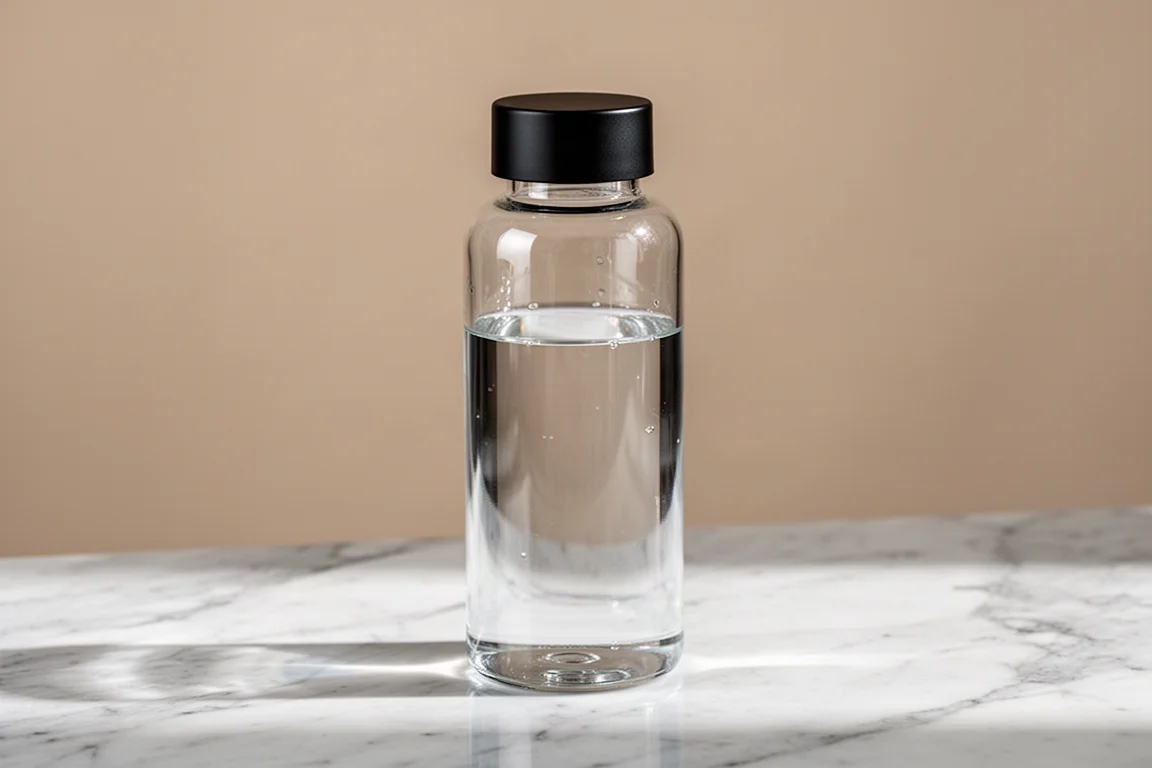
Glass bottles most closely mimic the experience of drinking out of a regular drinking glass. They did not keep water cool all day, they collected some condensation, and durability is a genuine concern if you drop one. Each material has clear pros and cons, so the right choice depends on how you plan to use the bottle.
Mouth Width Matters
Testers appreciated bottles with a fairly wide mouth of two and a quarter inches or bigger. A wide opening makes it easier to fill the bottle and to slip in a bottle brush for cleaning.
Opinions were more divided on drinking from a wide-mouth bottle. Some testers loved the free-flowing feel, especially on the trail, while others found it too easy to dribble. If you are clumsy with a wide opening, look for a model with an optional narrower spout.
Caps, Mouthpieces, and Drinking Comfort
Most bottle designs earned a thumbs up from testers, but one design was universally disliked: the bite valve. You flip it open and have to bite down on it to get water out. Testers found it uncomfortable, water would get trapped inside, and it was hard to clean out, not to mention awkward to use.
Built-in flip-open straws were comfortable to drink from but were not always easy to clean. The standout cap design was the chug cap, which testers loved. It has two openings: a large one for fast chugging and a smaller one for a more controlled sip.
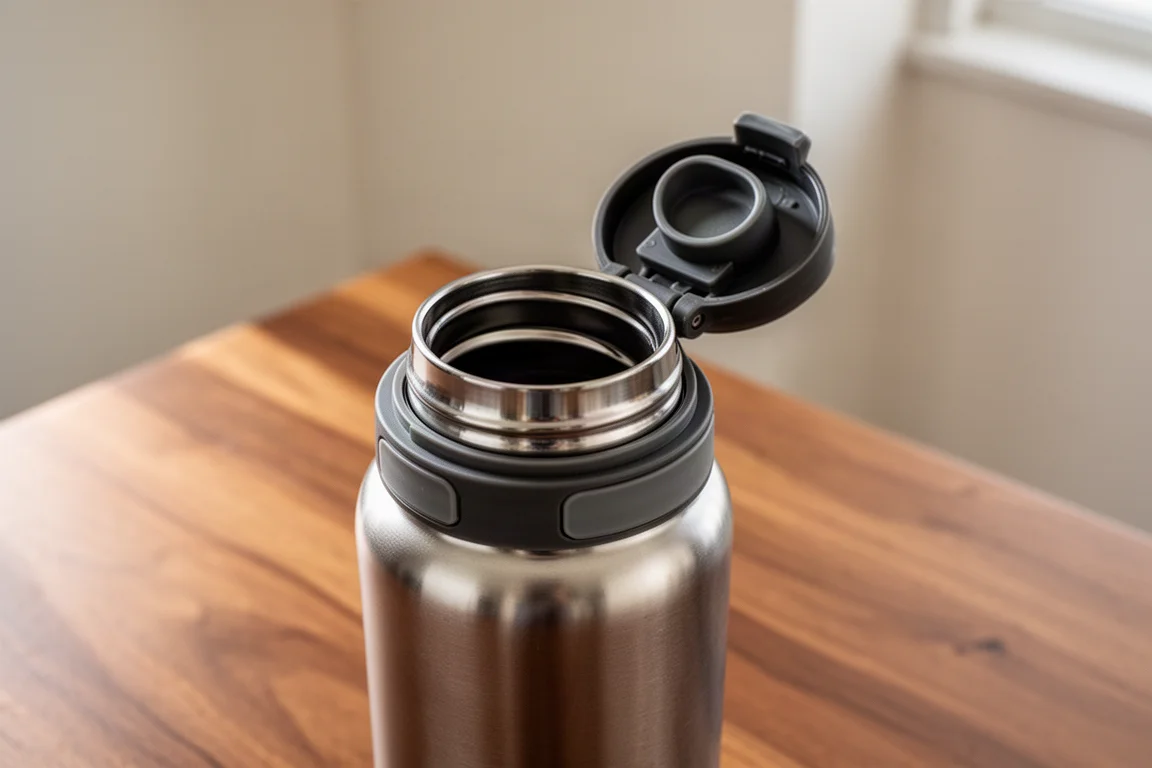
Cleanability matters more than it might seem. Bacteria can build up in the small parts of lids and valves, so simpler caps with fewer crevices are easier to keep hygienic.
Handles, Carrying, and Leak Resistance
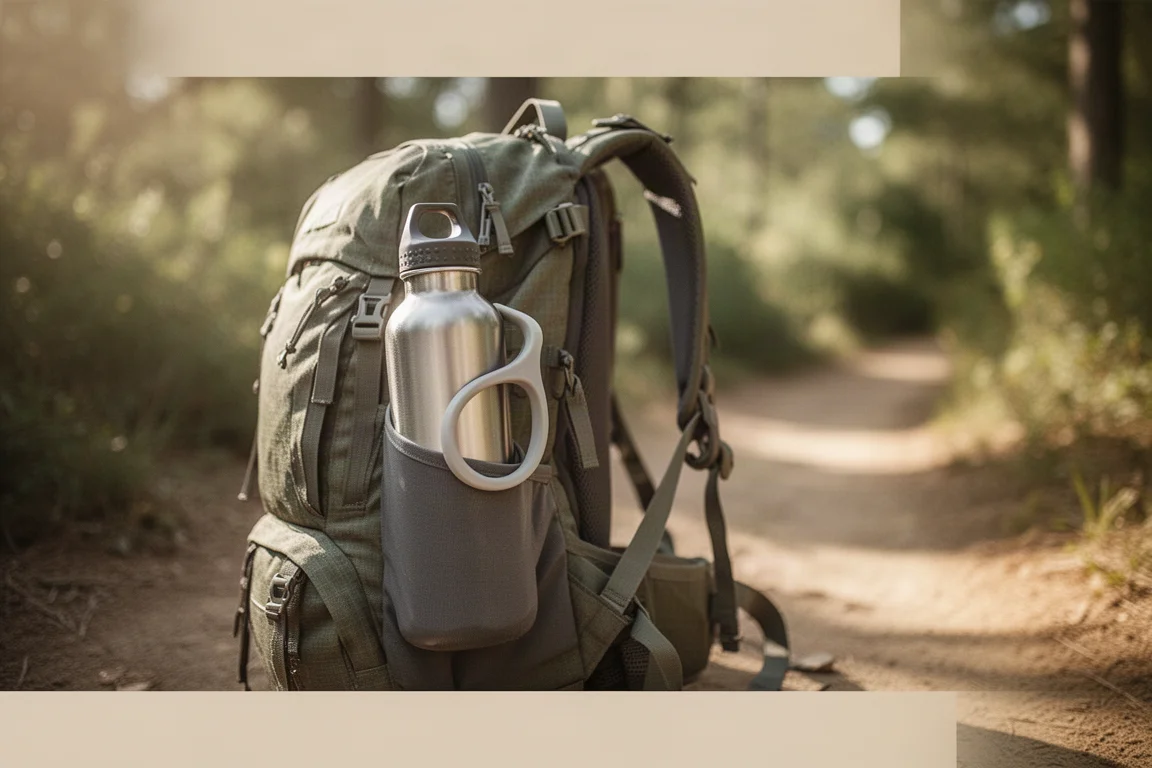
Since you tote these bottles around all day, carrying options matter. Testers favored bigger handles, loop designs, and squared-off handles that are easy to clip to a backpack or grip with your fingers.
Leakage is the kiss of death for any bottle, especially one riding in a backpack. Make sure whatever you buy seals reliably before you trust it with your gear.
Durability Testing
We dropped the bottles from a kitchen counter, about three feet onto a kitchen floor, and from six feet onto concrete. Most bottles survived just fine. Some of the glass bottles, however, cracked and some shattered. If you are prone to dropping things, stainless steel or plastic is the safer bet.
Our Top Picks by Material
Because each material has distinct strengths and weaknesses, we recommend one bottle in each category.
For stainless steel, the pick is the Yeti Rambler at $40. It pairs the insulation and durability advantages of double-walled steel with a cap design testers genuinely enjoyed using.

For plastic, we recommend the Yeti Yonder at $28. It captures the lightweight advantage that makes plastic appealing for hikes and everyday carry while avoiding the worst of the category’s drawbacks.
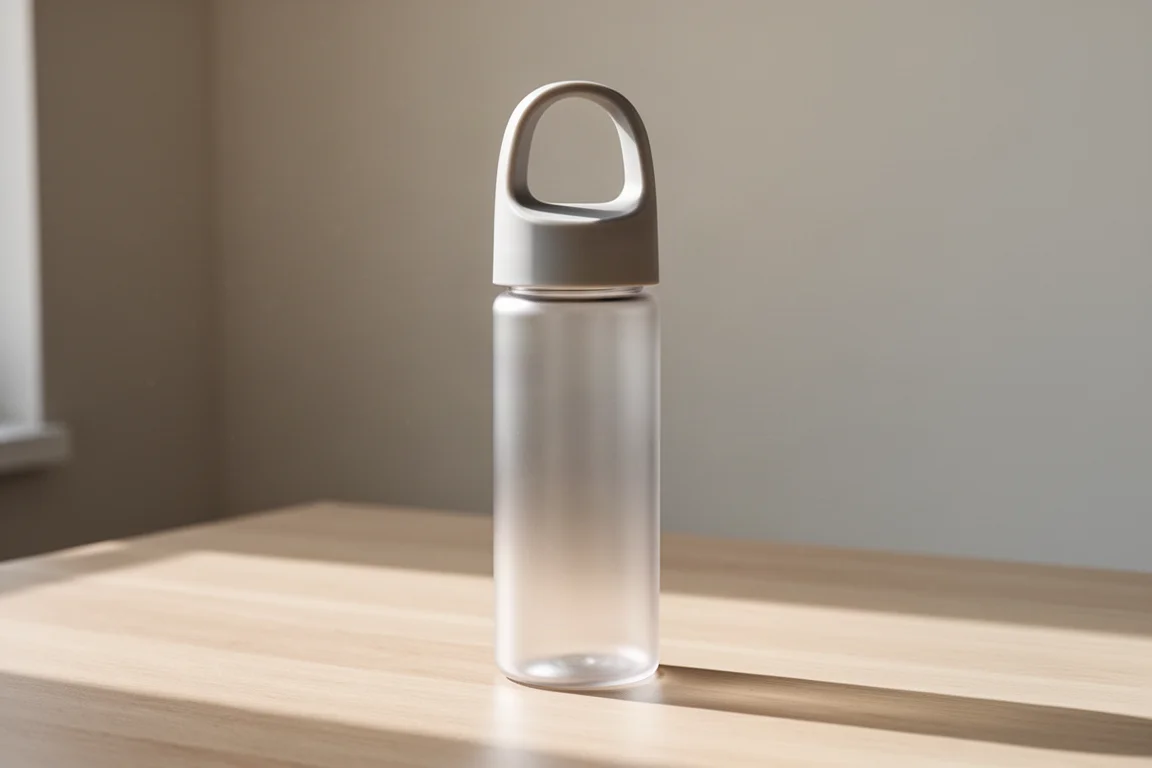
If your heart is set on glass, the LifeFactory glass water bottle with a classic cap at $23 is the pick. It delivers the clean drinking-glass feel testers liked, and the classic cap avoids the fussy valve designs nobody enjoyed.
Conclusion
There is no single best water bottle, only the best bottle for how you use it. Choose the Yeti Yonder if lightweight portability matters most, the Yeti Rambler if you want cold water and rugged durability, and the LifeFactory glass bottle if you prefer the clean taste and feel of drinking from glass. Any of the three is a dependable upgrade over whatever is rolling around in the back of your cupboard.
Further reading
Related Reviews
Home & Kitchen
Best Non-Toxic Coffee Mugs: Four Safe Options for Daily Use
A practical guide to four non-toxic coffee mug options, each with distinct benefits for health-conscious drinkers seeking durability and comfort.
Home & Kitchen
Expensive Home Upgrades That Are Actually Worth It: 5 Picks We'd Buy Again
From a rubber cutting board to shallow drawer storage, five premium-priced household upgrades that earn their cost through daily use.
Home & Kitchen
Best Water Filter Pitchers and Countertop Systems: 12 Options Tested Side by Side
Twelve water filter pitchers, countertop systems, and a distiller compared on copper, chlorine, and fluoride removal, filtration speed, and build quality.