Spotting Scopes
Best Vortex Spotting Scopes for Birding: Diamondback HD, Viper HD, Razor HD and Razor HD Compact Compared
A practical comparison of four Vortex spotting scopes, from the value-focused Diamondback HD to the lightweight Razor HD Compact, covering the glass, weight and magnification trade-offs that matter before you buy.
Introduction
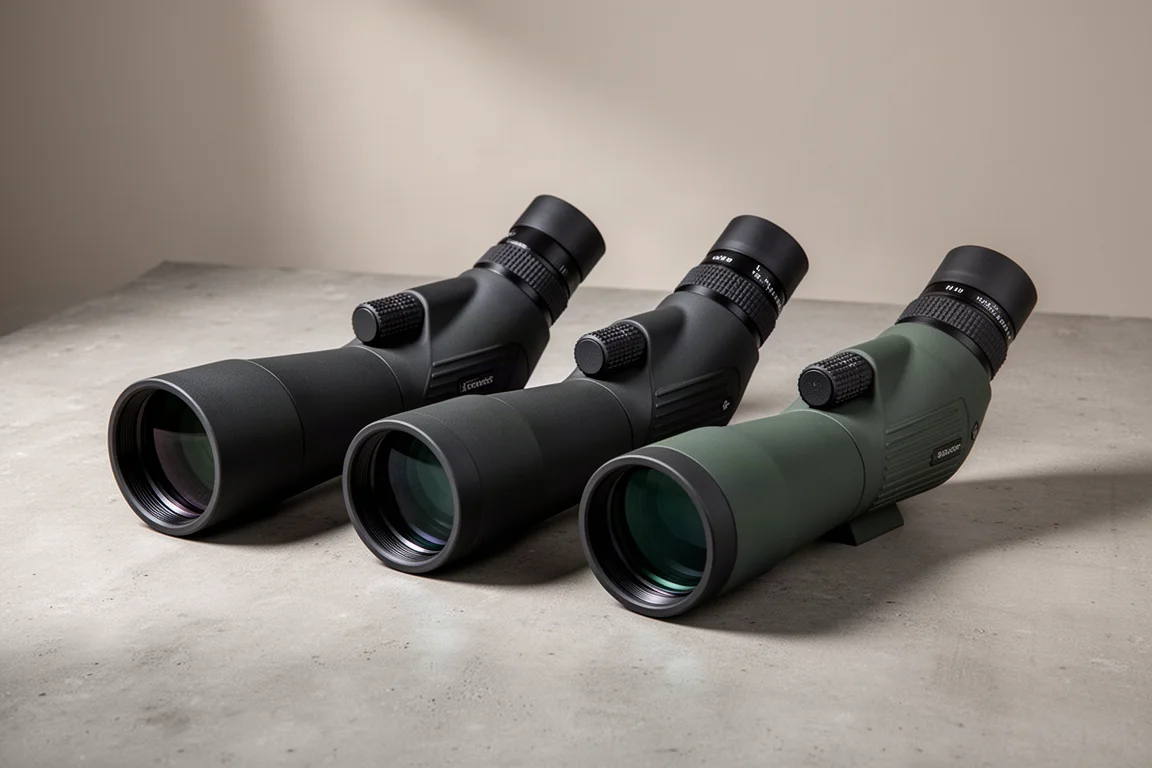
A spotting scope is one of those purchases where the gap between a good view and a frustrating one comes down to a handful of decisions: how much magnification you need, how large an objective lens you are willing to carry, and how much you want to spend on glass. Vortex builds a clear ladder here, and each step up buys better optics rather than more features.
This guide covers four models, from the entry full-size Diamondback HD through the Viper HD and Razor HD to the new lightweight Razor HD Compact. Each one solves a slightly different problem, and knowing which problem is yours makes the choice straightforward.
Spotting Scope Basics: What Actually Matters
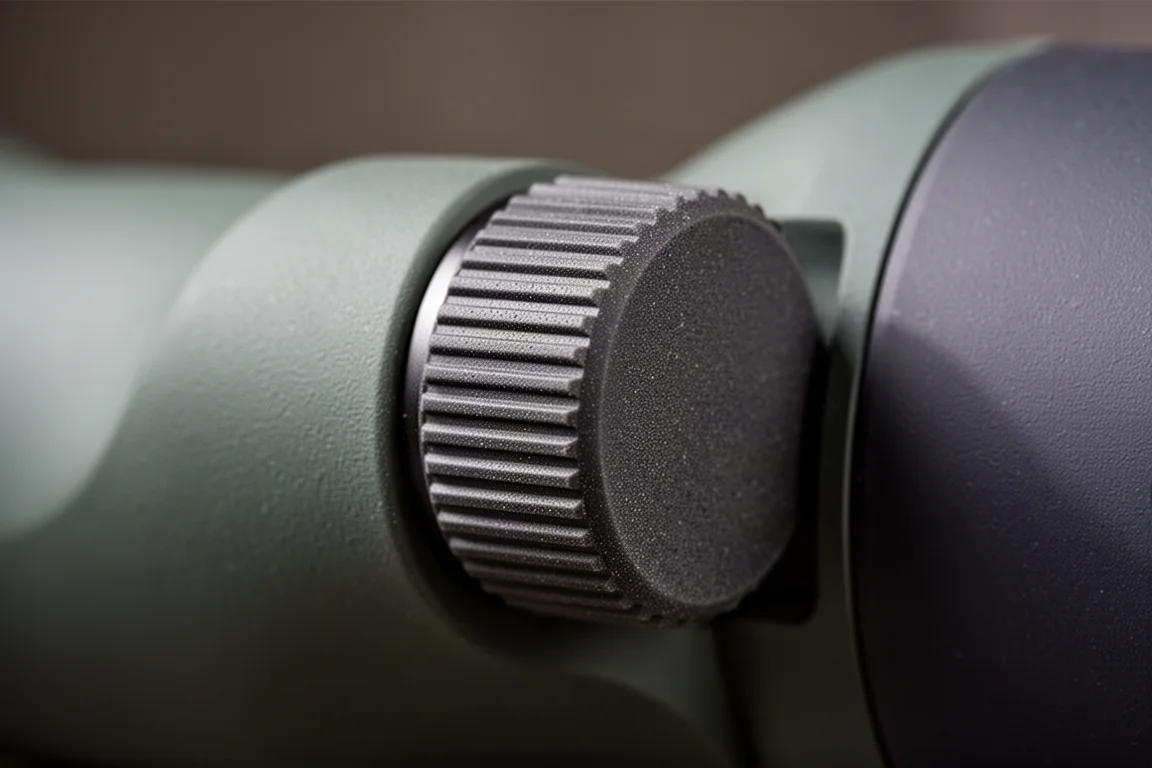
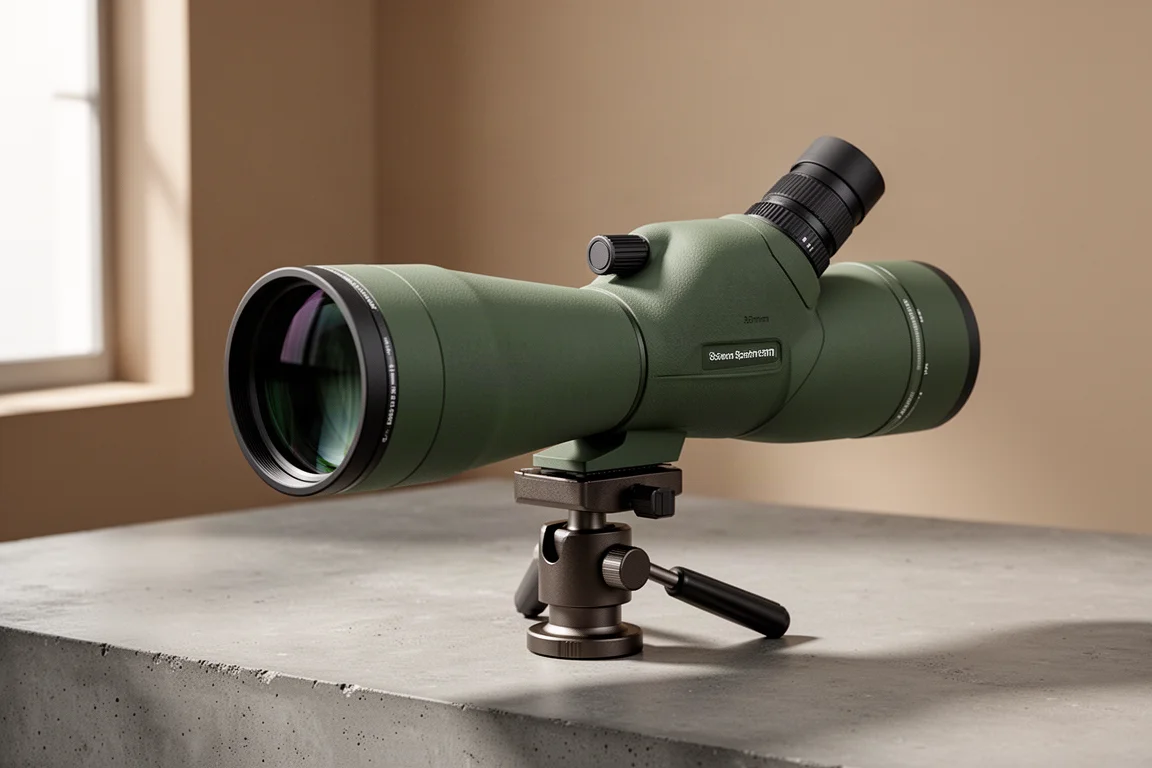
Every spotting scope shares the same core parts. The focus wheel adjusts for distance to your subject. Magnification is usually variable, so you can zoom out for a wide view and then dial in on a single bird. The eyepiece sets eye relief, which is simply the distance between the lens and your pupil. The objective lens is the large lens at the front, and its diameter in millimetres is the second number in a scope’s specification.
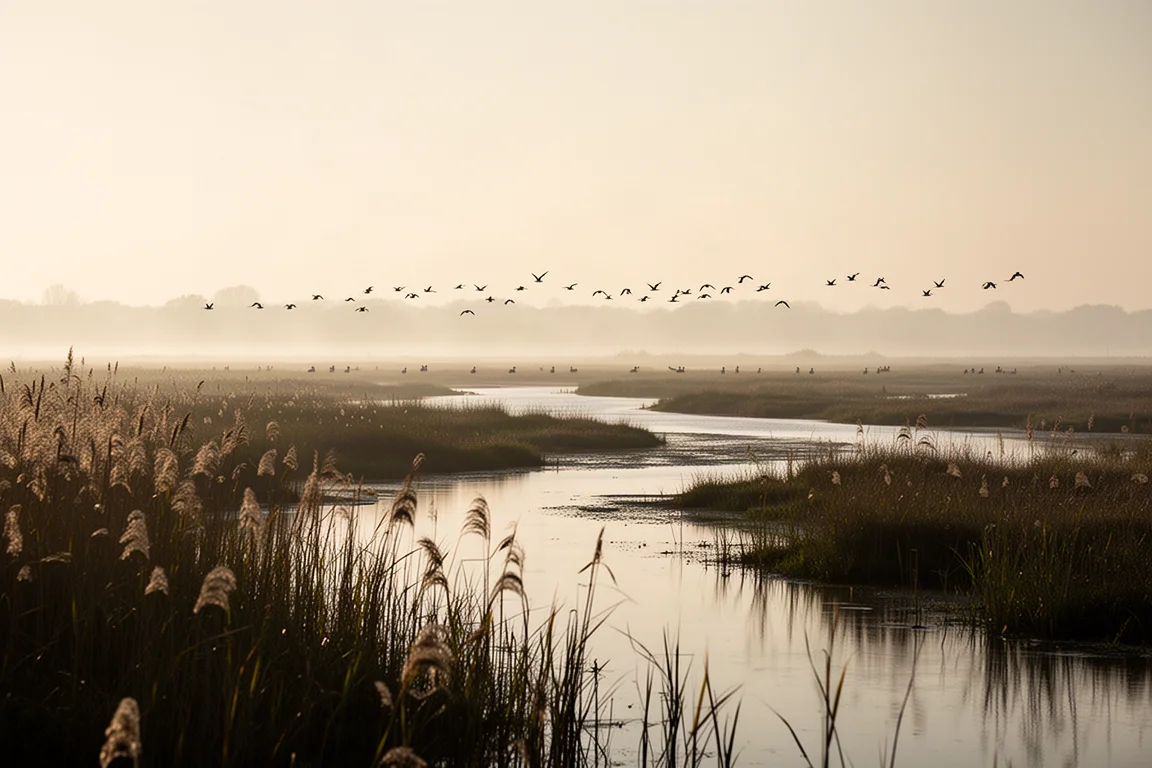
Two glass details are worth checking before anything else. HD glass is coated in a way that reduces colour fringing, the faint halo that appears around high-contrast subjects on lower-end optics. Multi-coated glass lets more light through, which keeps the image cleaner when conditions are dim. Inside the body, a prism bends the light so the image arrives the right way up, something every scope needs.
Angled or straight is the other major decision. An angled eyepiece sits lower on a tripod, which makes it easier for several people to lean in one after another, and it is less exposed to wind. The trade-off is that you have to train yourself to look down while pointing the scope forward, which takes a little muscle memory. Straight scopes are more intuitive to aim but need to sit higher.
Objective lens size drives everything else. A larger lens gathers more light and gives a wider field of view, but it adds weight. A smaller lens is dimmer and narrower, yet far easier to carry. That single trade-off explains most of the differences between the four scopes below.
Best Value: Vortex Diamondback HD
The Diamondback HD is the most affordable full-size scope in the range, with a 20 to 60 times magnification range and an 85mm objective lens, priced at roughly $500 to $600. It uses HD glass and multi-coated lenses, and it ships with a sun shade and lens caps.
As a first serious scope it covers the fundamentals well. The 85mm objective delivers a bright image and a generous field of view, which matters when you are scanning a whole flock rather than studying one bird.
Best All-Rounder: Vortex Viper HD
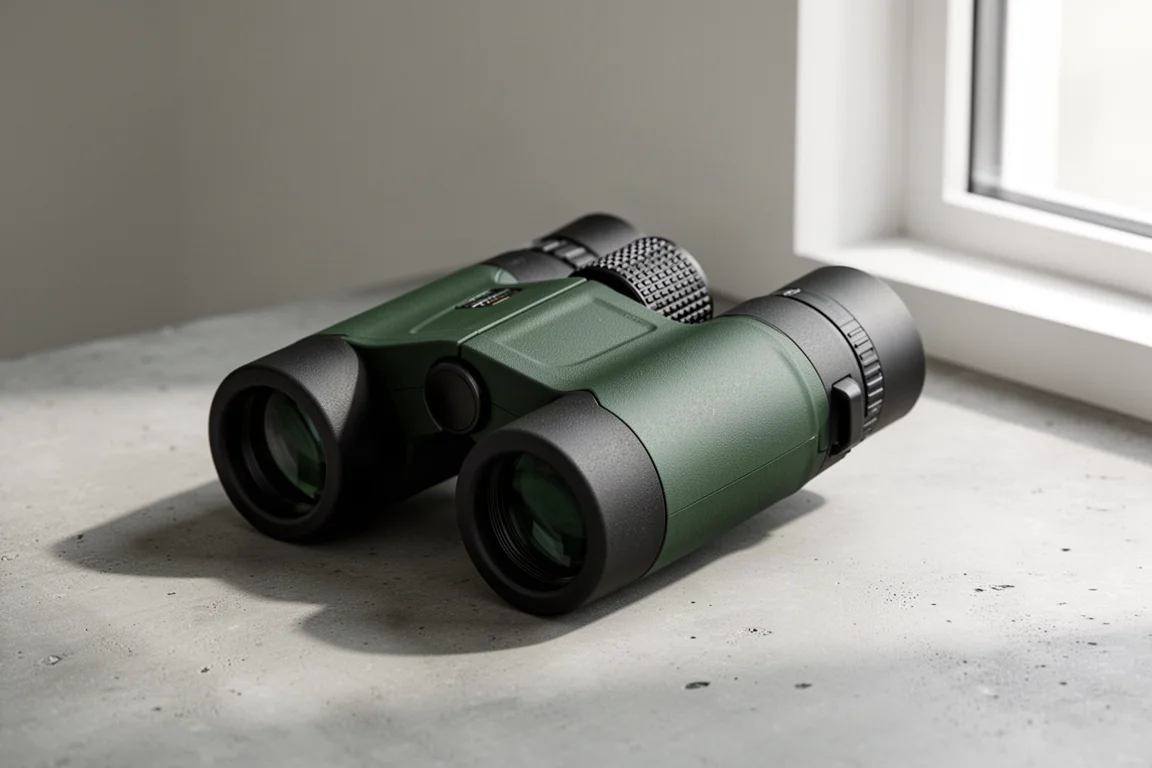
The Viper HD steps the glass up a level. It uses denser glass that transmits light more purely, so less brightness is lost through the optical path and colour looks more faithful to what you are actually viewing. The headline addition is extra-low dispersion glass, which targets chromatic aberration and tightens up colour fringing.
It comes in the same 20 to 60 by 85 full-size configuration, and also in a 15 to 45 by 65 version that is lighter, more compact and easier to travel with, at the cost of some light and field of view. Expect around $900 to $1,350 for the 85mm version and around $700 to $1,000 for the 65mm.
If the scope will live on a tripod at a favourite observation point, the larger objective is the better long-term choice, since the extra light and wider view come in handy constantly. If it needs to fit in a suitcase, the 65mm version gives up surprisingly little.
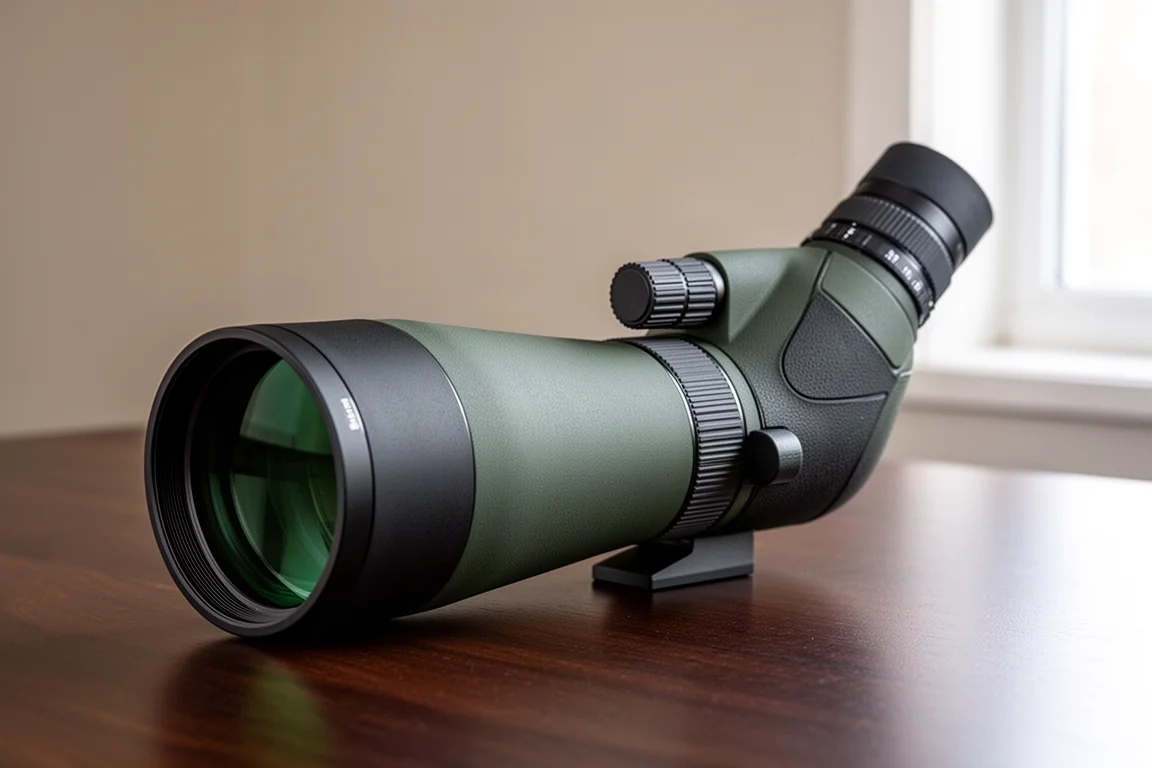
Best Clarity: Vortex Razor HD
The Razor HD sits at the top of the lineup. Its apochromatic triplet lens is the most aggressive colour-correction design here, and the scope is built for edge-to-edge clarity, so the outer edges of the image stay sharp instead of softening.
The full-size version runs a 27 to 60 by 85 configuration, which starts at a slightly higher minimum magnification than the other full-size models. Brightness holds up better at maximum zoom than on the more affordable scopes, and that is the main reason to pay more.
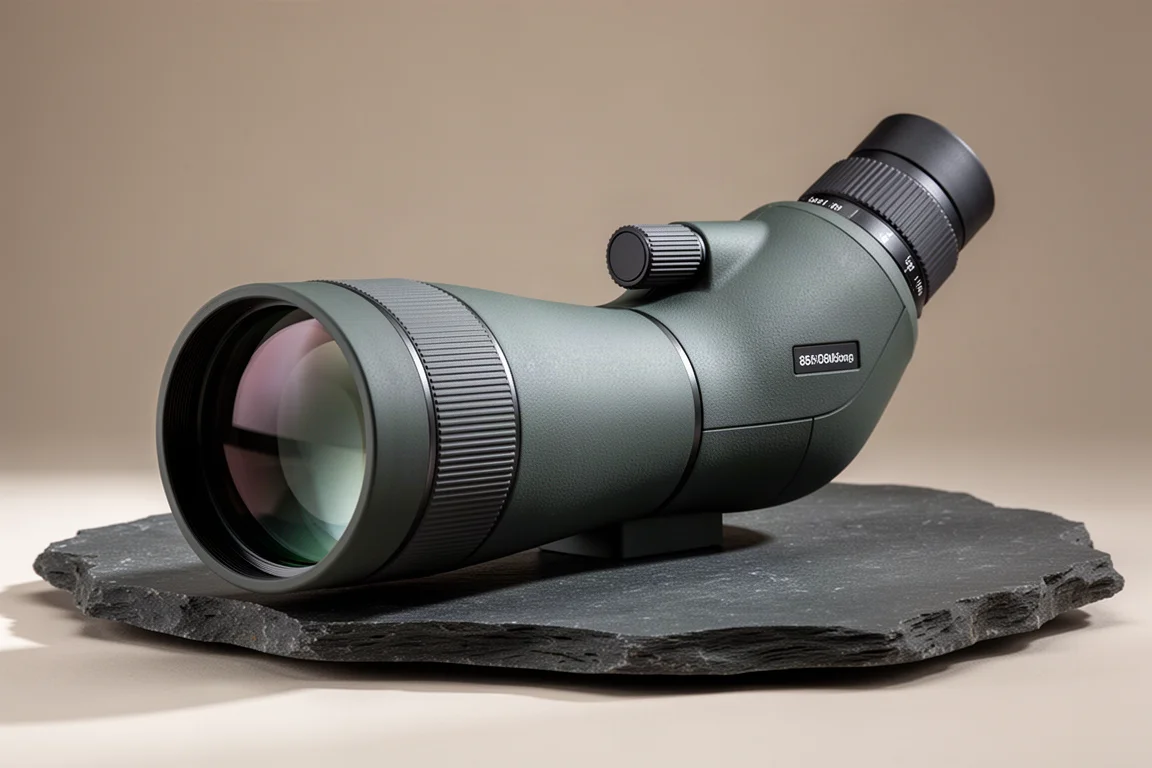
Best for Travel: Vortex Razor HD Compact
The Razor HD Compact is the newest and smallest model, built as a 13 to 39 by 56 scope. It weighs under two pounds on its own, and paired with a carbon fibre tripod the entire setup comes to roughly four and a half pounds. It uses the same glass quality as the full-size Razor HD.
The lower maximum magnification is not purely a limitation. Viewing at 39 times rather than 60 times generally means better resolution and more light, which is why the image stays crisp and bright instead of dimming as you zoom in. The compact body does give up some light gathering and field of view, and it is light enough that a gust of wind can move it, so hanging a backpack from the tripod hook is a worthwhile habit.

For anyone walking several miles to a birding site, the weight saving is the whole point. It is a scope you will actually carry rather than leave at home.
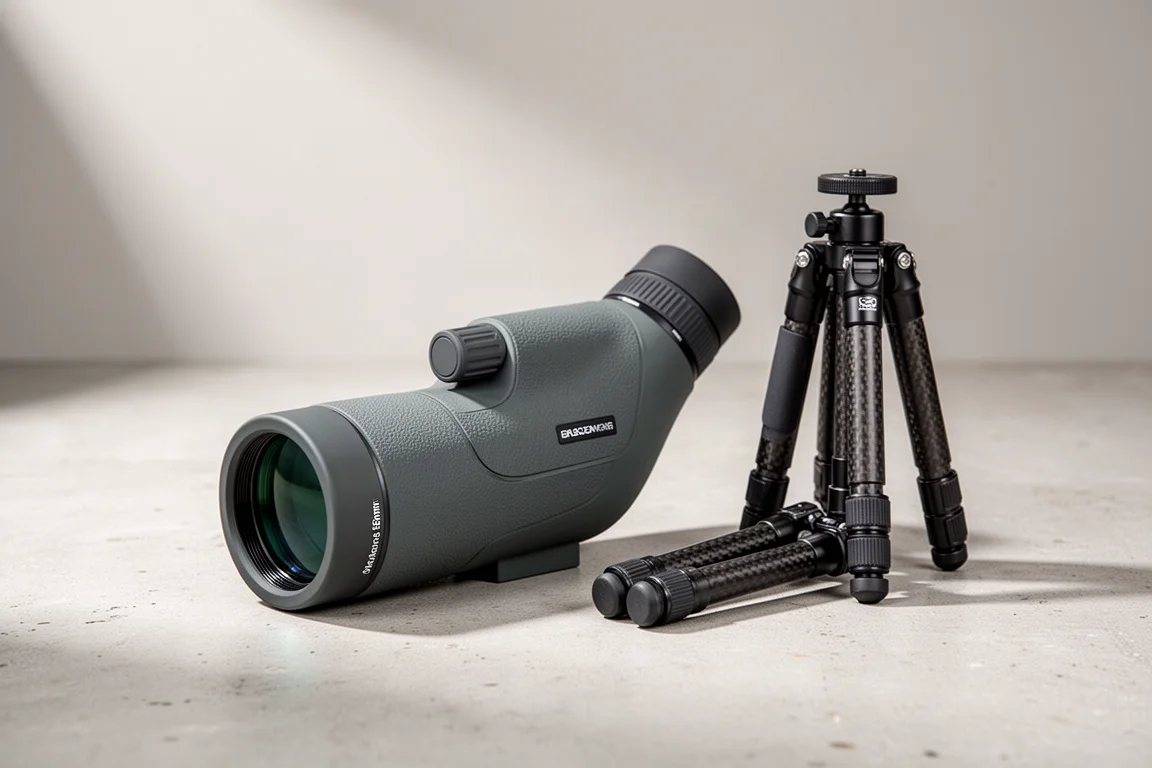
How the Vortex Lineup Compares
Read the four scopes as a single ladder. The Diamondback HD gives you full-size viewing at the lowest price. The Viper HD buys cleaner colour and better light transmission. The Razor HD buys the sharpest, most consistent image across the frame. The Razor HD Compact trades magnification and light for a body you can carry all day.
Objective size follows the same logic. The 85mm models are the ones to choose if the scope stays in one place. The 65mm Viper and the 56mm Compact exist for people who move between sites.
Buying Advice
Match the scope to how you will actually use it. If you observe from a fixed spot, a full-size 85mm body gives you the brightest, widest view, and the Diamondback HD is a sensible entry point. If you want noticeably better colour and clarity, the Viper HD is the middle step, and the Razor HD is the one to pick when image quality is the priority.
If you hike or fly with your scope, weight matters more than maximum magnification, and the Razor HD Compact is the model built around that. The Viper HD in its 65mm version sits between the two approaches, offering more light than the compact without the bulk of a full-size body.
One factor applies to all four. Vortex backs its optics with a lifetime warranty, and repairs do not require a receipt or proof of purchase. Buy once, use it for decades, and send it in if something goes wrong. That changes the value calculation on the more expensive models considerably.
Conclusion
There is no single best scope here, only the best fit. Choose the Diamondback HD for value, the Viper HD for a balanced step up, the Razor HD for the clearest image, and the Razor HD Compact if you plan to carry it. All four share the same lifetime warranty, so the decision comes down to the view you want and the weight you are willing to carry.
Further reading
Related Reviews
Spotting Scopes
Hawke Endurance ED 85mm Spotting Scope Review: Clarity for Serious Birders
A close look at the Hawke Endurance ED 85mm spotting scope, covering its dual-dial focus system, heat shimmer control, waterproofing, and included accessories.

Backpacking Gear
Building a 10 lb Base Weight: An Ultralight Backpacking Gear List
A practical walkthrough of the ultralight pieces behind a 10 lb base weight, from a 765 g pack and a roomy one-person tent to a full camp chair and a dependable water filter.
Road Bikes
10 New Road Bikes Worth Watching: Aero, Titanium, Steel and Endurance Standouts
A practical roundup of 10 new road bikes, from aero flagships chasing single-watt gains to titanium, steel and endurance platforms built for real roads.