Vinyl and Analog Audio
Best Vinyl Playback Upgrades: Six Analog Pieces Worth Considering
A practical look at two Japanese cartridges, a step-up transformer, two phono stages and an ultrasonic record cleaning machine, with the details that matter before buying.
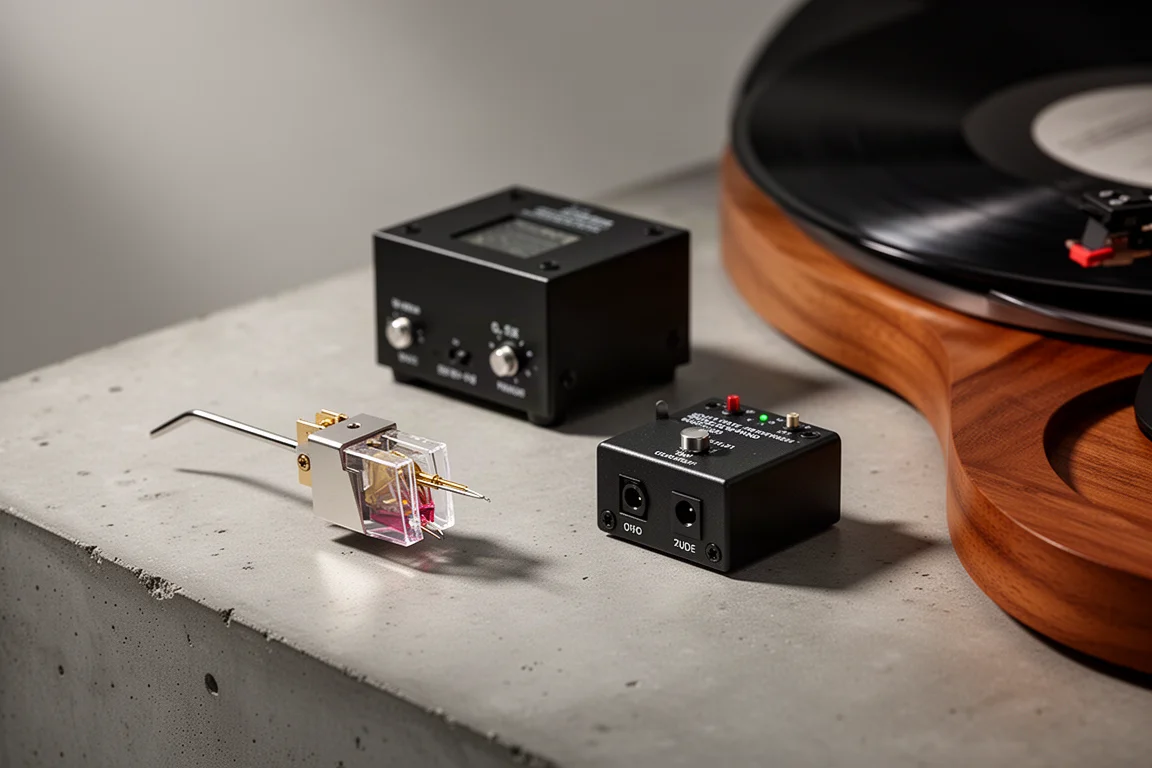
Introduction
Getting more from a record collection usually comes down to the front end of the system: the cartridge that reads the groove, the transformer that lifts a very small signal, and the phono stage that shapes it before it reaches the amplifier. Every part of that chain influences what finally comes out of the speakers, and the changes are often easier to hear than the specifications suggest.
The six pieces covered here span that chain from end to end, plus one tool that addresses the records themselves. Two are cartridges designed and built in Japan, one is a step-up transformer intended to work with more than a single brand of cartridge, two are phono stages built around very different design philosophies, and one is an ultrasonic record cleaning machine.
Each entry below focuses on what the product actually does, how it is put together, and where its limits sit, so the choice comes down to system matching rather than marketing.
What Matters Most in an Analog Setup
Three things tend to decide whether an analog upgrade pays off.
The first is gain structure. A low output moving coil cartridge produces a very small signal, and how that signal is amplified matters. A dedicated moving coil input is one route; a step-up transformer feeding a moving magnet input is another. The two approaches can sound different enough that the transformer becomes part of the purchase decision rather than an afterthought.
The second is the mechanical side of the cartridge. A boron cantilever or a line contact diamond profile is not decoration. Those choices affect tracking stability and how much fine detail survives the trip from groove to output. Tracking force matters too, because a lighter requirement is usually easier on records.

The third is long term ownership. A user replaceable stylus means the cartridge body can stay in place when the tip wears out, which is rare among high end designs. Sensible tracking forces, quiet phono stages and straightforward setup all contribute to how much a system actually gets used.
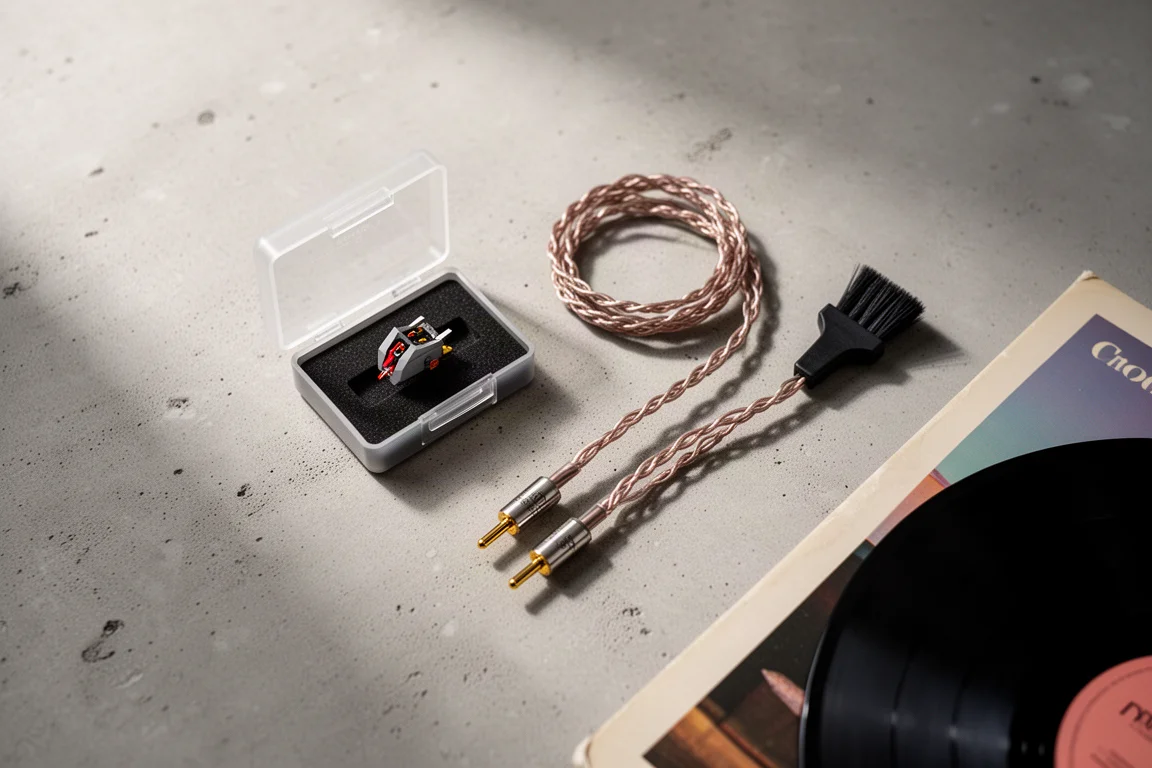
Nagaoka MP700: A Flagship Moving Permalloy Cartridge
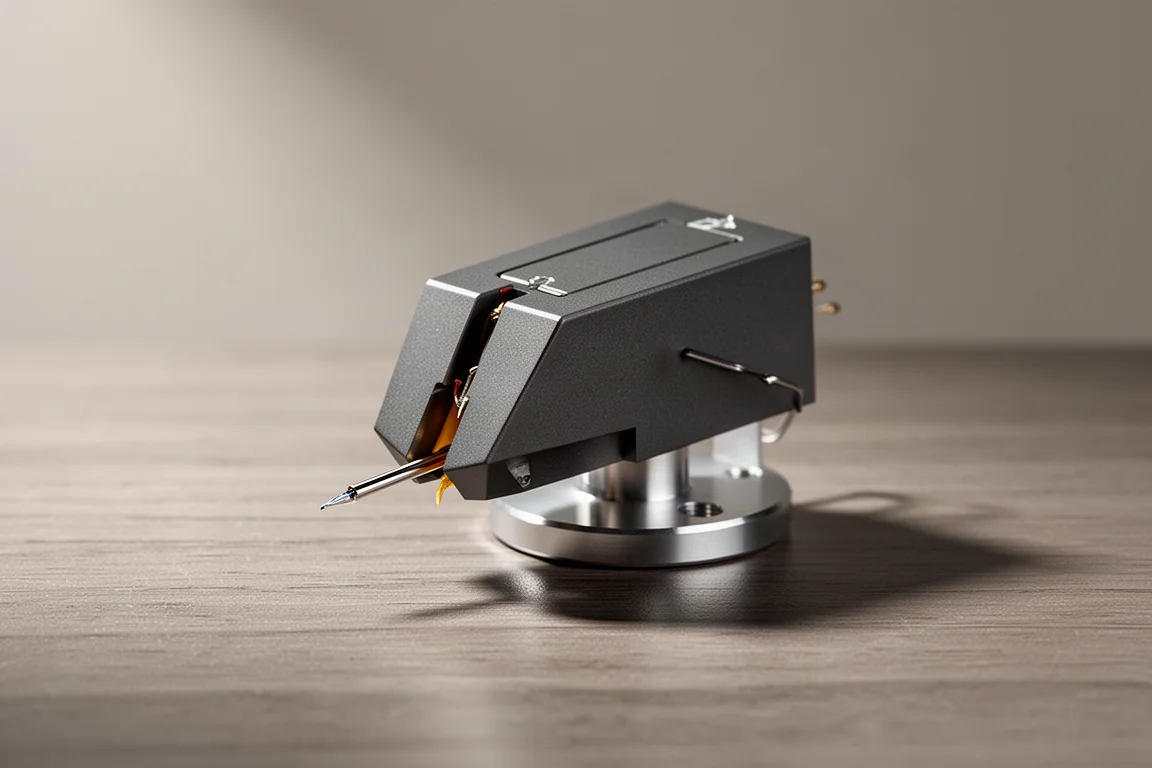
The MP700 is Nagaoka’s flagship cartridge, and its release coincides with the company’s 85th anniversary. It is designed and manufactured in Japan. Instead of a moving coil or a conventional moving magnet generator, it uses a moving permalloy design, and in practice it is used exactly like a normal moving magnet cartridge.
Two details stand out for anyone planning to live with it. The stylus is user replaceable, which is almost never true of moving coil cartridges and means the body does not have to be retired when the tip does. The MP700 also uses a boron cantilever and a nude micro ridge stylus, asks for a low 1.4 g of tracking force, and the cartridge body weighs 8 g. Supplied pre-mounted on a Nagaoka headshell, the total rises to 28 g, which takes some of the fiddly work out of installation and alignment.
Pricing sits at $1,399 for the cartridge alone, or $1,499 pre-mounted on the headshell. A replacement stylus is $789. In listening, the MP700 delivered plenty of detail on dense, groove driven material, with solid bass and a bottom end that felt genuinely meaty. Its imaging was the standout quality: big, spacious, and dimensional enough that instruments and voices felt physically present in the room. Transient response was fast and clear, though not quite at the level of the best moving coil cartridges. With a moving magnet input there was ample gain and near total silence between tracks.
Dynavector XX2A: Low Output Moving Coil With Real Dynamics
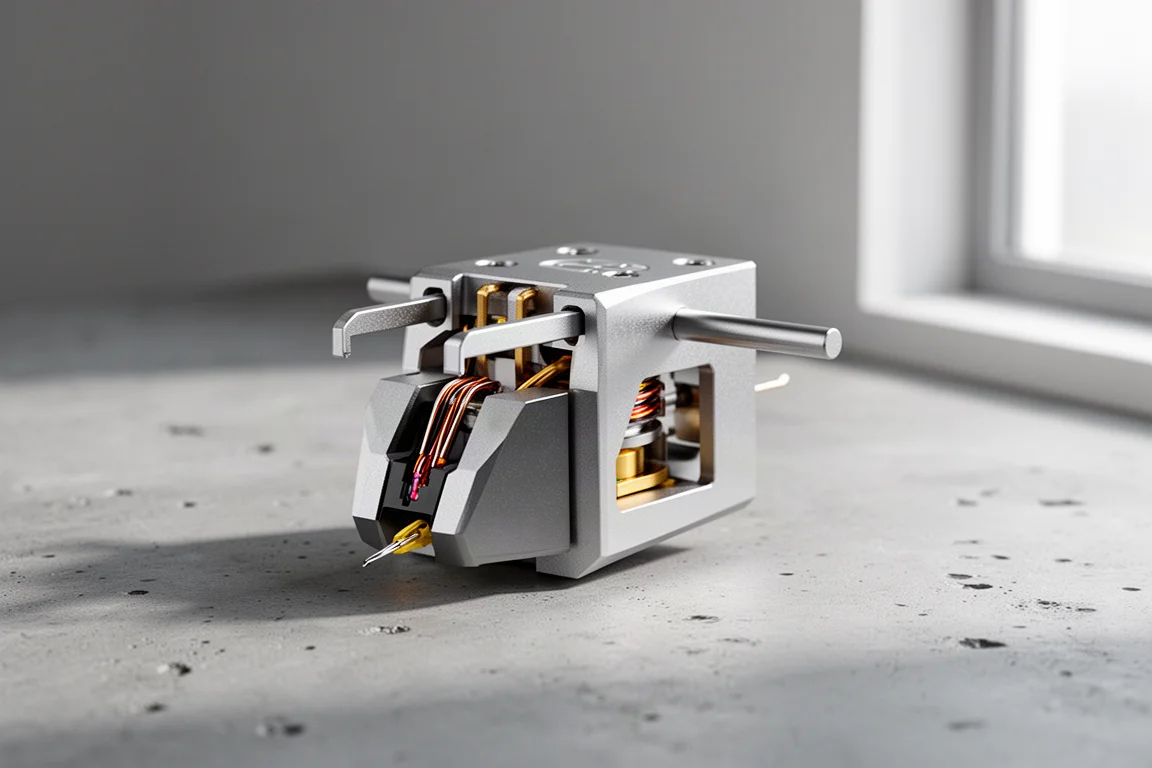
The XX2A is a low output moving coil cartridge, and it supersedes the previous XX2 Mk II. The XX series itself dates back to 1989. The design uses an Alnico magnet, a line contact diamond, and a solid boron cantilever. The body weighs 8.9 g and tracks between 1.8 and 2.2 g, with 2 g a comfortable setting. According to the manufacturer, the change from the earlier model centres on the annealing process and the magnetic circuit of the cartridge rather than a wholesale redesign.
In use, the character is lively and dynamic, with genuinely powerful swings, a strong bottom end, and a lot of inner detail and clarity. This is a cartridge aimed at listeners chasing resolution in analog, but it does not tip into sounding analytical, hard or bright when it is paired with a capable phono stage and a suitable step-up transformer.
The price is $2,250. A direct comparison against the older XX2 Mk II is worth describing carefully, because the older cartridge felt more reserved and took some energy out of the performance, with bass that seemed shelved down. That comparison was not like for like: the older unit had roughly 500 to 600 hours of use on it, while the newer cartridge had only around 30 to 40 hours, so it was still settling in.
Dynavector SUP-200: A Step-Up Transformer That Works Beyond One Brand
The SUP-200 is a step-up transformer, again designed and made in Japan. It is a small, unusually solid piece of hardware, built like a brick rather than a lightweight accessory. It is specified for cartridges with an internal impedance between 3 and 35 ohms. That is the internal impedance of the cartridge, not its loading impedance, and most cartridge makers list the figure in their specifications.
It is not restricted to Dynavector cartridges. Used with a big, musical moving coil design from another brand, it locked in immediately and played to that cartridge’s strengths rather than imposing its own character.
Fed into a moving magnet input, the SUP-200 added presence and jump factor compared with running a moving coil cartridge straight into a moving coil stage. The price is $2,650. The main limitation is simply the impedance window: a cartridge that sits outside the 3 to 35 ohm range is not the right match, so checking the specification first is essential.
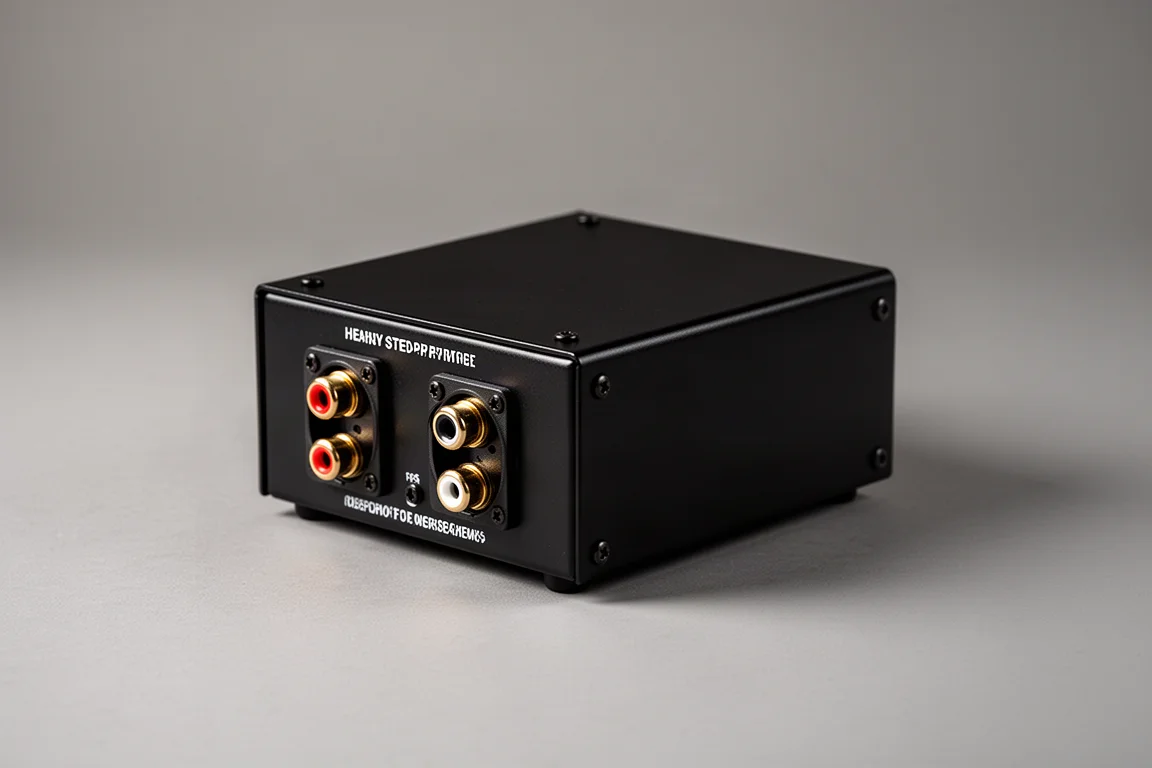
Octave Phono EQ.2: Solid State From a Tube Specialist
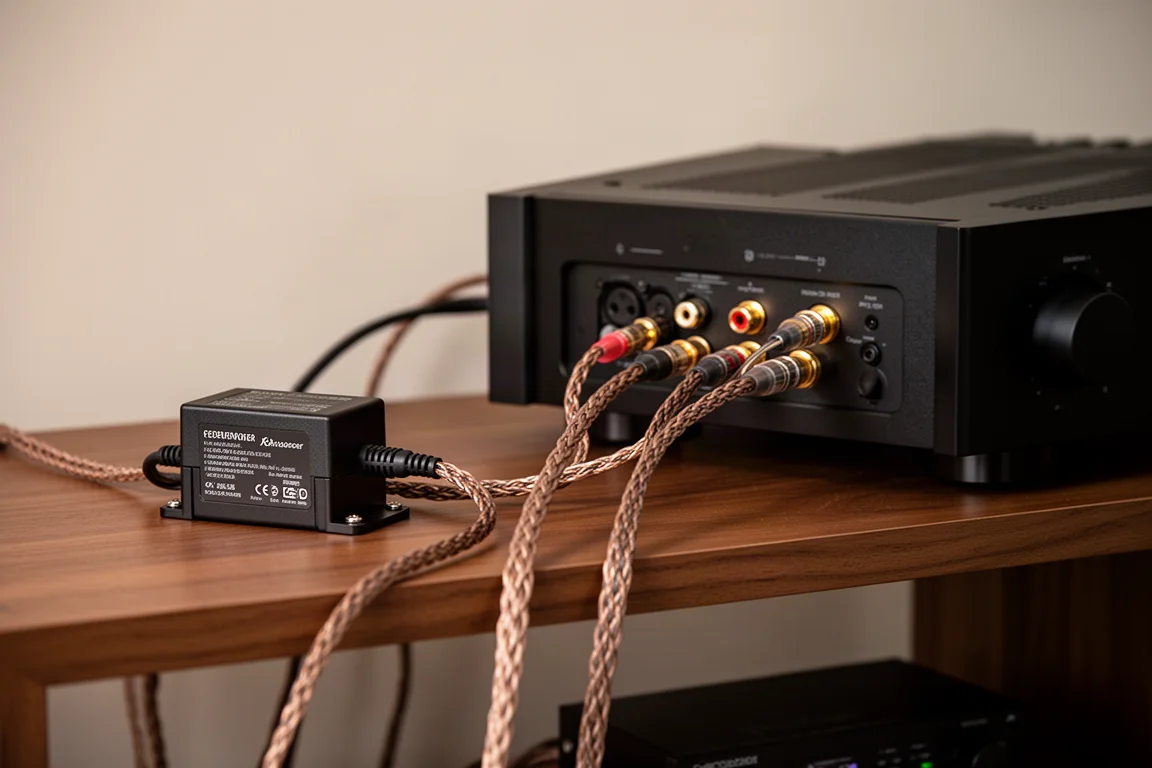
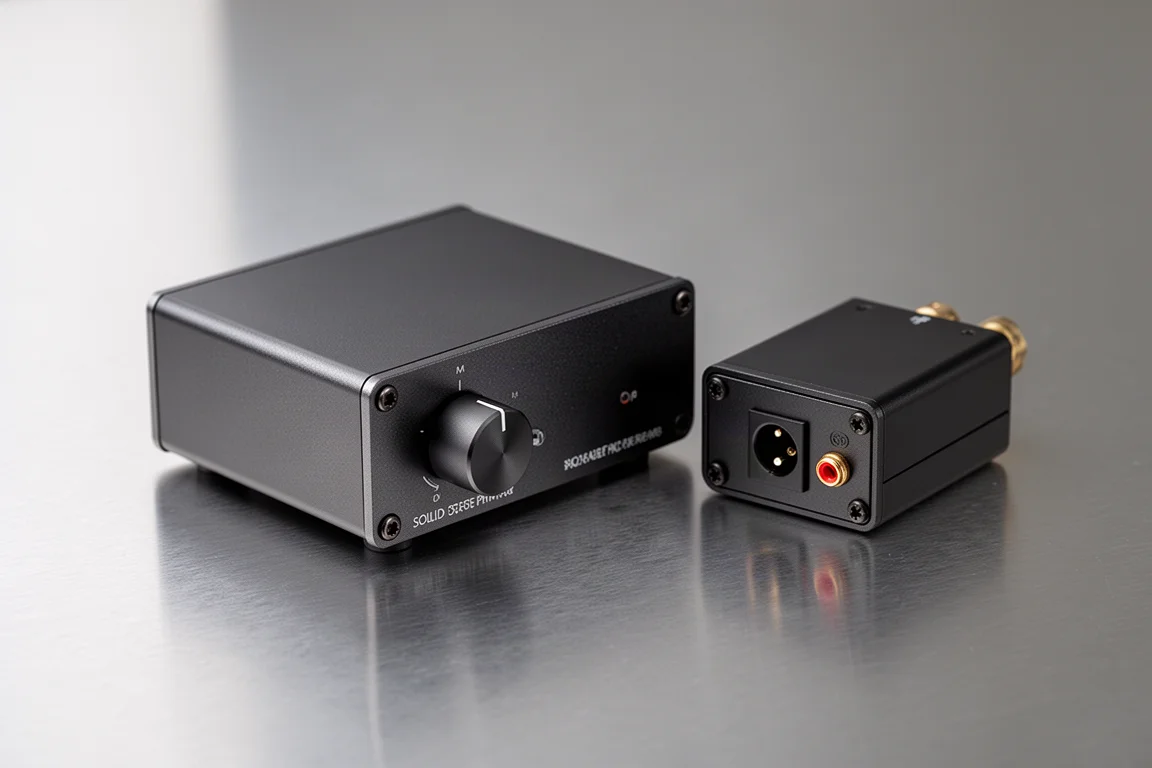
Octave is a German company generally associated with tube electronics, which makes the Phono EQ.2 something of an exception: it is a solid state design. It handles both moving magnet and moving coil cartridges, and it is remarkably small, with a separate power supply provided as a wall wart rather than built into the chassis.
The practical strengths are gain and quietness. On the moving magnet input there was plenty of gain with no strain, and with the music stopped and an ear close to the speaker, the background was dead silent. The EQ.2 also brought a noticeable sense of life and liveliness to the material, which is exactly what a phono stage should be doing when the rest of the chain is already resolving well.
Buyers expecting tubes from this brand should note the design brief: this is a compact solid state phono preamp, and the external power supply is part of the package. For listeners who want a small, quiet stage that covers both cartridge types, the trade-offs are straightforward.
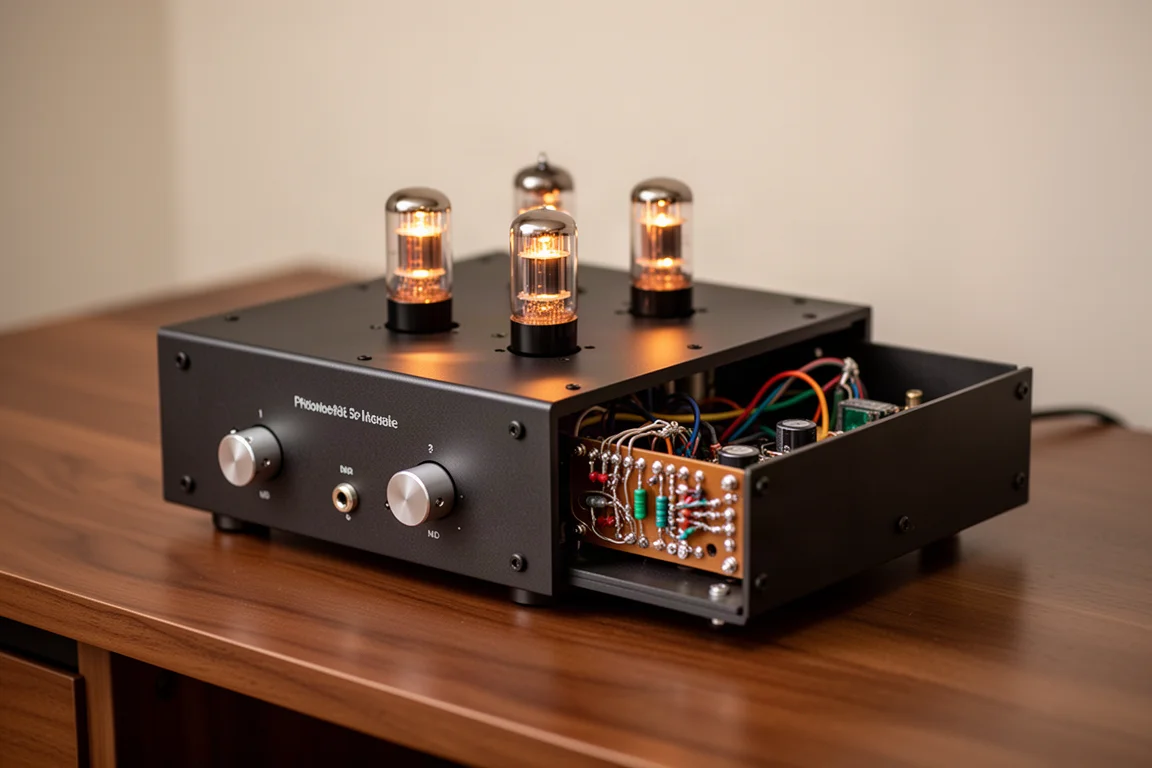
Charles Port 834P Phono Stage: An Upgraded Tube Classic
This one is a hand-built take on the 834P moving magnet tube phono stage design, assembled by Charles Port, a retired Navy electronics technician who builds them because he enjoys the work. It is essentially an upgraded 834P using better parts, and it is a moving magnet design from the ground up.
That origin matters for how it should be judged. It is not a mass produced product with a corporate supply chain behind it, and it is not aimed at moving coil cartridges without a step-up transformer in front of it. What it offers instead is a tube moving magnet stage assembled by someone who clearly knows the circuit and the components going into it.
The sound lands firmly on the musical side of the spectrum, which is the appeal of a well executed tube phono stage. For anyone with a moving magnet cartridge who wants that character without tracking down an original, it is a genuinely interesting option, provided they are comfortable with a small builder rather than a large brand.
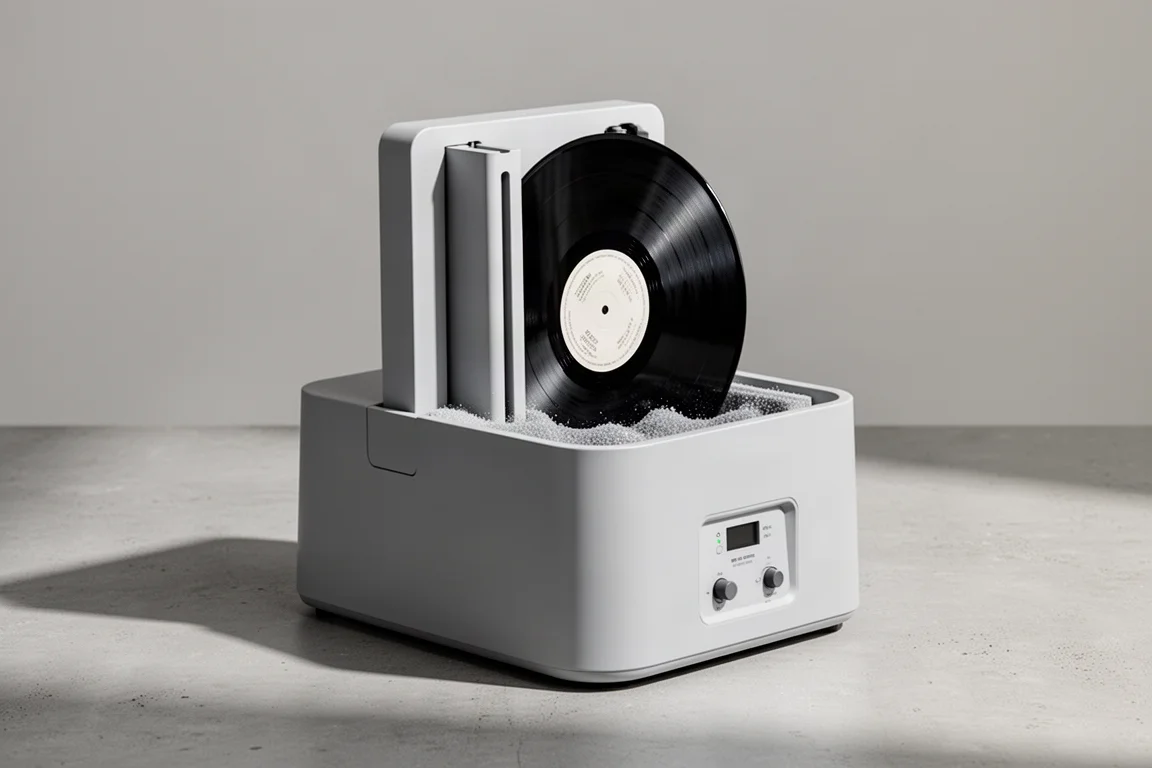
HumminGuru Ultrasonic Record Cleaning Machine: Easy, Quiet Cleaning
The HumminGuru is an ultrasonic record cleaning machine, and it is the piece in this group that has the least to do with the signal chain and the most to do with the records themselves. Record cleaning machines have a reputation for being fussy, loud and generally unpleasant to use, and that reputation is not always unfair.
This machine sidesteps most of those complaints. It is easy to use, it is fairly quiet in operation, and cleaning records on it turned out to be something to look forward to rather than a chore to postpone. That combination of low friction and low noise is what makes an ultrasonic cleaner worth owning, because a machine that is tedious to set up simply does not get used often enough to justify its place on the shelf.
Buying Advice: Matching Cartridge, Transformer, and Phono Stage
The most common mistake in analog upgrades is buying one excellent component that does not suit the rest of the chain. A low output moving coil cartridge needs either a moving coil input or a step-up transformer, and a transformer needs to sit inside the impedance window its maker specifies. Get that matching right and the rest of the system tends to reveal more of what each part can do.
Cartridge choice then comes down to priorities. A user replaceable stylus and a low tracking force make long term ownership easier, while a line contact diamond and a boron cantilever lean toward extracting more detail. Neither approach is universally better, and the right answer depends on how much listening time the system actually sees.
On the phono stage side, the split between solid state and tube is less about one being superior and more about the character and convenience each brings. A compact solid state design with an external supply is easy to place and runs quietly, while a tube stage brings a different kind of musicality and asks for a little more space and warmth in the setup. Both approaches work, and both benefit from a clean record in the first place.
Conclusion
The six pieces here represent very different ways of improving vinyl playback. The Nagaoka MP700 makes a strong case for a flagship cartridge with a replaceable stylus and a low tracking force, the Dynavector XX2A chases resolution with real dynamic punch, and the SUP-200 gives low output moving coil owners a flexible route into a moving magnet input.
The Octave Phono EQ.2 proves that a tiny solid state stage can be quiet, high in gain and full of life, while the Charles Port 834P offers a hand-built tube alternative for moving magnet listeners. The HumminGuru rounds things out by making record cleaning something an owner will actually do. Match the gain structure carefully, check the specifications before committing, and each of these can earn its place in a system.
Further reading
Related Reviews
Hi-Fi Audio
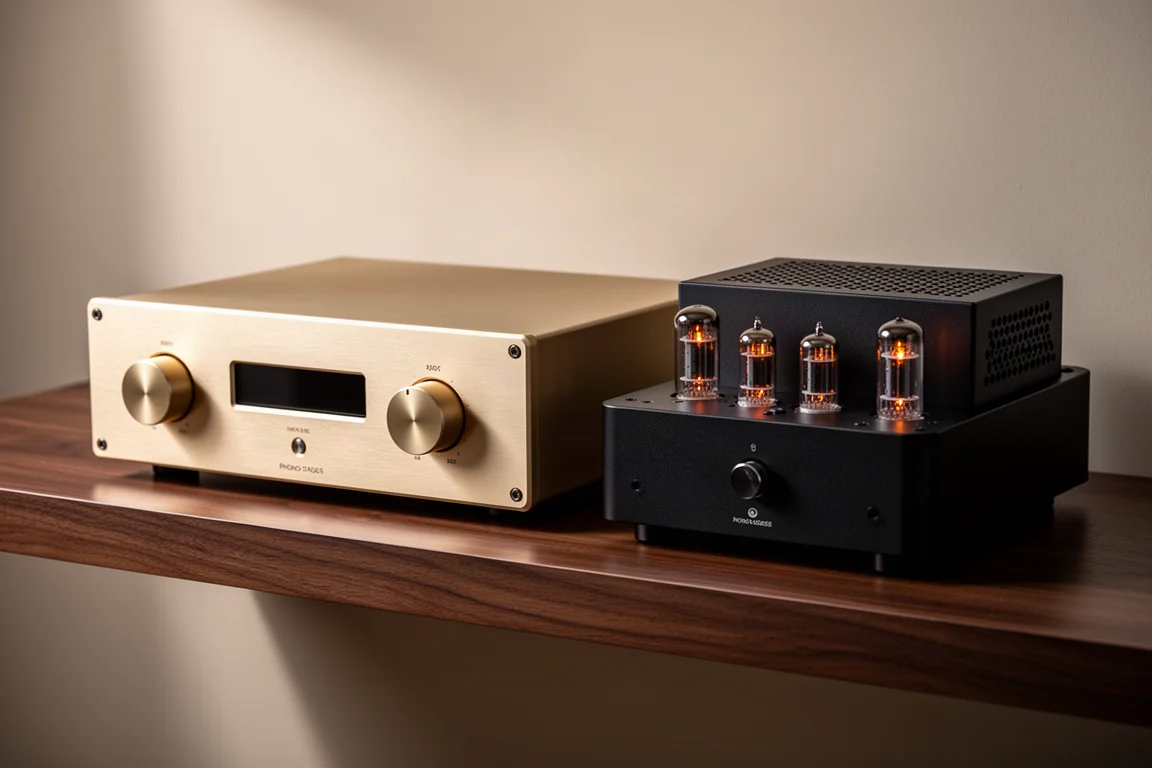
Accuphase C-57 vs Allnic H-7000V: Two High-End Phono Stages Compared
A fully balanced solid-state phono stage with a pitch-black noise floor meets a tube design built for well-loved records. Here is how to choose between them.
Hi-Fi Accessories
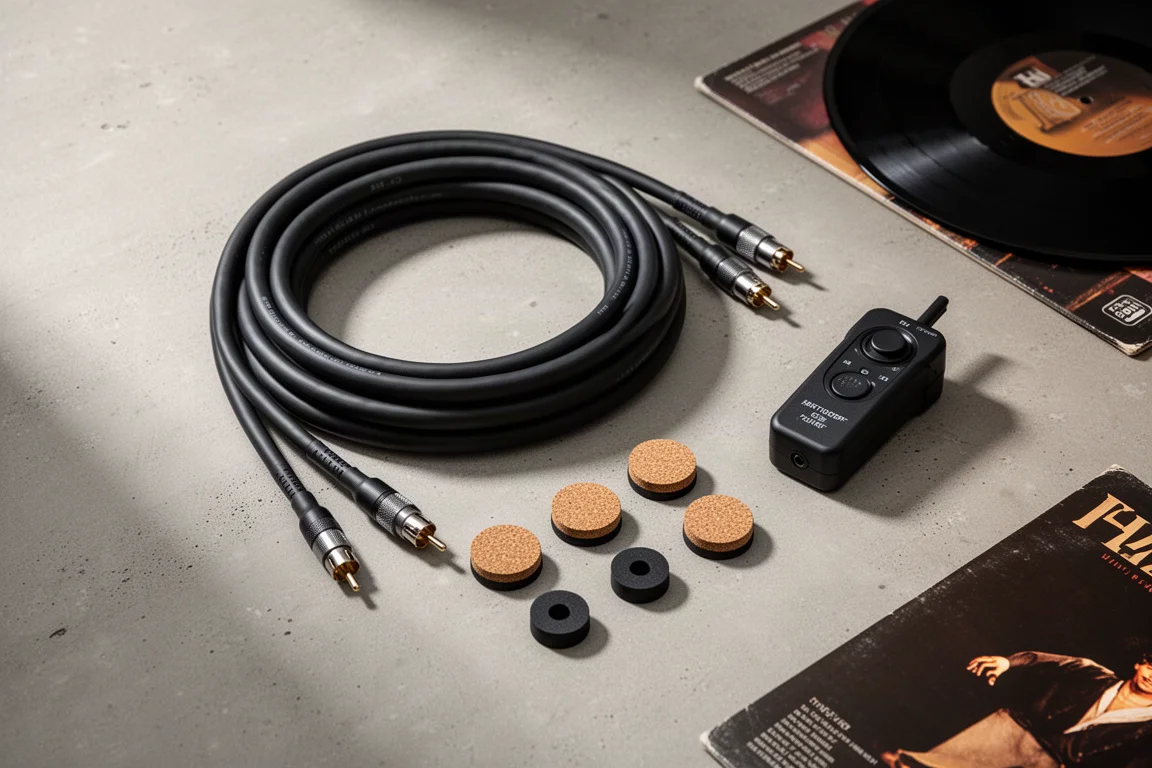
Affordable Hi-Fi Accessories Under $100: A Practical Gift Guide
A practical guide to budget Hi-Fi upgrades, from 12-gauge speaker cable and isolation pads to affordable bookshelf speakers, a warm stereo receiver, and a vinyl anti-static device.
Phono Preamps
Ampapa A1 Review: A $130 Tube Phono Preamp With Tone Controls
A compact tube phono preamp with bass and treble controls, a headphone output, and a design-origin claim worth reading carefully.