Kitchen Essentials
Best Neutral Vegetable Oils: Which One Belongs in Your Pantry
A practical look at the most useful neutral cooking oils, from corn and canola to peanut, avocado, coconut, and an affordable all-purpose blend.
Introduction
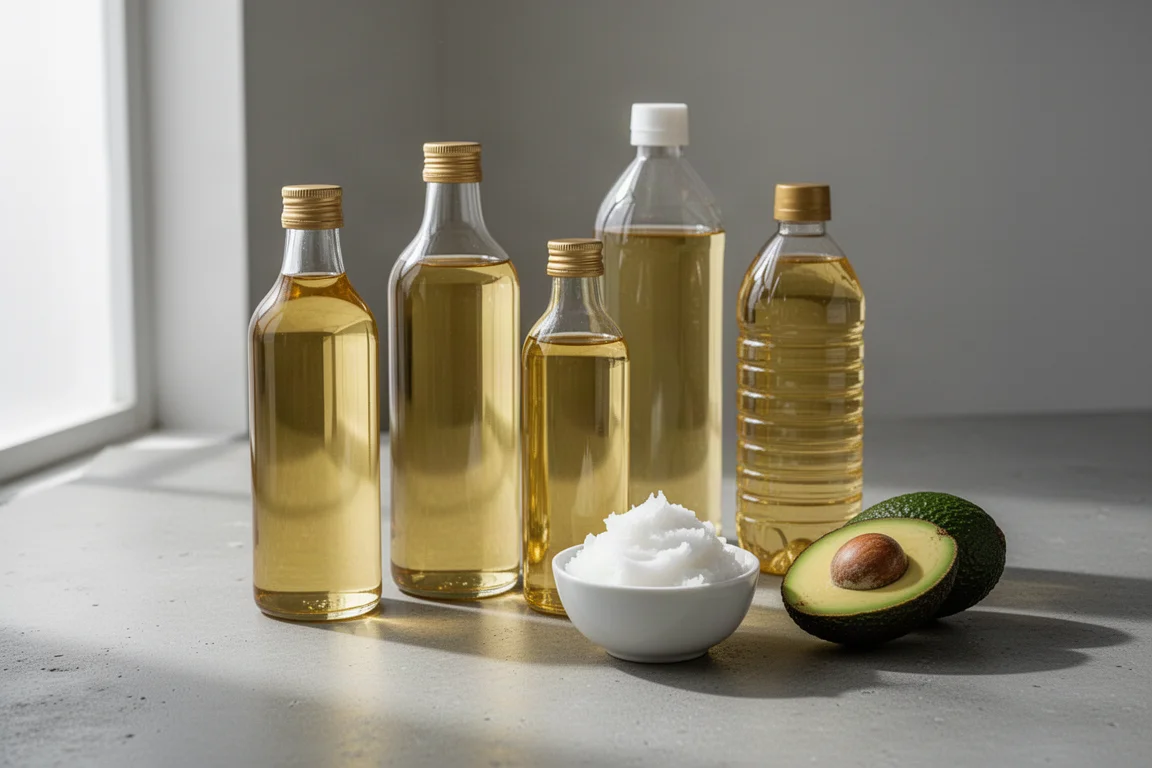
Olive oil is a wonderful thing, and many cooks reach for it almost automatically. But there are real cases in the kitchen where olive oil is simply the wrong tool. Do you really want your carrot cake to taste like olives? Probably not. For baking and many everyday cooking tasks, what you want is a neutral, flavorless vegetable oil that acts as a cooking medium rather than a flavoring agent.
This guide walks through the main neutral oil options, where each one shines, and where each one falls short, so you can pick the right bottle for the job.
Refined vs Unrefined: Why It Matters
Before comparing individual oils, one distinction matters more than anything else. Oils like peanut, avocado, and coconut come in both refined and unrefined versions. The unrefined versions taste like the plant they came from, which is exactly what you do not want when you need a neutral oil.
For general cooking and baking, choose refined versions. Refined oils are essentially tasteless, which is the whole point here. You want the oil to carry heat and moisture, not to impose its own character on your cake batter or your fried dough.

Corn Oil: Reliable and Versatile
Corn oil performed well in nearly every application tested in the kitchen. It is a safe, dependable pick for sauteing, baking, and general cooking where a neutral oil is called for.
The one exception worth knowing about: corn oil was a little sour in mayonnaise. If homemade mayo is a regular project for you, that quirk is reason enough to keep a second oil on hand.
Canola Oil: Great Almost Everywhere, Except the Fryer
Canola is also fine in most applications, making it an easy default for everyday cooking and baking. The notable weakness is frying. Canola contains fatty acids that break down and oxidize at frying temperatures, and the oil can develop a slightly fishy taste. If you would rather your donuts not taste like fish, it is worth reaching for something else when the deep fryer comes out.
Peanut Oil: The High-Heat Specialist
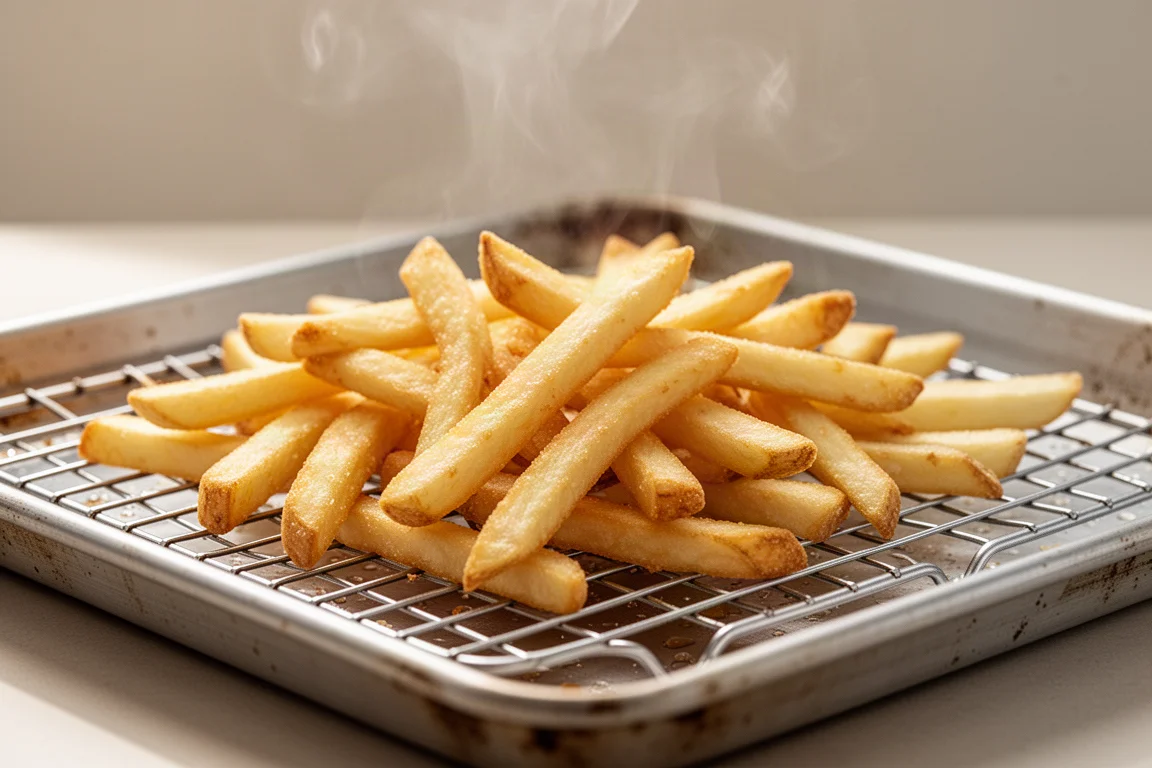
Peanut oil is the standout for high heat, especially frying. It makes exceptional french fries, and it holds up well where more fragile oils start to break down.
The trade-off is cost. Peanut oil is more expensive than the other common neutral oils, which is why many cooks reserve it for the tasks where its high-heat performance truly pays off.
Crisco Blend: The Best All-Purpose Choice
When it comes to a single bottle that covers the most ground, a multi-oil blend like Crisco Blend is the top all-purpose pick. Because it combines multiple oils, you get the best of all worlds: good performance across baking, sauteing, and general cooking without the specific weaknesses of any single oil.
It is also inexpensive, which makes it an easy choice as the everyday workhorse oil that lives next to the stove. If you only want to keep one neutral oil in the pantry, a blend is the sensible default.
Avocado Oil: Healthy but Pricey
Avocado oil is one of the two vegetable oils that get a lot of attention lately. It is very high in monounsaturated fats, just like olive oil, which is where its health reputation comes from. As a cooking oil, it performs well too, heating to around 500 degrees and handling sauteing beautifully.
The downside is the price. Avocado oil is really expensive, so it works best as a specialty bottle rather than your everyday pour.
Coconut Oil: The Vegan Baking Stand-In
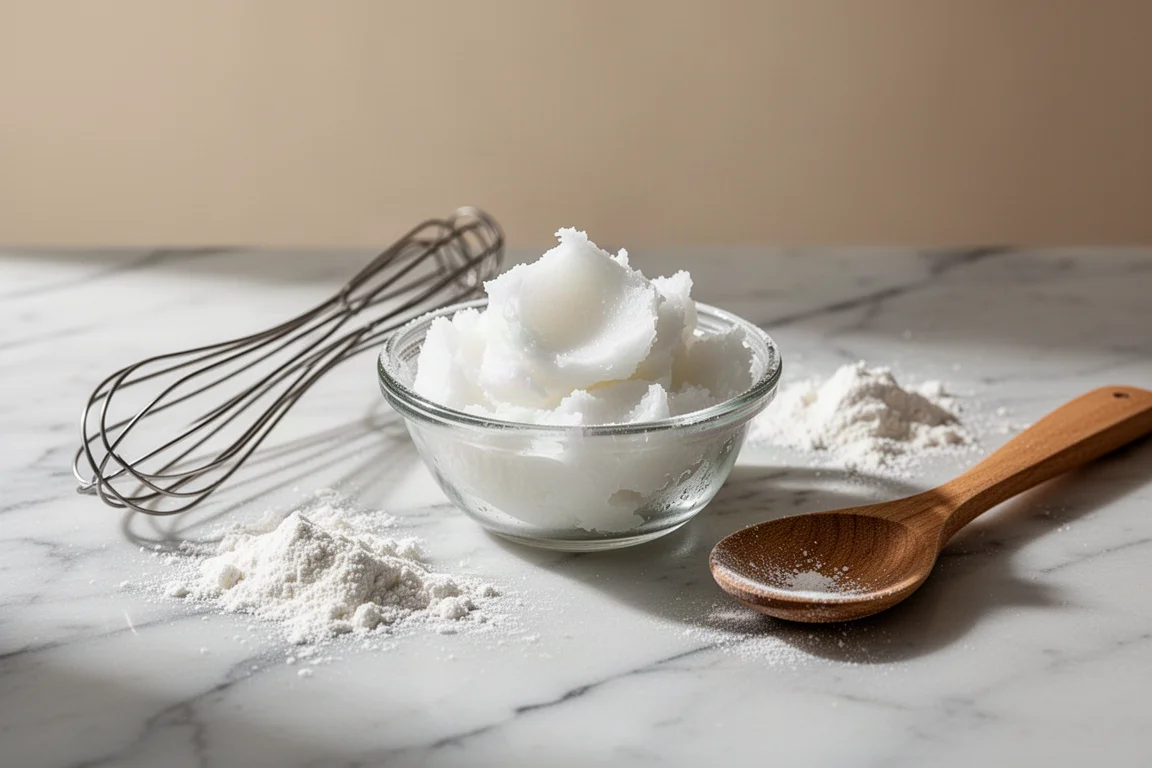
Coconut oil occupies its own niche: vegan baking. It is solid at room temperature, just like butter, which makes it the natural choice for cakes and cookies where you are looking to replace butter entirely. If plant-based baking is part of your routine, this is the oil that earns its shelf space.

Putting It Together: Building Your Oil Pantry
The takeaway from comparing all of these oils is simple: their cooking properties are quite different from each other, so there is no single perfect bottle. Corn oil for general use, canola for everything but frying, peanut oil for high-heat frying, avocado oil when you want its health profile and can accept the cost, and coconut oil for vegan baking.
That is a strong argument for keeping multiple vegetable oils in your pantry, so you always have the right one for the task at hand. If you start with just one, a balanced, inexpensive blend is the most practical foundation.
Conclusion
Neutral vegetable oils are tools, and each one has a job it does better than the rest. For most kitchens, an affordable multi-oil blend like Crisco Blend makes the best all-purpose default, with peanut oil for frying, coconut oil for vegan baking, and avocado oil as a premium option when the recipe calls for it. Match the oil to the task and your cooking will thank you.
Product link
View more details for Crisco Blend
This product is mentioned in the review. Check the specifications, options, and compatibility before buying.
View more details for Crisco BlendFurther reading
Related Reviews

Kitchen Essentials
Best Aluminum Foil 2026: Four Picks for Everyday Cooking
We compare regular and heavy duty foil from Reynolds, Kirkland Signature, and If You Care, plus what actually matters when choosing a roll.

Kitchen Essentials
Pam vs Chosen Foods Cooking Spray: Which One Belongs in Your Kitchen?
Traditional propellant sprays versus propellantless options, and why the delivery mechanism matters more than the oil inside.
Kitchen Essentials
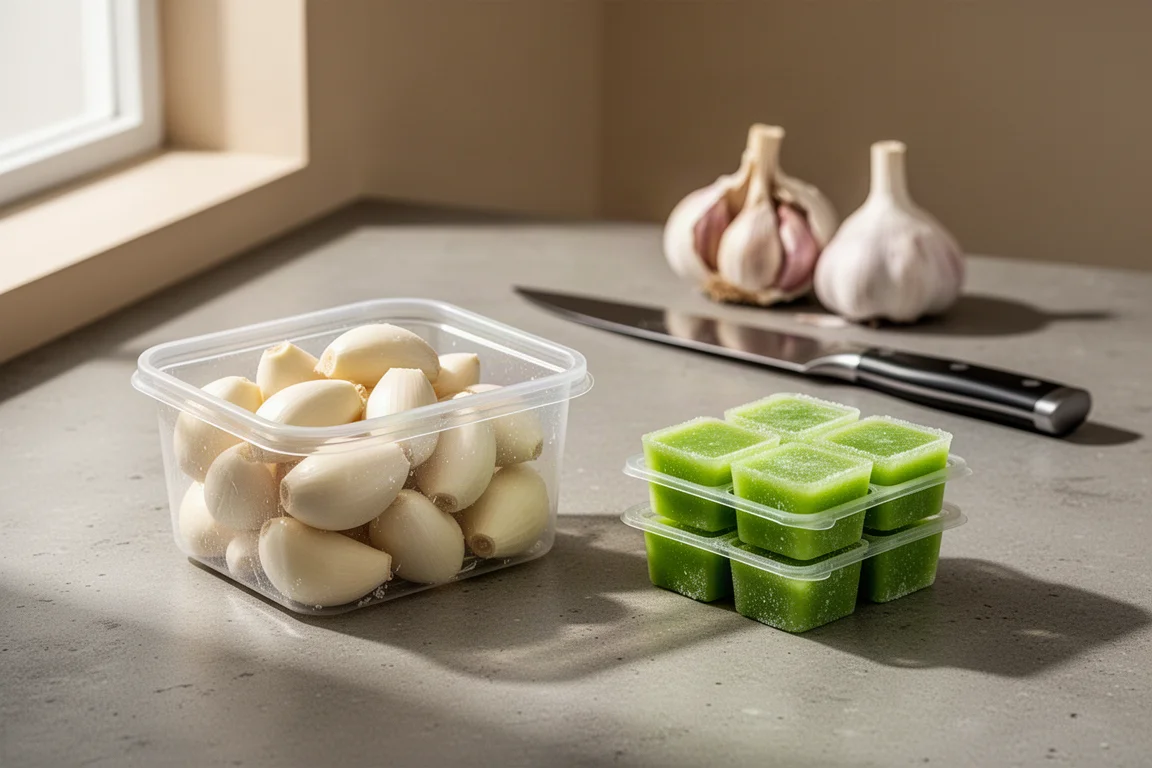
Best Garlic Shortcuts: Two Pantry Options That Actually Taste Like Garlic
We look at the garlic substitutes worth keeping on hand, and the two options that actually deliver real garlic flavor without peeling or mincing.