Kitchen Essentials
Pam vs Chosen Foods Cooking Spray: Which One Belongs in Your Kitchen?
Traditional propellant sprays versus propellantless options, and why the delivery mechanism matters more than the oil inside.

Introduction
Cooking spray is one of those products where the supermarket shelf has quietly become overwhelming. What used to be a single can of vegetable oil spray is now a wall of options: olive oil, avocado oil, grapeseed oil, even coconut oil. The logic seems to be that the oil you choose changes everything, but the reality is more practical than that. Because you use so little cooking spray at a time, you cannot taste the difference between the oils, and you will not see a difference in your cooking either. What actually matters is the delivery mechanism, and that is where the real choice lies.
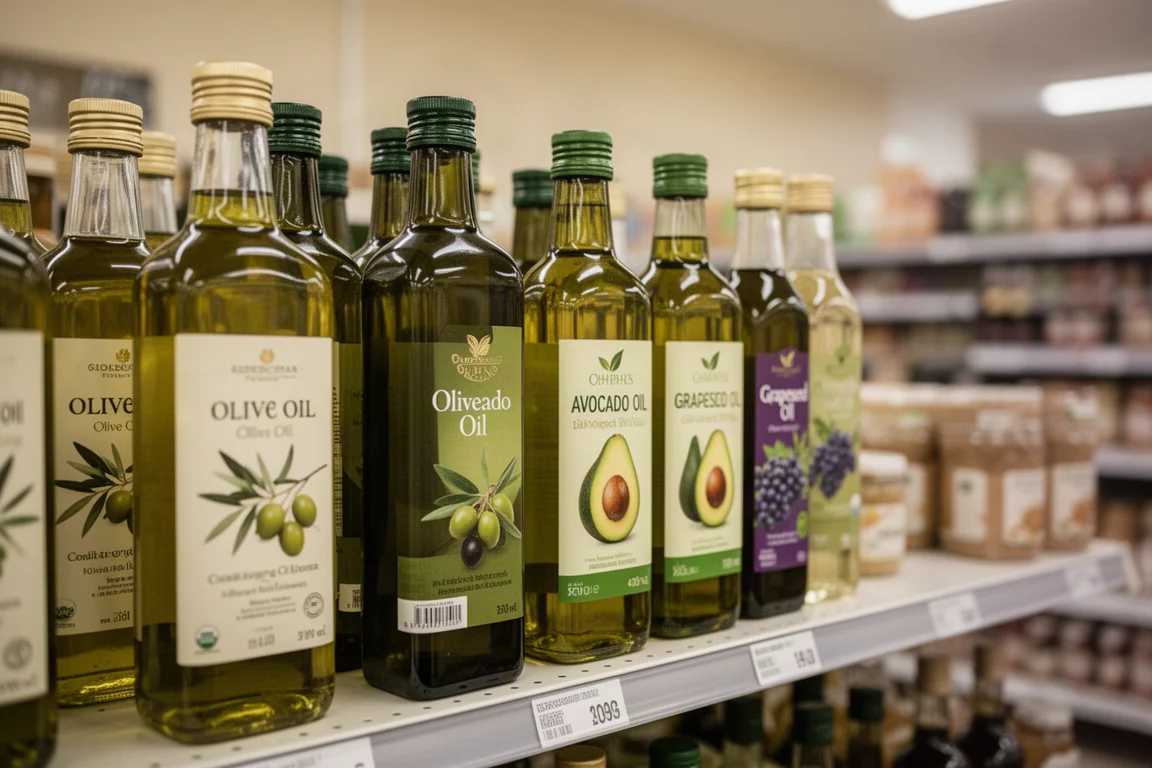
The Oil Does Not Matter As Much As You Think
With such small amounts of oil being delivered per use, the type of oil inside the can is essentially meaningless in day-to-day cooking. Pick whatever oil you prefer and move on. The decision that genuinely affects your results is whether the spray is traditional or propellantless, because the two behave very differently in hand.
Why Traditional Sprays Still Win
Traditional cooking sprays use a propellant inside the can, typically propane or butane, mixed in with the oil. The propellant is liquid in the can, but when you press the nozzle it turns to gas and pushes the oil out in a fine, even spray. Most traditional sprays also contain lecithin, an emulsifier that helps the oil achieve really fine coverage. That matters more than you might expect: it lets the spray reach every nook and cranny of a bundt pan, and it also makes cleanup easier afterward.
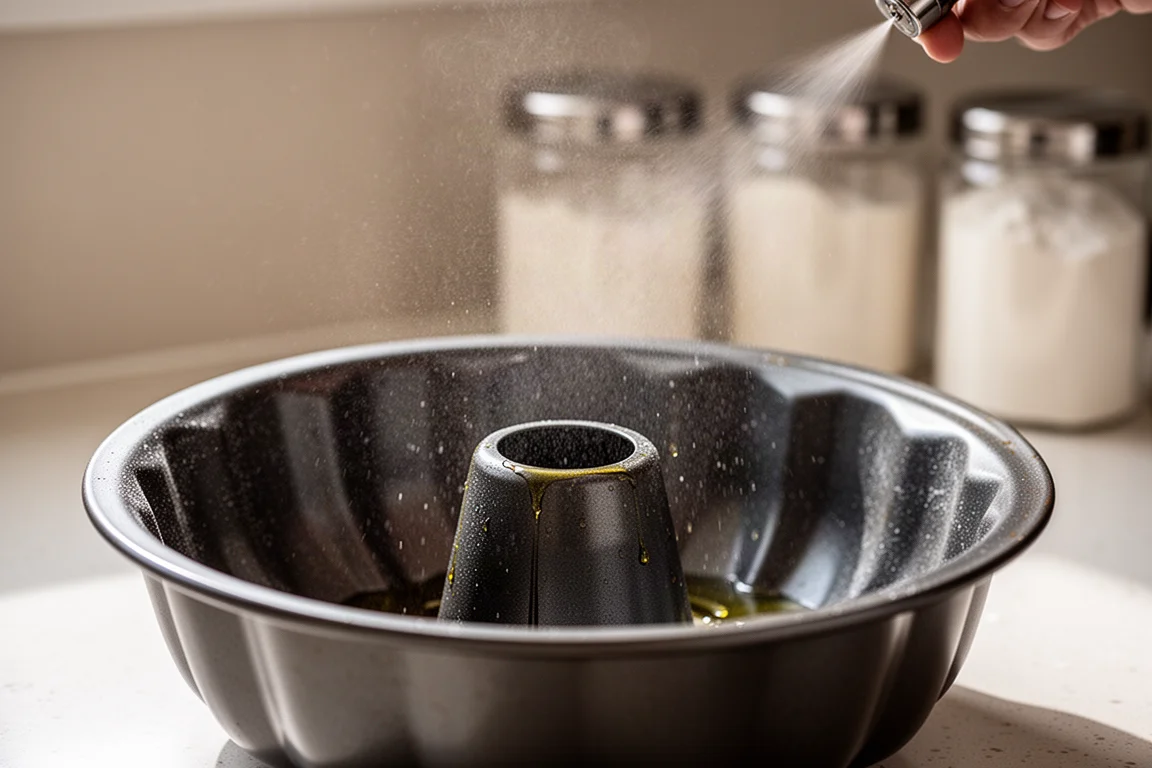
There is one trade-off worth knowing about. The lecithin reduces the smoke point, so if you are doing high heat sautéing with cooking spray, traditional models are not nearly as effective. For everything else, though, they remain the easiest and most reliable option.
Our favorite traditional spray is the one from Pam. Its nozzle points straight ahead, which makes it very intuitive to aim. In testing, it produced a nice, even circular pattern of oil, accurate enough to coat a small ramekin exactly where you want it.

The Chosen Foods Propellantless Spray
The newer style of cooking spray removes the propellant entirely. These cans contain a bag of oil inside, surrounded by nitrogen or compressed air. When you press the nozzle, the surrounding gas squeezes the bag and pushes the oil out. It is more of a splurt than a spray, and that difference shows in practice. With the exception of one can from Chosen Foods, this style is not recommended, because the sprays are simply difficult to use.
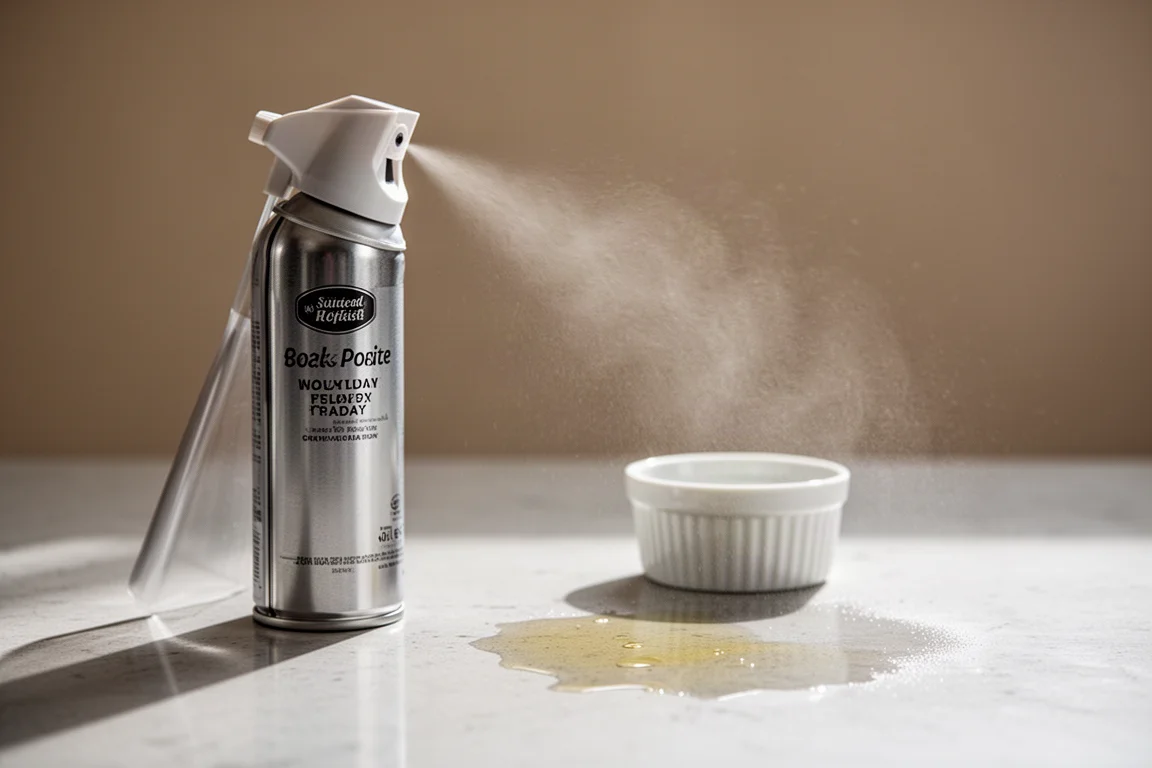
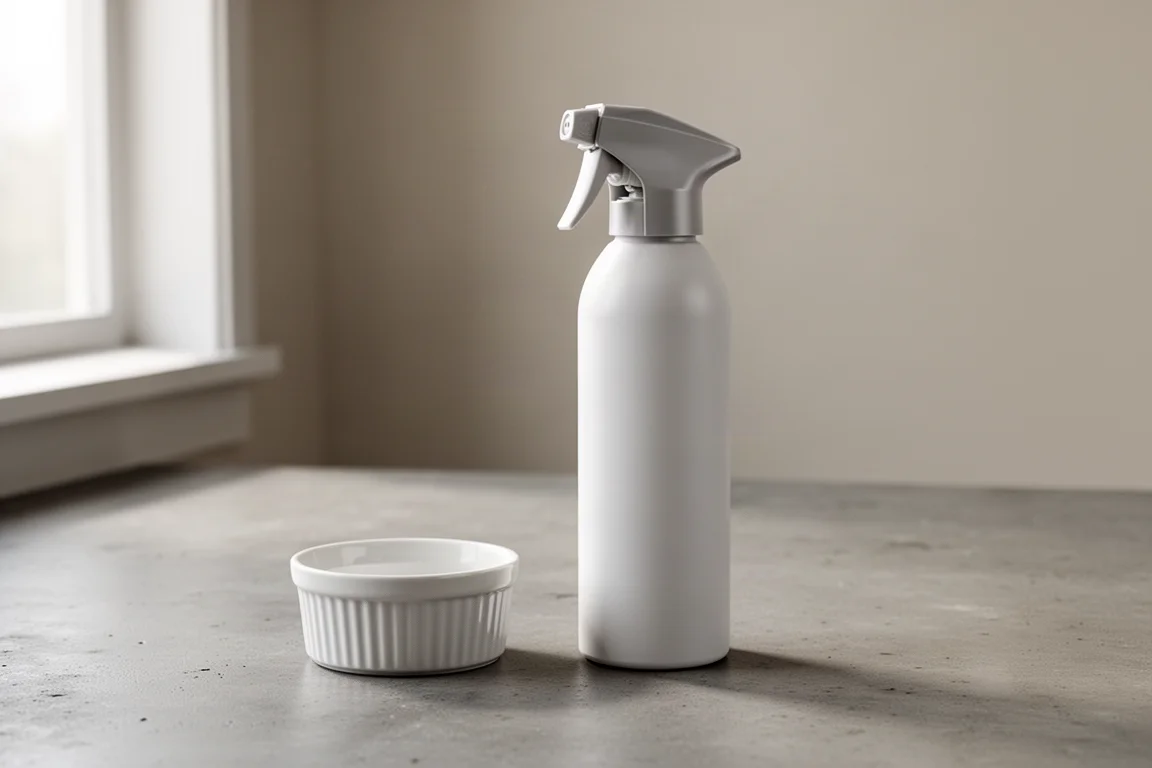
The Chosen Foods can is the only propellantless option that earned a recommendation, and even it comes with a learning curve. Its nozzle points upward rather than forward, so the first time you use it, you are almost guaranteed to spray the counter. Even with careful handling, the output is noticeably less even than a traditional spray. Where it earns its place is high heat: since there is no lecithin dragging down the smoke point, this is the style you want if you plan to sauté with your cooking spray over high heat.
Which One Should You Buy?
If you want to keep things simple and you are not doing high heat sautéing, stick with a traditional spray. The Pam delivers an even, intuitive mist and handles everyday tasks like greasing bundt pans with ease. Honestly, if you are sautéing vegetables, you probably want to be using olive oil anyway, so the oil inside the can matters less than how it comes out.

If you are the type who likes to try something new and specifically wants a spray that can handle high heat sautéing, the propellantless Chosen Foods is the one to get. Just be prepared for a slightly messier first few uses while you get used to that upward-facing nozzle.
Conclusion
Cooking spray is a case where the simplest choice is usually the right one. The oil variety on the label is largely irrelevant at the quantities you use, so focus on the delivery mechanism instead. Traditional sprays like Pam offer even coverage and easy handling for everyday baking and cooking, while the Chosen Foods propellantless spray suits cooks who need a higher smoke point for sautéing and do not mind a bit of trial and error. Pick based on how you cook, not on which oil sounds fancier.
Further reading
Related Reviews

Kitchen Essentials
Best Aluminum Foil 2026: Four Picks for Everyday Cooking
We compare regular and heavy duty foil from Reynolds, Kirkland Signature, and If You Care, plus what actually matters when choosing a roll.
Kitchen Essentials
Best Garlic Shortcuts: Two Pantry Options That Actually Taste Like Garlic
We look at the garlic substitutes worth keeping on hand, and the two options that actually deliver real garlic flavor without peeling or mincing.
Kitchen Essentials
Best Neutral Vegetable Oils: Which One Belongs in Your Pantry
A practical look at the most useful neutral cooking oils, from corn and canola to peanut, avocado, coconut, and an affordable all-purpose blend.