Kitchen Essentials
Best Aluminum Foil 2026: Four Picks for Everyday Cooking
We compare regular and heavy duty foil from Reynolds, Kirkland Signature, and If You Care, plus what actually matters when choosing a roll.
Introduction
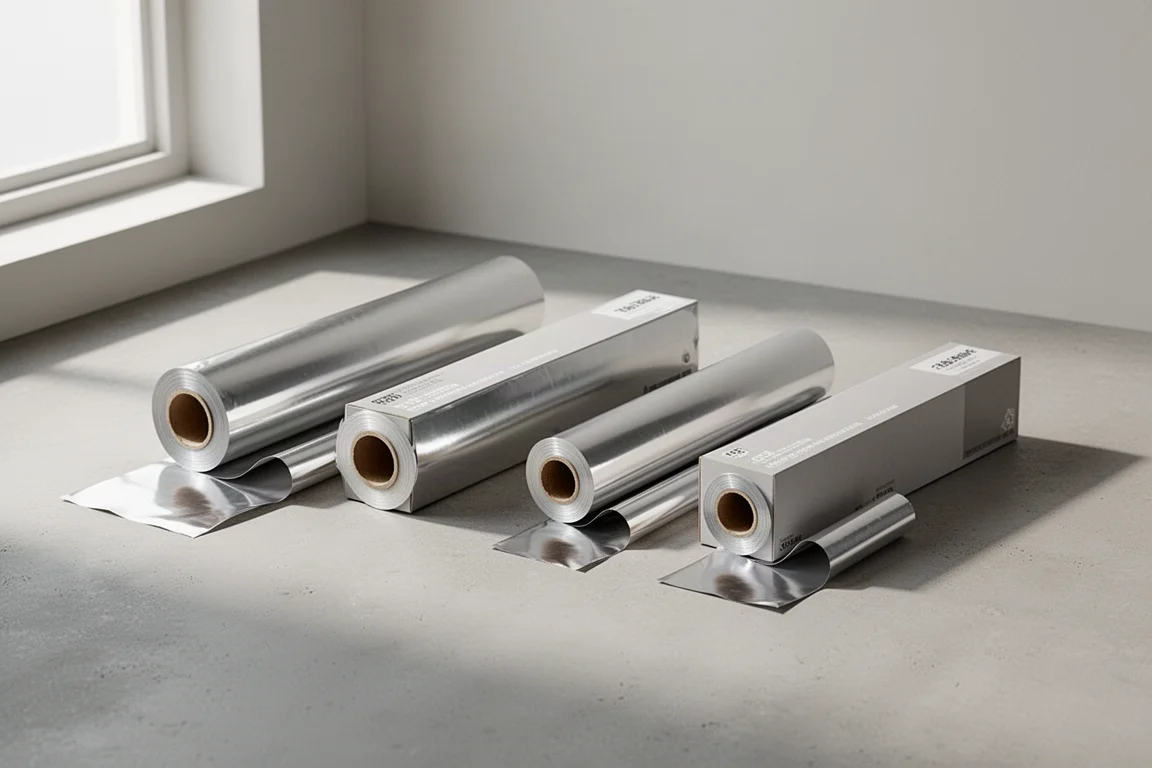
Aluminum foil is one of those kitchen staples that earns its keep in a hundred small ways: covering a pan for steaming vegetables, making a pouch for steaming fish, enclosing wood chips for grilling, or building a foil sling for baking brownies. But with regular and heavy duty versions, name brands and store brands, and a growing list of eco-friendly alternatives, picking a roll is less obvious than it looks. Here is what separates the good boxes from the great ones.
How We Chose These Foils
The comparison focused on two things: performance and ease of use. Performance meant how sturdy each foil was and how resistant to tearing when cooking, baking, and covering containers. Ease of use came down to how easily the box opened and closed and how neatly large sheets tore off.
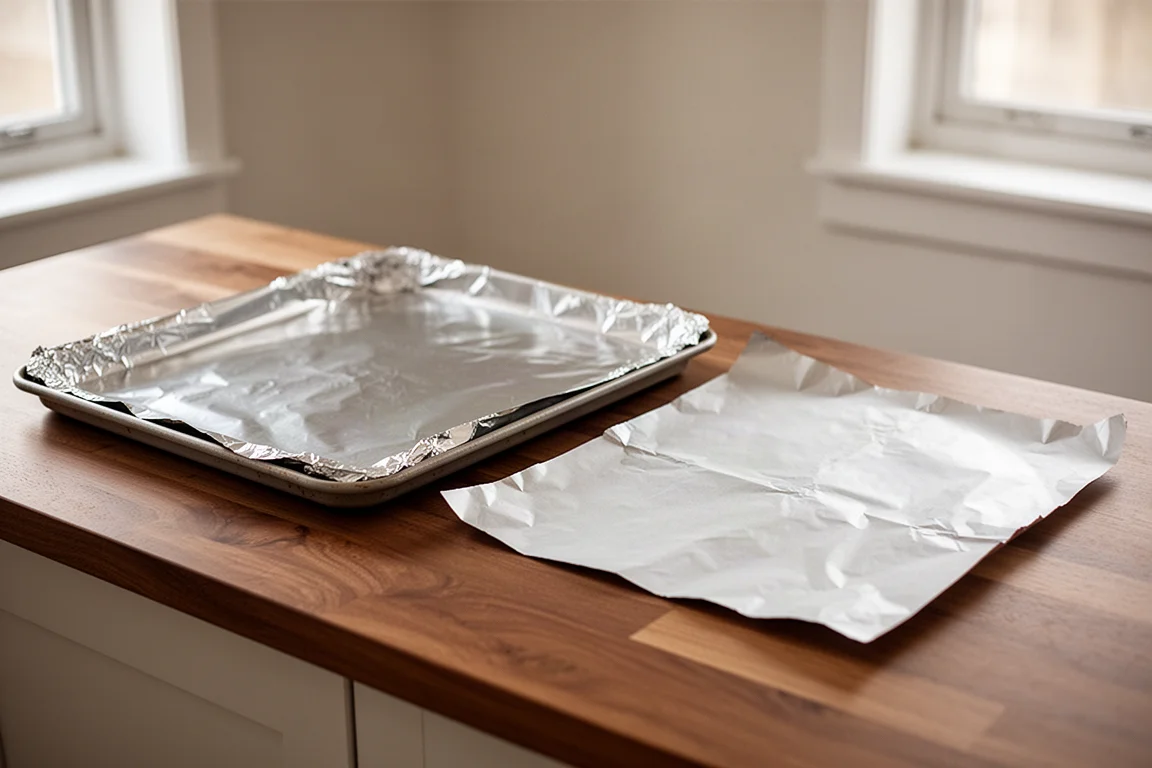
Testing covered a wide range of real kitchen jobs: lining baking sheets and wire racks for marinated salmon, building foil slings for brownies, making pouches for wood chips, and reusing a single sheet repeatedly to cover a mixing bowl, a baking dish, a baking pan, and a baking sheet, crumbling and flattening it each time.
Regular vs Heavy Duty: Does Thickness Pay Off?
Heavy duty foil is advertised as thicker, and it is: measurements with a micrometer found heavy duty versions average 38% thicker than the regular foil of the same brand. A texture analyzer also confirmed that a double layer of regular foil is stronger than a single layer of heavy duty.
In practice, the advantage is small. Heavy duty was slightly more resistant to tearing on trickier tasks like wrapping pointy wood chips in a pouch, but both styles ripped when lining a baking sheet and scooping broiled salmon with a metal spatula. For basic jobs like lining pans or making slings, there was no meaningful difference.
The practical takeaway: you likely do not need to stock both types. Double up regular foil for the occasional tough job and skip the 30 to 50% per-square-foot premium that heavy duty commands. The exception worth considering is a wide heavy duty roll for covering broad pans or wrapping large cuts of meat.

Box Cutters and Closures Matter More Than You Think
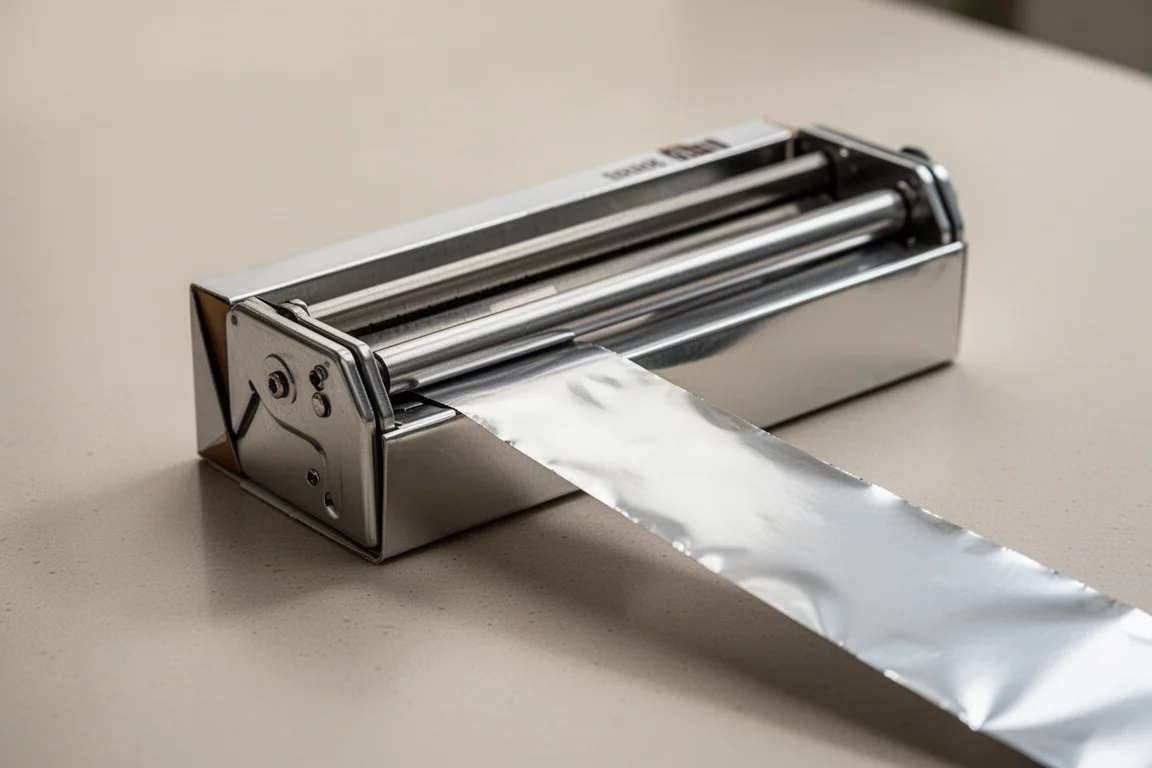
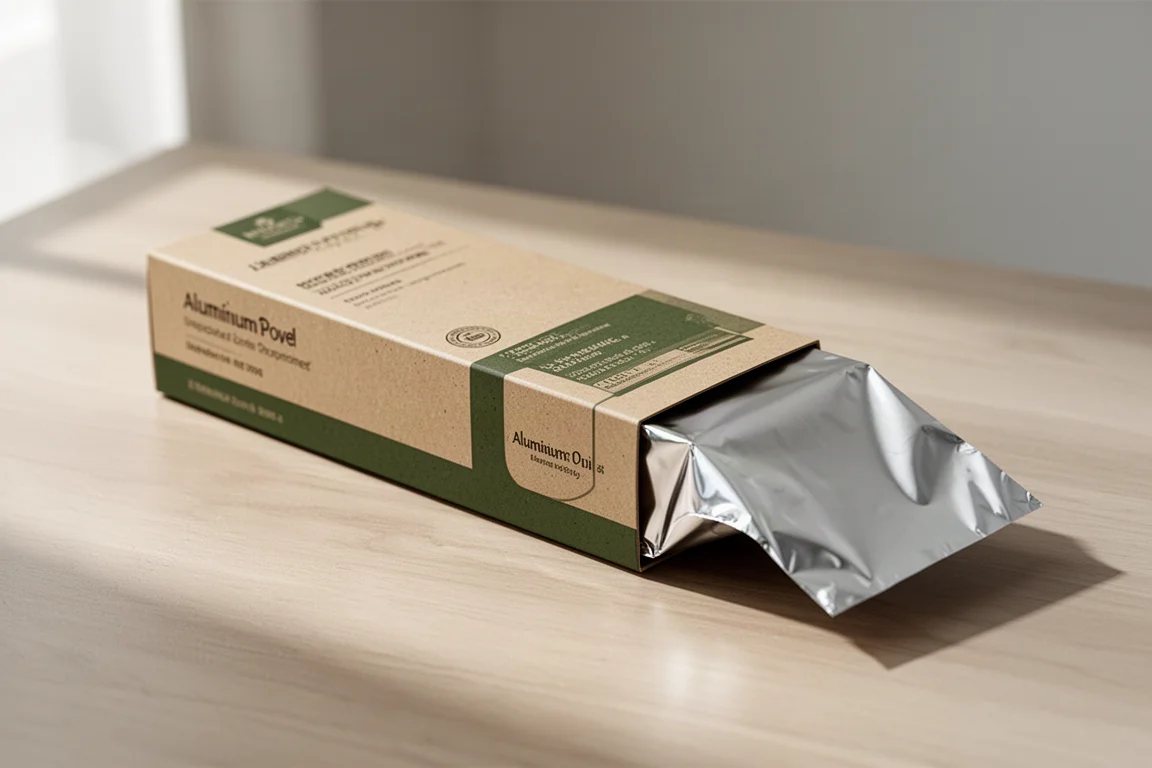
The cutter on the box turned out to be one of the biggest differentiators. Cardboard serrations on one eco-friendly brand were virtually useless, while metal serrations cut a sheet straight across in one clean motion.
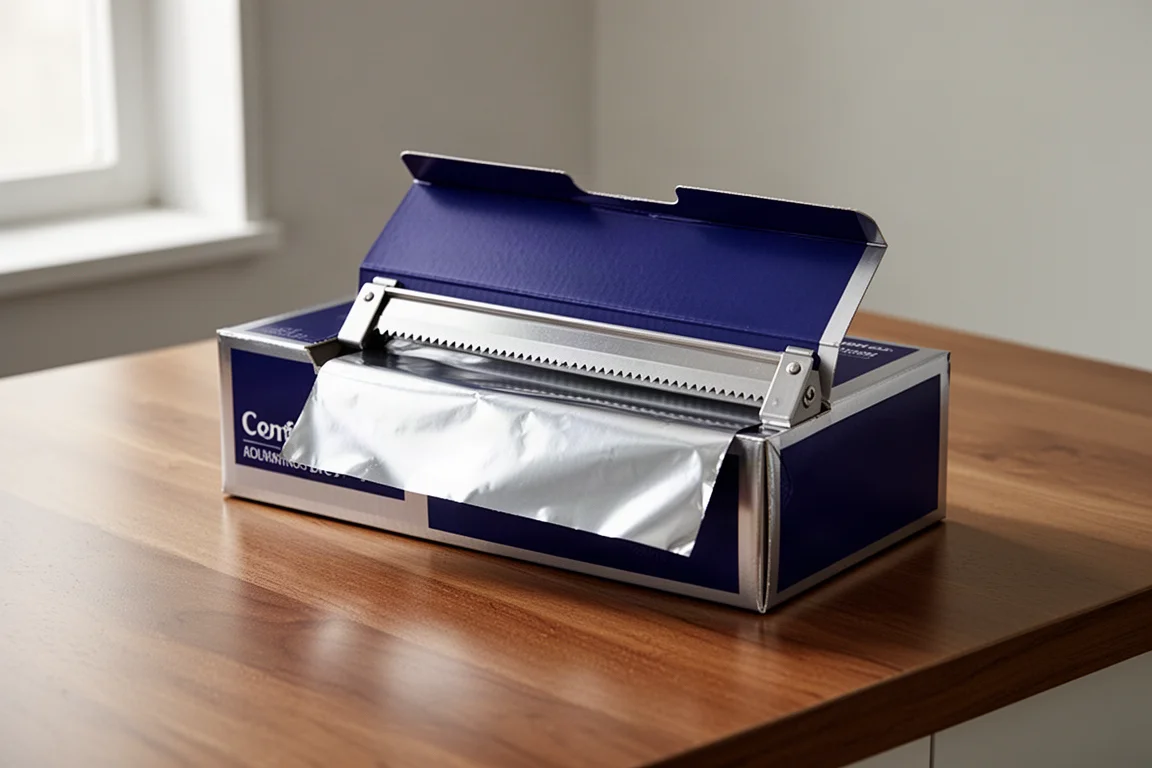
Serrations can be sharp, though, and it is easy to cut yourself reaching into a drawer. The best boxes cover those points with a thick, durable flap closure that tucks in securely.
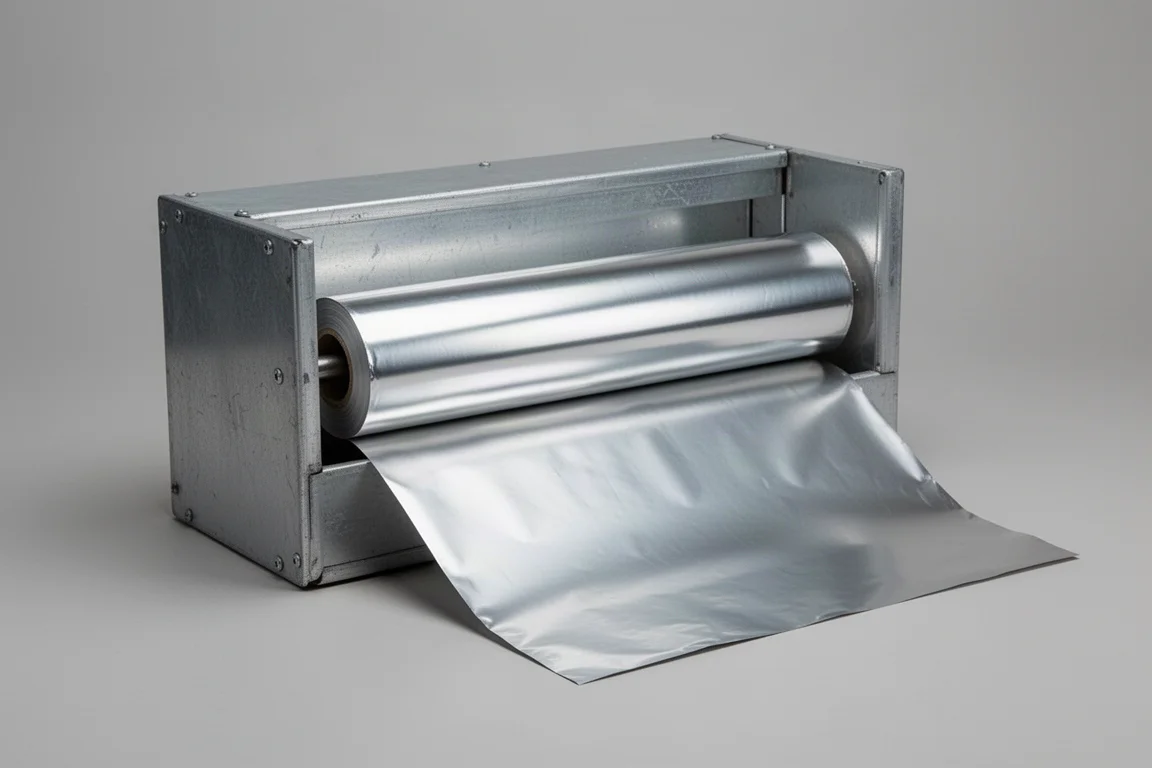
The Bulk Buy: Kirkland Signature Reynolds Food Service Foil
If you have the storage space, the Kirkland Signature Reynolds Food Service foil is a strong bulk option. It comes in a high-quality, well-made box and delivers the same performance as the smaller rolls at a better value for households that go through foil quickly.
The Eco-Friendly Option: If You Care Aluminum Foil
For buyers who want a more sustainable choice, the If You Care foil performed respectably alongside the conventional options. One note: it measured slightly thinner than the other foils tested, so handle it with a bit more care on demanding jobs. Its cardboard-serrated cutter was the weakest part of the experience.
Brand vs Store Brand: The Bottom Line
Inside the box, the foil itself was very similar from brand to brand and product to product. Details like an effective cutter and a sturdy box made certain brands slightly easier to use, but almost every foil tested earned a recommendation. If you value a well-built box and secure closure, the Reynolds options stand out; if you want maximum foil per dollar in one container, go bulk.
Foil Care: Reusing, Recycling, and Safety
Reusing foil is fair game. A Reynolds representative confirmed their foil can be reused and even washed if it gets a little dirty. The exception: if it touched raw meat, raw eggs, or other cross-contamination risks, throw it away instead.
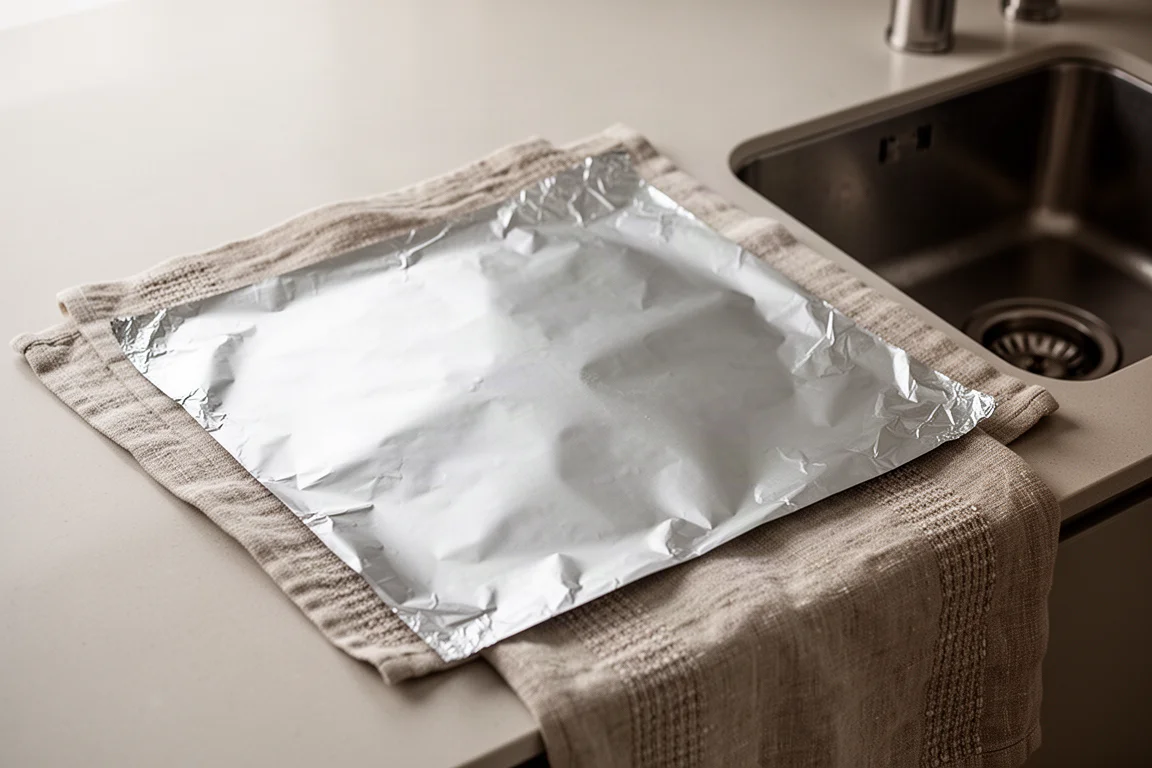
Foil is also recyclable as long as there is no food residue. A light residue can be washed off with soap and water before recycling; a heavily soiled sheet belongs in the trash.
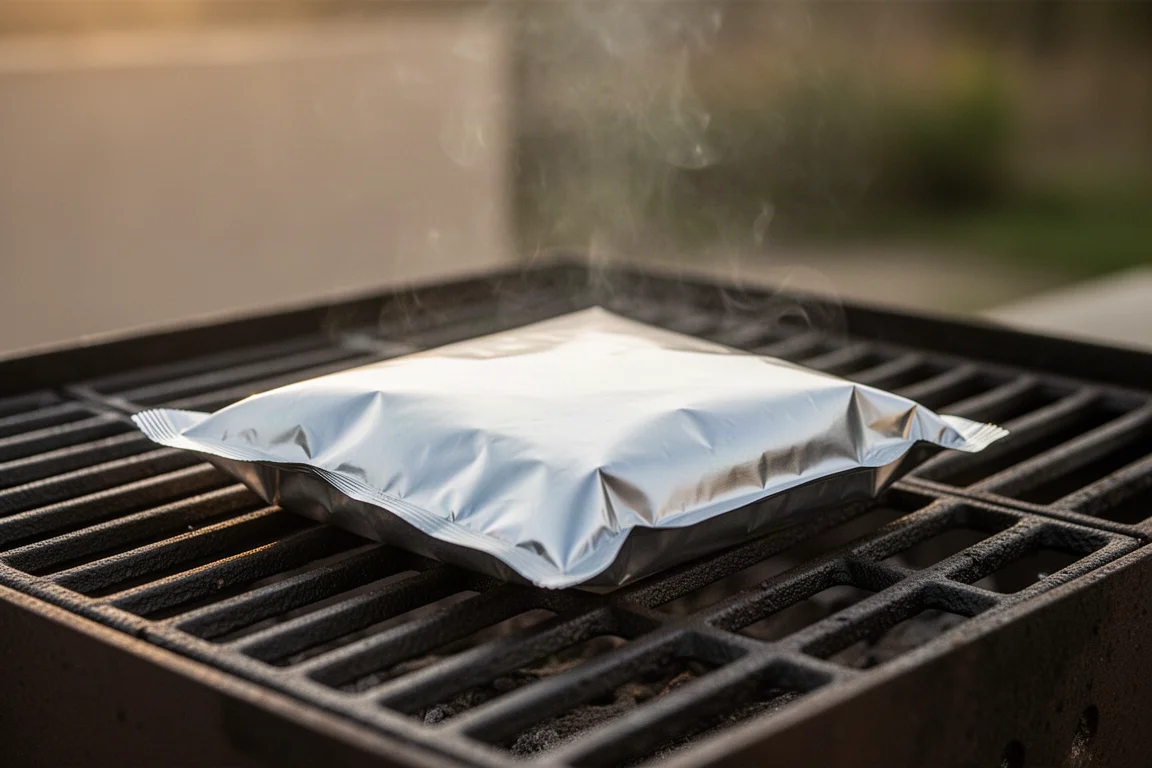
Two final notes on usage. Shiny side versus dull side makes no difference in cooking results; the shine is simply an artifact of the rollers during manufacturing. And skip foil for acidic foods like citrus, vinegar, or tomatoes, which can leach metal into the food. Parchment is the better pick there, and for sticky jobs in general, since food sticks to foil unless there is enough fat involved. Foil remains the better choice for juicy meats, high-heat oven cooking, and the grill, where most parchment is not rated.
Conclusion
Foil is a rare kitchen category where the cheapest sensible option is usually the right one. Regular foil handles nearly every task, doubling up beats paying for heavy duty, and the real differences live in the box: metal cutters, secure flap closures, and convenient roll widths. Pick the format that fits your kitchen and you cannot go far wrong.
Further reading
Related Reviews
Kitchen Essentials
Pam vs Chosen Foods Cooking Spray: Which One Belongs in Your Kitchen?
Traditional propellant sprays versus propellantless options, and why the delivery mechanism matters more than the oil inside.
Kitchen Essentials
Best Garlic Shortcuts: Two Pantry Options That Actually Taste Like Garlic
We look at the garlic substitutes worth keeping on hand, and the two options that actually deliver real garlic flavor without peeling or mincing.
Kitchen Essentials
Best Neutral Vegetable Oils: Which One Belongs in Your Pantry
A practical look at the most useful neutral cooking oils, from corn and canola to peanut, avocado, coconut, and an affordable all-purpose blend.