Cycling Gear
Best Value Tour de France Upgrades: 13 Pro Pieces Worth Buying
A practical guide to the Tour de France upgrades that offer genuine value, from race-proven tyres and an aero helmet to wheels, computers, bar tape, and complete WorldTour bikes.
Introduction
The 2026 Tour de France is expected to be one of the fastest editions on record, with average speeds predicted to reach around 43 km/h despite a route that takes in some significant mountains. That pace comes from fitness, but it also comes from equipment choices that cut drag, roll faster, and keep riders comfortable for hours in the saddle.
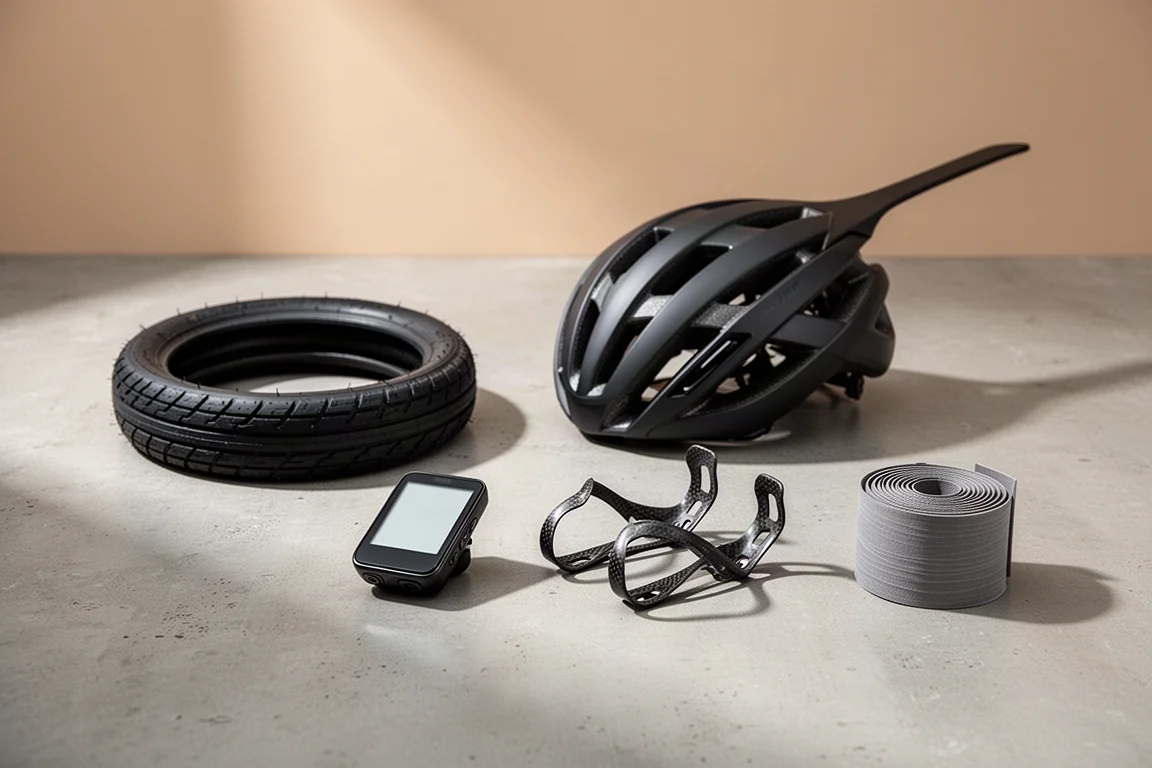
Not every pro-level upgrade is out of reach. This guide covers the components and bikes from the professional peloton that offer the strongest value for everyday road riders, from tyres and valves to helmets, wheels, computers, bar tape, and complete WorldTour machines.
What Makes a Worthwhile Tour Upgrade
Three things separate a genuinely useful upgrade from an expensive one. First, the gain has to be real and repeatable, not a marginal saving that only shows up in a time trial. Second, the product has to survive normal riding, not just race day. Third, the price has to make sense next to the alternatives, including the option of spending nothing at all.
Some items on this list change how fast you go. Tyres, an aero helmet, and a good wheelset all reduce drag or rolling resistance in ways you can feel on the road. Others change how often you ride and how pleasant the bike feels. Quick-fit valves, secure bottle cages, and fresh bar tape belong in that second group.
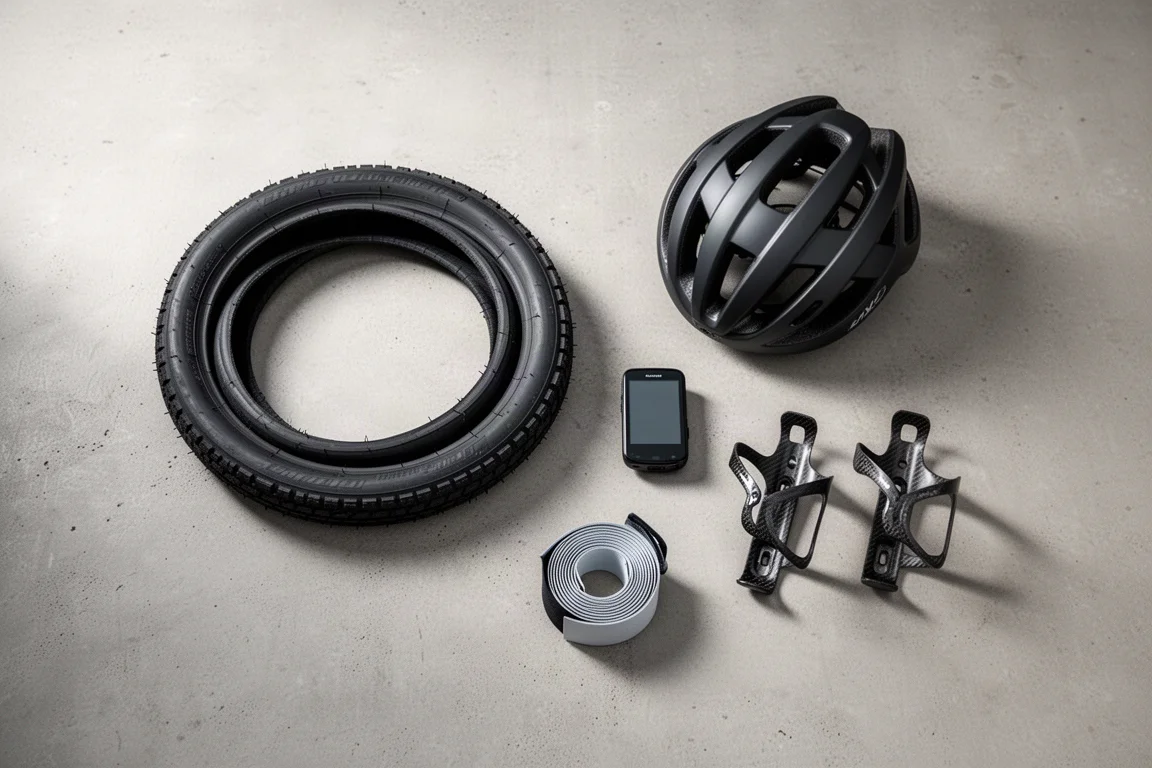
There is also a practical limit to what any single component can do. If your position on the bike is uncomfortable, no wheel or helmet will fix it. Treat everything here as a refinement that builds on a bike that already fits you well.
Continental GP 5000 STR: Race-Proven Tyres
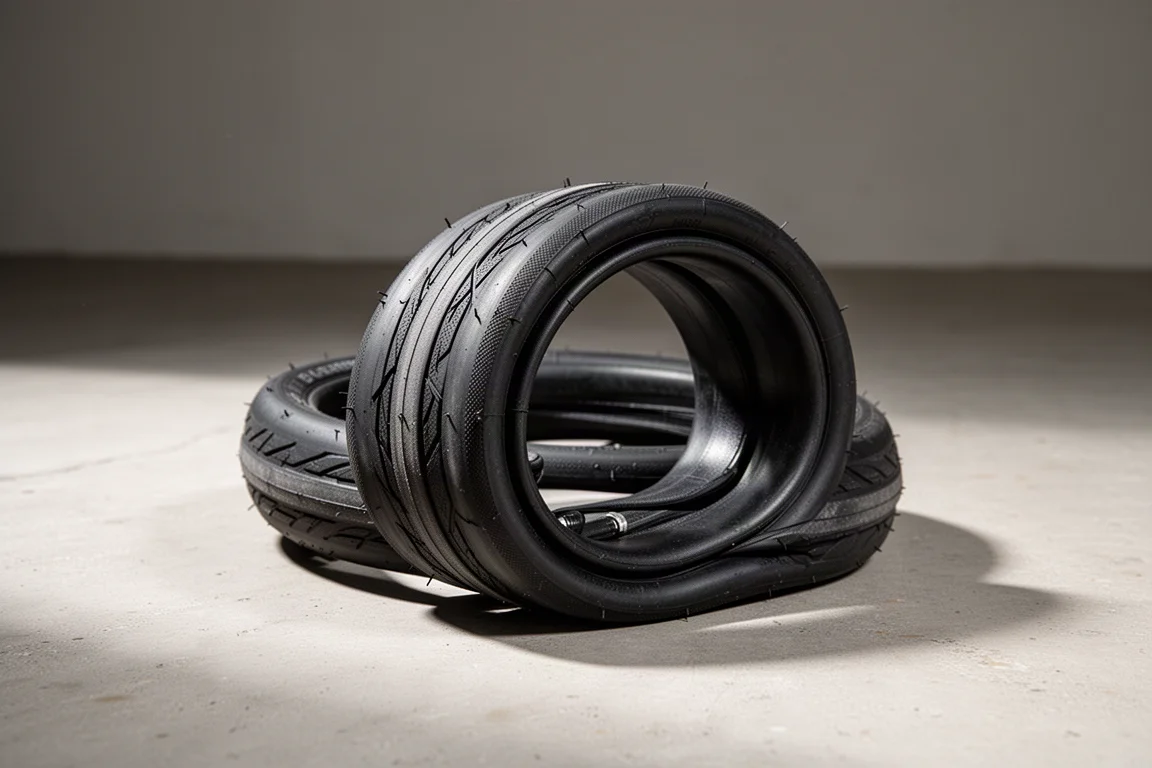
Continental expects to supply more than 1,000 tyres during the 2026 Tour de France, and six of the 23 competing teams are using them. That level of adoption says something about how this tyre balances speed and reliability.
The GP 5000 STR is fast and grippy, but the more useful detail for most riders is that it is not so fragile that you have to save it for race day. It can serve as an everyday tyre on a fast road bike rather than a special occasion purchase.
Width matters more than it once did. A 30 mm tyre is a common choice in the peloton and a sensible starting point for riders who want speed without giving up grip and comfort on rough tarmac.
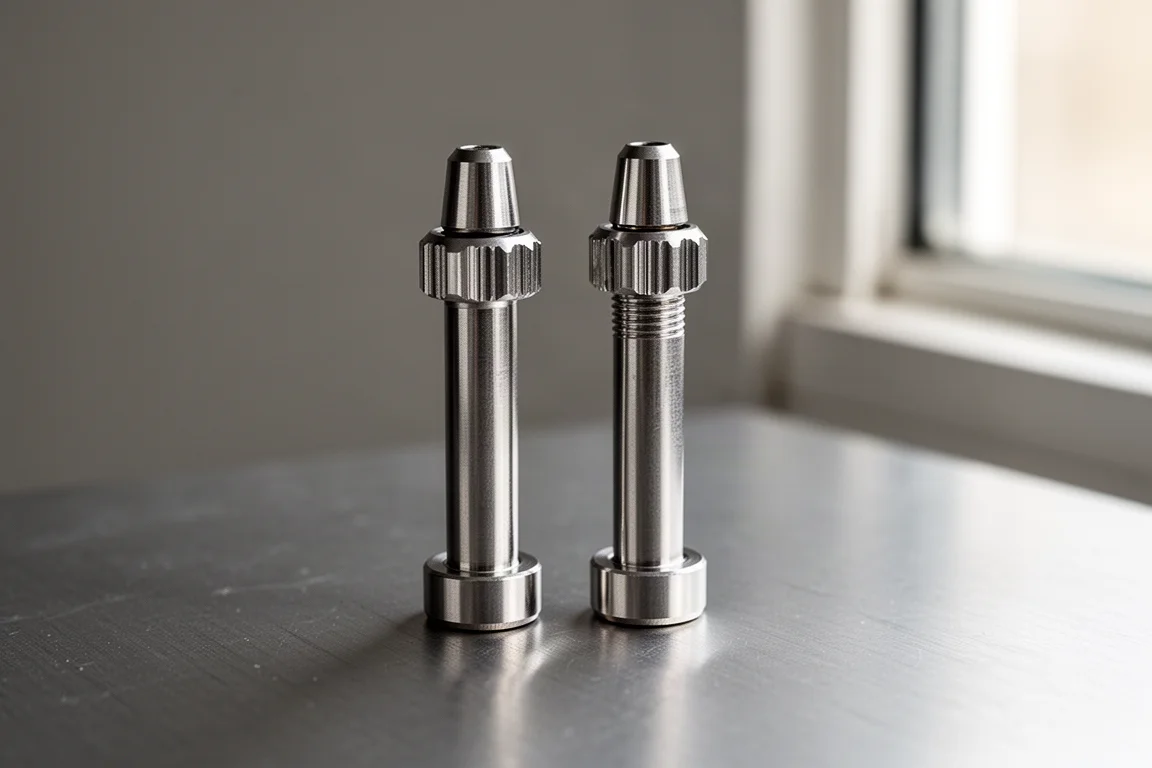
Schwalbe Click Valves: Faster Setup at Home
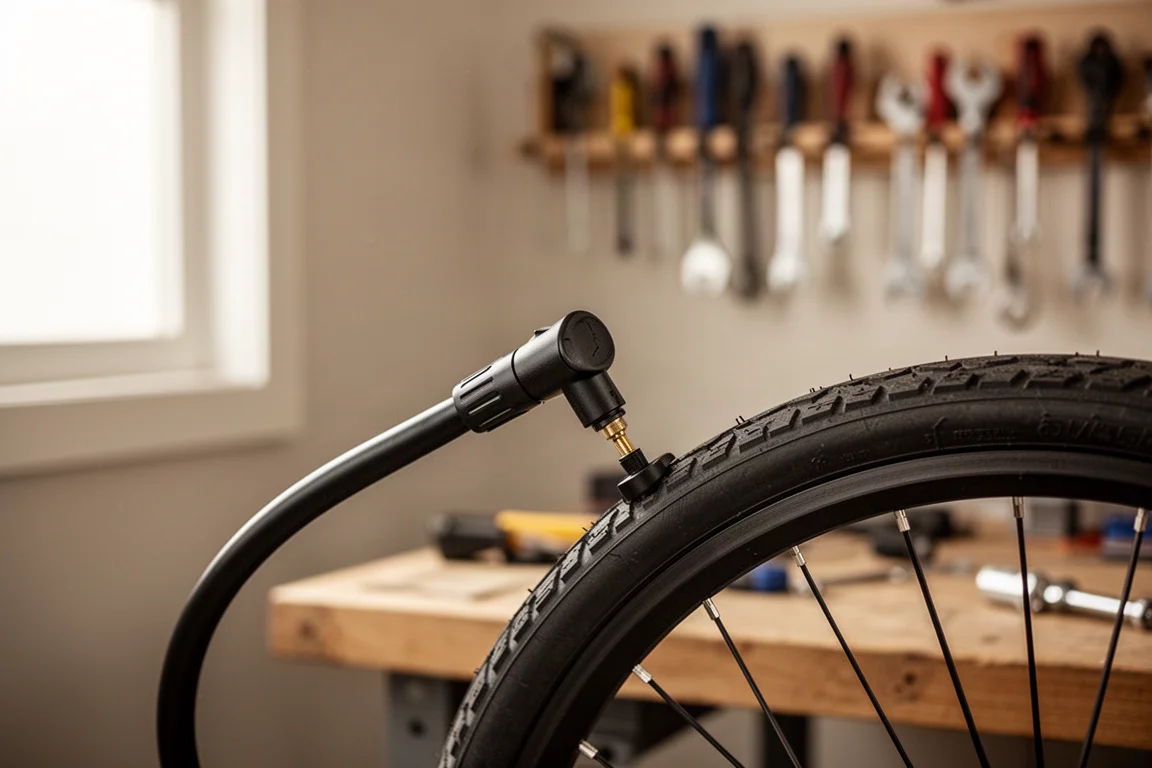
Schwalbe click valves replace the traditional threaded valve connection with a push-on fit. As the name suggests, you seat a pump head with a click rather than screwing it on, which makes topping up tyres or seating a tubeless setup noticeably quicker.
The design also allows more airflow, a genuine advantage for tubeless systems where a fast burst of air helps a tyre seat on the rim. Because nothing has to be threaded on, there is also less chance of bending or damaging a valve core while inflating.
The best part is the price. This is one of the few pieces of Tour-level technology here that does not cost a fortune, and several pump makers have adopted the same click standard, so it is easy to build a system around it.
Van Rysel RCR AF: Aero Speed Without Flagship Pricing
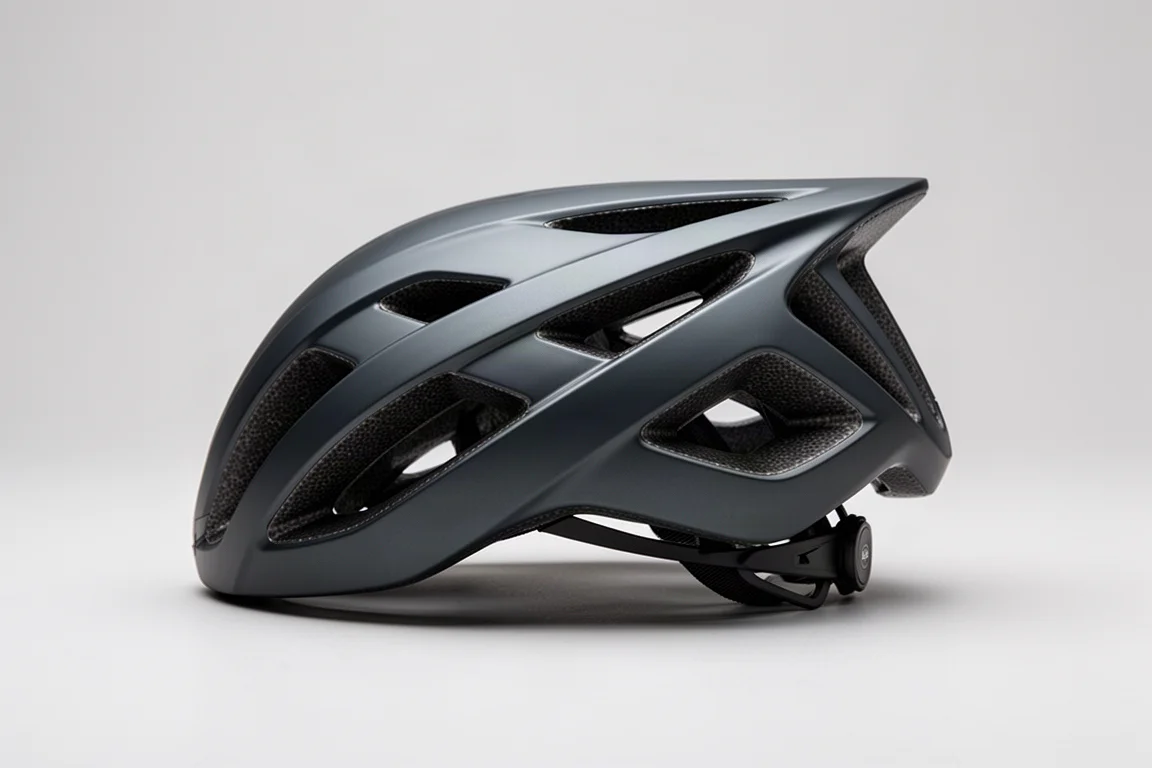
Aerodynamic helmets are everywhere in the professional peloton for a reason. Depending on what you are upgrading from, an aero lid can deliver a larger speed gain than switching to a new frame.
The Van Rysel RCR AF is the helmet of choice for professional cyclists, yet it costs less than a third of the price of some of the other helmets in the peloton. For riders who want most of the aero benefit without flagship pricing, that combination is hard to argue with.
Elite Leggero Carbon Cages: Bottle Security That Lasts
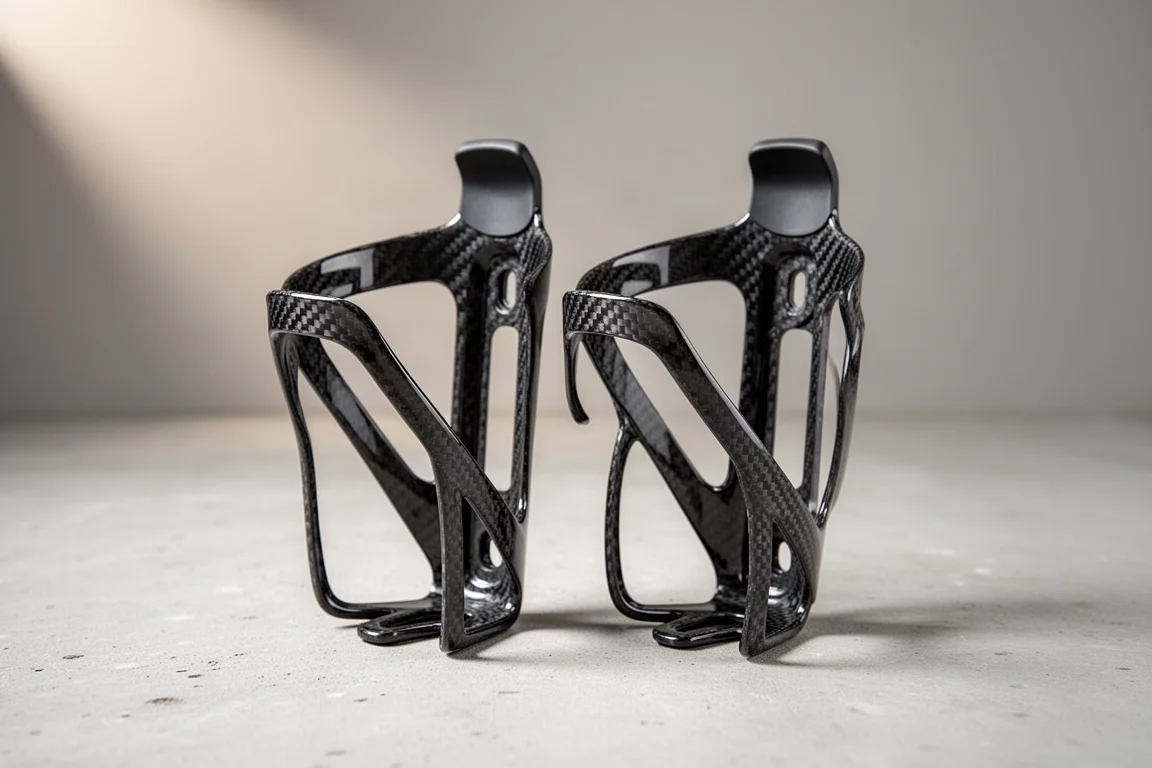
Bottle cages are an easy place to save weight, but weight is not the main reason to choose the Elite Leggero carbon cages. Retention is. Plenty of cages hold a bottle loosely enough that rough roads or fast descents turn a drink into a projectile, and these hold firmly.
They are not the cheapest cages on the market. Set against the cost of other bike upgrades, though, they remain good value, and they take a few grams off the build at the same time.
Reserve 57/64: Speed With Crosswind Stability
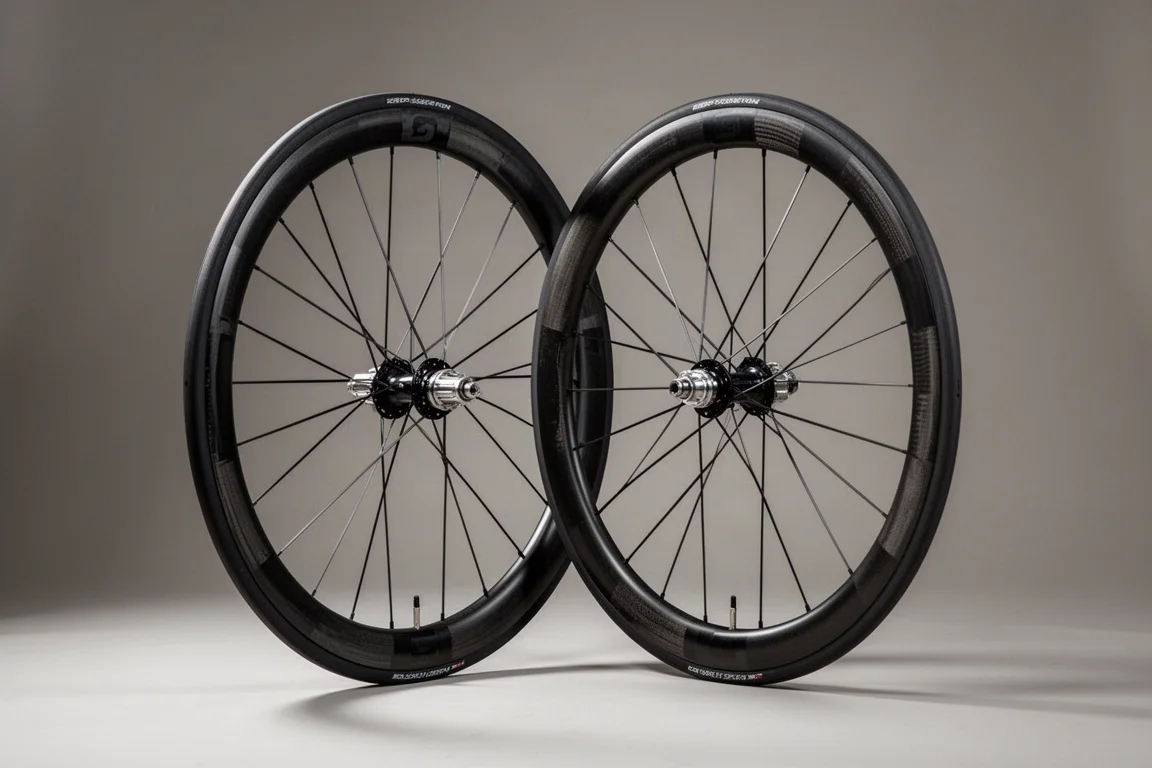
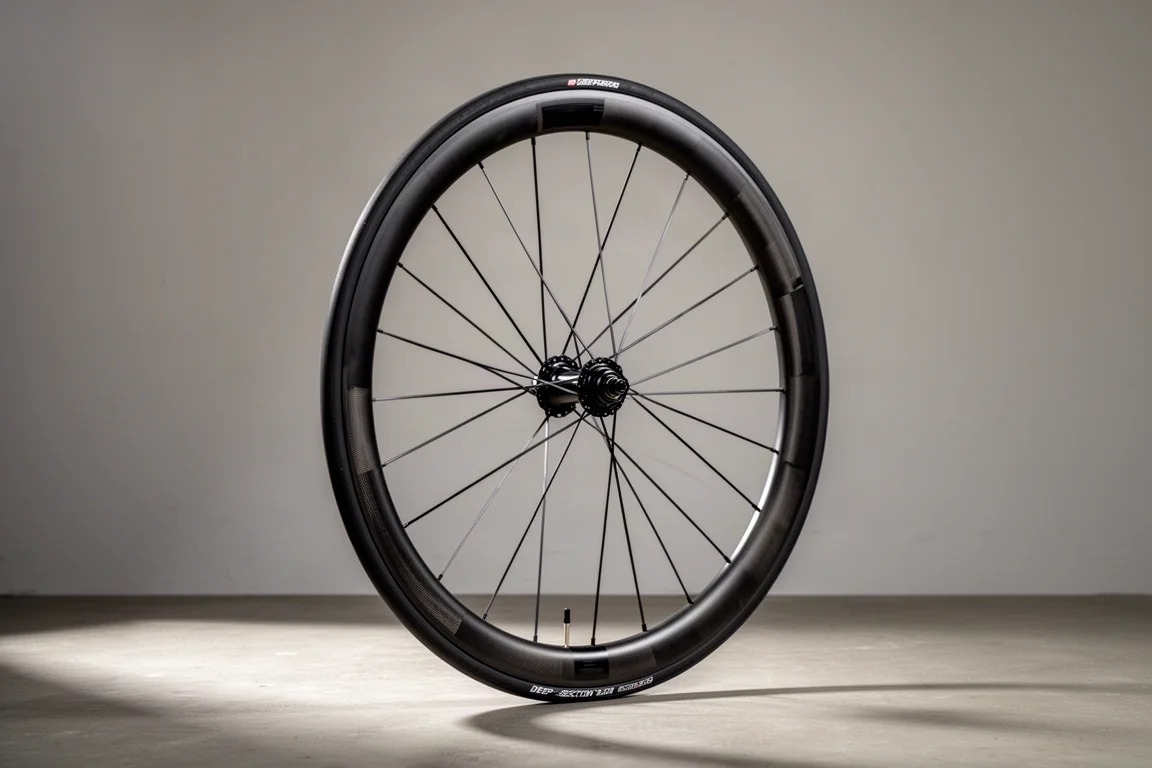
Wheels are the upgrade with the biggest price tag on this list, which makes the value calculation more important. The Reserve 57/64 wheelset costs roughly half of the flagship wheelsets used in the peloton, and it is a set that a team known for leaving no detail unexamined races on.
Speed is only part of the story. This wheelset backs up its aerodynamics with excellent stiffness and crosswind stability, which matters far more on real roads than a wind tunnel figure. The rims are hooked, which many riders prefer, and they are optimised around wider tyres.
The practical details are just as appealing: no rider weight limit, a lifetime warranty, and a build option with the more affordable DT Swiss 240 hubs for riders who want to keep the cost down.
Scope R4: The Faster, More Expensive Option
The Scope R4 is a rapid wheelset used by a WorldTour team, and it sits at the sharp end of the market. On price it is well above the Reserve 57/64, roughly double in the comparison drawn here.
That does not make it a bad buy. It makes it a specialist one. Riders chasing every possible watt, with a budget to match, will find plenty to like. Everyone else will get more value from the wheelset above.
Wahoo Bolt 3: Compact and Quick to Learn
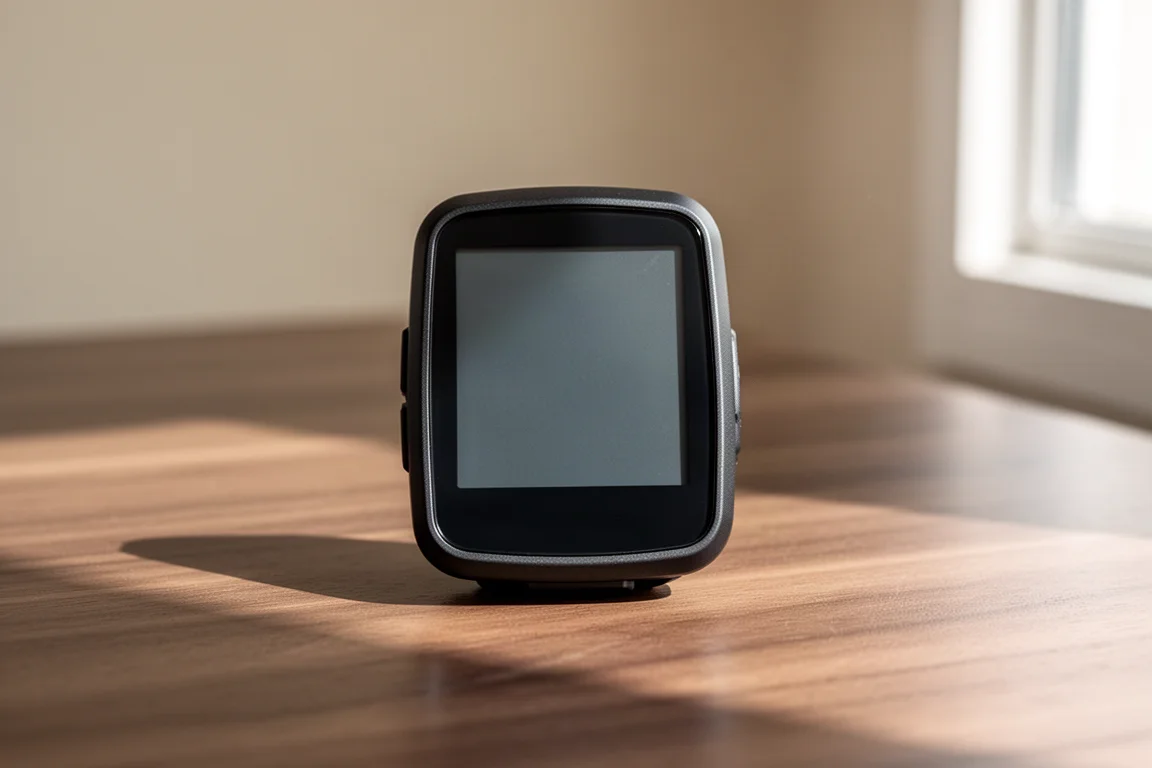
Flagship bike computers have grown larger and more expensive, and the fastest riders in the world often ignore them in favour of smaller, lighter units. The Wahoo Bolt 3 follows that logic. It is the lowest model in its range, yet it misses very few of the features of its bigger sibling.
For navigating unfamiliar roads and pacing your efforts, that is enough. Unless you specifically want a large screen, the Bolt 3 covers the essentials in a package that is easier to live with and easier to afford.
Garmin Edge MTB: Full Navigation in a Smaller Body
The Garmin Edge MTB is another way into a premium computer range. It is smaller, lighter, and cheaper than the flagship models, but it gives up very little in return.
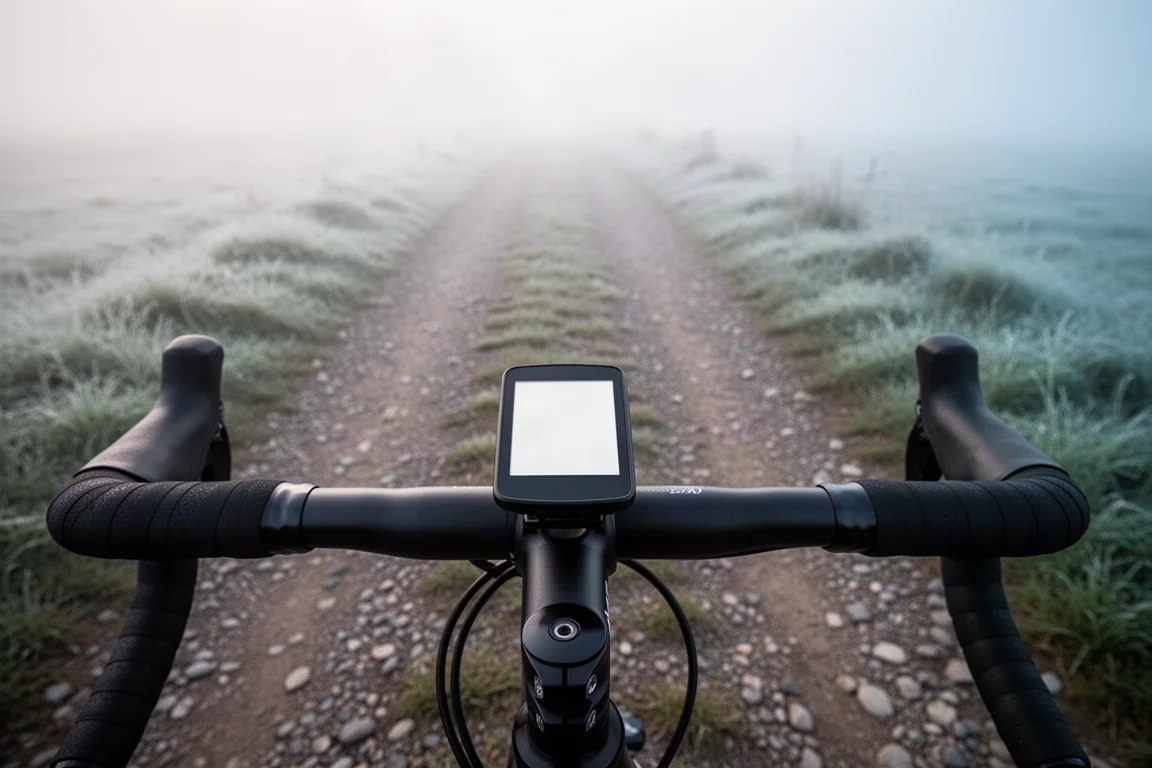
The case for choosing it is straightforward. You get the navigation and ride-tracking tools that matter, in a body that is light enough to forget about on the bars and priced far below the top of the range. Road riders should not be put off by the name, because the same features apply on tarmac.
Prologo One Touch: The Cheapest Comfort Upgrade
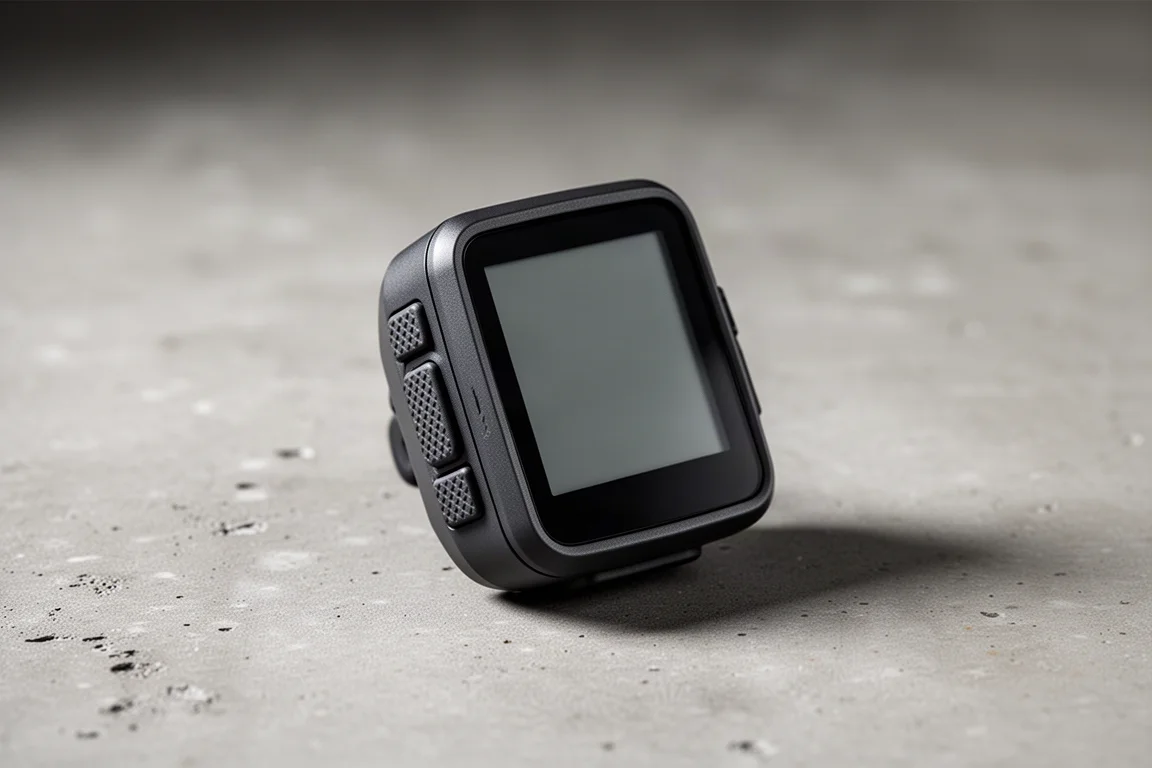
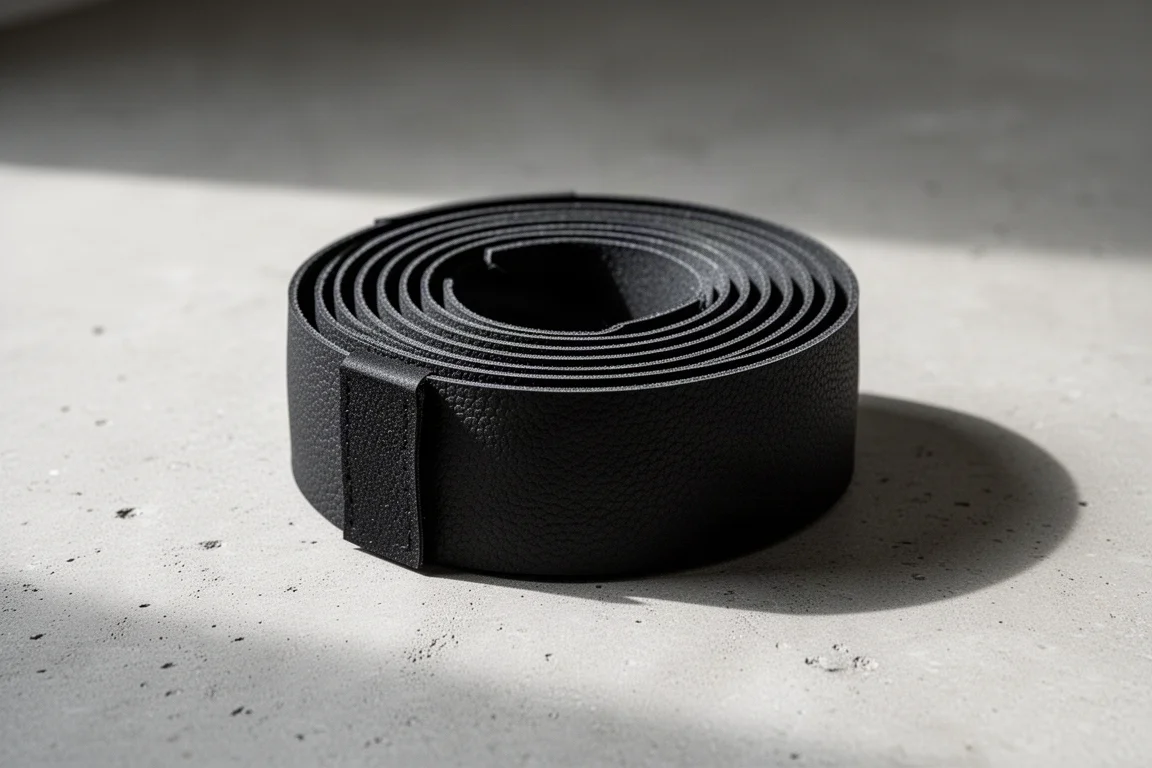
Bar tape is the most overlooked component on most road bikes. Even expensive bikes often ship with tape that turns slippery when you sweat or ride in the rain and offers almost no cushioning over rough surfaces.
The Prologo One Touch tape is 2.5 mm thick, which is enough to take the edge off road buzz without making the bars feel bulky. It costs less than a meal out and can change the feel of a bike in a single afternoon.
Cube Litening Air C:68X: The Value WorldTour Platform
If the goal is a complete Tour de France bike at the lowest possible cost, the Cube Litening Air C:68X is the answer. It is the cheapest bike in the professional peloton, and it is a genuine all-rounder rather than a specialist climbing or aero machine.
It comes with lightweight carbon-spoke wheels and reaches the UCI weight limit without difficulty. The rims are hookless, which not every rider is comfortable with, and that is the main caveat to weigh up.
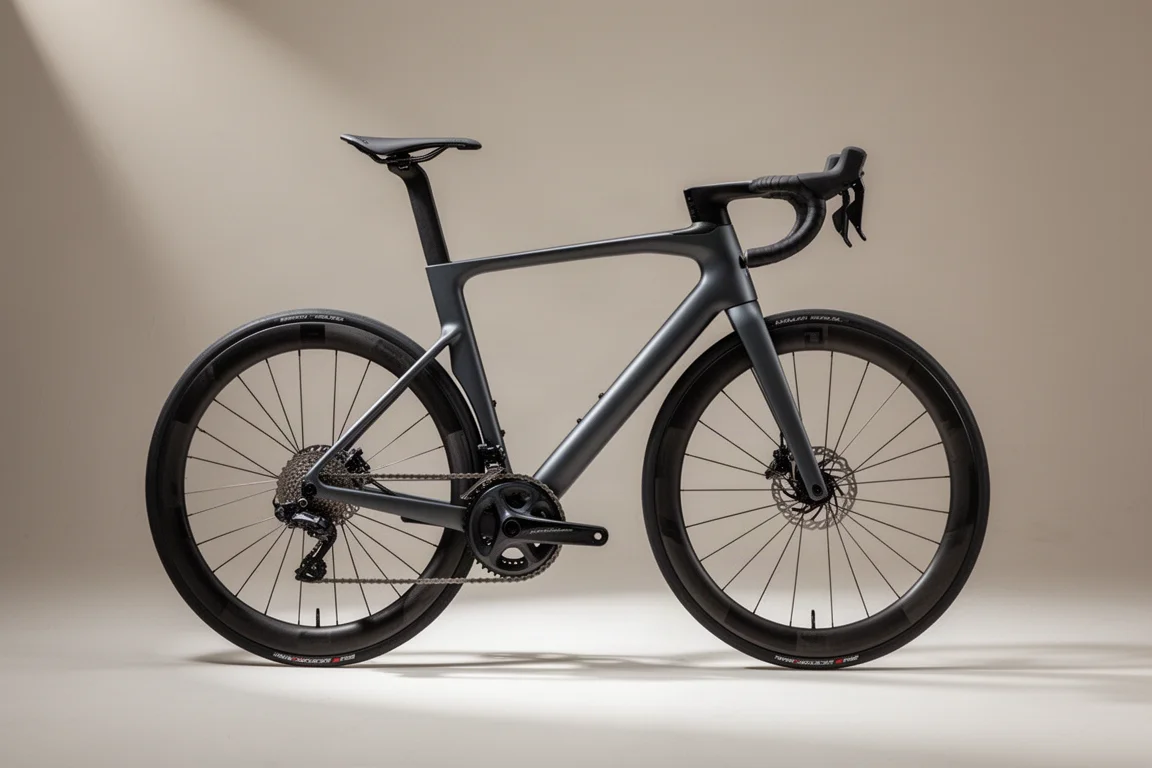
X-Lab 89: A Serious WorldTour Option
The X-Lab 89 is a WorldTour-level machine, and it is regarded as a great bike. It is the kind of option that shows how much choice exists at the top of the sport beyond the most familiar race names.
At this end of the market, preference matters as much as specification. Riders who want something less common will find plenty to like, while those who are attached to a particular brand or ride feel may look elsewhere.
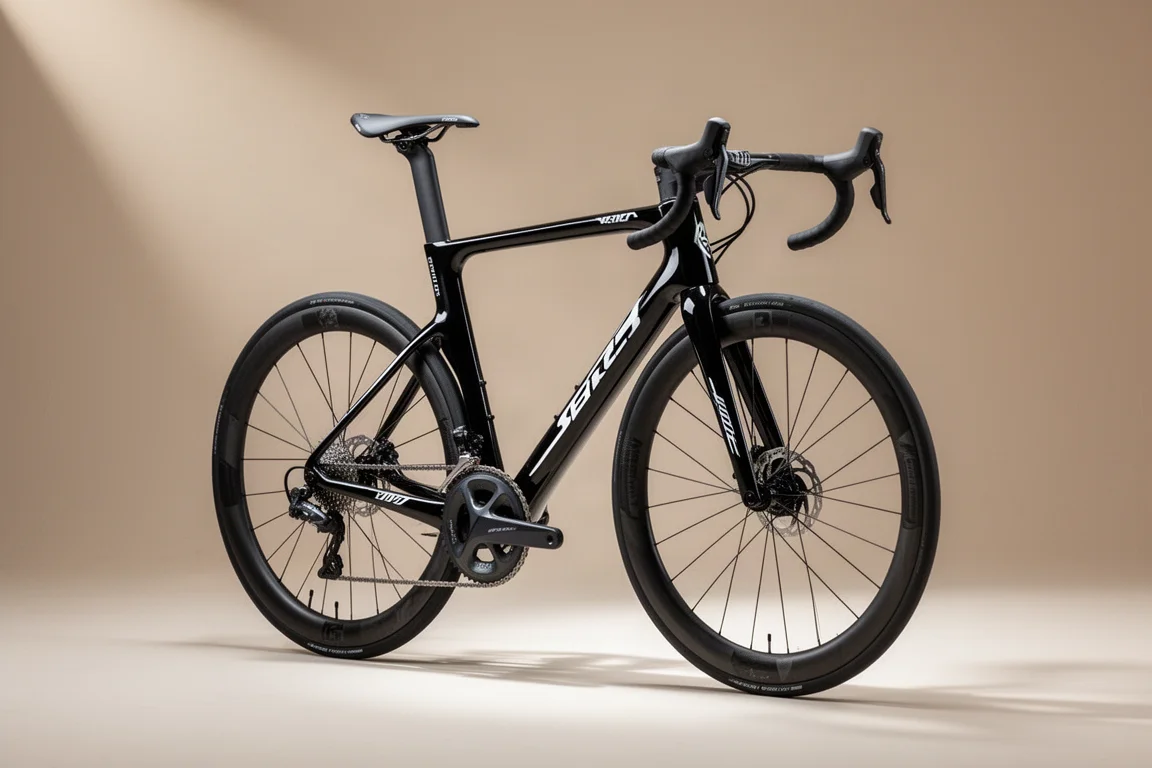
Canyon Aeroad CFR: The Balanced Middle Ground
For riders who want a WorldTour race bike without paying the very top prices, the Canyon Aeroad CFR is the middle ground. It is available with second-tier groupsets such as Shimano Ultegra Di2 or SRAM Force AXS, which keeps the cost down without giving up electronic shifting.
Adjustability is the other advantage. The bar width can be changed, so the fit can be tuned over time rather than locked in at the point of purchase. That mix of ride quality, adjustability, and price is why it lands in the sweet spot of this list.
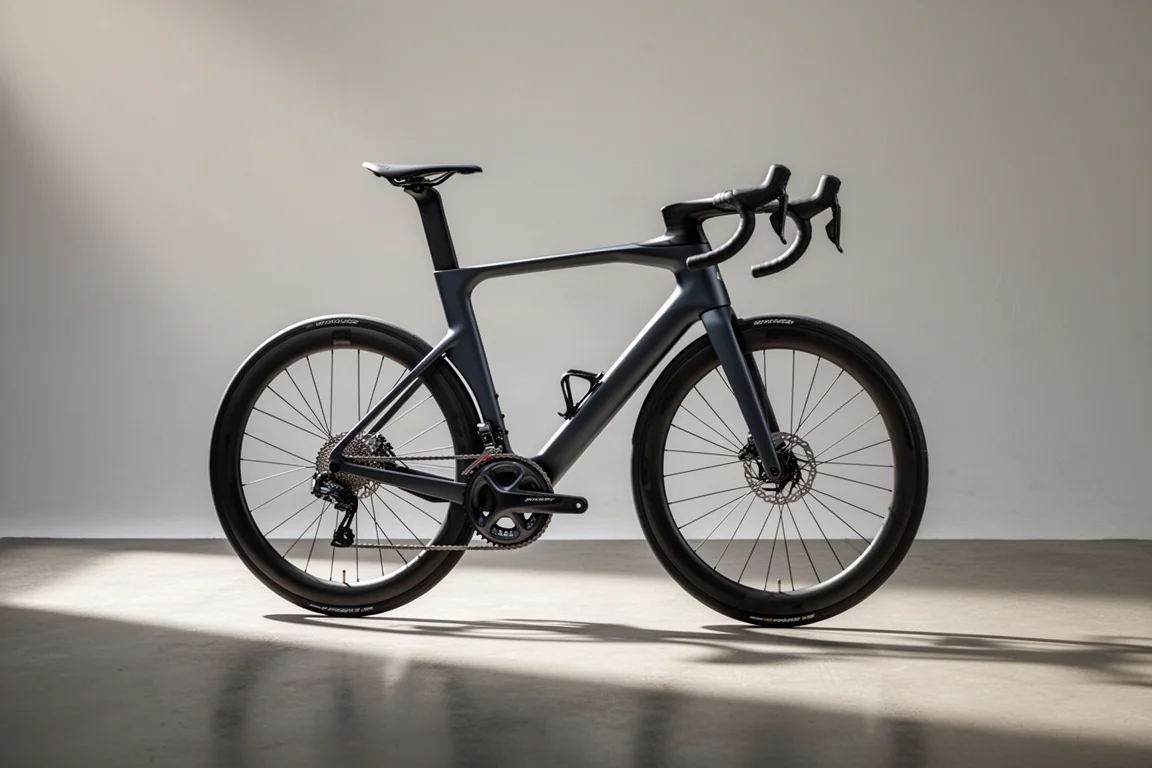
Specialized Tarmac SL9: The Premium Alternative
The Specialized Tarmac SL9 is the newest version of a well-established race platform, and it costs several thousand dollars more than the Canyon Aeroad CFR. It also uses a fixed bar width, which means extra expense on an already costly bike if the stock fit is not right for you.
That does not make it a poor bike. It makes it a premium one, where the gains become smaller relative to the extra spend. Riders who want this bike and are prepared to pay for it will be well served. Everyone else should look at the middle of this list.
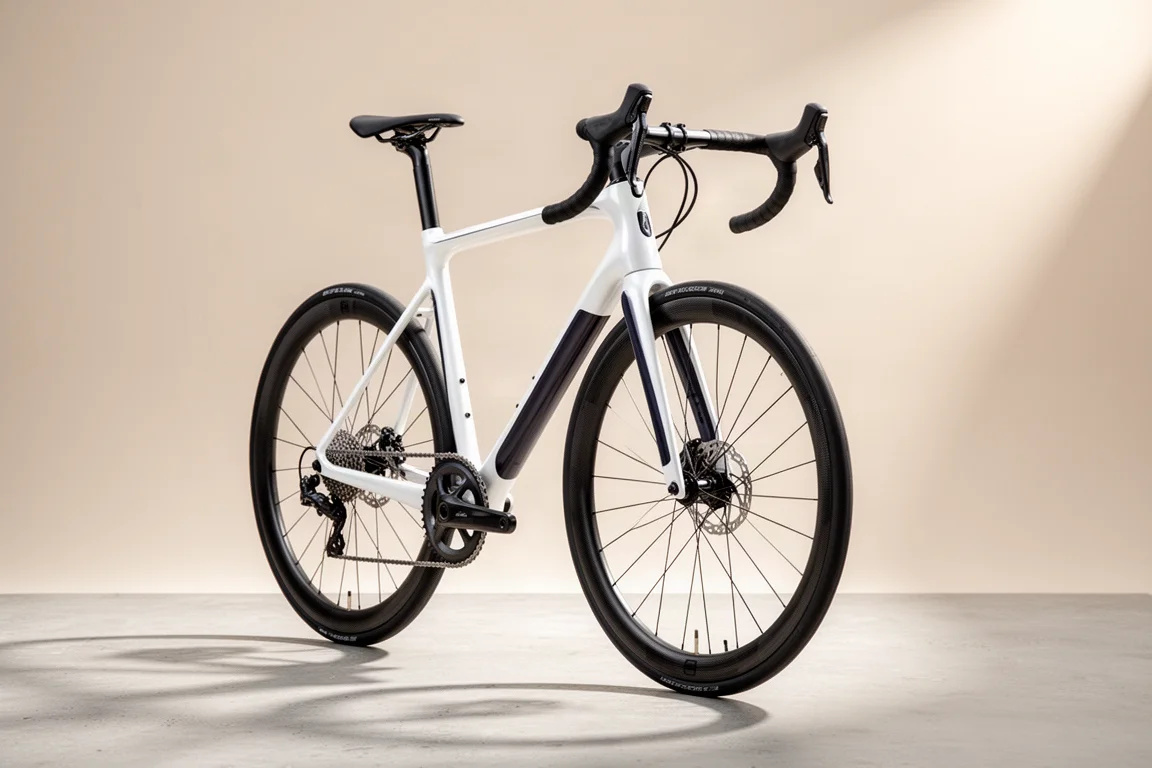
Buying Advice: Where to Spend First
If you are upgrading on a budget, start with tyres. They change how the bike feels and how fast it rolls for a fraction of the cost of a wheelset. A 30 mm Continental GP 5000 STR is a sensible choice for most road riders.

After tyres, an aero helmet is the next best value per dollar, followed by the low-cost comfort items: click valves, fresh bar tape, and bottle cages that hold properly. Wheels come next, and the Reserve 57/64 is the set that balances speed, stability, and price. A bike computer is worth buying only if you will genuinely use navigation or structured pacing.
A complete bike is the largest purchase here. If you go that route, the Cube Litening Air C:68X offers the lowest entry point into WorldTour equipment, the Canyon Aeroad CFR sits in the balanced middle, and the Specialized Tarmac SL9 is the premium choice.
Conclusion
The fastest Tour de France in history will be won on equipment that is mostly out of reach, but the thinking behind those choices is not. Tyres, an aero helmet, and a well-chosen wheelset deliver real speed. Valves, bar tape, cages, and a compact computer make the bike easier to live with every day.
Start with the upgrades that match how you actually ride, and the total spend stays sensible while the bike gets faster and more enjoyable at the same time.
Further reading
Related Reviews
Cycling Gear
8 Cycling Products Riders Keep Coming Back To
Eight cycling components and accessories with clear strengths, honest trade-offs and long-standing reputations among riders and mechanics.
Cycling Gear
Aero Helmets and Bottle Setups Tested: Six Options Ranked by Measured Watt Savings
Wind tunnel data on six aero helmets and bottle setups, with real watt savings, practical trade-offs, and guidance on what is worth buying first.
Cycling Gear
Aero Road Bikes and Fast Tires Worth Watching in 2026
Four aero road bikes and one fast road tire, with the real strengths, the open questions, and what to check before you buy.