Road Bikes
Best Value Shimano Ultegra Road Bikes: Six Builds Compared
Six Ultegra-equipped road bikes compared on wheels, bottom brackets, and cockpit design, with clear notes on where each build asks for an upgrade.
Introduction
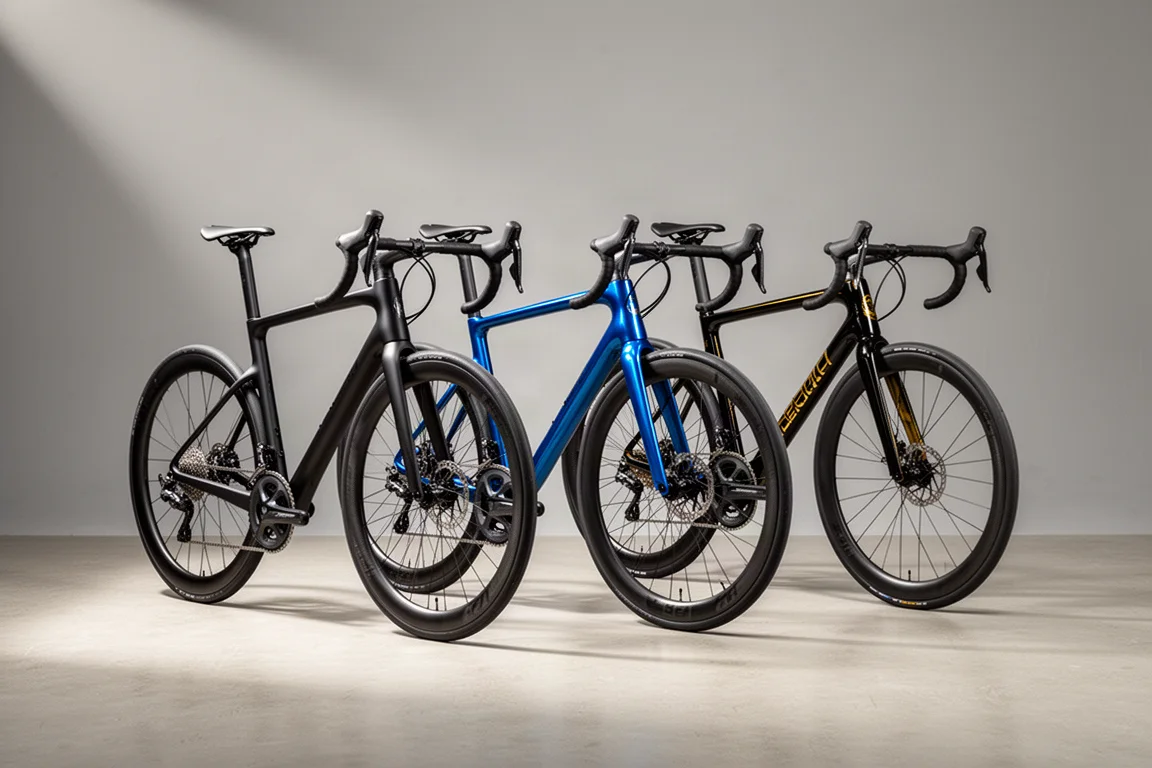
Shimano’s Ultegra R8100 update moved the groupset to 12-speed gearing, semi-wireless shifting, and revised brakes that the brand describes as its most powerful yet. The interesting question for buyers is what that technology costs once it is wrapped in a complete bike. The answer, across this group of six, is less than expected: the whole field sits inside a narrow price band, and specification differences matter far more than the gaps between them.
All six bikes here run the same Ultegra foundation, so the buying decision comes down to frames, wheels, tires, and the small details that decide whether a bike stays satisfying after the first season.
What to Look For in a Shimano Ultegra Build
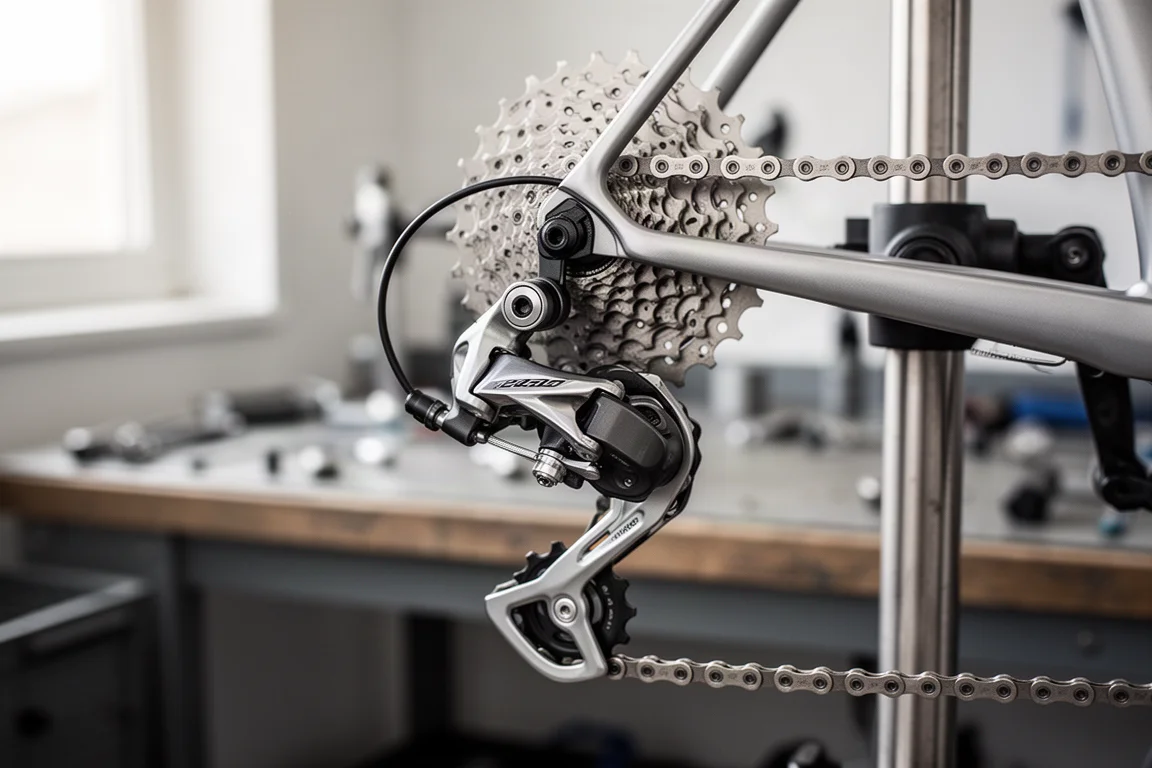
Because the groupset is fixed, the rest of the build is where value is won or lost. Wheels and internal rim width are the biggest single factor, since a wider rim supports the tire better and that shows up as improved ride feel and grip. Bottom bracket standard is worth checking too, as a threaded design is generally easier to live with over the long term than a press-fit one. Cockpit design matters as well, particularly on endurance bikes where adjustability is a genuine priority. Tires are the easiest place for a brand to save money, and also the easiest place for an owner to make an upgrade.
Frame quality should not be overlooked either. A well-developed platform that has been through several seasons of rider feedback is often a safer bet than a newer design, even if the newer bike looks more dramatic on paper. The bikes below are ranked with all of this in mind.
Vitus Vitesse Evo CRS: The Most Complete Build
The Vitesse Evo CRS carries arguably the best specification in this roundup. The frame is a tried and tested design that has performed consistently for a wide range of riders, and it has earned an editor’s choice bike of the year award along the way. Carbon handlebars and a carbon seatpost save weight and add compliance, and although the alloy stem forgoes a little weight saving, it is a conventional design that avoids internal routing complications and keeps future adjustments straightforward.
What sets this build apart is the wheels. Carbon Reynolds AR-29 rims with a 21mm internal width are the widest here, which means ride feel and grip are closer to bikes costing considerably more from other brands. The result is a machine that looks timeless, thanks to subtle decals, gloss paint, and uncomplicated cable routing.
Two compromises are worth noting. The tires could be more premium for the money, and the frame uses a press-fit bottom bracket, where a threaded design would have been preferable for long-term servicing. Even so, the wheels do not need replacing out of the box, which is rare at this level.
Ribble Endurance SL: Built to Last
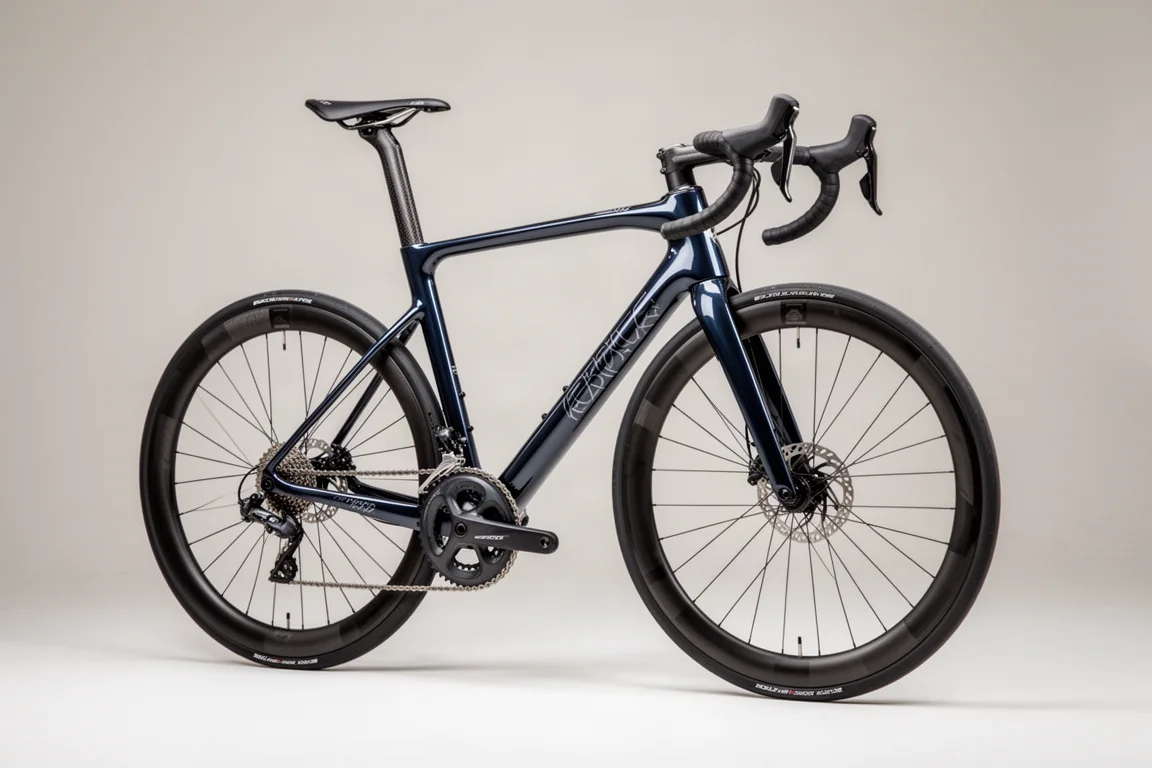
The Endurance SL arrives at a competitive price with features that should keep it serviceable for years. The threaded bottom bracket is the standout detail, and it is a genuine plus for both reliability and maintenance down the line. Ribble’s own-brand carbon wheels are the compromise: a claimed 1,620g weight is not especially light, and a narrow 17.5mm internal width limits ride feel and comfort. Their 40mm deep profile should still deliver aerodynamic benefit, and Continental GP5000 tires are a welcome sight at this price.
The rest of the package is complete, with a carbon seatpost and carbon integrated handlebars. The integrated cockpit is a nice feature, though it does limit adjustability, which is something worth weighing up on an endurance bike. The overall build looks tidy, with brake hoses concealed inside the frame and styling cues borrowed from much more expensive machines.

If adjustability matters more to you than clean lines, budget for a cockpit swap or look at a build with a conventional stem.
Canyon Endurace: Value From a Direct-Sales Brand
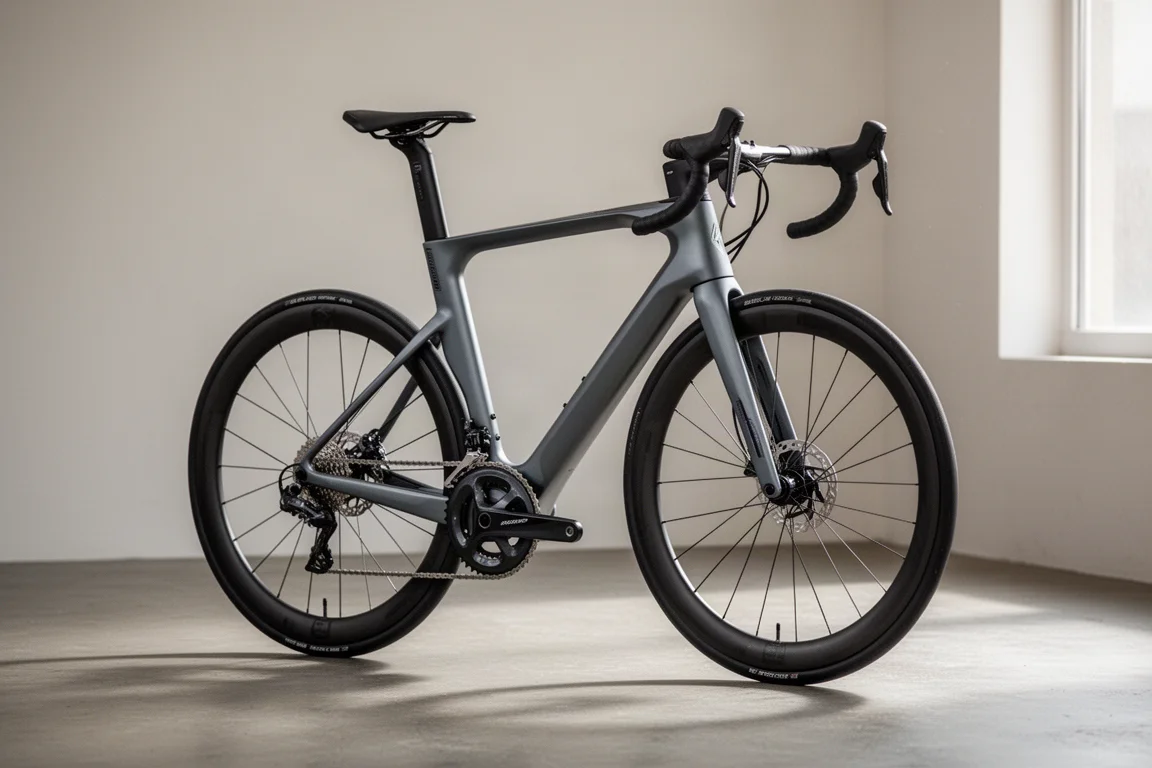
Canyon’s direct-to-consumer model usually brings a lower specification at a given price, and the Endurace follows that pattern. The Ultegra groupset is present, but the wheels are aluminium DT Swiss rather than carbon, a clear difference from most of the bikes here. Canyon does fit carbon integrated handlebars and a carbon seatpost, both aimed at improving comfort on longer rides.
This is also one of the cheaper options in the group, and there is a reasonable argument that a good set of aluminium wheels is more useful than a poor set of carbon ones. The 18mm internal width is narrow and tires will bulge slightly over the rim, but Continental GP5000 rubber in a 30c size helps compensate with decent comfort and grip. Paintwork is simple and restrained in the way Canyon usually manages, which should keep the bike looking current for years.
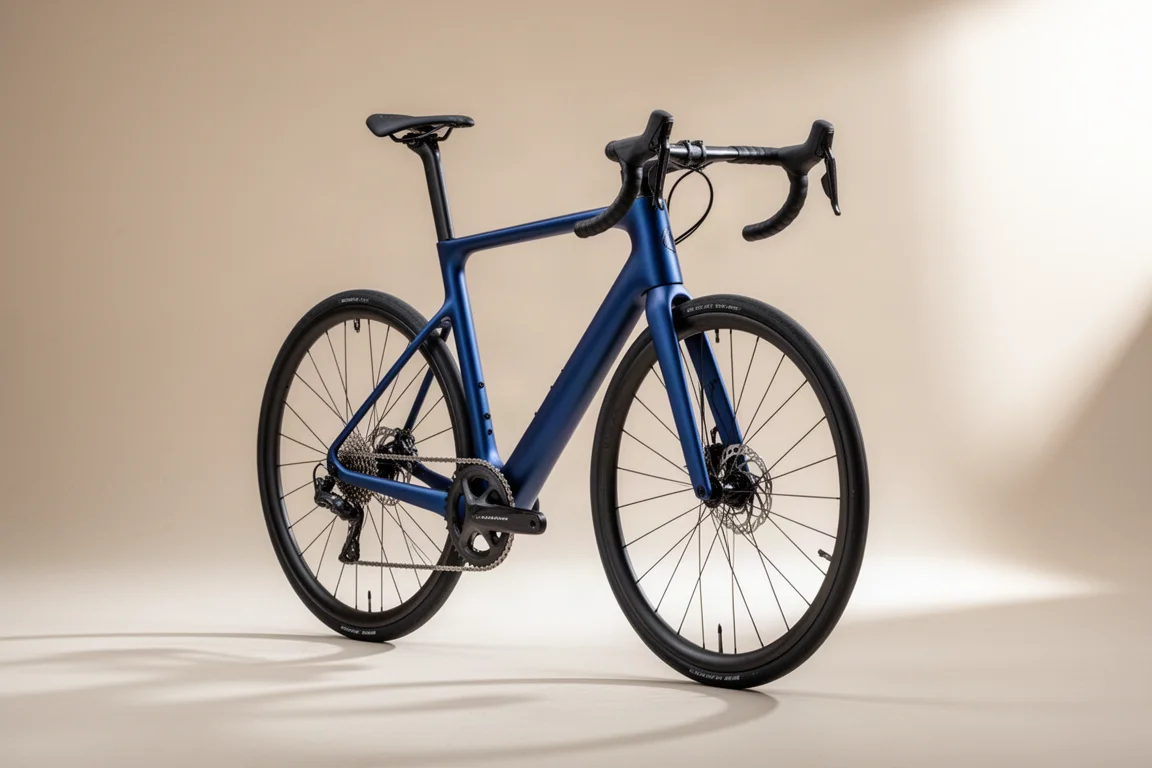
Boardman SLR 9.6: Aerodynamics on a Budget
The SLR 9.6 makes a statement by being the second cheapest bike here while still offering deep-section carbon wheels, range-topping Vittoria Corsa graphene tires, and a carbon seatpost. The lower price does show in the cockpit, where fairly ordinary alloy handlebars and stem replace carbon equivalents.
The wheels themselves are Alexrims, a less familiar name, so it is difficult to say how they will perform over time. Where Boardman has invested is the frame, which has been developed in a wind tunnel and aerodynamically optimised. The sleek blue fade finish looks the part, and the overall package is a strong starting point, provided you accept that some components may warrant an upgrade later.
For riders who want an aero-leaning frame with budget left over for future upgrades, this is a sensible route into the Ultegra platform.
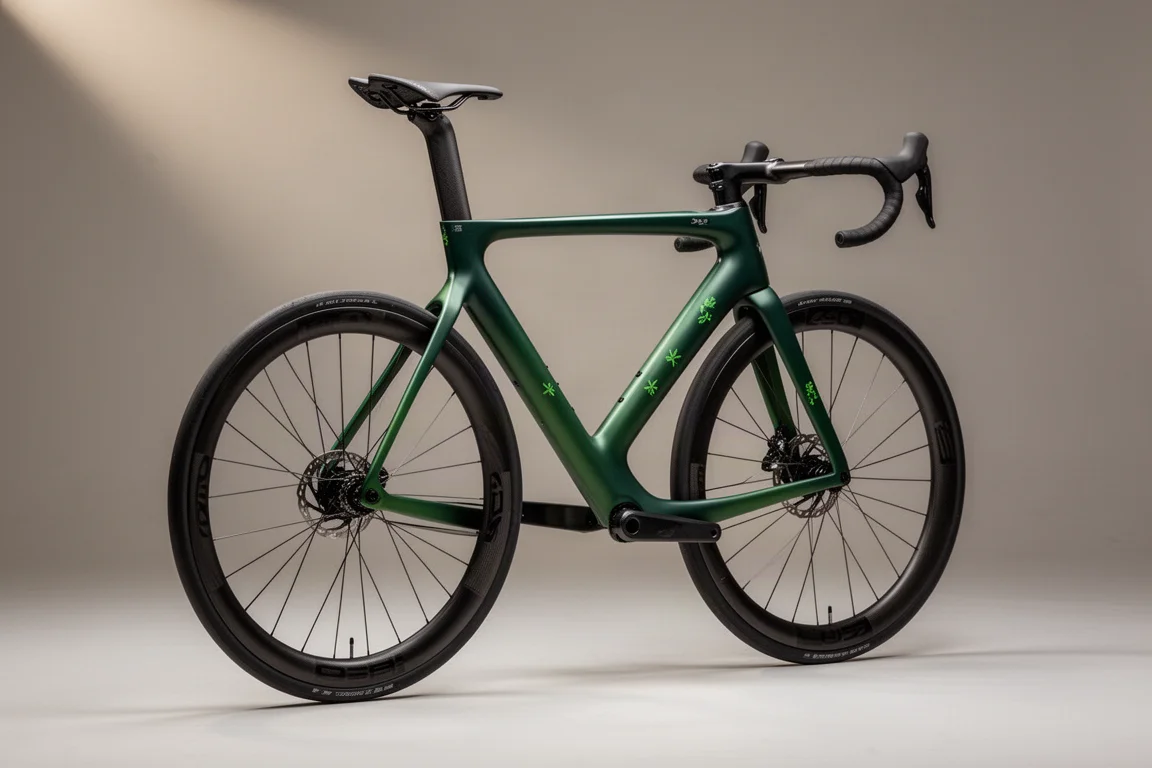
Cube Agree C:62 Race: Cohesive Finishing Kit
Cube has a long history of punching above its price, and the Agree C:62 Race leans on a wide range of in-house components. The saddle, stem, seatpost, handlebars, and bar tape all match the frame brand, which gives the bike a notably cohesive, sleek appearance.
The compromise sits at the circular bits. Fulcrum Racing 44 DB wheels and Continental Grand Sport Race tires are both fairly standard choices, and it is a shame to see a brand save money here rather than deliver a stronger wheel and tire combination, especially when comparable or cheaper bikes in this group do better. This model also sits at the higher end of the price bracket, so upgrading the wheels and tires later makes the value case harder to justify.
That said, the Agree platform has been popular for years, giving Cube plenty of rider feedback to develop the frame. It is available in two colorways, an eye-catching gloss blue fade and a stealthy matte black.
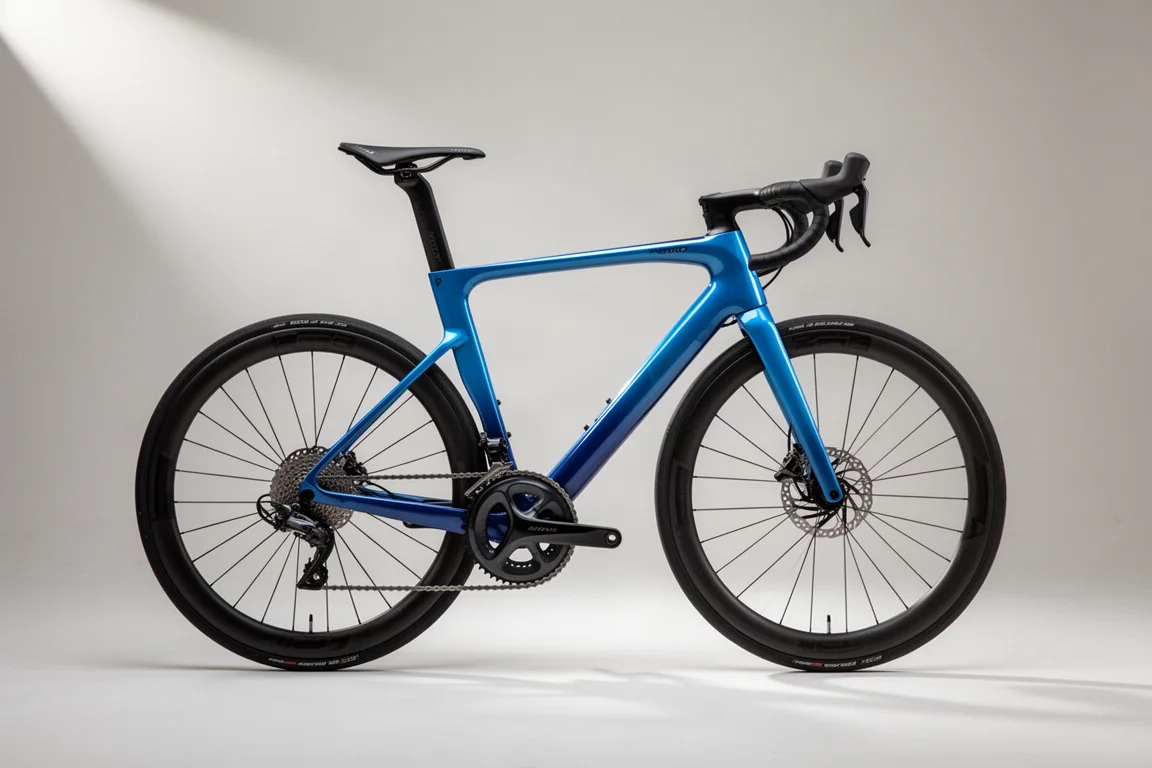
Orro Venturi STC: The Best Value Pick
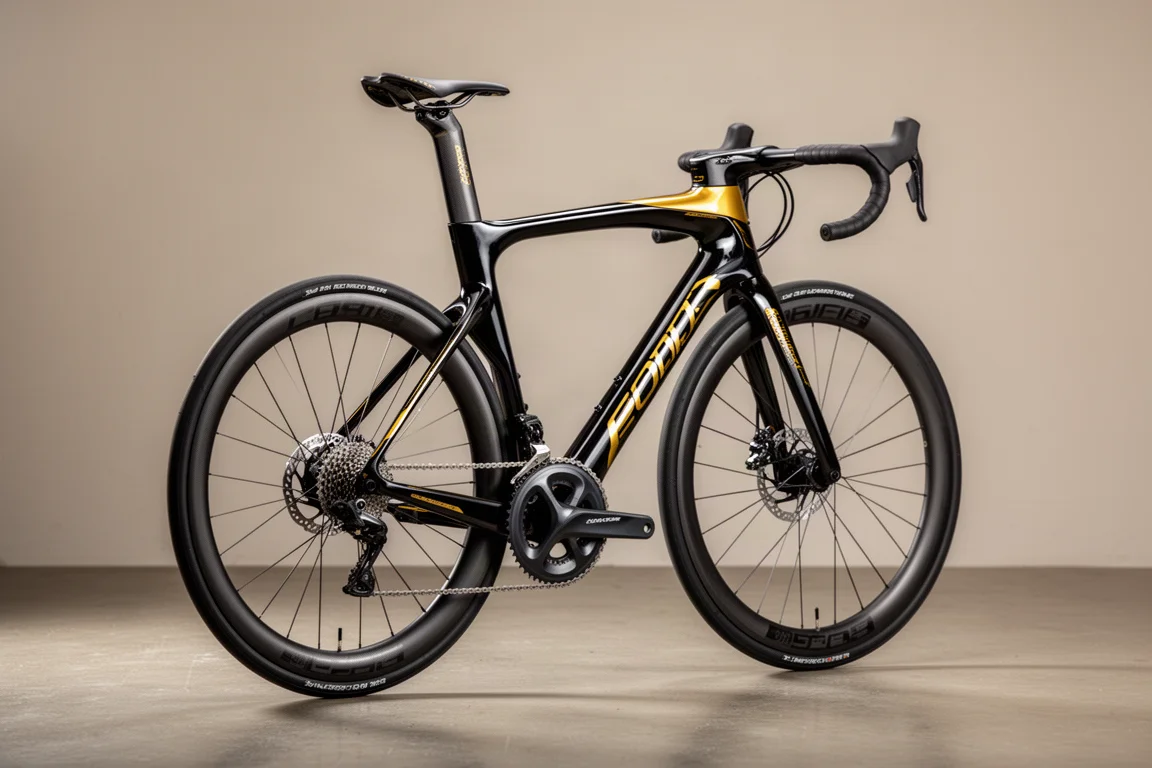
Orro takes the best value spot here with the Venturi STC. The frame has been around for a while, but the specification is what has been updated. Alongside a proprietary seatpost, Orro uses an FSA handlebar and stem to create an integrated cockpit that hides the brake hoses from view.
The Fulcrum R400 DB wheelset uses a 34mm deep aluminium rim, which offers a small aerodynamic advantage over a box section rim. Weight rises as a result of the aluminium construction, so these are best seen as training wheels rather than a performance set for fast racing. The latest iteration of the wheel increases internal width to 19mm, which helps with the fitment of 25mm tires.
The heavily sculpted carbon frame will look clunky to some eyes and dramatic to others, but either way the gloss black and gold colorway is likely to turn heads.
Buying Advice
Ranking these six was not easy, because very little separates them. The Vitus Vitesse Evo CRS takes first place on the strength of a specification that does not leave you wanting to upgrade components. It may be the most expensive, but only around 400 pounds separates first from sixth, roughly a 10 percent spread in this bracket. That matters, because several of the other bikes would have you browsing for wheels or cockpit parts soon after purchase, and that bargain price does not last long once upgrades begin.
If your priority is wheels and ride feel, the Vitus is the clear choice. If you want the lowest entry point with a frame worth building on, the Orro and the Boardman make the most sense. The Ribble rewards riders who value long-term serviceability, the Cube offers the most cohesive finish, and the Canyon keeps the initial outlay down.
Whichever you choose, check the internal rim width, the bottom bracket standard, and how much cockpit adjustment you need before committing. Those three details will shape your experience more than the badge on the down tube.
Conclusion
All six of these bikes deliver Shimano’s 12-speed Ultegra groupset, semi-wireless shifting, and the updated brake package in a price band that stays remarkably tight. The differences come down to wheels, tires, and the small design decisions that decide how a bike ages. The Vitus Vitesse Evo CRS remains the most complete package, the Orro Venturi STC represents the best value, and the Boardman SLR 9.6 offers the most room to grow. Choose according to which components you would rather not replace.
Further reading
Related Reviews
Road Bikes
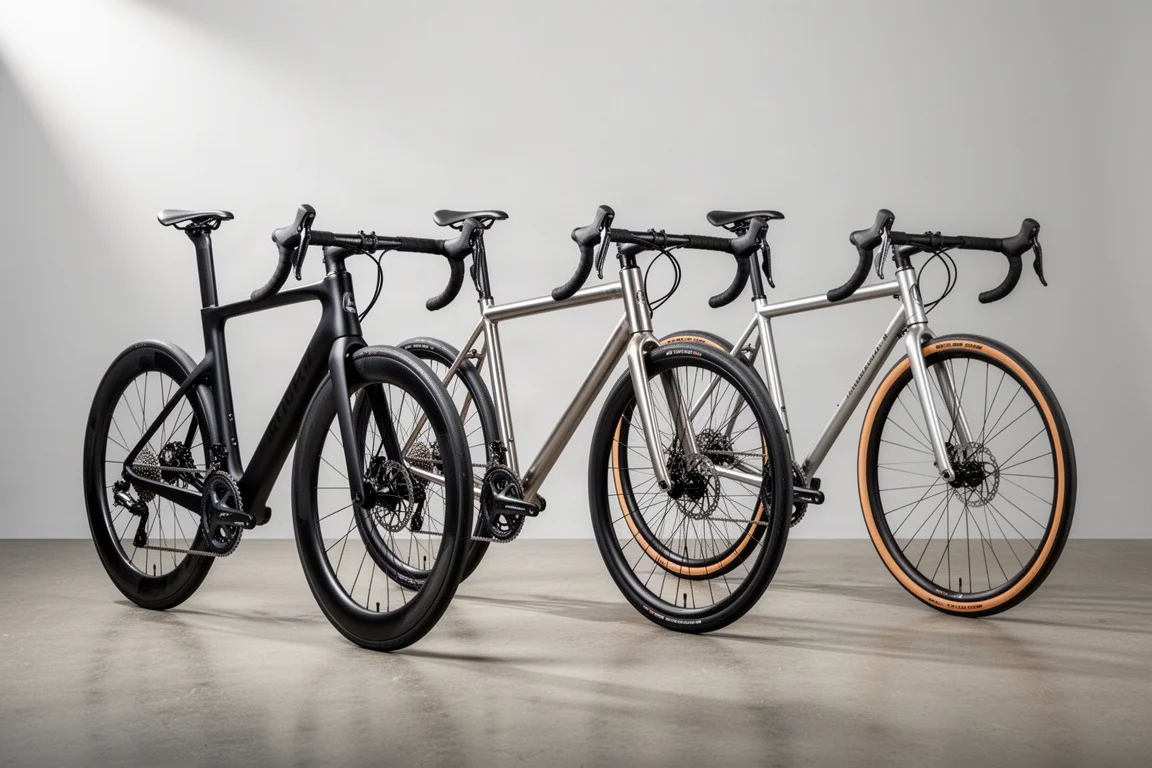
10 New Road Bikes Worth Watching: Aero, Titanium, Steel and Endurance Standouts
A practical roundup of 10 new road bikes, from aero flagships chasing single-watt gains to titanium, steel and endurance platforms built for real roads.
Road Bikes
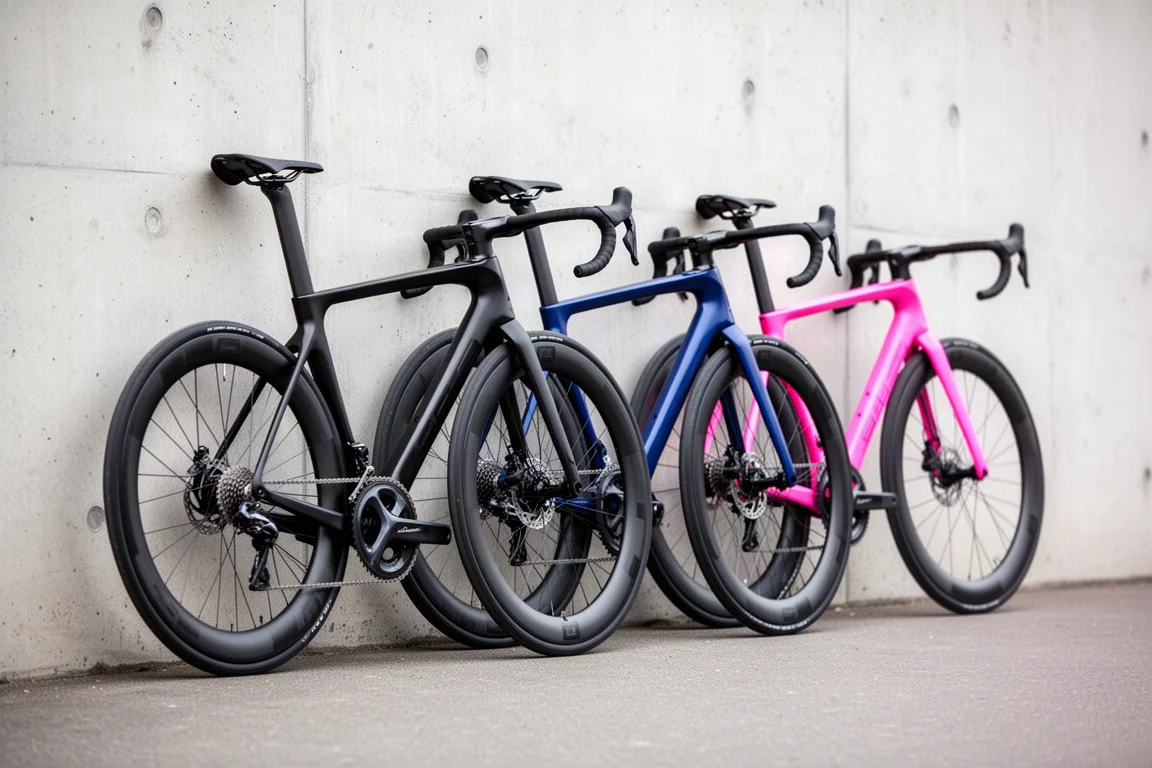
2026 Tour de France Road Bikes: Six Race Machines Worth a Closer Look
Six race bikes from the 2026 Tour de France grid, reviewed for paint, silhouette, wheels and the specification details that matter to buyers.
Road Bikes
3T Strada Italia Review: A Radical Aero Road Bike That Rides Smooth
A made in Italy carbon aero road bike with a deep head tube, wide tire clearance and a genuinely comfortable ride. Here is what to know before buying.