Road Bikes
Best Value Bikes with Shimano Ultegra R8100: Six Carbon Road Bikes Compared
Six carbon road bikes built around Shimano's 12-speed Ultegra R8100 groupset, compared on wheels, tires, cockpits and long-term value.
Introduction
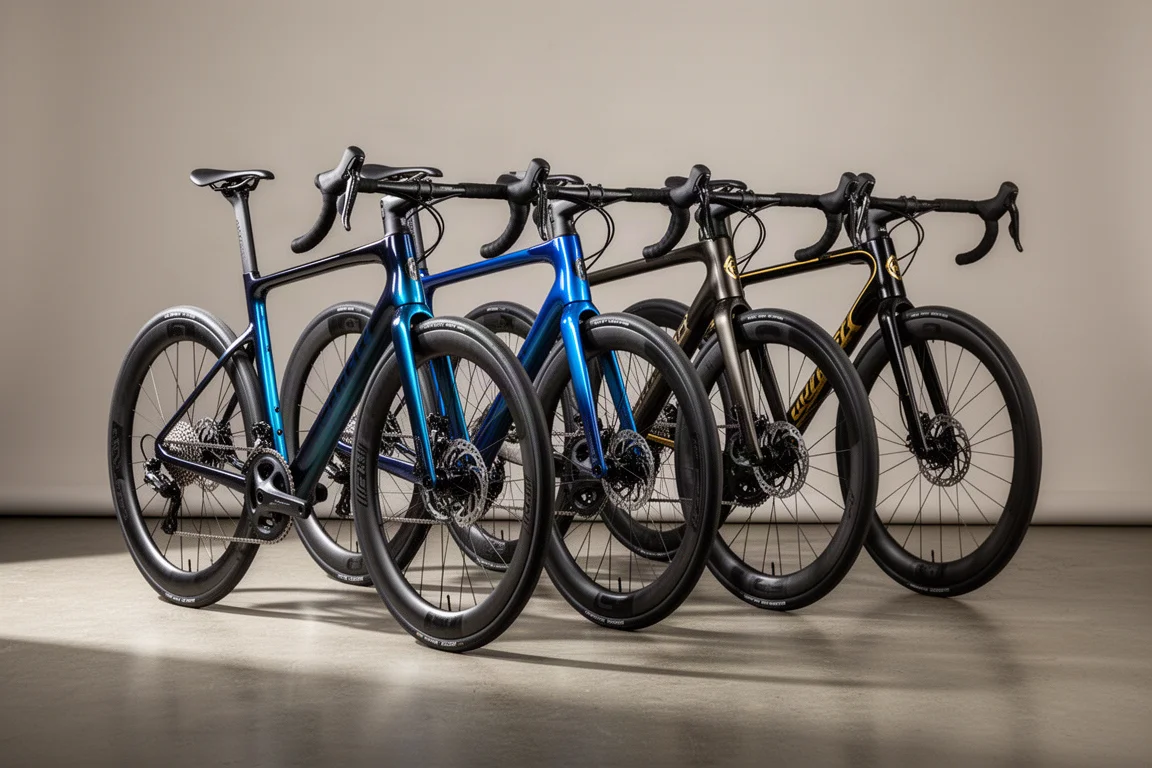
Shimano’s Ultegra R8100 brought 12-speed gearing, semi-wireless shifting and the most powerful Ultegra brakes yet. Upgrades like that usually arrive with a price increase, but a handful of direct-sales and high-volume brands have kept complete Ultegra builds inside a narrow price band. This roundup covers six carbon road bikes that use the new groupset, and the differences between them come down almost entirely to wheels, tires, cockpits and frame pedigree rather than headline price.
Across the six bikes, the total spread is only around £400 from first place to sixth. That changes how the decision should be made, because a slightly cheaper bike with weak wheels can end up costing more than a more expensive one that arrives ready to ride.
What to Look For in a Value Ultegra Build
The groupset is the one constant, so the real differences live everywhere else. Wheels and tires are the first place to look. Internal rim width shapes ride feel and grip, and a narrow rim can blunt the performance of an otherwise strong build. Tires matter just as much, since a premium set of road tires can transform comfort and confidence without touching anything else.
Frame design and bottom bracket standard matter for long-term ownership. A threaded bottom bracket is easier to service and generally more reliable over years of riding, while a press-fit shell saves weight but demands more care. Neither is wrong, but it is worth knowing which one you are buying.
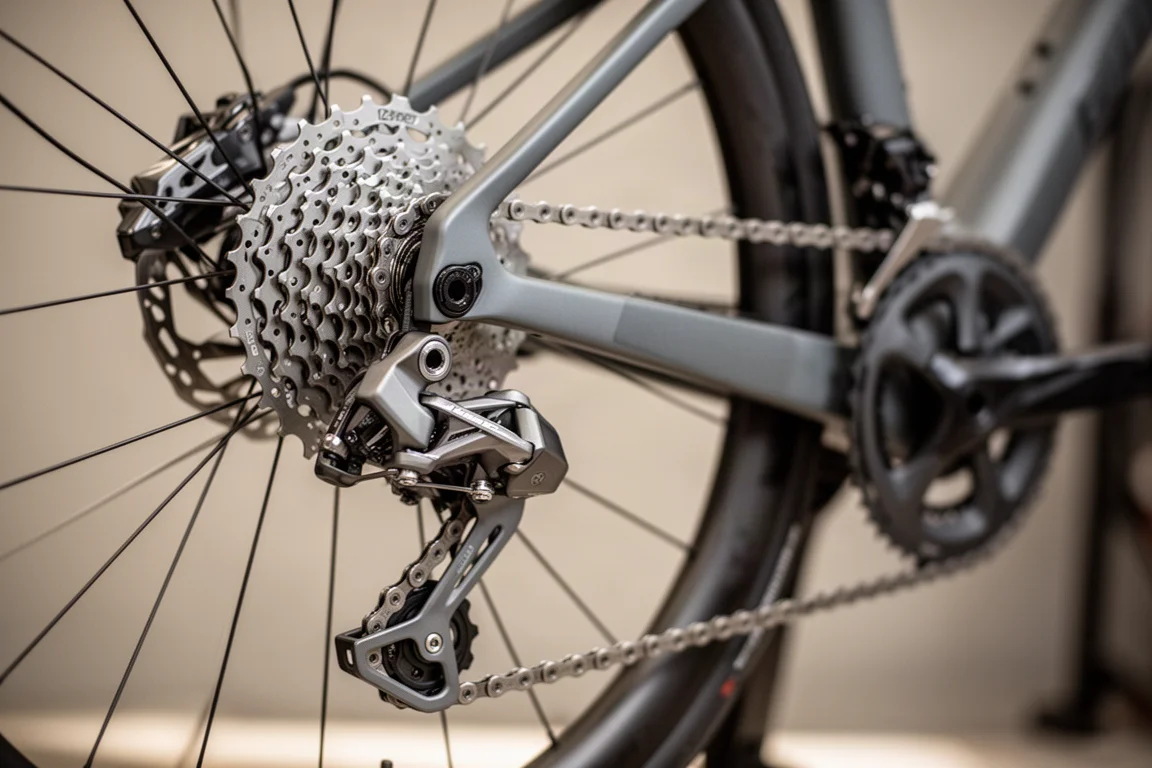
Cockpit choice is the last big variable. Integrated carbon bars with concealed hoses look modern and tidy, but they limit adjustability, which counts for more on endurance geometry than on a race bike. A conventional stem and external routing are easier to live with and simpler to upgrade later.
Vitus Vitesse EVO CRS
The Vitesse EVO CRS arrives with what is arguably the strongest specification of the six. The frame is a proven design that has performed consistently for a wide range of riders and has already collected an editor’s choice bike of the year accolade, so the platform is well established rather than new and unproven.
The finishing kit backs that up. Carbon seatpost and carbon handlebars save weight and add compliance, and while the stem is alloy rather than carbon, that is an easy upgrade later. Using a conventional stem also means there is no internal routing to fight with, so adjustments stay straightforward.
The standout part is the wheelset. Reynolds AR-29 carbon wheels are fitted, and their 21mm internal width is the widest in this roundup. That width brings ride feel and grip closer to bikes costing considerably more, and it means the wheels do not need replacing straight out of the box. The look is timeless too, with subtle decals, gloss paint and uncomplicated cable routing.
Two details keep it short of perfect. The tires are not as premium as the rest of the build deserves, and the frame uses a press-fit bottom bracket, which some riders would happily swap for a threaded shell. Neither is a dealbreaker.
Ribble Endurance SL Disc
The Endurance SL Disc is competitively priced and built around features that should keep it on the road for many years. The threaded bottom bracket is a particularly welcome choice, helping both reliability and long-term servicing.
Ribble’s own-brand carbon wheels are the main compromise. They are not the lightest, with a claimed 1,620g weight, and a 17.5mm internal width narrows ride feel and comfort. They should still perform aerodynamically thanks to a 40mm deep profile, and the tires are a genuine highlight, with Continental GP5000s fitted as standard.
Carbon seatpost and carbon integrated bars complete a tidy package, with brake hoses concealed in the frame and styling cues that echo bikes costing much more. The integrated bar is the one reservation: it is a lovely feature, but it limits adjustability, and on an endurance bike that flexibility is worth something. Overall the build looks complete and modern, and it should age well.
Canyon Endurace
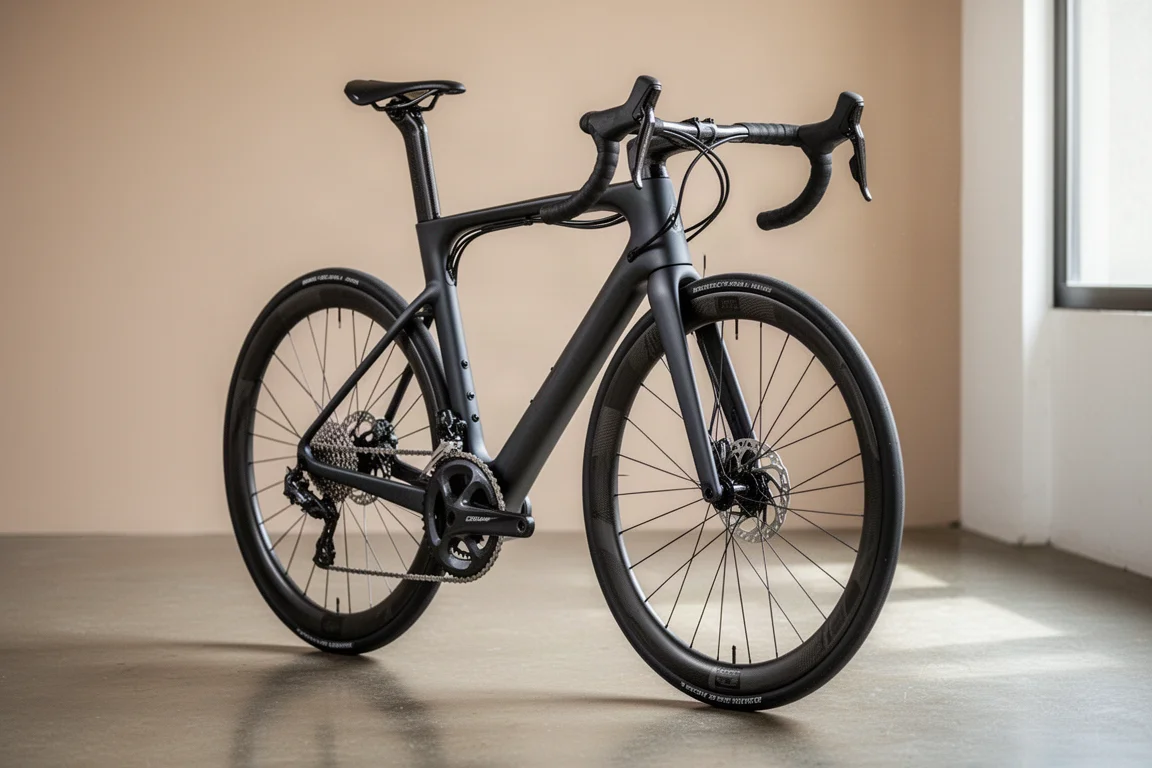
Canyon’s direct-to-consumer model usually means strong value, but brand prestige tends to pull specification down, and that is visible here. The Endurace uses aluminum DT Swiss wheels, a clear step away from the carbon wheelsets elsewhere in this roundup, though a good set of alloy wheels is a better starting point than a poor set of carbon ones.
Carbon integrated bars and a carbon seatpost are included to add comfort, which suits the endurance brief. With an 18mm internal width, tires sit a little bulbous over the rim, but aerodynamic efficiency is unlikely to be top of the list for a rider choosing this bike. Continental GP5000 tires in a 30c size go some way to making up for the narrower rim and should deliver a decent balance of comfort and grip.
Canyon rarely misses on paint. The finishes are simple, but they carry a mass-market timelessness that keeps them looking modern and fresh for years. Priced below several bikes here, it is a sensible entry point into the new Ultegra generation.
Boardman SLR 9.6 Carbon
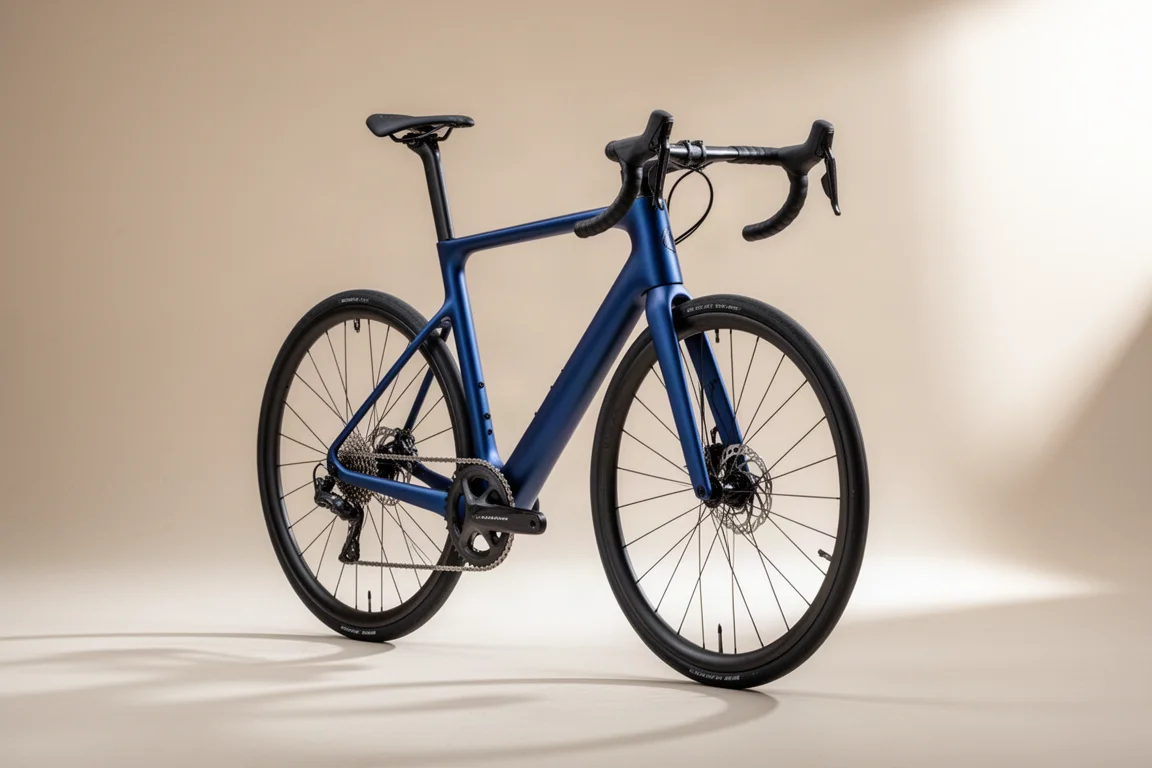
The SLR 9.6 Carbon is the second cheapest bike in this roundup, yet it still includes deep-section carbon wheels, range-topping Vittoria Corsa graphene tires and a carbon seatpost. That is a strong headline specification for the money.
The lower price does show up in the details. Handlebars and stem are fairly ordinary alloy items, and although the wheels are carbon, they come from Alex Rims, a less familiar name that makes them difficult to judge with confidence.
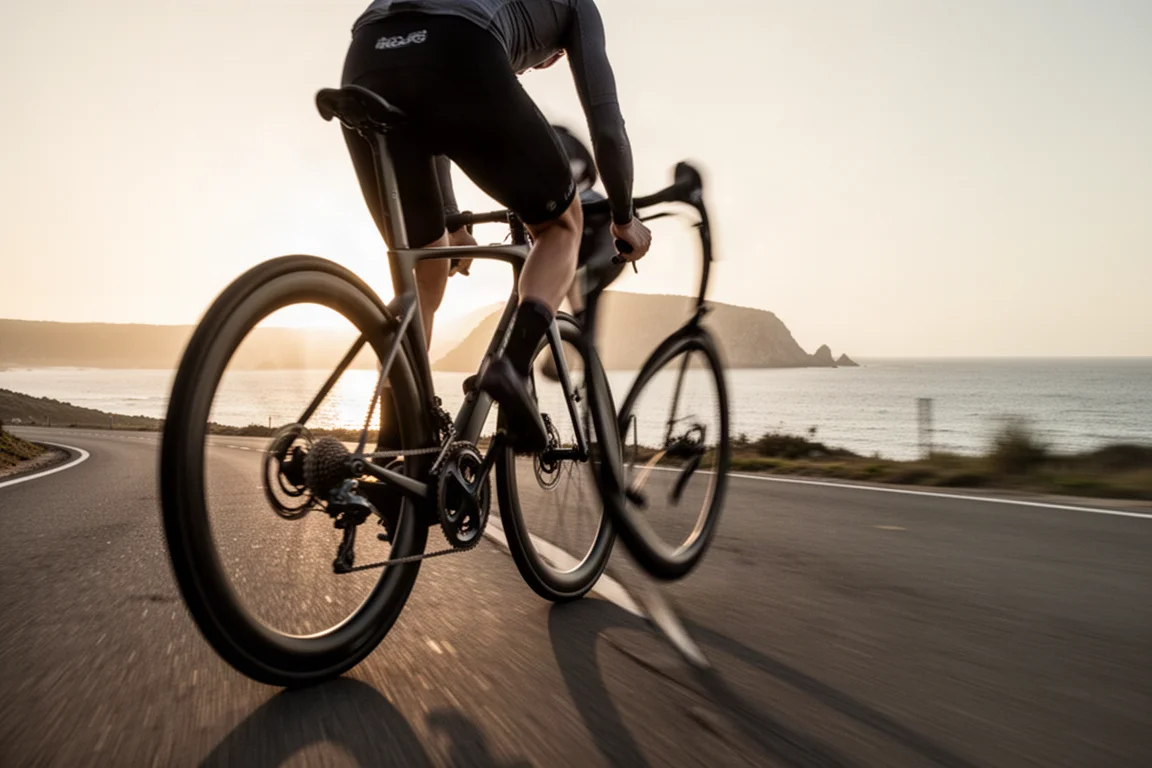
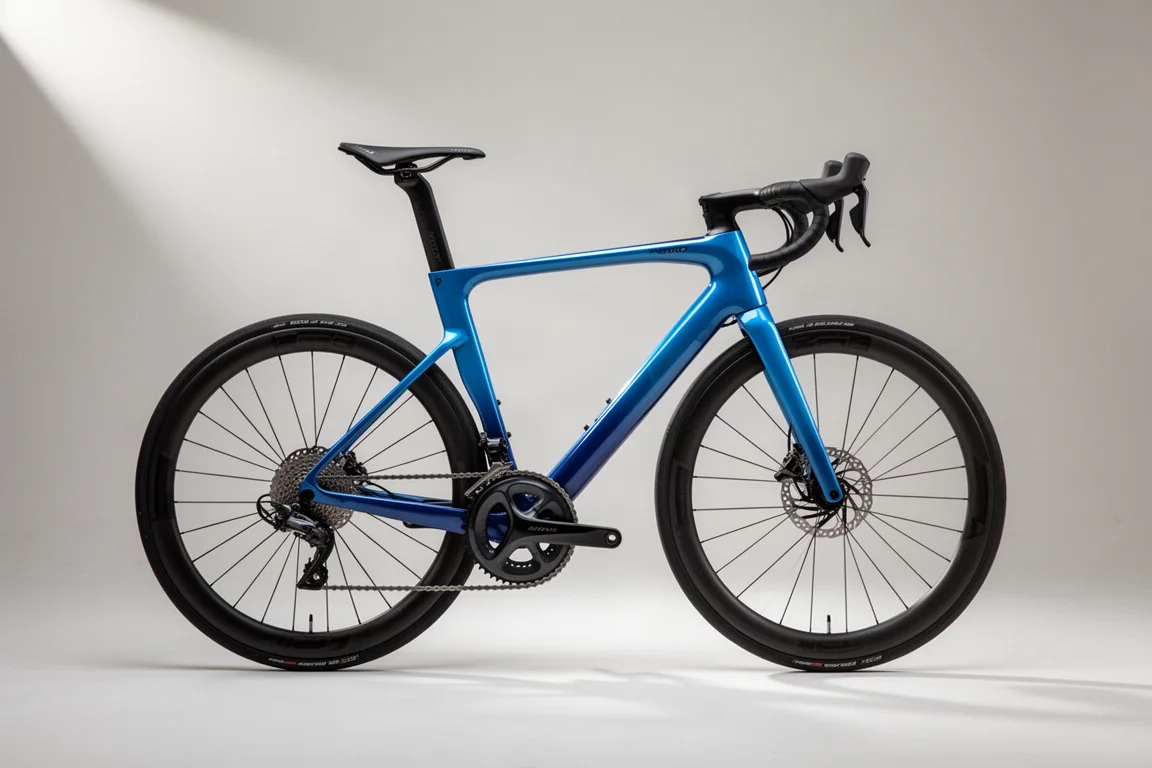
Where the build gives ground on components, the frame tries to make it back. The frame has been developed with wind tunnel work and aerodynamically optimized, so the platform has genuine performance intent behind it. The sleek blue fade finish also helps it look the part. Buyers should simply expect to want a few component upgrades later down the line.
Cube Agree C62 Race
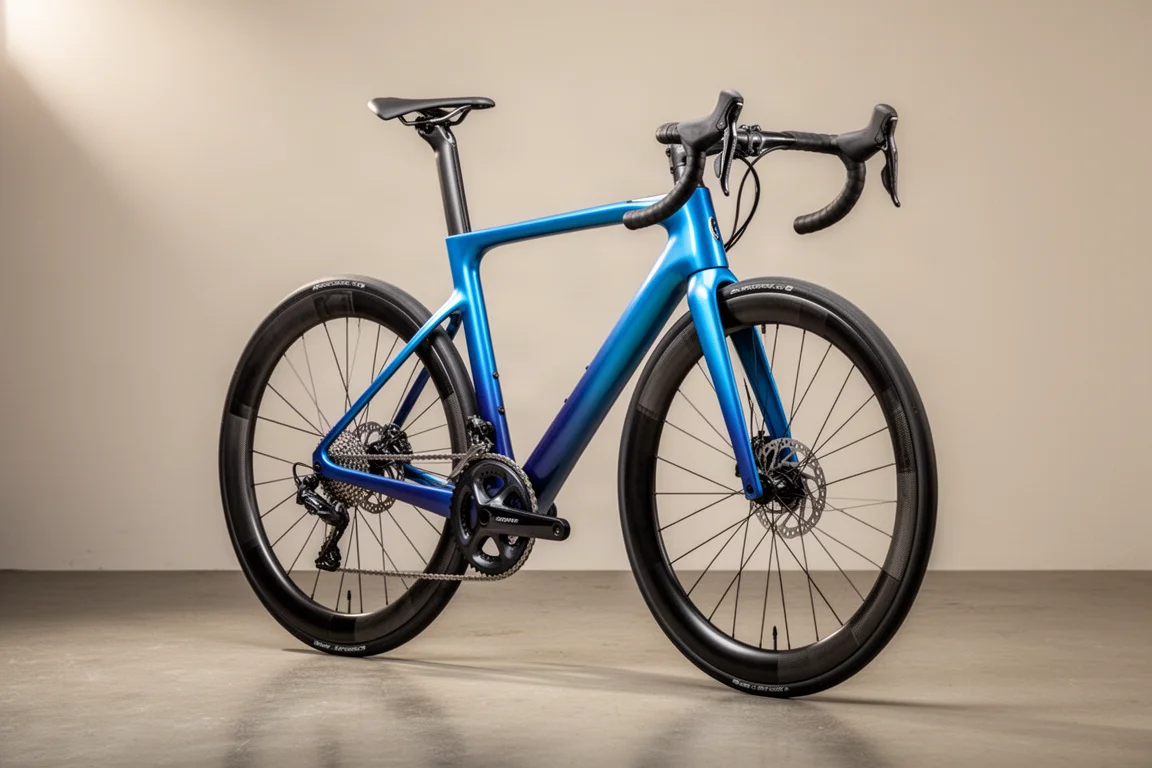
Cube has a reputation for bikes that punch above their price, and the Agree C62 Race continues that. The brand has a deep range of in-house components, and the saddle, stem, seatpost, handlebars and bar tape all match the frame, producing a cohesive and sleek-looking machine.
The wheels and tires are where Cube steps away from its own parts bin, and the result is fairly standard: Fulcrum Racing 44 DBs with Continental Grand Sport Race tires. It is a shame to see money saved on the wheel and tire combination when other bikes at the same or lower price offer more, and it stands out more because this Cube sits at the higher end of the price bracket. Upgrading the wheels and tires would push the total cost to a point where the value case weakens.
That said, the Agree platform has been a popular line for the German brand for years, so the frame benefits from a long history of rider feedback and continuous development. It is also available in two colorways, an eye-catching gloss blue fade and a stealthy matte black, so it is unlikely to go unnoticed.
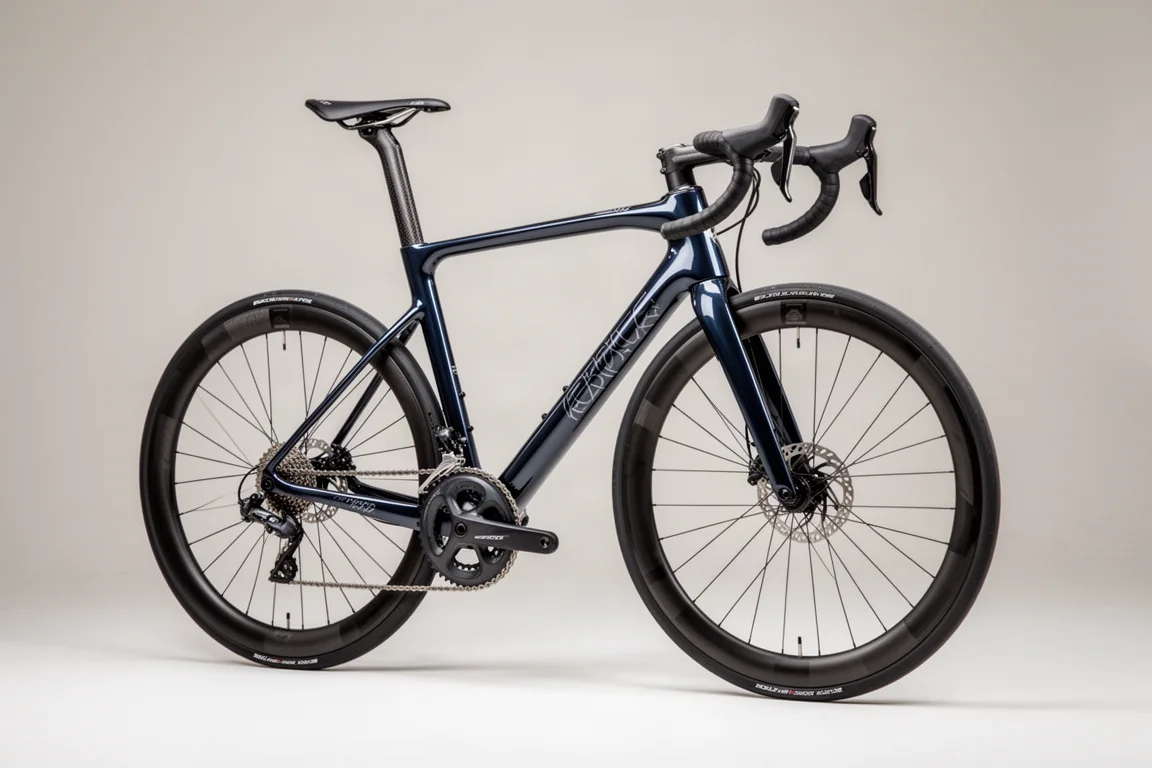
Orro Venturi STC
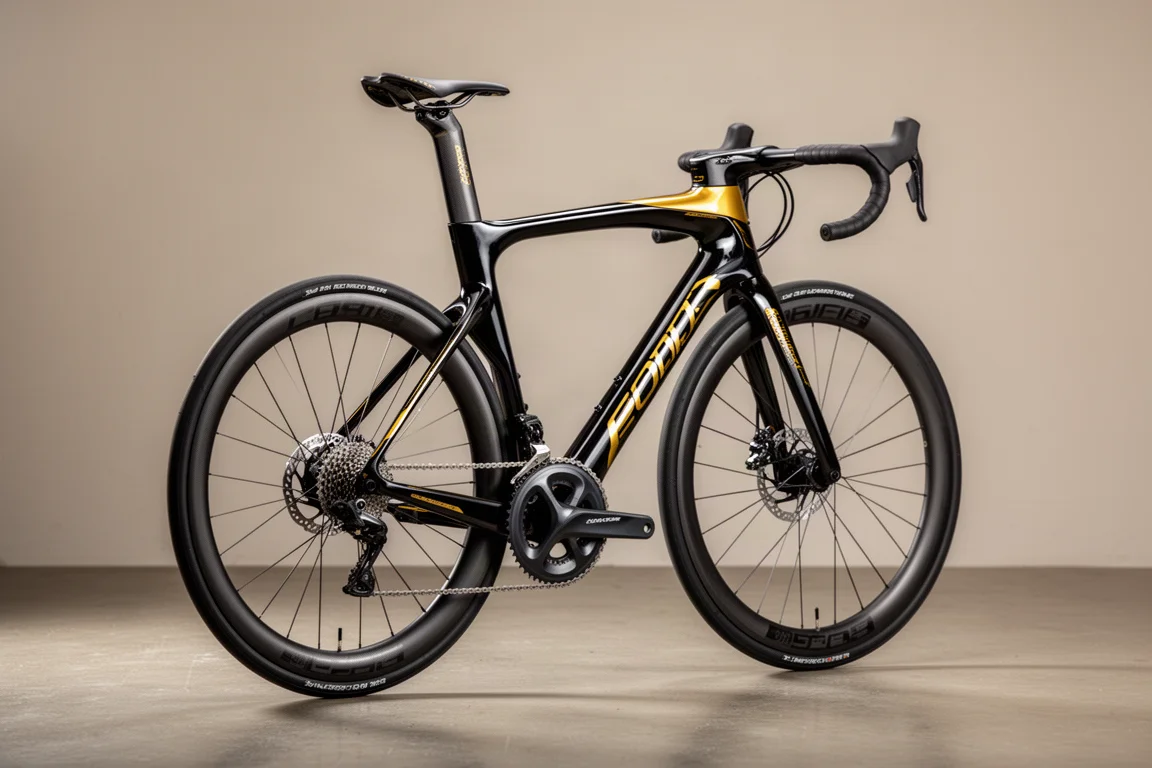
The Venturi STC is the best value bike in this roundup. The frame has been around for a while, but the specification is what has been updated, and the result is a lot of bike for the money.
Orro uses its own proprietary seatpost, then pairs an FSA handlebar and stem to create an integrated cockpit that conceals the brake hoses. The wheels are Fulcrum R400DBs with a 34mm deep profile, which gives a small aerodynamic advantage over a box-section rim. The trade-off is weight, because the rims are aluminum, so they are best treated as a training set rather than a performance race set. Fulcrum has improved the latest version with a 19mm internal width, which helps 25mm tires fit better.
The heavily sculpted carbon frame will divide opinion. Some will find it clunky, while others will see the hallmarks of bikes that cost twice as much. Either way, the signature gloss black and gold colorway turns heads and will have rivals looking twice.
Overall Buying Advice
Ranking these six is genuinely difficult because very little separates them, and the total spread from first to sixth is only around £400. That narrow gap changes how the decision should be made. A cheaper bike that needs new wheels and tires can quickly cost more than a more expensive bike that arrives ready to ride, so it pays to price the whole package rather than the sticker.
The Vitus Vitesse EVO CRS takes the top spot here because its specification does not leave you wanting to upgrade anything. It may be the most expensive of the six, but the difference is small in this company, and many of the alternatives would have you browsing for wheels, tires or cockpit parts soon after purchase. If budget is the priority and you are happy to treat the wheels as a training set, the Orro Venturi STC delivers remarkable value.
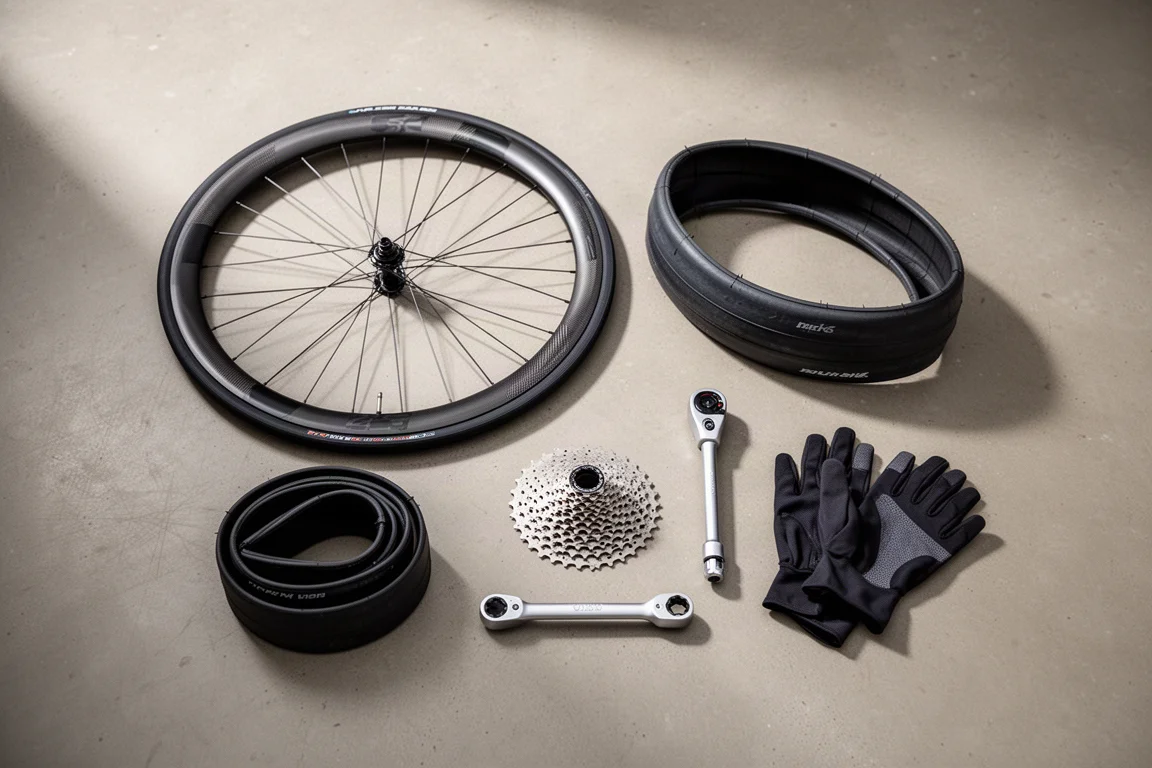
Whatever you choose, decide in advance which parts you are willing to replace later. Prioritize a frame and bottom bracket standard you are happy to live with, then treat wheels, tires and cockpit as the variables that decide whether the bike is genuinely good value on day one.
Conclusion
All six of these bikes share the same 12-speed, semi-wireless Ultegra foundation, so the buying decision rests on the parts around it. The Vitus Vitesse EVO CRS stands out for a specification that needs nothing added, the Orro Venturi STC wins on value if you accept its aluminum wheels, and the remaining four each trade specification against price in their own way. Match the build to the riding you actually do, and the new Ultegra generation becomes genuinely affordable.
Further reading
Related Reviews

Road Bikes
10 New Road Bikes Worth Watching: Aero, Titanium, Steel and Endurance Standouts
A practical roundup of 10 new road bikes, from aero flagships chasing single-watt gains to titanium, steel and endurance platforms built for real roads.
Road Bikes
2026 Tour de France Road Bikes: Six Race Machines Worth a Closer Look
Six race bikes from the 2026 Tour de France grid, reviewed for paint, silhouette, wheels and the specification details that matter to buyers.
Road Bikes
3T Strada Italia Review: A Radical Aero Road Bike That Rides Smooth
A made in Italy carbon aero road bike with a deep head tube, wide tire clearance and a genuinely comfortable ride. Here is what to know before buying.