Road Bikes
Best Value Road Bikes Under £5,000: Six Options Worth Considering
Six road bikes that deliver near-flagship performance for less, covering lightweight climbing, aero racing, endurance comfort, steel, and all-road versatility.
Introduction
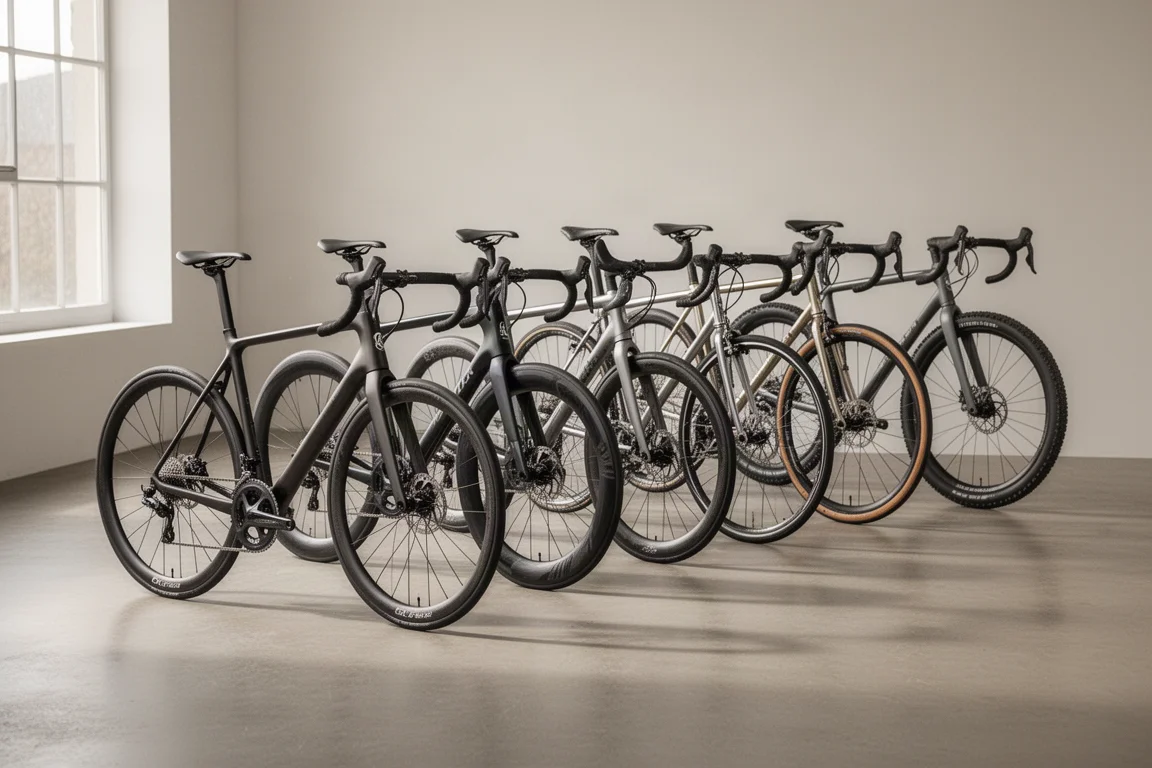
Top-end road bikes have become dramatically more expensive in recent years, and flagship race bikes now cost more than most riders would ever want to spend. The good news is that the sub-£5,000 bracket is where the smart money sits. Spend less than half the price of a halo race bike and you still get close to the same performance: near-identical frame platforms, genuinely good components, and electronic shifting as standard. The usual trade-off is a little extra weight, and unless counting grams is a goal in itself, that rarely matters out on the road.
The six bikes below cover the main directions a rider might want to go in. There is a featherweight climbing frame, an aerodynamic race bike, a comfort-focused all-rounder, a hand-built steel frame, a highly adaptable all-road machine, and one further aero option worth cross-shopping before you decide.
What to Look For at This Price
At this price point, the frame is usually the most important part of the package. Carbon grade and layup are where brands save money compared to flagship models, and that difference typically shows up on the scales rather than in the wind tunnel or under pedalling load. Several of the bikes here share their aerodynamics and geometry with far more expensive siblings, which is exactly what makes the bracket interesting.
Groupsets matter too. Electronic shifting is realistic at this price, and the Shimano and SRAM systems fitted here shift reliably, charge easily, and offer app-based customisation. A second-tier groupset at this money is a genuine bonus rather than a marketing line.
Wheels and tires are the other common shortcut. Some brands fit deep carbon wheels and tubeless tires as standard, while others fit reliable but unremarkable alloy wheels that leave obvious room for an upgrade later.
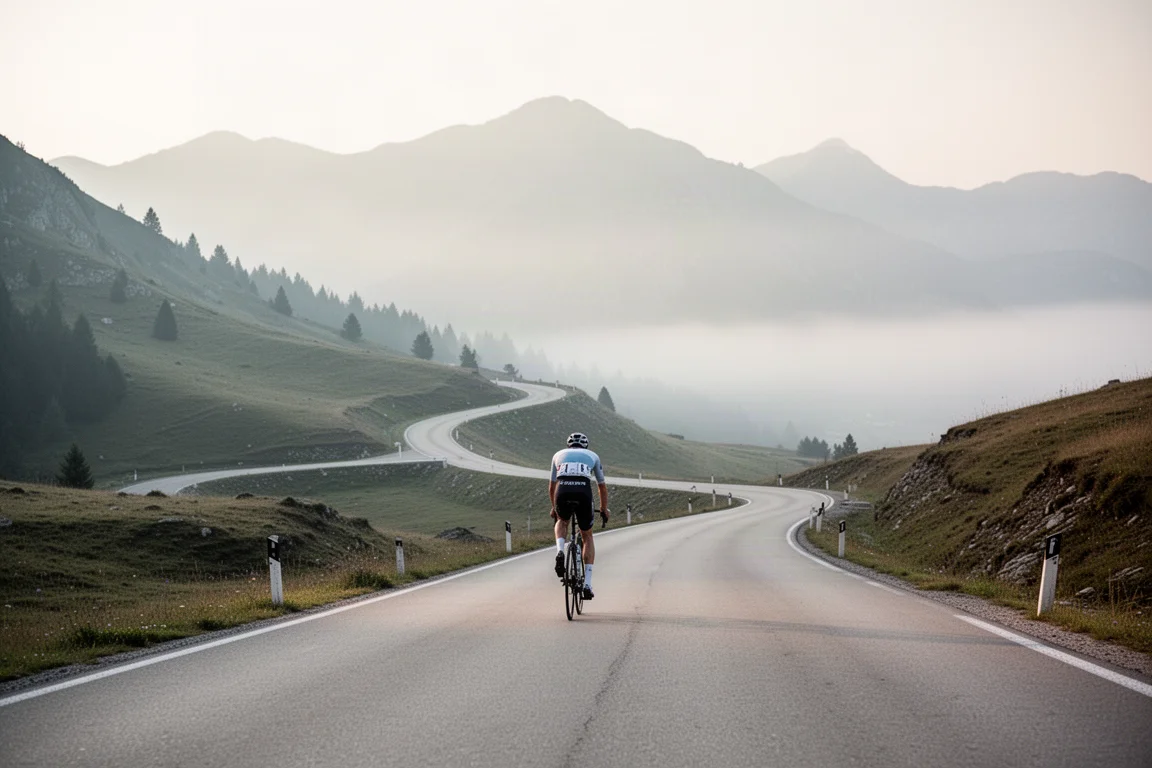
Finally, look at how easy the bike will be to live with. Threaded bottom brackets, conventional handlebar and stem setups, and external cable routing make maintenance simpler for home mechanics. One-piece cockpits and proprietary seatposts can be faster and more comfortable but harder to adjust, and a fixed stem length is a real limitation if the fit is wrong. Tire clearance is worth checking as well, especially if you want to run wider rubber or take the bike beyond smooth tarmac.
Specialized Aethos Comp
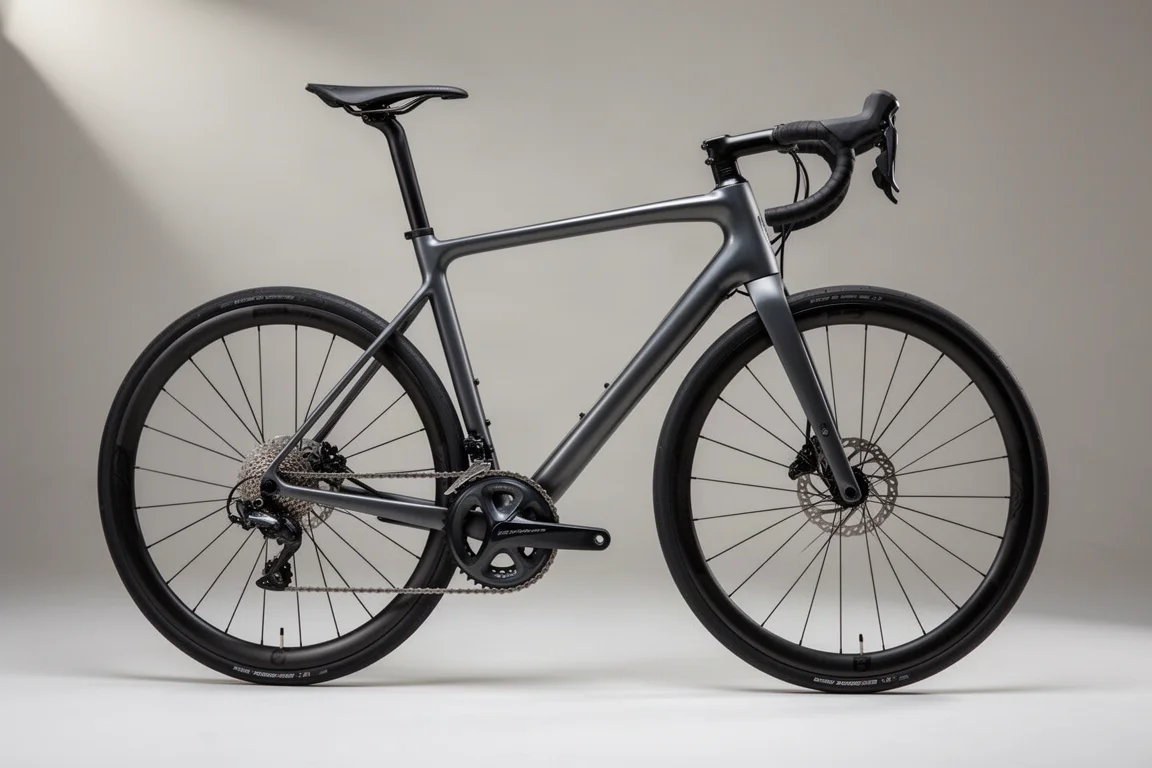
The Aethos has been around for a few years now and it remains one of the lightest disc-brake road bikes you can buy. Even in this non-S-Works Comp form, the frame is claimed at just 699 grams, and the fork is light as well. For a rider who cares about climbing feel and crisp acceleration, that is a remarkable starting point.
It is also unusually practical for a lightweight race frame. The Aethos uses a threaded bottom bracket, a conventional handlebar and stem, and external cable routing, all of which make servicing and parts changes straightforward. That combination also makes it an excellent platform to upgrade over time, whether that means a groupset, wheels, tires, or a new cockpit.
The build itself is solid. A Shimano 105 Di2 groupset brings electronic shifting and hydraulic disc brakes, and the complete bike is likely to weigh under eight kilograms. The clear weak point is the stock wheelset, which is reliable but neither especially light nor aerodynamic, and it is the first thing many owners will want to change.
Giant Propel Advanced
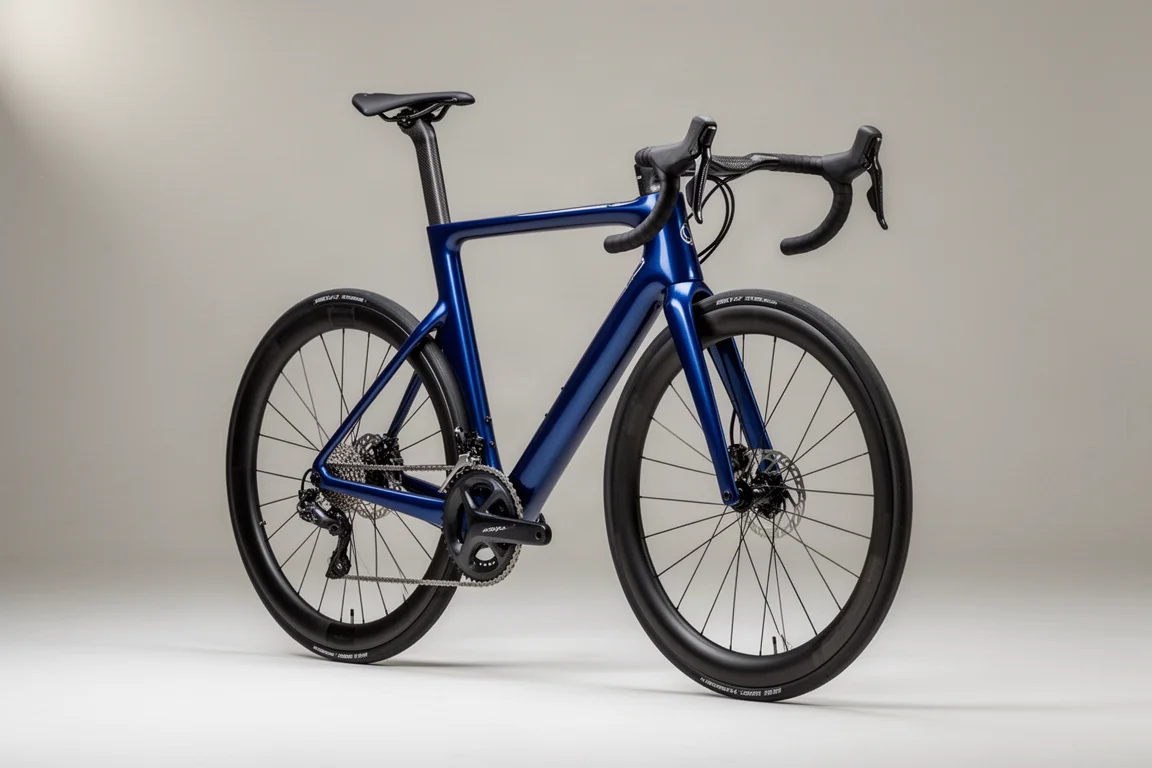
The latest Propel is a clear step forward from the model it replaces. It is cleaner to look at, with the clunky stem and unsightly cable routing of the previous version gone, and it is claimed to be more aerodynamic, lighter, and stiffer than before.
It is also more comfortable than its predecessor, which brings it closer to the aerodynamics-first bikes that still manage to stay civilised on rough tarmac. There is room for wider tires, and the geometry now aligns with the brand’s proven all-round race platform, so the handling is well understood rather than experimental.
The Advanced model shares its aerodynamics with the more expensive versions in the range. The main difference is the grade of carbon used, which shows up chiefly as a slightly heavier frame rather than a slower one. You get a two-piece handlebar and stem, so stem length and bar width can be changed, though the oversized steerer tube does limit aftermarket options a little.
Equipment is strong for the money: a SRAM Rival AXS groupset with reliable shifting, removable batteries, and plenty of adjustment through the companion app, plus a 50 mm deep carbon wheelset and tubeless tires. Value in this bracket is often undermined by cheap wheels, and that is emphatically not the case here.
Canyon Endurace
If you want comfort without giving up speed, the Endurace is one of the best-balanced bikes in this price bracket. It blends the two priorities that usually pull against each other, and it does so without feeling like a compromise in either direction.
The build is generous. A Shimano Ultegra Di2 groupset is a tier above what most bikes at this price offer, and the bike rolls on DT Swiss carbon wheels with good tires and a good saddle. There are very few immediate upgrade targets. The bike also uses the same split seatpost design as the top-end version, which does noticeably improve comfort at the saddle, and the one-piece carbon aero handlebar and stem adds pace while letting you adjust bar width and fold the bars away for packing.
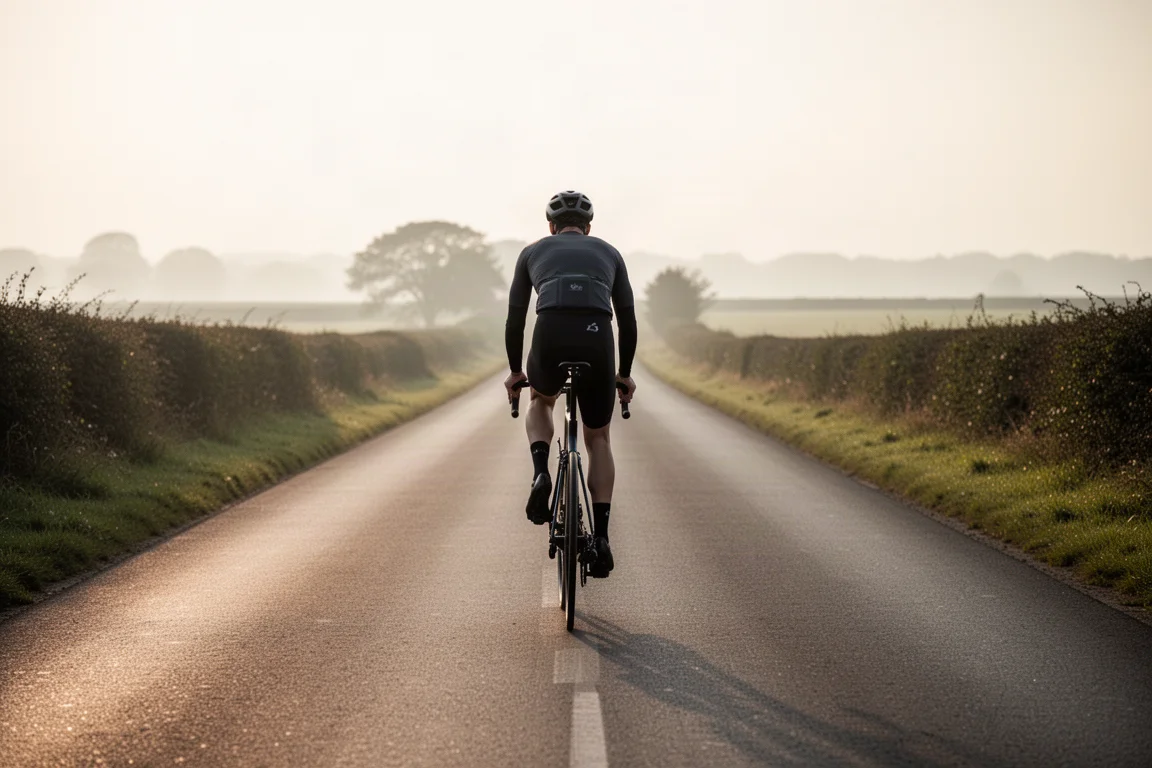
Two details are worth knowing before you buy. Because the cockpit is a single piece, stem length cannot be changed easily, so if the stock length does not suit your position it becomes a genuine limitation. The top tube storage compartment is the other divisive feature, genuinely useful for some riders and unwanted by others. Set those aside and you are looking at a very good value package: around 7.8 kg with a second-tier electronic groupset and quality wheels throughout.
Fairlight Strael
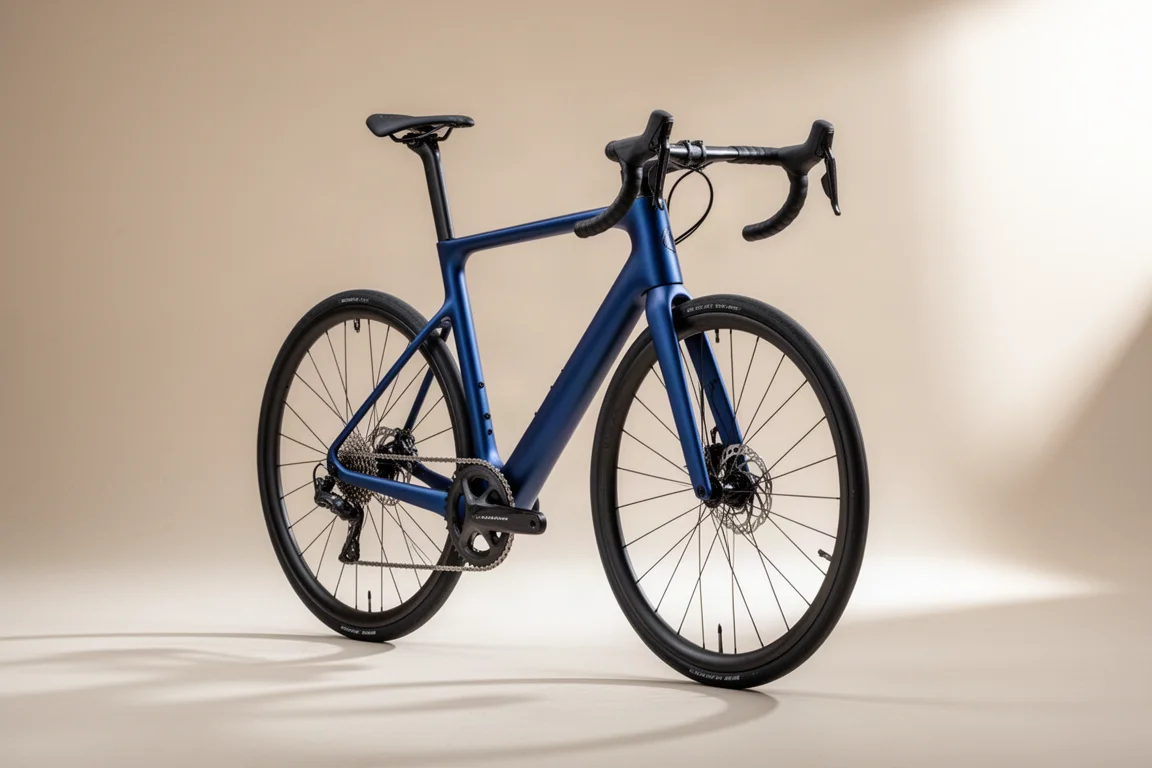
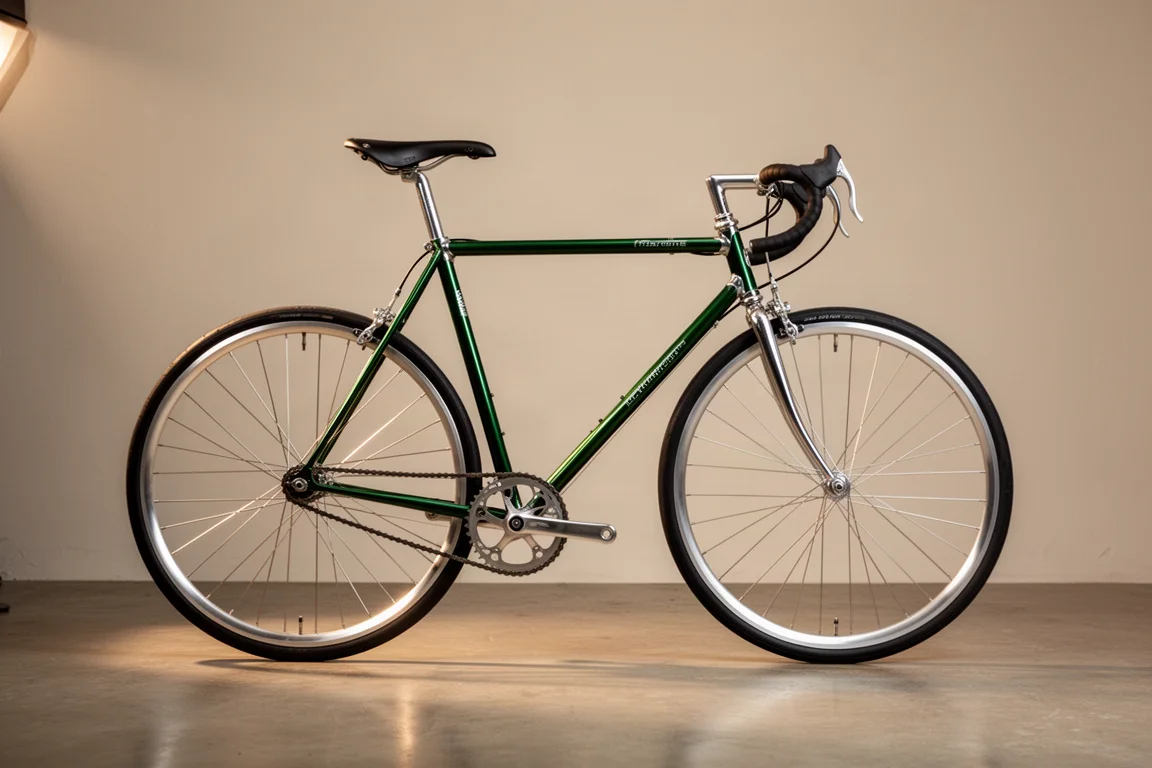
Not every rider wants a carbon frame, and the Strael is a compelling argument for steel. It comes from a small UK builder and is designed as a road bike for four-season riding, covering everything from touring and all-road use to summer rides and sportives.
The Reynolds 853 frame is high-quality steel, and the tube shapes and dimensions have been chosen deliberately to maximise comfort and tire clearance. The ride quality is superb, smooth and composed in a way that stands comparison with far more exotic frame materials, and this is arguably one of the nicest steel bikes you can buy right now.
Adaptability is a big part of the appeal. There are mounts for mudguards for winter riding and commuting, and the frame will take dynamo lights, extra bottles, and bags for long-distance touring. With a Shimano Ultegra Di2 groupset, the base build comes in at £4,000, which is strong value for a hand-built steel frame. Optional upgrades include a carbon wheelset and a Chris King headset, which takes the price to around £4,800, and further options go beyond that.
Vitus Venon Evo RS
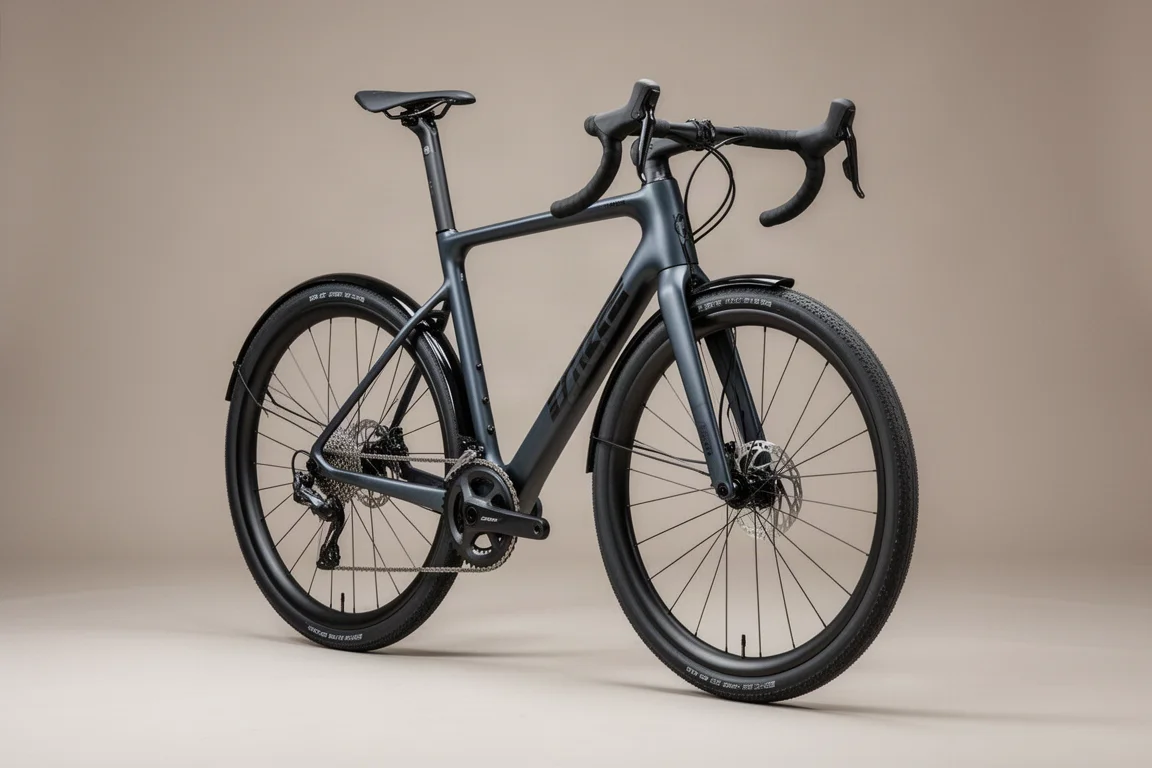
The Venon Evo RS is built around the idea that one bike should not limit the riding you want to do. It can be a road bike, an all-road bike, a gravel bike, or anything in between, and it handles that spread better than most.
Tire clearance is the key number: space for up to 45 mm tires, which opens up everything from fast road rubber to proper gravel tread. The frame is light and stiff, the ride is rewarding, and comfort is genuinely excellent. The geometry is a little more relaxed than a pure race bike, which suits long days in the saddle, and the frame carries aero shaping as well.
The top build comes in at £4,400 with a SRAM Force AXS groupset, and the complete bike weighs around 7.8 kg.
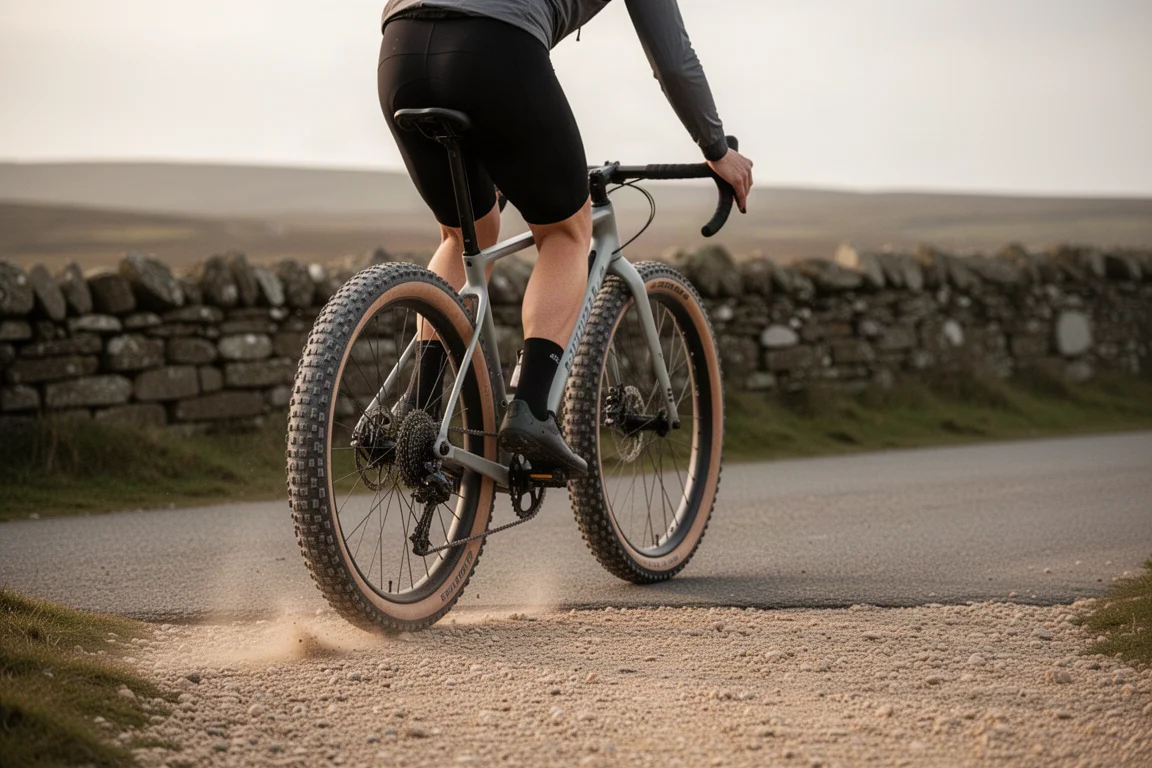
The wheels are the one obvious compromise, since they are aluminium rather than carbon, though they are a straightforward upgrade later. As road riding shifts toward a wider mix of surfaces, a bike this versatile makes a lot of sense. For riders who split their time between country lanes, long-distance adventures, bikepacking, and gravel, it is a very enticing option indeed.
Canyon Aeroad
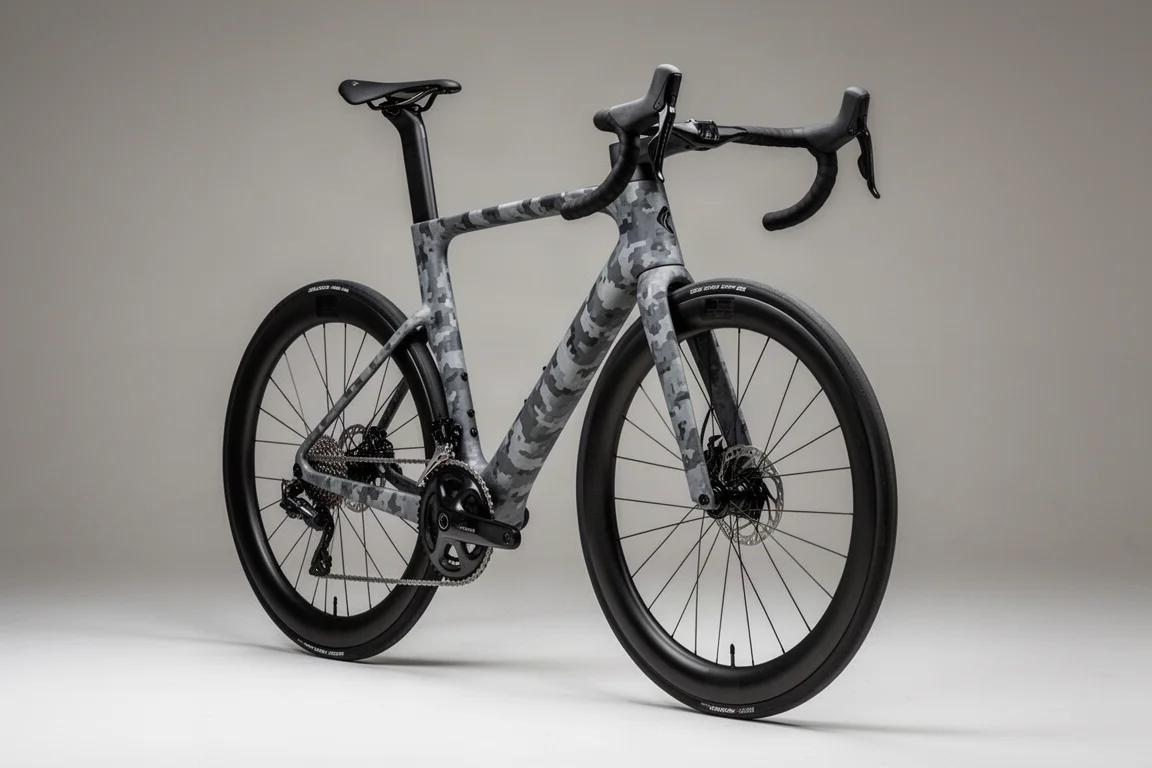
If the Giant Propel appeals but you want to compare, the Aeroad is the obvious alternative. It sits at a similar price with a similar level of equipment, including DT Swiss carbon wheels, and the two are closely matched on performance, aerodynamics, and comfort.
Buying Advice
There is no single best answer here, because the right bike depends entirely on the riding you actually do. The good news is that every option on this list is upgradeable, so buying for the frame and the fit first is usually the smarter move.
If low weight and climbing feel are the priority, the Aethos Comp is the standout, and its conventional standards make it easy to live with and improve over time. If outright speed matters more than grams, the Propel Advanced and the Aeroad both deliver race-bike aerodynamics with sensible equipment, and the Propel’s deep carbon wheels mean very little needs changing.
For riders who want one bike that covers the widest range of terrain, the Venon Evo RS is the most adaptable of the group, with 45 mm of tire clearance and relaxed geometry. The Endurace is the pick if comfort and speed need to coexist on tarmac, provided the one-piece cockpit fits you. And if steel, longevity, and four-season usability matter most, the Strael is hard to argue with.
In every case, check the fit before you commit. Cockpit designs, stem lengths, and geometry vary more than the headline specs suggest, and a bike that fits well will always feel faster than one that does not.
Conclusion
Spending less than £5,000 no longer means settling for a compromised road bike. The bikes here give up a little weight and a little exclusivity compared with flagship models, and in return they offer the same core performance, better value, and in several cases a more practical ownership experience. Pick the one that matches your riding, confirm the fit, and it should serve you well for years.
Further reading
Related Reviews

Road Bikes
10 New Road Bikes Worth Watching: Aero, Titanium, Steel and Endurance Standouts
A practical roundup of 10 new road bikes, from aero flagships chasing single-watt gains to titanium, steel and endurance platforms built for real roads.
Road Bikes
2026 Tour de France Road Bikes: Six Race Machines Worth a Closer Look
Six race bikes from the 2026 Tour de France grid, reviewed for paint, silhouette, wheels and the specification details that matter to buyers.
Road Bikes
3T Strada Italia Review: A Radical Aero Road Bike That Rides Smooth
A made in Italy carbon aero road bike with a deep head tube, wide tire clearance and a genuinely comfortable ride. Here is what to know before buying.