Road Bikes
Best Value Road Bikes 2026: Ten Big-Brand Models Worth a Closer Look
A practical guide to ten road bikes from the sport's biggest brands, with real prices, specification notes, and clear guidance on who each one suits.
Introduction
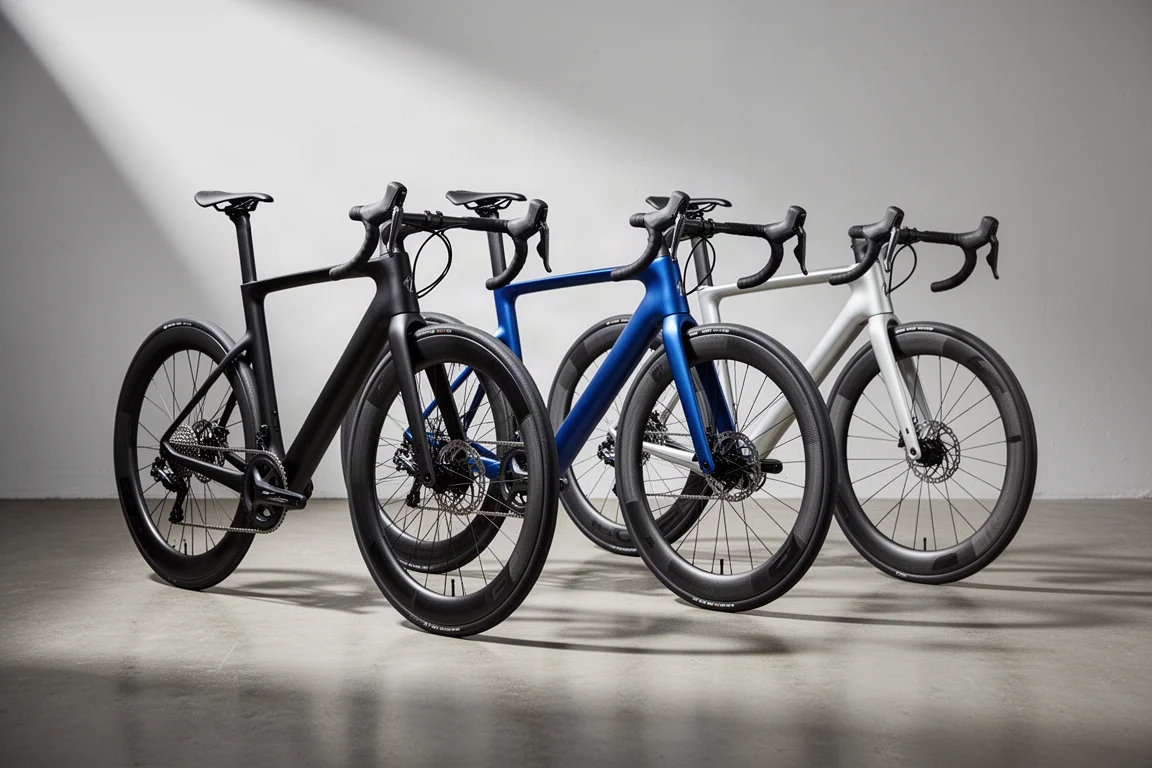
Walk into any bike shop and the shape of a modern road bike looks familiar. Two triangles, two wheels, drop handlebars, a chain and derailleur. The format has barely changed in decades, and that is a compliment to the engineers who settled on it. The result is a market where hundreds of brands sell bikes that look and measure up in similar ways, and where the real differences often come down to frame quality, component choices, regional pricing, and how much support you get after the sale.
This guide looks at ten road bikes from some of the biggest brands in the sport, focusing on models that make a case for themselves on value rather than on racing prestige. Where possible, the comparison point is the same: a carbon frame, a mechanical Shimano 105 groupset, and alloy wheels. That combination is a fair way to compare brands, though it is not the whole story, since frame quality, geometry, and aftercare vary from one model to the next.
How We Evaluated These Bikes
The benchmark used here is deliberately plain. A carbon frame, mechanical 105 shifting, and alloy wheels give a rough, like-for-like snapshot across brands, and it keeps the comparison grounded in something a buyer can actually check on a specification sheet. Prices are quoted in both US dollars and British pounds wherever market information is available, because several brands price their bikes very differently depending on the region.
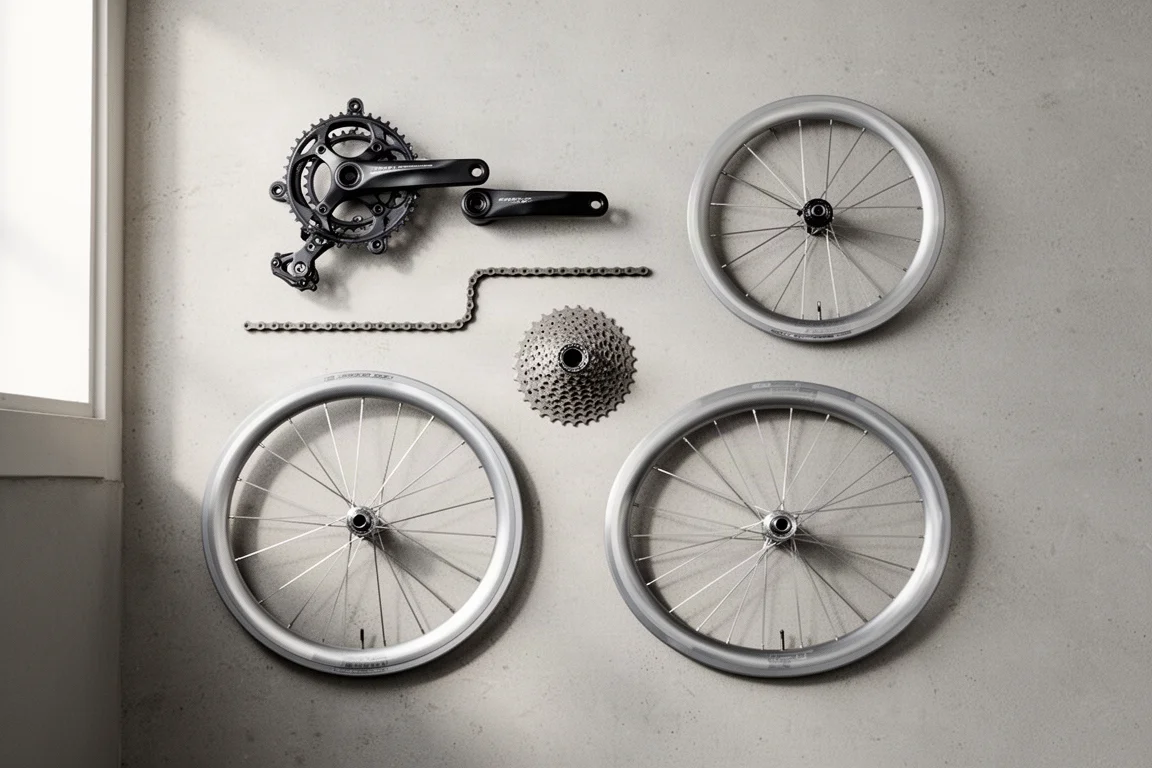
Specs are not everything. Two bikes with identical groupsets can feel completely different depending on frame layup, tube shapes, and tire clearance. Aftercare matters just as much, and it is one of the clearest dividing lines in this group: brands that sell through dealers put a shop between you and the manufacturer, while direct-to-consumer brands leave you dealing with the company yourself or paying a local mechanic separately. Neither approach is automatically better, but they do lead to noticeably different ownership experiences.
Best Overall Value: Giant Defy
Giant is based in Taiwan and is the largest bike manufacturer in the world, large enough that it builds frames for plenty of other brands in its own factories in China and Taiwan. Because it owns those factories and controls production from the inside, it can hold prices down, and the brand has a long-standing reputation for good value. It also runs its own retail stores alongside a traditional bike shop network, so there is usually a way to see one in person before buying.
The Defy is the model that fits the mid-range benchmark here. With a carbon frame, mechanical 105, and alloy wheels it comes in at $3,300 or £2,299, and the balance tips noticeably in favor of European buyers at the moment, since US taxes and tariffs push prices up on that side of the Atlantic.
Best Entry-Level Pick: Canyon Endurace All Road
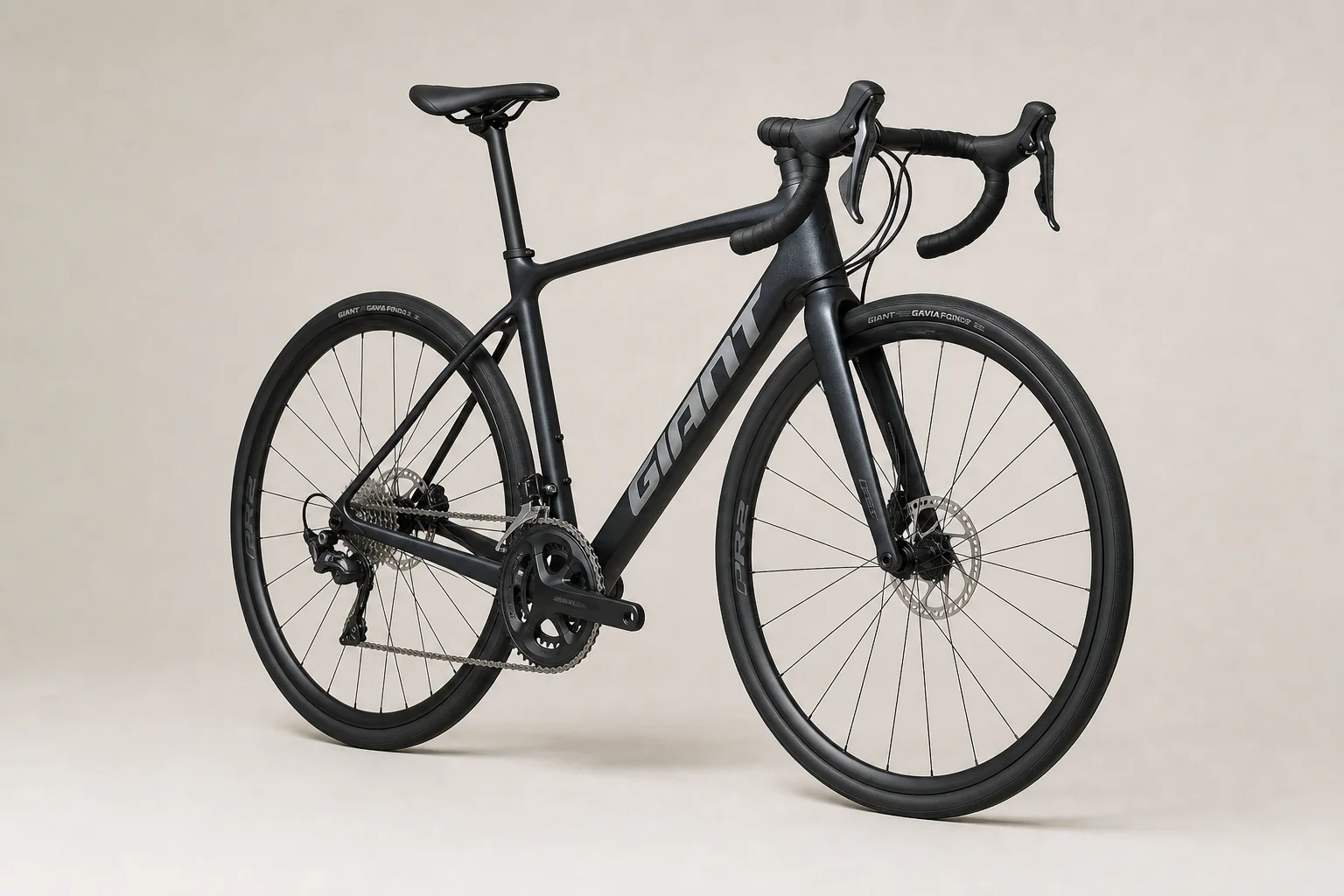
Canyon sells direct to consumers only, with no bike shop network in between, and that structure has kept its prices low for a long time. The trade-off is support. If something goes wrong you deal with Canyon directly, or you pay a local mechanic yourself. The company has arrangements with some shops, but those are paid services rather than the informal relationship you might build by buying from a dealer.
The Endurace All Road is the entry point here, at $1,499 or £999, and it comes with hydraulic brakes and Shimano’s newer CUES drivetrain. It is a strong proposition at that price, and it sits alongside a brand that also experiments with unusual design ideas such as flexi seat posts and detachable drops.
Best Spec-for-Money: XDS RS-7
XDS is a very large Chinese manufacturer that builds frames for other companies, and by its own account more than a quarter of the bikes that won individual stages at the 2024 Tour de France had frames made by XDS. The brand uses the X-Lab label for its high-end models and makes its own components in-house under the Branta name.
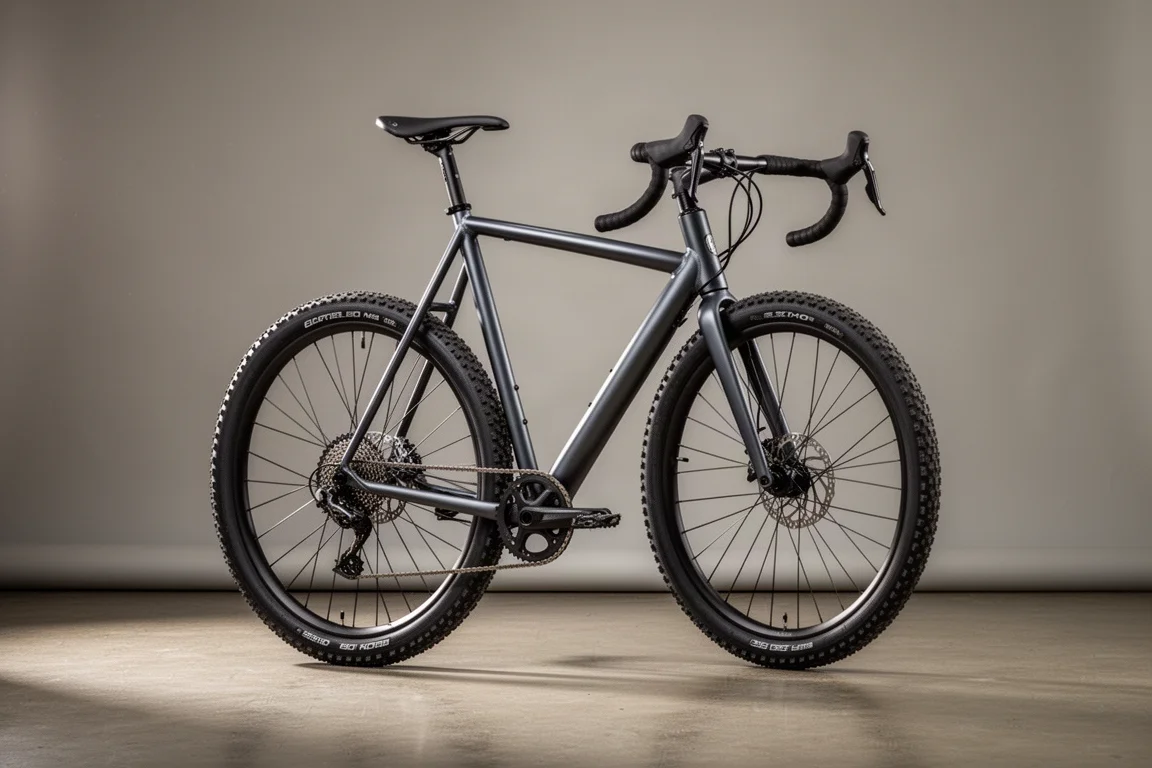
The RS-7 is the standout on paper: a carbon frame, 105 groupset, and carbon wheels for $2,099. It uses an XDS crankset in place of a 105 one, which is a reasonable trade at this price. The open questions are the ones that always follow a very aggressive price: whether customer service can match the specification sheet, whether quality stays consistent across the range, and whether these prices hold. Availability in the West is still limited, and the brand is reportedly moving toward a dealer network.
Best Value in Europe: Cube Attain
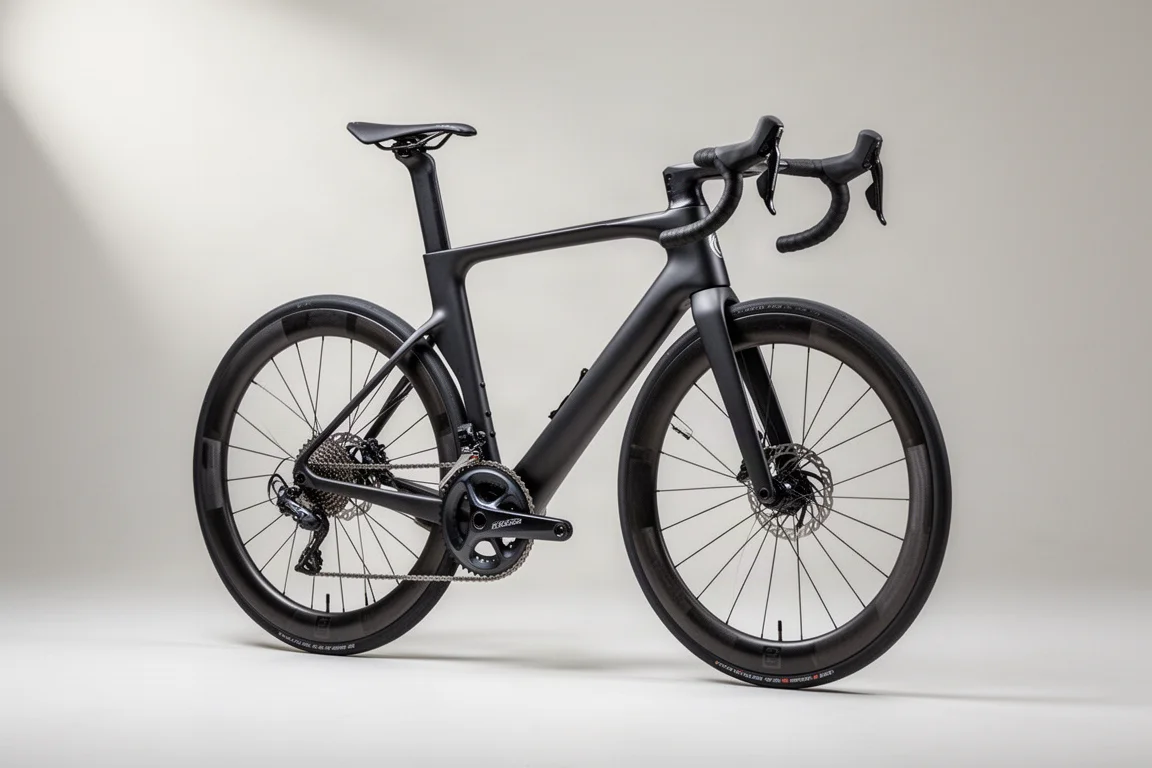
Cube is a German brand with a reputation for sharp pricing, and its catalogue runs from mountain bikes through kids’ bikes to e-bikes. It is a very dealer-driven business, which is worth knowing before you start comparing numbers online.
The Attain, a carbon bike with a 105 groupset, comes in at £1,899, which is a serious amount of bike for the money in Europe. Buyers in the United States will have a harder time, since the brand is difficult to find there and a reliable dollar price for this mid-range model is not readily available. The website also carries a huge range with names that are easy to confuse, so visiting a shop that stocks Cube is the more practical route.
Best Customization: Orbea Orca
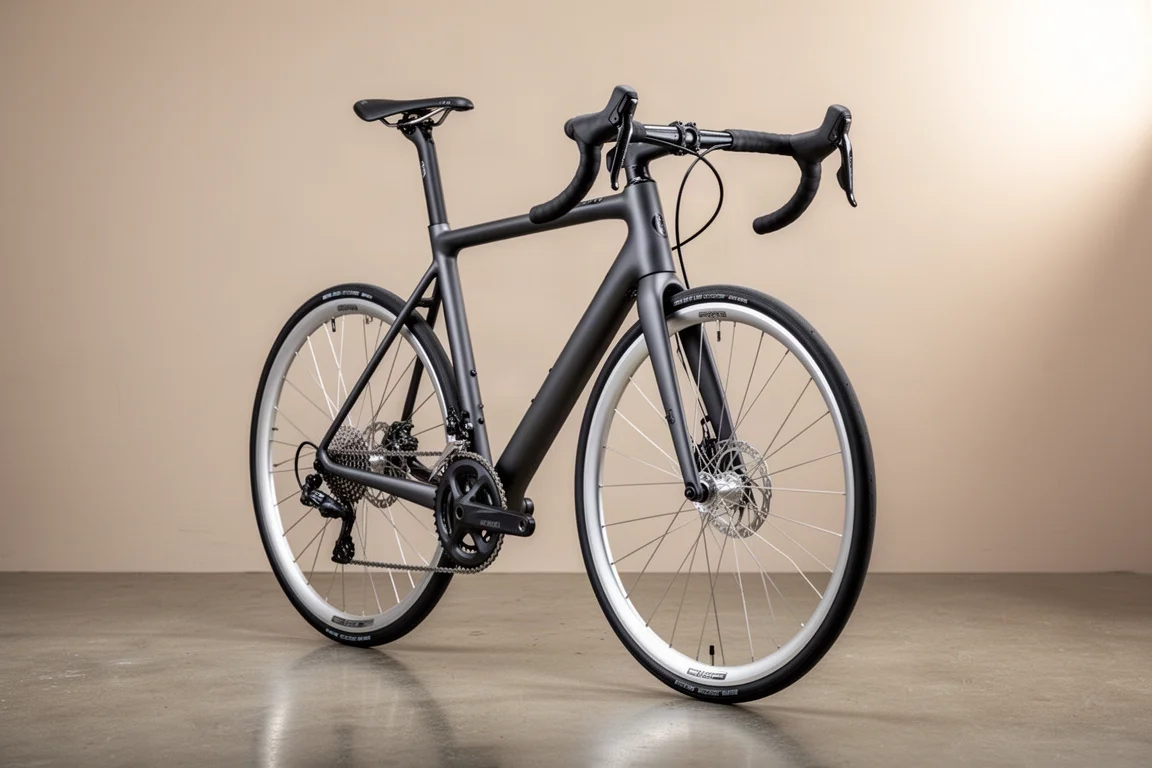
Orbea is Spanish, the oldest bike manufacturer in the country, and a major presence across Europe with the usual spread of gravel bikes and e-bikes alongside its road range. What sets it apart is the configurator on its website, which lets buyers choose handlebar sizes, components, cranks, and more. It is the kind of flexibility more brands should offer.
The Orca with a 105 groupset is $2,699 in the United States or £2,399 in the United Kingdom, which is competitive rather than remarkable. The top-end Orca sits around $11,599.
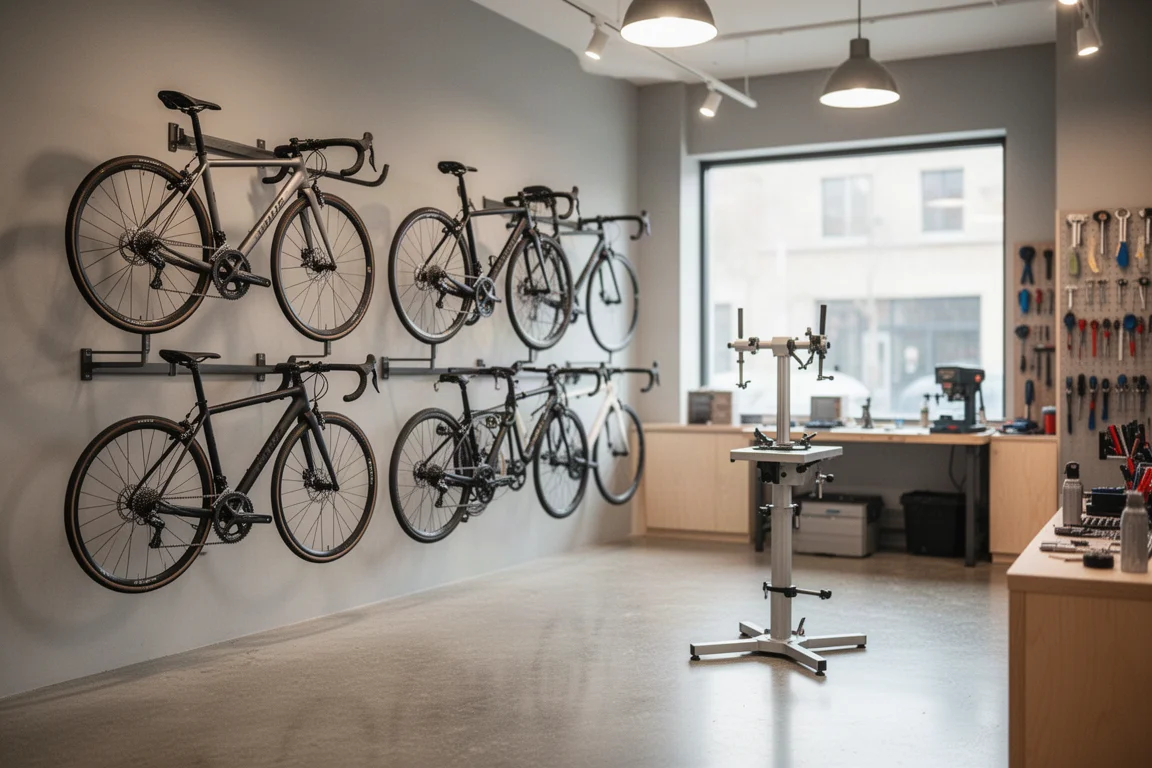
The customization angle is what makes the Orca worth a look, particularly for riders who struggle to find a stock size that fits properly. Choosing bar width and crank length at the point of purchase avoids the cost of swapping parts afterwards, and it means the bike arrives closer to the right setup from the first ride.
Best Surprise: Scott Addict 105
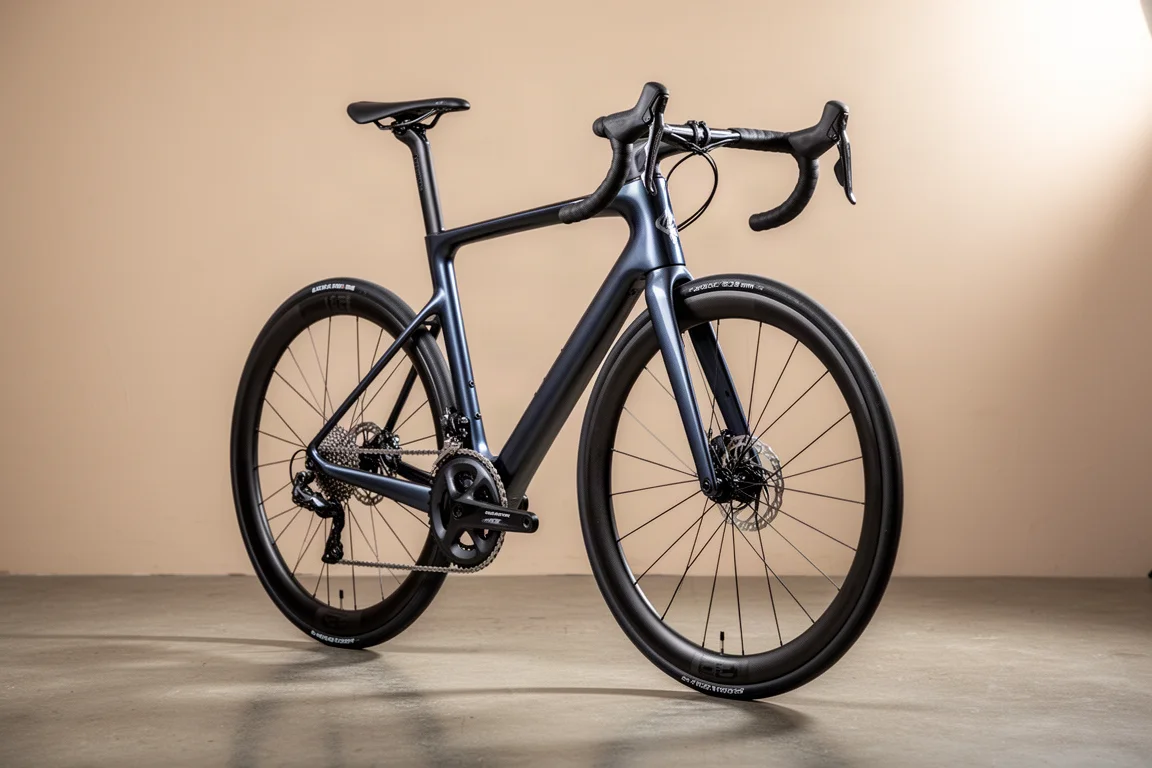
Scott is based in Switzerland and focuses heavily on high-end performance, with very light climbing bikes among its headline models. It also builds e-bikes that do not immediately read as electric. Most sales go through dealers, and the brand invests heavily in sponsored athletes and marketing.
Value is not usually the first word associated with that profile, which makes the Addict 105 at $2,799 or £2,249 a genuine surprise. In the United States, that figure comes close to Canyon’s direct-to-consumer pricing. There is no bargain quite as sharp as Canyon’s entry-level model, but the mid-range is far more competitive than the brand’s image suggests.
Best Direct-to-Consumer Alternative: Van Rysel NCR
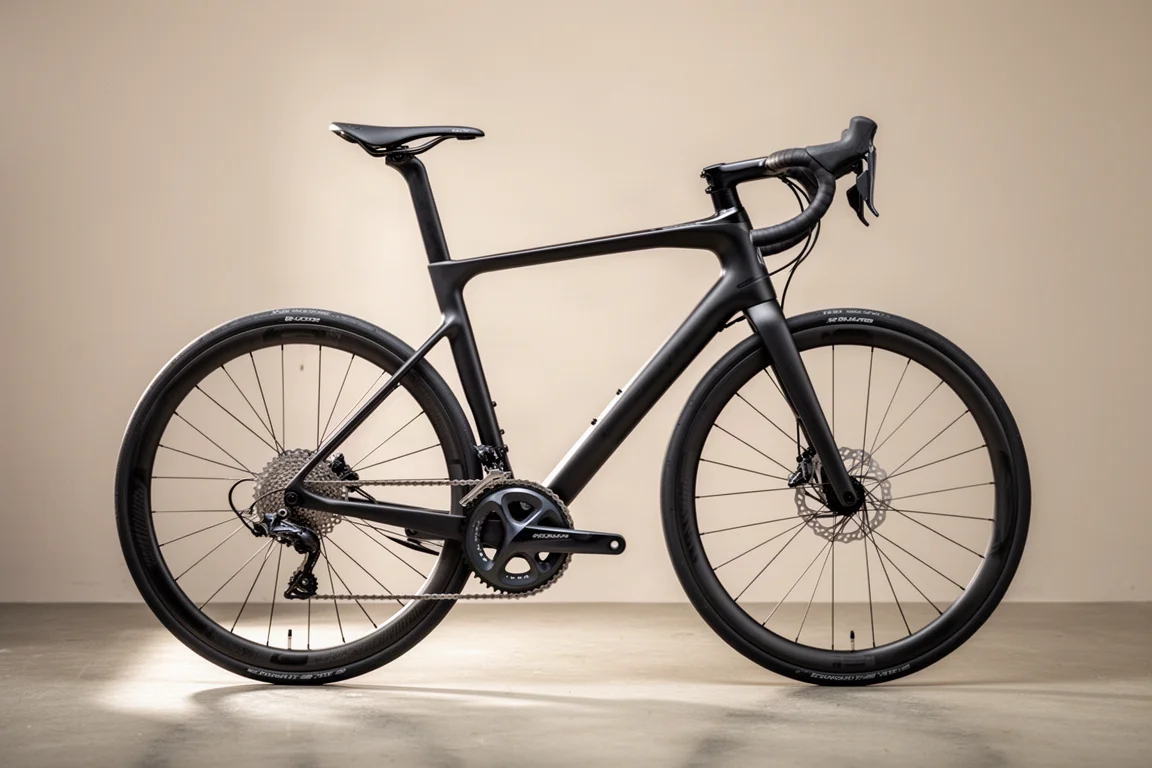
Van Rysel is Decathlon’s performance cycling brand, backed by the world’s largest sporting goods retailer. The label only appeared a couple of years ago, and it arrived with a Tour de France team sponsorship, a large marketing budget, and enough buying power to undercut most of the established names on specification.
The NCR, a carbon bike with 105, is £2,000, roughly $2,600, and the wider range spans many models and specifications that vary by country and go on sale often, which makes direct price comparisons tricky. Aftercare has held up well in practice, with workshop visits proving helpful. As with any retailer this large, consistency across every store is hard to guarantee, but the experience so far has been positive.
Best Traditional Brand Value: Cannondale Synapse
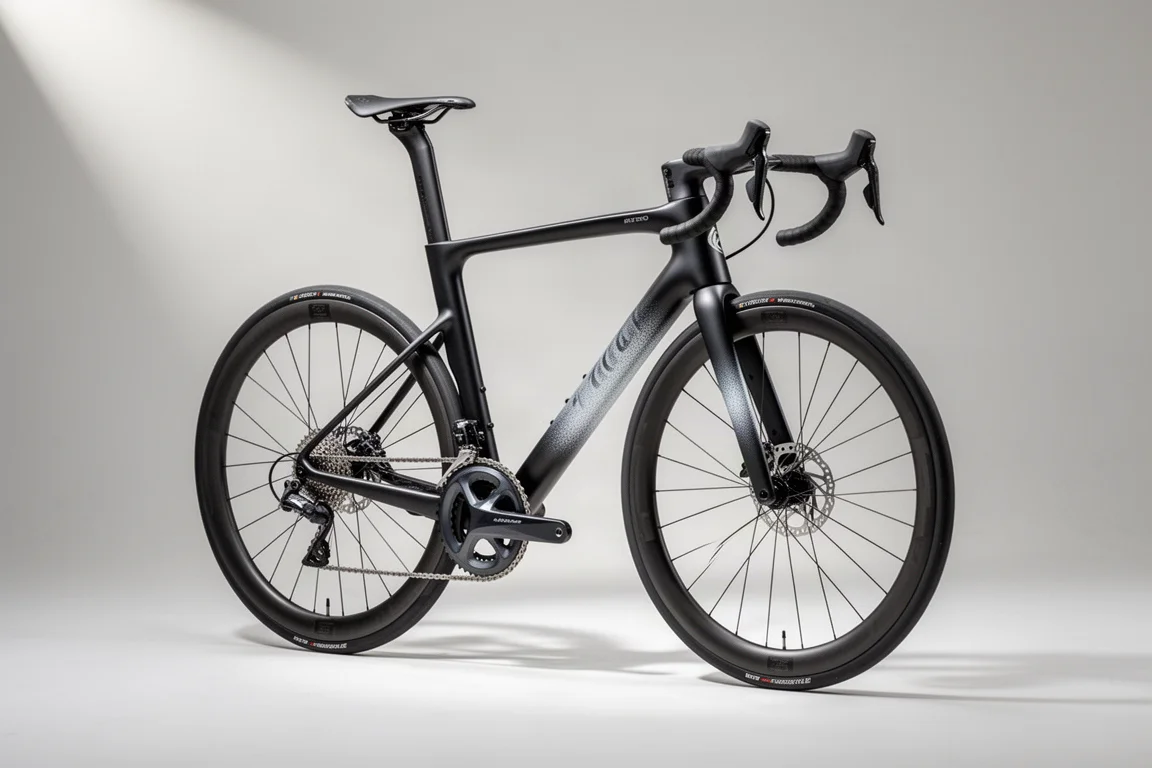
Cannondale is American in origin, with a history that includes mountain bikes, aluminum racing frames, and the distinctive Lefty fork. It is no longer American-owned: the brand belongs to Pon Holdings, a large Dutch group that also owns Santa Cruz, Cervélo, and Focus, and which generally leaves its bike brands to run themselves. The range has become more conventional over time and now sits close to what other big brands offer.
Cannondale sells through distributors and bike shops in many countries, and every step in that chain takes a slice, which pushes prices up. The Synapse, a carbon bike with 105 and alloy wheels, is $3,199, and American buyers get the better end of that arrangement, since European pricing runs higher. Entry-level options are thin: the brand’s affordable aluminum model has been dropped from its US website, and the UK equivalent at £900 with Claris and rim brakes is not especially good value.
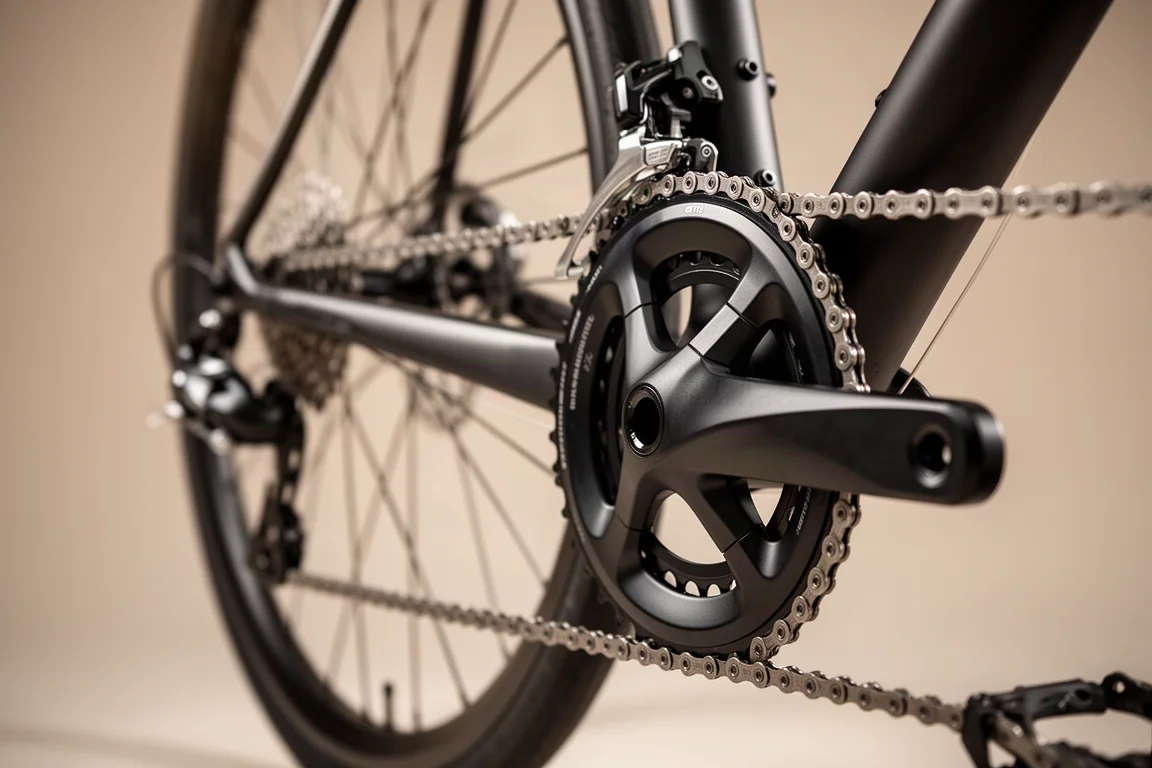
For riders who want a familiar name with a wide dealer network, the Synapse is the sensible pick in this range. For everyone else, it is worth weighing what the extra money buys beyond the badge, especially when direct-to-consumer brands sit at similar or lower prices with comparable components.
Best Entry-Level From a Big Brand: Specialized Allez
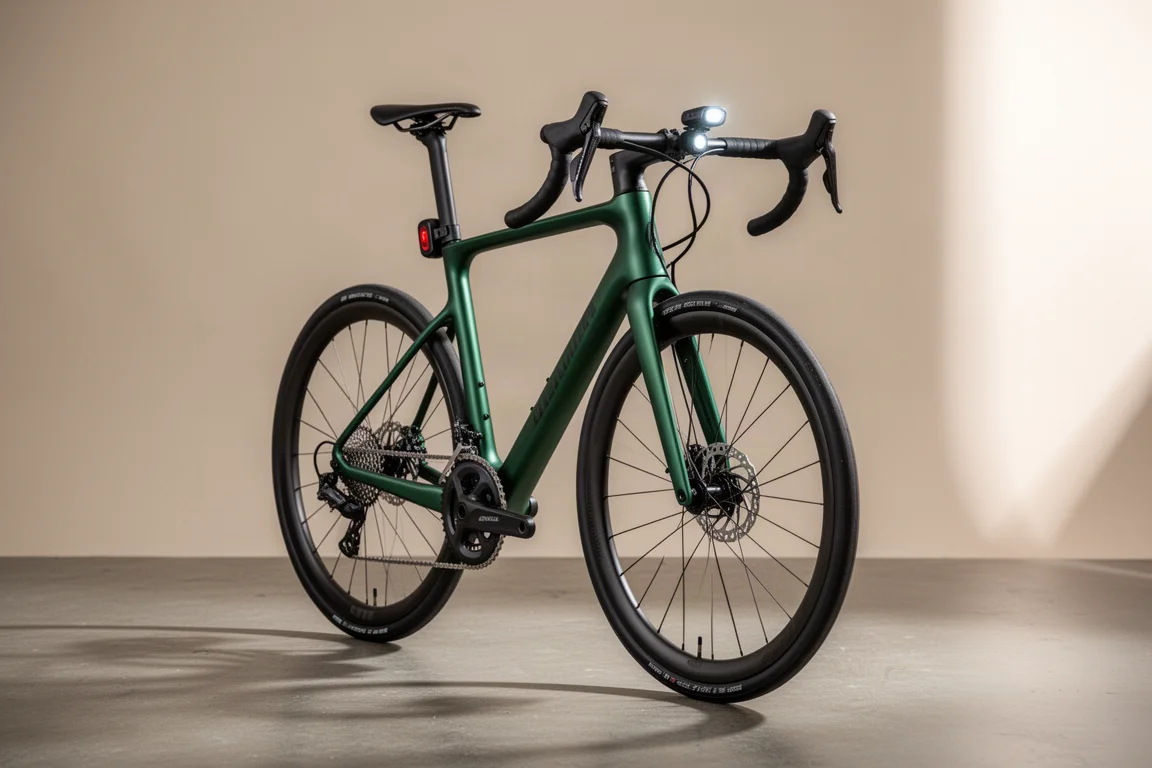
Specialized is one of the largest American bike brands and remains privately held by its founders, with the Taiwanese manufacturer Merida owning a significant share. The company’s strengths are well known: strong products, heavy marketing, and serious investment in research and development, including its own wind tunnel at its US headquarters.
All of that costs money, and the pricing reflects it. The Allez, the brand’s entry-level road bike, is $1,199, while a mid-range carbon model with 105 runs to $3,799. Buyers are paying for the engineering and the name, and for many riders that is a fair trade. As a value proposition against the rest of this list, it is harder to justify.
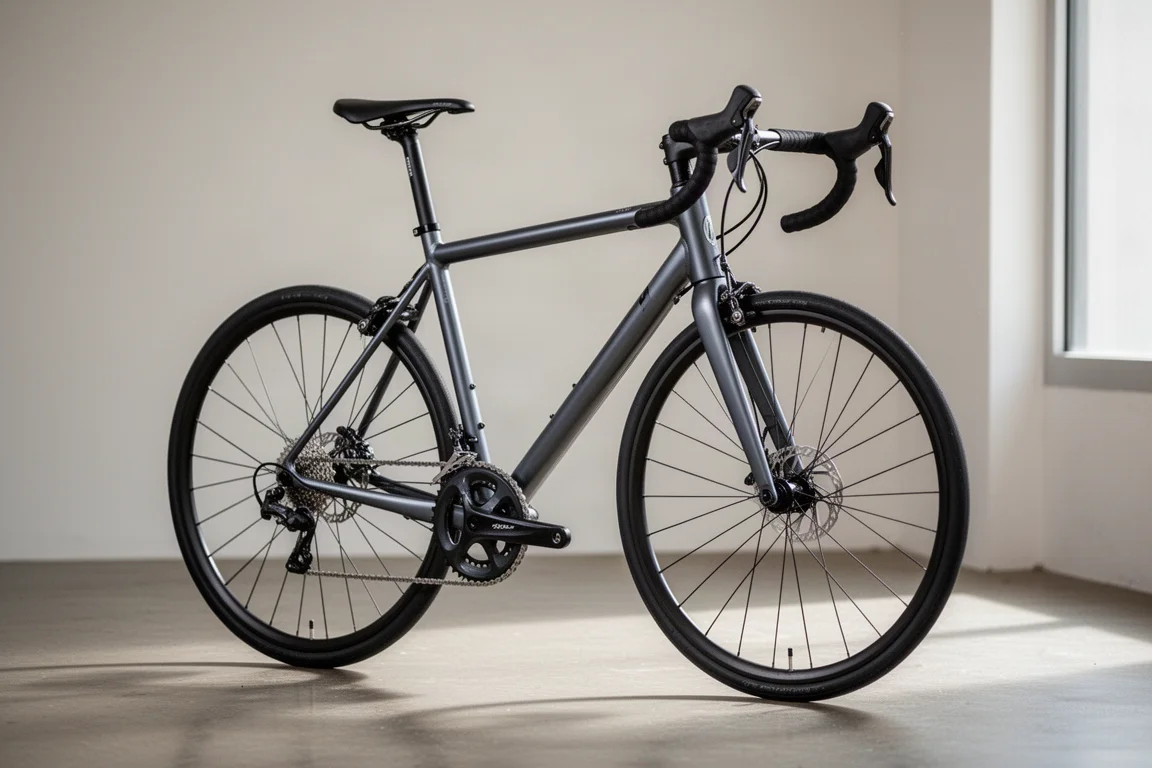
Best Premium Endurance Option: Trek Domane SL 5
Trek was founded around the same time as Specialized and grew enormously during the Lance Armstrong sponsorship era. It remains one of the biggest names in the sport, with excellent bikes, a large marketing budget, and strong research and development behind them.
Value has never been the brand’s strong point. Trek works through a traditional dealer network, though it is shifting toward a more direct model with a large number of Trek-only stores. The Domane SL 5, a carbon bike with 105, is $3,799, the same figure Specialized asks for its equivalent. At the bottom of the range, the cheapest drop bar model is $1,199.99 with a Claris groupset and non-hydraulic brakes.
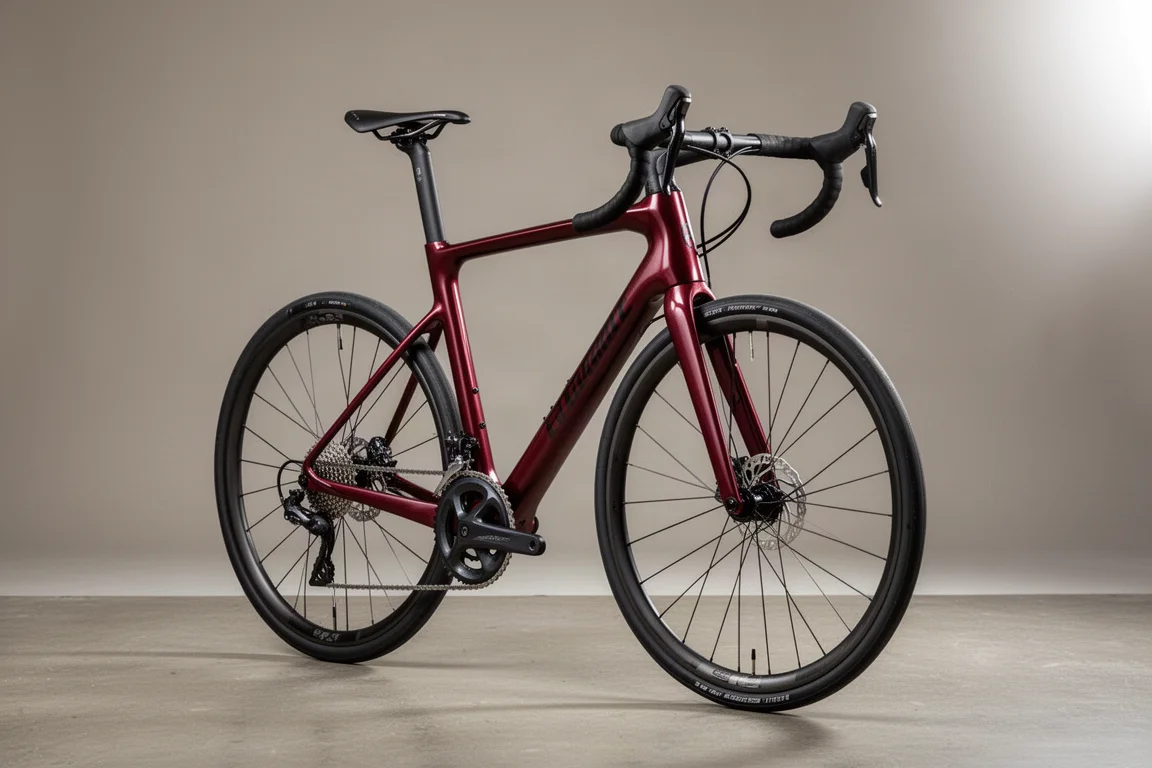
Buying Advice
The most important variable in this list is where you live. Several brands, Giant and Canyon among them, price their bikes far more aggressively in Europe than in the United States, where taxes and tariffs add to the final figure. Others, Cannondale included, flip that pattern. Before comparing two bikes on paper, check the price in your own market, because the ranking can change completely.
The second consideration is how you want to buy. Dealer networks make it easy to test ride, get a fit, and walk into a shop when something needs attention, and that convenience is built into the price. Direct-to-consumer brands strip that cost out and hand the responsibility back to you, which suits riders who are comfortable doing their own maintenance or who already have a good local mechanic.
Component choices deserve a closer look than the groupset badge. A bike with a 105 groupset and a house-brand crankset, as XDS does on the RS-7, can still be excellent value if the rest of the build is sound. Frame quality, geometry, and tire clearance shape how a bike feels far more than the number of gears, and those details rarely appear in a headline price.
Finally, think about aftercare before you buy. Warranty handling, spare parts, and the availability of proprietary components all matter over several years of ownership, and they are worth weighing against a lower sticker price.
Conclusion
The biggest brands in cycling converge on similar designs, but they do not converge on price. Giant and Canyon make a strong case on value, Cube and Orbea offer competitive mid-range options with useful extras, and XDS pushes the specification-per-dollar argument further than anyone else on this list, with the caveat that its support network is still developing. Scott, Van Rysel, Cannondale, Specialized, and Trek all have something to offer, though the value story shifts depending on your region and how much you rely on a dealer. Match the bike to your market, your maintenance habits, and your fit requirements, and the right choice becomes much easier to see.
Further reading
Related Reviews

Road Bikes
10 New Road Bikes Worth Watching: Aero, Titanium, Steel and Endurance Standouts
A practical roundup of 10 new road bikes, from aero flagships chasing single-watt gains to titanium, steel and endurance platforms built for real roads.
Road Bikes
2026 Tour de France Road Bikes: Six Race Machines Worth a Closer Look
Six race bikes from the 2026 Tour de France grid, reviewed for paint, silhouette, wheels and the specification details that matter to buyers.
Road Bikes
3T Strada Italia Review: A Radical Aero Road Bike That Rides Smooth
A made in Italy carbon aero road bike with a deep head tube, wide tire clearance and a genuinely comfortable ride. Here is what to know before buying.