Cycling Gear
Best Value Aero Upgrades for Road Cyclists: Helmet, Race Suit and Wheelset Compared
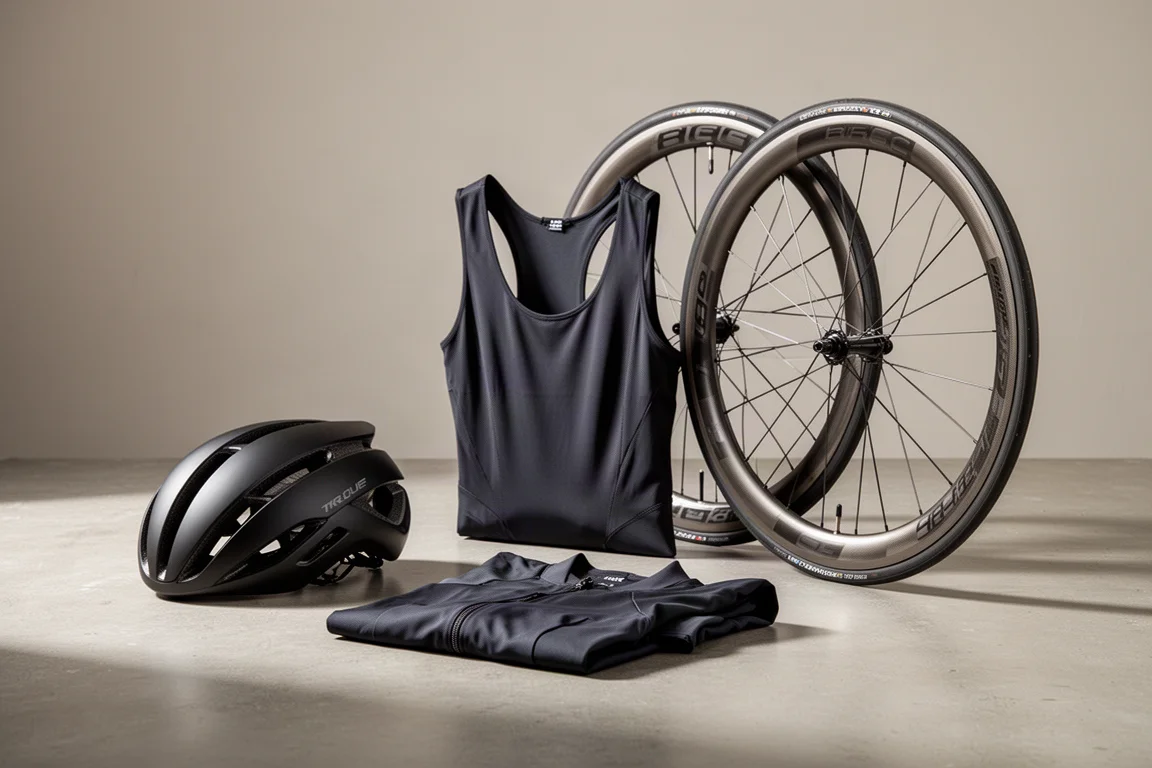
A wind tunnel comparison of three aero upgrades for road cyclists, showing what each one costs per watt saved and which changes deliver the biggest gains for the money.
Introduction
Aerodynamic upgrades have a reputation for being expensive, and the reputation is not entirely undeserved. A dedicated aero frameset or a deep-rim carbon wheelset can run into the thousands, and the difference is not always obvious once you are out on the road. To find out which changes genuinely deliver, a group of aero upgrades was measured in a wind tunnel at a steady 35 km/h, with the wind presented at 0, 5 and 10 degrees of yaw.
The short answer is that the largest gains came from changes that cost nothing at all. The paid upgrades varied far more, from a helmet that returned a solid saving for the money to a race suit that cost the most and saved the least.
How We Measured the Value
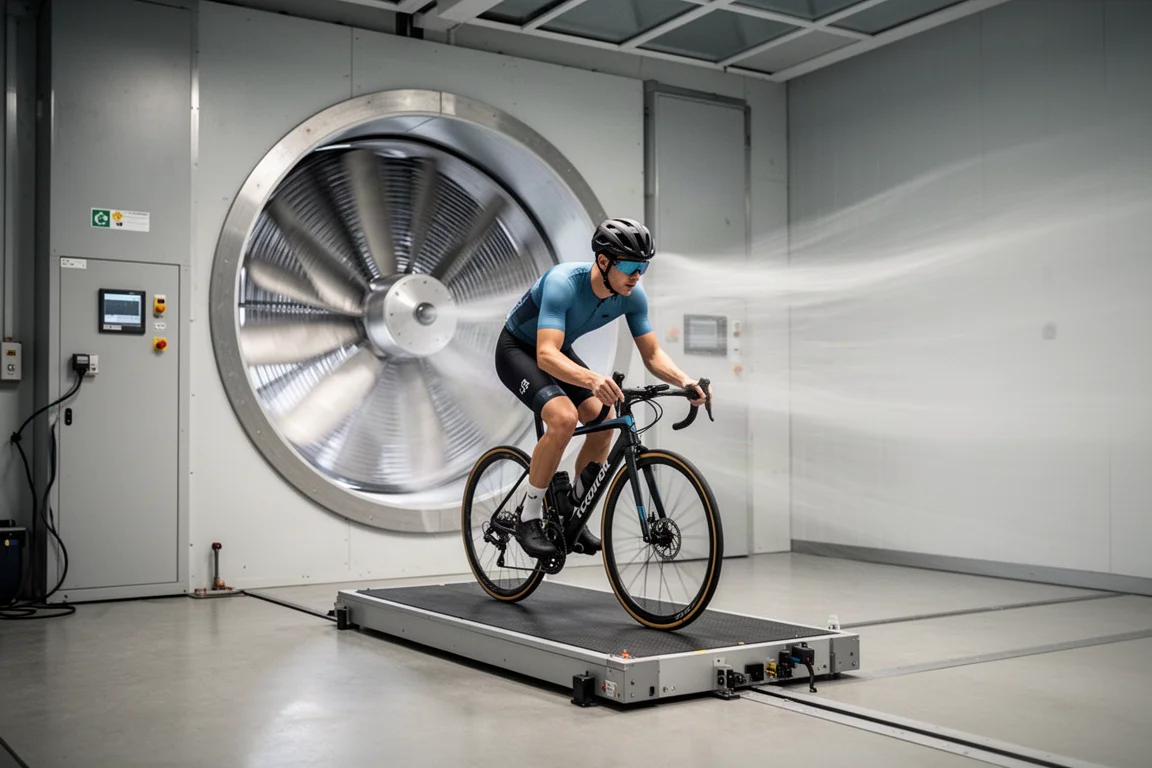
The test rig placed rider and bike on a set of scales while a large fan pulled air across them. The scales measured the drag force applied to the rider, so any change that reduces drag shows up as a lower force reading, which translates into more speed for the same effort.
The baseline run used a relaxed riding position, a standard jersey and shorts, cotton socks and a vented helmet. Holding 35 km/h in that setup took around 216 watts, with a CdA just over 0.4. For context, the most aerodynamic professional time trial riders sit below 0.2, roughly half that figure.
Each product was then judged on cost per watt saved. Because aerodynamic drag rises with the cube of speed, riders travelling faster than 35 km/h will save more watts than the numbers here suggest, and riders going slower will save less.
Best Aero Helmet: Lazer Vento
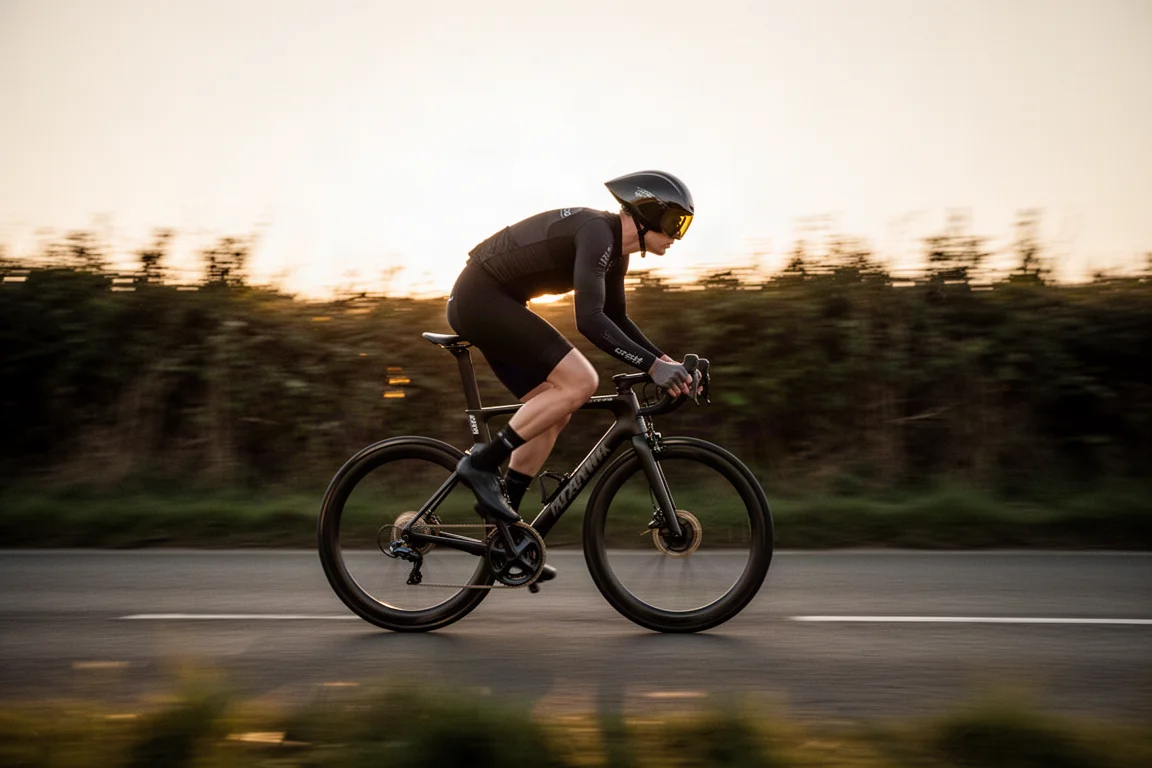
The Lazer Vento was the strongest paid upgrade in value terms. Listed at around £250, it saved 7.6 watts in the test, which works out at roughly £34 per watt saved.
Ventilation is the interesting part. Inside a wind tunnel the air is exceptionally smooth, and at 0 and 5 degrees of yaw the helmet channelled that airflow over the head very effectively, so the cooling effect stayed strong. At 10 degrees of yaw the picture changed: the helmet began blocking air from entering the head and the cooling benefit faded noticeably. That matters for riders in hot climates or anyone doing a lot of slow climbing, where airflow is limited anyway.
It is also worth noting that this is a relatively expensive aero road helmet, and cheaper aero road options exist. It is nevertheless one of the better vented aero road helmets around, particularly compared with older designs that ran hot.
Most Expensive Upgrade: Le Col x McLaren Project Aero Speed Suit
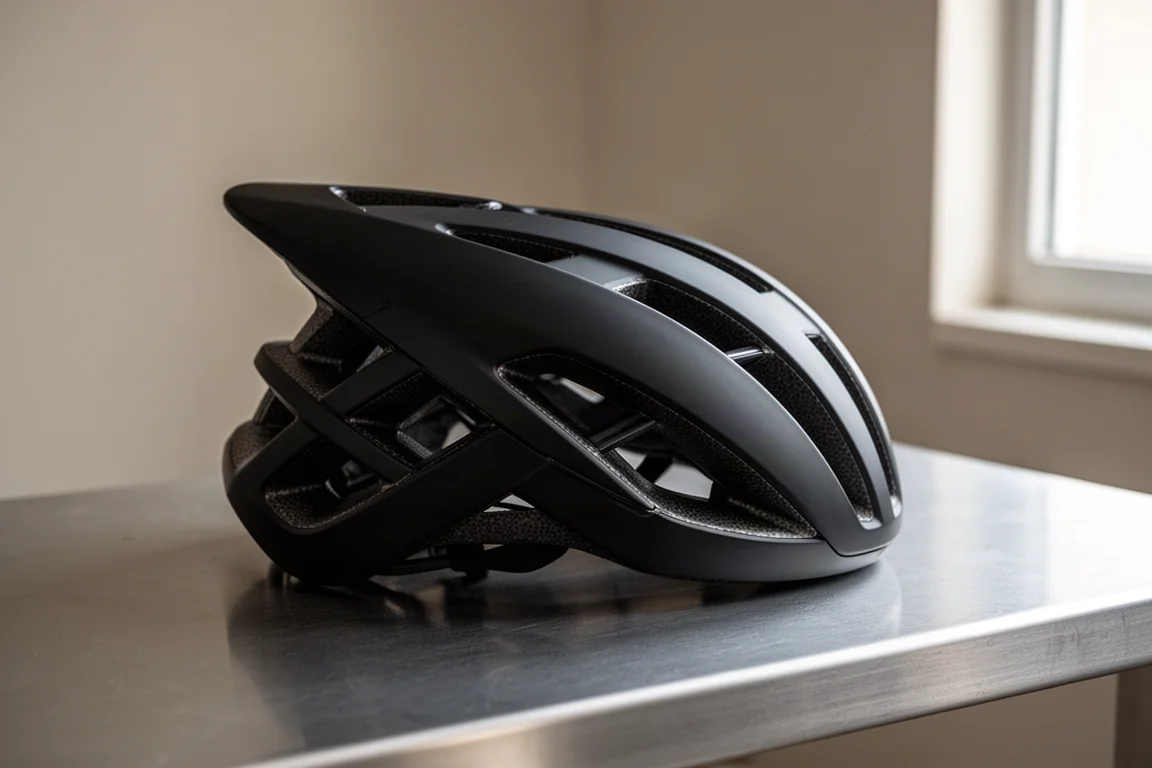
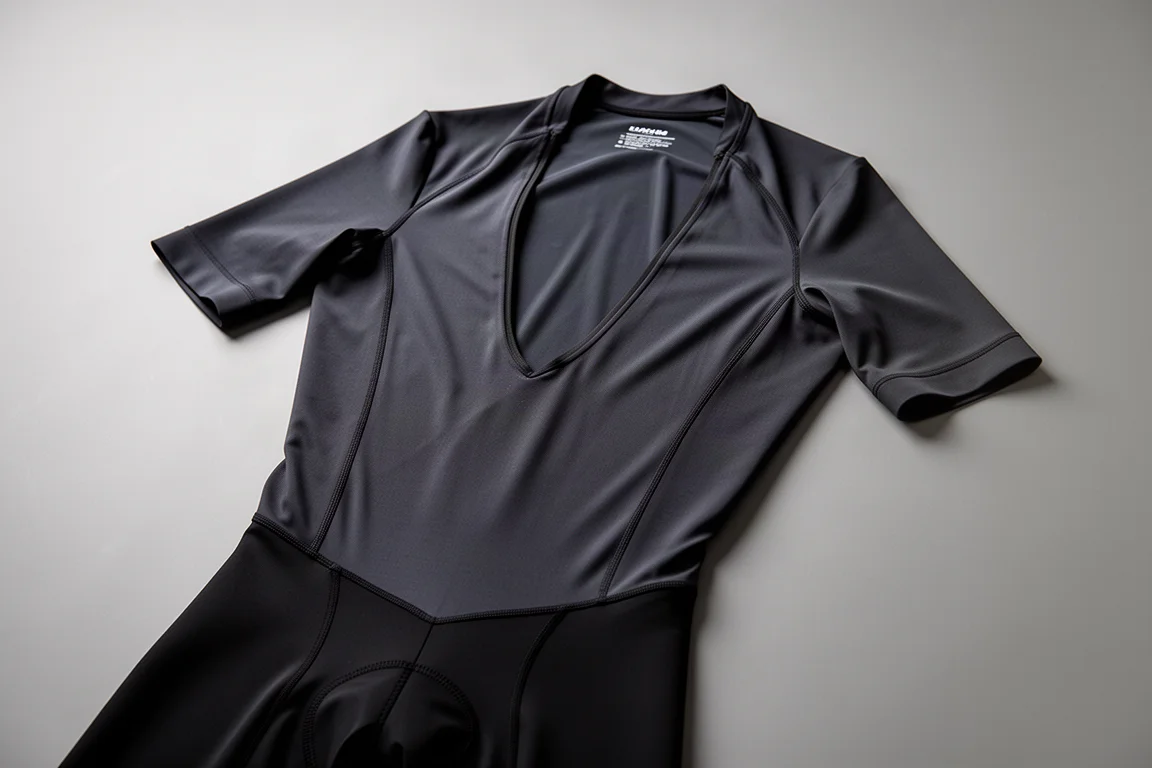
The Le Col x McLaren Project Aero Speed Suit was the most expensive item tested and the least efficient in value terms. At £350 it saved 3.6 watts, or approximately £97 per watt saved.
Fit is the main caveat. The suit is tightly fitted at the front, difficult to get on, and not the most comfortable design. It is a race garment rather than something to wear on a social ride. A well-chosen aero jersey and shorts pairing can deliver a similar saving without the same compromises, and the sewn-together construction is what removes much of the creasing that costs drag.
Context helps here, though. Compared with buying a new bike, which can cost £5,000 or more, £350 for a measurable gain is still a modest outlay. Riders coming from loose or poorly fitted kit are also likely to see a bigger improvement than the numbers here show.
Wheelset Value: Mavic Aksium and Deeper-Rim Upgrades
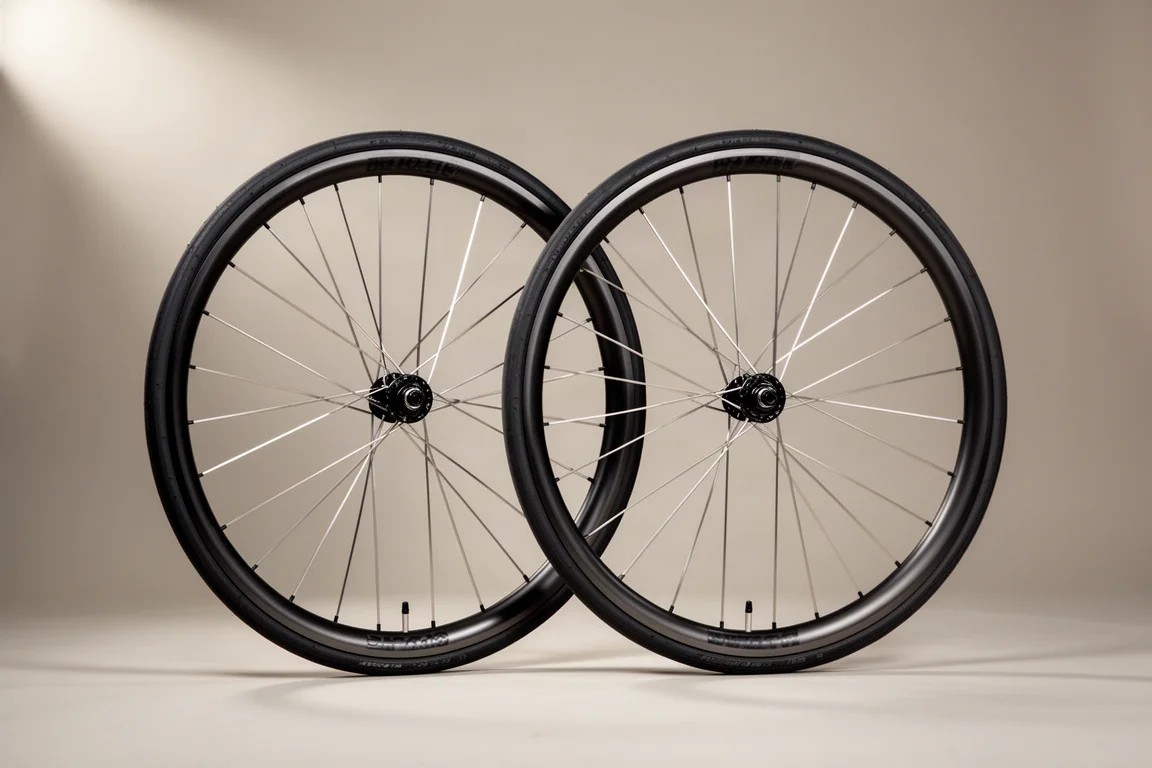
The Mavic Aksium wheelset was the reference point for the wheel comparison, and it represents the kind of standard alloy wheelset that many bikes are supplied with. It is not an aerodynamic performer, which is precisely why replacing it produced one of the larger gains in the test.
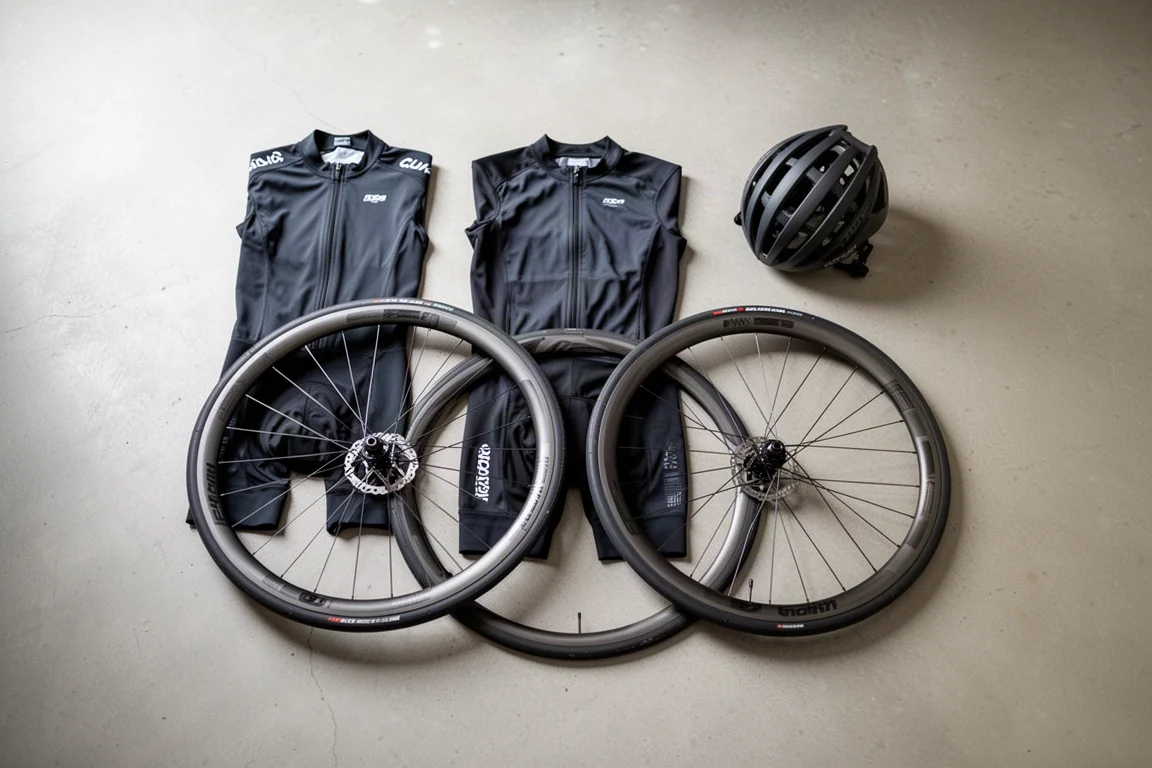
A deeper-rim replacement at £950 saved 10.2 watts over the Aksium, around £93 per watt, and cut roughly 400 grams from the overall bike weight. Carbon wheelsets also change the look of a bike, and the added stiffness can sharpen handling, so the benefit is not purely aerodynamic.
If your current wheelset is already reasonably aerodynamic, expect a smaller gain than 10.2 watts. The Aksium result is best read as the upper end of what a wheel upgrade can deliver, not a universal figure.
Free Speed: Position Changes That Cost Nothing
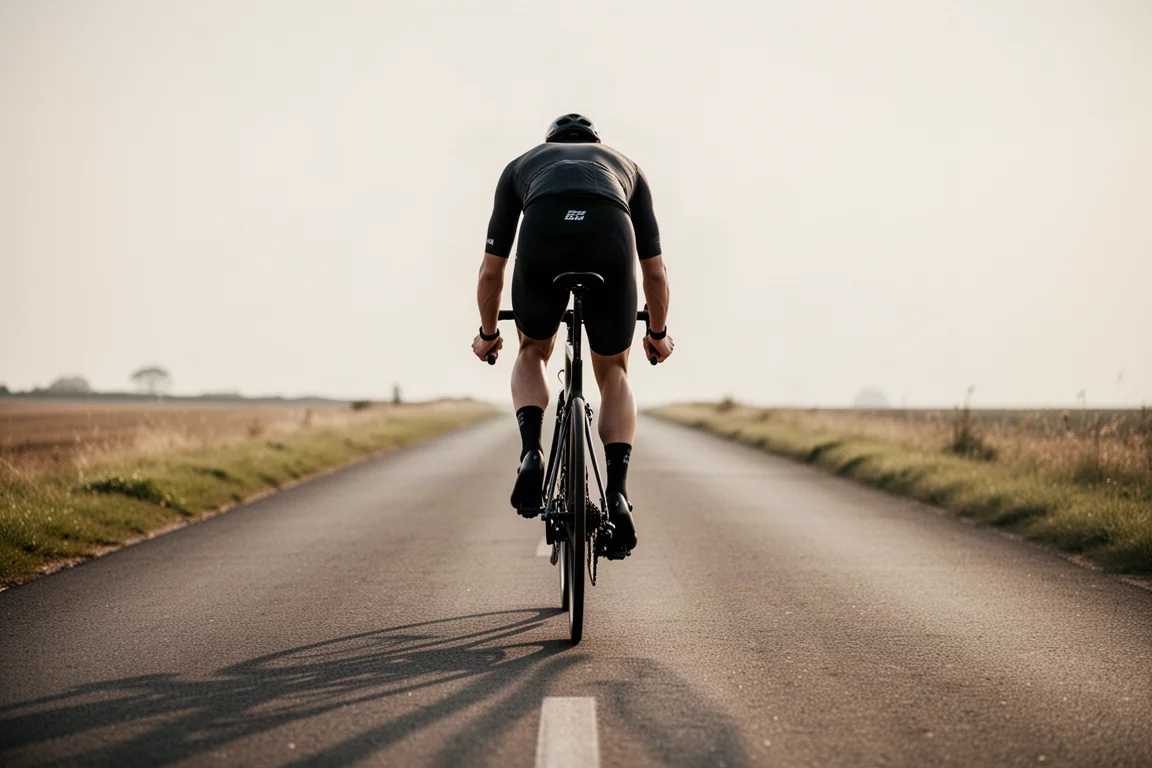
The largest savings of the entire test came from riding position, and none of them cost anything. Moving the hands from the tops of the handlebars to the brake hoods and dropping the front end by a single centimetre combined for a 19.3 watt saving. The aero hoods position seen in professional breakaways saved 22.4 watts compared with riding on the hoods.
Those gains are not free in effort terms. The aero hoods position loads the triceps heavily, and it takes deliberate practice to hold for more than short bursts, so the practical approach is to use it selectively when speed matters most rather than for an entire ride. Small kit changes contributed as well: clip-on aero extensions saved 6.8 watts even against the aero hoods position, with a further 2.1 watts available by angling them up slightly, and narrowing the handlebar from 40 cm to 36 cm saved 2.4 watts.
Overall Buying Advice
Ranking the paid upgrades by cost per watt saved puts the Lazer Vento helmet first at about £34 per watt, the deeper-rim wheelset upgrade next at about £93 per watt, and the Le Col x McLaren race suit last at about £97 per watt. Every one of them was beaten by the positional changes, which cost nothing.
A sensible sequence follows from that. Sort out position first, because it is free and delivers the largest gains. If the budget stretches to one purchase, an aero helmet is the strongest value. Wheels make sense next for anyone still on a standard alloy set. A race suit is the last step, and mainly for riders who compete.
Conclusion
Aerodynamic upgrades do not have to be expensive, but they do need to be chosen carefully. In this test the cheapest changes delivered the biggest savings, and the most expensive item saved the least. Start with position, add a well-priced aero helmet next, and treat wheels and race suits as later steps once the free gains are already locked in.
Further reading
Related Reviews
Cycling Gear
8 Cycling Products Riders Keep Coming Back To
Eight cycling components and accessories with clear strengths, honest trade-offs and long-standing reputations among riders and mechanics.
Cycling Gear
Aero Helmets and Bottle Setups Tested: Six Options Ranked by Measured Watt Savings
Wind tunnel data on six aero helmets and bottle setups, with real watt savings, practical trade-offs, and guidance on what is worth buying first.
Cycling Gear
Aero Road Bikes and Fast Tires Worth Watching in 2026
Four aero road bikes and one fast road tire, with the real strengths, the open questions, and what to check before you buy.