Cycling
Best Value Aero Upgrades 2026: Three Smart Ways to Buy Speed
Three affordable aero upgrades that deliver real watts for the money, plus the details worth checking before you buy.
Introduction
Aerodynamic drag climbs sharply as speed rises, which is why riders chasing faster times keep looking at the shape of the bike and the body on top of it. The encouraging part is that the biggest gains do not always come from the most expensive components. Several modest purchases can be worth measurable watts.
This roundup covers three upgrades that tend to offer a strong return relative to their cost, along with the practical context that decides whether each one suits your bike and your riding.
What Counts as a Value Aero Upgrade
Before looking at specific products, it helps to understand where the gains come from. Figures vary between sources, so the numbers below are best treated as ballpark estimates rather than precise data.
Aerodynamic helmets are typically around 3 to 4 W faster than a well-ventilated road helmet for a 75 kg rider at 40 km/h. A full time trial helmet can be worth 10 to 12 W, but much depends on position: a long-tail design only delivers when the tail sits close against the rider’s back, and a gap there reduces the benefit. Adding a small amount of extra padding inside the front of the helmet is a common trick for closing that gap, provided the helmet still sits safely.
Clip-on aerobars remain the standout value item. At 30 km/h they measured a 40 W saving, and at 45 km/h a 124 W saving, because they cut the rider’s frontal area dramatically. Cheap sets are widely available.
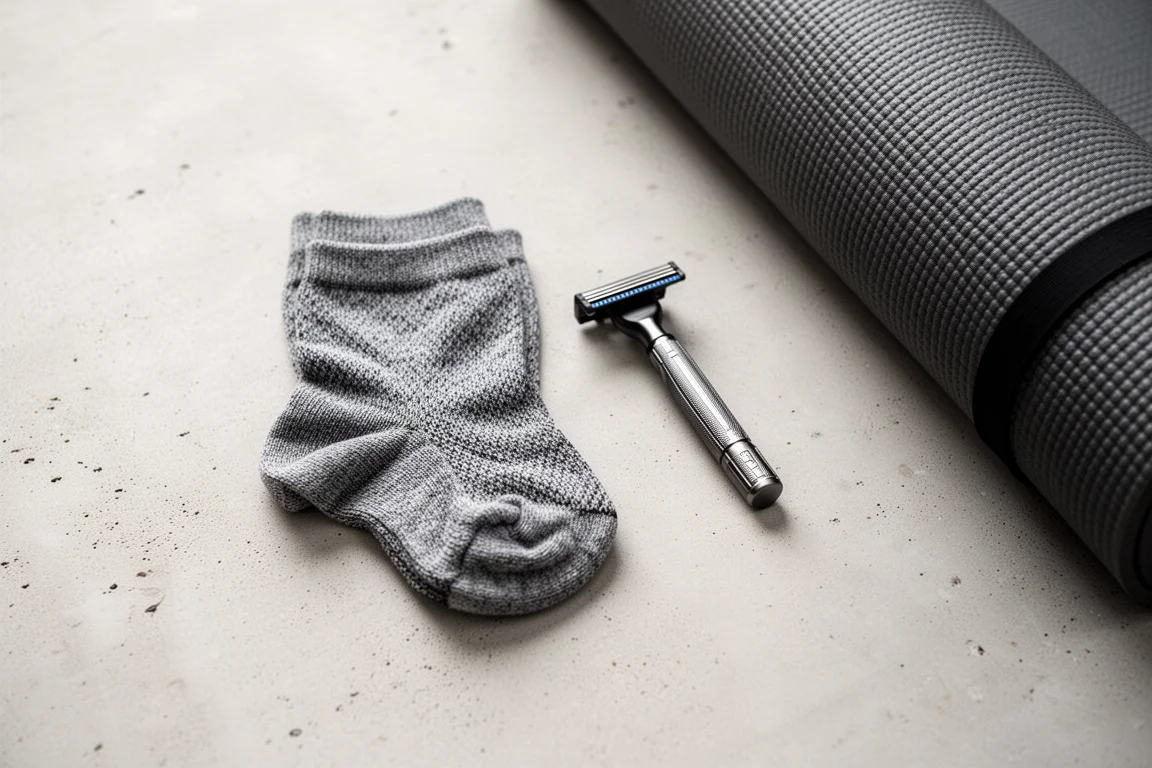
Other smaller contributors add up: narrower handlebars, aero socks, leg shaving, and the placement of bottles and spares. Badly placed spares alone have been measured at around 3 to 4 W. Time spent on flexibility is the cheapest option of all, since it improves the position you can hold.
Continental GP5000
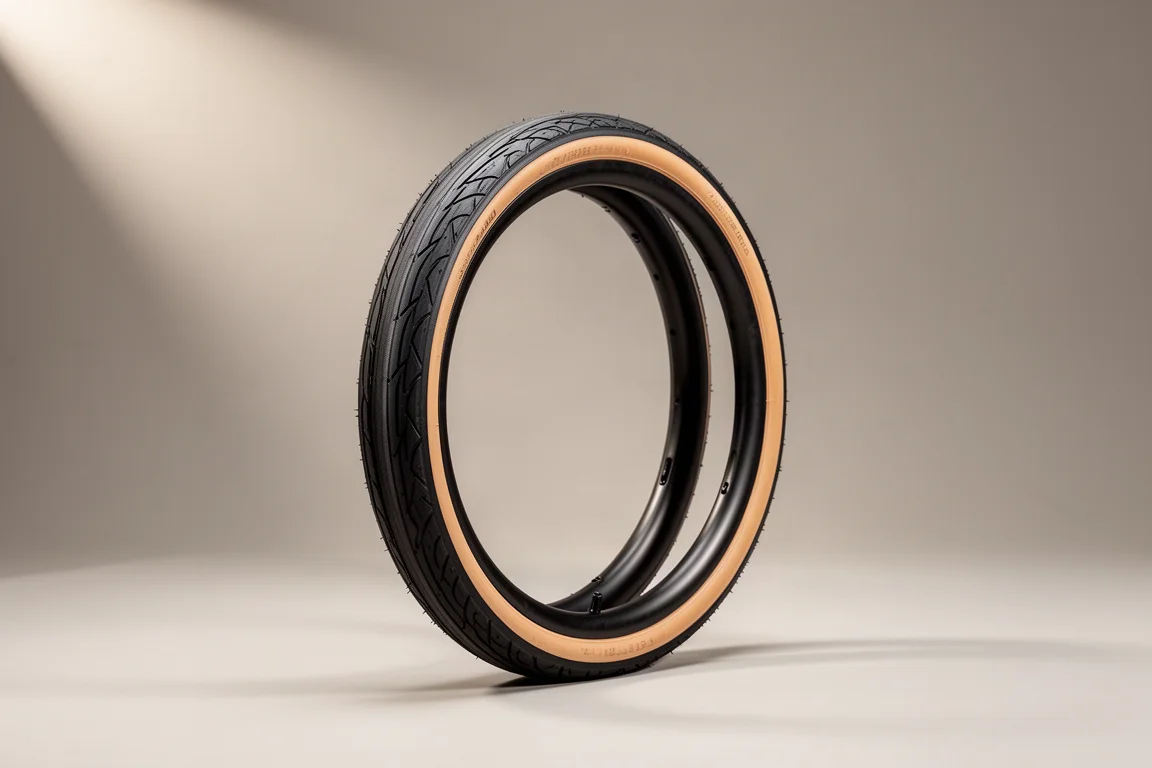
Tires wear out, so they get replaced anyway. That makes a fast tire a relatively painless upgrade, and the Continental GP5000 sits in the region of £50 to £75 per tire.
The reason tire choice matters aerodynamically is the interface with the rim. Deep-section rims are shaped to capture the airflow leaving the tire and smooth it out, and the fastest setups are those where the tire is the same width as the rim or slightly narrower. Wider tires of around 25 mm also roll with lower resistance than older, narrower sizes such as 23 mm, which is why wheel manufacturers now build wider rims.
Because the possible combinations of tires and wheels are so varied, exact savings are hard to quote. Check the wheel manufacturer’s published tire compatibility and size guidance first, and look for independent testing if that information is not available.
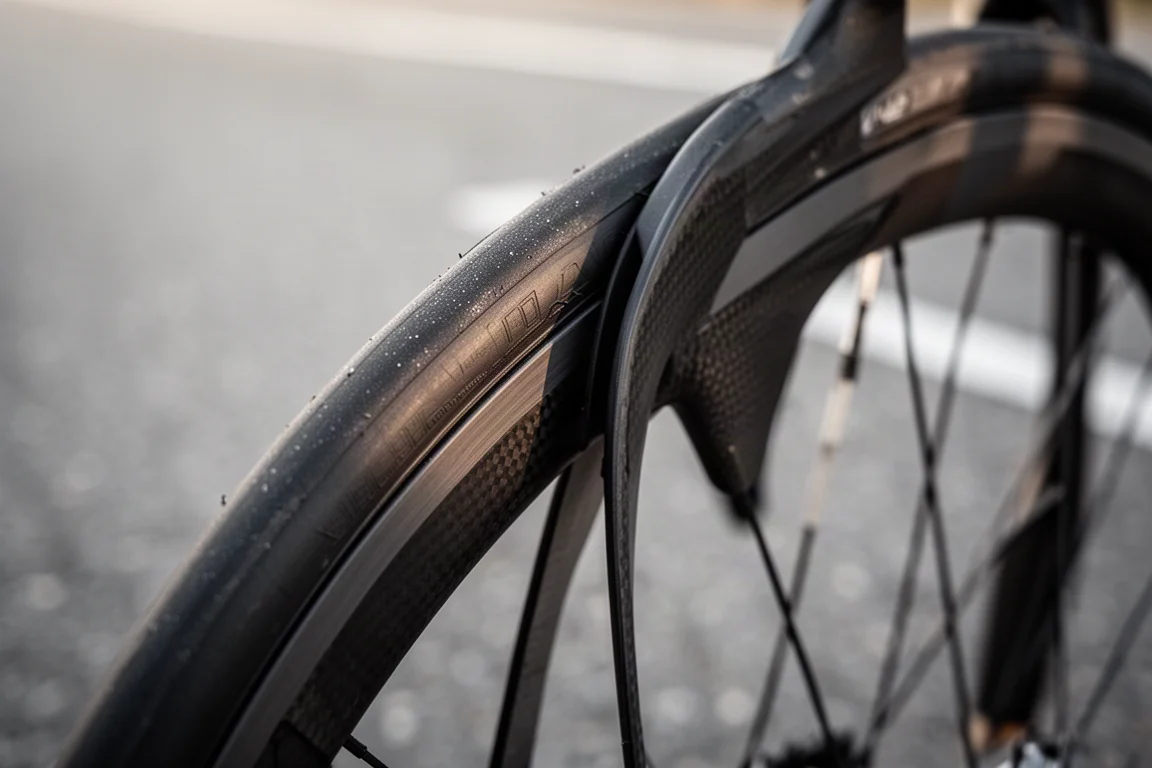
For riders who want a dependable fast tire rather than the cheapest replacement available, the GP5000 is a sensible choice at the point where existing tires need changing.
Elite Chrono CX
A standard round down-tube bottle is a blunt shape sitting in carefully managed airflow. Switching to an aero bottle such as the Elite Chrono CX can save in the region of 3 to 4 W at 40 km/h.
At roughly £25 to £35 per bottle these are not the cheapest bottles on the shelf, but set against most aero components the outlay is modest. They make the most sense for riders who do regular fast efforts, time trials or triathlon, where hydration is already carried on the bike.
Placement is worth thinking about as well. Bottles stored behind the saddle sit in air the rider has already disturbed, which is one of the more aerodynamic places to carry them. That matters for long-distance events where several bottles are needed over the course of the day.
Profile Design Aeria
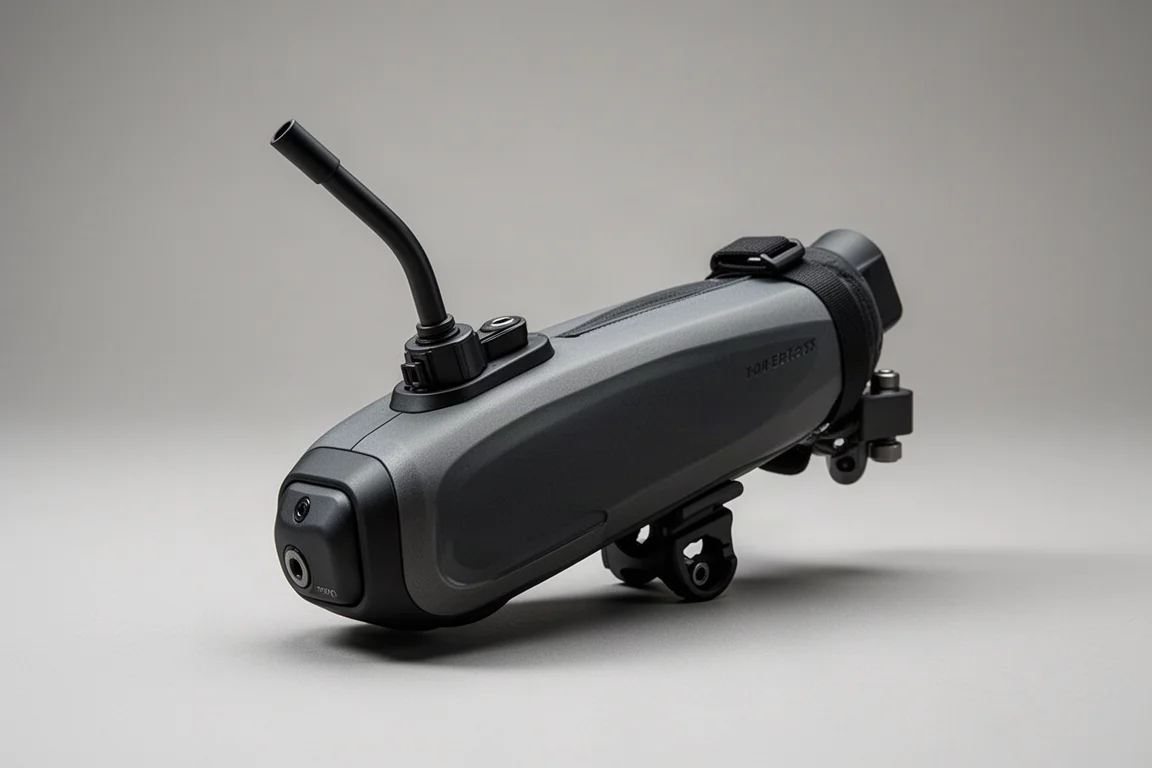
Front hydration systems that integrate cleanly with the frame and stem are often tested faster than the same bike without them. The Profile Design Aeria is an aftermarket option, so it can be added to most bikes, and it sits snugly into the stem and around the frame rather than hanging out in the airflow.
For riders who race or cover long distances, that combination of easy refuelling and reduced drag is a practical gain rather than a marginal one.
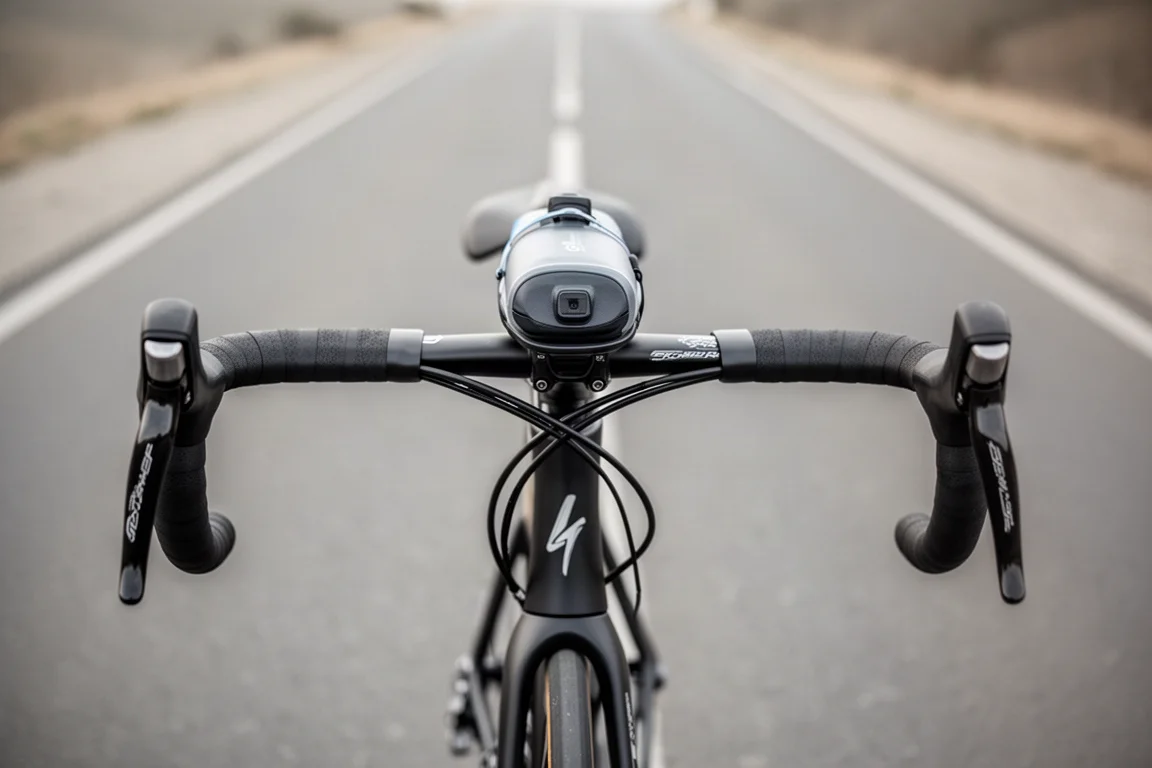
It is a straightforward upgrade to assess. If a bottle is already carried at the front, replacing it with an integrated system is one of the simpler ways to tidy the front end of the bike.
Overall Buying Advice
Sort the options by cost per watt and a clear order appears. Clip-on aerobars sit at the top for riders on a standard road bike, followed by aero bottles and front hydration, then tires when the current set is due for replacement. Helmets, socks, shaving and flexibility work fill in the remaining gains, each of them inexpensive relative to the savings quoted.
The important caveat is that aerodynamics is personal and equipment-dependent. Helmet performance depends on position, tire performance depends on rim width, and hydration gains depend on how neatly the system integrates. Where a manufacturer publishes compatibility data, use it.
Buying in that order also means every purchase is tested on your own bike at your own speed, so you can confirm what actually works for you before spending more. A modest budget spent deliberately will beat an expensive part chosen on looks alone.
Conclusion
Speed does not have to be expensive. Tires that match your rims, an aero bottle, and a well-integrated front hydration system are all affordable next steps, and each one addresses a real source of drag. Choose the upgrade that fits your riding first, install it carefully, and the watts tend to follow.
Further reading
Related Reviews
Cycling
2026 Bike of the Year and the Cycling Gear Worth Watching
A drop bar roundup for 2026 covering the Ridley Kanzo Fast 2.0, Shimano Dura-Ace Di2 R9300, Trek Checkpoint ALR Gen 3, Specialized Tarmac SL9, Garmin Fenix 9 and Insta360 X6.
Cycling
Best All-Road Bikes 2026: Six Versatile Endurance Road Bikes Worth Considering
A practical look at six all-road and endurance road bikes, from lightweight carbon speed machines to steel all-rounders and comfort-focused mile eaters.
Cycling
Best All-Road Bikes 2026: 8 Endurance Bikes for Road and Light Gravel
Eight all-road bikes that blur the line between endurance road and light gravel, compared on tire clearance, ride character, practicality, and value.