Tech Accessories
Best USB-C Chargers Tested: Which Cheap Charger Is Actually Worth Buying?
We compare budget and premium USB-C chargers on efficiency, heat, standby drain, multi-port output, and how well they stay put in the wall.
Introduction
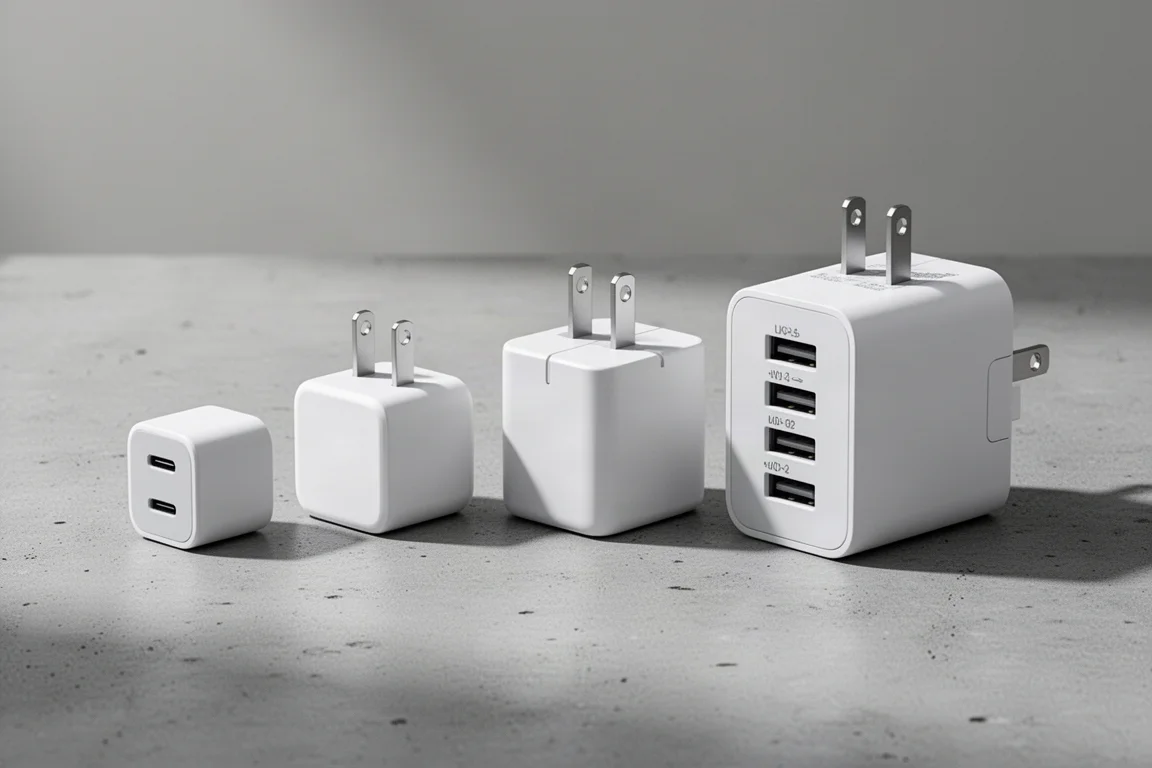
A poor-quality USB-C charger can take forever to charge your phone, or worse, run dangerously hot. The question is simple: is that $10 charger just as good as the $120 one? To find out, a wide range of chargers was tested for power output, charging efficiency, heat, standby energy use, and whether they actually stay seated in a wall outlet. The results show that price alone does not tell you much, but a handful of chargers clearly stood out from the pack.
How the Chargers Were Compared
Each charger went through the same battery of tests. A high-quality 240W-rated cable was used throughout, and an energy meter tracked both the power drawn at the outlet and the power delivered to a connected power bank. The difference between the two reveals charging efficiency: whatever does not reach the battery turns into heat inside the charger.
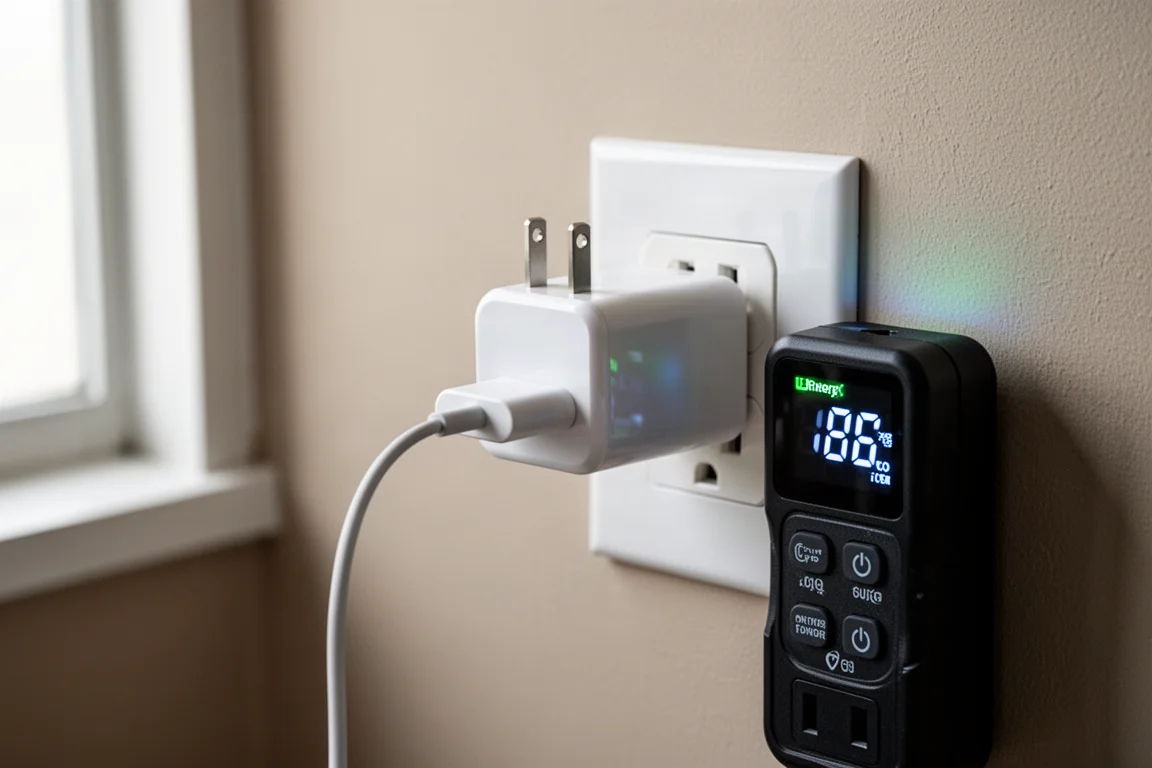
Beyond raw wattage, the chargers were scored on standby energy drain (measured with nothing attached), maximum temperature during a 30-minute charge, physical size in cubic inches, pull-out force from a wall outlet measured with a force gauge, and total output when several devices were plugged in at once. Chargers were grouped by power class, under 65W, 65 to 99W, and 100W and up, so small chargers were never unfairly judged against big ones on output alone.
Anker 20W Two-Port Charger
At $14, this 20W two-port Anker charger came out on top of the under-65W category with the best average finish of the whole test. It includes two charging cables, weighs 54 grams, and is made in Vietnam. Standby drain landed on zero watts, and during the 30-minute charge test it delivered about 20.4W at the outlet with 17W reaching the power bank.
Heat is where it pulled away from the competition: it stayed the coolest charger in its category at just under 122 degrees Fahrenheit, and in the multi-port stress test it reached a peak of 158 degrees without any wattage drop. It also led the under-65W group in outlet grip at 36 ounces. It performed well in every category, making it an easy choice if a 20W charger covers your needs.
Anker Nano 47W USB-C Charger
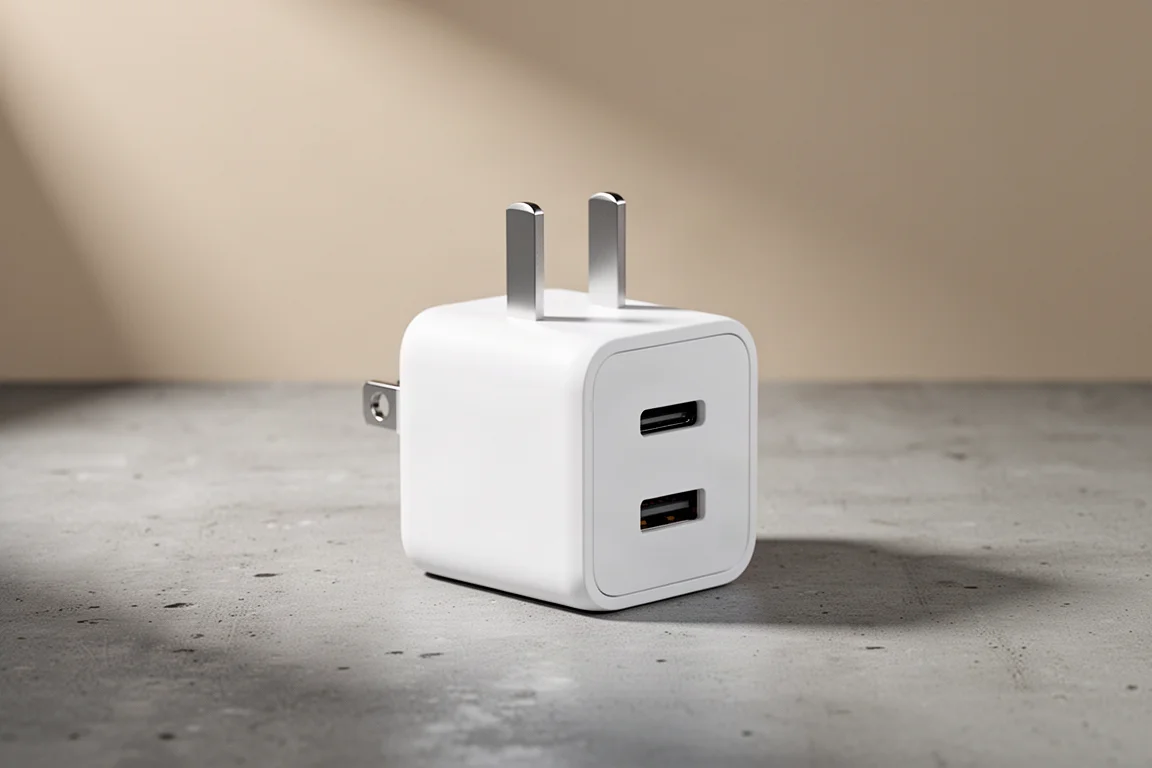
Priced at $25, the Anker Nano is a 47W USB-C charger with two ports in a compact foldable design, advertised for iPhone, Galaxy, Pixel, and MagSafe-compatible devices. Its two ports are claimed at 27W and 20W respectively. Built in Vietnam and a relatively hefty 86 grams, it posted zero watts of standby drain.
In the charge test it climbed from 41.7W at the outlet at the start to 45.7W by the 30-minute mark, with 40W reaching the power bank. It finished second in its category on efficiency at 90.7%, second on temperature at 149 degrees, and achieved 99.2% of its rated output. One thing to note: with folding blades oriented downward it measured only 13 ounces of pull-out force, though 27 ounces in the opposite direction. If you want more capability than a 20W charger, this is the upgrade to make.
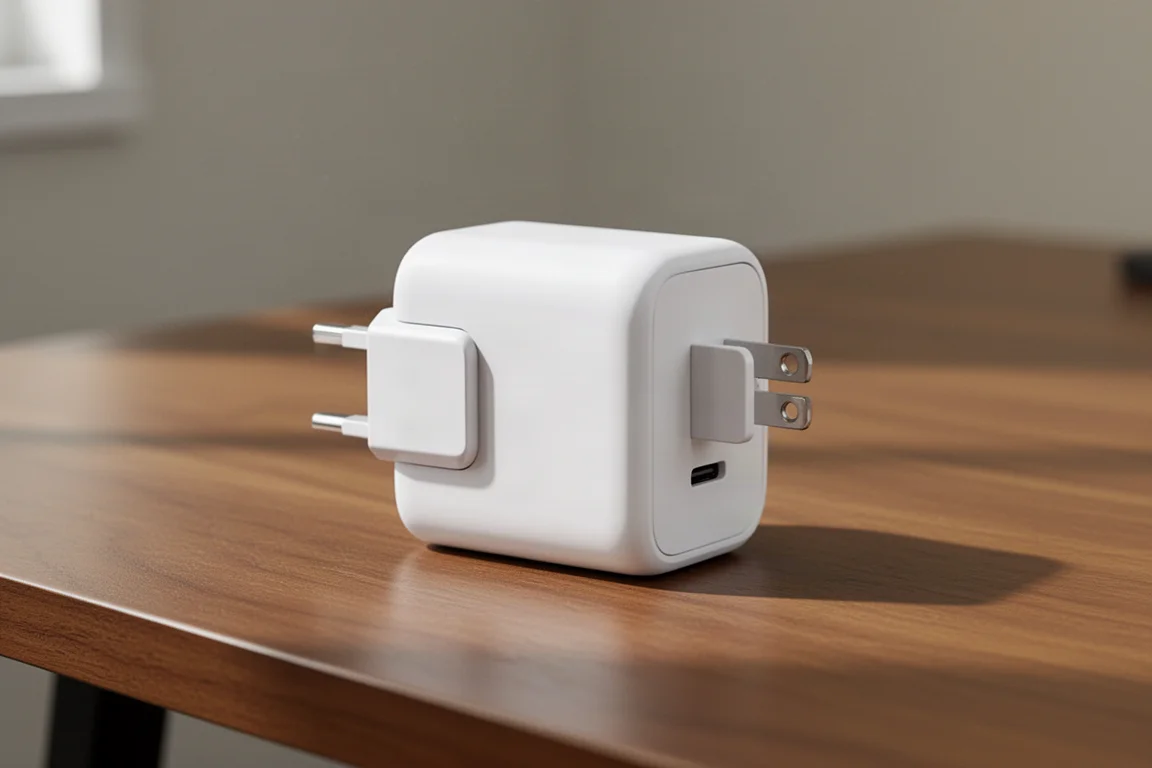
UGREEN 65W USB-C Charger
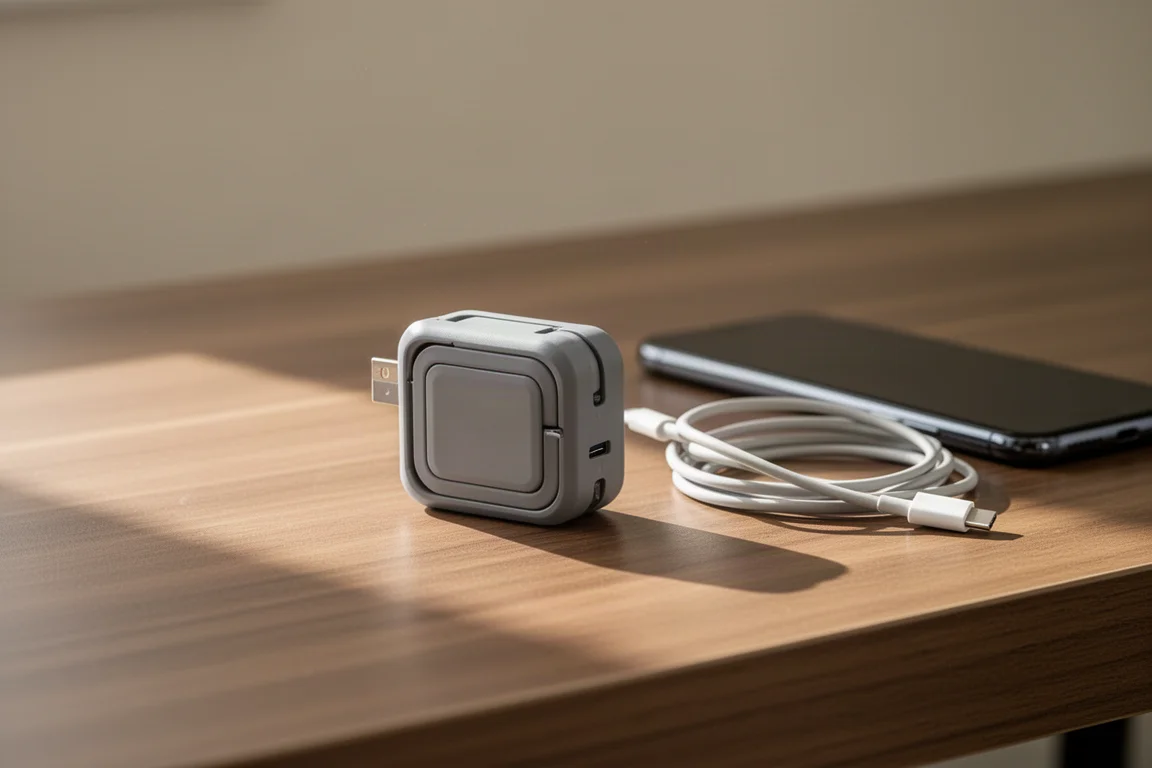
The UGREEN 65W came out on top of the 65 to 99W category with an average finish of 2.4, and at around $35 it is the pick for this power class. Where most competitors in this bracket offer three ports, it has four. The maker claims it can charge a MacBook Air to 51% in 30 minutes. It is made in China, weighs 162 grams, and drew zero watts on standby.
It started slow at 60.4W at the outlet but finished the 30-minute test at 66.3W with 59W delivered to the power bank. Its 144.1-degree temperature was the second coolest in the category, and in the multi-device stress test it stayed at 156 degrees with only a fraction of a watt of total drop. It also won the outlet-grip test for its class at 32 ounces, impressive given its weight.
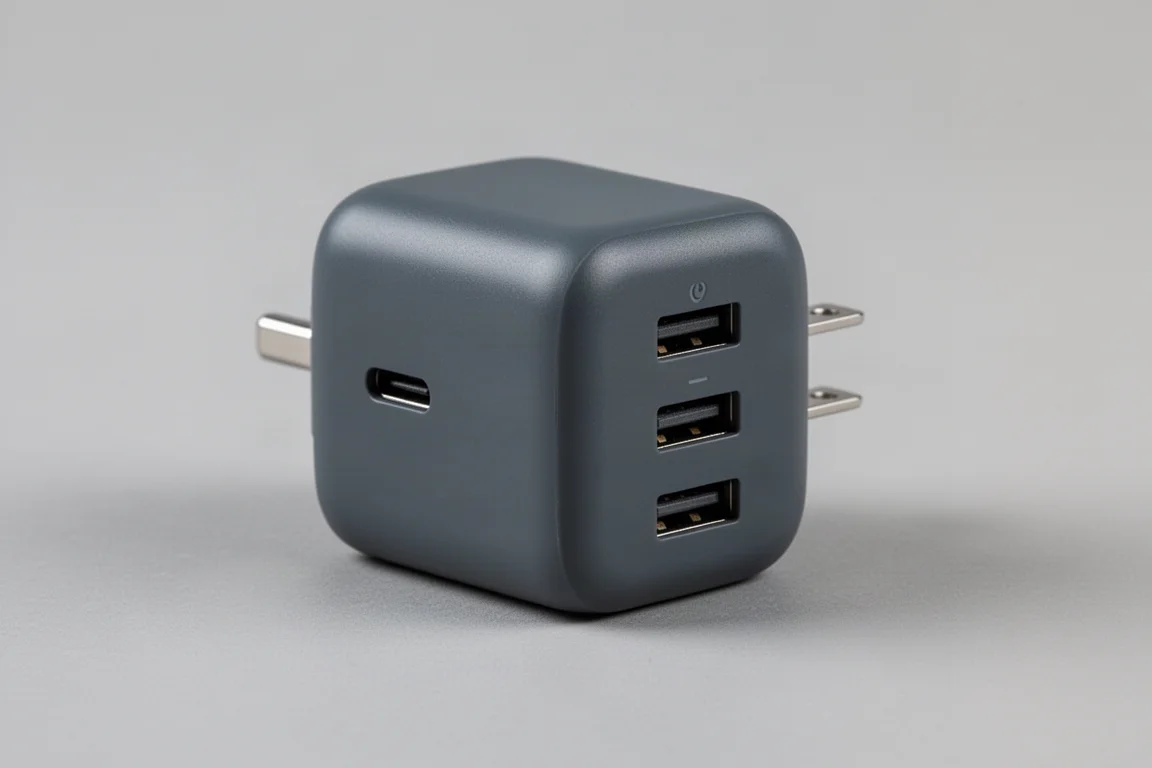
Anker Prime 67W Charger
At $60, the Anker Prime is a 67W three-port charger with an ultra-compact design and the ActiveShield 2.0 safety system. It is made in Vietnam, weighs 144 grams, and sipped just 0.17W on standby. It finished second overall in the 65 to 99W category, but it won the efficiency ranking outright at 92.6%.
In the 30-minute charge test it reached 68.5W at the outlet and 61W into the power bank, the strongest in its class, and it ran cooler than the UGREEN at around 140 degrees. In the multi-port stress test with two ports in use it stayed the coolest yet at about 141 degrees while holding output steady at 58.4W. The main trade-off is the grip: it gave up a bit early in the pull-out test at 16 ounces.
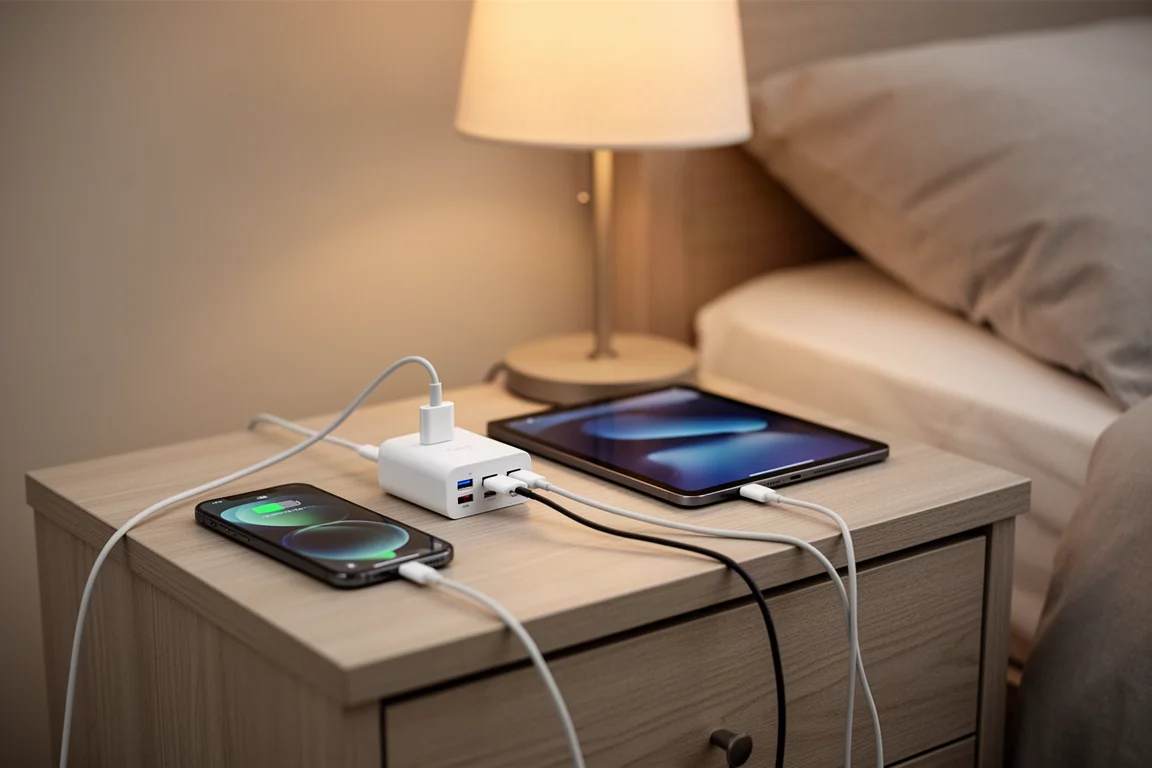
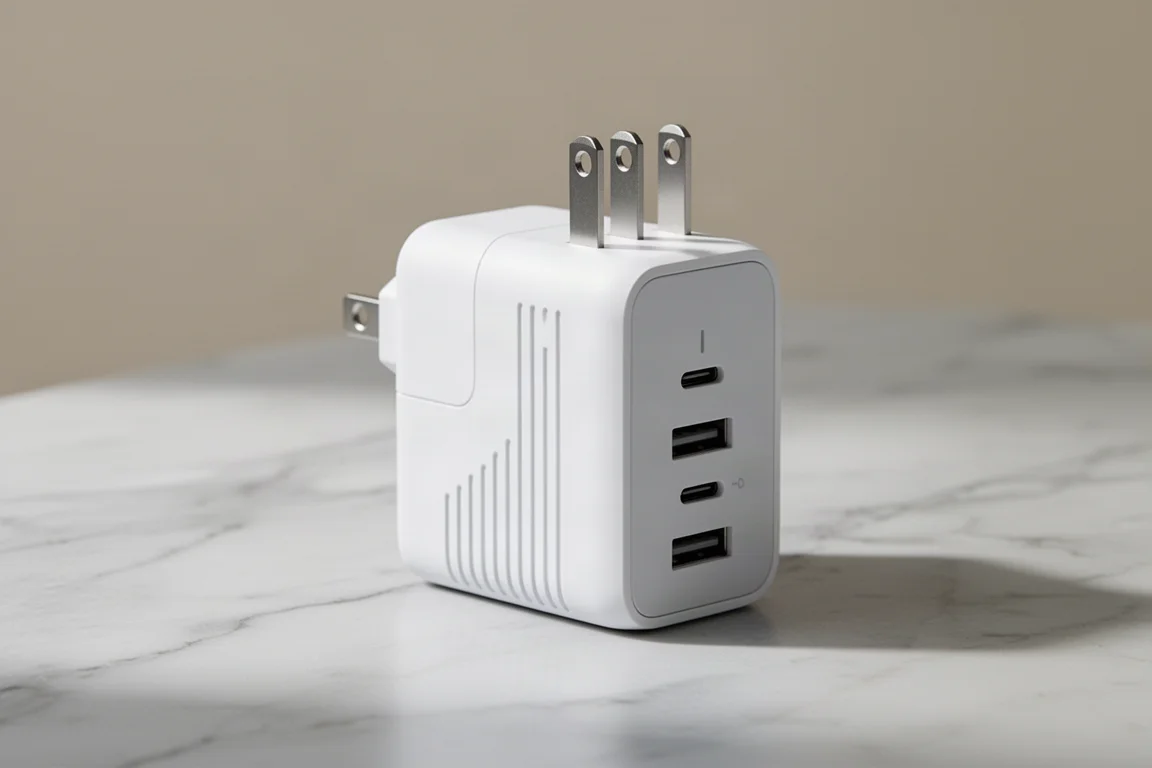
Top Padre 140W USB Charger
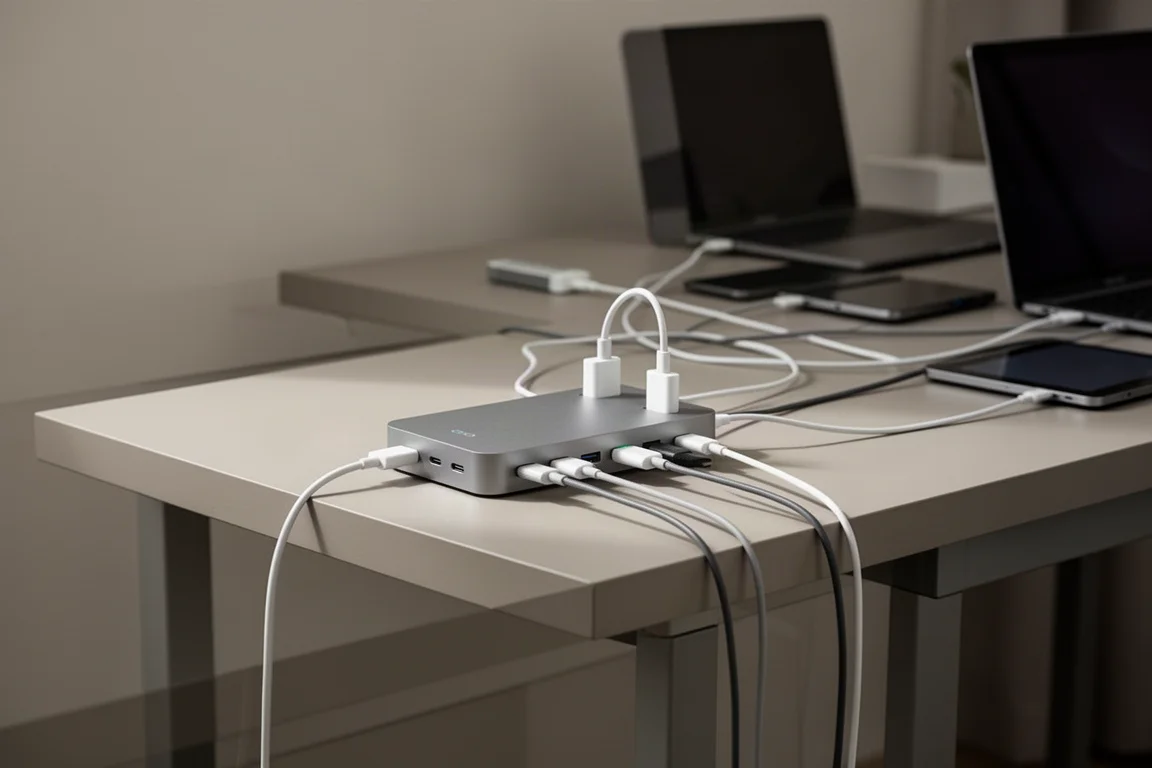
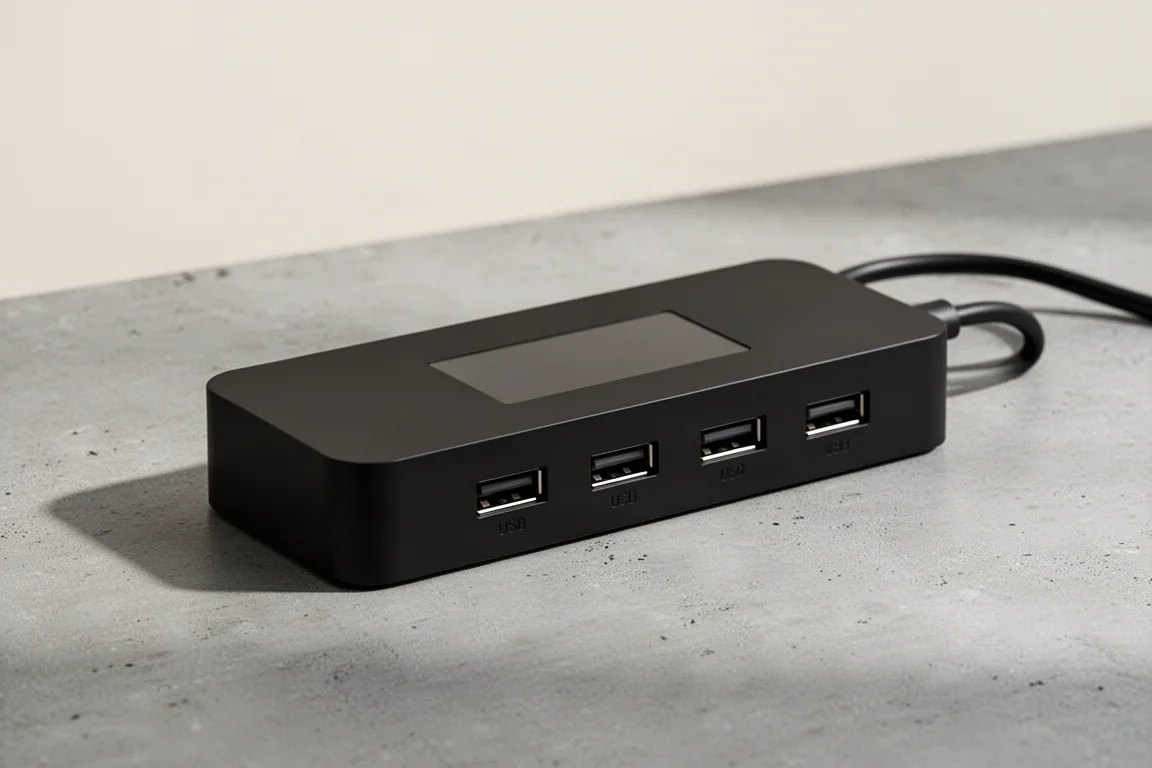
For 100W-and-up charging, the Top Padre took first place in the category with an average finish of 2.5, at only $28. It is a corded five-port USB hub rated for 140 watts total, with a digital display screen and claimed temperature, over-current, over-voltage, and overcharge protection. It is made in China and is the heaviest unit tested at 388 grams, with standby drain averaging about 0.4W.
Its 100W port produced 104.3W at the outlet after 30 minutes with 93W reaching the power bank, the best in class at the time, and it stayed relatively cool at 157.8 degrees. In the multi-device stress test it posted 128.7W total across three devices at just 138 degrees with no performance drop, and it led the 100W-plus category on rated-output achievement at 92%. The downsides are size and the fact that it is corded rather than a direct wall plug.
Anker 747 Charger (Anker 150W)
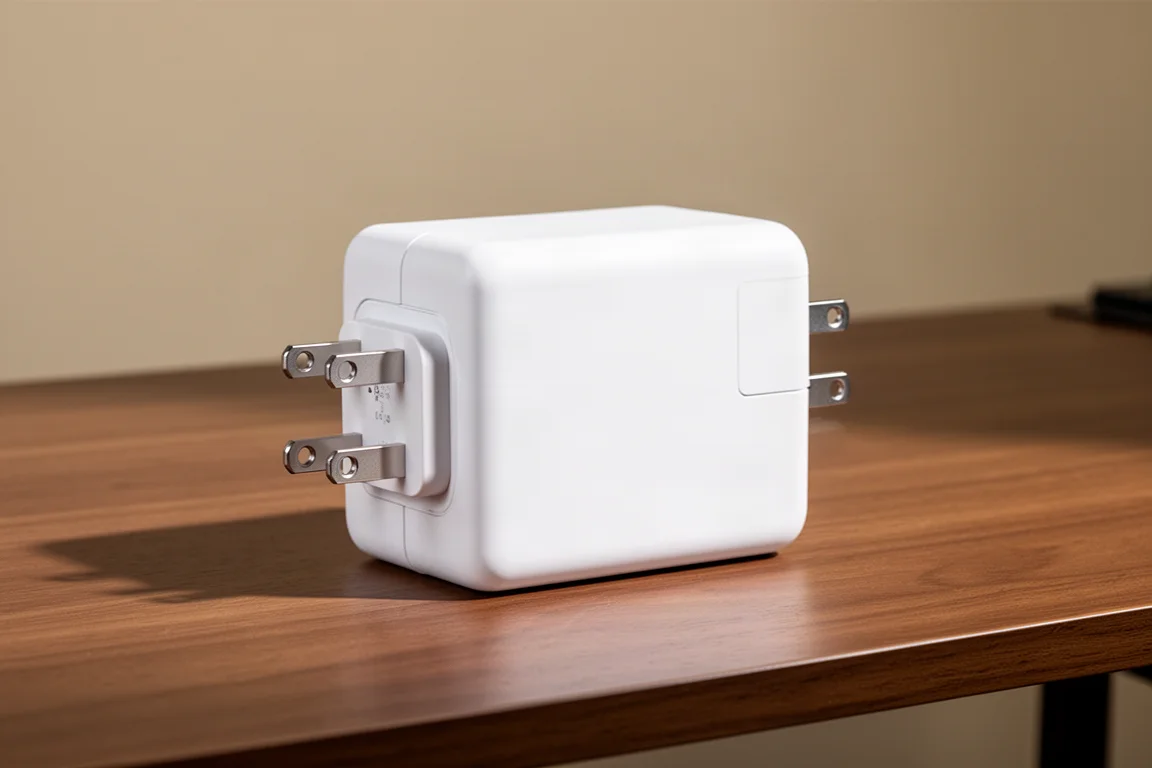
If you want top-tier power in a plug-in form factor, the $60 Anker 747 is the recommendation. It has four ports, a 150W maximum capacity, and ActiveShield 2.0 technology that the maker says monitors temperature three million times per day. It is made in Vietnam, weighs 270 grams, and drew just 0.13W on standby.
In the 30-minute test it held steady at roughly 102W at the outlet and 91W into the power bank, finishing second in its category on efficiency at 85.7%. Its real strengths showed elsewhere: at 7.8 cubic inches it is the most compact charger in the 100W-plus class, and its innovative blade design tied for first place in outlet grip at 36 ounces where several heavy competitors simply fell out of the wall. In the multi-device test it was the most balanced charger yet at 128.5W total, holding 190 degrees with no wattage drop.
Overall Buying Advice
Across the whole comparison, a clear pattern emerged: mid-priced chargers from established brands consistently beat both the cheapest and most expensive options. The $9 Alonus ran at 151 degrees and the $10 Feel Too Nice hit 171 degrees while underdelivering power, while the $60 UGREEN 160W ran at over 194 degrees, the hottest tested, despite posting the strongest raw output. The Bovikus, advertised as a 100W six-port charger, never exceeded about 51W.
If you need a small everyday charger, the Anker 20W two-port is the best value at $14. For more capability in your pocket, step up to the Anker Nano 47W. In the mid-range, the UGREEN 65W is the category winner, with the Anker Prime 67W the pick if efficiency and cooler running matter most. For serious multi-device power, the $28 Top Padre is very hard to beat, and the Anker 747 is the more compact alternative. Cooler is better when it comes to charger temperature, and every Anker model tested stayed comfortably within reason.
Conclusion
Spending more does not automatically buy a better charger, and spending less can mean wasted watts, extra heat, and plugs that fall out of the wall. The chargers above earned their spots by delivering their rated power efficiently, running cool, and holding up under multi-device load. Match the wattage to your devices, and any of these picks should serve you well for years.
Further reading
Related Reviews

Tech Accessories
Best Premium Tech Dupes 2026: Five Budget Alternatives That Actually Deliver
We compare five premium desk and streaming staples against their budget counterparts to see which dupes are genuinely worth the savings.
Tech Accessories
Best Thunderbolt 5 Docks 2026: Six Options Tested for Desktop Connectivity
A practical guide to six Thunderbolt 5 docking stations, covering their strengths, trade-offs, and which setup they suit best.
Tech Accessories
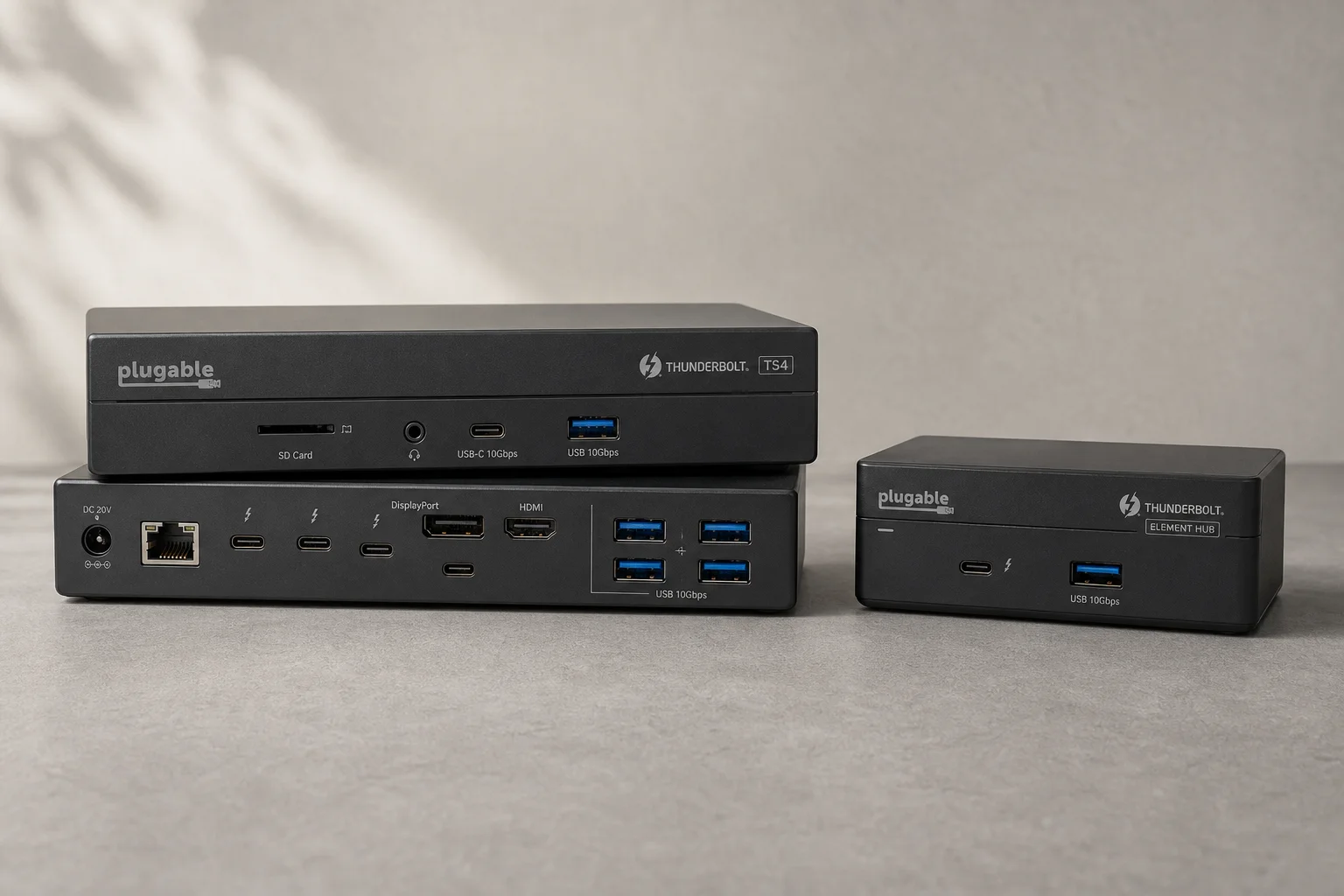
CalDigit Thunderbolt Docks: TS4 vs Element Hub
Two Thunderbolt docking solutions with different port counts and use cases. The TS4 offers 18 ports and 2.5 Gbps ethernet; the Element Hub provides a compact 8-port alternative.