Cycling
Best Tubeless Tire Sealants for Road Riding: Six Options Ranked
Six popular tubeless sealants went through the same road-pressure puncture test, from 1 mm up to 7 mm. Here is how each one performed.
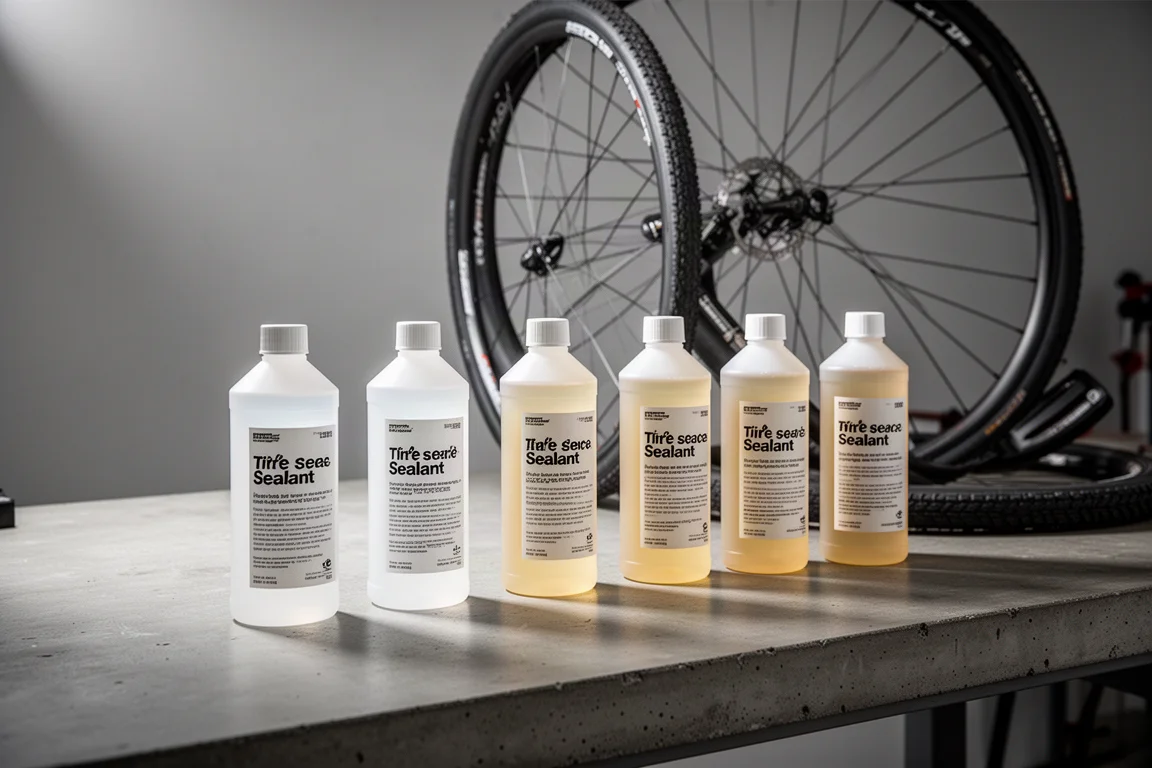
Introduction
Tubeless setups have become steadily more common on the road, and at road pressures the sealant inside the tire does more work than most riders realise. A sealant that plugs a gravel-sized puncture at low pressure can behave very differently when the same tire is holding 70 PSI.
That is the question this comparison set out to answer. Six popular tubeless sealants were run through an identical puncture protocol in the same tire, then ranked on how large a hole each one could seal while the tire still held road pressure.
How These Tubeless Sealants Were Tested
Every sealant was tested in the same 28 mm tire mounted on the same road wheel, inflated to 70 PSI, which is the pressure ceiling for that combination. The puncture tool was a set of screwdrivers running from 1 mm up to 7 mm. Each tire was stabbed, spun, and then checked to see whether the sealant closed the hole and held pressure.
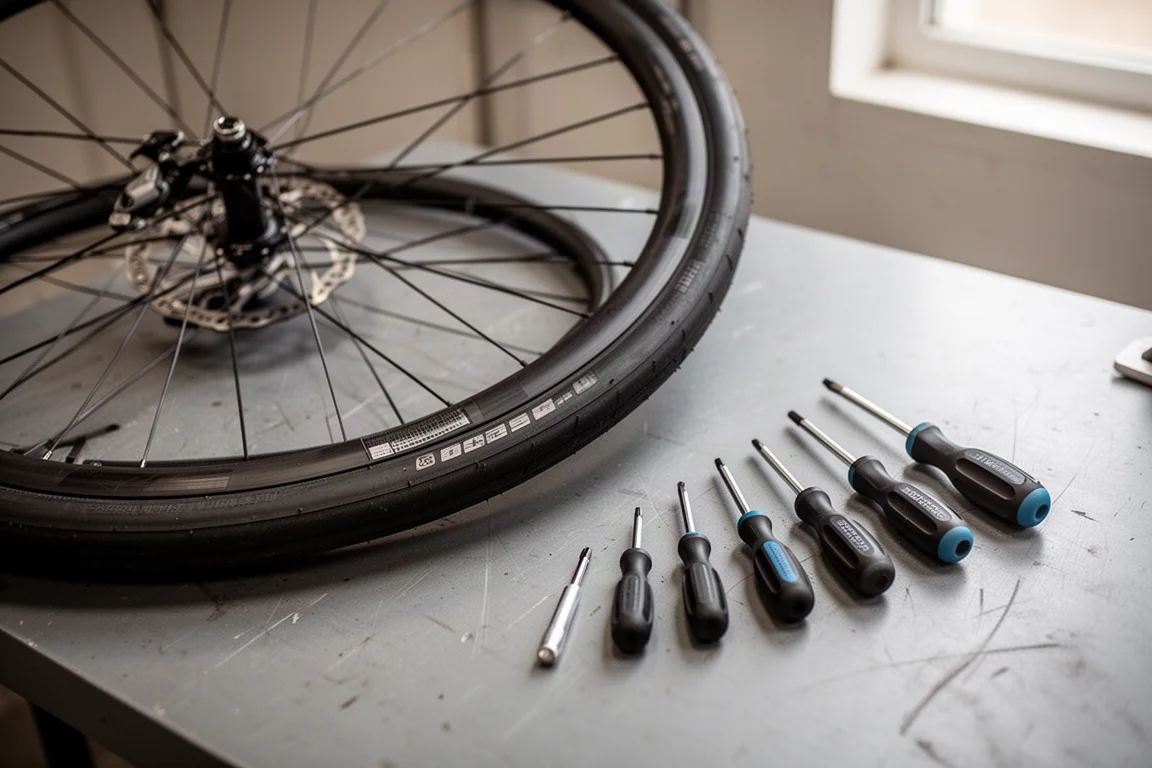
The progression was deliberate. The smallest 1 mm puncture came first, then each size up, one step at a time, until the tire could no longer hold 70 PSI. That format punishes sealants that only work at lower pressures, because the hole grows while the pressure stays high.
Best Overall: Silca Ultimate Tubeless Sealant
Silca Ultimate Tubeless Sealant is the newest formula in this group, and it takes an unusual approach. Carbon fibres are suspended in the sealant itself as part of what the brand calls a foaming latex formula, with the idea that the fibres coat the inside of the tire as it rolls, so that when a puncture happens they clot at the hole.
The road angle matters here. The brand states that if the initial seal is broken and pressure drops, the fibres can seal the puncture again and pressure can be rebuilt, for example starting around 40 PSI, breaking the seal, and then climbing back towards 50 PSI and above.
In this test the tire sealed at every screwdriver size up to the largest 7 mm tool while still holding 70 PSI. The screwdrivers simply did not go large enough to find the limit of what this sealant could handle, which made it the clear winner of the group.
Best Runner-Up: Muc-Off Tubeless Sealant
Muc-Off Tubeless Sealant arrives in a notably large bottle and makes two headline claims: sealing holes up to 6 mm in diameter, and sealing holes at pressures up to 120 PSI. Those two numbers deserve careful reading. A 6 mm hole at 120 PSI would be an extraordinary result, so it is more realistic to treat the figures as applying to different situations, with 120 PSI likely referring to smaller punctures and 6 mm more plausible at lower, gravel-style pressures.
Even with that caveat, the performance was strong. The sealant closed punctures quickly, held up at the higher pressures used here, and stayed sealed up to a substantial 5.5 mm screwdriver.
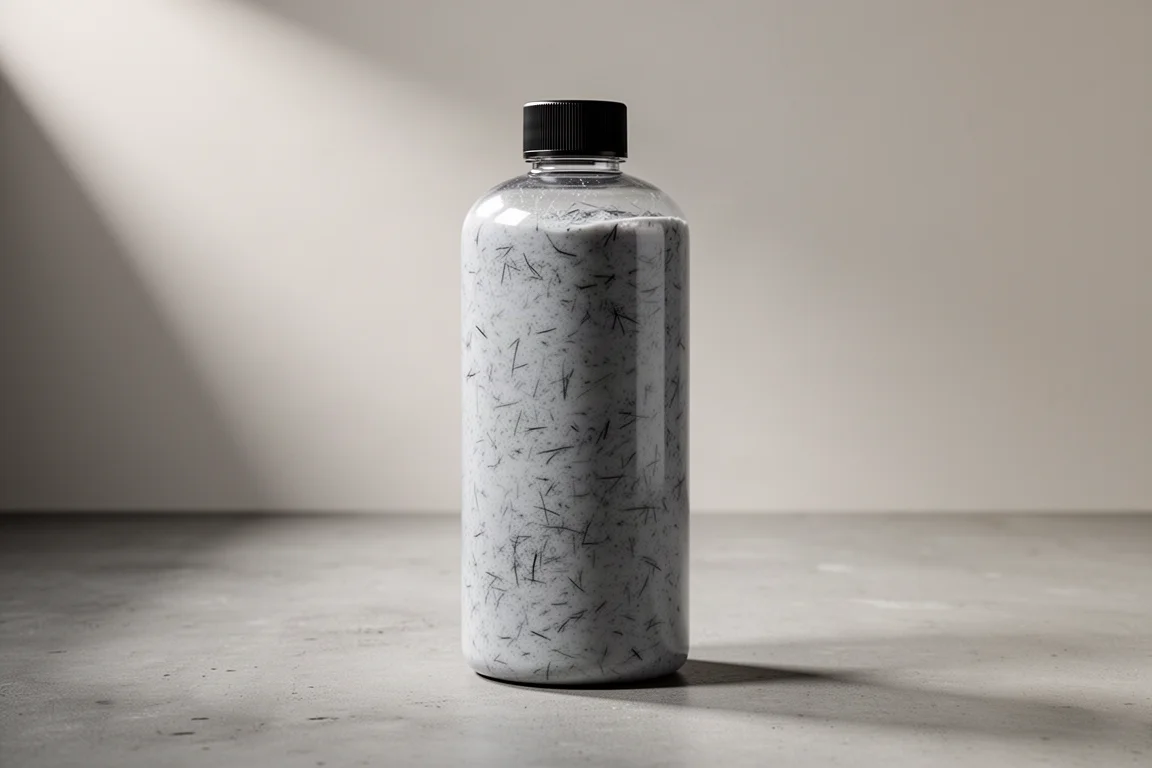
One detail stood out on inspection: fibrous strands were visible working through the tire, similar in appearance to the carbon strands used by the winning formula. That structural difference helps explain why this sealant sat well clear of the four options ranked below it.
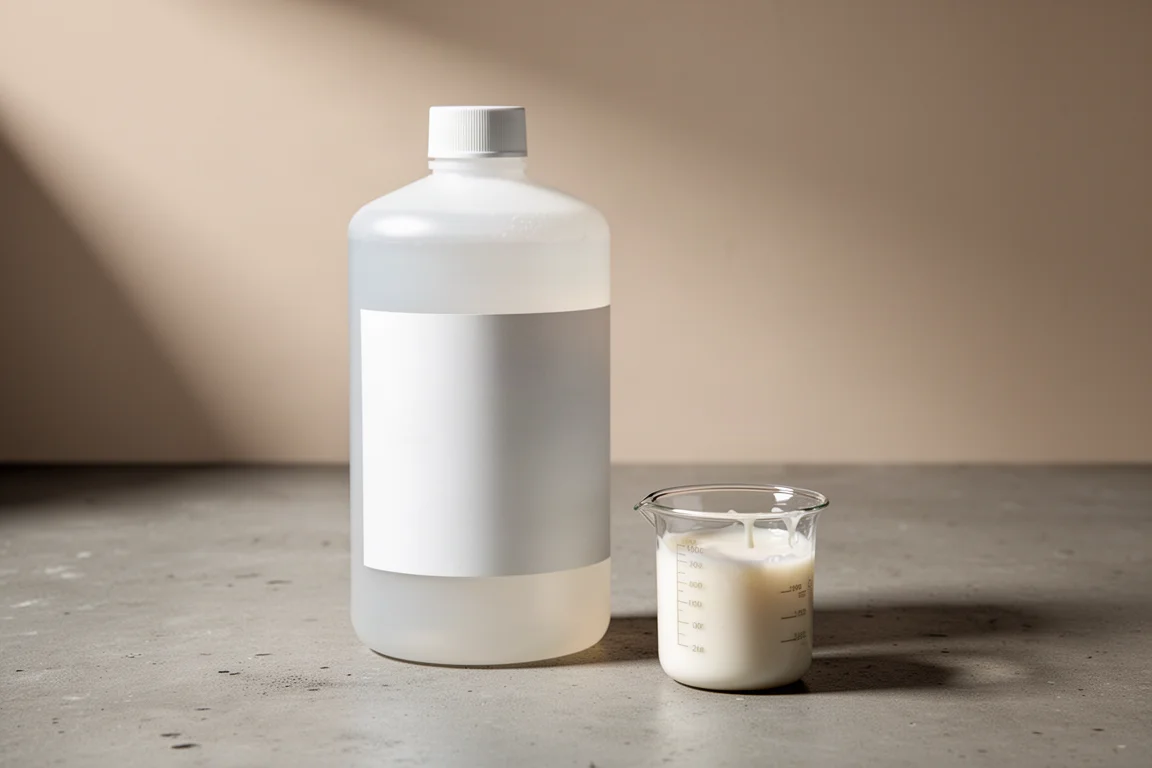
Best Budget Pick: Lifeline Tubeless Sealant
Lifeline Tubeless Sealant is the cheapest sealant in this comparison, and its claims are deliberately modest: holes up to 5 mm, no stated pressure range, and a service life of up to about six months inside the tire.
Modest claims did not mean modest results. The sealant closed holes up to 4.5 mm, comfortably ahead of the three sealants ranked below it and only a step behind the runner-up. Considering the price gap, that makes it one of the most compelling options here, particularly for riders who run road pressures.
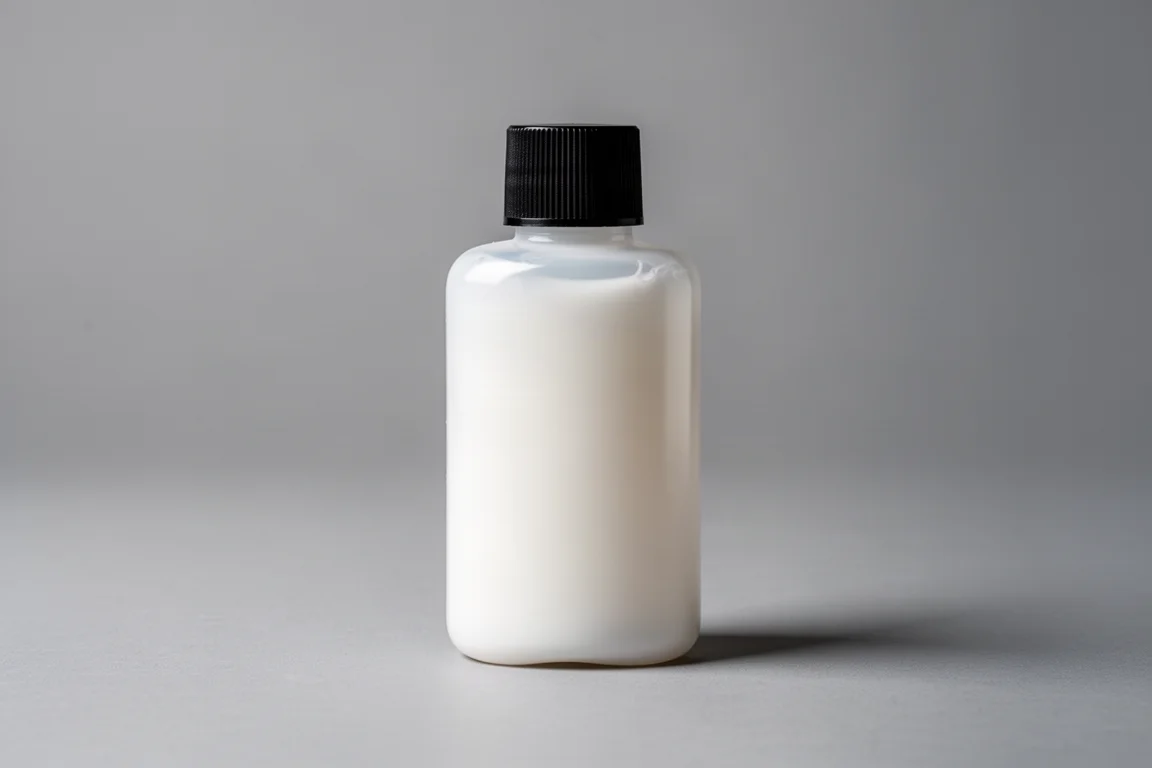
Orange Seal Tubeless Sealant: Quick Sealing, Short Service Life
Orange Seal Tubeless Sealant is a familiar, straightforward formula that claims to seal holes up to 6 mm in diameter. On the puncture rig it sealed 3 mm holes quickly, needing little more than a spin of the wheel before the hole was plugged, and it held pressure at that size.
The limit came at 4.5 mm, where the seal broke. Stopping short of 4.5 mm is not unusual in this group, so that alone is not what puts this sealant at the bottom. The decisive factor is service life. Orange Seal recommends replacing the sealant in the tire every 30 to 45 days, where several competitors last up to six months. That is a notable amount of maintenance, and it only makes sense if the sealant is reliably doing its job.
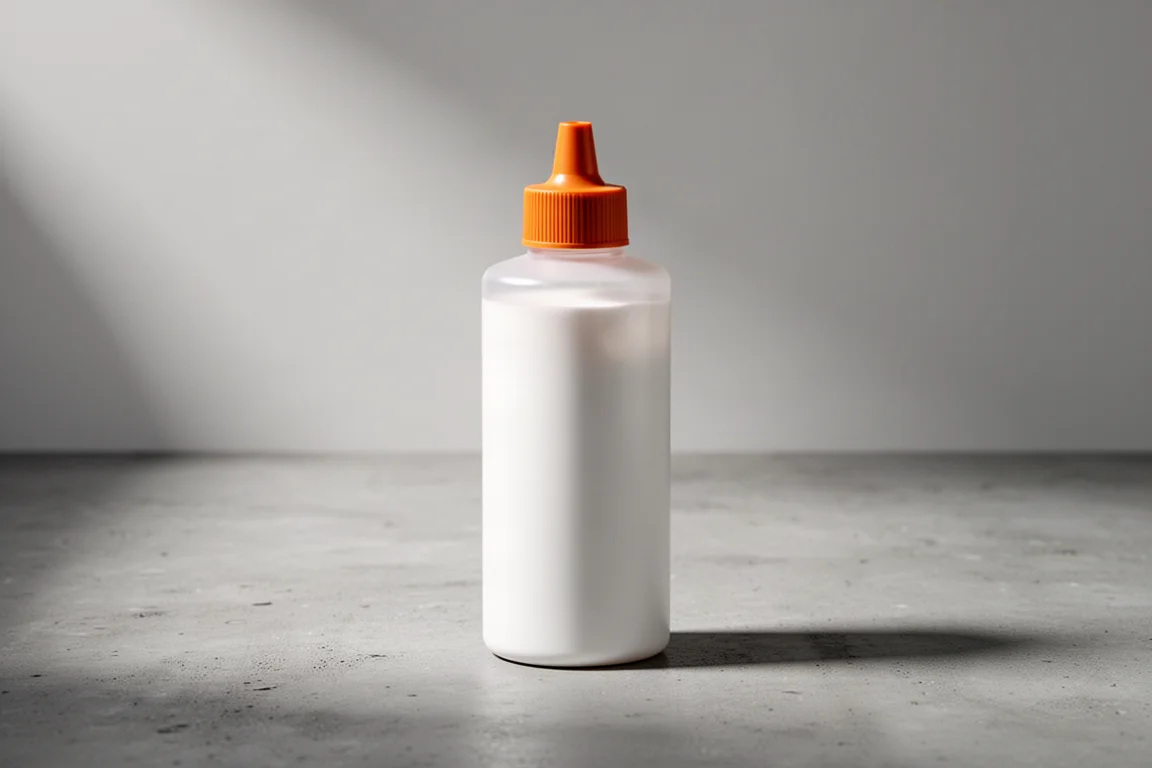
Stan’s NoTubes Tire Sealant: Popular, But Unconvincing at Road Pressure
Stan’s NoTubes Tire Sealant is the best known sealant in this lineup, and its reputation suggested it would do well. The brand claims it can seal punctures up to 6.5 mm, though the pressure at which that figure applies is not specified, which leaves open the question of whether it refers to gravel pressures or road pressures.
The test answered that question fairly bluntly. The sealant poured out of the bottom of the tire and emptied out rather than plugging the puncture, and it did not reach the 4.5 mm screwdriver that several other sealants handled.
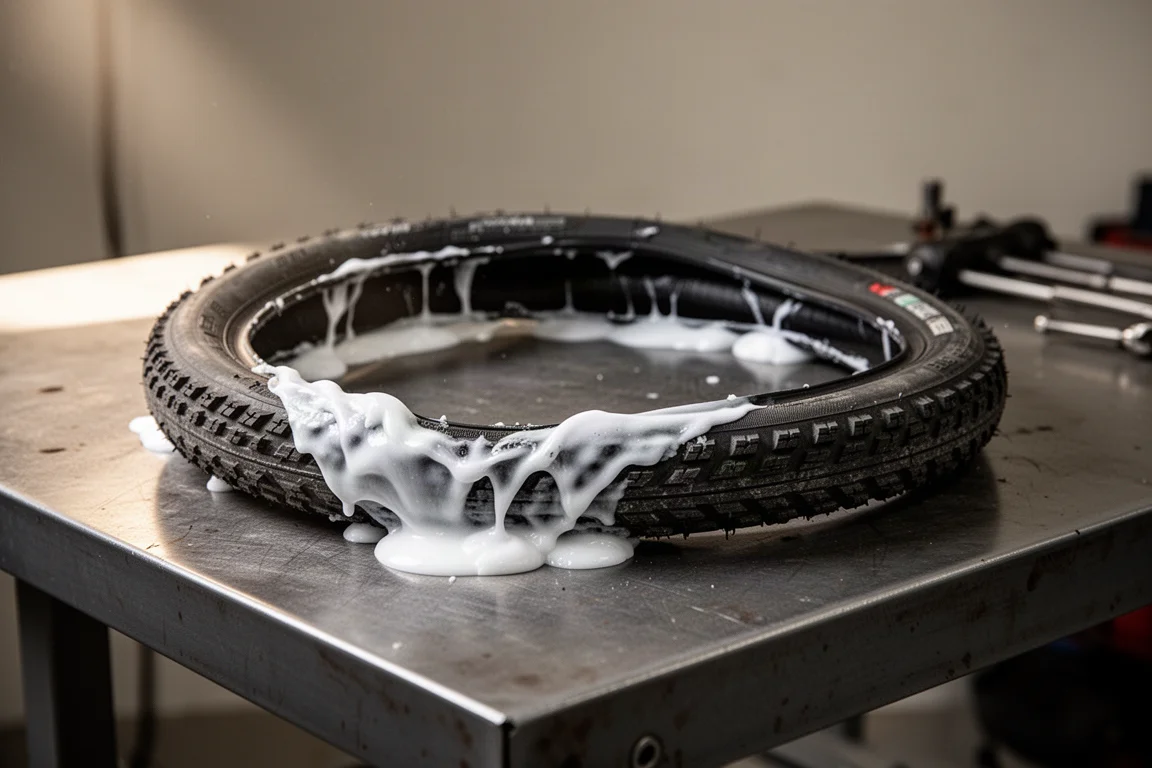
Some context is fair here. This is one result in one tire at one pressure, and the same sealant has a long track record at lower pressures. Even so, for riders who want a sealant that holds 70 PSI on the road, this was the least convincing performance in the group.
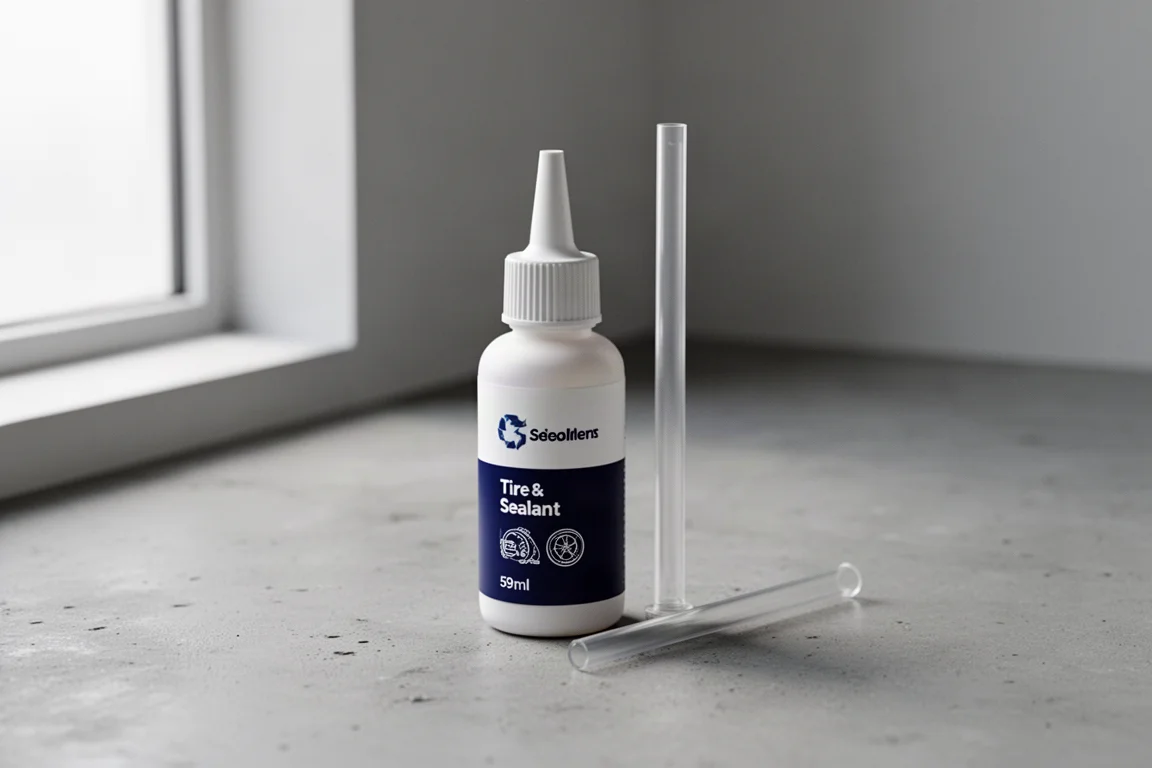
Effetto Mariposa Velluto: A Niche Latex Formula
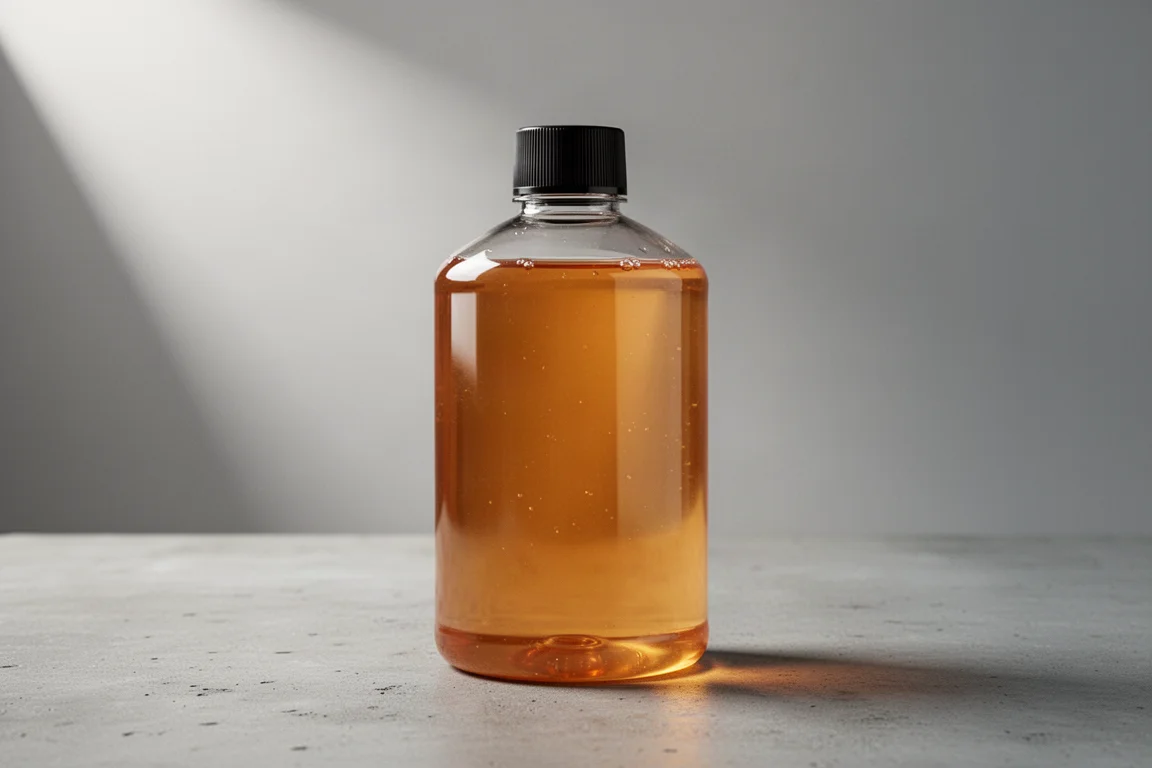
Effetto Mariposa Velluto is a latex-based sealant with a distinctly oily look in the bottle. Its selling points are environmental and practical rather than outright puncture size. The formula is designed to be more biodegradable and more natural, and it is described as hypoallergenic, which matters to riders who react to latex.
The claims reflect that positioning. Velluto is rated to seal up to 5 mm at low, gravel-style pressures, but only up to 3 mm at road pressures, and the result matched that expectation: it did not reach the 4.5 mm screwdriver.
Where it did stand out was retention. When the tire was opened, the sealant was still inside, held in place with a thicker, oilier consistency than the others rather than draining away. That behaviour did not translate into a larger sealed puncture, but it is a meaningful difference in how the product sits inside a tire.
Buying Advice
Choosing a tubeless sealant for road use comes down to three things: the size of hole it can seal while the tire is still holding road pressure, how long it lasts inside the tire before it needs replacing, and how much you are willing to pay for both.
On the evidence here, the fibre-based formulas sit in a different class from the latex sealants for high-pressure road use. Silca sealed the full 7 mm tool at 70 PSI and never found its limit, while Muc-Off reached 5.5 mm and sealed quickly. Both behaved differently inside the tire, with visible strands working into the puncture.
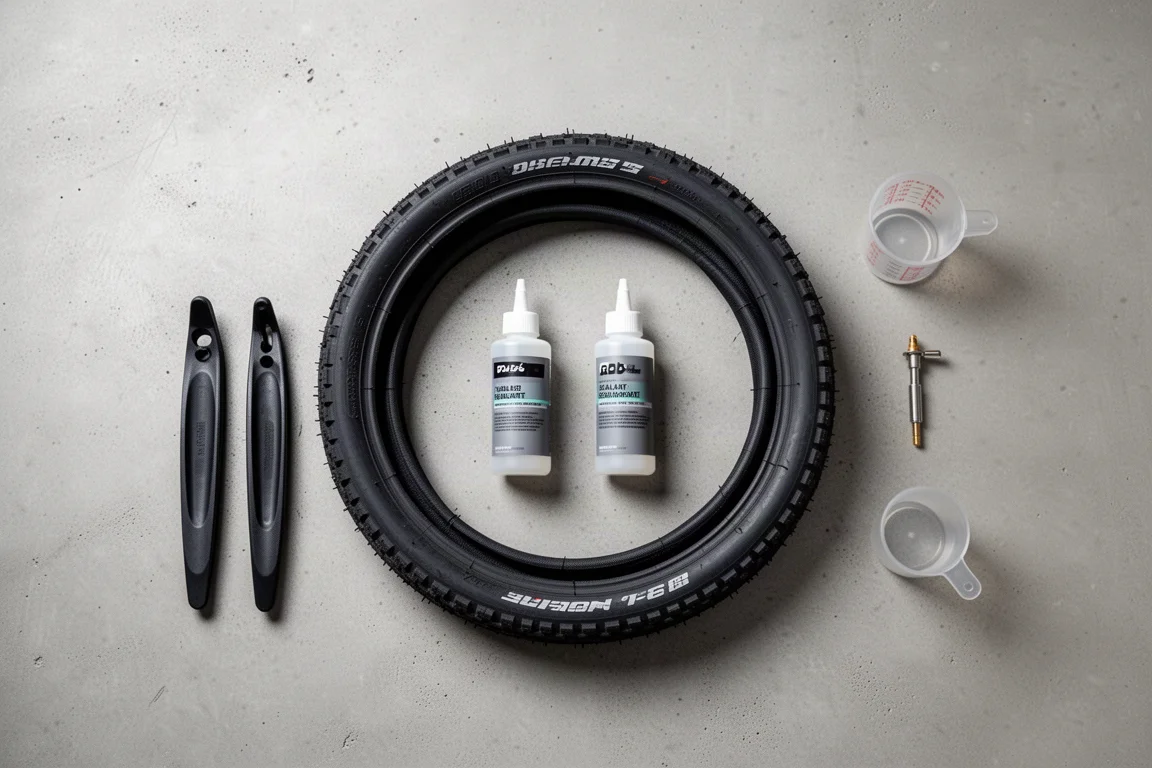
Service life is the factor most riders overlook. A sealant rated for 30 to 45 days inside the tire means a recurring job roughly every month, while several options here run for up to six months. If you would rather not think about sealant more than a couple of times a year, that difference matters as much as the maximum puncture size.
Price is the other half of the value equation. The cheapest sealant in this group still sealed holes up to 4.5 mm, which is more than enough for most road punctures, so paying premium money only makes sense if you specifically want the largest possible safety margin at road pressure.
Conclusion
Six sealants, one tire, one pressure, and a clear hierarchy. Silca Ultimate Tubeless Sealant was the standout, sealing the largest 7 mm puncture at 70 PSI without ever reaching its limit. Muc-Off Tubeless Sealant took second with quick sealing and a 5.5 mm result, and Lifeline Tubeless Sealant was the value pick, finishing close behind at the lowest price in the group.
Below those three, the picture was less convincing. Orange Seal sealed small holes quickly but carries a very short 30 to 45 day service life, Stan’s NoTubes emptied out of the tire rather than plugging it, and Effetto Mariposa Velluto stayed neatly in place inside the tire but stopped at the smaller road-pressure figure it claims for itself. For anyone weighing up a move to road tubeless, the top three are the sensible place to start.
Further reading
Related Reviews
Cycling
2026 Bike of the Year and the Cycling Gear Worth Watching
A drop bar roundup for 2026 covering the Ridley Kanzo Fast 2.0, Shimano Dura-Ace Di2 R9300, Trek Checkpoint ALR Gen 3, Specialized Tarmac SL9, Garmin Fenix 9 and Insta360 X6.
Cycling
Best All-Road Bikes 2026: Six Versatile Endurance Road Bikes Worth Considering
A practical look at six all-road and endurance road bikes, from lightweight carbon speed machines to steel all-rounders and comfort-focused mile eaters.
Cycling
Best All-Road Bikes 2026: 8 Endurance Bikes for Road and Light Gravel
Eight all-road bikes that blur the line between endurance road and light gravel, compared on tire clearance, ride character, practicality, and value.