Trekking Pole Tents
Best Trekking Pole Tents 2026: Three Lightweight Shelters for UK Backpacking
Three sub-1.2 kg trekking pole tents compared on fabric, interior space, wind behaviour and value, plus practical notes on pegs, guylines and pitching.
Introduction
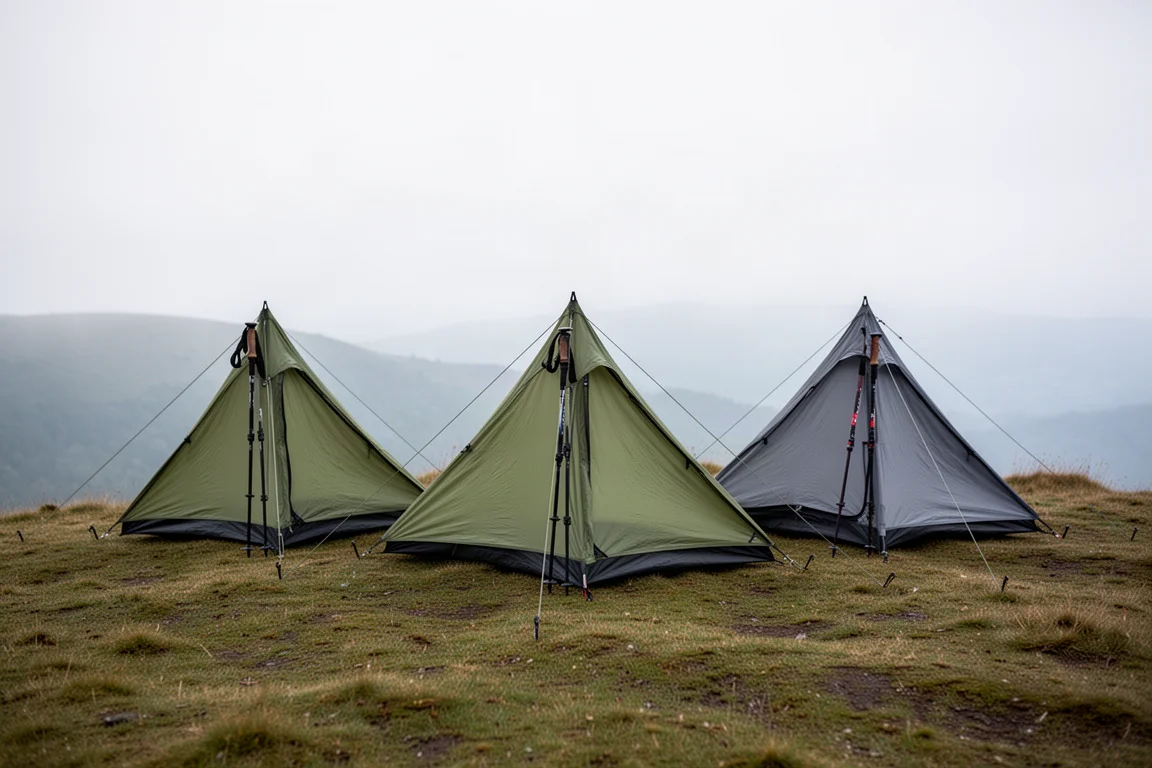
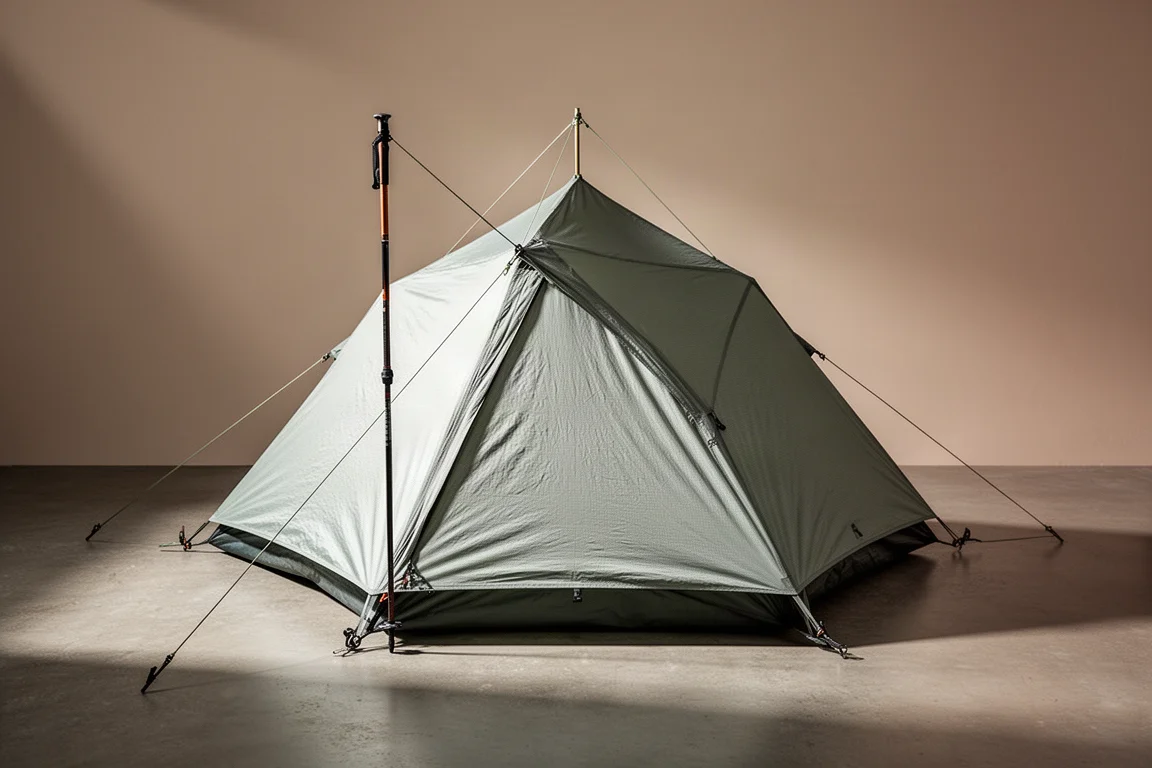
Trekking pole tents have become the default choice for backpackers who want to cut weight without spending a fortune on exotic fabrics. The three shelters in this guide, the Durston X-Mid 1 Solid, the 3F UL Gear Lanshan 2 4-Season and the Tarptent Stratospire 1 Solid, are all solid-fabric, four-season designs that come in at roughly one kilogram packed. That is genuinely light for a backpacking tent, and each of them has picked up awards in its own right.
All three are also the more affordable versions of their respective ranges. The lighter DCF and ultra-fabric variants sit closer to around £750, arrive with minimal features, and in most cases do not include poles. For UK multi-day routes, that kind of spend rarely translates into a better night out. A solid-fabric shelter at around a kilo is plenty for trips like the Cumbria Way in four days or the West Highland Way in five.
What to Look For in a Trekking Pole Tent
The first decision is fabric. Silpoly and silnylon are the two mainstream options, and the practical difference shows up when the weather turns. Silpoly stretches less than silnylon when wet, so the pitch holds its shape better through a damp night. DCF has virtually no stretch at all, which sounds appealing until you consider that zero stretch sends every gust straight into the pegs. A little give in the fabric works almost like suspension. Zero-stretch fabrics are also unforgiving on anything other than perfectly flat ground, and even a slight undulation can make pitching a chore.
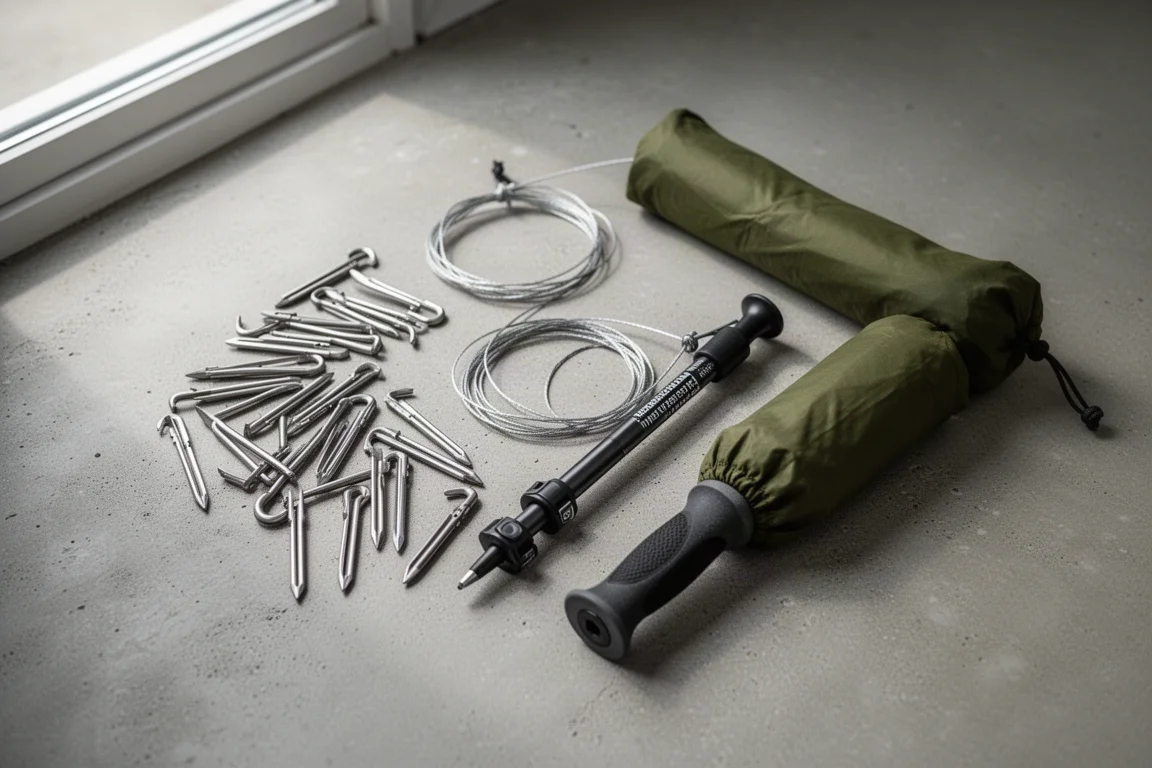
The second consideration is the accessory set. Tent manufacturers supply the bare minimum in pegs and guylines, and every shelter here needs extra pegs and extra guy lines at the buyer’s expense before it becomes genuinely weatherproof. Some models include additional loops on the fly for exactly this purpose, which makes the upgrade easier. The third factor is packed size: a tightly rolled tent is quick to stow, but a generously sized stuff sack is far easier to pack away when the fabric is wet.
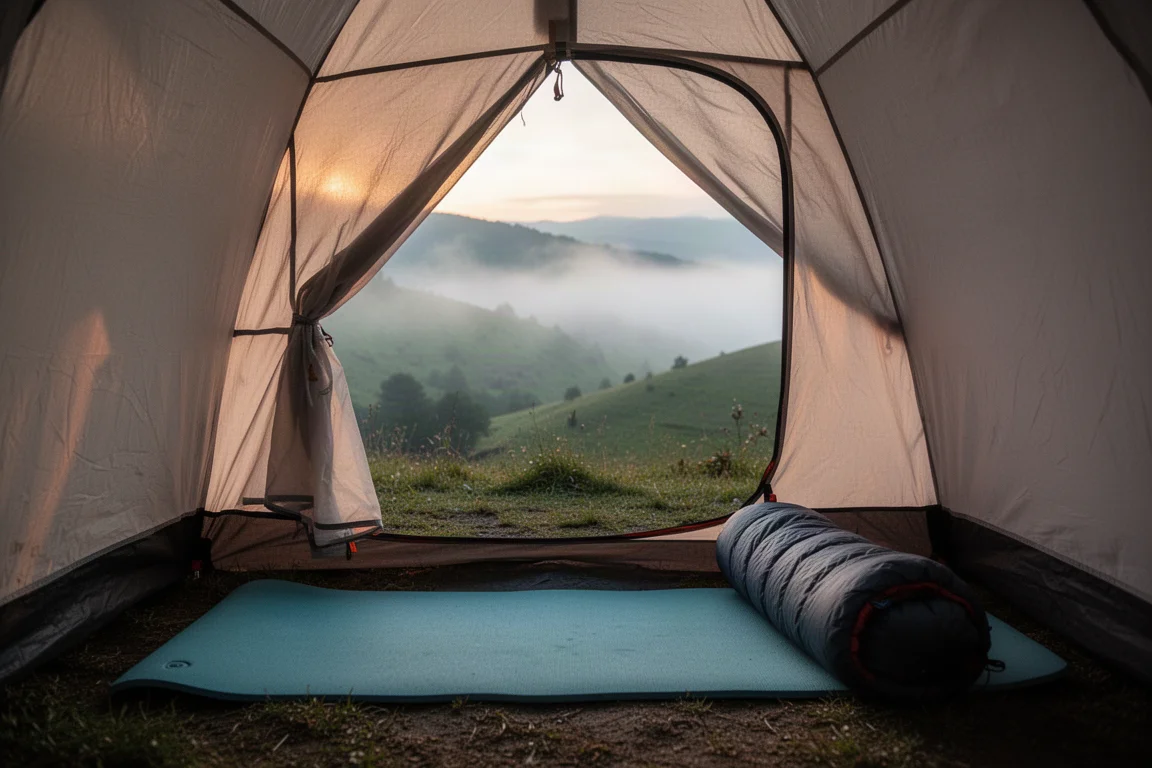
Interior geometry matters as much as headline weight. Offset inner tents can offer a longer stated length than the usable rectangle inside, and peaky designs mean headroom depends on where you position your head. Wide bathtub floors are worth checking against the width of an extra-wide sleeping pad, and the ability to raise or lower the floor by adjusting trekking pole height is a useful detail on uneven ground, even if it slightly distorts the shape of the fly.
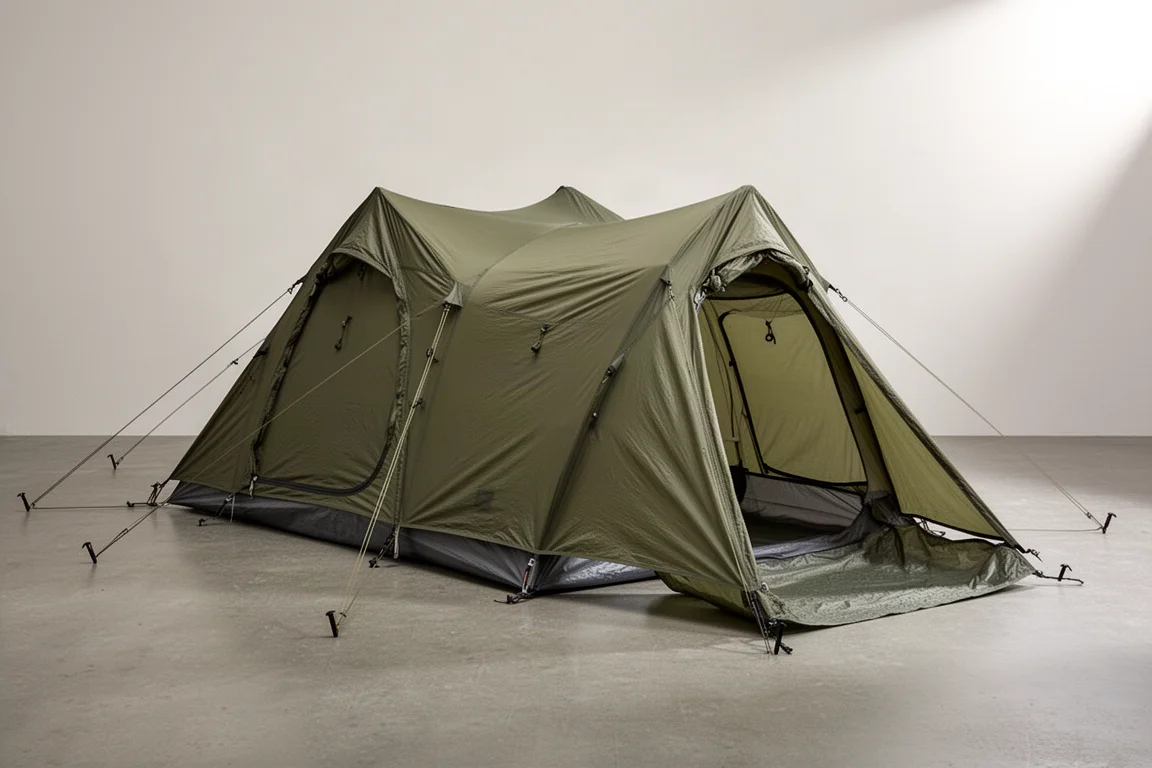
Best Overall Design: Durston X-Mid 1 Solid
The X-Mid 1 Solid is built around a 20D silpoly fly with a 3,500 mm hydrostatic head rating, matched to a 15D inner and a 20D bathtub floor that also carries a 3,500 mm rating. Two doors and two vestibules give it a level of flexibility unusual at this weight, and the offset inner is a genuinely clever piece of geometry. The fly includes an additional guy point halfway up the long side and another on the short side, though extra pegs are needed to use them. Small vents sit at the top of each trekking pole and close with velcro. They look modest but work well.
Packed size is 30 cm by 13 cm, and the official packed weight with the minimum of stakes is 905 g, with some examples weighing 30 to 40 g more. Pitching is the easiest of the three, which matters more than it sounds, because a clean pitch is what makes these tents quick to erect. Inside, the offset layout allows an internal length of up to 230 cm, though the usable rectangle is smaller than that figure suggests. Width is 81 cm, which comfortably takes an extra-wide sleeping pad, and the optimum pole height sits between 115 cm and 120 cm. The design is peaky, so the head needs to line up with the offset inner to avoid contact with the fly. There is a small pocket and a lantern strap above each pole. The one real annoyance is the magnet used to hold the doors open: it releases in wind, and in wet conditions that lets water off the fly into the tent.
Best Value: 3F UL Gear Lanshan 2 4-Season
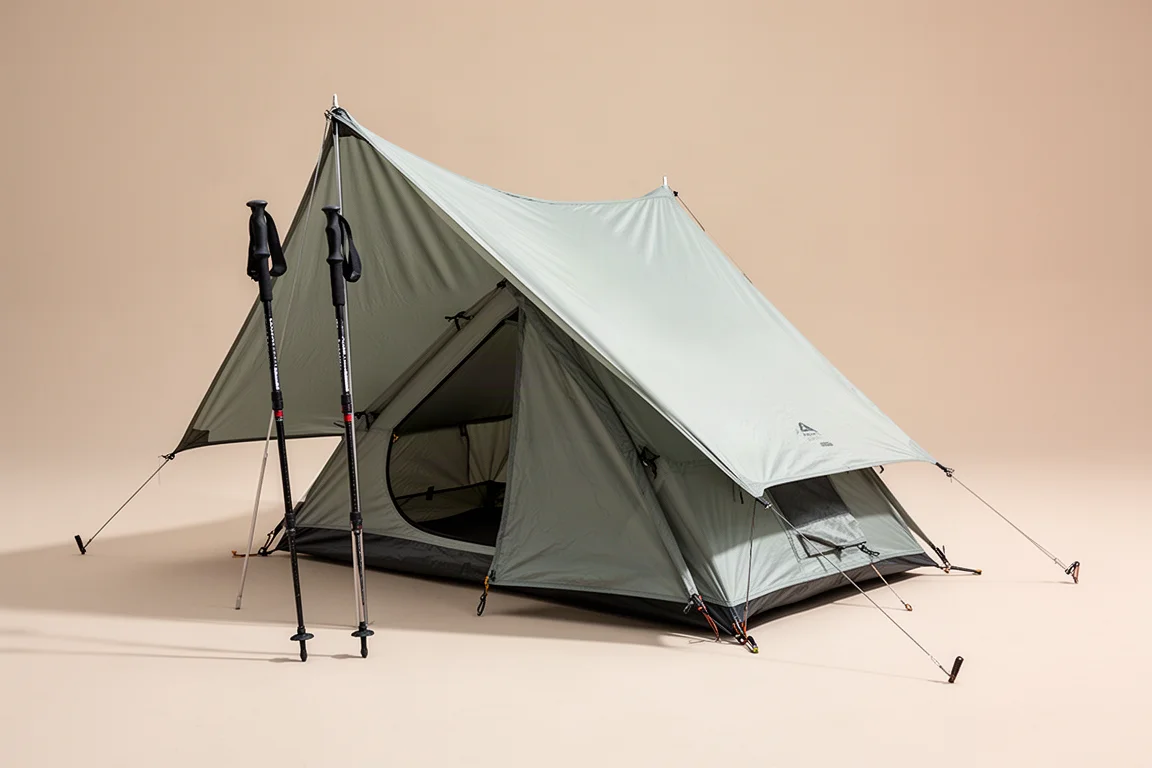
The Lanshan 2 4-Season uses a 15D silnylon fly with a 5,000 mm hydrostatic head, a 15D inner and a 20D bathtub floor rated at 5,000 mm. It is a two-person shelter, and the interior reflects that: 220 cm of length, 110 cm of width, and a pole height of around 125 cm, which makes it feel enormous for the weight. Packed size is 34 cm by 15 cm, and the official packed weight with minimum stakes is 1,150 g. Guy points run along the long sides to connect them, with an optional point on the short sides that is worth adding.
Ventilation is the weakest area. The vents above each trekking pole are permanently open, quite small, and less effective than the vents on the other two shelters, though a useful amount of air still moves underneath the fly along the long side. The vestibule is large but open to the elements, and the inner carries only a little mesh at the top, which keeps cold draughts down. The bathtub floor is the lowest of the three, and like the others it can be raised or lowered by adjusting pole height. Doors close with a simple toggle, and this zip version has a T-zip alternative that many will prefer.
Where the Lanshan 2 gives ground is wind performance. In gusty conditions it is the least stable of the three, although that is partly a consequence of its size rather than its construction, and it is not a fair comparison against two one-person tents. In fair weather it holds its own against both of the others. It has been widely used and tested, and it keeps collecting awards for value. At under £150 all in, it is substantially cheaper than the other two, and for a fair-weather camper it is a superb way to carry a large, light shelter for very little money.
Best for Space and Weather Protection: Tarptent Stratospire 1 Solid
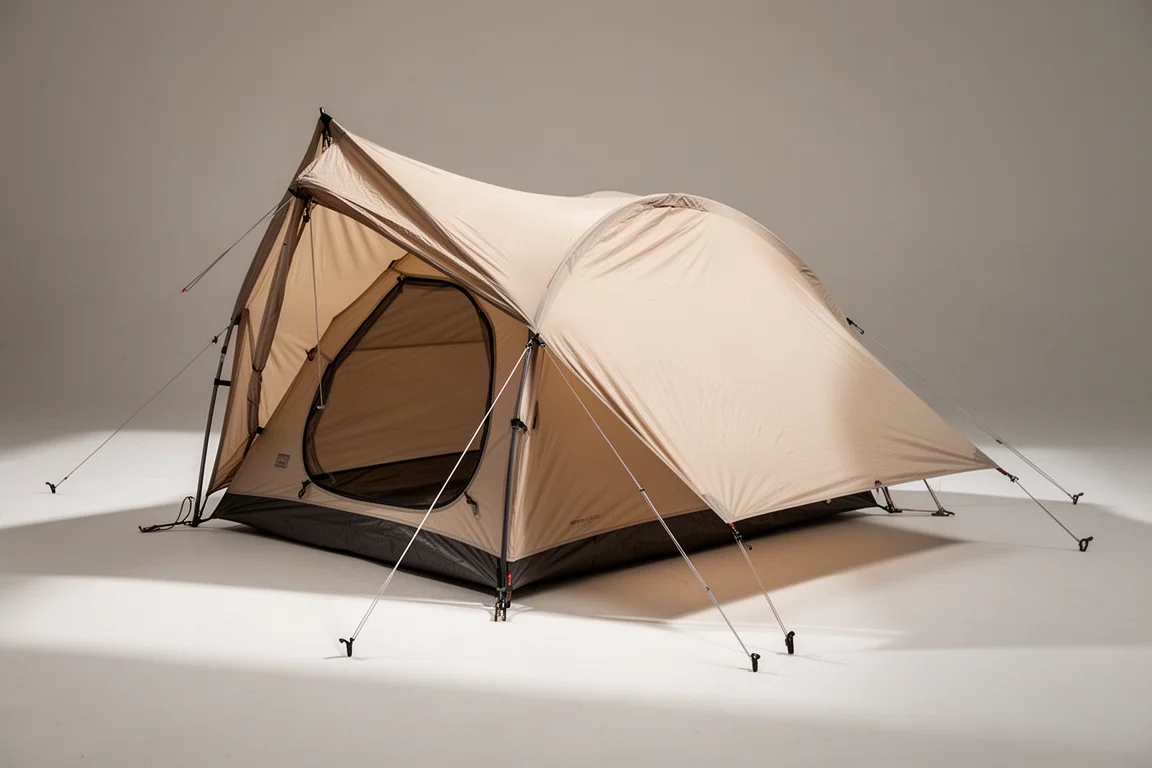
The Stratospire 1 Solid has been cost-optimised with a 20D silpoly fly rated at 3,000 mm, paired with a lightweight 10D inner and a 30D bathtub floor at 3,000 mm. The clever part is the pitching hardware: special end sections with tiny integrated poles create a distinctive curved shape, and the offset zip lets you change which door you use depending on where the weather is coming from. Like the X-Mid it uses an offset inner. There is a main guy point at the top that needs an additional peg, a guy point on the short side, and extra guy points between the main ones, so the shelter can be battened down hard if you are willing to modify it.
Ventilation is the least effective of the three, with very small vents at the top of each trekking pole. The vestibules are the highlight: generous, genuinely weatherproof, and especially large when that extra pegging point is used. Interior space is excellent for one person, with a 228 cm length, 81 cm width and a pole height of around 120 cm, and there are two hooks above each pole plus a pocket by each door. The notable omission is that the inner does not connect to the trekking pole, which matters if you like a tight, tall inner. Packed size is 41 cm by 10 cm, and the oversized stuff sack makes it the easiest of the three to pack away, particularly when wet. Official packed weight with minimum stakes is 1,031 g.
Fabric, Weight and Packed Size Compared
| Model | Fly fabric | Hydrostatic head | Official packed weight | Packed size |
|---|---|---|---|---|
| Durston X-Mid 1 Solid | 20D silpoly | 3,500 mm | 905 g | 30 x 13 cm |
| 3F UL Gear Lanshan 2 4-Season | 15D silnylon | 5,000 mm | 1,150 g | 34 x 15 cm |
| Tarptent Stratospire 1 Solid | 20D silpoly | 3,000 mm | 1,031 g | 41 x 10 cm |
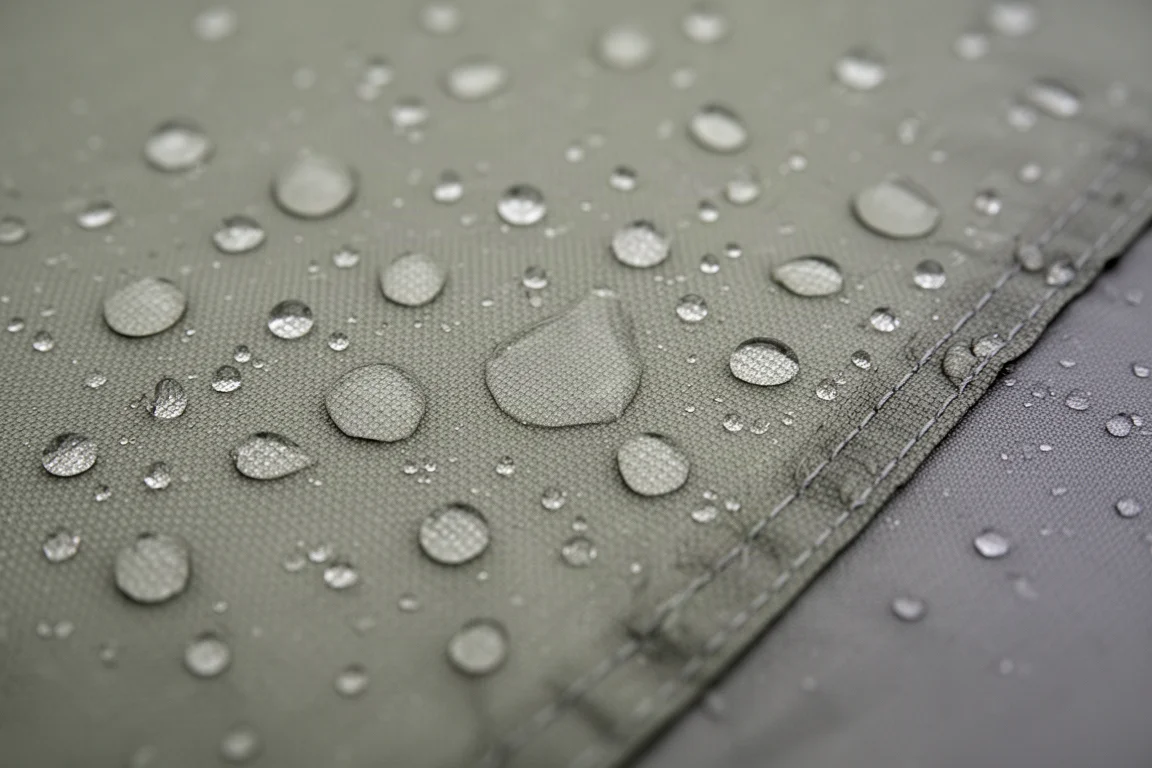
The headline hydrostatic head figures favour the Lanshan 2, and the X-Mid and Stratospire sit close together on paper. In practice, the fabric choice matters more than the number. Two of the three now use silpoly, which stretches less when wet and holds a tauter pitch overnight, while the Lanshan 2 uses silnylon. All three bathtub floors sit at a reasonable height, and all three can be adjusted by changing trekking pole height, with the usual caveat that this slightly alters the shape of the fly. The X-Mid and Lanshan pack down tightly, while the Stratospire trades a longer, slimmer pack for a much easier packing experience.
Weight differences of a couple of hundred grams between these shelters are less significant than they look. Every one of them is close to a kilo, and all three are far lighter than a conventional freestanding backpacking tent of comparable space. For UK multi-day trips, the fabric tiers above these are not necessary.
Weather Performance and Pitching
All three shelters handle wind well when the doors are fully zipped. The picture changes as soon as a door is opened: trekking pole tents flap noticeably, and the fly needs to be adjusted to compensate for the change in shape. That behaviour is consistent across the category rather than specific to any one model. In gusts of 40 to 50 km/h the value of additional guy lines and pegs becomes obvious very quickly, and it is the single biggest upgrade any buyer can make.
Pitching is a skill worth developing. A poor pitch makes any of these tents look unstable, while a clean pitch goes up extremely quickly and stays taut. The X-Mid is the most forgiving to pitch of the three, and the other two are straightforward once the technique is learned. Practising at home before a trip pays off far more than any single specification on this page.
Buying Advice: Pegs, Guylines and Extras
Budget for accessories. Each of these tents was pitched here with the components supplied, and none of them is truly storm-ready out of the bag. Extra pegs and extra guy lines are required, and some models include additional loops on the fly specifically so the shelter can be tensioned further.
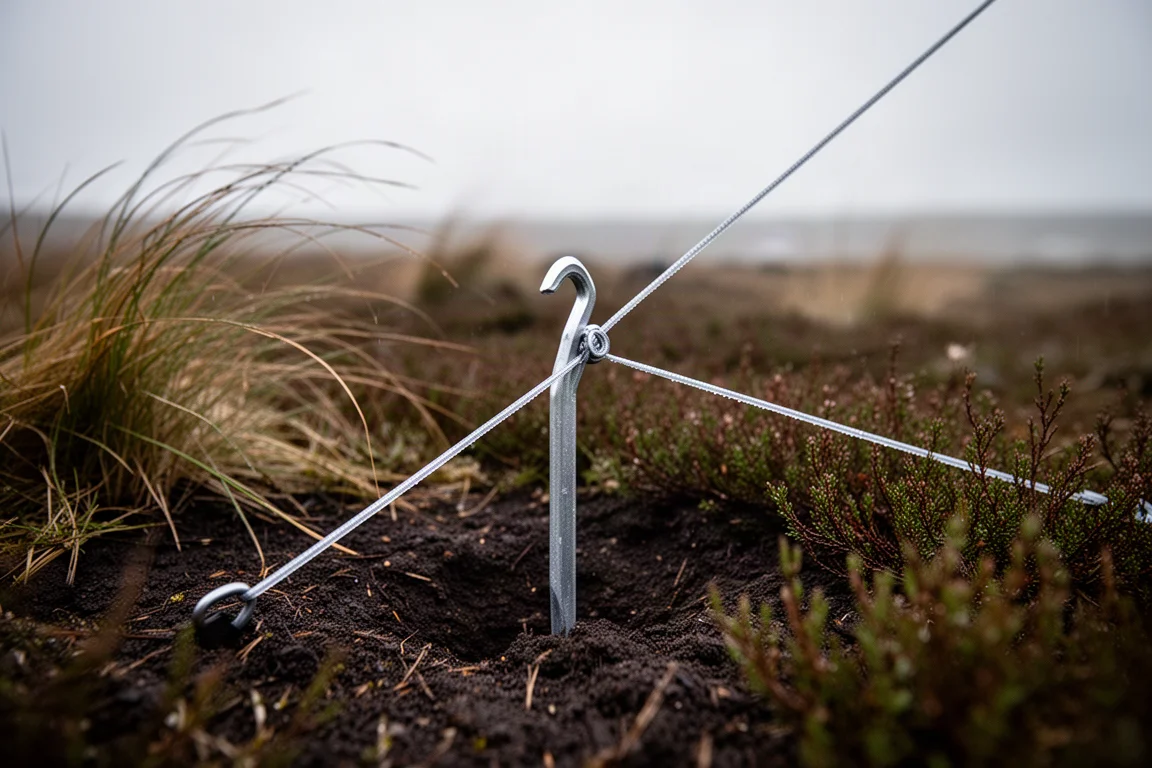
The supplied pegs vary in usefulness. The T-pegs bundled with the X-Mid are better than earlier versions, while the pegs with the Lanshan 2 are too small for anything beyond summer conditions. The Stratospire comes with longer 9-inch stakes. For the main guying points on any trekking pole tent, long stakes make a real difference in wet and windy weather, and Delta ground anchors are a sensible addition: two or four of them will keep a shelter upright when the ground is soft. Prices are worth planning around too. The Lanshan 2 can be found for under £150 all in, while the Durston and Tarptent models have to be ordered from the United States, which adds delivery charges, VAT and duty on top of a base cost of around £350.
If you are weighing up the lighter fabric tiers, remember what you are giving up. The DCF and ultra-fabric versions run to roughly £750, offer minimal features and generally do not include poles. For backpacking in the UK, where a multi-day route is often measured in days rather than weeks, these solid-fabric shelters are more than enough.
Conclusion
These are three excellent trekking pole tents, and all three represent good value even with the premium UK buyers pay on the American models. The Lanshan 2 4-Season wins clearly on value: it is huge inside for its packed size and weight, it has been tried and tested by a very large number of backpackers, and it costs a fraction of the others. It is the least settled in strong wind, so fair-weather campers will get the most from it.
The X-Mid 1 Solid is the cleverest design of the three and the easiest to pitch, with two doors and two vestibules and a wide, pad-friendly interior, though its magnet door closure and peaky headroom are worth accepting knowingly. The Stratospire 1 Solid offers the best interior space and the largest, most weatherproof vestibules, and it can be made genuinely storm-worthy with the extra guy points, provided you are happy to modify it and accept that the inner does not connect to the pole. Whichever you choose, add good pegs and guy lines, practise the pitch, and you have a shelter that will lighten a multi-day load considerably.
Further reading
Related Reviews
Trekking Pole Tents
Tarptent Mesospire 2 Review: A $300 Trekking Pole Tent Built for Two
A close look at the Tarptent Mesospire 2, a $300 single-wall trekking pole tent with a 52-inch rectangular floor, a 47-inch peak height, and a fast, straightforward pitch.

Backpacking Gear
Building a 10 lb Base Weight: An Ultralight Backpacking Gear List
A practical walkthrough of the ultralight pieces behind a 10 lb base weight, from a 765 g pack and a roomy one-person tent to a full camp chair and a dependable water filter.

Road Bikes
10 New Road Bikes Worth Watching: Aero, Titanium, Steel and Endurance Standouts
A practical roundup of 10 new road bikes, from aero flagships chasing single-watt gains to titanium, steel and endurance platforms built for real roads.