Trail Bikes
Best Trail Bikes: Three Mid-Price Contenders Worth Considering
Three standout trail bikes with different strengths: an alloy bruiser, a carbon frame with clever details, and a value-driven pick with premium suspension.
Introduction
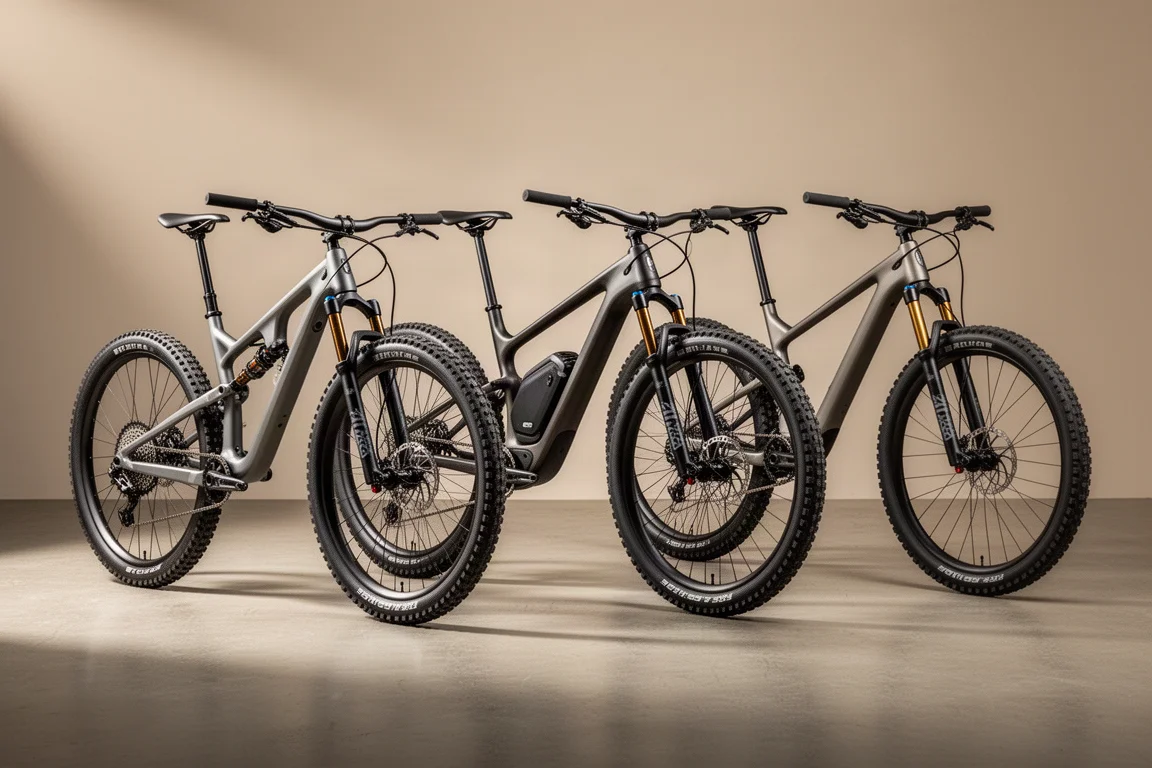
Trail bikes occupy the space between cross-country efficiency and enduro confidence, and the current generation makes that middle ground genuinely appealing. The three bikes below stood out from a long list of around twenty current trail models for how they ride, not for how they read on a spec sheet.
Pricing across this selection runs from roughly £3,000 to £4,200. Two of the bikes dropped in price partway through, which is why the spread is wider than it might otherwise be.
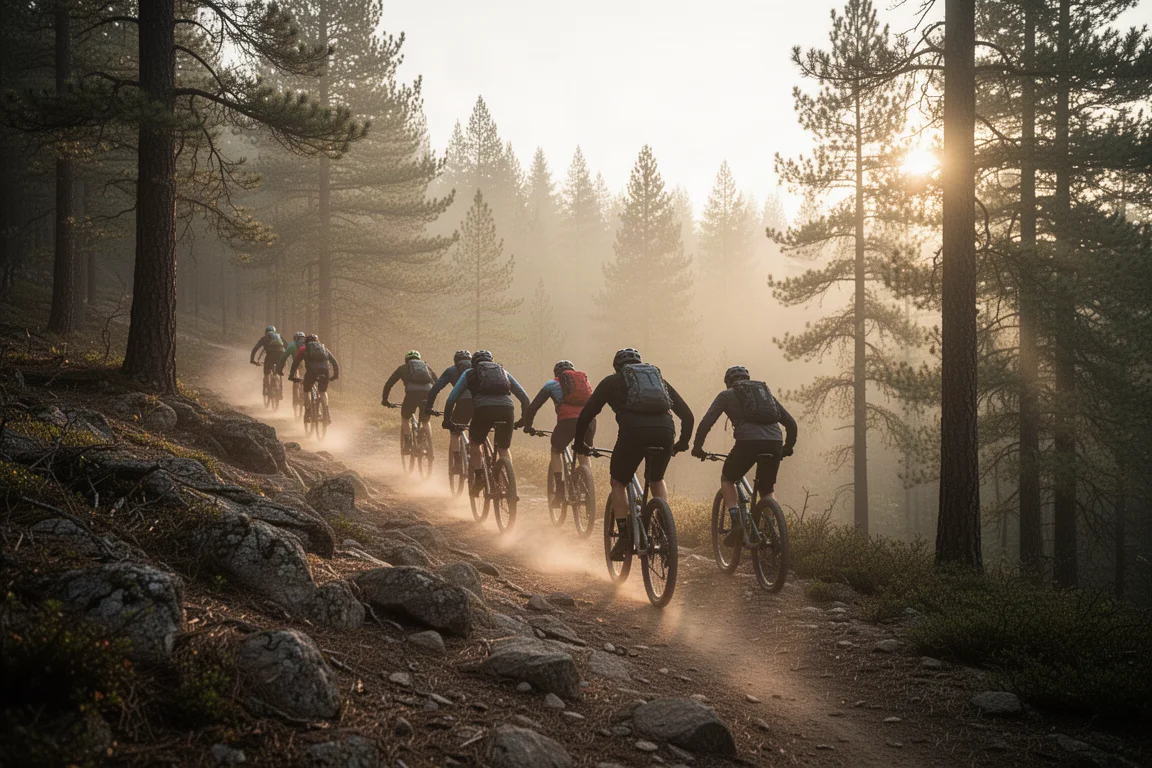
Each of the three takes a different route to the same goal. One is an alloy machine with a playful streak, one is a carbon bike with genuinely unusual frame features, and one leans on premium suspension at the most accessible price of the group.
What Separates These Three Trail Bikes
Rear travel ranges from 130mm on the Marin to 140mm on the Canyon and 150mm on the Whyte, while front travel climbs from 150mm to 160mm across the group. Materials differ as well: the Marin and the Whyte use alloy frames, while the Canyon is built around a carbon chassis.
Suspension suppliers are split between RockShox and Fox. Every bike here runs a dropper post and Maxxis rubber, and all three have room for tuning. Those shared basics mean geometry, leverage curves and component tiers become the real deciding factors.
Marin Rift Zone 29 XR: The Alloy Bruiser
The Rift Zone 29 XR is the shortest-travel bike here at 130mm, but its parts package hints at a more aggressive nature. RockShox supplies a Select Plus level Lyrik fork and a Super Deluxe shock, and the frame is alloy.
When you stand up and pedal, the rear end sinks into its mid-stroke and moves around, sapping your input. Stay seated and spin, and the suspension settles into a stable platform that lets the Maxxis Assegai tyres dig in on smooth and choppy drags alike. It is also very comfortable, smoothing the edges of rocks and roots. The short chainstays give it a slightly less balanced feel than the other two, and with the bike sitting into its travel when set up with fun in mind, the 77 degree seat angle can slacken, leaving you feeling as though you are sitting a little over the back wheel on smoother climbs. On those drags, the shock lockout lever firms things up nicely.
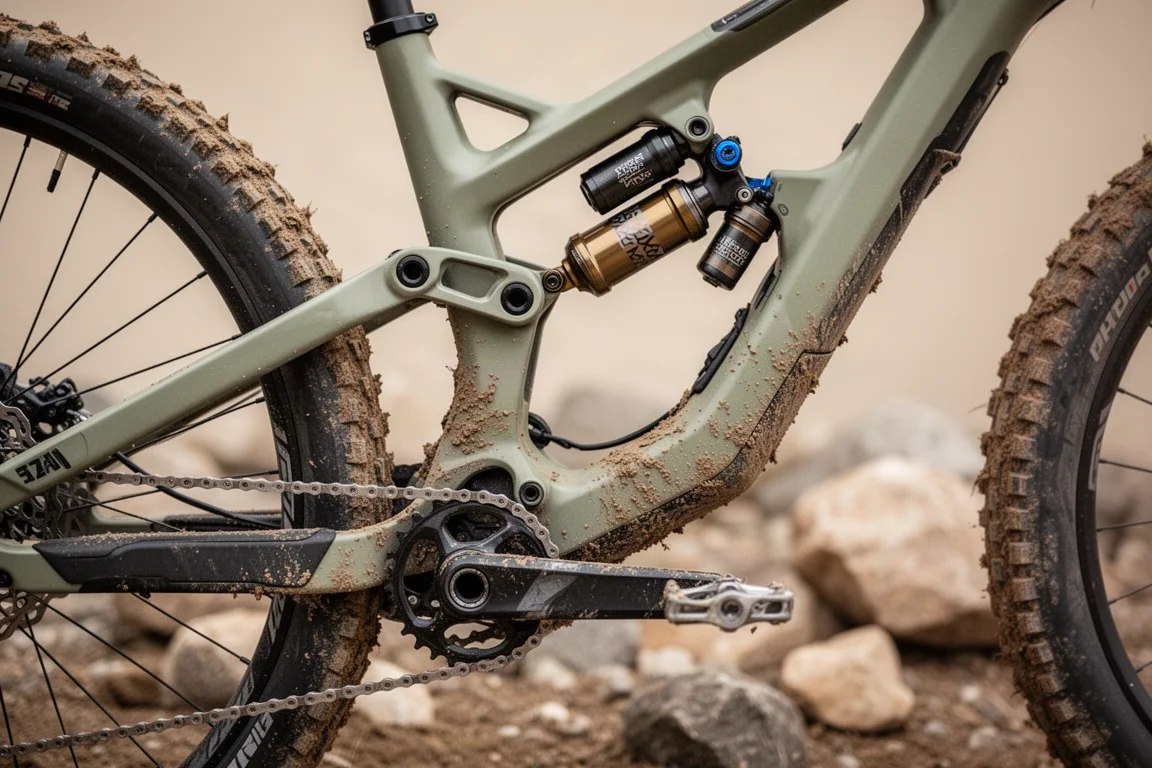
Descending is where this bike shines. The Assegai is a class-leading aggressive tyre, and the generous reach ensures there is plenty of bike in front of you. With ample space under the stem, the bars can be run high for steep terrain or slammed lower to minimise understeer on easier trails. Short chainstays help haul the front wheel around through loose, twisty turns and lift it when you want to pop and play, even if all-out high-speed stability might improve with a little more rearward length.
The single-pivot linkage driving the multi-link suspension is smoother when rattling over roots, which helps keep the rear wheel planted, though the rear end does stiffen a touch under hard braking. Support in the suspension arrives a little later in its stroke, so generating speed over lumps and bumps takes a bit more effort than on the perkiest bikes. Once gravity takes hold, though, the Rift Zone XR is flat out fast. The piggyback Super Deluxe shock gave little to complain about, and the Select Plus version of the Lyrik with its Charger 3 damper is a high-spec product that complements the ride quality.
Braking is a highlight. SRAM DB8 brakes are not the most refined option in this group, but the addition of SRAM HS2 rotors makes the Rift Zone among the strongest stoppers here. The grips are super comfortable, if a little vague.
Canyon Spectral CF7: Carbon With Clever Details
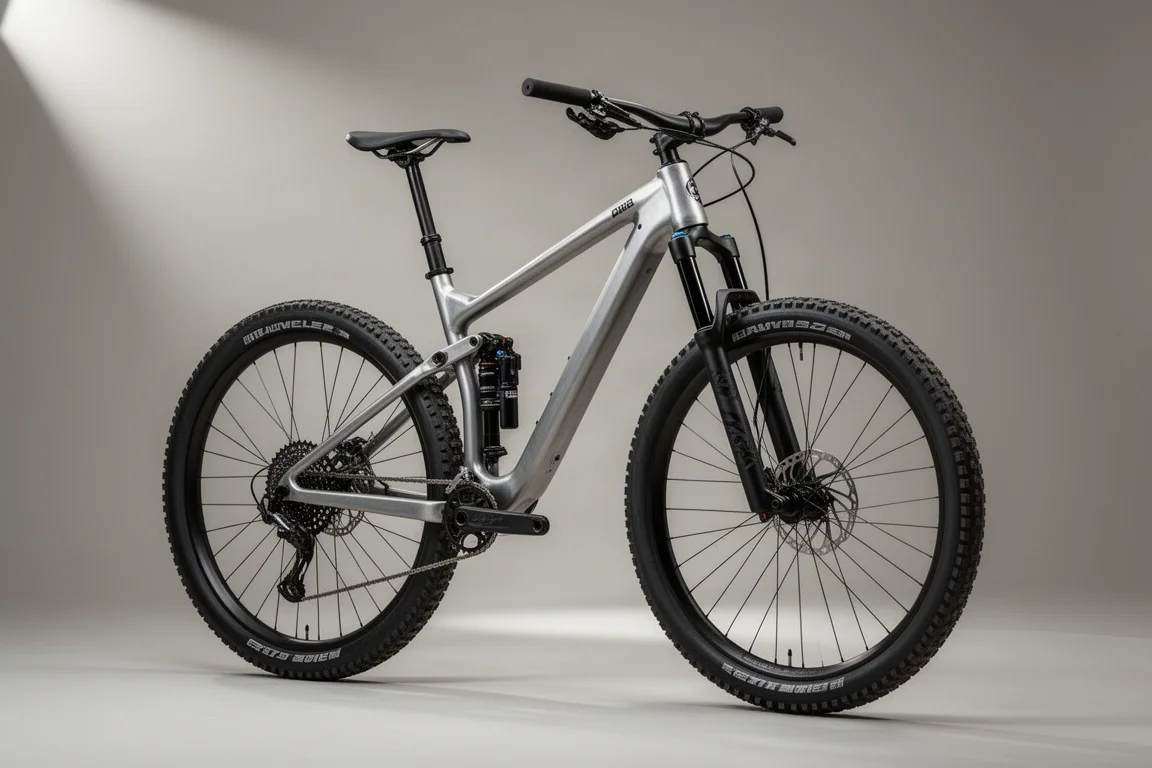
The Spectral CF7 pairs an innovative carbon frame with Fox suspension: a Rhythm 36 fork with GRIP damper at the front and a Performance level Float X shock at the rear. Rear travel has reduced to 140mm on this generation, balanced with 150mm at the front. The frame also brings in-tube storage and the KIS system, which pulls the bars back toward centre.
On climbs, the drop in anti-squat figures gives a smooth ride over fist-sized rocky sections and helps the Maxxis Minion DHR2 do its job well. Like the Marin, it can feel a little less urgent when you are cranking out power, but with 7mm longer chainstays the Spectral is well balanced and does not sink as deep on steeper pitches, which gives it the edge on the climbs.
Shimano SLX gearing feels great when clean, though a layer of grime takes the shine off it. SLX brakes are a welcome sight. Canyon’s own grips are a touch thin for some tastes and clamp onto a moderately harsh cockpit.
On descents the Spectral is a seriously smooth operator. The relatively basic 36 Rhythm is wonderfully comfortable, easing into its travel so it is never a white-knuckle ride. That lets the DHR2 concentrate on generating grip while giving plenty of confidence to drive the bike forward. The DHR2 also works well up front, with a less vague transition to its shoulder tread than a DHF, and its paddle-like central treads help when you are squeezing on the brakes. The fork can come slightly unstuck at full gas, since mid-stroke support from the more basic internals is not as solid as on pricier forks, but Canyon has fitted two volume spacers in the air spring to help it ramp up later, so bottoming out is rare.
The suspension is wonderfully compliant over small, medium and large hits alike. Lower anti-squat figures steal a little zeal when you are pumping rollers, but the tyres do not drag heavily and there is still enough pop in the rear suspension to make the Spectral a lot of fun when there is a root to pop off or a berm to rail. When the going gets steep, the slack front end, long reach and smooth transition into the deeper reaches of fork and shock give utmost composure.
The KIS system splits opinion. It aims to pull the bars back straight to increase calmness when battering through rocks and roots, and to help pull the rear wheel round in corners. It is effective: the bars fidget less through rocky sections, and once a corner is engaged the bike feels like it is on rails. It can feel odd when initiating a turn, though, and on slippery off-camber sections it did not help with tracking. The effect is strongest in its maximum setting and negligible at minimum, so it is worth experimenting with, and if it does not suit you it can be removed from the bike entirely.
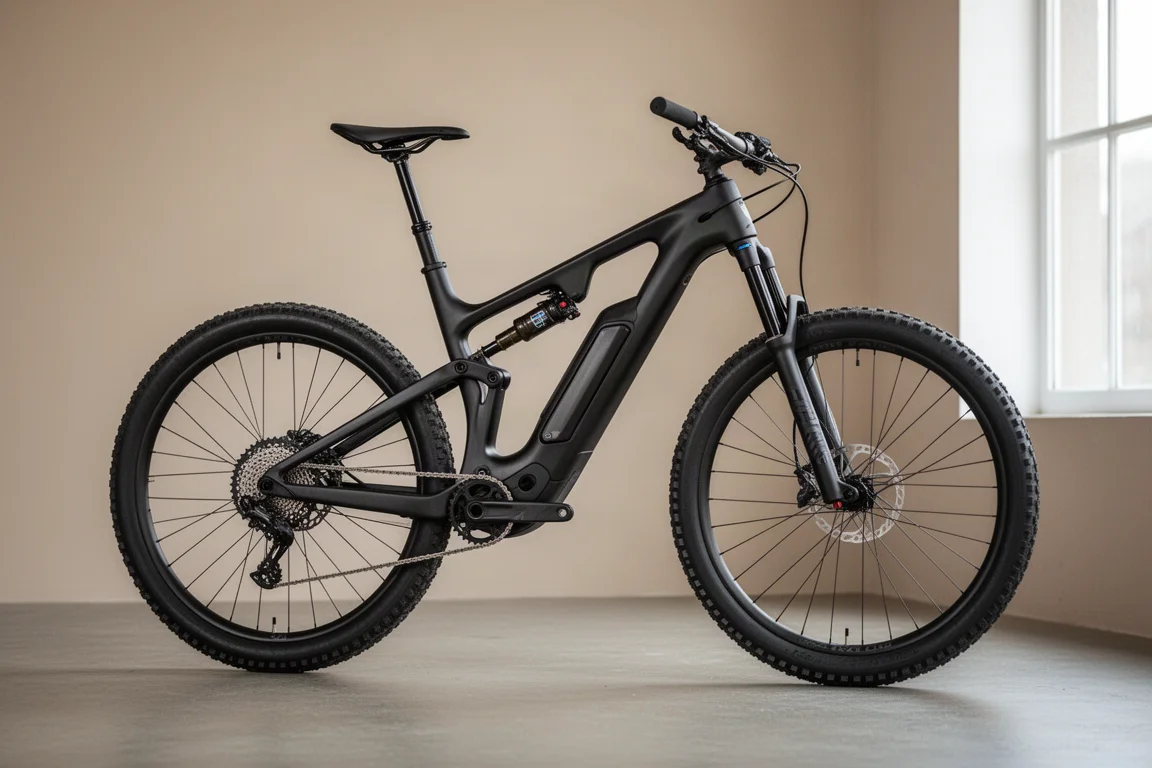
Whyte T-160 RS: The Value Pick
The T-160 RS is the cheapest bike in this group, yet it is decked out in RockShox Ultimate level suspension. Rear travel is 150mm paired with 160mm at the front, and the alloy frame carries modern geometry.
Heading uphill, it has an archetypal trail bike perkiness. The suspension stays stable under all but the ugliest pedalling styles, so the shock lockout switch is rarely needed. At 440mm it has the longest chainstays here, which helps maintain traction on technical climbs and moderates the front end’s direction control while the rear wheel keeps digging in. The shape feels nicely balanced.
The SRAM GX drivetrain is punchy and light. SRAM Code RS brakes feel good, though they can be a touch inconsistent. The grips have a broad flange that locks your hands firmly in place.
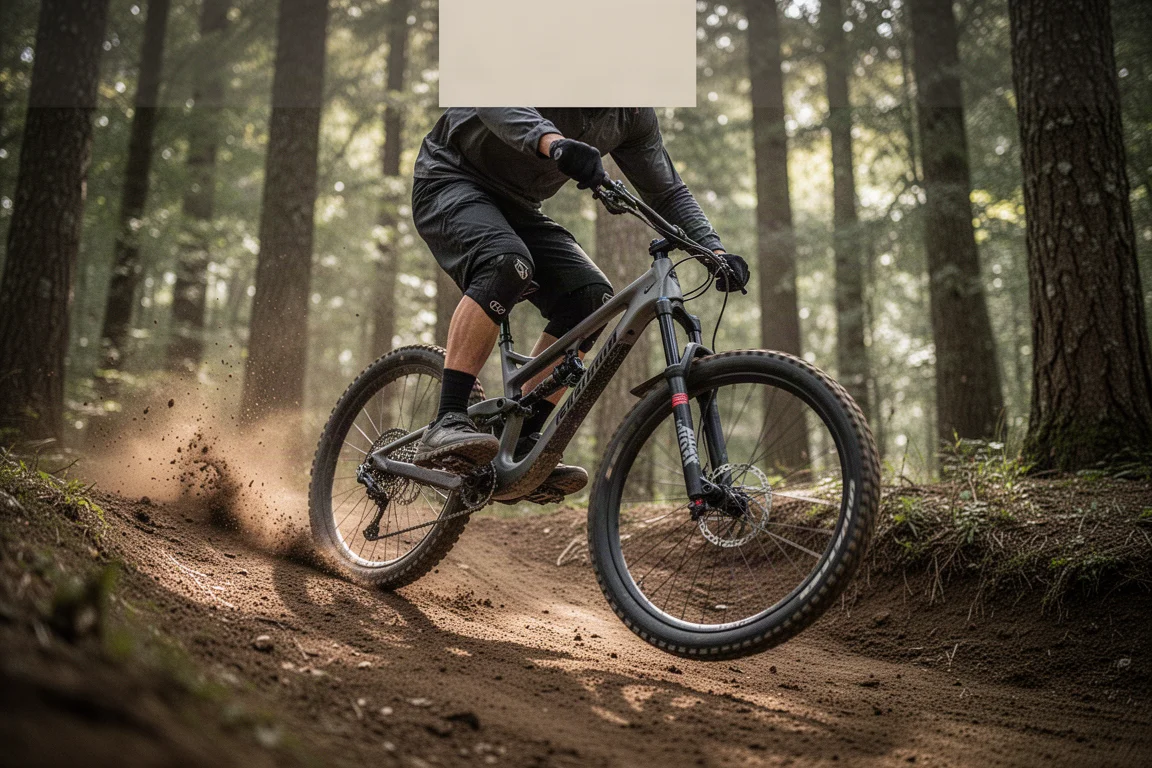
On descents, the piggyback Super Deluxe shock adds oil volume, boosting consistency on long descents, and it is the only shock in this group with a low-speed compression adjustment dial. Running it fully open keeps the rear end supple, though lighter riders might find the shock marginally overdamped. Up front, the 160mm Lyrik is sublime: it uses the excellent Charger 3 damper and adds ButterCups and extra bushing overlap for smooth performance under pressure. The difference between Select Plus and Ultimate dampers may look small, but these details ensure both ends of the T-160 RS are as good as it gets.
The alloy frame is solid, and the geometry is close to flawless, though it is worth noting that it only comes in medium, large and extra large. The long reach is complemented by a sub 65 degree head angle that keeps the triple compound Maxxis Assegai front tyre well in front of the cockpit, with the chainstays balancing it well. The bottom bracket is not as low as some, and with 150mm of travel on top, pedal strikes are kept to a minimum. The bike does not sit too low on the trail, and the shock filters out small and midsize hits with ease even when the rear brake is dragging. That supportive suspension translates into easy speed on rolling trails, generating momentum better than the Canyon or the Marin. Hit something bigger and the extra travel at both ends provides a useful margin for error, while the EXO+ casing rear tyre adds puncture protection and powerful brakes add control.
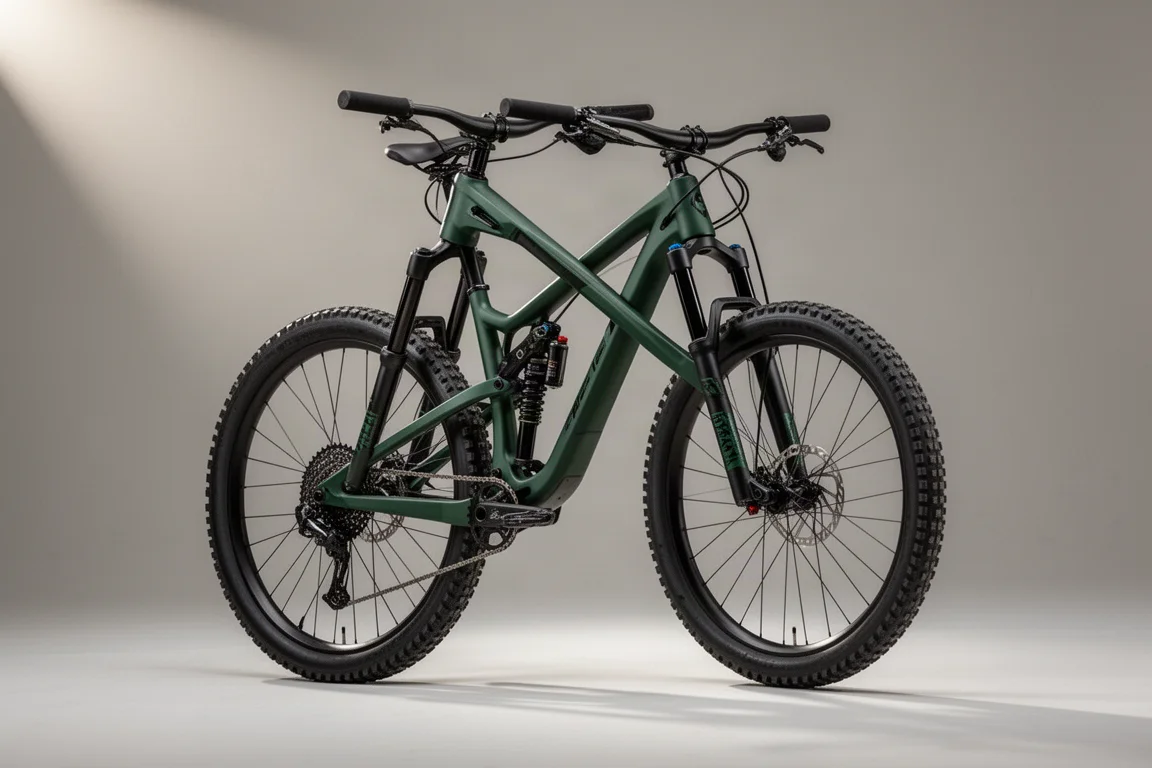
Buying Advice
Choosing between the three comes down to priorities. For riders who spend most of their time on steep, rough and rugged terrain and want a no-nonsense bike for rallying around the woods, the Marin Rift Zone 29 XR is a short-travel bruiser with smart spec choices, demonstrated neatly by those upgraded SRAM HS2 rotors.
If carbon, innovative frame features and a smooth, composed ride matter more, the Canyon Spectral CF7 makes a strong case. Its in-tube storage is genuinely useful, and the KIS system is worth trying since it can be dialled back or removed altogether.
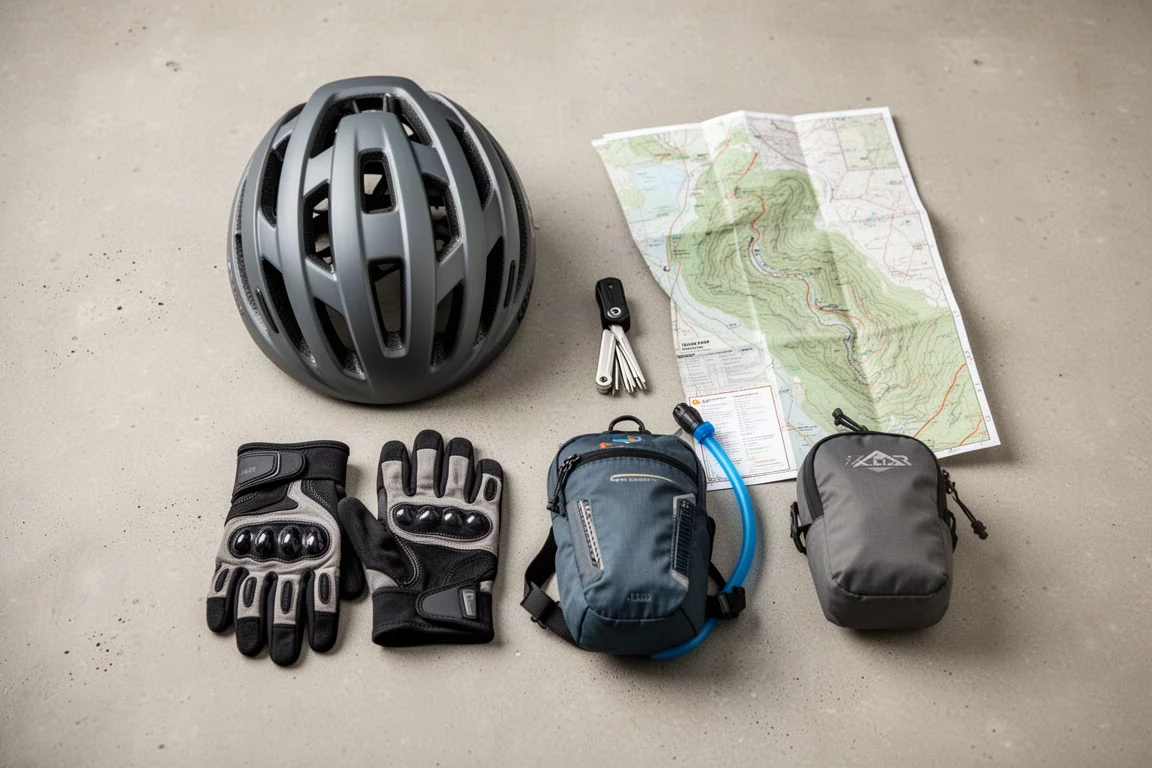
For most riders, though, the Whyte T-160 RS is the pick. It blends geometry and suspension setup in a way that suits modern trail and all-mountain riding: it crushes technical descents, shreds bike parks and gives buckets of confidence when hauling through the woods at speed, then climbs with the attitude of a bike with far less travel.
Any of the three would be a welcome addition to a garage, and none of them is a poor choice. The deciding factor is whether you want playful short travel, clever carbon features, or the most complete all-round package for the money.
Conclusion
These three trail bikes cover the middle of the market from three different angles. The Marin Rift Zone 29 XR is a short-travel ripper that thrives on steep, rough terrain, with upgraded rotors and a high-spec fork making it feel more capable than its 130mm suggests.
The Canyon Spectral CF7 shows what a well-executed carbon frame can add: in-tube storage, a compliant rear end and a descender that stays composed when it gets steep, with the adjustable KIS system as an optional extra rather than a compromise.
The Whyte T-160 RS wins on the balance of it all. Premium Ultimate level suspension, near-flawless geometry and the lowest price in this group add up to a genuine do-it-all bike, and that combination is hard to argue with for mid-price trail riding.
Further reading
Related Reviews

Backpacking Gear
Building a 10 lb Base Weight: An Ultralight Backpacking Gear List
A practical walkthrough of the ultralight pieces behind a 10 lb base weight, from a 765 g pack and a roomy one-person tent to a full camp chair and a dependable water filter.

Road Bikes
10 New Road Bikes Worth Watching: Aero, Titanium, Steel and Endurance Standouts
A practical roundup of 10 new road bikes, from aero flagships chasing single-watt gains to titanium, steel and endurance platforms built for real roads.

Saltwater Aquarium Setup
10 Questions About Cycling a Saltwater Aquarium: What You Need to Know
Essential questions and answers for cycling a reef tank or saltwater aquarium, from biome building to light management and bacterial supplements.