Indoor Cycling
Best Tacx Indoor Trainers: 8 Models Compared for Every Rider
From budget rollers to premium smart bikes, we compare eight Tacx indoor trainers across features, value, setup, usability, and ride feel.
Introduction
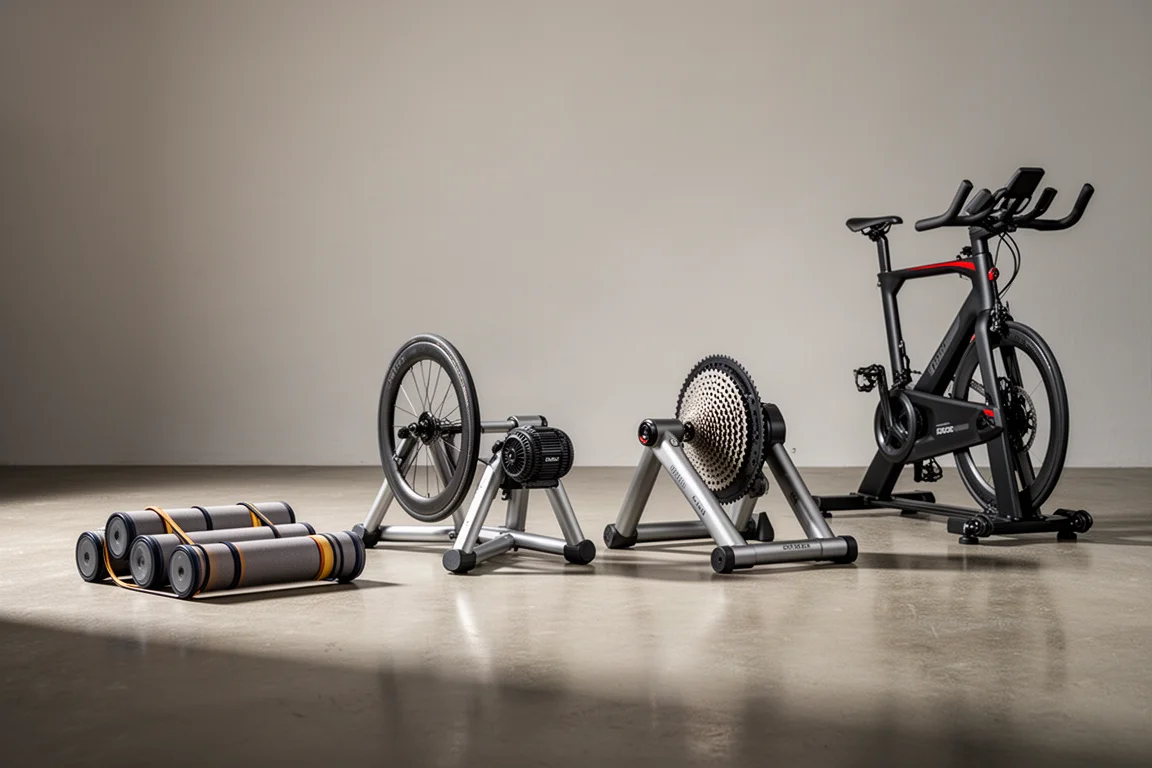
Indoor trainers have come a long way. You can spend as little as $169.99 on a set of rollers or as much as £3,499.99 on a fully integrated smart bike. The difference in experience, features, and ride feel is enormous. In this guide, we compare eight Tacx indoor trainers across five categories: features, value for money, setup, usability, and ride feel. Each trainer is scored out of 10 in each category, giving a total out of 50. Whether you are a beginner looking for a simple way to ride indoors or a serious cyclist chasing the most realistic virtual terrain, there is a Tacx trainer here for you.
How We Evaluated These Trainers
We assessed each trainer on five criteria. Features covers the technology and capabilities built into the unit. Value for money weighs the price against what you get. Setup considers how easy it is to unbox, assemble, and prepare for each ride. Usability looks at day-to-day living with the trainer, including moving it, connecting to apps, and getting your bike on and off. Ride feel is the most subjective: how close does it come to riding outdoors? Each category is scored out of 10, and the total is out of 50.
Tacx Antares: Best for Portable Warm-Ups
The Tacx Antares is the cheapest indoor trainer in the Tacx range at $169.99. It is a set of rollers: three cylinders with an elastic band running between them. Rollers are a favourite for bike racers because you can easily take them to a crit circuit or road race, throw them on the floor, and warm up. However, they are notoriously hard to learn. Some riders never get comfortable on them, and balancing on a normal bicycle does not guarantee you will be comfortable on rollers. Your front wheel moves around, and it takes time to adapt.
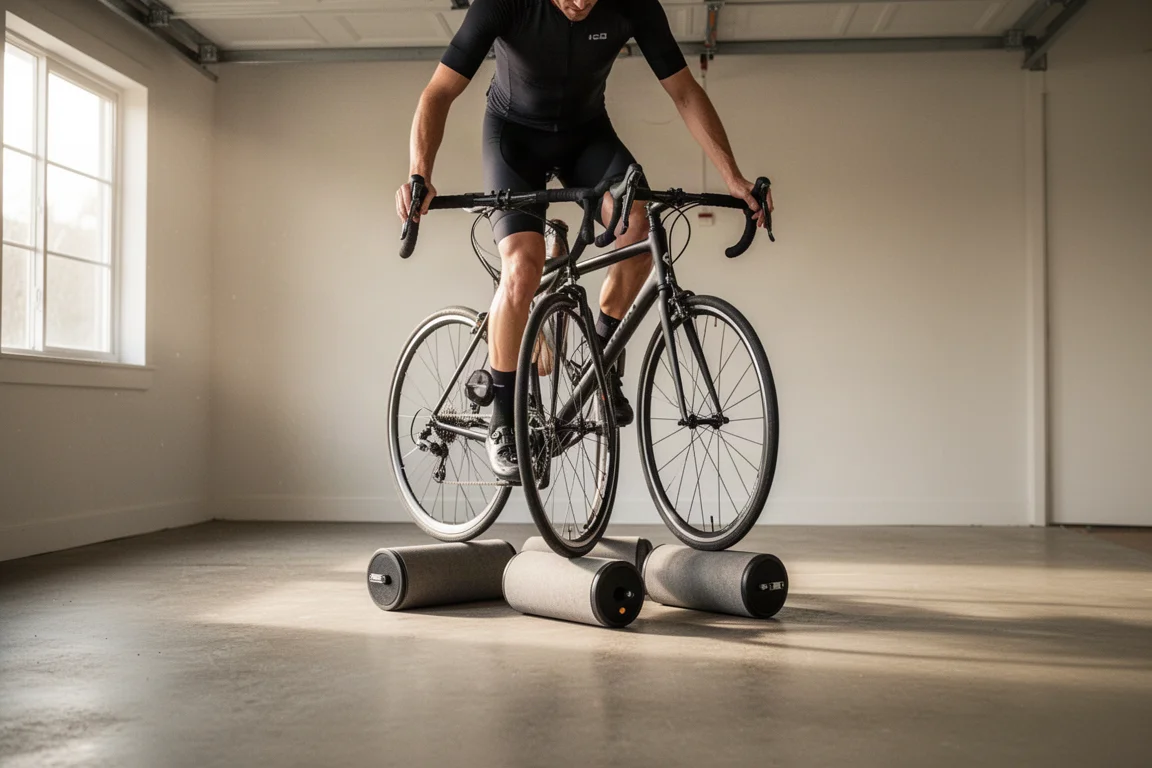
In terms of features, the Antares scores just 1 out of 10 because its only function is to let you ride. Value for money is 5 out of 10: it is well priced, but very low on features. You can get enough resistance for a zone 2 ride, and perhaps zone 3 if you push hard, depending on your fitness. The cylinders are concave, which pushes you toward the middle of the roller. Setup is easy, scoring 8 out of 10, both when unboxing and when setting up for each session. Usability gets 5 out of 10 because some riders will never get on with rollers. If you can use them, they are small, light, and easy to carry anywhere. Ride feel is 8 out of 10, the highest of any trainer here, because rollers are the only option that lets you use your handlebars naturally and requires you to balance, making it the closest to riding a real bike. The Antares totals 27 out of 50.
Tacx Galaxia: Rollers with a Little More Movement
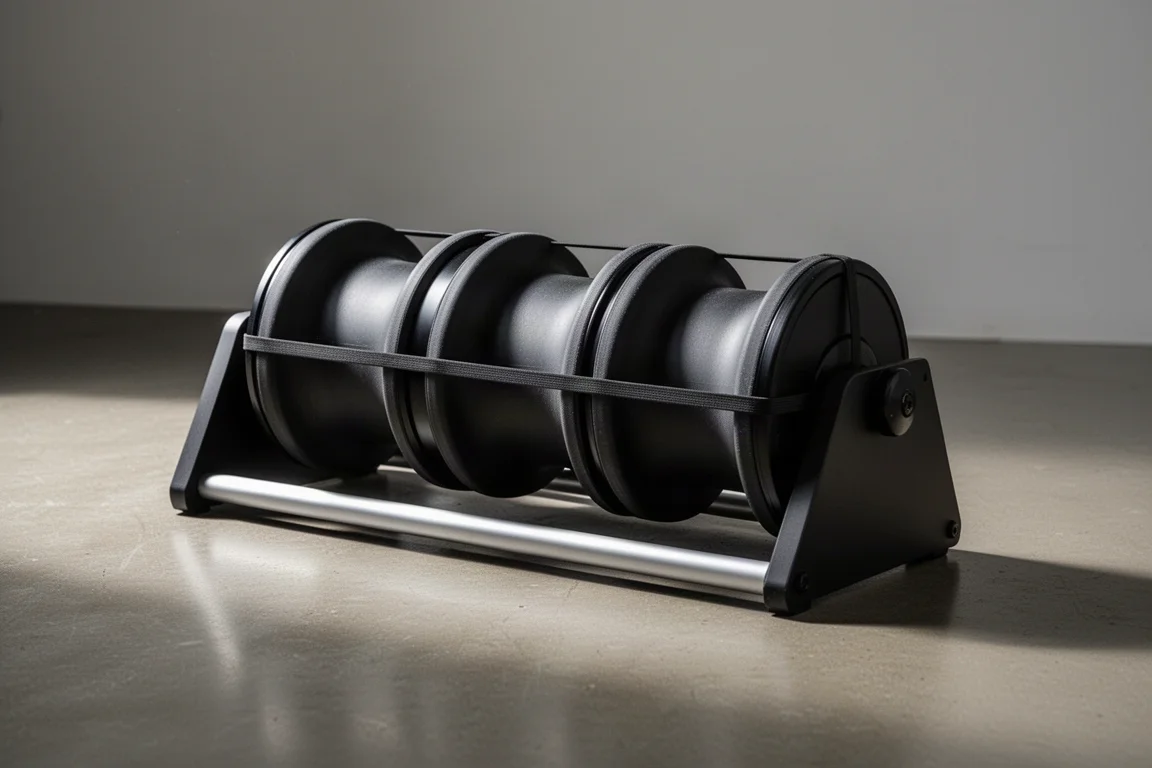
The Tacx Galaxia is a slightly more expensive version of the Antares rollers. It adds a rocker plate built into the frame, so the rollers move forwards and backwards very slightly as you ride. This would add a couple of points to the ride feel score, making it a bit more comfortable and realistic. Otherwise, the Galaxia is essentially very similar to the Antares. If you like the idea of rollers but want a touch more motion, this is the one to consider. There is no official price in our notes, but expect it to sit just above the Antares.
Tacx Boost: Best for Basic Resistance on a Budget
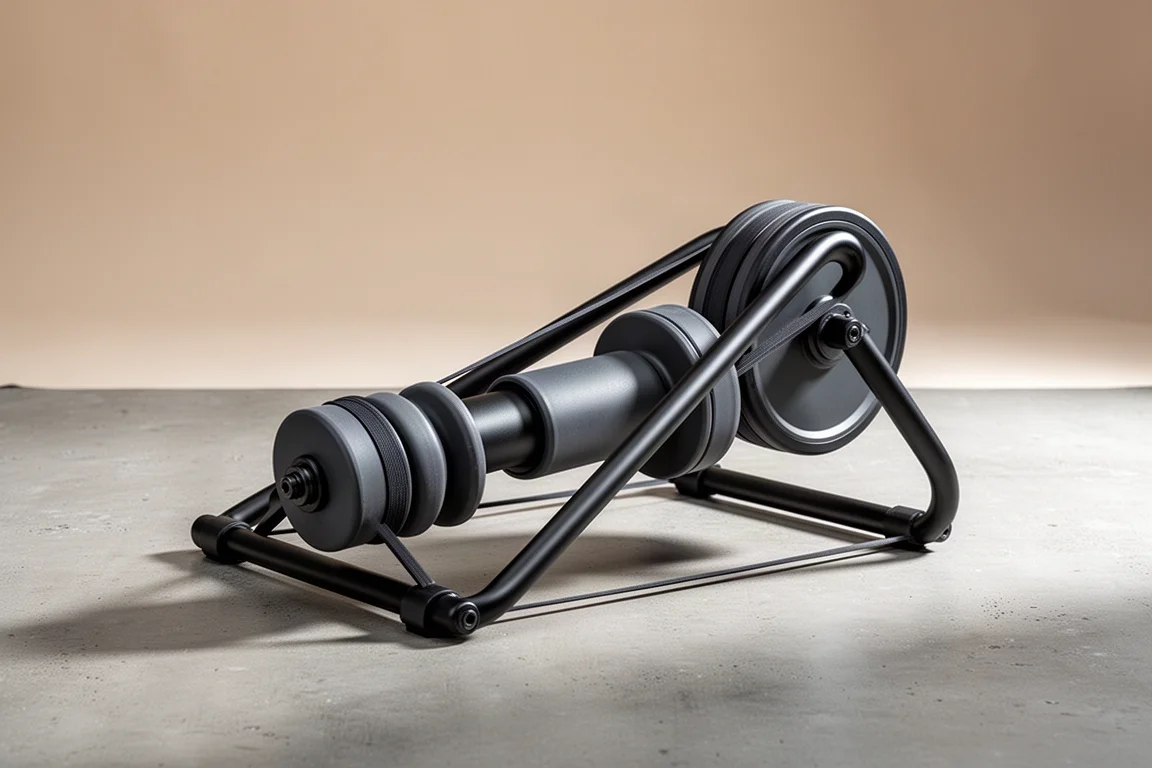
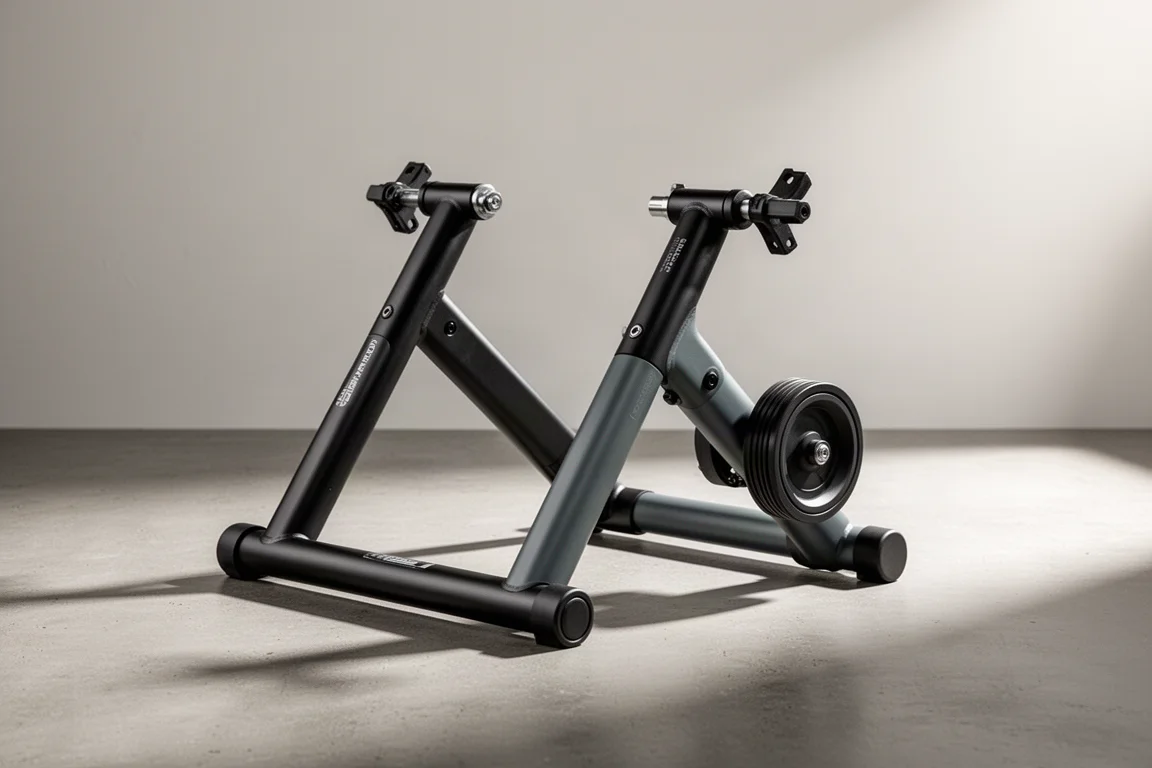
The Tacx Boost is a wheel-on turbo trainer, meaning you leave your rear wheel on the bike and it rubs against a roller on the back. It comes in at £229. This is not a smart trainer. You manually control resistance with a small lever that clips onto your handlebars. The lever has 10 different levels and goes up to 150 watts. You can also adjust resistance by changing gear, just like on rollers.
In our scoring, the Boost gets 3 out of 10 for features because it simply does not have many. Value for money is 4 out of 10, a low score that becomes clear when you see what other trainers offer. Setup is 3 out of 10. Usability is 6 out of 10: it is a good entry-level product, and the lever provides some simplicity, but we personally prefer the usability of direct drive trainers. Ride feel is 2 out of 10, the lowest in this comparison. The tyre on the roller does not feel real. It is fine if you just want to replicate resistance, have limited space, and want to be able to put it away. But it will not feel like a real bike. The Boost totals 18 out of 50.
Tacx Flow: Best Value Smart Trainer
The Tacx Flow costs £299.99. It is a wheel-on trainer like the Boost, but with a major upgrade: it is smart. That means it has a built-in power meter and can connect to apps like Zwift and TrainerRoad, controlling the resistance you feel as you ride. This opens up a whole world of training opportunities and is far less boring than a basic trainer. If you start to get serious about indoor training, this is a strong option.
The Flow is stable up to 800 watts and simulates inclines up to a 6% gradient. Features score 5 out of 10. Value for money is 8 out of 10, the best in this group. It is smart, it can measure power, and it will be more than enough for many riders. Setup is 4 out of 10: you need to buy an adapter for through-axle bikes, and you have to plug it in, so you need access to a power supply. Usability is 5 out of 10. You do not have to fit a lever on your handlebars, which is nice, but you do need to connect it to your power sensors, computer, and heart rate monitor if you want the smart features. It is not hard, but it is part of the process. Ride feel is 3 out of 10, marginally better than the Boost because being smart makes training more enjoyable. The Flow totals 27 out of 50.
Tacx Flux S: Best Direct Drive Under £600
The Tacx Flux S costs £599.99, a significant step up from the Flow. It is the first direct drive trainer in this list. That means you remove your rear wheel and slot the bike onto the trainer, which has a built-in cassette. Direct drive trainers feel more realistic because the resistance hits you directly from the cassette, and the bike responds more naturally. The Flux S is also remarkably quiet. If you live in a flat and need a quiet trainer, this is where quiet starts. Other trainers in this list are significantly noisier.
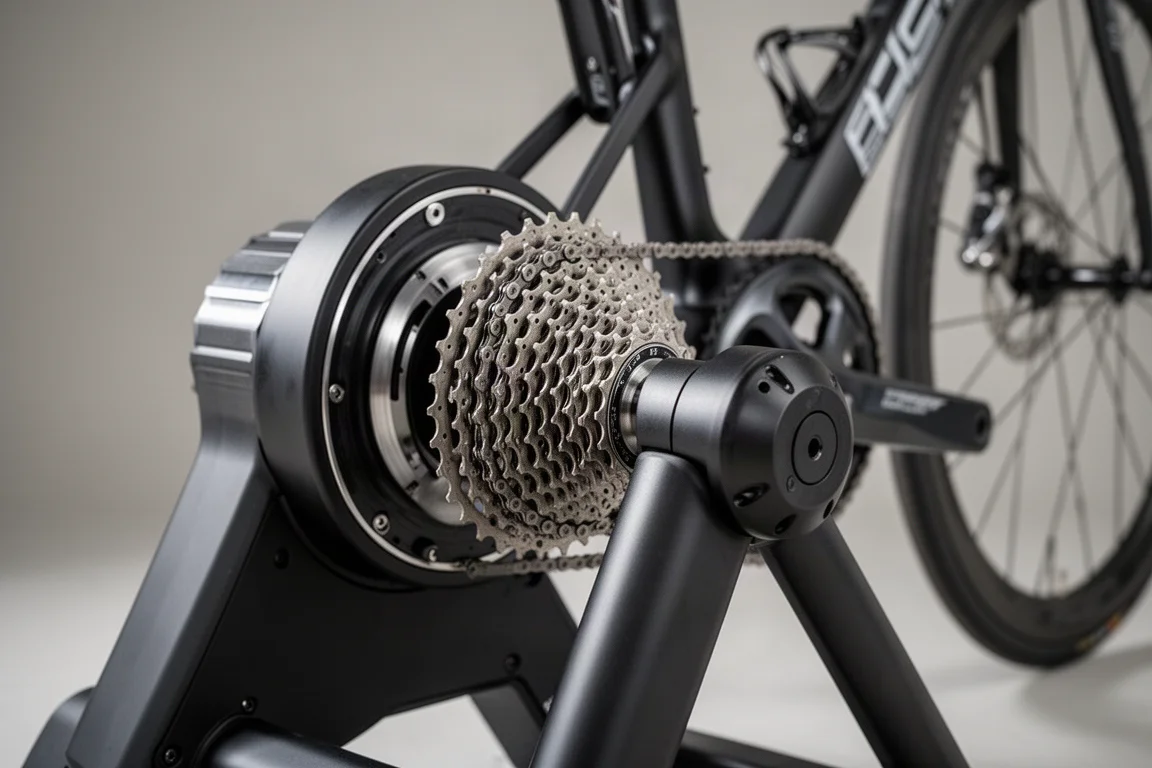
You will need a mat to protect your carpet from sweat and to stop vibrations travelling through the floor, because this is a heavy piece of equipment. The Flux S measures power, speed, and cadence with 3% accuracy. It can handle up to 1500 watts and simulate gradients up to 10%. It does not fold, and it has no handles, so moving it can be tricky. It must be plugged in, and it does not have RGB lights.
In our scoring, the Flux S gets 7 out of 10 for features, 6 out of 10 for value for money because it is expensive compared to the Flow, 4 out of 10 for setup, 7 out of 10 for usability, and 6 out of 10 for ride feel, the best of the turbo trainers so far. Its total is 30 out of 50.
Tacx Neo 2T: High Performance with Movement
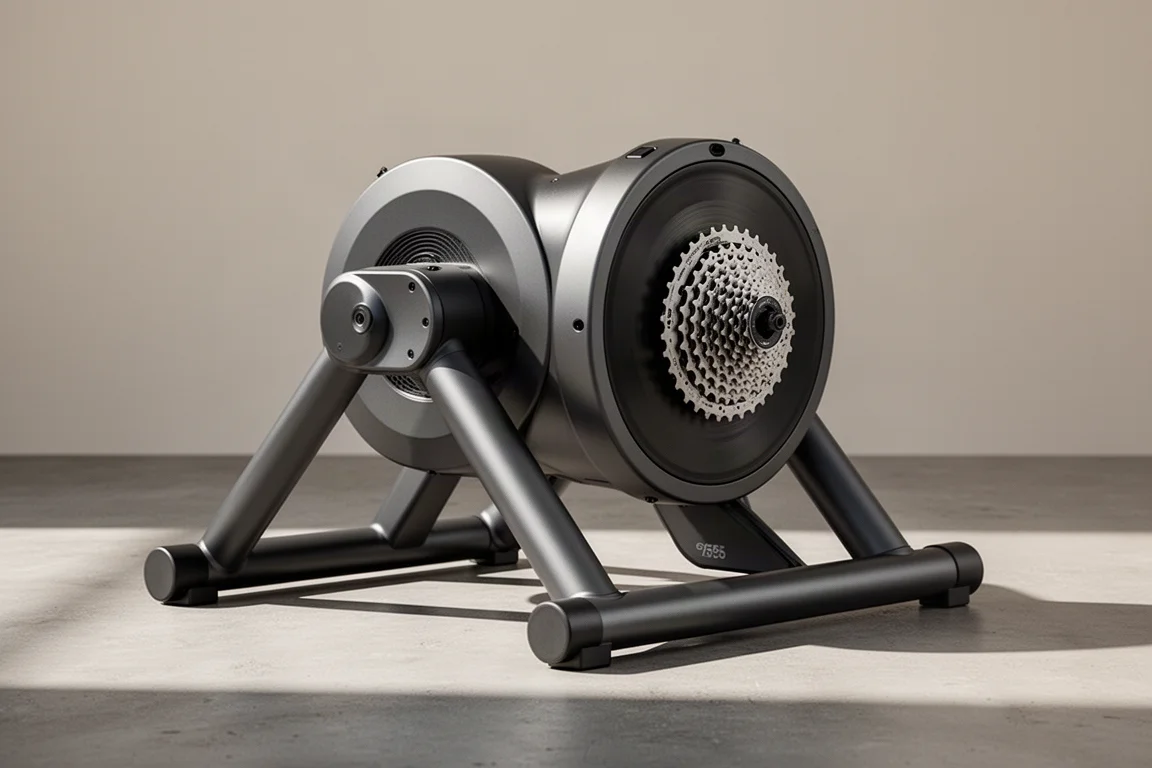
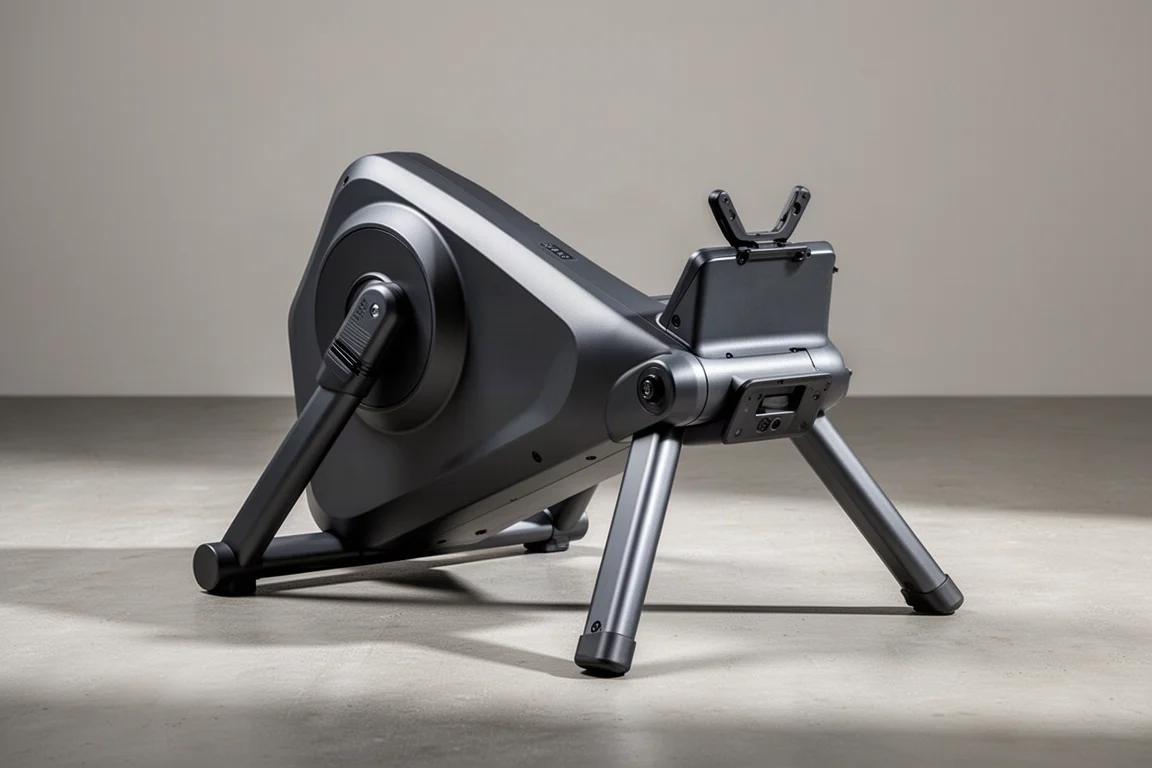
The Tacx Neo 2T costs £1,199.99. It is the first trainer in this list that outperforms your ability as a cyclist. It is stable up to 2,200 watts, simulates gradients up to 25%, and can even simulate descents. Accuracy is 1%, which is where you want it to be. The cassette sits on multi-directional movement plates, so there is a little bit of float in the bike, making it more comfortable. It also has RGB lights that tell you how hard you are going.
One standout feature: the Neo 2T does not need to be plugged in. You can take it somewhere, put it on the ground, and it works. However, you do not get immersive features like descent simulation when it is unplugged. It is direct drive and smart, with all the usual connectivity. It is heavy, which makes setup challenging. The bigger base compared to the Flux S makes it more stable, which you notice when putting down power in sprint or VO2 max sessions. The multi-directional movement plates can also simulate gravel and cobbles on virtual training platforms.
Features score 8 out of 10, a massive upgrade. Value for money is 7 out of 10 because it is double the price of the Flux S. Setup is 6 out of 10, as it is heavy and difficult to move. Usability is 8 out of 10: once set up in your house, putting your bike on takes seconds, and you do not even have to plug it in. Ride feel is 7 out of 10, with the cobble simulation and side-to-side movement making a real difference. The Neo 2T totals 36 out of 50.
Tacx Neo 3M: Best Overall Ride Feel
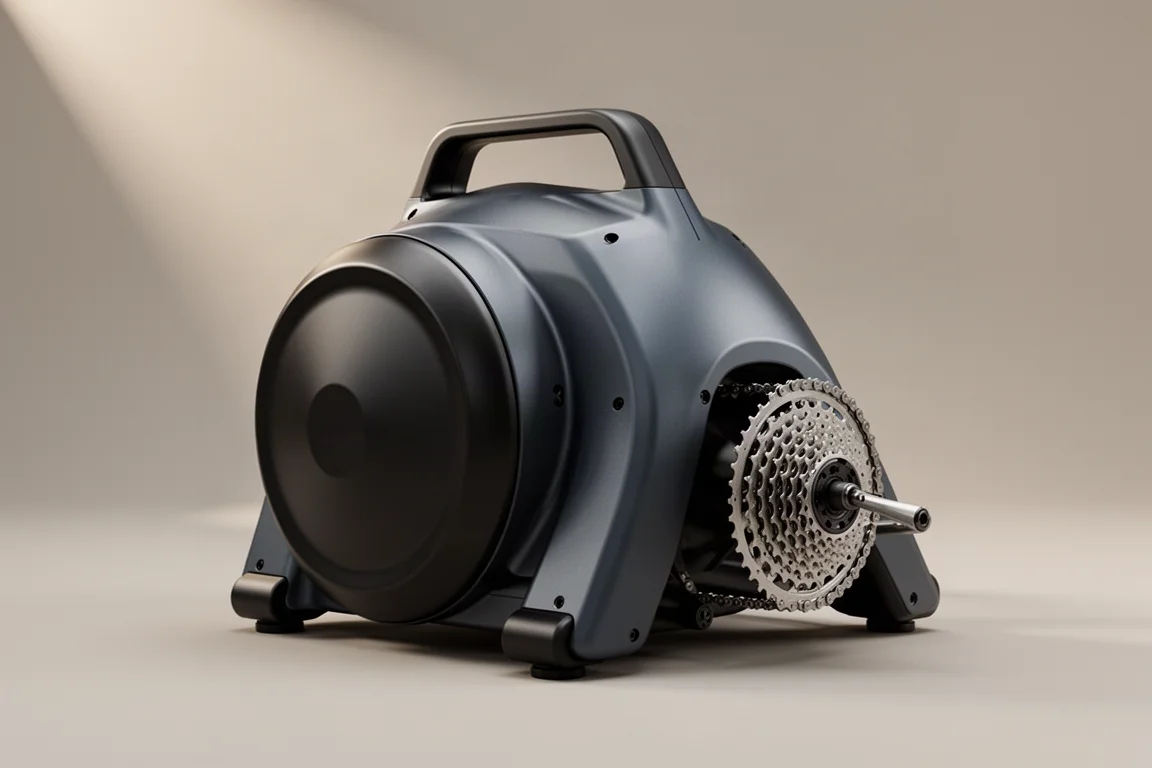
The Tacx Neo 3M is the newest model and costs £1,749.99. It is literally the easiest trainer to set up that we have ever used. You pull it out of the box, the legs snap into place, and it is ready. It already has a cassette fitted and the correct axle for through-axle bikes. Even the front wheel stopper flips around to accommodate road, gravel, or mountain bike tyres. It is a very good product.
Features score 9 out of 10, a whopping score. It has 2,200 watts of max power, 1% accuracy on speed, power, and cadence, and can simulate gradients up to 25%. It connects to all the smart platforms you could want. It does not need a power source. It has coloured lights that tell you how much power you are producing. It comes with a cassette and all the adapters you could possibly need. It has a flippy round thing for your front tyre, it rocks back and forth, and it has a handle. What else could you need?
One feature unique to this trainer is built-in motion back and forwards, which you can turn on and off using twisty knobs. If you want a less realistic ride, you can turn it off. We kept it on. In addition to the side-to-side movement of the Neo 2T, you also get forwards and backwards rocking, which makes it very comfortable to ride.
Value for money is 6 out of 10, slightly down from the Neo 2T because it is a lot of money. Setup is 9 out of 10. We initially ranked it 7 out of 10 before unboxing, based on experience with the Neo 2T, but after actually unboxing it we pushed it up to 9. The only reason it is not 10 is that the folks at Garmin did not come and unbox it for us. Usability is 9 out of 10. It would be 10 if it were not so heavy, but on the plus side you can use it for bicep curls. Ride feel is a perfect 10 out of 10. It is the most realistic turbo trainer we have ever ridden. It is not exactly like riding outside, but it is the closest you will get. The Neo 3M totals 43 out of 50.
Tacx Neo Bike Plus: Best for Multi-Rider Households
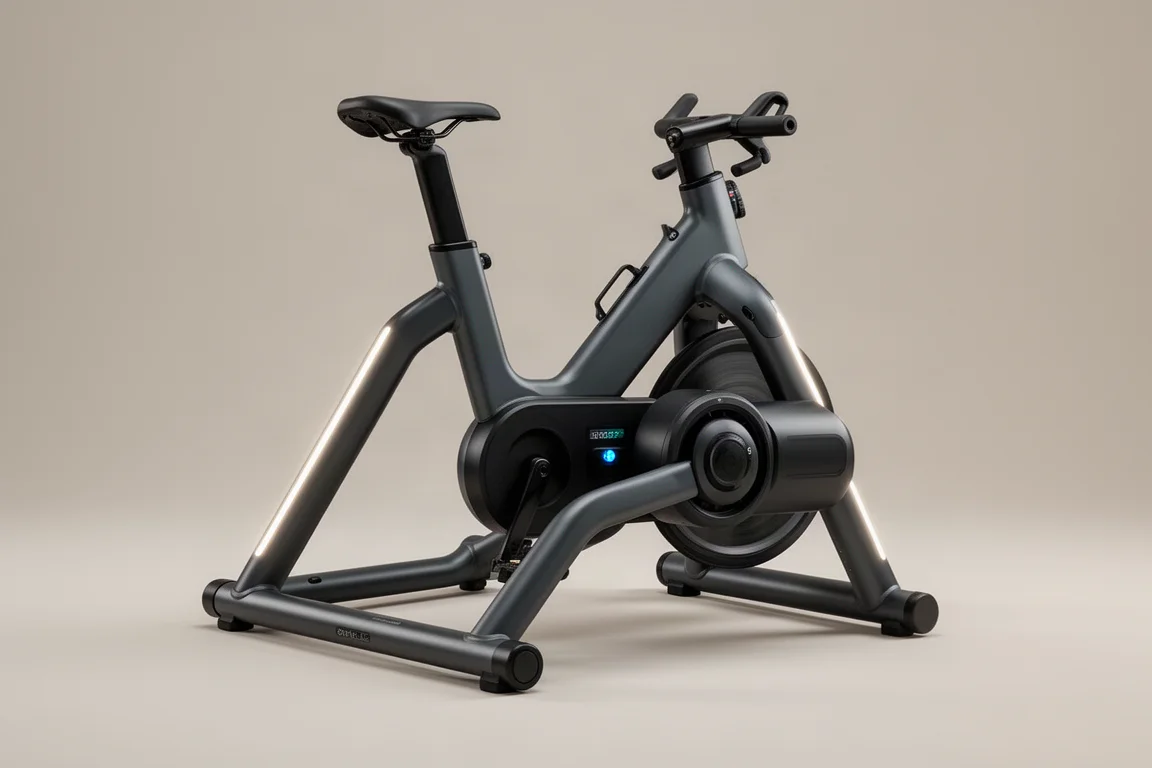
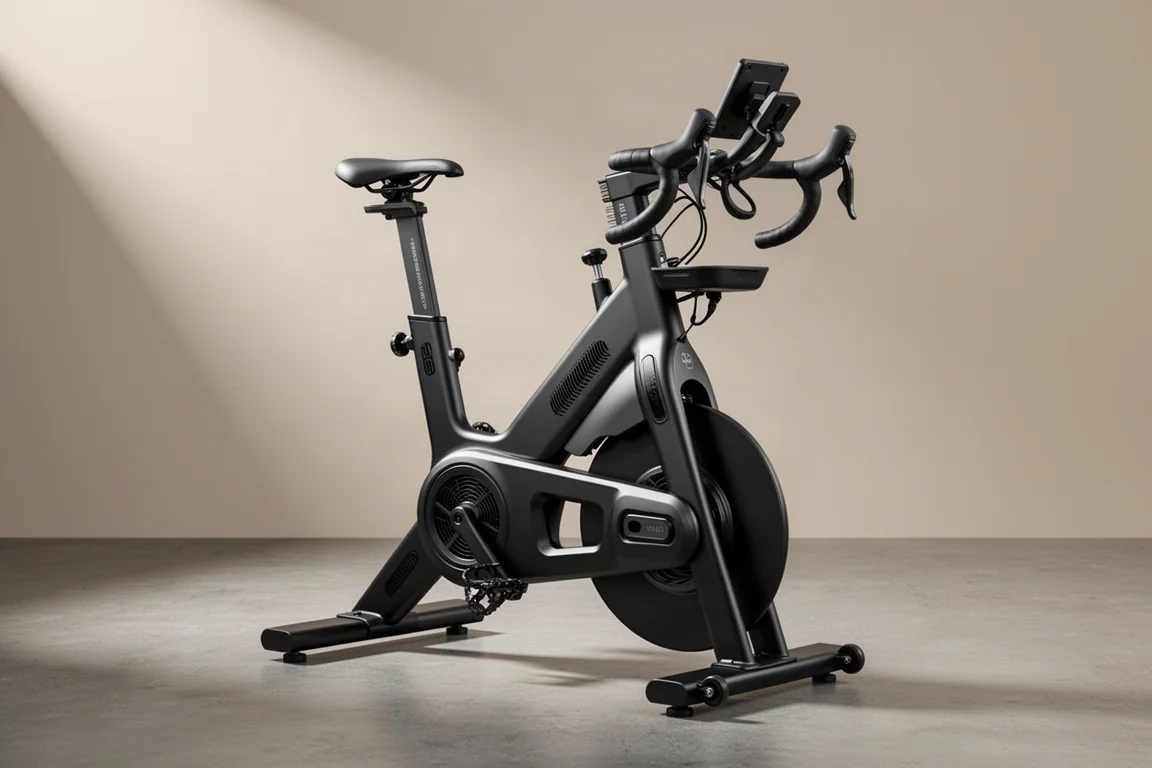
The Tacx Neo Bike Plus is the most expensive option at £3,499.99, which is more than most people spend on a bike. It is not really a turbo trainer; it is more than that. It is a tool to become a better cyclist. It offers pedal analysis that you simply do not get from other devices. It knows where your leg is in the pedal stroke, and the detail is incredible. Although it does not have a traditional drive train, it has proper working shifters that go through a range of gears like real ones. You can program it to feel and act like Shimano, SRAM, or Campagnolo, whichever groupset you prefer.
This is a niche product. It is for a household that probably has multiple people doing bike training, each with relatively complex needs and a desire for a lot of detail. They are likely very serious athletes, or they simply want a turbo trainer in their house that they do not have to hook their bike up to. The list of features is extensive, but we marked it down to 9 out of 10 because it lacks ride feel. It does not have the motion plates, either the forwards and backwards motion of the 3M or the movability in the cassette area of the other smart trainers. It does not ride as nicely as the other turbos.
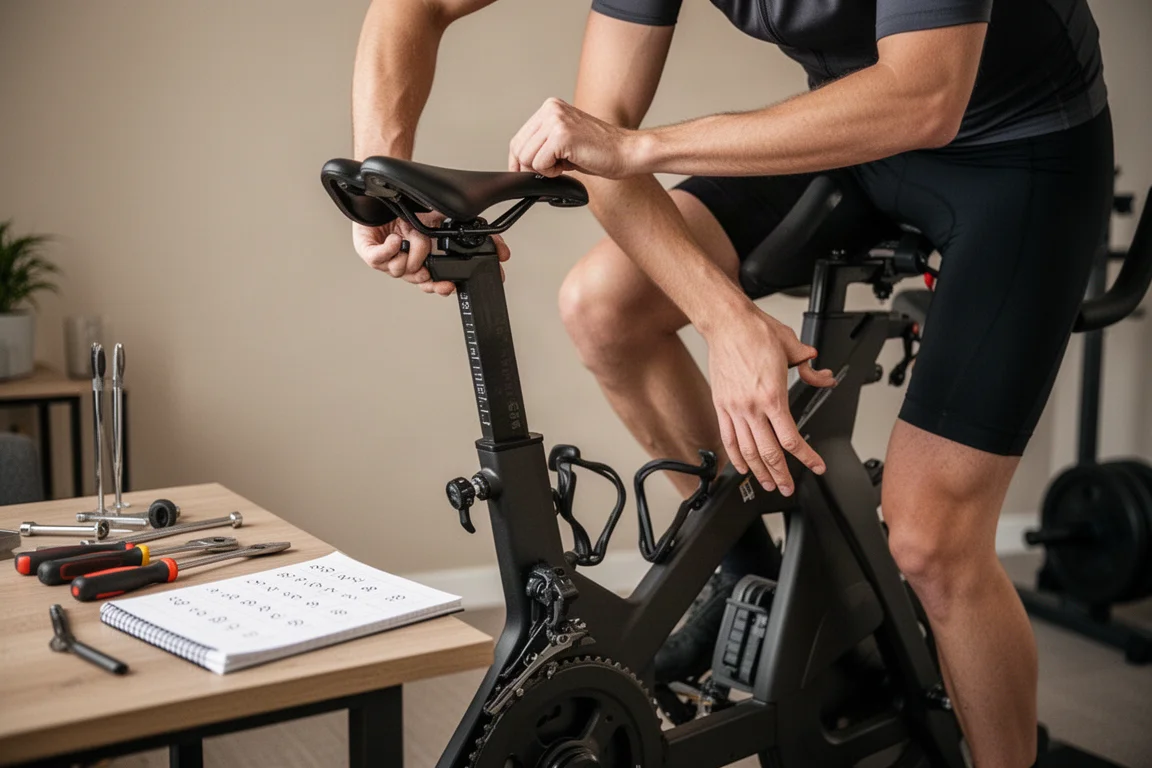
That said, there are many other features that might interest you. Once your fit is set up, everyone in the household can note the numbers for their own settings. You can change the saddle forward and back in relation to the pedals, change the crank length by screwing it into different holes, change the saddle height, fit a different saddle, and change the handlebars by moving them further forward, closer, down, or up. You can literally replicate the fit of any possible bike, and by jotting down those numbers, everyone can adjust it to their own fit.
Value for money is 5 out of 10, simply because it is £3,500. You can buy a car for that. Setup is 4 out of 10. It weighs around 70 kilos, and the weight is aggressive. It is huge, and you have to properly put it together. It is definitely not like the 3M, which was ready out of the box. You need to commit to setting it up and making sure you can get it into the room you want it in. This one is never going to leave its space. Usability is 8 out of 10 because once it is set up, it works. You do not have to plug it in if you do not want to. Whatever your fit, you get it. You do not need to worry about cassette or axle compatibility because it all just works. It even has fans. Ride feel is 8 out of 10 because you can get it into whatever position you want, and the shifting really does feel like real shifting, which was surprising. The Neo Bike Plus totals 34 out of 50.
Overall Buying Advice
Based on our scores, the Tacx Neo 3M is the winner with 43 out of 50. However, that does not necessarily make it the best turbo for everyone. Think about the riding you are going to do, your needs, and which features are actually important to you. Then factor that into how much you want to spend on your indoor trainer. The used market for turbo trainers is strong, so you will not have trouble selling yours if you buy a lower-end model and then get really into your riding and want to upgrade. Always consider that as an option.
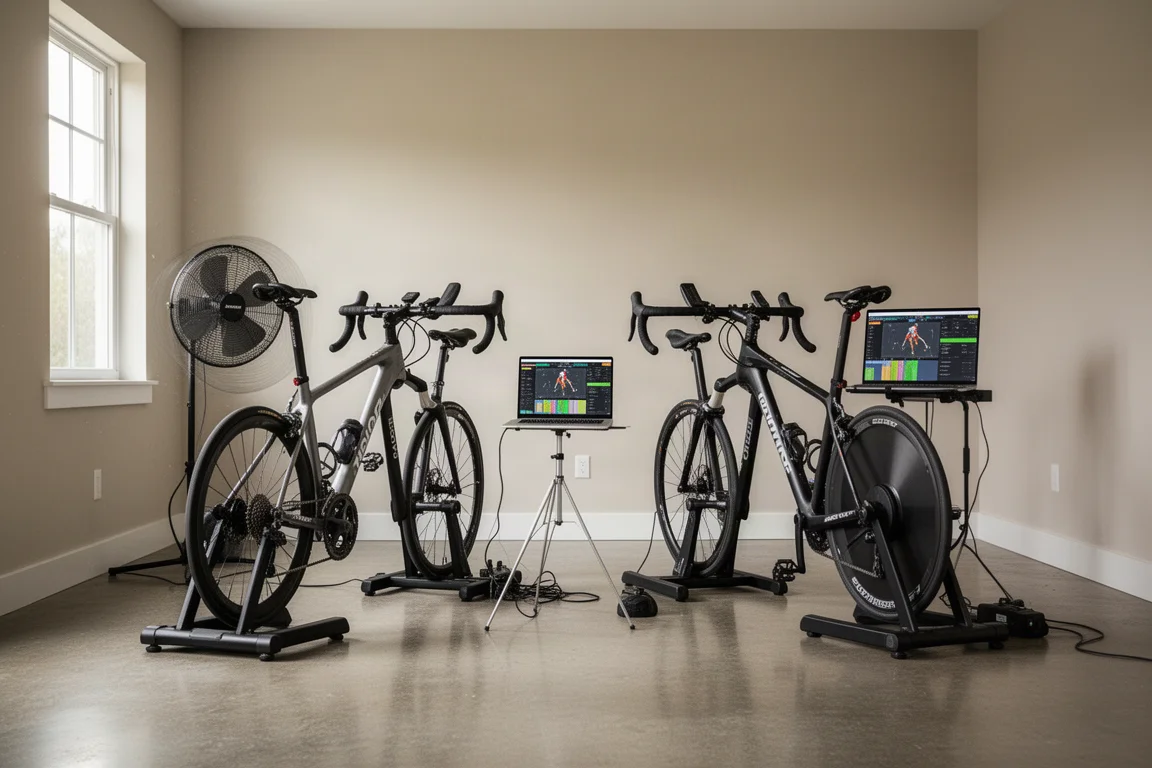
If you are on a tight budget and want the most realistic feel for the money, rollers like the Antares or Galaxia are hard to beat, provided you are willing to learn. For smart training on a budget, the Flow offers excellent value. The Flux S is a great entry point into direct drive. The Neo 2T and Neo 3M deliver high performance and exceptional ride feel. And the Neo Bike Plus is a specialised tool for households with multiple serious cyclists who want a dedicated indoor bike with advanced fit and analysis.
Conclusion
The Tacx range covers a huge span, from $169.99 rollers to a £3,499.99 smart bike. The Neo 3M is our top scorer, but the best choice depends on your goals, space, and budget. Rollers offer the purest ride feel and portability. Wheel-on smart trainers like the Flow provide surprising value. Direct drive trainers like the Flux S, Neo 2T, and Neo 3M deliver increasingly realistic rides. And the Neo Bike Plus is in a class of its own for multi-rider households. Whatever you choose, there is a Tacx trainer that can make indoor riding more effective and more enjoyable.
Further reading
Related Reviews
Indoor Cycling
Best Budget Smart Indoor Trainer Setups: Six Options Worth Considering
Smart indoor trainers keep getting better while prices come down. Six setups and components worth considering, from the cheapest Zwift-ready option upward.
Indoor Cycling
Best Budget Smart Indoor Trainers for Immersive Cycling in 2026
A practical guide to affordable smart indoor trainer setups, including budget and mid-range options with virtual shifting.
Indoor Cycling
Best Indoor Cycling Apps and Smart Trainers: A Winter Buying Guide
A practical look at the indoor training platforms and smart trainers that matter this season, from a new challenger to Zwift to the entry-level trainer that stands out on value.