Stationery
Best Study Stationery for Test Prep: 11 Tools That Keep You Productive
A practical roundup of planners, sticky notes, highlighters, whiteboards, flash cards, pens, and pencils for staying focused during summer test prep.
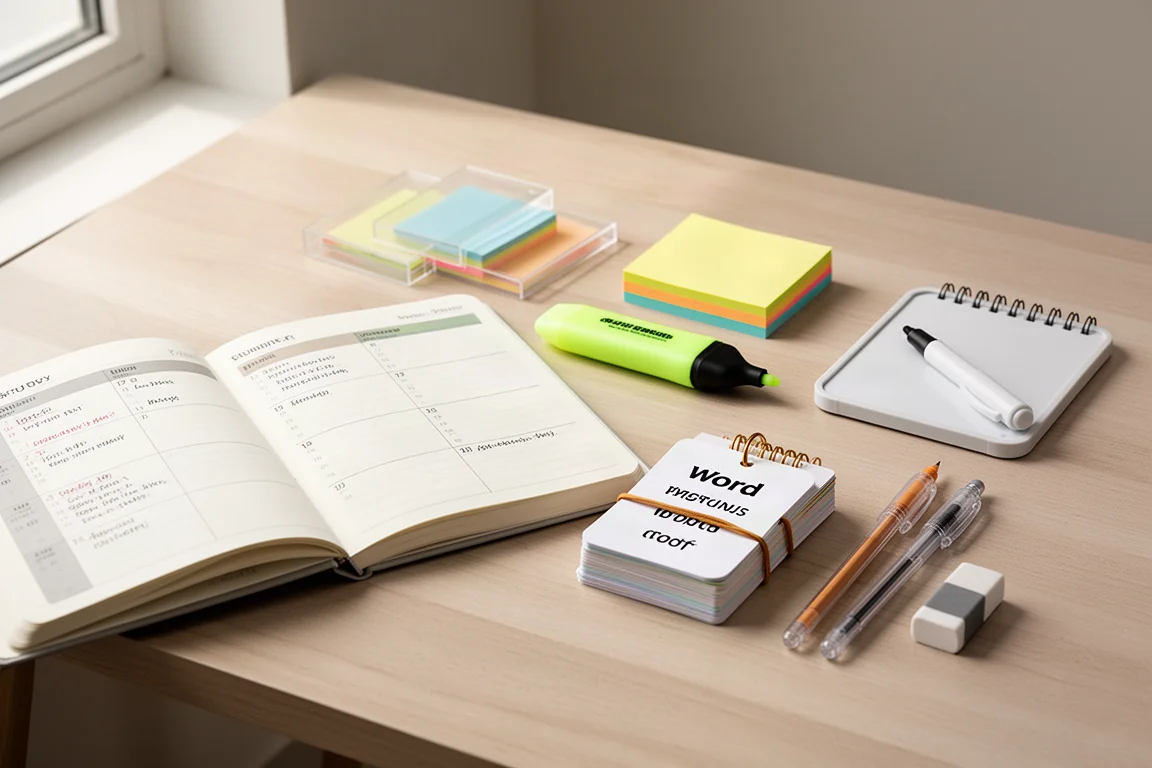
Introduction
Summer test prep has a way of burning people out, especially when the plan is too ambitious to survive the first slow week. The right stationery will not study for you, but it can make your schedule realistic, your reading memorable, and your practice sessions more comfortable.
This roundup covers eleven tools organized around five study habits: managing your time, annotating reading, drilling practice problems, memorizing terms, and taking practice tests.
1. Manage Your Time to Stay Focused and Avoid Burnout
When making a study schedule, it pays to underestimate how much you can accomplish. If you overcommit and burn out, you might stop studying altogether, so a plan you can actually stick to through the summer slump is worth more than an impressive one.
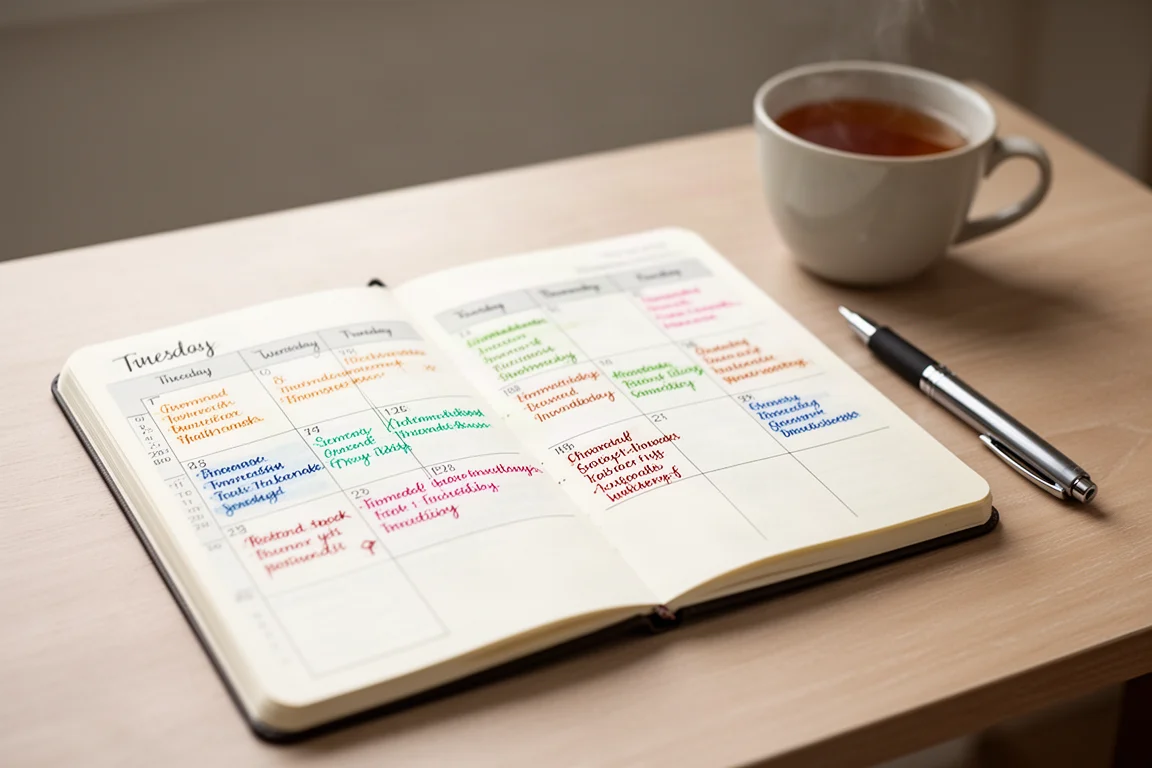
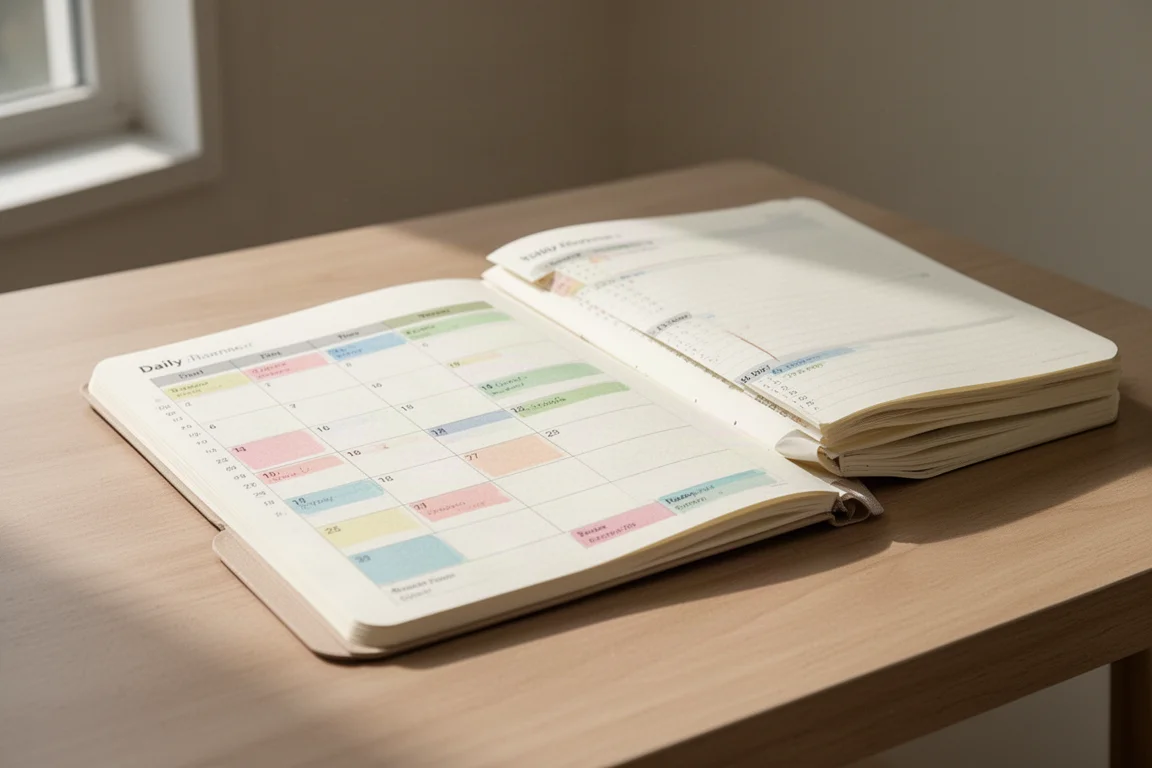
The Kokuyo Campus Study Planner, available in both notebook and loose-leaf forms, comes in three formats: daily, weekly, and two-week schedules. Start by ranking your subjects from most to least difficult and figuring out the bare minimum you need to get done for each. If you tend to cram at the last minute, use the weekly format to replicate a deadline: assign a day of the week as a due date and hold yourself accountable by showing your completed work to a parent, study buddy, or tutor.
If studying leaves you frustrated or overwhelmed, the daily schedule is the better fit. Rotate between two or three subjects a day, starting with your strongest subject or easiest task for 30 minutes to an hour, then switch to a harder subject for the same amount of time. The daily layout runs from 4:00 AM to 3:00 AM, which is surprisingly useful for night owls or anyone deep into cramming season.
2. Set Reading Goals and Annotate Your Books
If you cannot seem to get started on summer reading, try this: take the total number of pages in the book and divide it by the number of days you have to read it. Breaking the book into small sections makes the goal feel achievable, and the trick works especially well for library books with a fixed return date. If you can, read to the end of a chapter even when it goes past your daily page count.
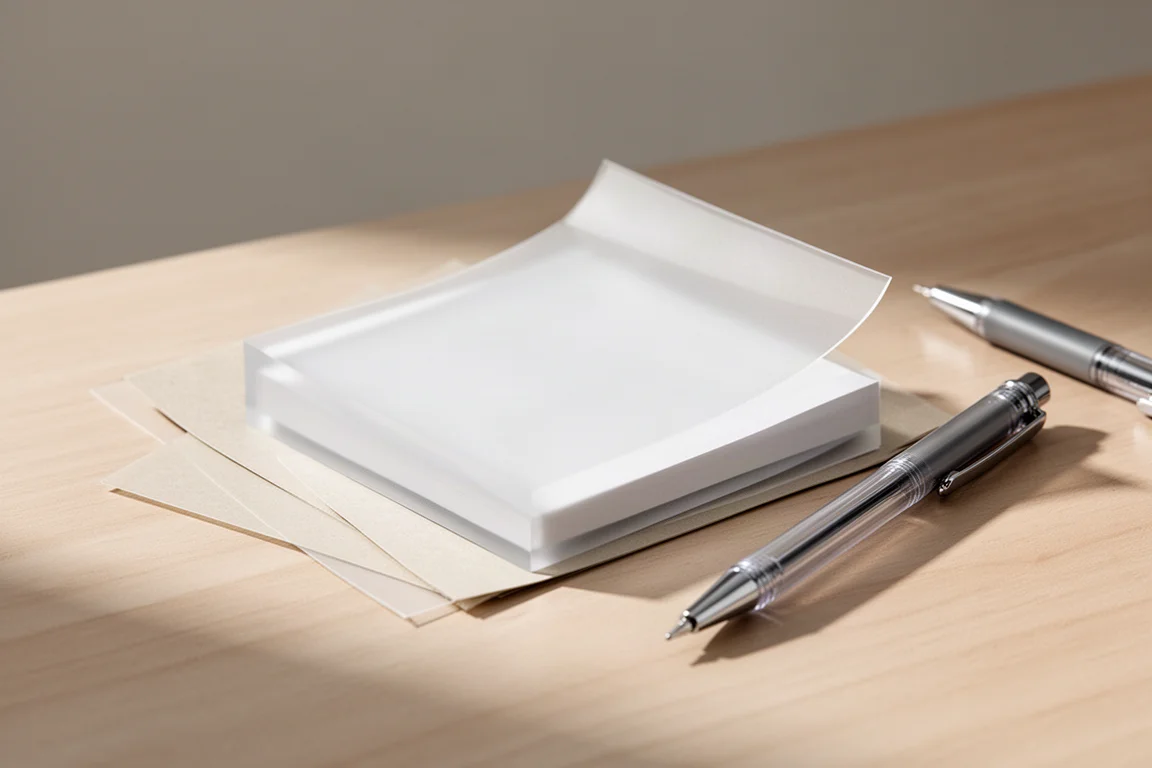
To avoid forgetting everything by the time class starts, mark up the text as you go and summarize your thoughts on a sticky note at the end of each chapter. For library books you cannot write in, translucent notes are the answer.
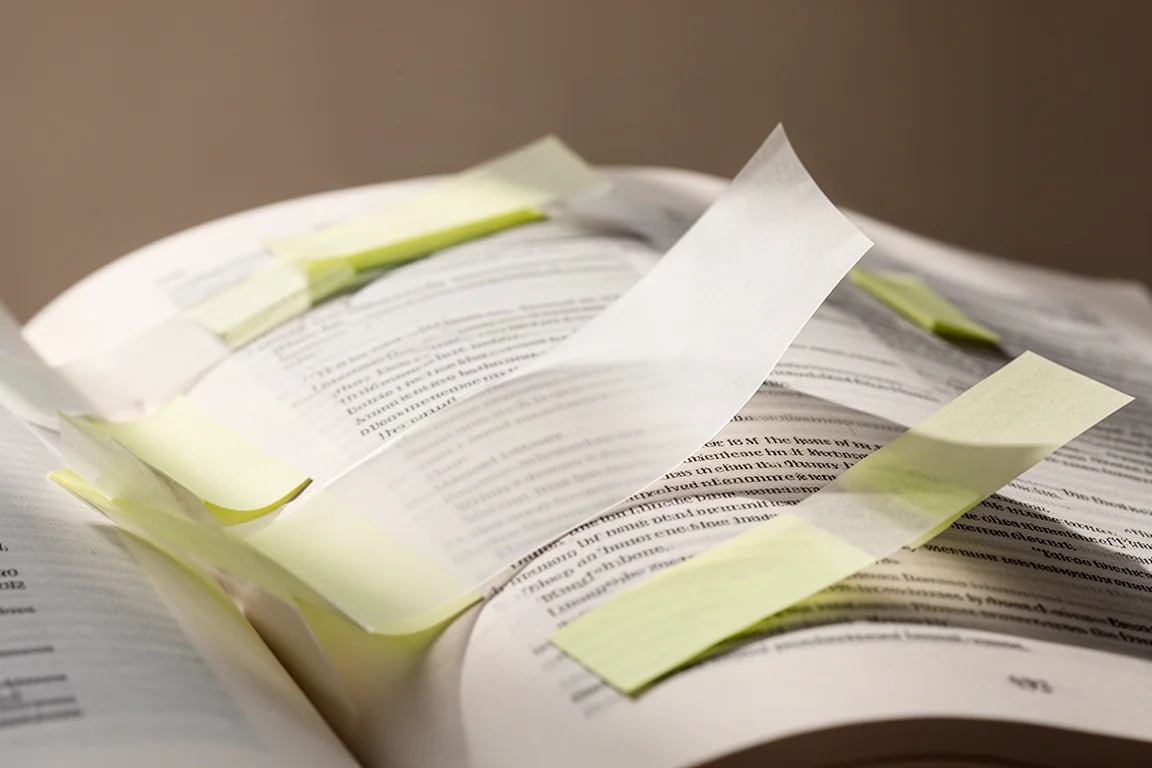
Stalogy Translucent Sticky Notes let you annotate while still seeing the text underneath, and they peel off cleanly when it is time to return the book.
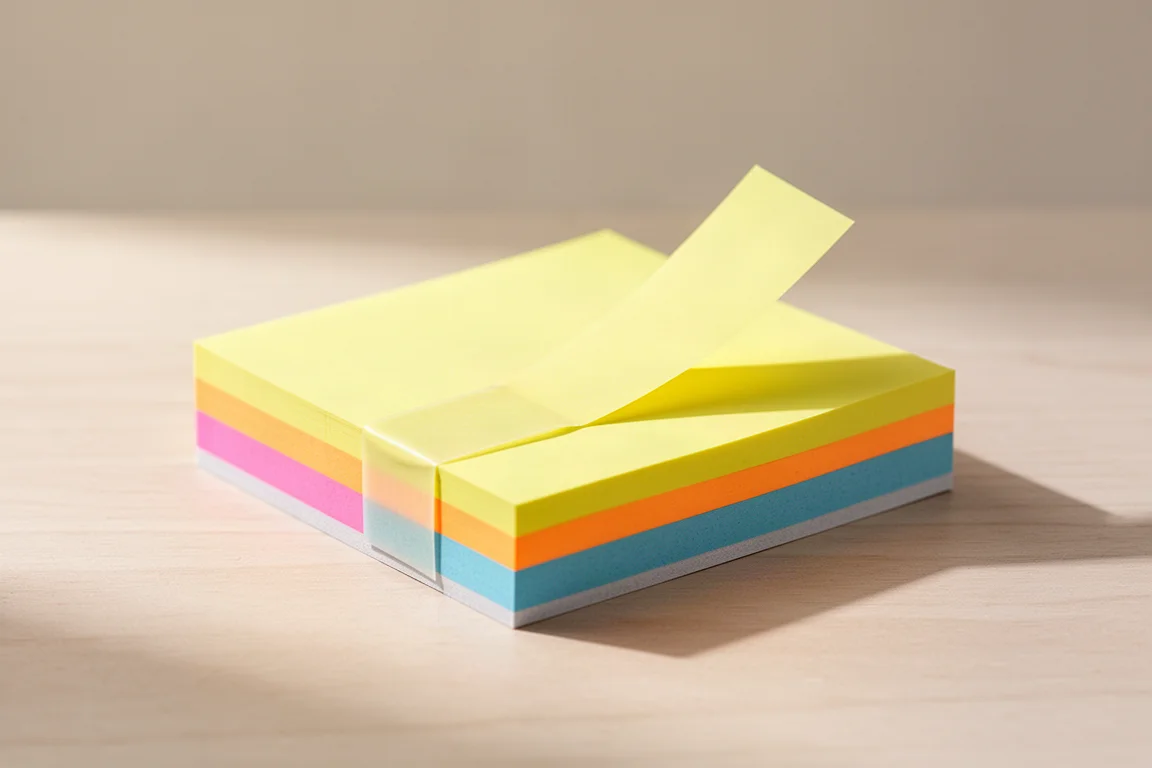
The Iconic Index Highlighter Sticky Notes serve the same purpose, combining tab-style indexing with annotation space for books you cannot mark up permanently.
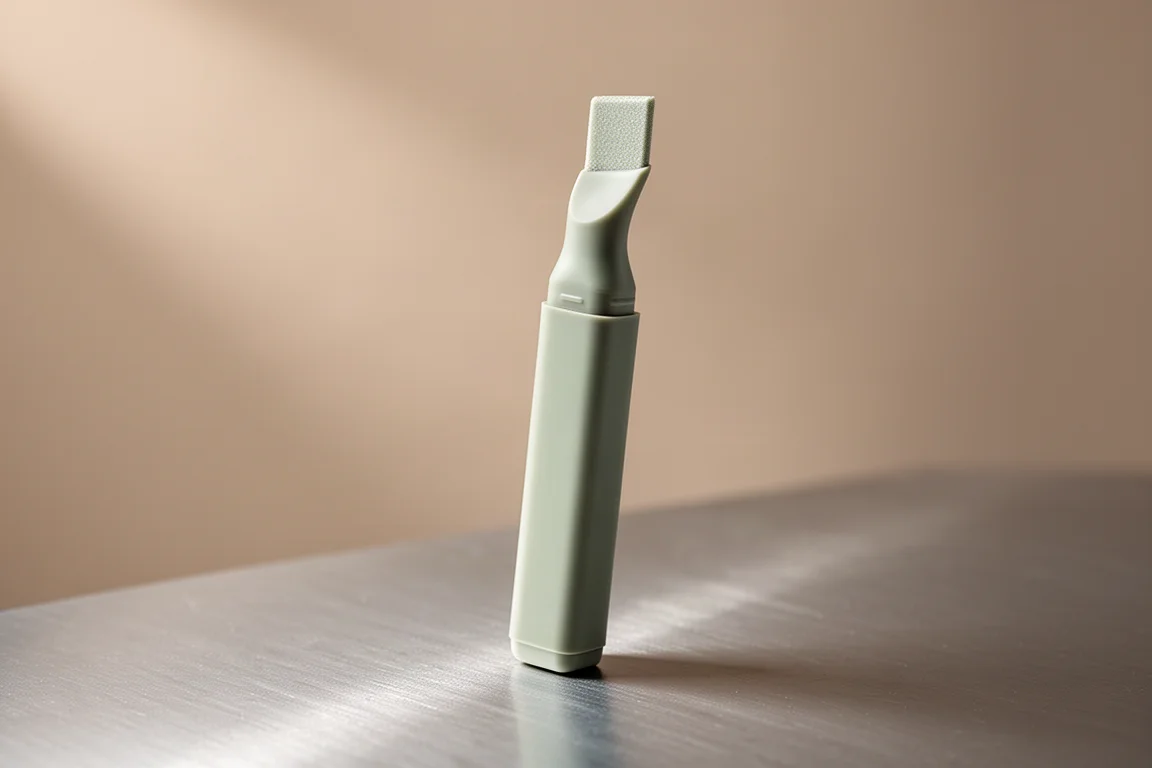
Highlighting while you read also keeps you focused. For precise highlights in thick textbooks, the Zebra Justfit Mojini Line Highlighter has a tip that flexes, keeping perfect contact with the page even when the surface curves. To keep your highlighting purposeful, color code definitions, conclusions, and problems you have made mistakes on.
3. Drill Practice Problems to Understand Tough Concepts
For working through endless practice problems, the Cansay Nu Board Whiteboard Notebook is a convenient pick. It is especially helpful for subjects like physics or chemistry, where you need to draw a lot of diagrams. When you get a question wrong, copy that problem and its solution into a separate notebook to reference later, so your notes stay focused on the areas you actually need to improve.
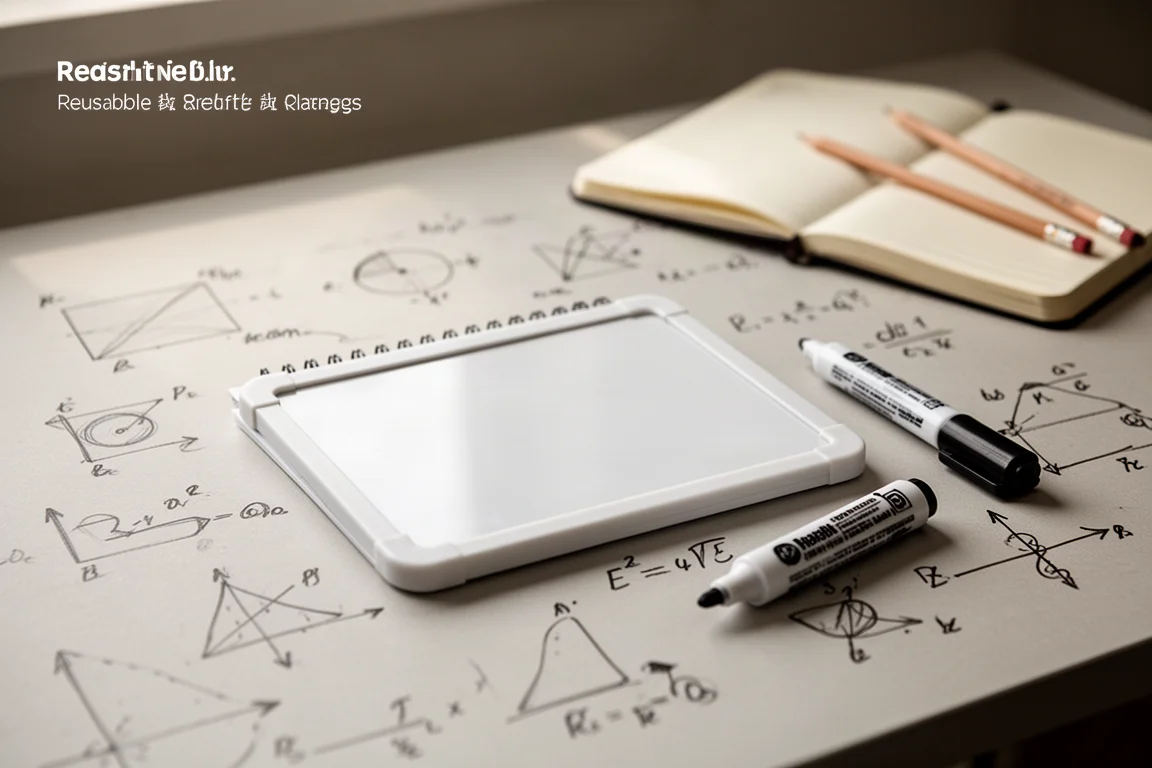
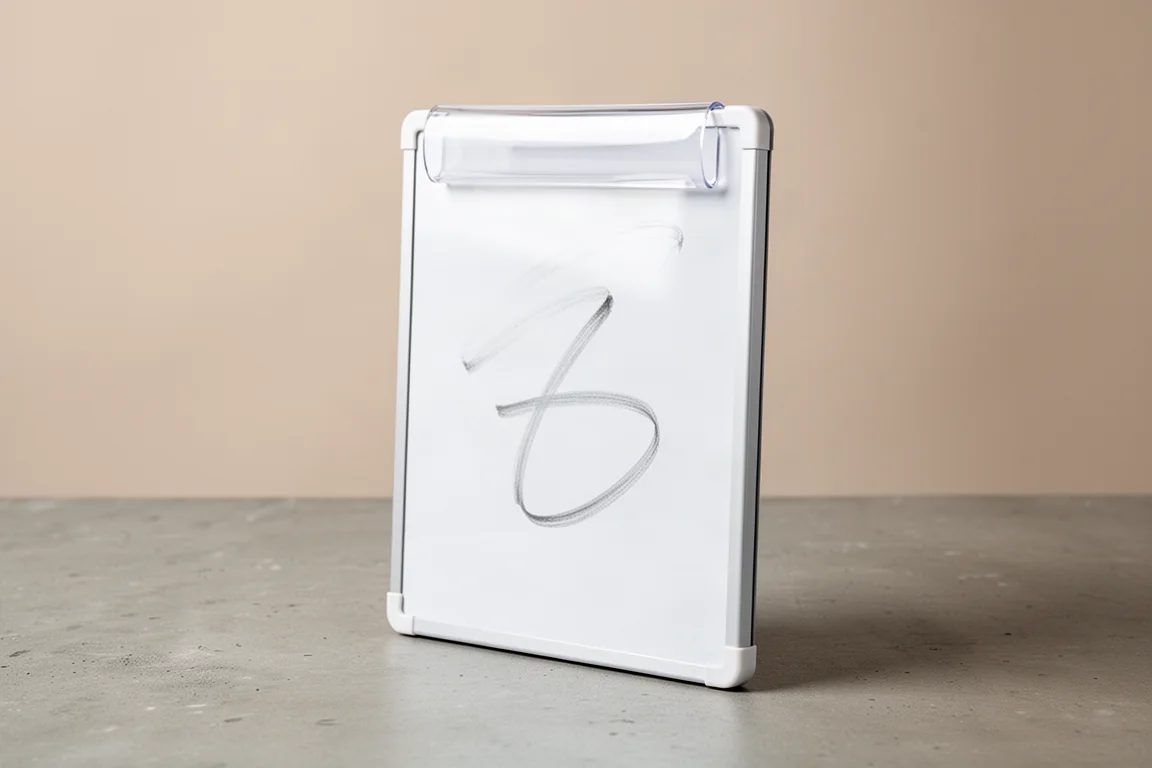
The Nu Board includes a whiteboard marker, but if you want more colors, the Pilot Board Master is worth a look. Its tips and ink cartridges are replaceable, so you will not have to buy new pens when they run dry.
4. Write Down Terms and Definitions to Strengthen Memory
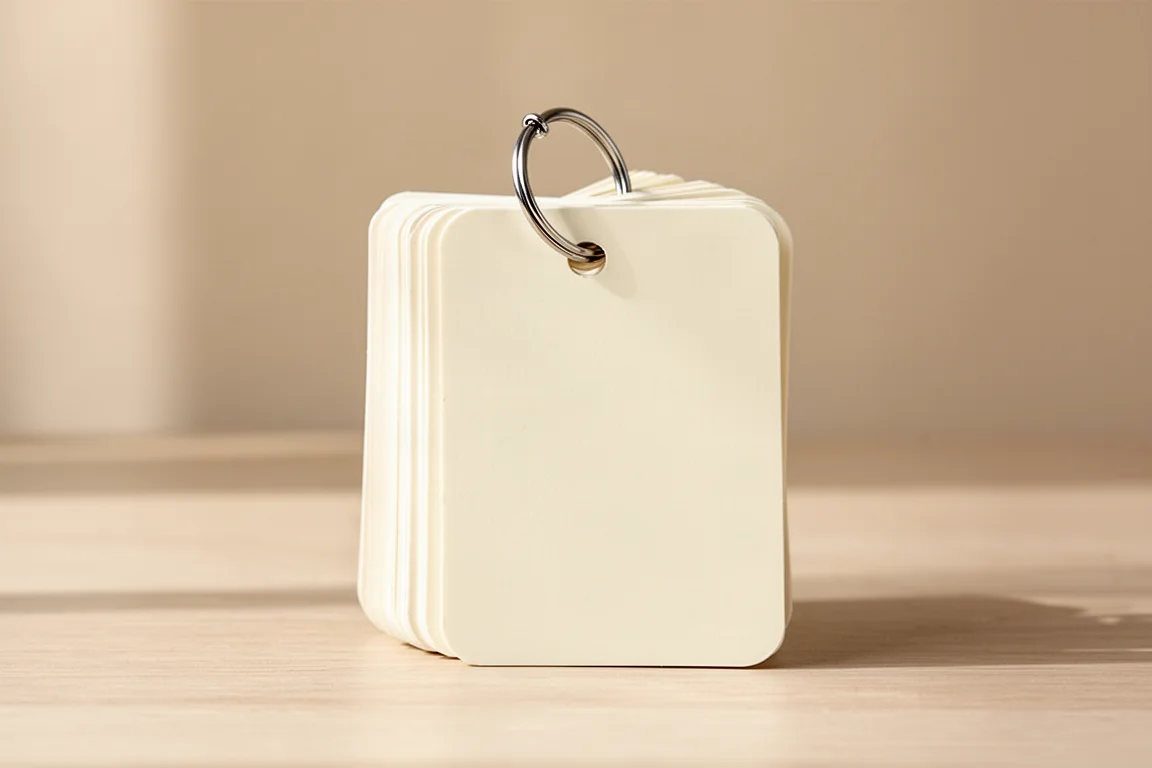
For memorizing vocabulary or history, writing terms and definitions by hand helps improve memory retention. Jot your vocab onto the Kokuyo Campus Word Cards, which you can flip through easily while practicing.
The cards are bound with a flexible elastic ring that stretches around them to keep the pack together. That makes them very portable, so you can take them out to test yourself on the subway or while waiting at a cafe.
5. Take Practice Tests to Feel Comfortable on Exam Day
Even as exams like the SAT go digital, paper practice tests remain a good way to reinforce learning, and working on paper cuts distractions out of your study session. For multi-hour exams, a genuinely comfortable pen matters. Both of the following have supportive grips so your hand will not cramp up, and their inks dry quickly, so you do not have to worry about smudging your responses.
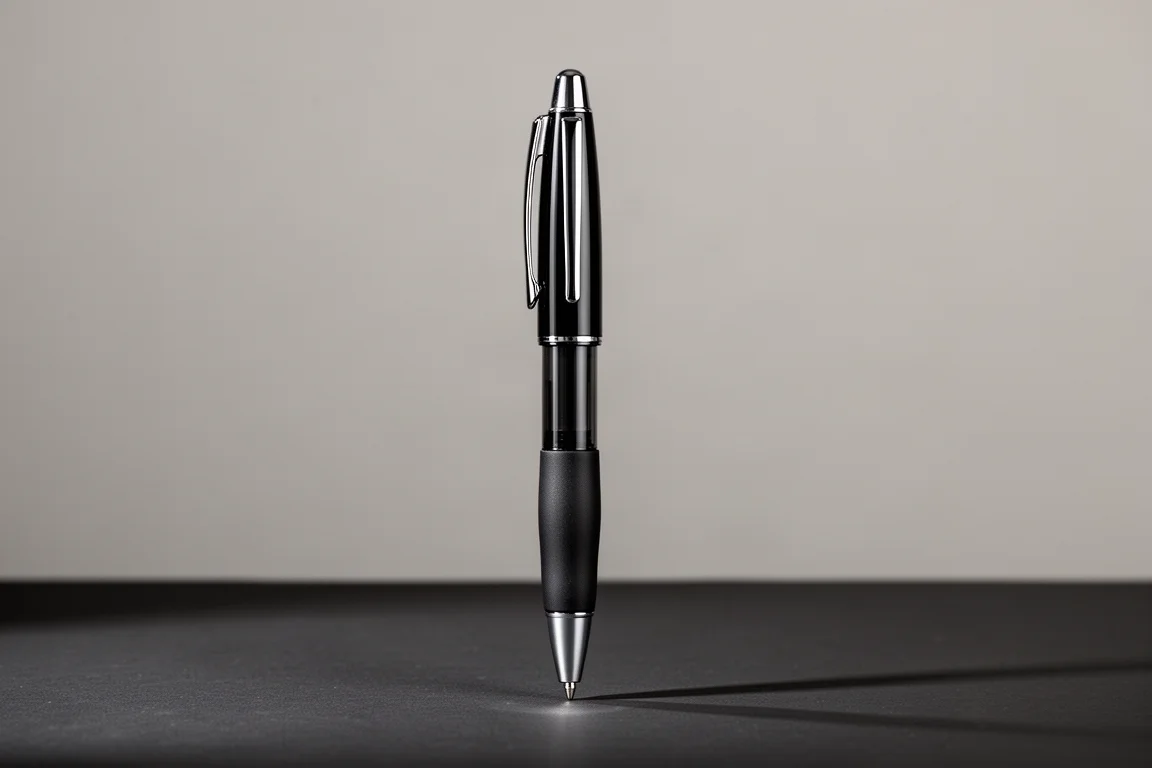
The Uni Jetstream Alpha Gel Grip Ballpoint Pen is one solid option for long test sessions.
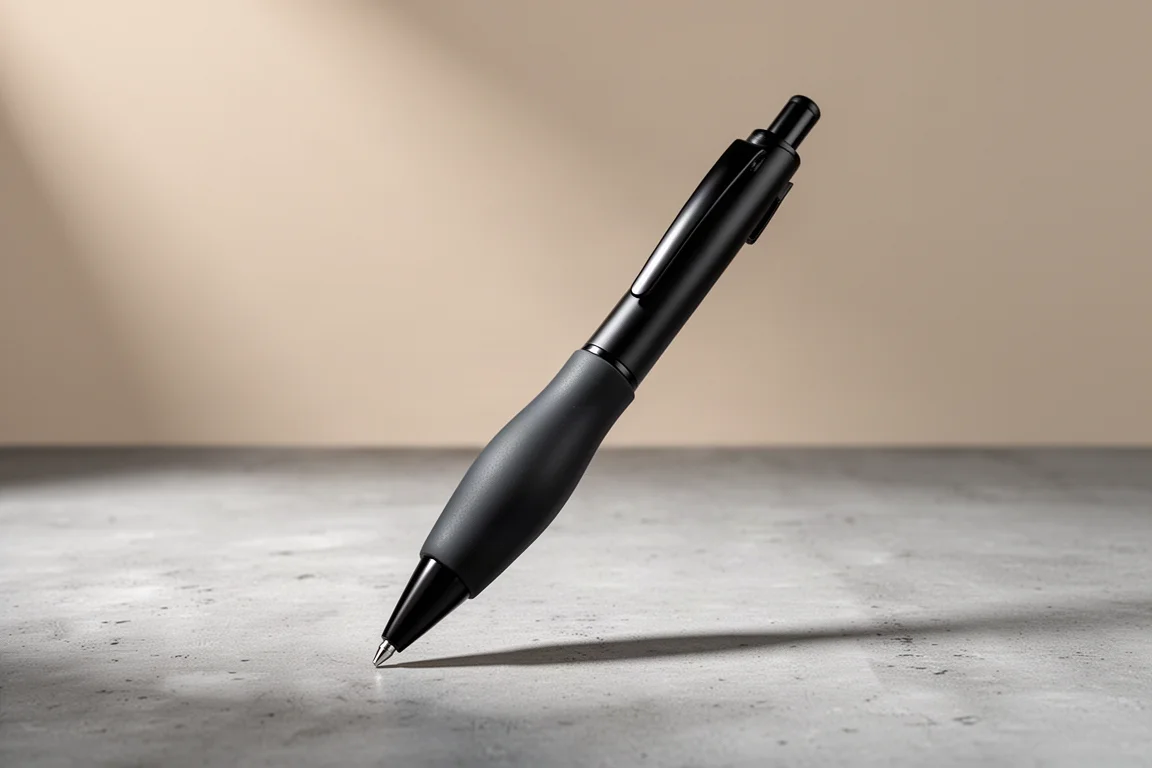
The Uni-ball Signo 207 Premier Gel Pen offers the same comfortable-grip approach with a gel ink formula.
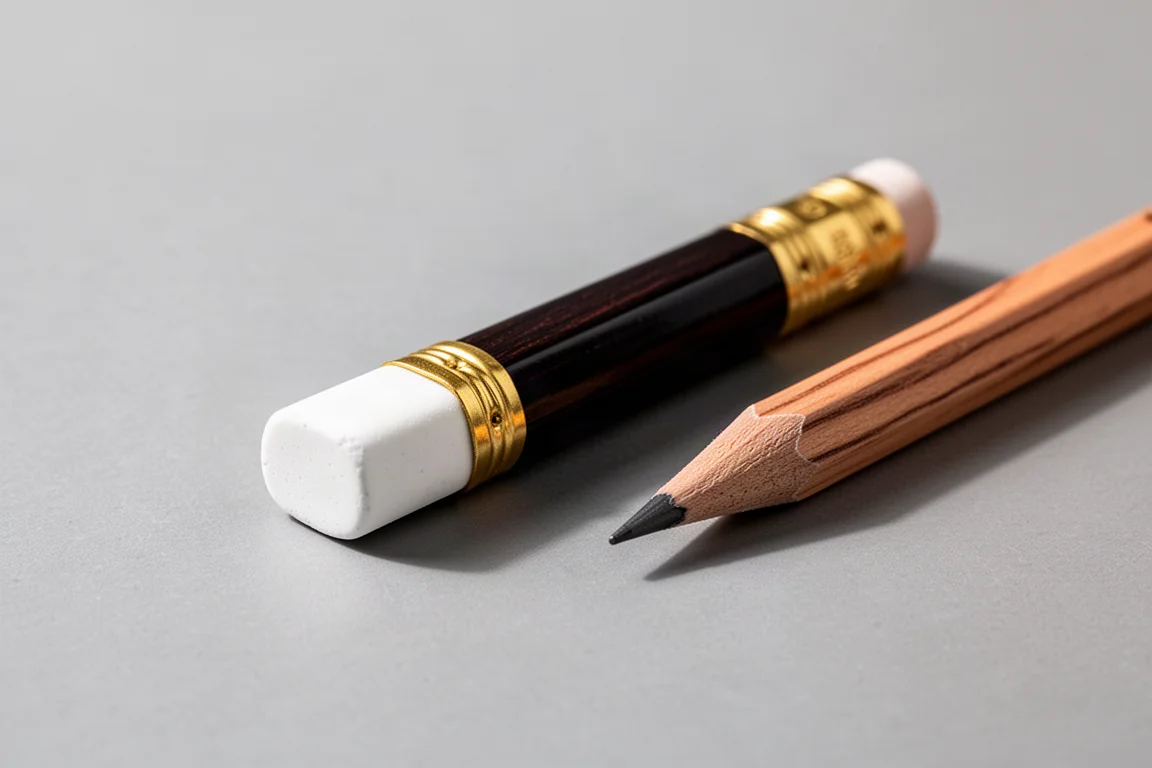
Most multiple-choice exams must be taken with a number two, also known as HB, pencil. The Uni Mitsubishi 9850 Pencil has smooth, dark lead that is easy for scanners to read, and its attached eraser works well.
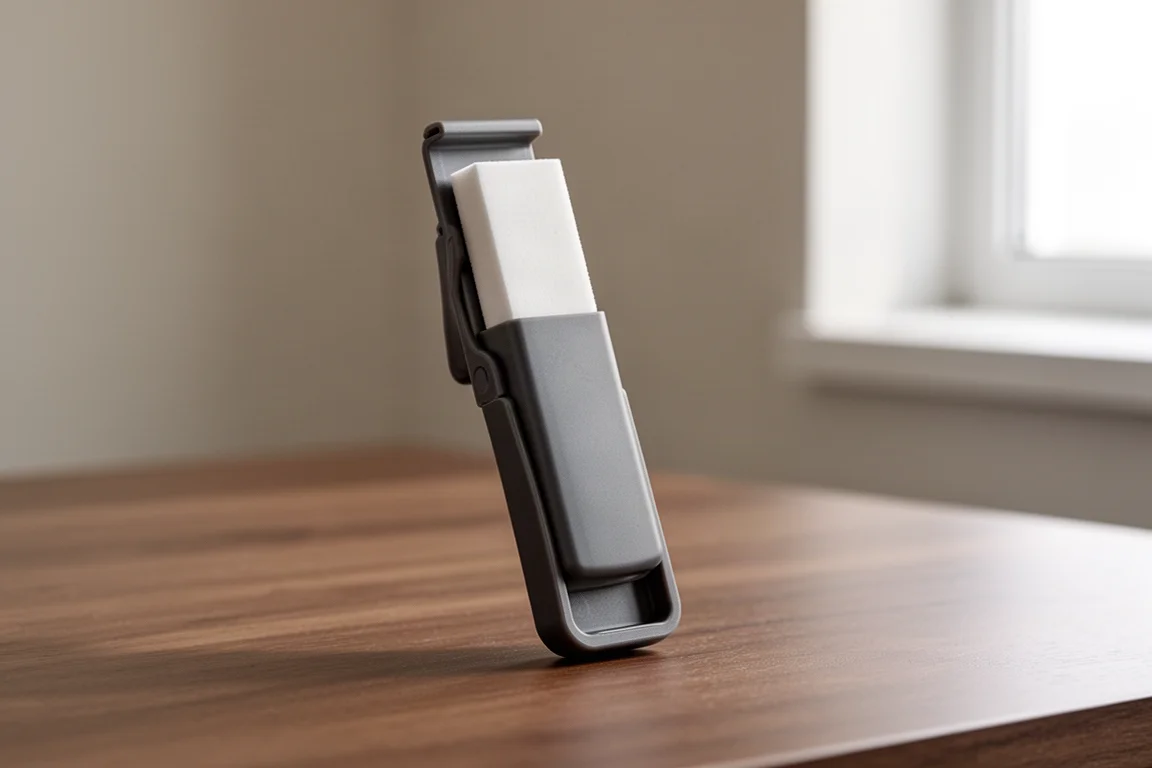
Even so, a separate eraser is still recommended. The Tombow Mono Stick Eraser helps you avoid accidentally erasing a bunch of answer bubbles at once, which is an easy mistake to make under time pressure.
Overall Buying Advice
You do not need all eleven tools to study well. If you pick selectively: a planner if scheduling is your weak point, translucent sticky notes if you rely on library books, a whiteboard notebook if your subjects are diagram-heavy, word cards if memorization trips you up, and comfortable writing tools for long practice sessions.
Conclusion
Good test prep stationery is about lowering friction: realistic schedules, annotations you can remove, reusable scratch paper, portable flash cards, and writing tools that stay comfortable for hours. Match each product to the habit you struggle with most, and your summer study sessions should feel a lot more sustainable.
Further reading
Related Reviews
Stationery
Musgrave Pencils Review: Four Classic Pencils from Tennessee's Last Pencil Factory
We put four Musgrave pencils to paper, from the classic Harvest to the Unigraph 1200 drawing pencil, to see what a century-old Tennessee workshop can still do.
Stationery
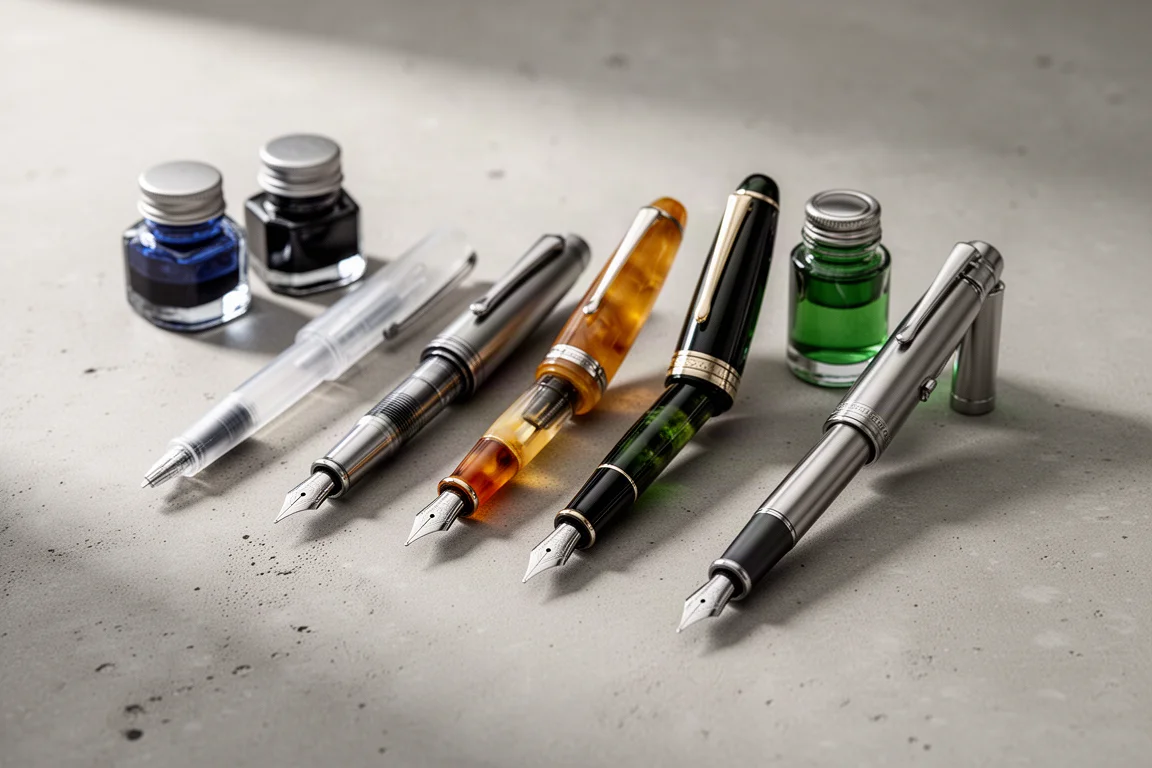
Fountain Pen Tiers Explained: From Starter Pens to Luxury Grails
A practical overview of the different levels of fountain pens and inks, from a sub-$20 starter setup to Italian piston fillers and retractable gold-nib everyday carries.
Stationery
HP Premium 32 lb Copy Paper Review: A Fountain Pen Friendly Everyday Printer Paper
A heavy, smooth 120 GSM copy paper that handles fountain pens far better than standard printer stock, with only minor trade-offs in shading and sheen.