Stationery
Best Student Fountain Pens: Lamy Safari, Pilot Metropolitan and TWSBI Eco Compared
Three fountain pens under $30 CAD that handle lecture-hall note taking, with their strengths, weaknesses, and one out-of-the-box bonus option.
Introduction
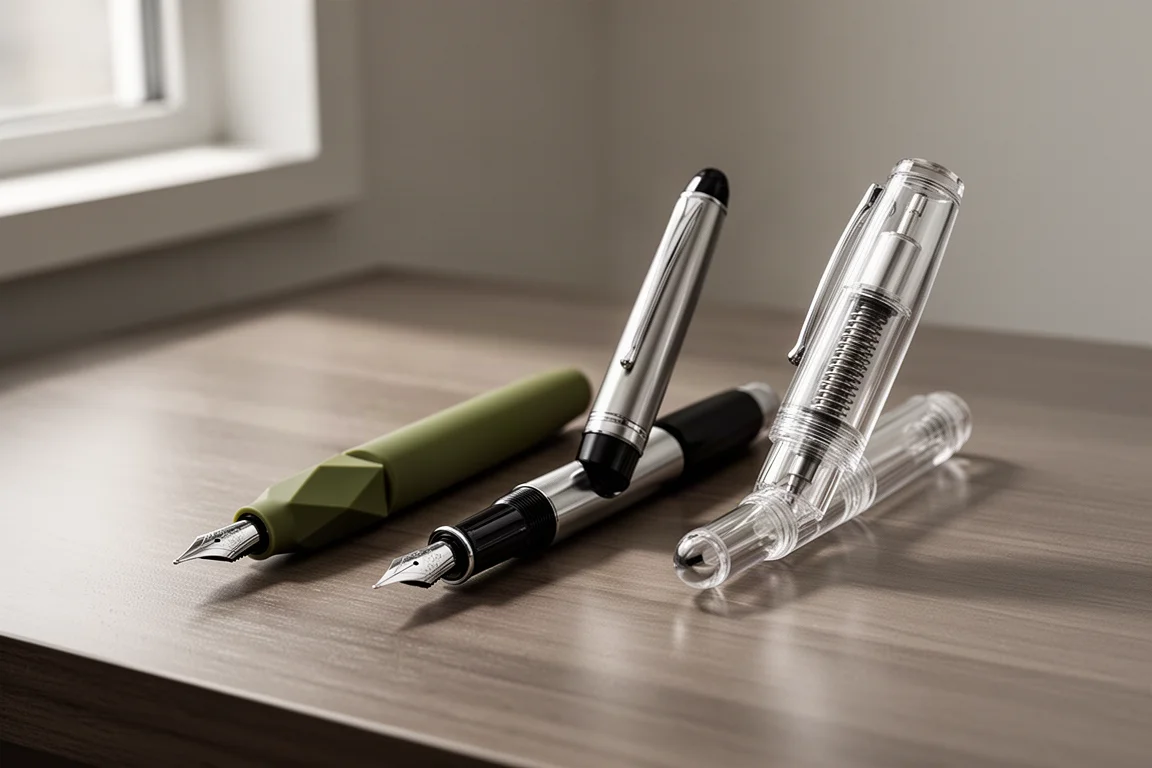
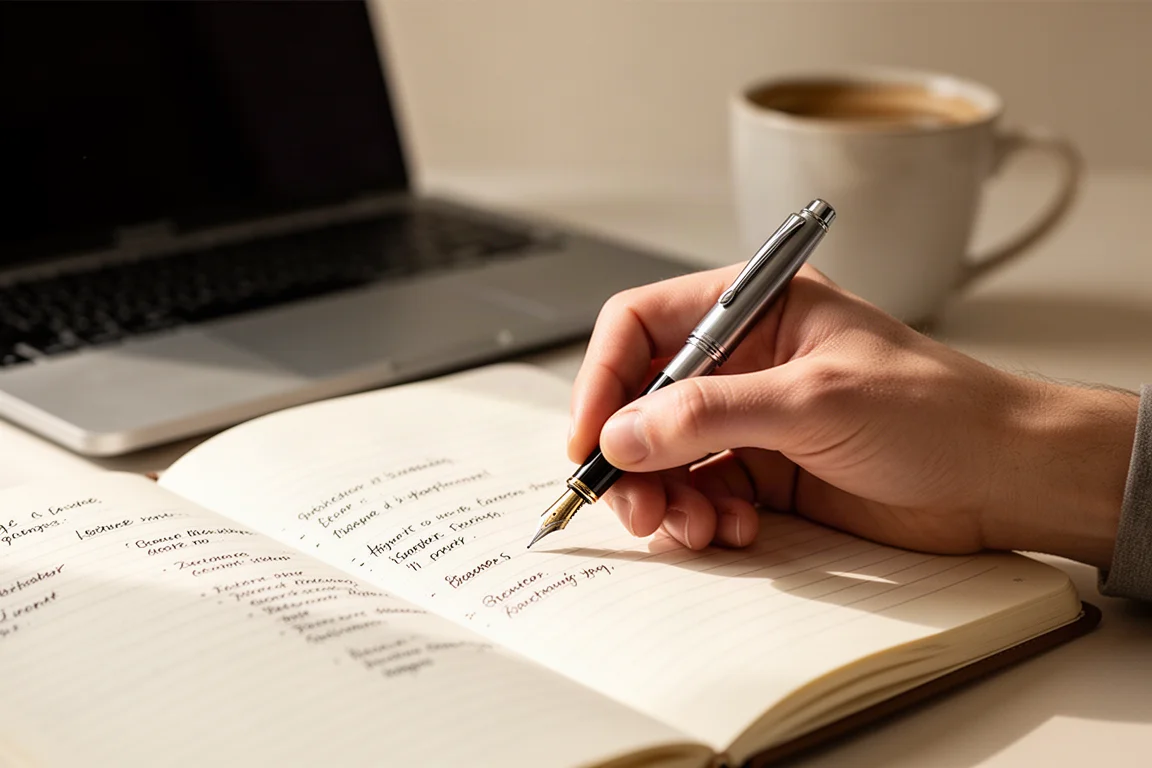
Finding a fountain pen that survives a full semester of note taking is harder than it sounds. It needs to be affordable, tough, comfortable over long writing sessions, and easy to refill between classes. Three pens keep coming up as the standard answers for students, and for good reason: all three sit comfortably under $30 CAD, all are proven daily writers, and each takes a slightly different approach to the same job. Here is how they compare, plus one unconventional bonus option at the end.
Evaluation Criteria
For student use, the priorities are practical rather than exotic. A good student pen should be robust enough to survive being knocked off a desk, light enough not to fatigue your hand during hours of writing, and reliable enough that the feed keeps up during fast note taking. Refilling matters too: swapping a cartridge in the middle of a lecture is realistic, uncapping a bottle of ink is not. All three picks below stay under $30 CAD, because dropping a large sum on a pen you carry to class is a risk most students do not need to take.
Lamy Safari
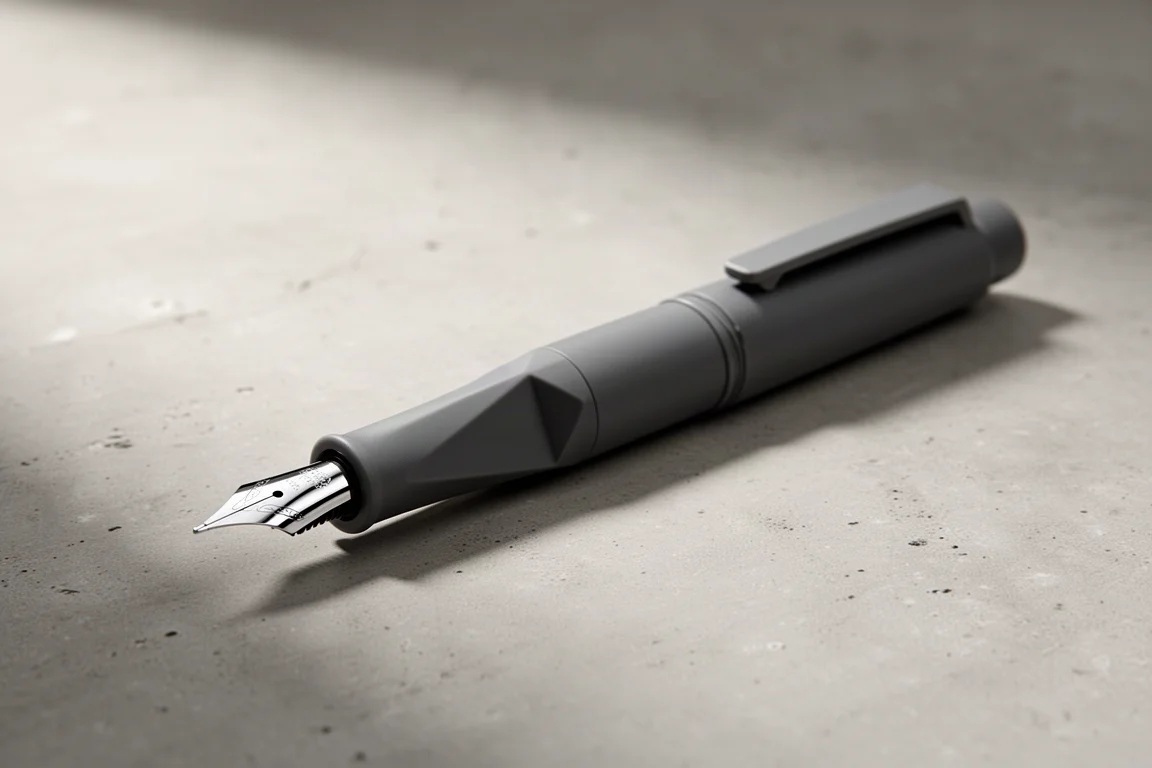
The Lamy Safari is the classic student pen, and it has been around long enough to earn that reputation. This ABS plastic version in an olive-green finish is one of many colour options, and aluminium Alpine variants exist as well. It typically sells for around $28 CAD. The Safari is genuinely tough; the hard plastic does not crack easily, and the feed is consistent, with no ink starvation even during long note-taking sessions. The ink window is a real student benefit: you can check ink levels before class without opening the pen.
The trade-off is the section. Its hard faceted grip is polarizing; some writers find it uncomfortable, so it is worth trying in person if you can. The other downside is proprietary cartridges and converters, so the ubiquitous standard international short cartridges are not an option. As a writer, it is pleasant and fairly wet, with a touch of feedback on the black nibs. Avoid washable blue ink for class notes, since a spilled coffee would erase them.
Pilot Metropolitan
The Pilot Metropolitan takes a different approach with a round section that most people find comfortable, and a fine Japanese nib that writes like a western extra fine. That extra fineness means you can fit a lot of notes on a single page before re-inking. The barrel and cap are metal, so a roll off a desk in class is unlikely to crack them, yet the pen remains very light and will not tire your hand during long lectures. The plastic section is the one part that could crack, but it takes real abuse to manage that.
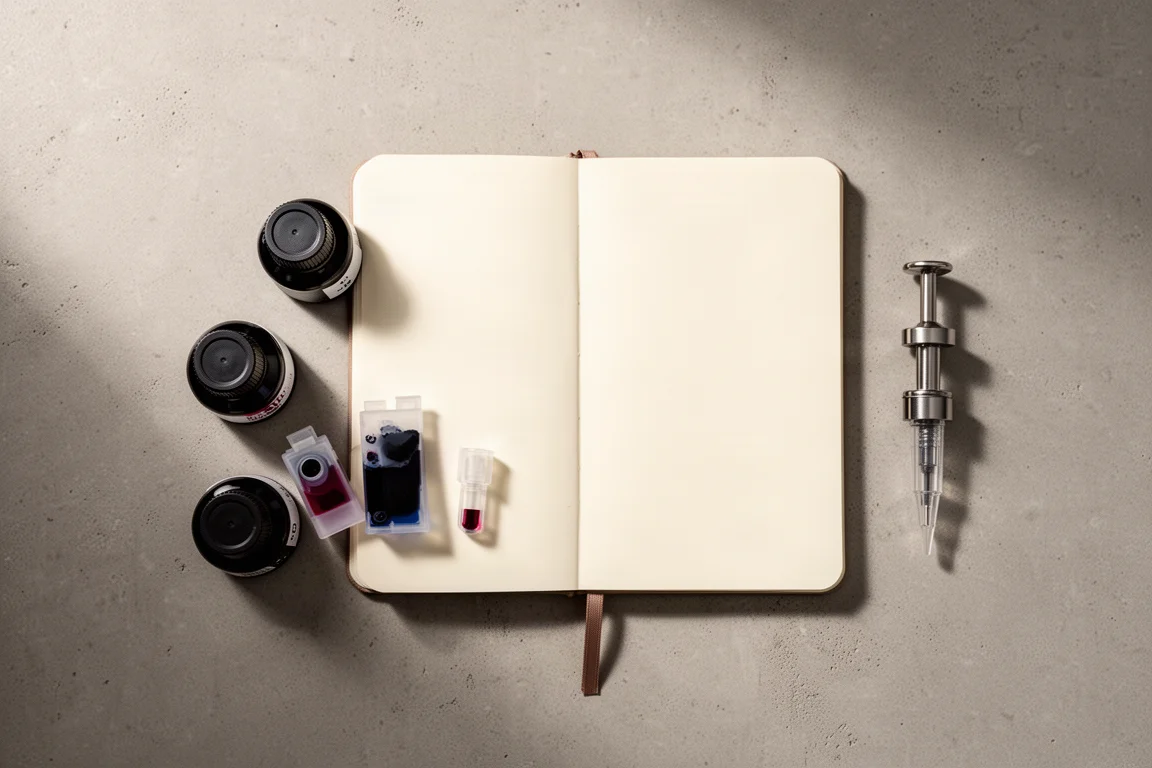
Its feed keeps up well with ink flow, and nibs are easy to swap if you want a different writing character later. The downside mirrors the Safari: proprietary cartridges and converters, so standard international short cartridges are not compatible. The squeeze converter is easy to fill, but cartridge swapping remains the classroom-friendly option. Of the three, this is a very strong personal pick if you want something more neutral than the Safari’s faceted grip.
TWSBI Eco
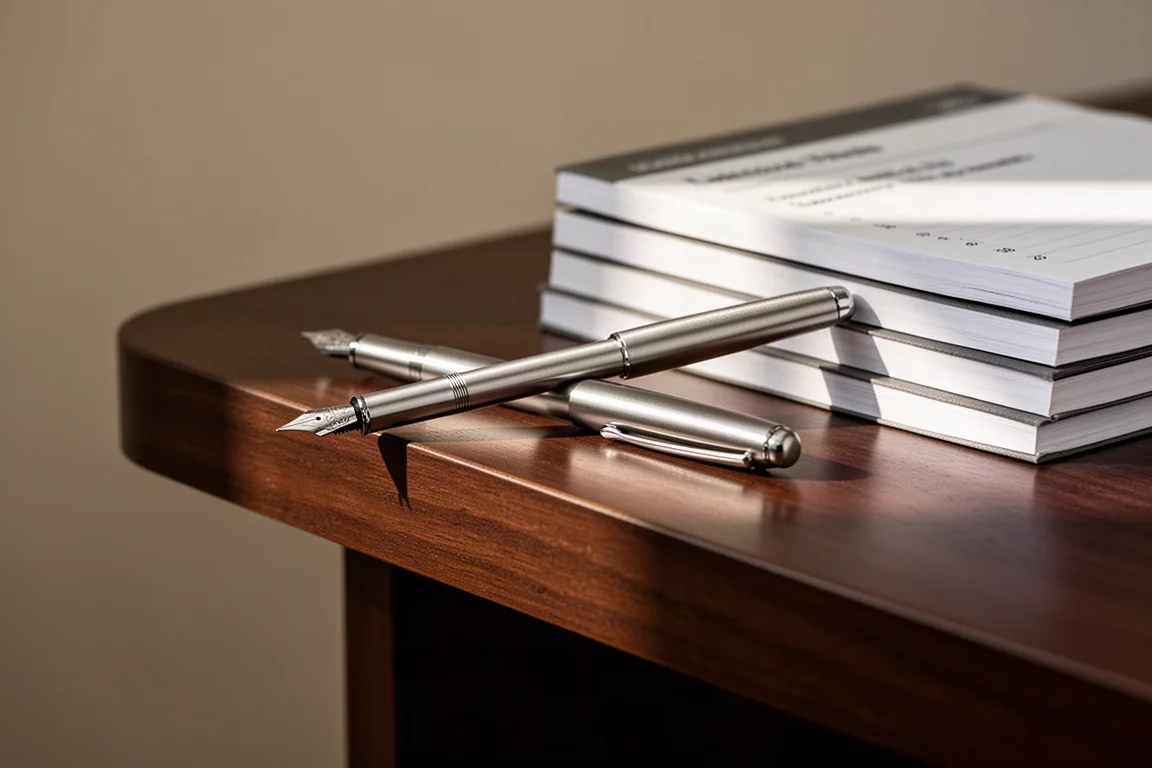
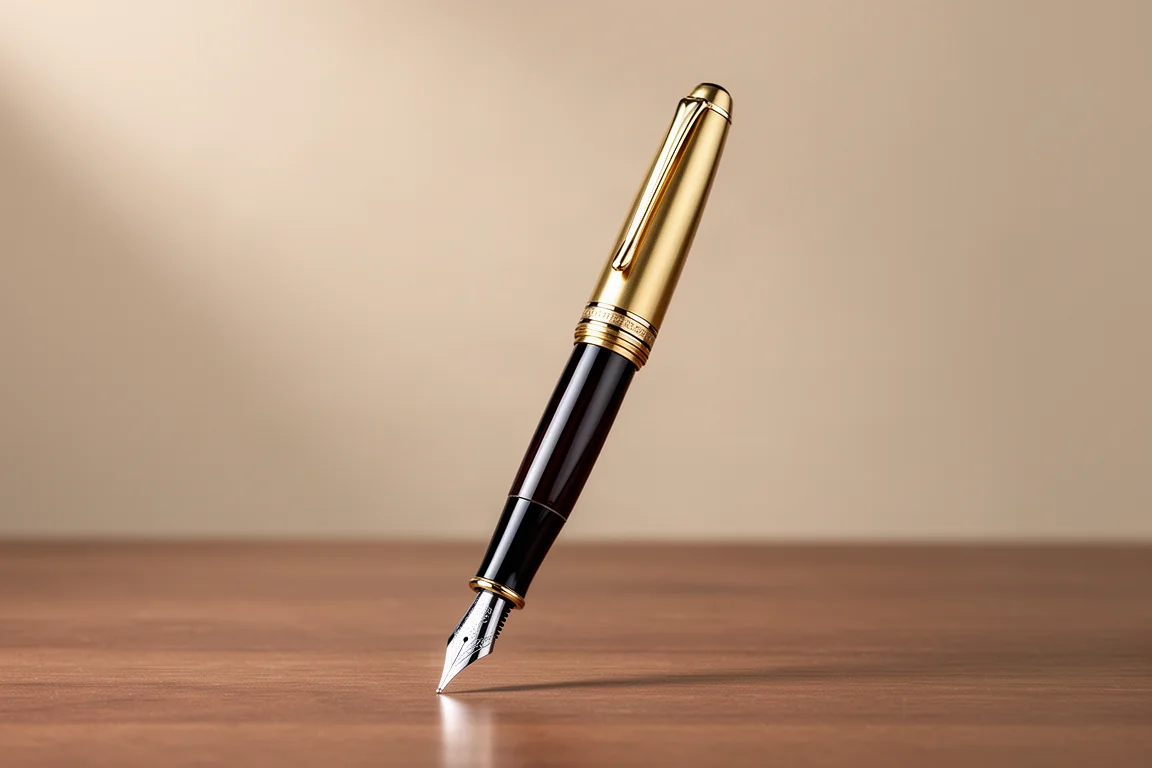
The TWSBI Eco also sits around the $30 CAD mark, and its headline advantage is capacity. The large built-in spring-loaded piston converter holds a lot of ink, so the pen keeps writing for a very long time. The section is comfortable, with a hint of faceting that makes it slightly more prescriptive than the Metropolitan’s round grip. It is plastic, so it is somewhat more crackable than the metal-bodied Metropolitan.
The catch is that it is a cartridge-hard pen in practice: it really wants bottled ink, which is awkward in a lecture hall. If you prefer cartridges, the Safari or Metropolitan are easier choices. The Eco is also the wettest writer of the three, which is pleasant but worth being aware of when taking notes. It comes in a full range of nib options, and something in the fine range suits student work best for fitting more onto each page.
An Out-of-the-Box Bonus: The Eternal Writer
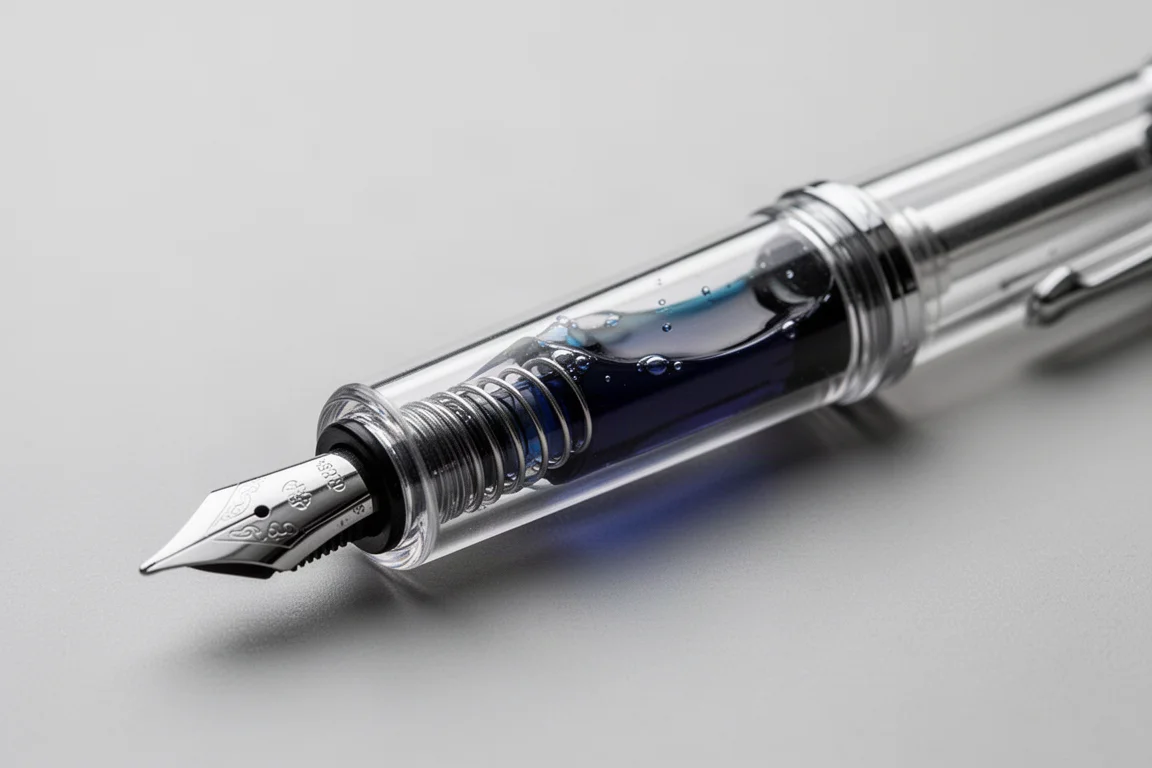
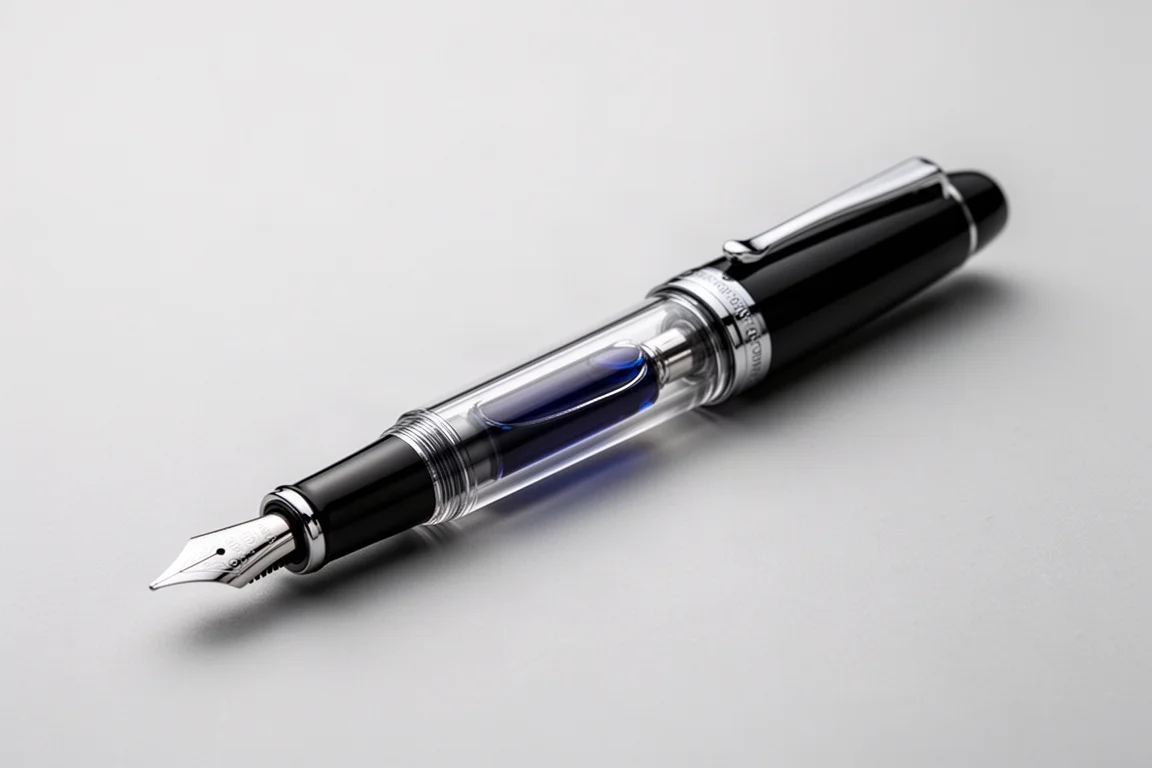
For something genuinely different, consider a writing instrument in the spirit of the Pininfarina-designed eternal writer. At around $150 CAD, this is not really a pen nor a pencil: its metal tip writes most like a pencil, leaving a faint mark that can be partially erased. It never runs out, so it will keep writing through your entire studies without any refill. It is not the most practical student choice, and the faint line can be hard to see on some paper, but if the fear of running dry mid-essay is real for you, it is a fun conversation piece.
Buying Advice
If you want the most neutral, comfortable grip and very fine lines, the Pilot Metropolitan is the pick. If you value toughness and an ink window and can tolerate the faceted grip, the Lamy Safari is a proven classic. If you write heavily and want maximum ink capacity from a bottle, the TWSBI Eco stands out. All three are affordable enough that trying the wrong one first is not a disaster.
Conclusion
Student fountain pens do not need to be expensive; they need to be reliable, comfortable, and easy to live with. The Safari, Metropolitan, and Eco each cover a different priority, and any of them will outlast a semester of heavy note taking. Choose based on how you write, not just how the pen looks, and you will have a pen that lasts well past graduation.
Further reading
Related Reviews
Stationery
Musgrave Pencils Review: Four Classic Pencils from Tennessee's Last Pencil Factory
We put four Musgrave pencils to paper, from the classic Harvest to the Unigraph 1200 drawing pencil, to see what a century-old Tennessee workshop can still do.
Stationery
Fountain Pen Tiers Explained: From Starter Pens to Luxury Grails
A practical overview of the different levels of fountain pens and inks, from a sub-$20 starter setup to Italian piston fillers and retractable gold-nib everyday carries.
Stationery
HP Premium 32 lb Copy Paper Review: A Fountain Pen Friendly Everyday Printer Paper
A heavy, smooth 120 GSM copy paper that handles fountain pens far better than standard printer stock, with only minor trade-offs in shading and sheen.