Air Tools
Best Stubby Air Impact Wrenches: Five Compact Impacts Tested Head to Head
Five compact air impact wrenches went through working torque, reverse max, and best-case-scenario testing to see which stubbies actually bring the power.
Introduction
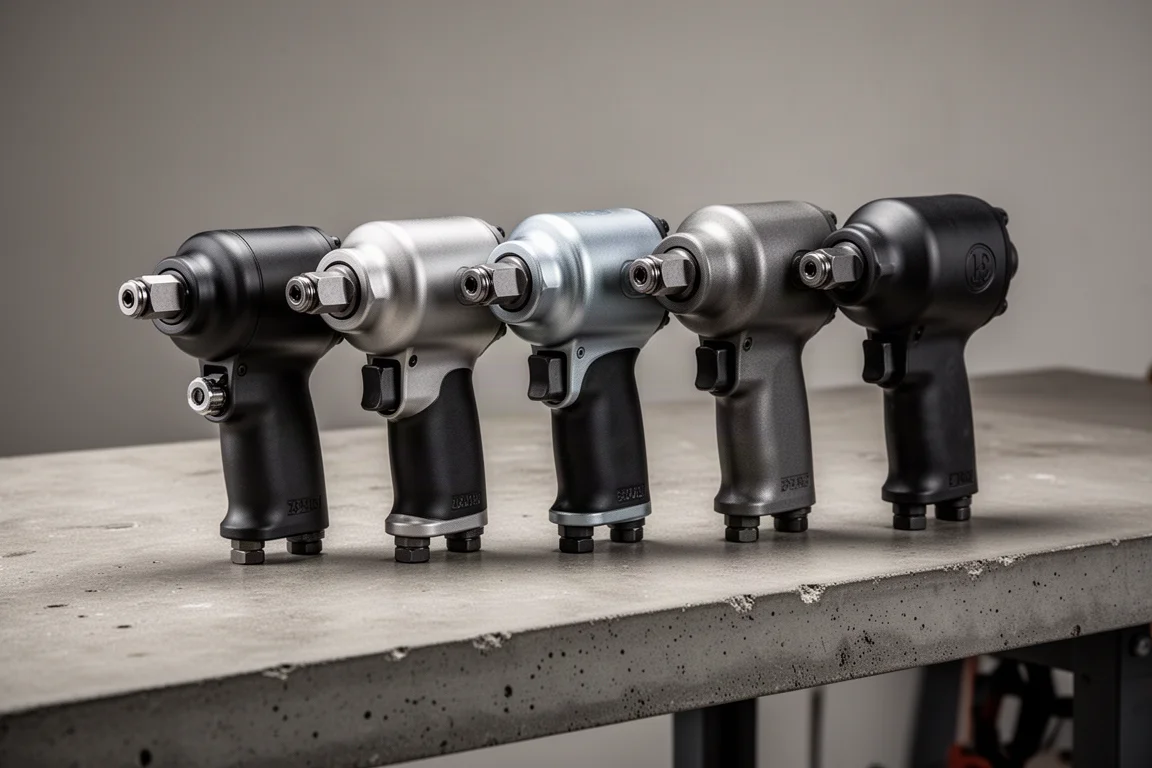
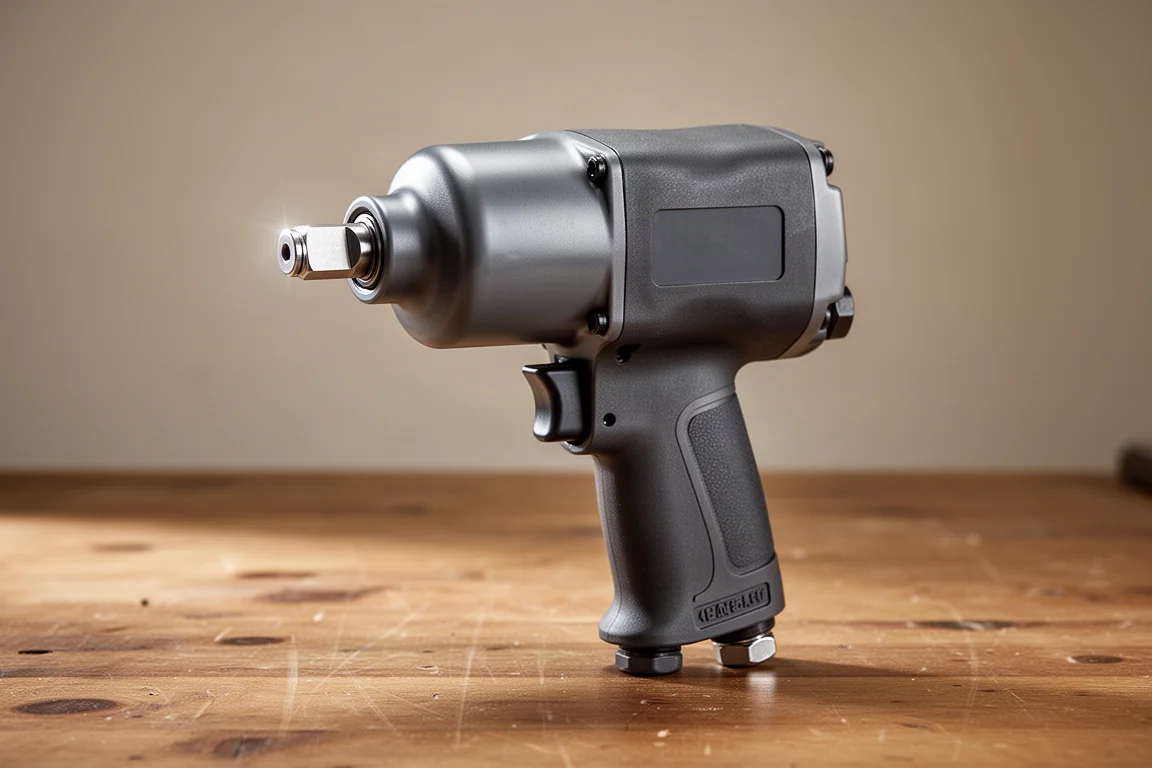
Stubby air impact wrenches have quietly become one of the most useful categories in the air tool world: short enough to squeeze into tight chassis and engine bay clearances, yet still capable of serious torque. We ran five of the top contenders through a three-test sequence: a five-second forward working torque run, a ten-second reverse max torque run at 90 psi, and a best-case-scenario run at 150 psi of line pressure. The results included a few surprises, some genuinely odd behavior, and a clear sense of which tools earn their price.
A quick note on how we frame the numbers: advertised torque ratings vary wildly in method, so we score each tool on measured performance relative to price, size, and rating. Foot-pounds of torque per inch of tool length matters most for this category, since compactness is the entire point.
Chicago Pneumatic CP 7732C
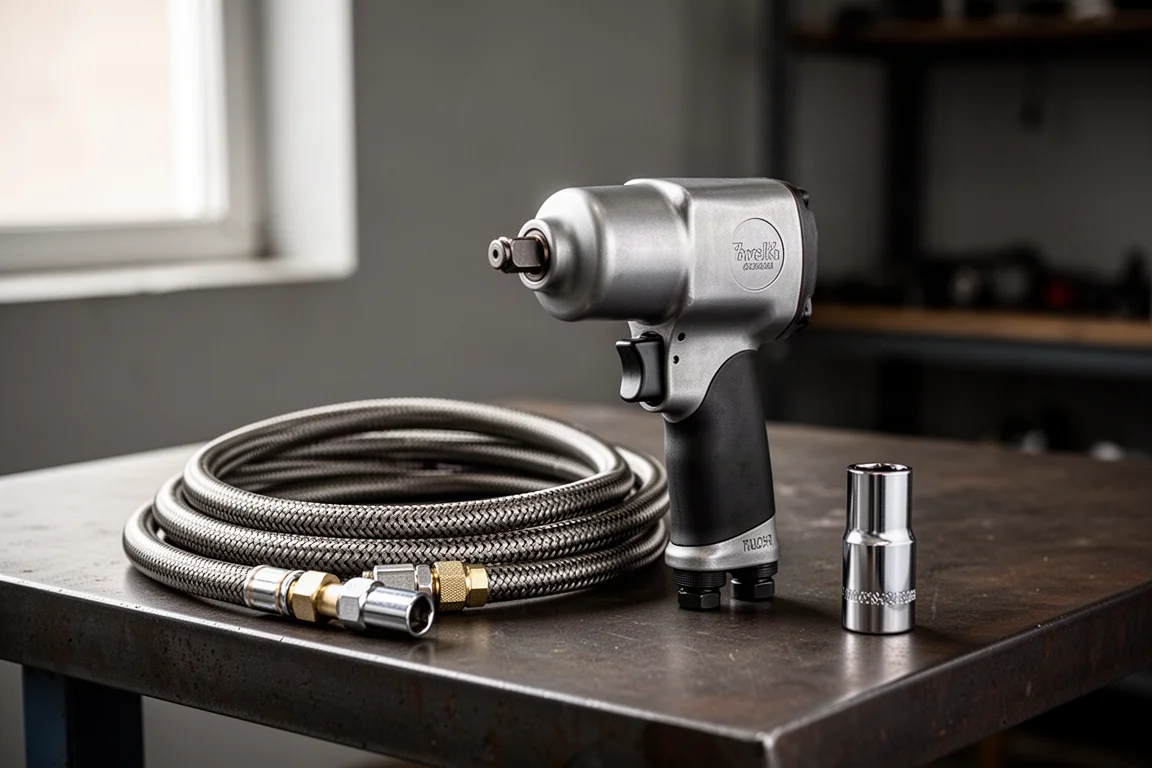
The CP 7732C is the newer composite version of the original air stubby that arguably kicked off the recent micro impact wave. It is slightly shorter than the older aluminum-bodied CP 7732, though a bit chunkier, and rates 460 foot pounds versus the previous generation’s 450.
In testing it made 186 foot pounds in forward working torque, close to the older model’s 220, which is a surprisingly low showing in this class. In reverse it managed 284 foot pounds, and at higher line pressure it woke up considerably, hitting 392 foot pounds with an erratic power curve. At roughly 10,000 rpm, this is a very high-speed motor.
One quirk to know: high rpm does not always mean high power here. Reverse-mode output was close between the two settings, and our purchased unit showed signs of a motor-to-endplate tolerance issue after repeated runs, bogging down even with pneumatic oil. Your mileage may vary, but that early-life friction concern is worth keeping in mind.
Ingersoll Rand 36Q Max
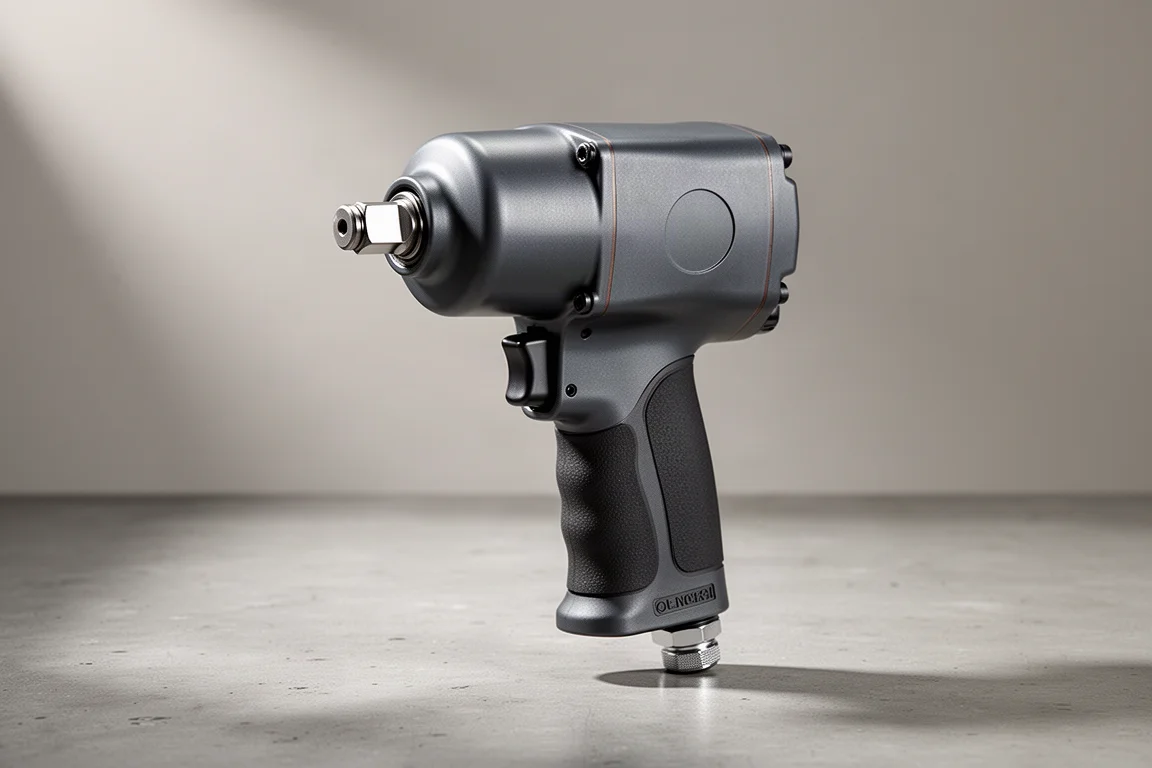
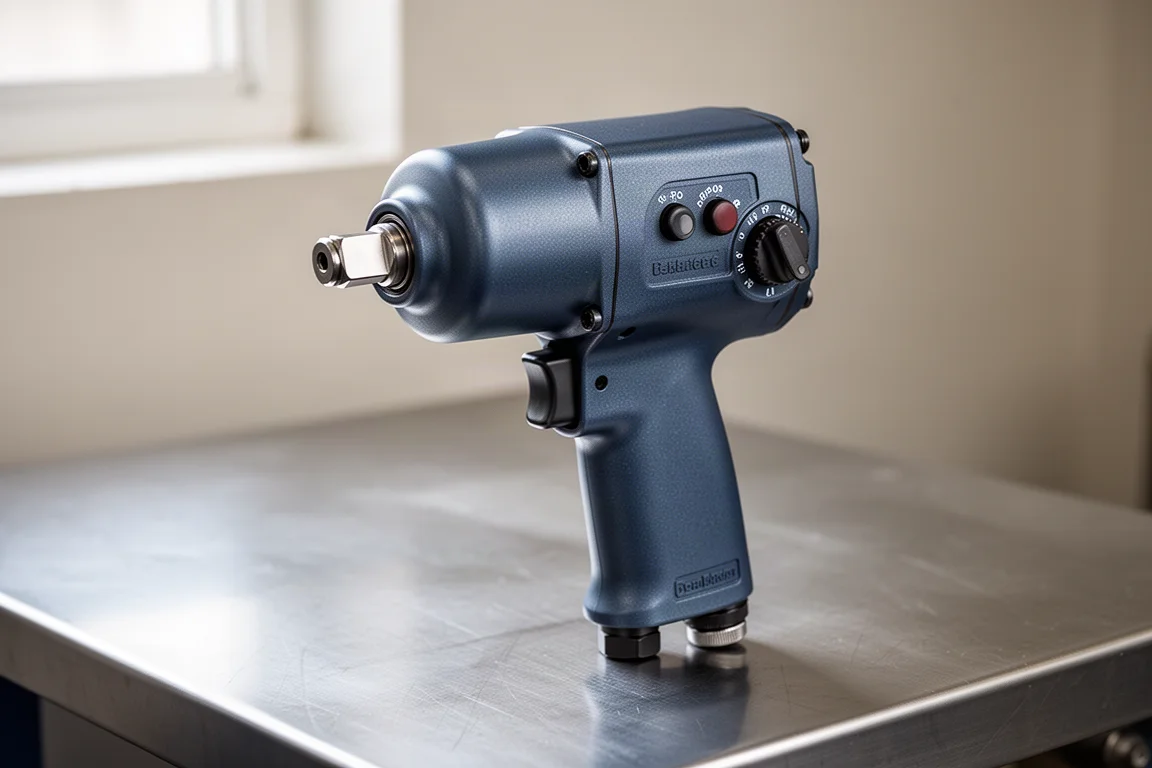
The 36Q Max is not the disappointing 35 Max tested previously. The Q stands for quiet, which for Ingersoll Rand often means a power downgrade, but this much later model claims a power upgrade: 470 foot pounds max and 640 foot pounds of nut-busting torque. It is also the only impact in this group made in China; the rest are made in Taiwan. It measures just 0.1 inches longer than its predecessor and carries easy-to-love push-button forward-reverse switches with a dial.
Measured performance: 217 foot pounds forward, 258 in reverse on high, and 392 at best-case pressure. That clears the old 35 Max but only barely, and still trails a cheaper classic CP.
Here is the catch, and it is a strange one: the low power setting actually runs at a higher rpm, around 8,050 versus 7,350, and produces more torque in reverse. In forward mode the behavior flips and high really is high. None of this is explained in the manual, and we suspect many buyers will never figure it out. If you buy this tool, test both settings in both directions.
Astro 1822 Nano V2
The Nano V2 is version two of the Astro 1822, upgraded from the original’s 450 foot pound rating to 500 while keeping the same 3.85 inch length, the shortest tool in this test. The upgrade work included a new seven-vane motor, opened-up exhaust passageways, and a higher-performance muffler, with parts validated through 5,000 back-to-back use cycles.
The numbers back it up. It posted 231 foot pounds in forward working torque, the highest of the day at that stage, 362 in reverse, and 415 in the best-case scenario run, well up from the previous version’s 382 peak. That works out to about 107.8 foot pounds per inch of length, the best power-to-size ratio in the group.
It also topped our all-time stubby rankings across every air and cordless stubby we have measured. If you want the most torque in the shortest, most affordable package, this is the one to beat.
Flexzilla AT1475FZ
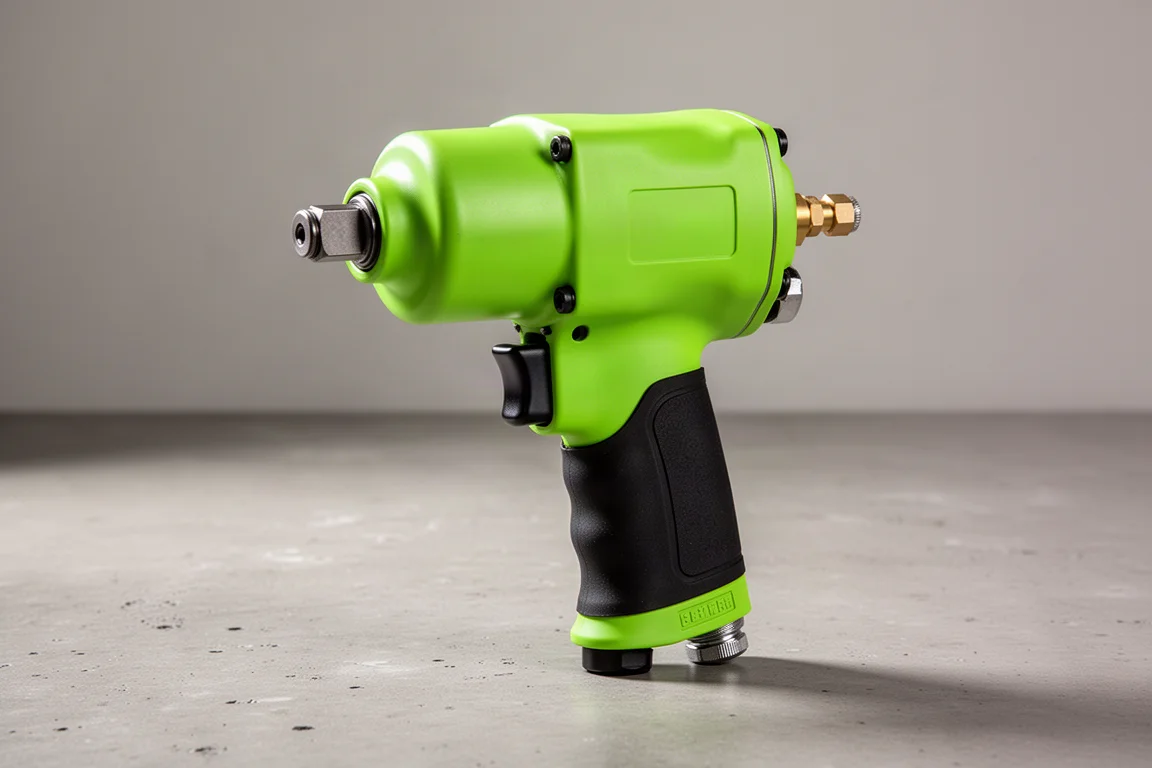
Flexzilla is a legacy of a hose brand, not a traditional air tool maker, so we were curious about the AT1475FZ. It rates 550 foot pounds and comes bundled with a Flexzilla air swivel, which performed well in past testing. It measures 4.4 inches long and wears that signature neon green, which looks great until you pick it up and it immediately collects grime.
Two things stand out. First, the forward-reverse switch takes an unusual amount of force to toggle. Second, like a premium tool-truck gun, it only truly wakes up at high line pressure: 172 foot pounds forward at 90 psi, but 396 at 150 psi, with strong reverse output of 289. If your compressor can sustain 150 psi at the wall, this gun punches well above its modest price. At 90 psi it will not come close to its potential.
Its advertised 800 foot pounds of nut-busting torque is a generous figure relative to what we measured, but at 550 max torque claimed it still represents solid value, scoring competitively in power per dollar.
Mac AWP050M
The Mac AWP050M takes top honors in several categories of this battle: highest price, highest rating, and, measured purely on power, the strongest tool of the day. It rates a breakaway figure of 635 foot pounds, and Mac advertises nothing else, which hurts it in our points scoring since we cannot compare fairly on other figures. Sibling models sold under other tool-truck brands are similarly tight-lipped.
Performance backs up the premium positioning: 263 foot pounds forward, 371 in reverse, and 398 at best-case pressure, the highest opening hit of the group. Averaged as foot-pounds per second across a run, it out-powers every tool tested today and stands among the strongest stubbies ever measured. If you need to drive something like a wheel bearing press in a pinch, this is the tool for that job.
Where it falters is translation. On longer runs it cannot convert that opening burst into higher totals than the others, and at its price the value-per-dollar score is the lowest in the test by a wide margin. You are paying for raw power and brand, not balanced value.
Rankings and Overall Takeaways
Scoring measured forward, reverse, and best-case performance together with power per inch and power per dollar, the order came out as follows: the Astro 1822 Nano V2 leads on total points, followed by the Flexzilla AT1475FZ, then the original-style CP, the Mac AWP050M, and the CP 7732C and Ingersoll Rand 36Q Max trailing based on value.
Ranked purely on power, though, the Mac tops the field, and the Nano V2 remains the all-around champion of the stubby category across every air and cordless stubby tested to date. The Flexzilla deserves a specific caveat: with only 90 psi available it underdelivers, but with 150 psi at the wall it is a legitimate contender. The older aluminum CP still holds its own and is often available cheap, making it a sneaky-good buy when you find one.
Conclusion
Stubby impacts will not do everything a full-size wrench will, and none of these should be your only impact. But the category has matured, and a few clear picks emerge. The Astro 1822 Nano V2 is the best blend of size, power, and price. The Mac AWP050M is the pure power king if budget is no object. The Flexzilla rewards a high-pressure setup, the classic CP is a bargain find, and the Ingersoll Rand 36Q Max needs a patient owner who reads up on its confusing power settings before trusting it.
Further reading
Related Reviews
Air Tools
Getting More Power From Your Air Tools: Fittings, Swivels, and Setup Tips That Actually Work
A data-driven look at how much power standard and high-flow air fittings, swivels, buffer tanks, and hose sizing really add to impact wrenches and die grinders.
Air Tools
Air Impact Wrench Showdown: Matco MT3779 Rex vs Ingersoll Rand 2236 TiMax
Two next-generation half-inch air impacts go head to head, with one breaking new torque records and the other confusing us with swap-in anvils and backwards power modes.
Air Tools
Best Air Hammers 2026: Four Tested Short and Long Barrel Picks
We compare four air hammers across power, trigger control, and price, from an $18 Walmart short barrel tool to a new long barrel record-setter.