Stationery
Best Stationery for Project Planning: From Brainstorming to Follow-Through
Twelve analog tools that help you brainstorm ideas, build timelines, and stay on track from kickoff to completion.
Introduction
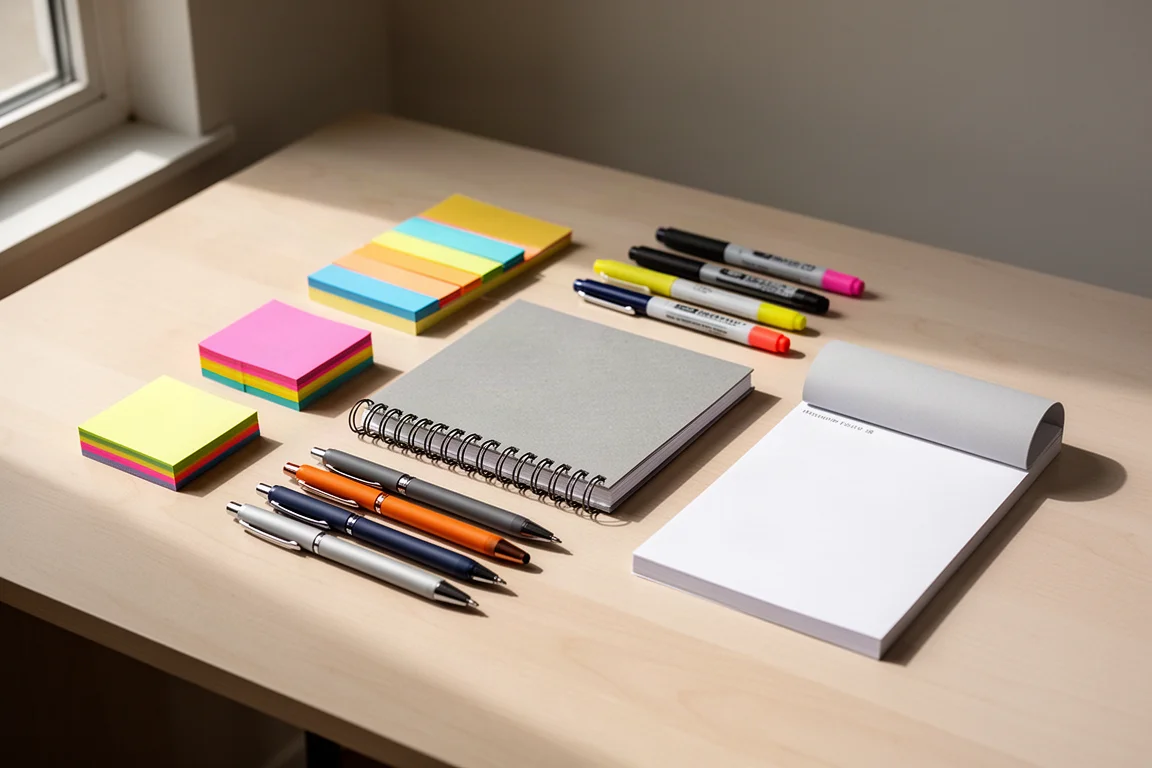
When you are planning a project, it is tempting to reach for a digital tool first. But analog stationery deserves a place in your workflow. A pen on paper switches seamlessly between writing, drawing, and scribbling in a way dedicated apps cannot match. The boundaries of a page help you pinpoint your most important goals, so you do not end up with a never-ending document. And there are no pop-up notifications or tempting apps to pull you away.
Project planning covers every stage of turning an idea into reality. That starts with breaking down the problem you are solving, researching possibilities, and brainstorming solutions. Once you settle on an approach, you determine the steps to get there. A timeline helps you see the whole scope of your project at once, and instead of one looming deadline at the end, it pays to set multiple mini-deadlines. Here are the tools that support each of those stages.
Tools for Brainstorming
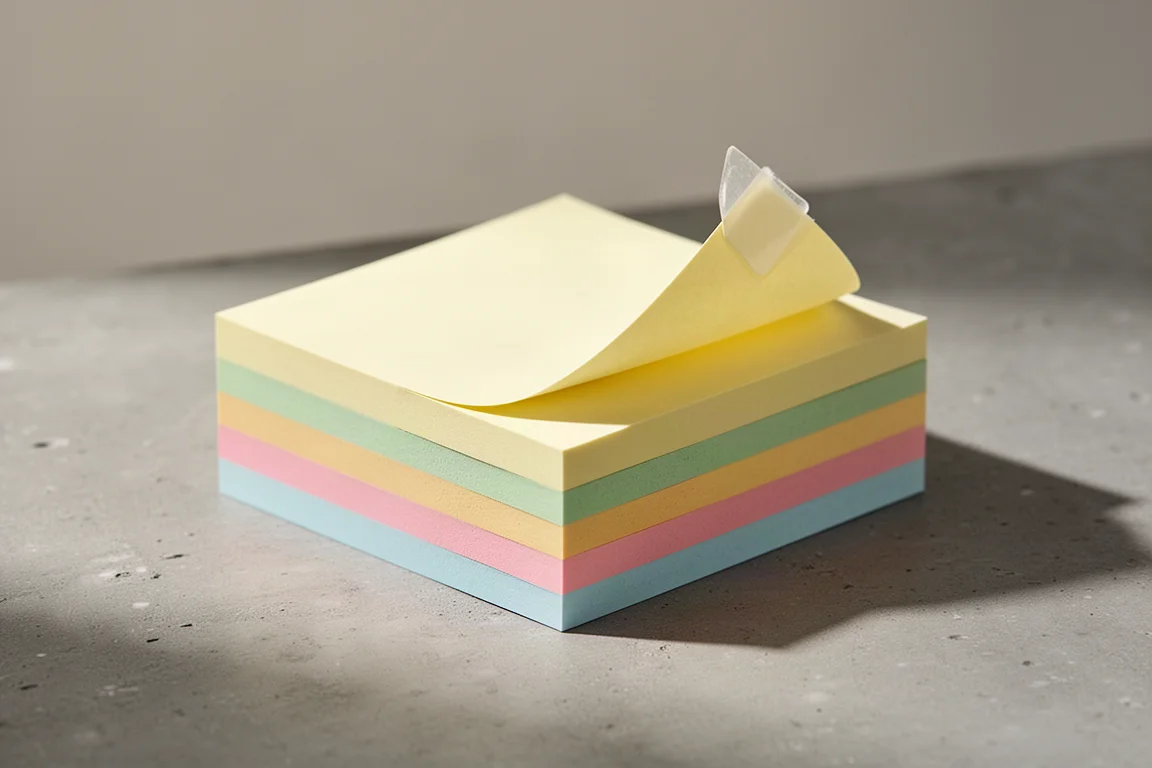
The informality of a sticky note lets ideas bubble up quickly. With the Kokuyo Tack Memo Sticky Notes, you can write out every thought on its own sheet, put them up on a wall, then remove the ideas that do not fit. Their strong adhesive helps them lay flat even after being removed and repositioned, which is likely to happen often during brainstorming.
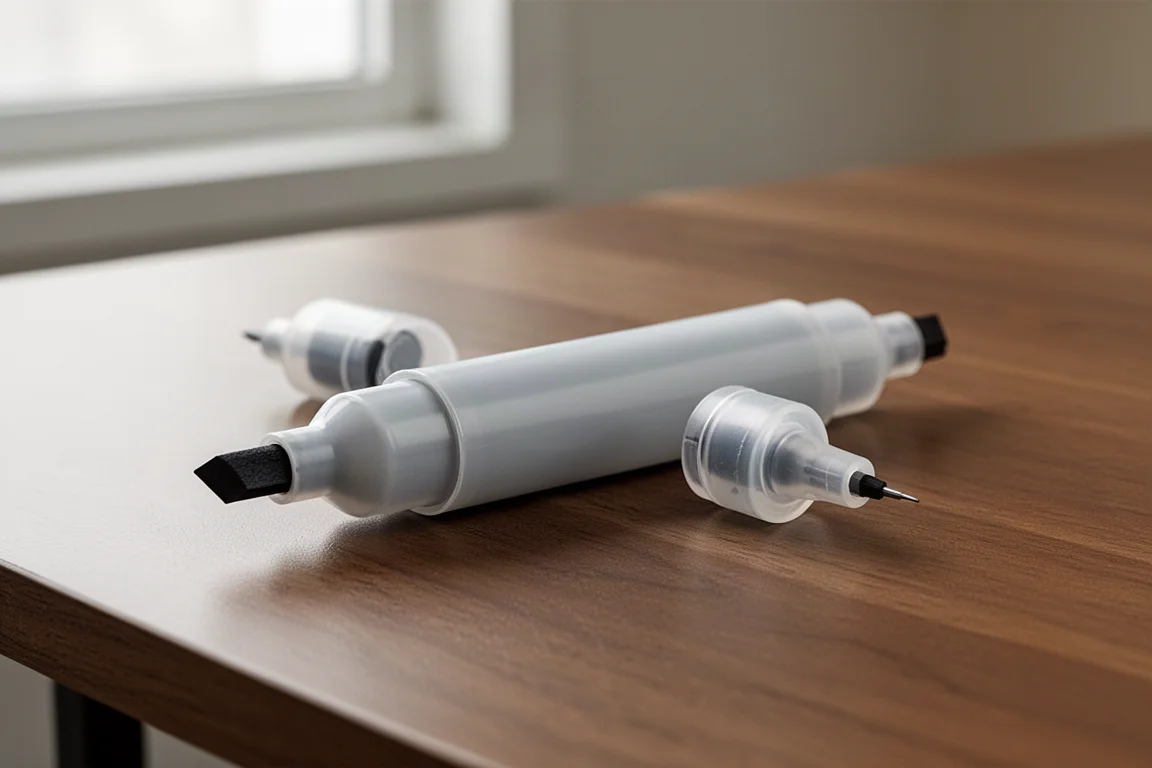
Pair the sticky notes with the Pilot Oil-Based Twin Marker. Its bold ink is easy to read from a distance and does not skip, while the extra fine tip on the other end handles fine details. Ballpoint pens also work well here, since they will not smudge or bleed.
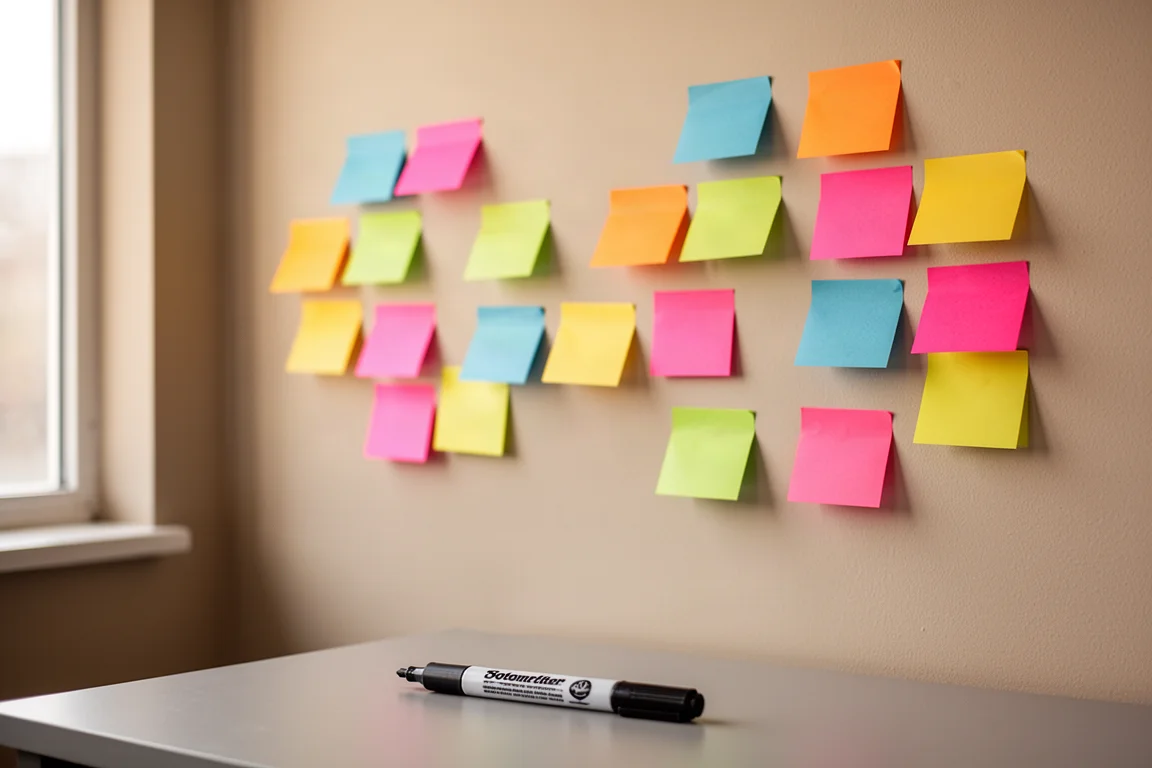
Once brainstorming is done, you can reuse the sticky notes to build a kanban board, a planning system that works like a super-visible to-do list. Cards represent tasks and columns represent stages of workflow, such as To Do, In Progress, or Done. As you complete each task, move cards between columns. A kanban board immediately shows you which parts of the project are moving forward and where tasks are piling up.
Whiteboard Markers
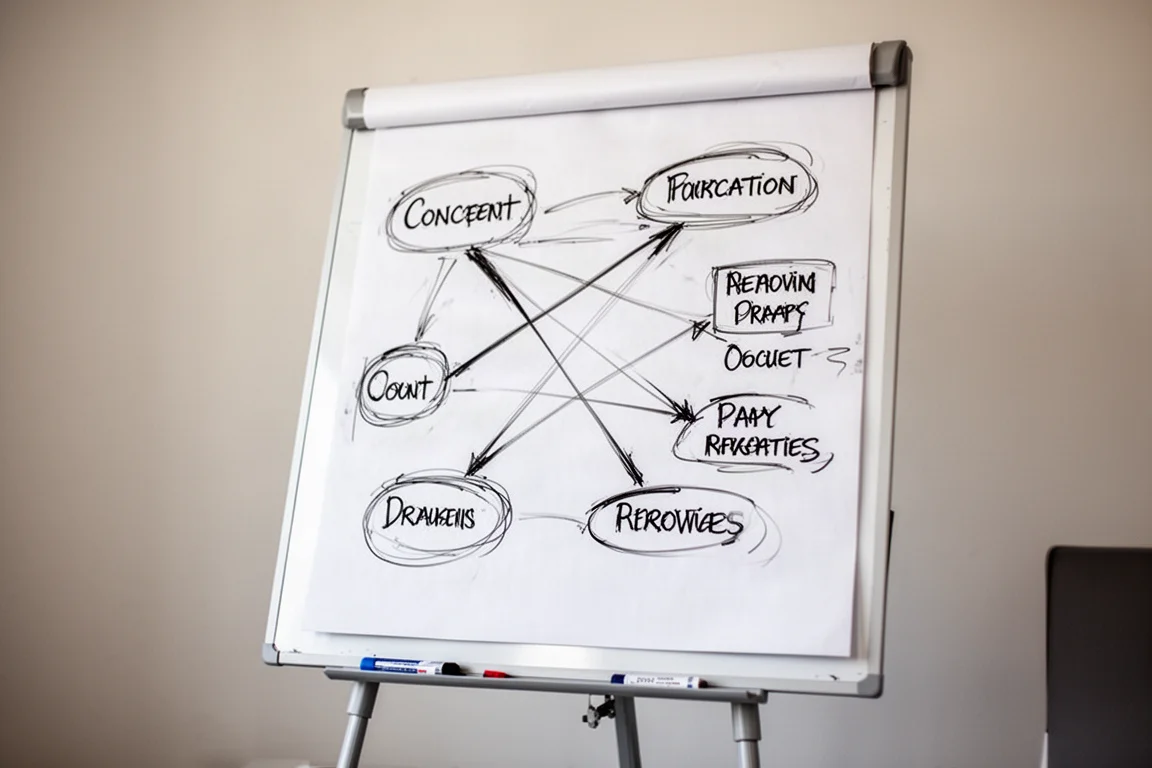
Unlike sticky notes, whiteboards make it easy to draw lines between concepts and create flow charts or concept webs. The Pilot Board Master stands out: the ink is dark and bold, yet easy to wipe away. Its tips and ink cartridges are replaceable, so you never need to toss out a dry marker again.
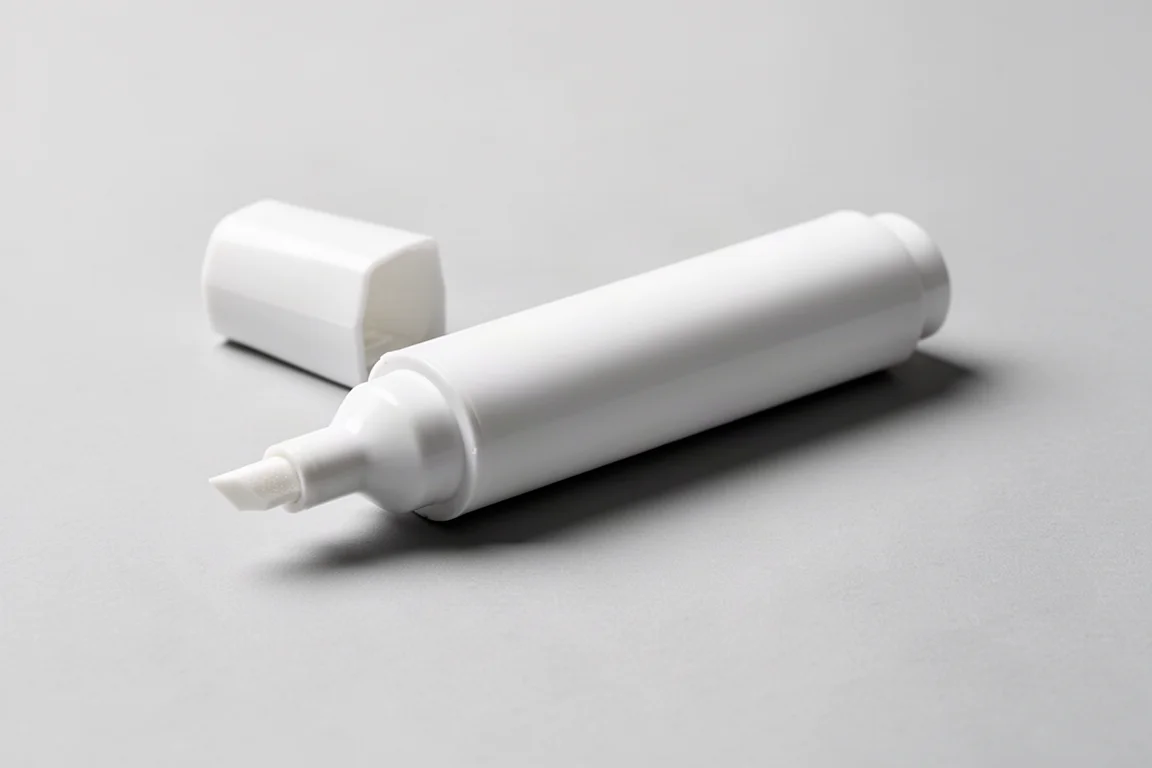
If you prefer finer lines, the Staedtler Lumocolor Correctable Dry Erase Pen produces crisp, clear 0.6 mm lines. Keep in mind that its marks are a little more stubborn and may need water or rubbing alcohol to fully remove.
Large Notebook
A larger canvas gives you room to spread out and does not encourage perfectionism. The Maruman Mnemosyne Creative Style Notebook is more spacious than most notebooks, yet still portable when necessary. Its wire binding lays flat and stays open, and it comes in graph and unruled page styles.
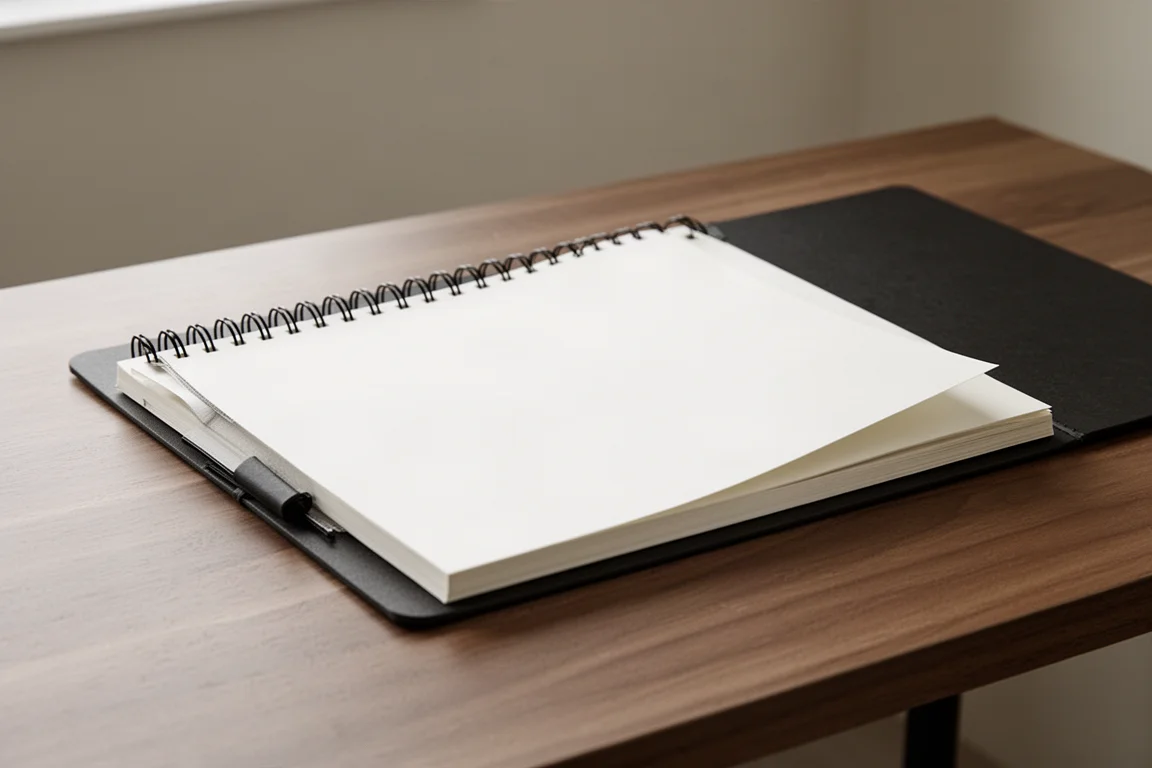
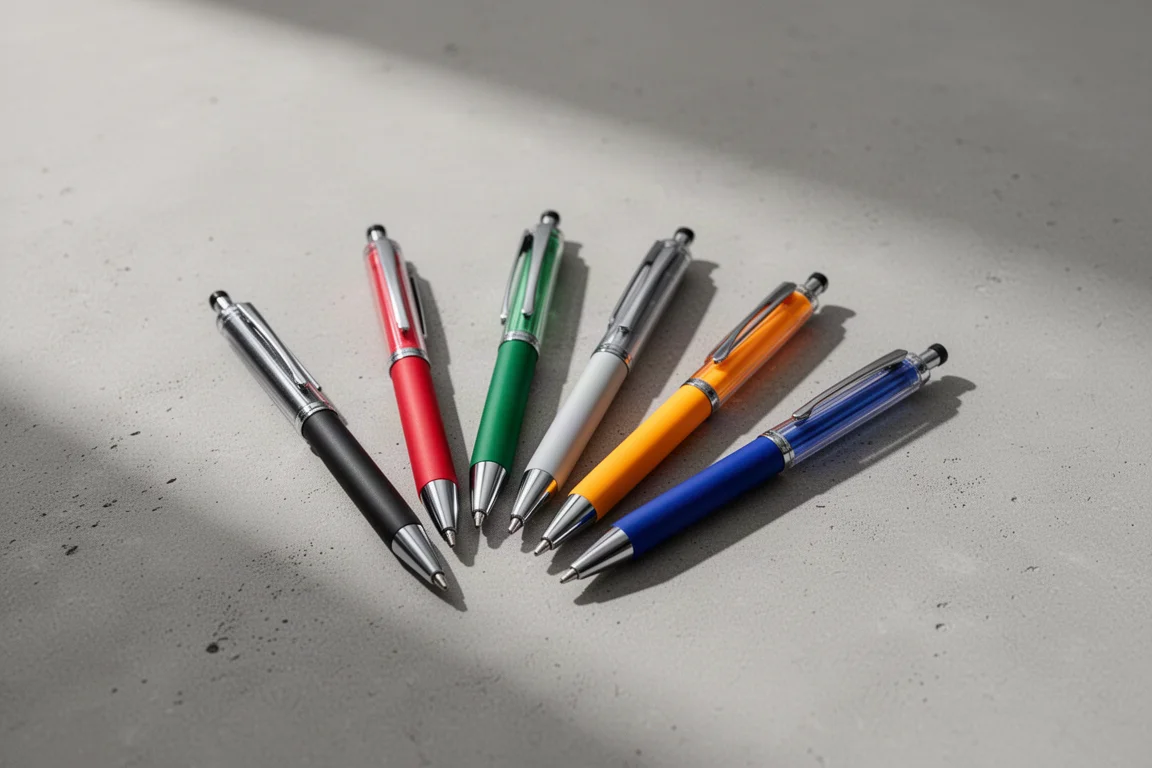
With a notebook of this size, reach for the Zebra Clickart Knock Sign Pens to keep your thoughts flowing quickly. Their wide color selection helps you sort concepts, or simply adds an extra jolt of inspiration.
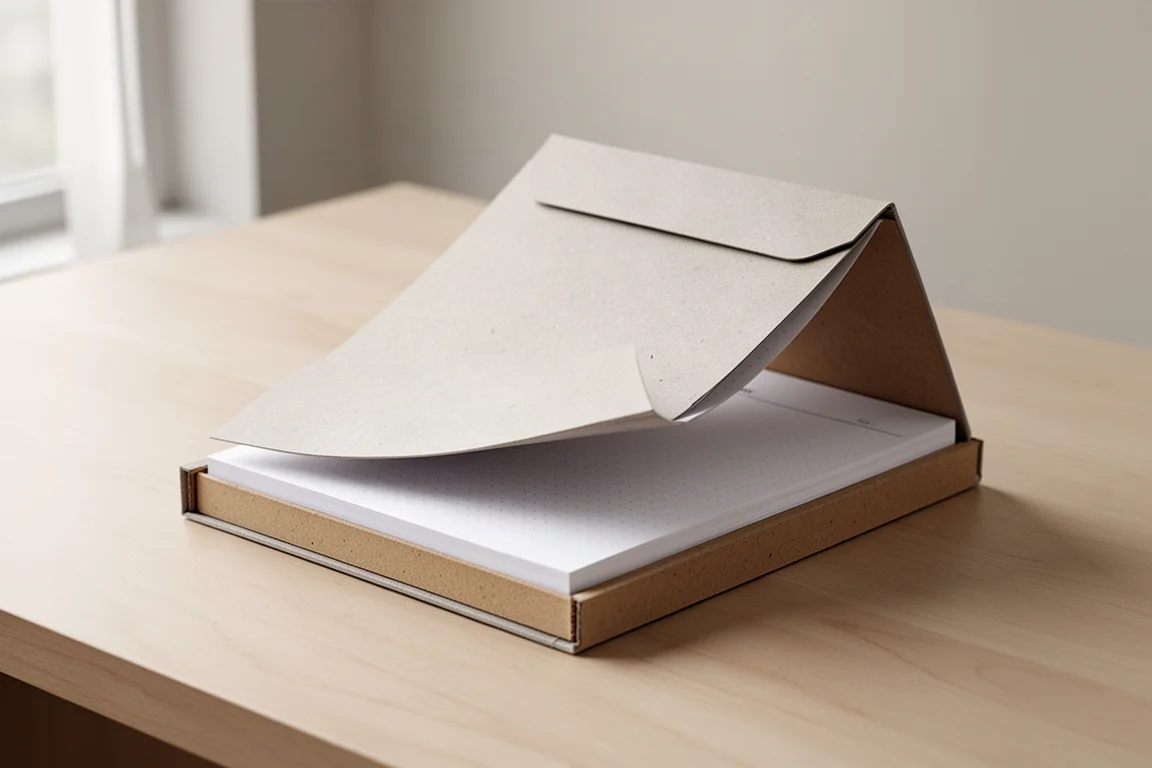
If you prefer planning on dot grid paper, try the Rhodia DotPad. It features a cover that folds back cleanly and easily, and a stiff cardboard binding that makes it easy to jot down ideas on the go.
Tools for Implementing a Project
Notebook
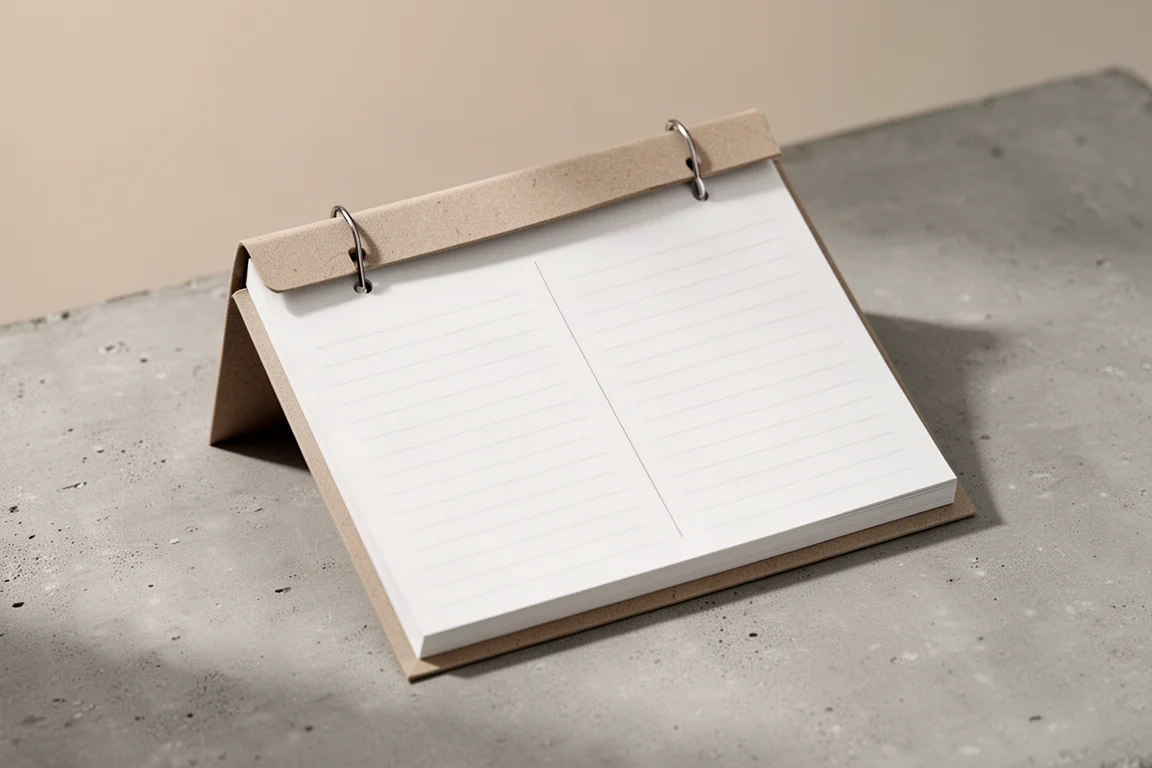
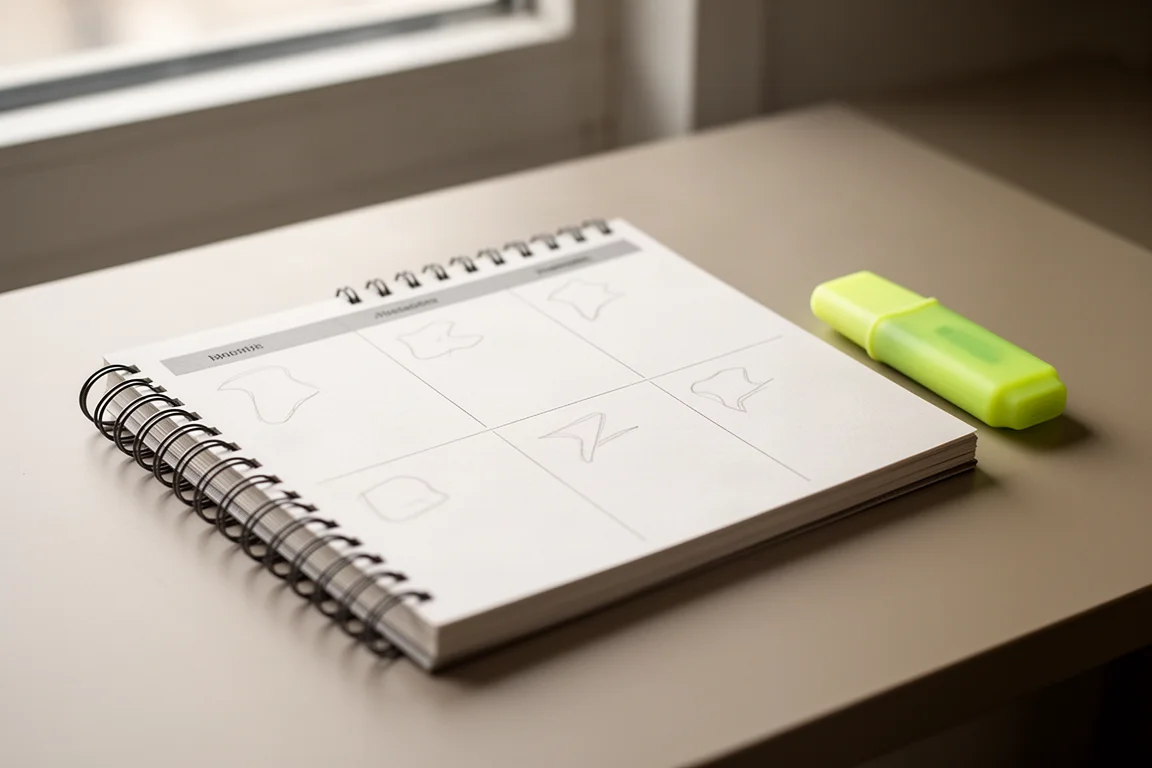
Stay on track during meetings with the Rhodia Meeting Book. It is specially designed as an all-in-one record of meeting discussions, decisions, and action items. Each page has dedicated sections for organizing and reviewing notes: you can jot down objectives on the left and add steps to accomplish them on the right.
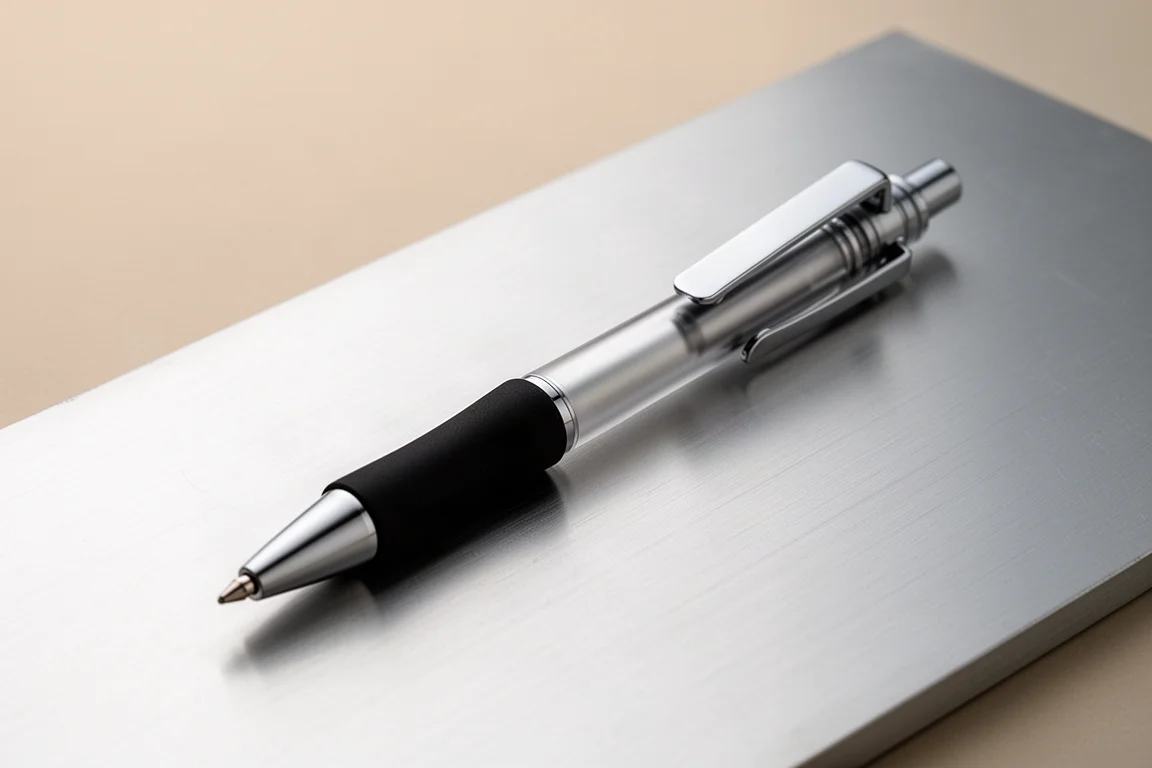
Use highlighters to further organize by emphasizing important text or circling critical action items. If you plan to highlight directly over ink, use the Zebra Sarasa Mark On Gel Pen. It is specially made to stand up to highlighting once fully dry, so your notes will not smear.
To-Do List
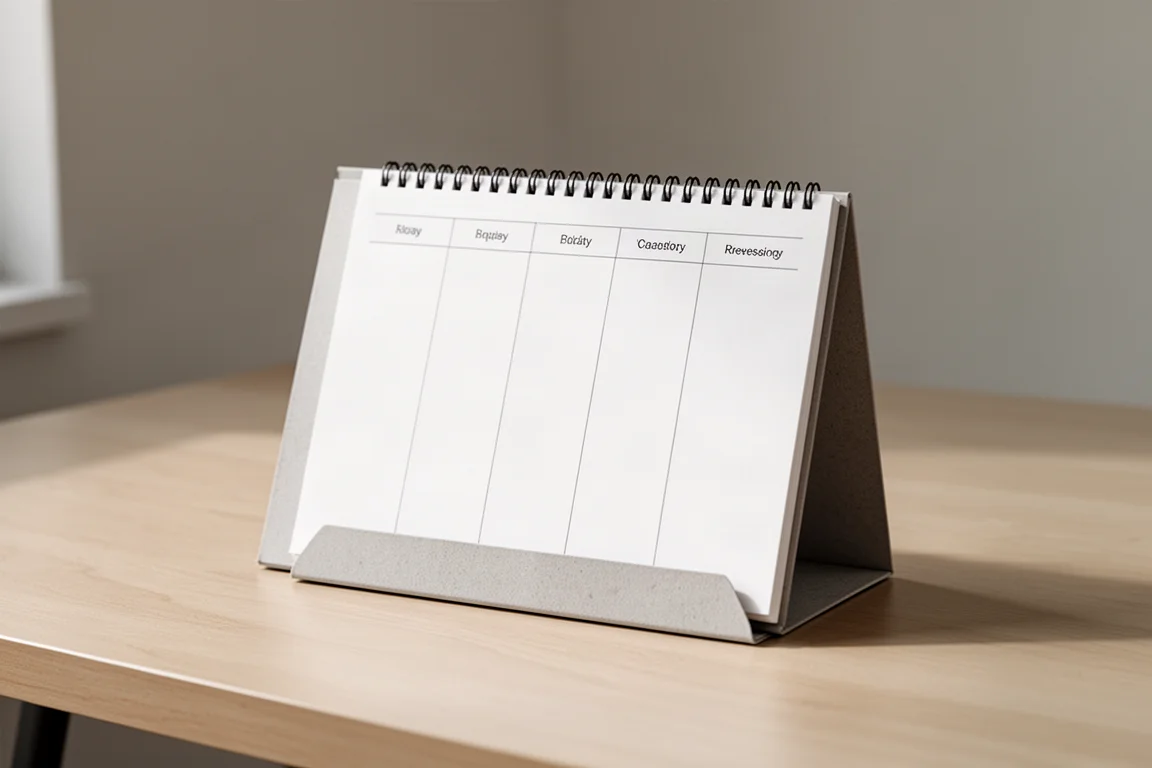
The Midori Stand Memo Pad works as a visual reminder of your tasks. Because it props up on your desk, you can keep track of all your goals with a simple glance while you work. It features five columns that you can group by date, topic, or even project stage. When you are not using it, the stand folds down so you can carry it to your next meeting.
Planner
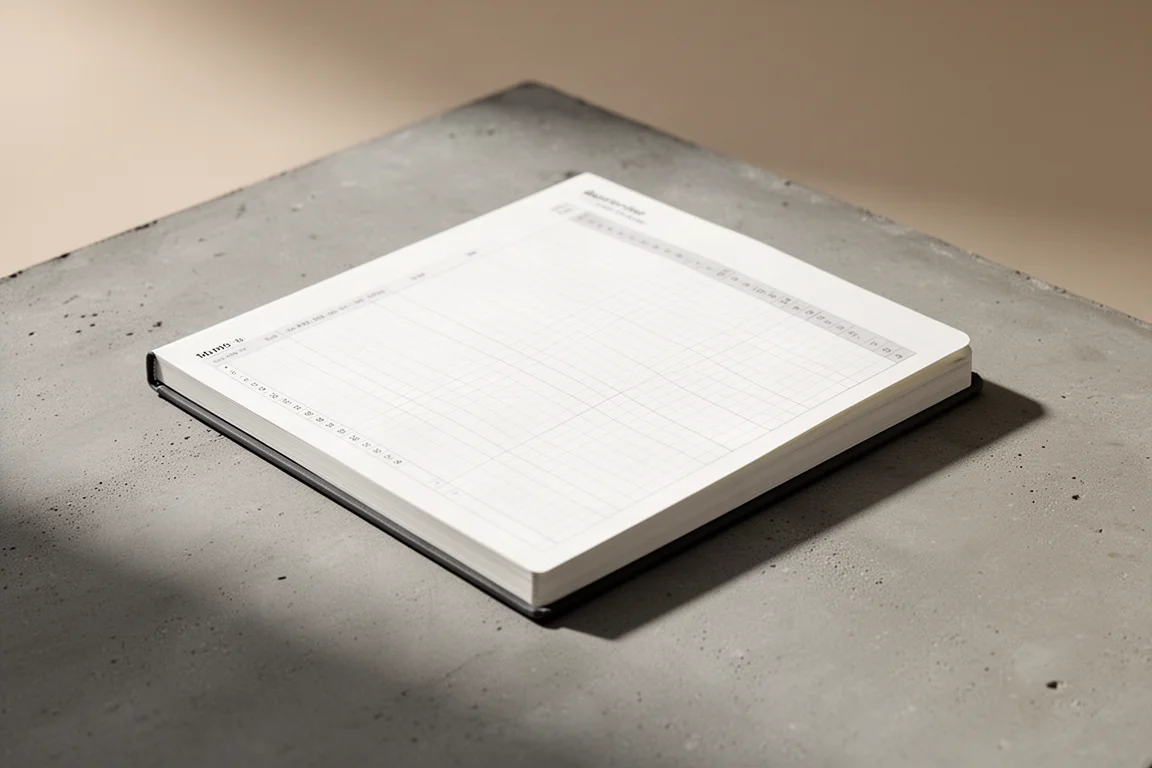
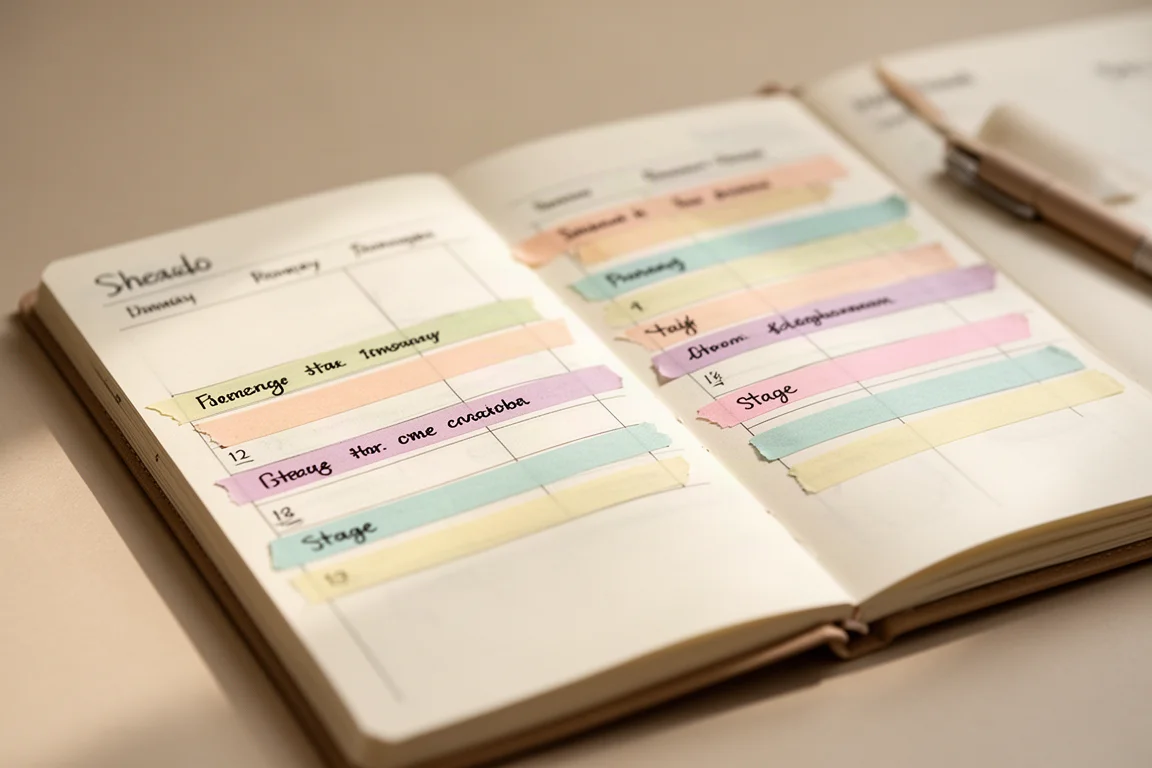
The detailed hourly layout in a Jibun Techo is great for visually blocking out time for your goals. The planner also includes several pages of dated templates for Gantt charts, which organize complex workflows and dependencies. A Gantt chart breaks a project into stages and assigns each stage a block of time, letting you see all the moving pieces of a long-term project at once. To build one, label rows with your project stages, then shade in blocks for each stage’s planned duration.
Try using narrow washi tape, which can be removed and repositioned as plans change, along with Pilot FriXion Gel Pens. Their thermosensitive ink makes the writing effectively erasable, a useful property when timelines shift.
Buying Advice
The right starting point depends on where your project currently stands. If you are still exploring ideas, begin with sticky notes, a twin marker, and a whiteboard marker for mapping connections. If your project is moving into execution, a meeting book, a stand memo pad, and a planner with scheduling templates will do more for you. Since all of these tools are affordable individually, it is reasonable to start small and add pieces as your workflow demands them.
Conclusion
Stationery supports every stage of project planning, from the informal chaos of a brainstorming wall to the structured precision of a hand-built Gantt chart. Whether you need a wide canvas, erasable ink, or a to-do list that stands up on your desk, one of these twelve tools should fit naturally into your workflow.
Further reading
Related Reviews
Stationery
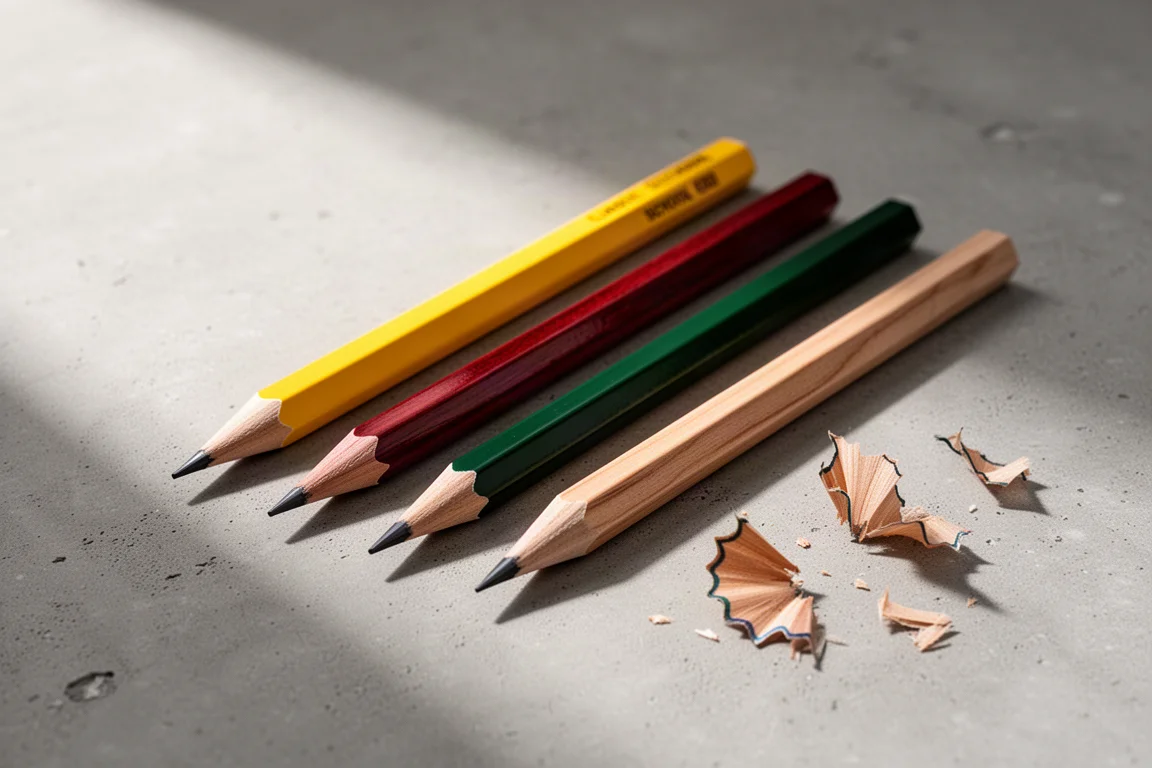
Musgrave Pencils Review: Four Classic Pencils from Tennessee's Last Pencil Factory
We put four Musgrave pencils to paper, from the classic Harvest to the Unigraph 1200 drawing pencil, to see what a century-old Tennessee workshop can still do.
Stationery
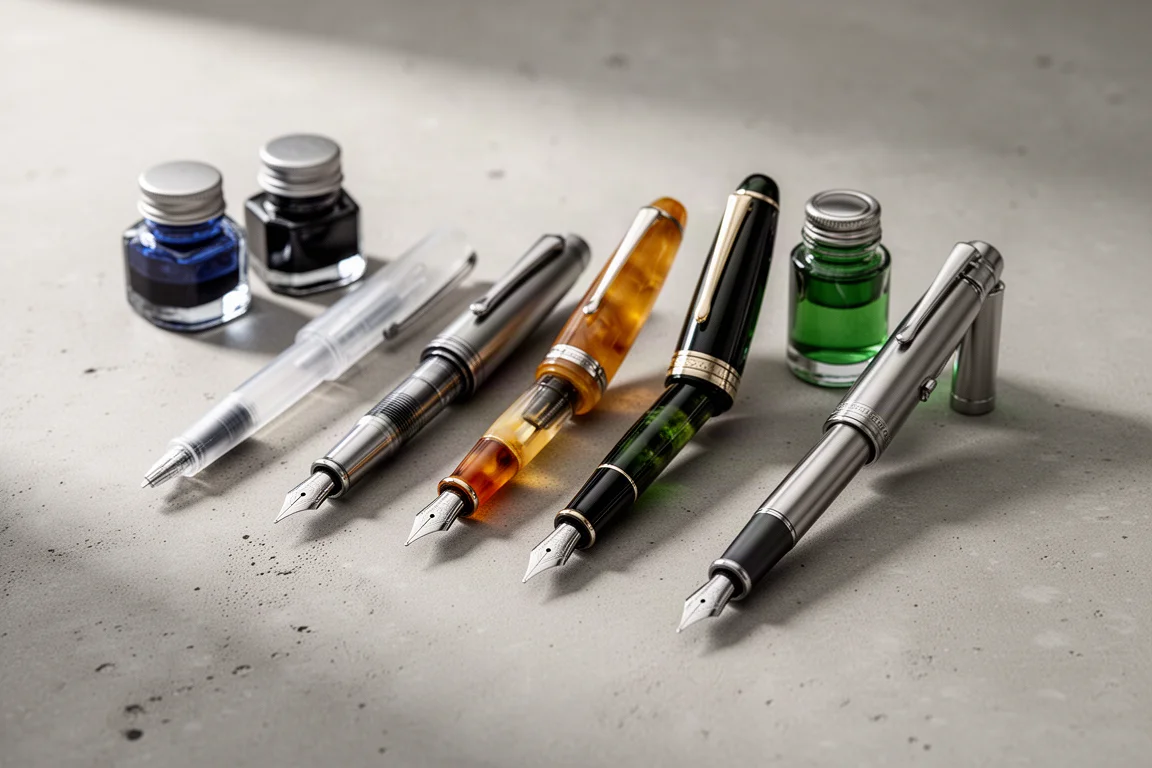
Fountain Pen Tiers Explained: From Starter Pens to Luxury Grails
A practical overview of the different levels of fountain pens and inks, from a sub-$20 starter setup to Italian piston fillers and retractable gold-nib everyday carries.
Stationery
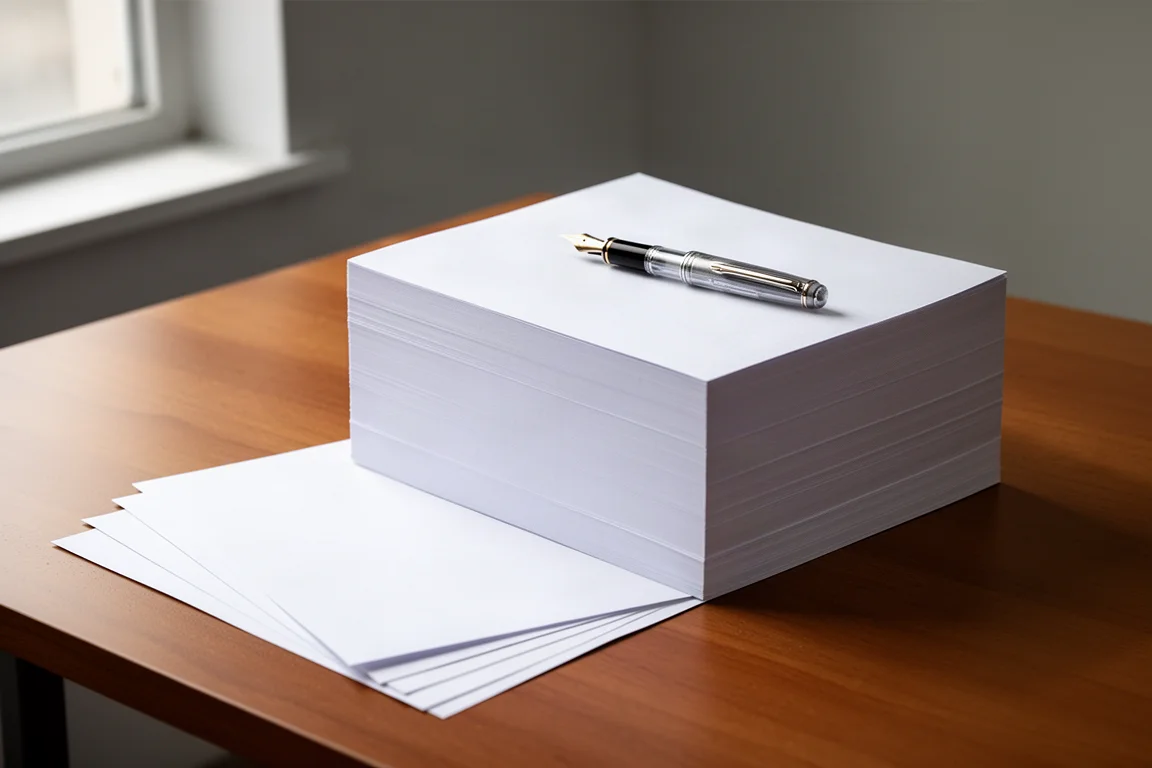
HP Premium 32 lb Copy Paper Review: A Fountain Pen Friendly Everyday Printer Paper
A heavy, smooth 120 GSM copy paper that handles fountain pens far better than standard printer stock, with only minor trade-offs in shading and sheen.