Sports Watches
The Year's Sports Watch Roundup: 22 Releases Worth Knowing About
A wide-angle look at the year's major sports watch and smartwatch releases, from Garmin and Apple to Suunto, Polar, Coros, Casio and more.
Introduction
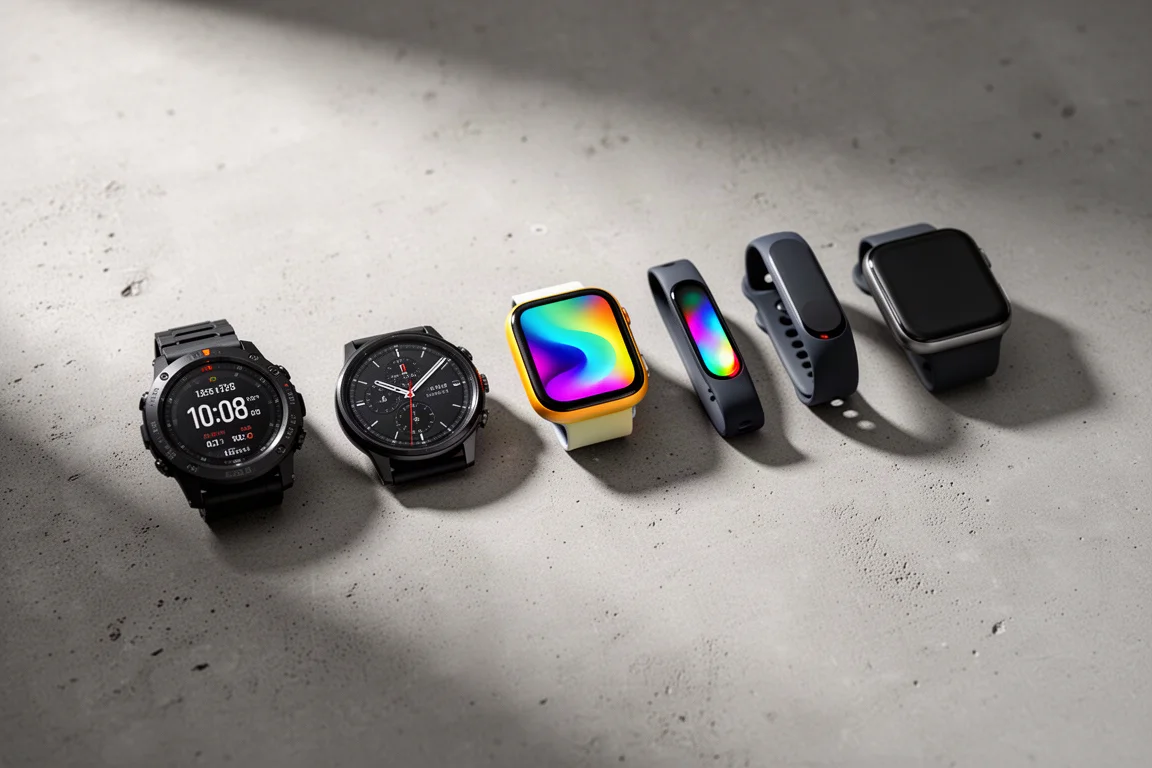
This year produced roughly two dozen notable sports watch and smartwatch releases, and the picture that emerges is clearer than in any recent year: AMOLED displays went mainstream, software updates carried more new features than hardware, and a couple of long-dormant brands returned swinging. This roundup walks through each release in chronological order, with a short take on what matters for buyers.
The Big Trends of the Year
Two trends defined the year. First, AMOLED went everywhere. Almost every brand on the table now offers an AMOLED variant, and display technology moved fast enough that battery life and sunlight readability are no longer the compromises they once were. Night behavior also matured, with most brands dimming screens aggressively for pre-dawn wake-ups, though some newer platforms still need a software generation or two to catch up.
Second, big software releases arrived from nearly every company. Garmin, Coros, Apple and others pushed substantial new features to existing watches, which is great news for anyone who prefers not to buy new hardware to get new capabilities. Many of this year’s watches were effectively spec bumps with the real upgrades delivered over the air.
Garmin Forerunner 265
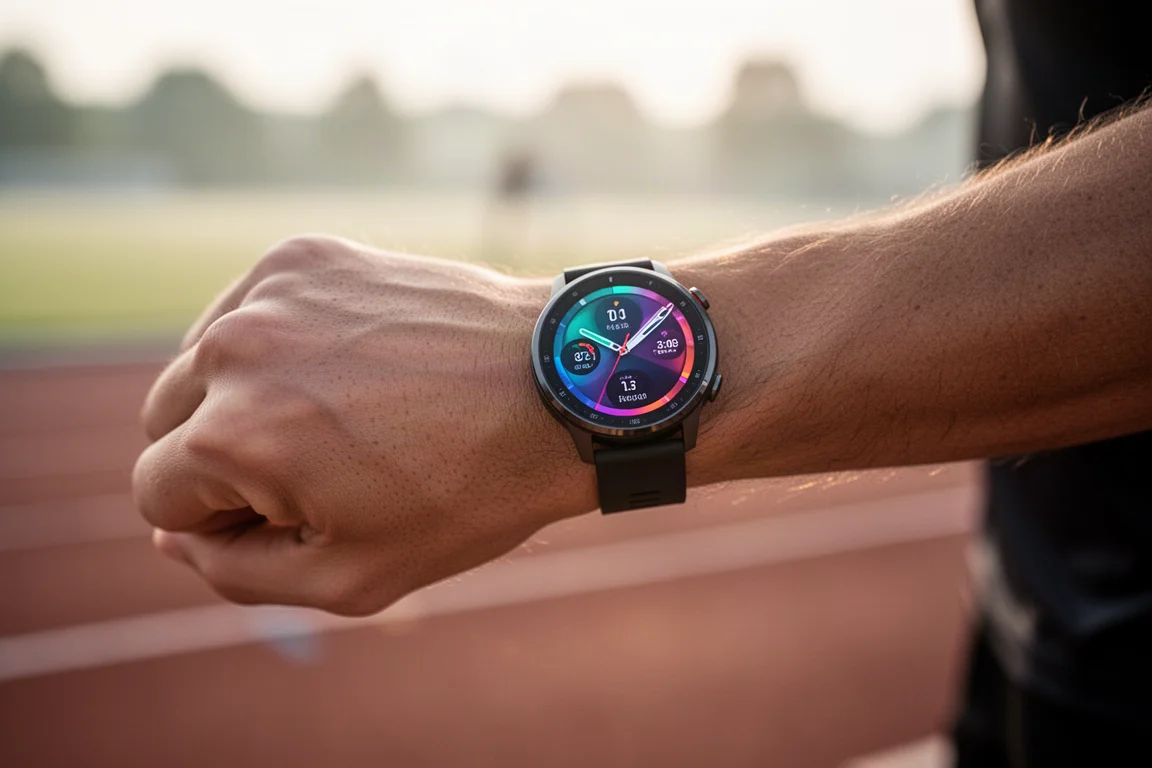
The Forerunner 265 is the AMOLED counterpart to the Forerunner 255, and it earned a reputation as the go-to recommendation for runners who want a vibrant display and a full training feature set without flagship pricing. It supports full triathlon features, open water swimming and power meters, and it includes Training Readiness, a feature that oddly never made it back to the 255. It is a fully capable training watch, and anything above it mostly buys maps and premium materials.
View more details for Garmin Forerunner 265
Garmin Forerunner 965
The Forerunner 965 pairs the same AMOLED shift with Garmin’s largest display yet at 1.4 inches, shared with the 51mm Epix Pro. Maps look excellent on it, and the added titanium bezel answered the most common criticism of the 955’s plastic finish. It sits close enough to the Epix Pro that the two are nearly feature-identical, making the 965 a strong split-the-difference pick for runners who want maps and premium touches without the full adventure-watch package. A sapphire lens option would have completed it.
Garmin Venu 2 Plus
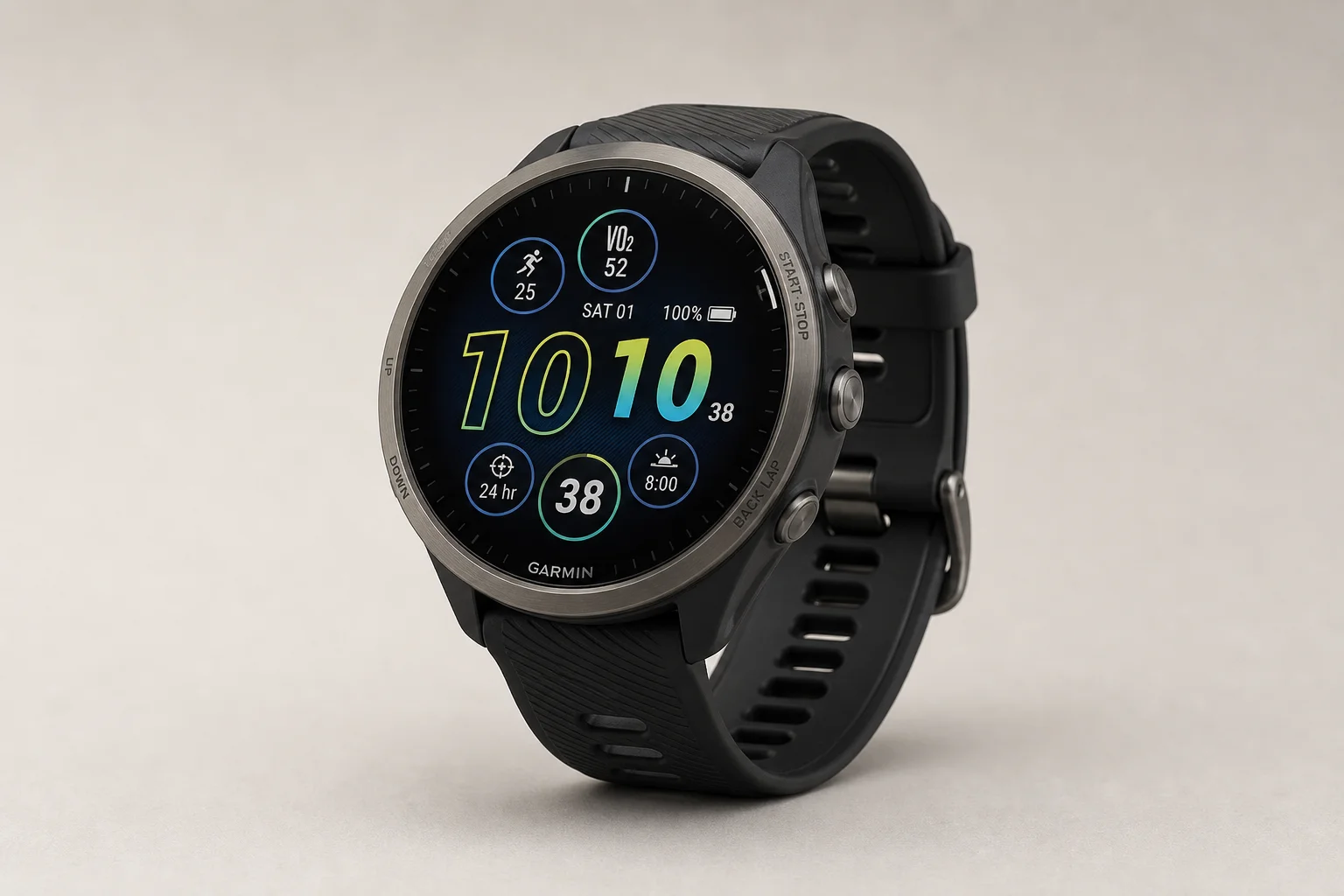
Technically launched the prior year, the Venu 2 Plus earned its place here with a major mid-life addition: a medically certified ECG feature in the US, enabled by the isolation ring around the heart rate sensor and the metal bezel. Existing owners simply received it as a bonus, and it signaled how seriously Garmin now treats the health side of its lineup alongside its long-standing fitness focus.
Garmin Vivomove Trend
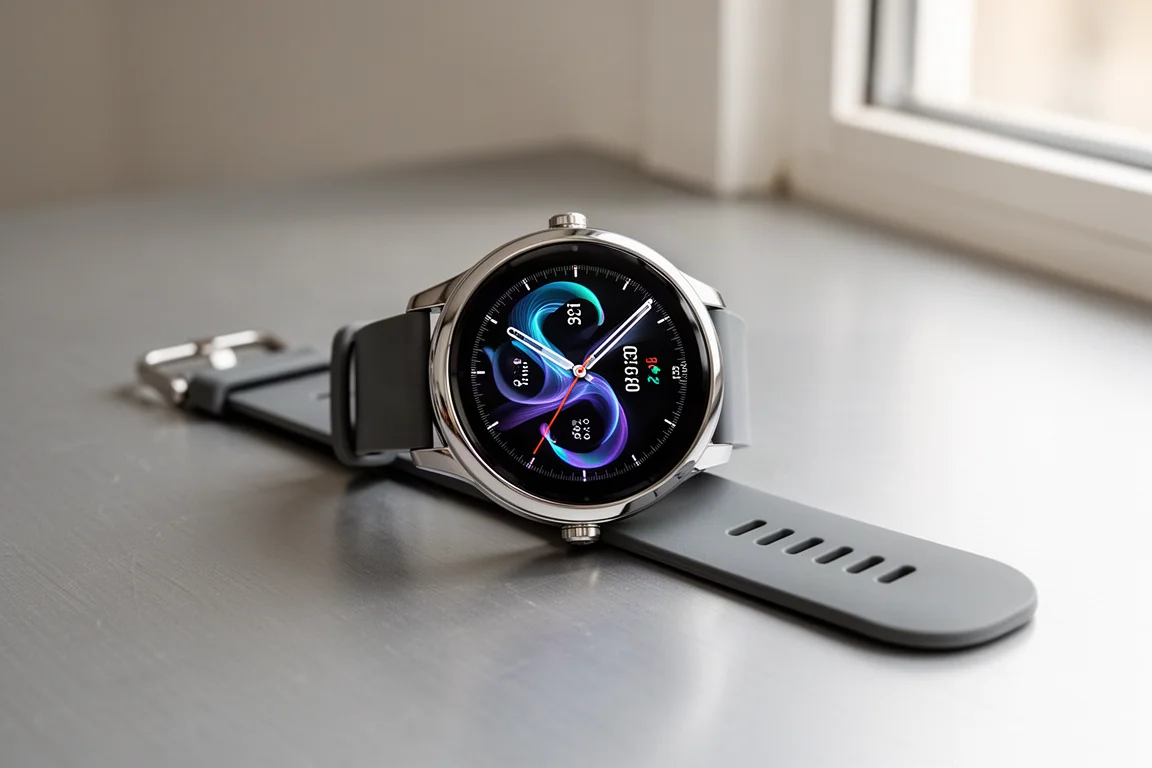
The Vivomove Trend is Garmin’s most classic-looking hybrid smartwatch, combining an analog face with a hidden full LCD display that shows far more information than the lower-end version. Core health features such as steps and sleep match what you get on far more expensive Garmin watches. The main limitation is the lack of built-in GPS, so you will want your phone along for outdoor activities.

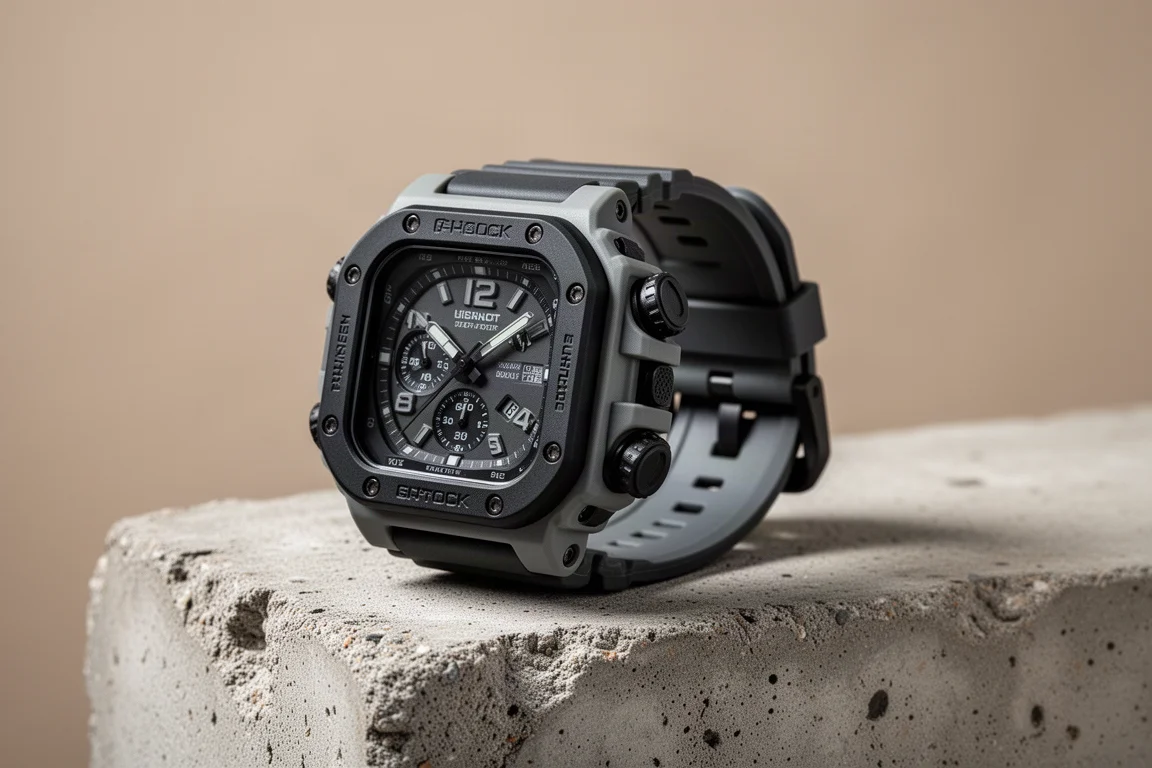
Casio G-Shock Move GBD-H2000
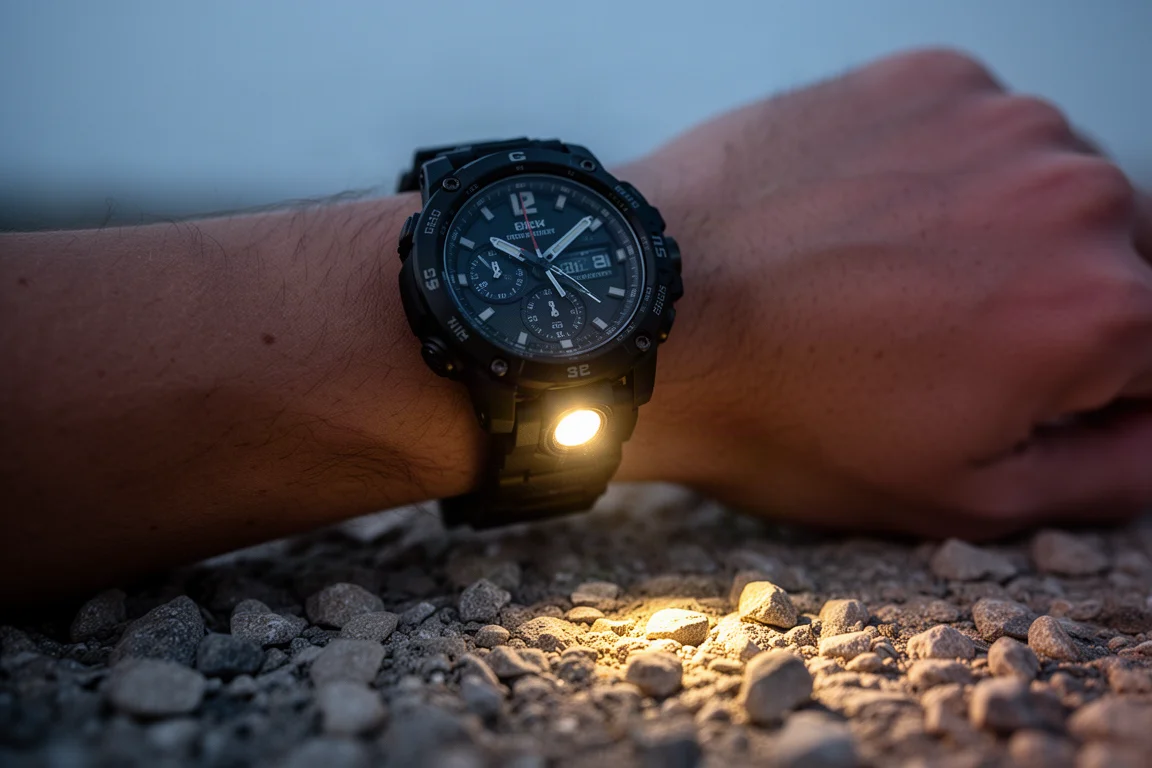
The G-Shock Move GBD-H2000 fixed the previous generation’s biggest problem: size. With a carbon resin construction and much of the metal removed, it is genuinely wearable. It gained dual-frequency satellite support, a new heart rate sensor, and licensed Polar physiological features such as Nightly Recharge, marking the first time Polar publicly sold its metrics to another company. The launch app lacked Strava support for over six months after release, which stung, though support arrived later. This remains a watch aimed primarily at existing G-Shock fans who want real sports tracking.
Garmin Instinct 2X
The Instinct 2X is bigger than its siblings and effectively an Instinct 2.5, adding multiband dual-frequency GPS, a dramatically improved GPS implementation, Training Readiness, and a suite of navigation extras. Garmin’s mantra here is battery savings above everything else, and with the larger body the near-unlimited solar battery story is easier to achieve. Functionally it now matches much of the AMOLED Forerunner feature set in a rugged monochrome package.
Suunto Vertical
The Suunto Vertical was Suunto’s most important watch in years, adding solar charging and offline maps, the first step toward catching up to the competition. GPS accuracy was outstanding, helped by careful antenna design. The heart rate sensor remains the lineup’s weakest link, so a chest strap is advisable for serious training. A recent firmware update brought the interface closer to the newer Suunto Race, adding features such as HRV status.
View more details for Suunto Vertical
TicWatch Pro 5
The TicWatch Pro 5 runs Wear OS and packs more sports features than most phone-brand smartwatches, though it lacks LTE and external heart rate support. Its dual-layer display is the party trick: the AMOLED layer switches off and a low-power layer takes over, enabling battery life of up to 45 days, with the secondary display even changing color based on heart rate zones during workouts. Cycling VO2 max numbers derived purely from speed and elevation deserve heavy skepticism, but the overall direction is promising.

Garmin Fenix 7 Pro and Epix Pro Gen 2
These half-step releases brought the LED flashlight feature, first seen on the Fenix 7X, to all sizes of both lines, along with Garmin’s next-generation Elevate optical heart rate sensor, which later unlocked ECG and wrist temperature features. The Fenix 7 Pro also gained a brighter, more contrasty MIP backlight with auto brightness. Nearly all software features rolled back to the existing Fenix 7 and Epix lineups, which is exactly how a mid-cycle refresh should work.
Apple Watch Series 9 and Ultra 2
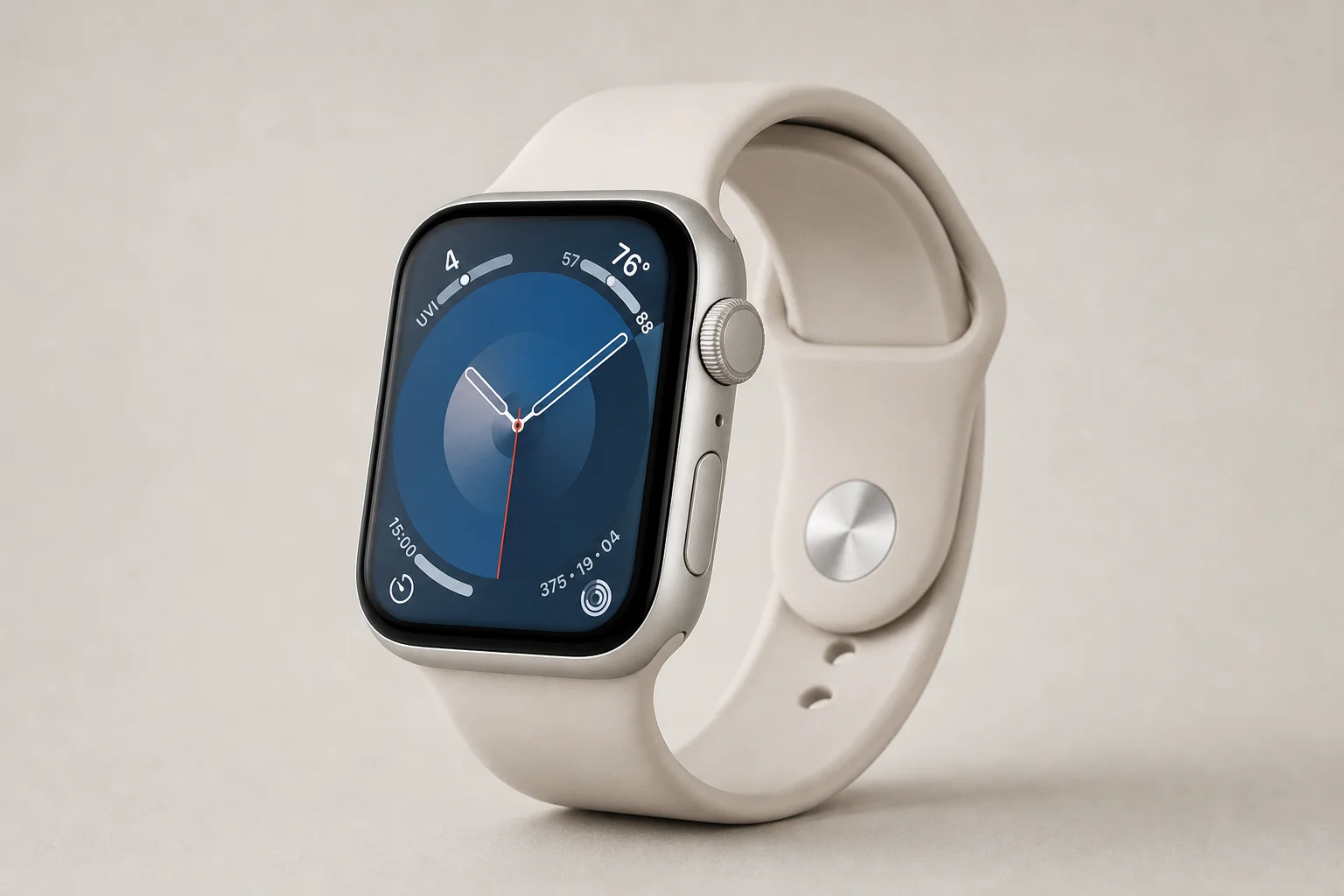
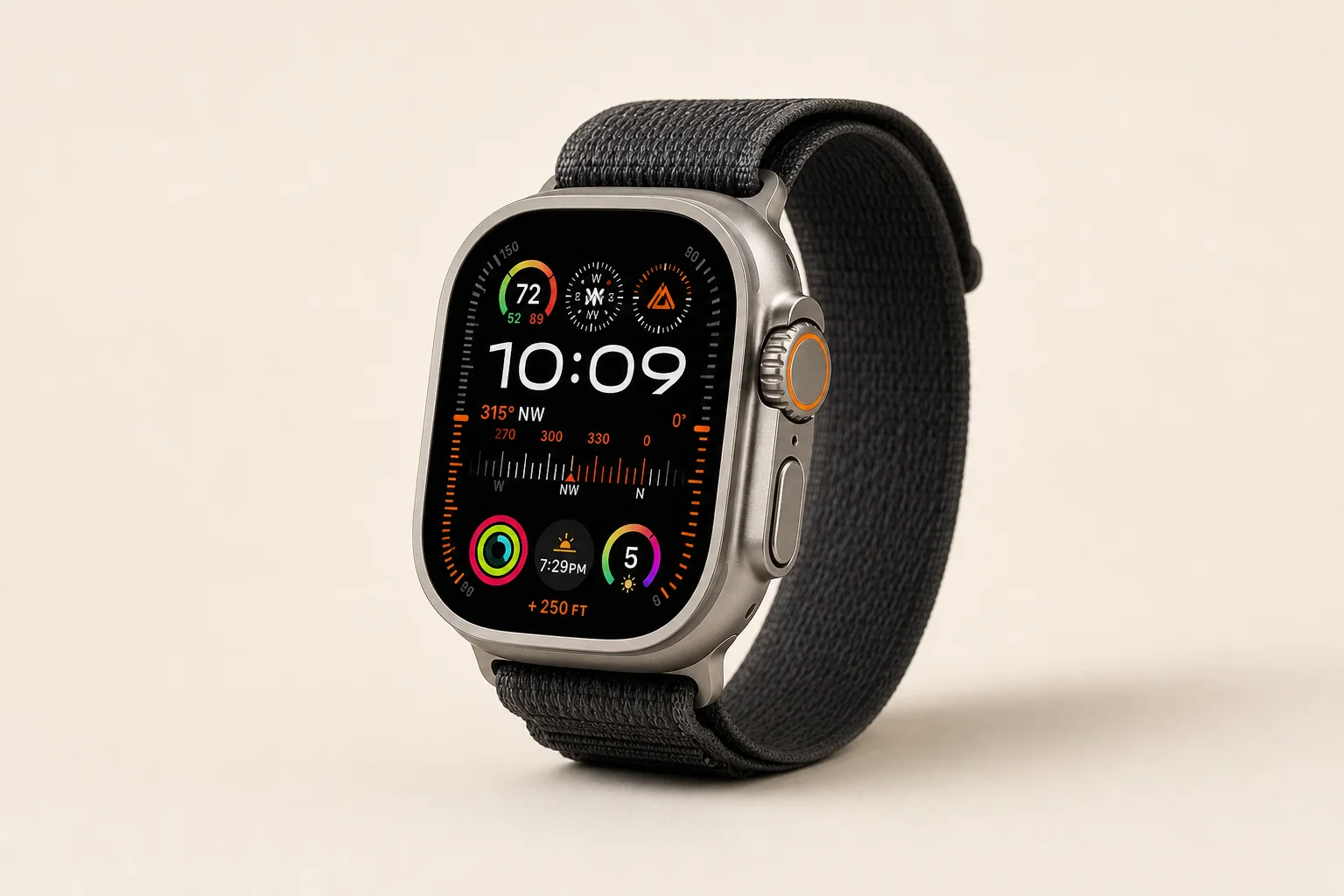
Both Apple releases were iterative. New hardware brought the double tap gesture, enabled by a faster processor, plus brighter maximum displays and a useful dimmer night mode. The bigger story was watchOS 10, which added offline topo maps, cycling power meter support, and a structured workouts API that lets platforms deliver workouts to the watch without building their own app. Battery life stayed at the familiar all-day figure, which remains the most requested change from users. If you own the original Ultra or a recent Series watch, there is little reason to upgrade.
Amazfit Cheetah
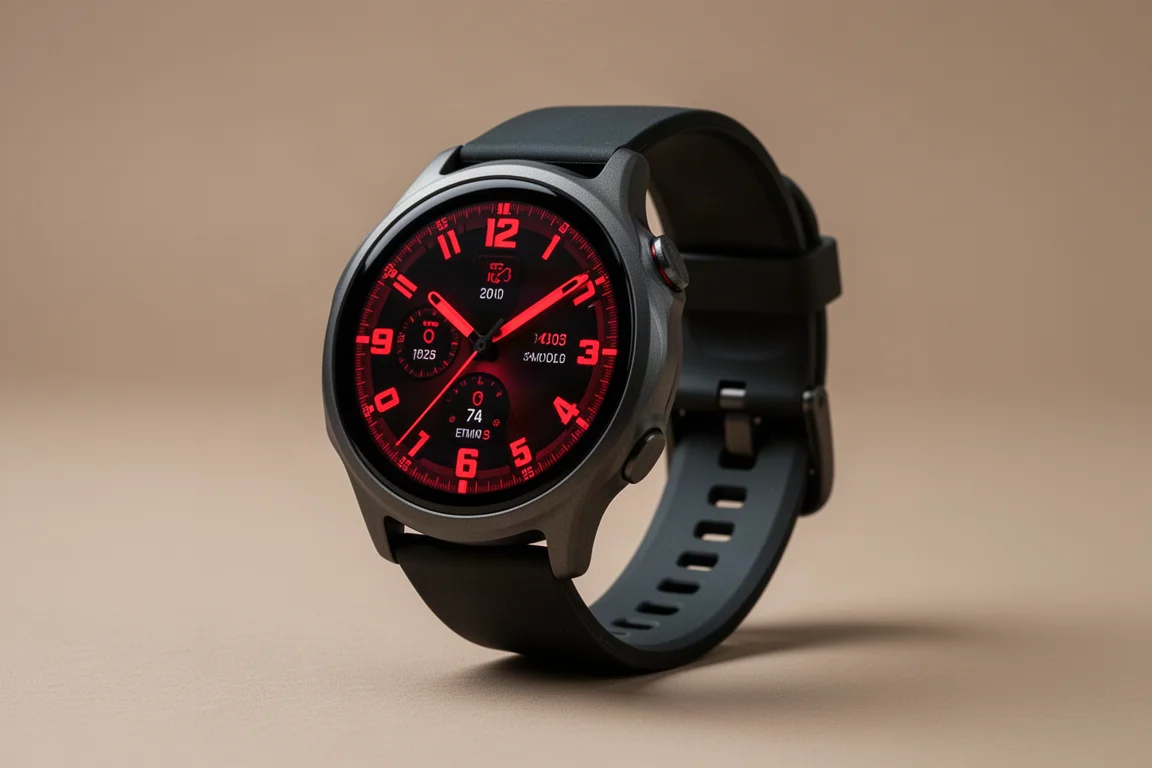
The Amazfit Cheetah brings multiband GPS, music playback and a full fitness feature set to roughly a $300 price point, which puts it in dangerous territory near the Forerunner 265. The catch is execution: accuracy and physiological metrics are good-ish rather than great, and Amazfit’s track record of supporting watches with meaningful long-term software updates remains the brand’s weakest point. Attractive pricing only carries you so far if post-launch support trails off.
Samsung Galaxy Watch 6
Samsung brought back the physical rotating bezel, and it remains one of the best interfaces on any smartwatch, letting you navigate without touching the screen. The design is as clean as ever. The persistent frustration is the optical heart rate sensor, which again underperforms during workouts, and there is still no native external heart rate pairing to compensate. As a stylish everyday smartwatch it is excellent; as a training tool it has an obvious gap.
Coros Pace 3
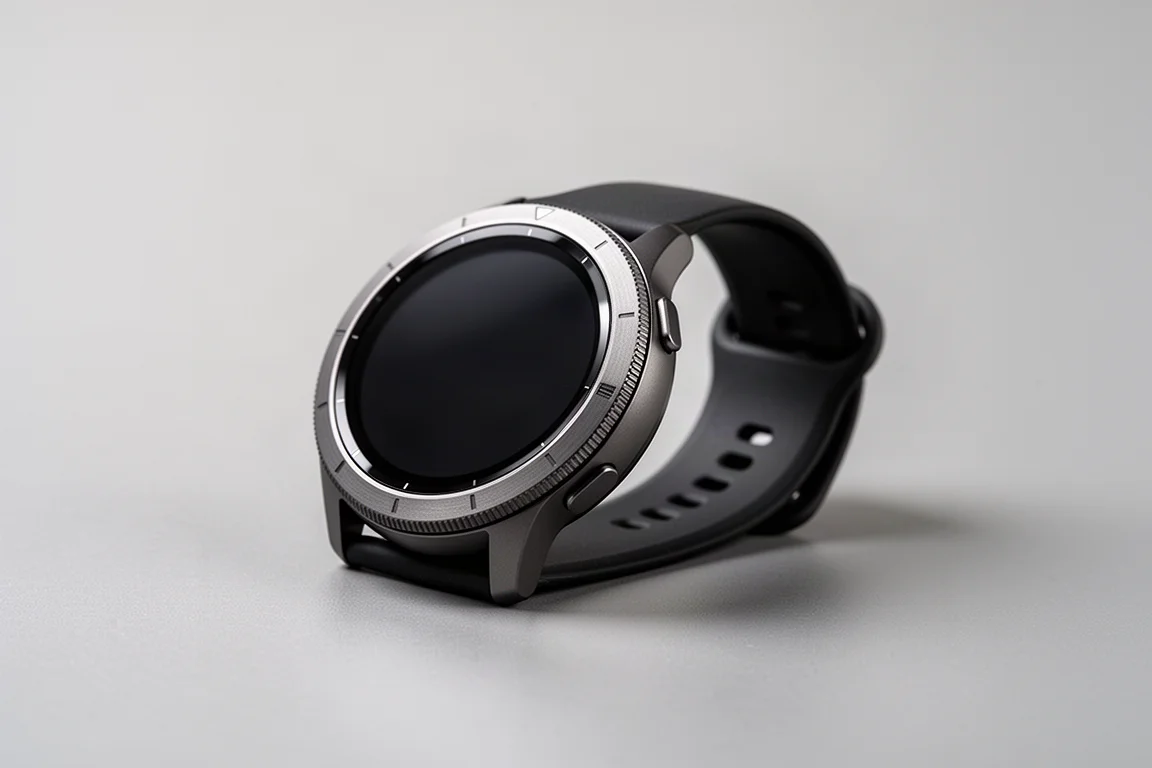
The Coros Pace 3 is another excellent budget offering at $229, adding dual-band GPS and a touchscreen to a familiar formula. Notably, it is Coros’s most accurate GPS watch to date, outperforming even its more expensive siblings, a result of antenna and design work rather than raw chipset choice. Coros continues shipping frequent software features to existing watches, with HRV tracking added even after launch. The companion app is the one area that most needs filling out.
Garmin Venu 3
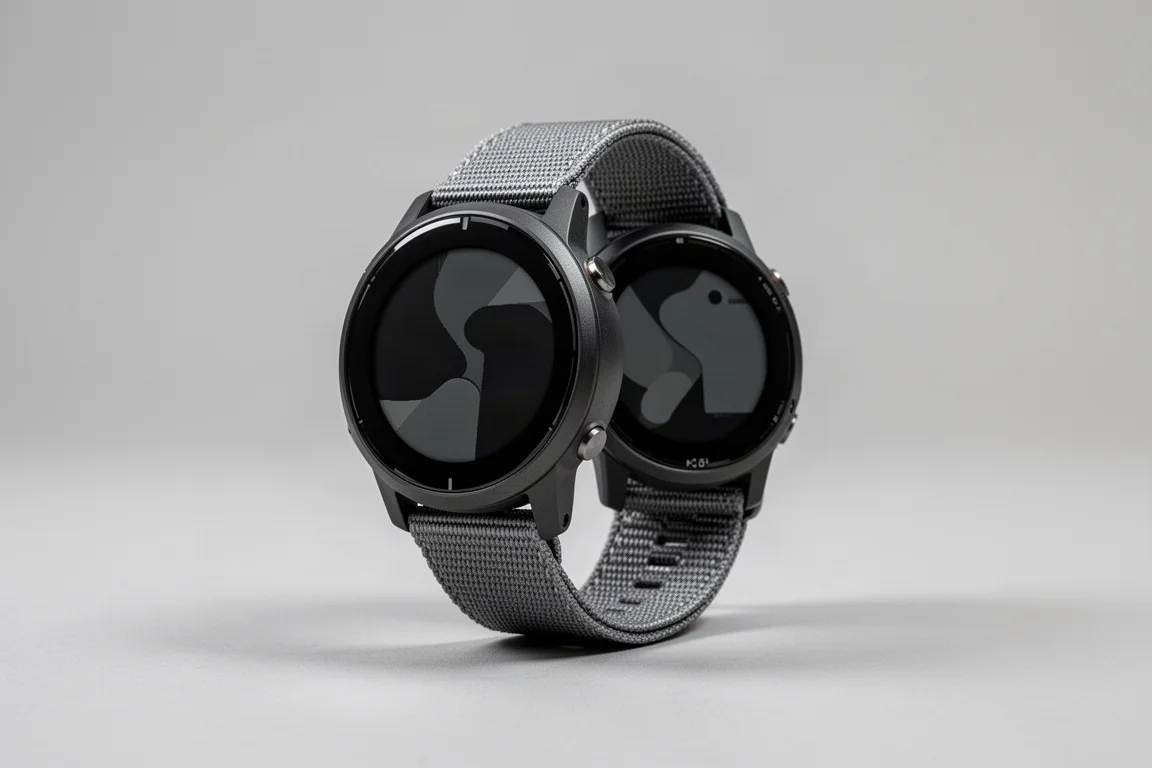
The Venu 3 is essentially a Venu 2 Plus with the next-generation heart rate sensor, plus open water swimming, power meter support, a new GPS chipset that matches multiband accuracy without actually using multiband, and later an ECG update. It also added smartwatch niceties like an on-screen keyboard for Android users and image support in messages. The awkward part is how little separates it from the Forerunner 265 at a similar price; Garmin’s lineup is genuinely confusing here, and consolidation would help buyers.
Fitbit Charge 6
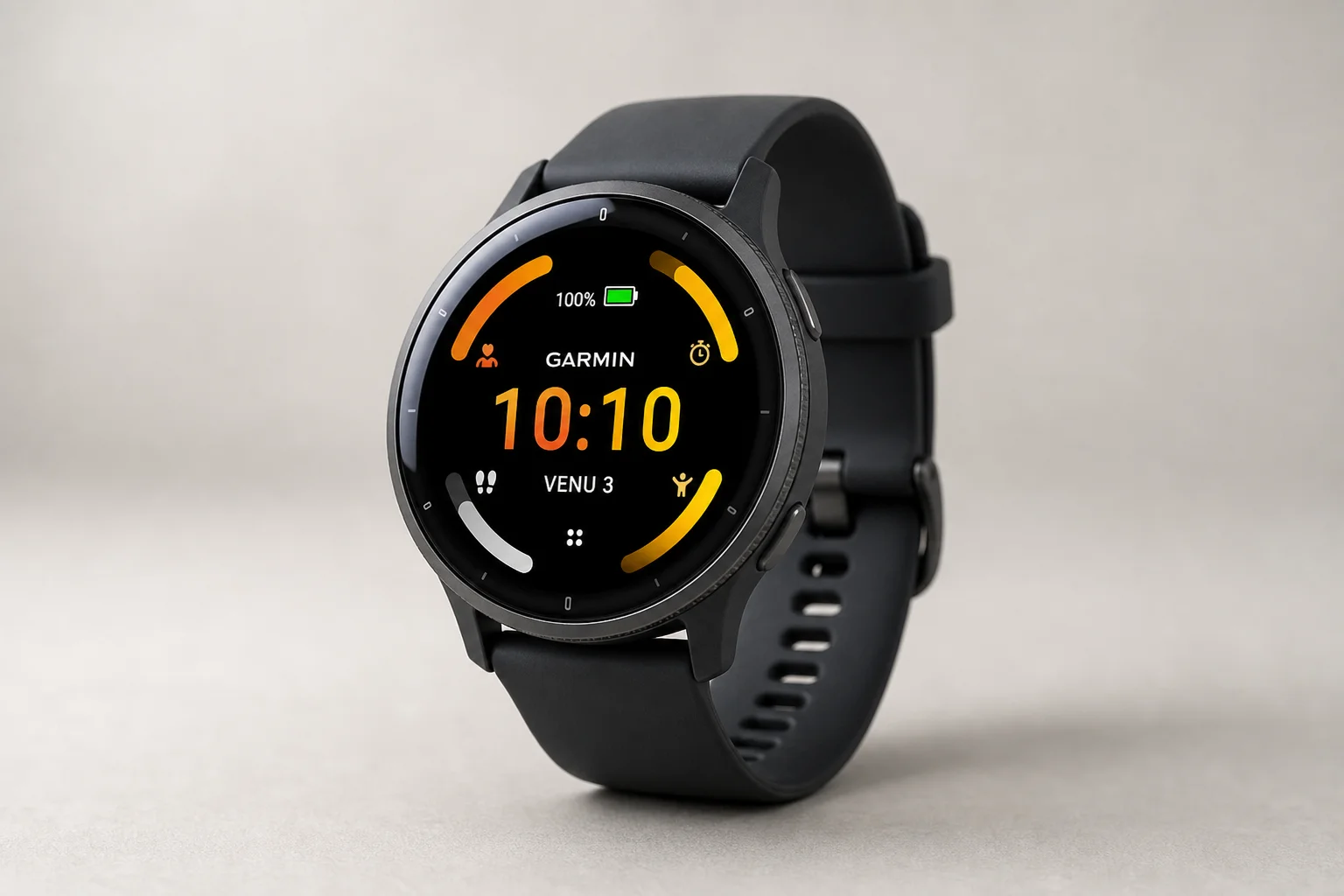
The Charge 6 is a clear Google-fication story: Google Pay, YouTube Music controls, and Google Maps turn-by-turn navigation, with heart rate accuracy improved via machine learning borrowed from the Pixel Watch. The glaring problem is GPS. The antenna placement means a snug fit for good heart rate readings kills GPS reception, and a loose fit ruins heart rate while GPS stays marginal. Use connected phone GPS for outdoor workouts. At around $159.99 with ECG included, it is still a strong health tracker for the money.
Google Pixel Watch 2
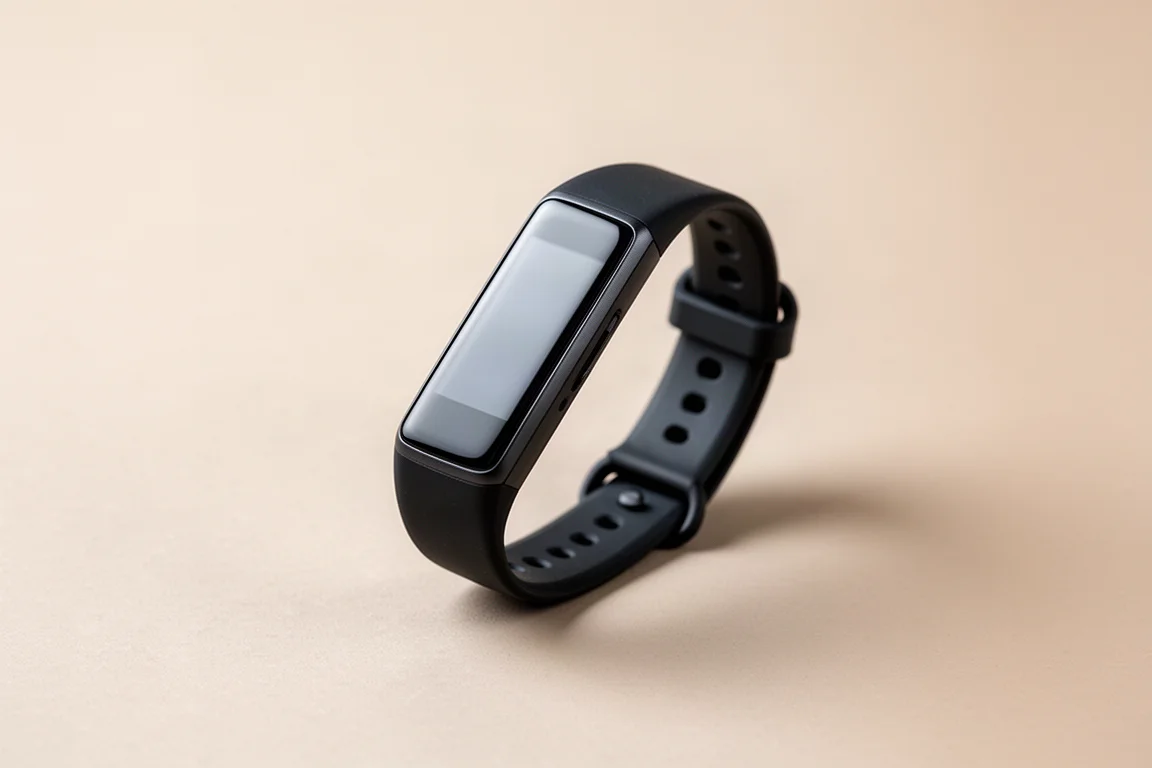
The Pixel Watch 2 is a careful iterative update: a slightly improved heart rate sensor, modestly better battery life, and a more tactile button. The biggest missing piece remains a larger size option, which is what most existing owners and reviewers asked for. Google needed to ship a watch this year to prove continued commitment, and it did, but the real test comes next year.

Garmin Tactix 7 AMOLED
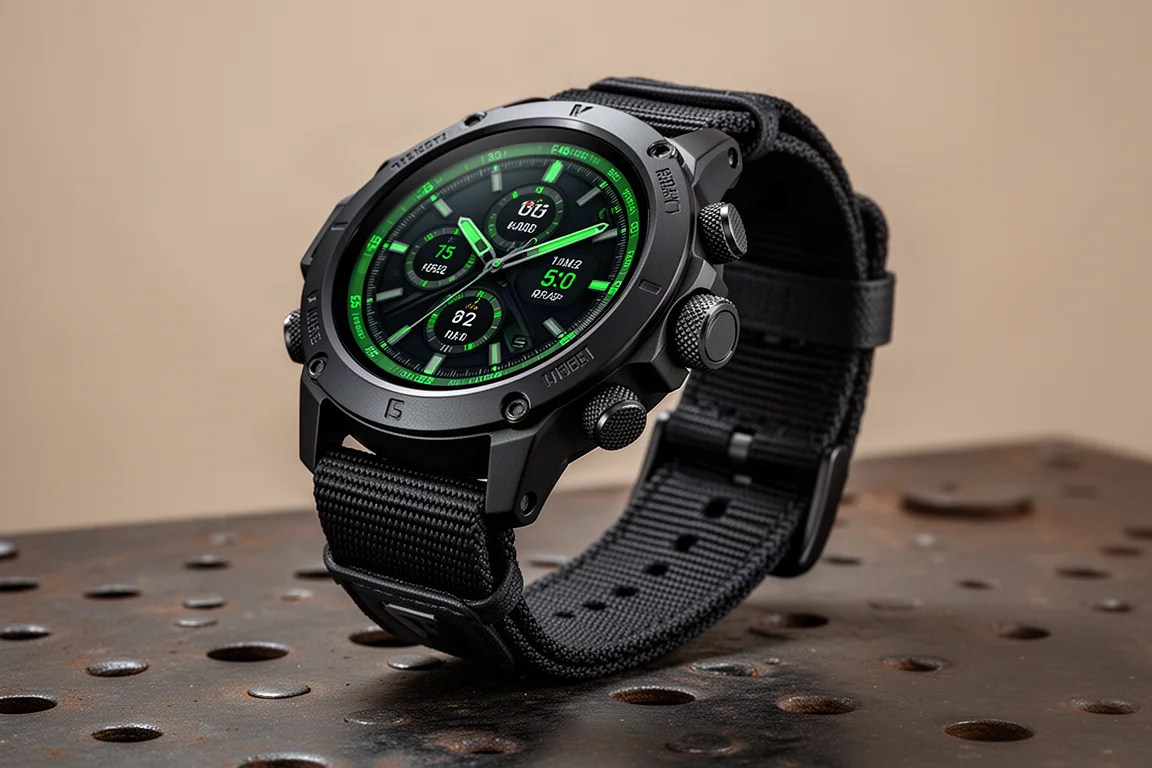
The Tactix 7 AMOLED brings Garmin’s tactical line into the AMOLED era, with night vision mode, stealth mode, a kill switch for data wiping, and Applied Ballistics support. It carries the newer optical sensor with ECG, and it is priced accordingly at around $1,400. The stiff tactical band is a known comfort complaint that takes a long time to break in. This is a niche watch, but an interesting signal that AMOLED has reached even tactical use cases.
Suunto Race
The Suunto Race is the AMOLED version of the Vertical and arguably the comeback story of the year. It introduces a new interface, a rotating dial, offline maps, and new training and recovery features including chronic training load, TSS and HRV status. The headline is price: $450 for stainless steel and $550 for titanium with a sapphire lens, a deliberate undercut of the competition. GPS performance is superb; heart rate accuracy is the known weak point, so plan on a strap.
View more details for Suunto Race
Polar Vantage V3
Polar’s Vantage V3 arrived less than a day after the Suunto Race, making the pricing contrast brutal. At $600 it brings Polar’s first offline maps, multiband GPS with much better accuracy than the Ignite 3 thanks to improved antenna design, and a new optical sensor. It offers an ECG-style reading, though not medically certified, and no music or Wi-Fi support. Early units showed shaky heart rate accuracy and some data-losing crashes, with fixes promised, and the dated interface needs modernizing. The comeback is real, but execution needs to catch up fast.
Garmin Marq Carbon
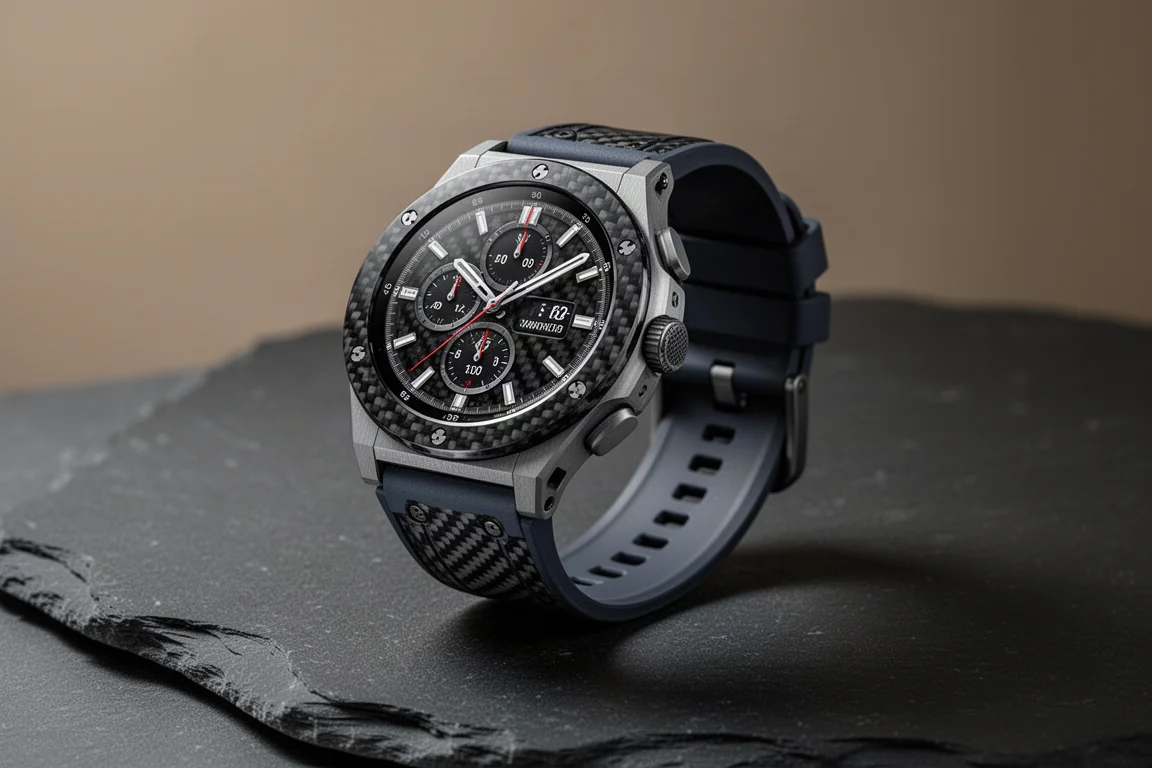
The Marq Carbon is a carbonized version of the Marq Gen 2, a genuinely stunning premium watch with no new features beyond the case material. It lacks the newer sensor and flashlight, so buyers should understand it is based on the previous generation internally. As an object, though, it is one of the best-looking watches of the year.
Buying Advice
If you want maximum value, the Coros Pace 3 and Garmin Forerunner 265 remain the safest picks for pure training. For premium multisport, the Forerunner 965 and Fenix 7 Pro or Epix Pro Gen 2 cover most needs, while the Suunto Race is the value disruptor at the high end. Phone-first users should weigh the Apple Watch and Galaxy Watch 6 for polish against their training limitations, and the Fitbit Charge 6 is the budget health tracker to beat, with its GPS caveat in mind.
Conclusion
The year belonged to AMOLED displays and generous software updates, with Suunto and Polar staging genuine comebacks and Casio quietly licensing its way into serious physiological metrics. Next year looks like the major hardware cycle for several brands, but almost everything released this year remains easy to recommend if it matches your actual training needs.
Further reading
Related Reviews
Sports Watches
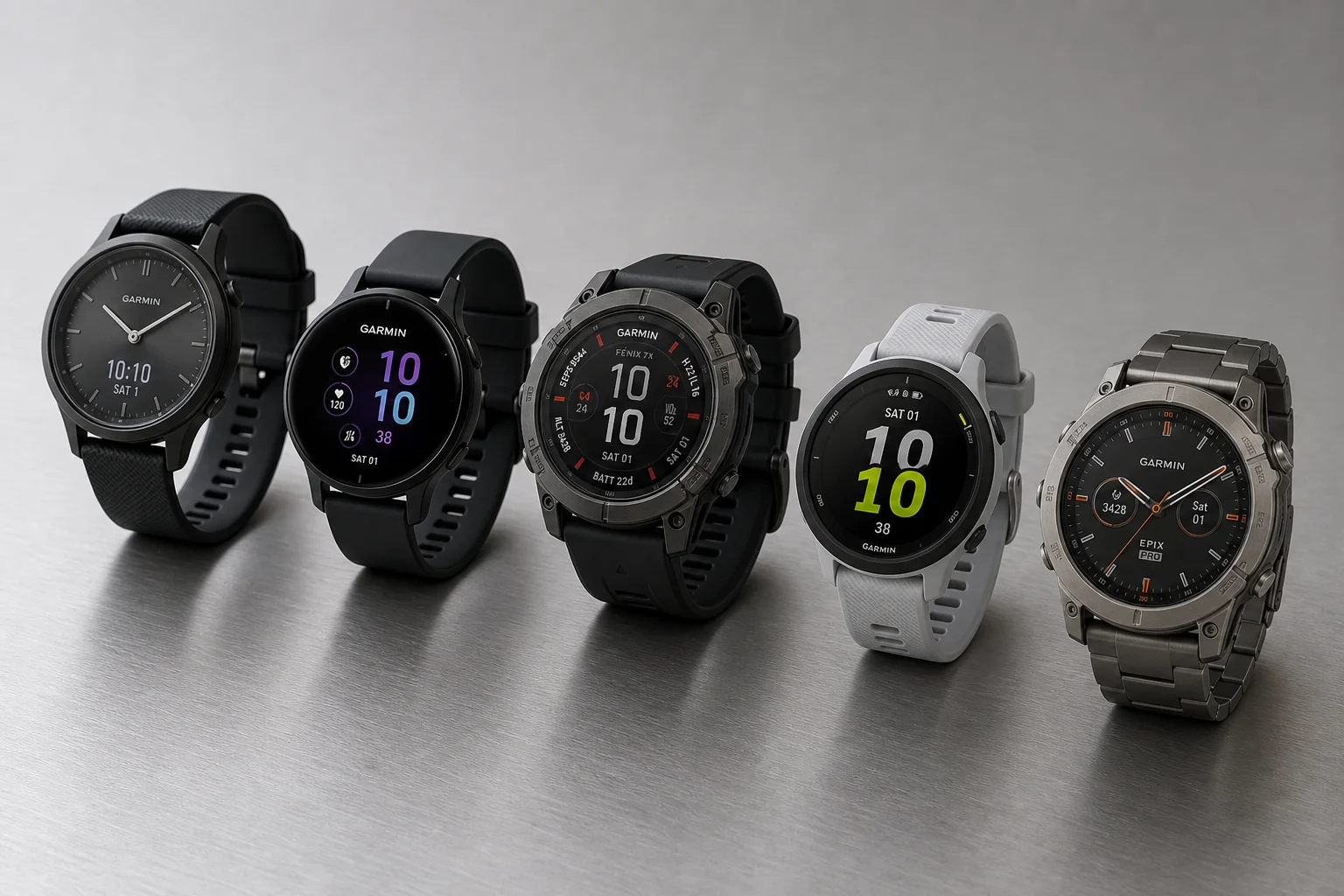
Garmin Sports Watch Guide: Finding the Right Model for Your Fitness Level
A comprehensive overview of Garmin's sports watch lineup, from casual fitness trackers to advanced multisport devices, helping you choose the right model for your needs and budget.
Sports Watches
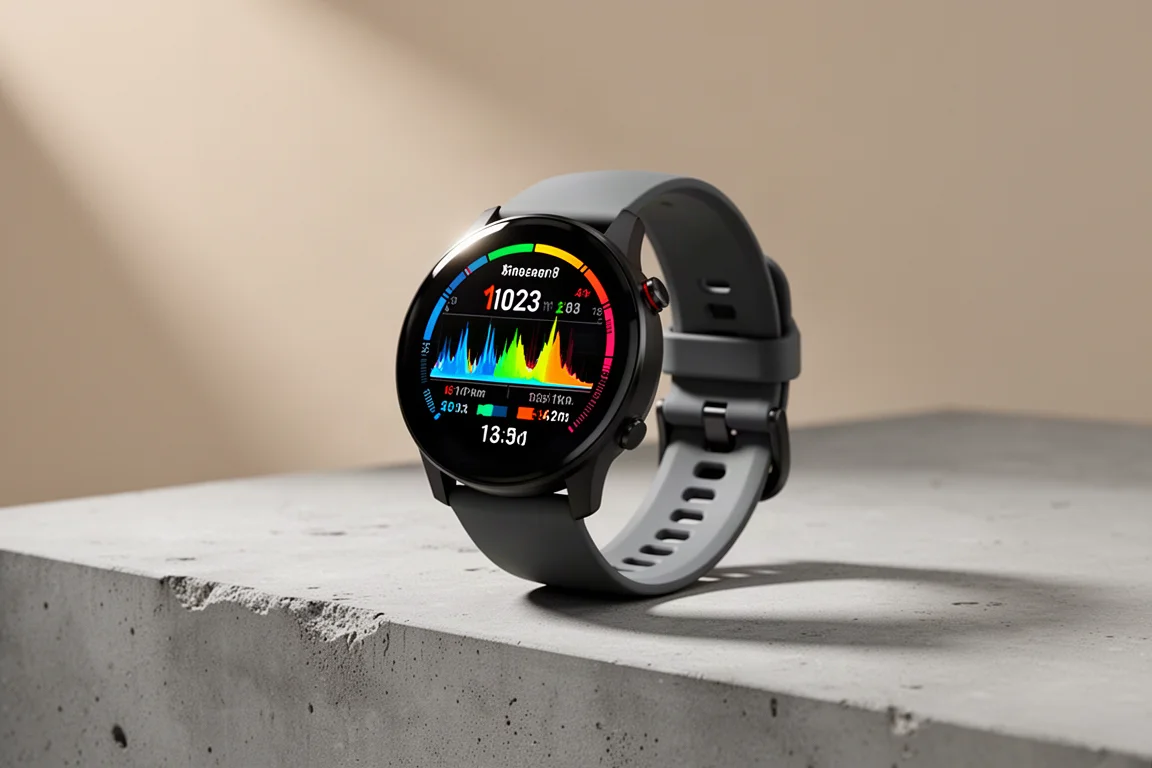
Coros Pace Pro Review: A Complete Overhaul That Finally Feels Premium
Coros rebuilt the Pace Pro from the ground up with an AMOLED display, onboard maps, and a new heart rate sensor. Here is how it all holds up in real use.
Sports Watches
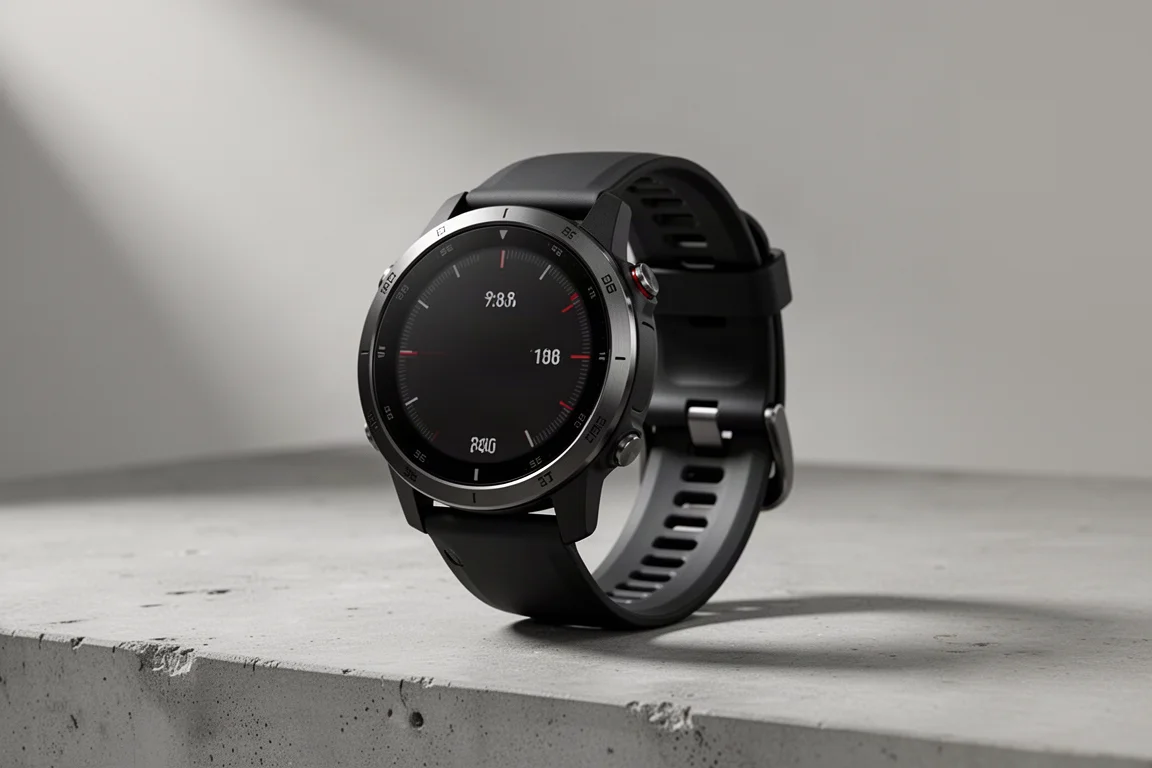
Polar Vantage M3 Review: The Sweet Spot in Polar's New Watch Lineup
A closer look at the Polar Vantage M3, which brings an AMOLED display, dual-frequency GPS, offline maps and the same software platform as Polar's flagship watches at a friendlier price.