Sports Watches
Best Sports Watches of 2025: Eight Standout Picks From a Busy Year
From budget-friendly trackers to premium adventure watches, here are eight sports watches and wearables from 2025 worth a closer look.
Introduction
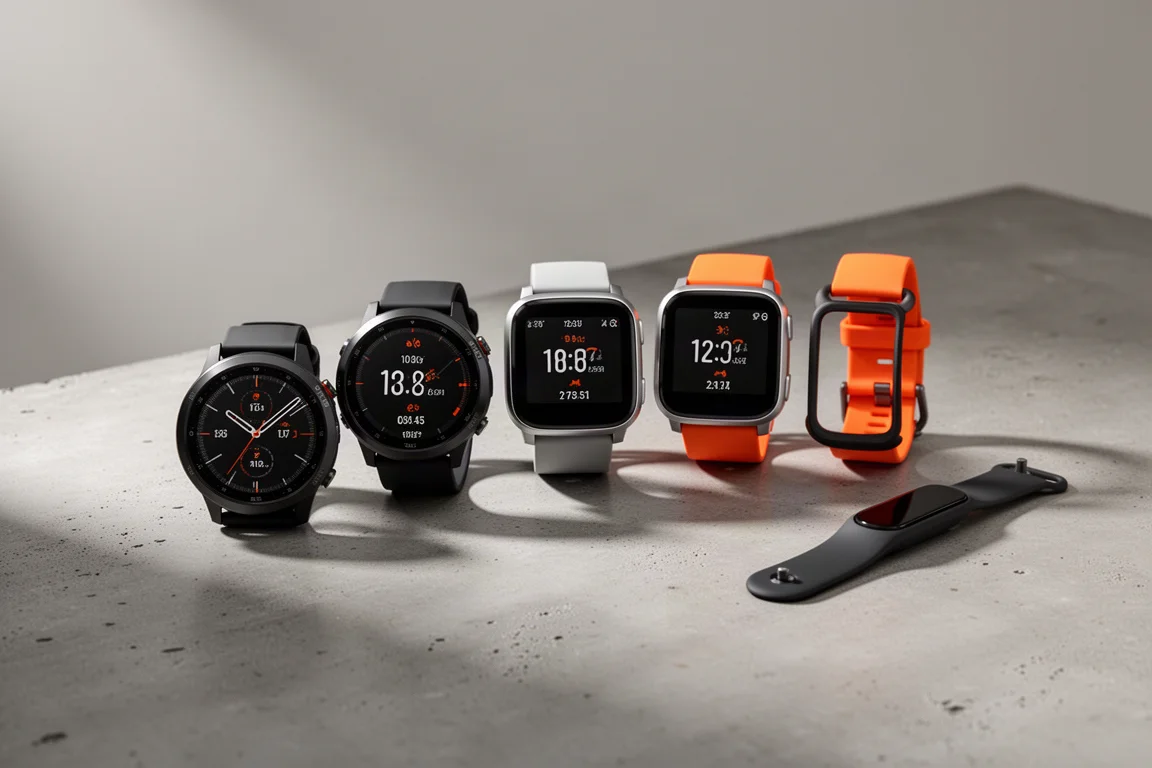
2025 was one of the busiest years the sports watch market has seen in a long time. Prices climbed at the high end, budget brands kept pushing value upward, and several long-standing designs were reinvented entirely. This roundup pulls together eight products that stood out over the course of the year, each with a clear use case and a clear trade-off, so you can match the right device to the way you actually train.
Best Budget Smartwatch: Amazfit Active 2
The Amazfit Active 2 landed at just $99 and still managed to include offline maps, a feature most brands reserve for watches costing several times more. A premium version at $129 added extras such as NFC payments and a leather strap. The maps are simpler than Garmin’s full routable navigation, essentially showing your position over a map image, but at this price that is an impressive bonus.

Like most Amazfit products, the software has quirks that make you question certain design decisions. At $99 those quirks are easy to overlook, and the core tracking experience delivers far more than the price suggests. It is one of the easiest budget recommendations of the year.
Best Budget Sports Watch: Coros Pace 4
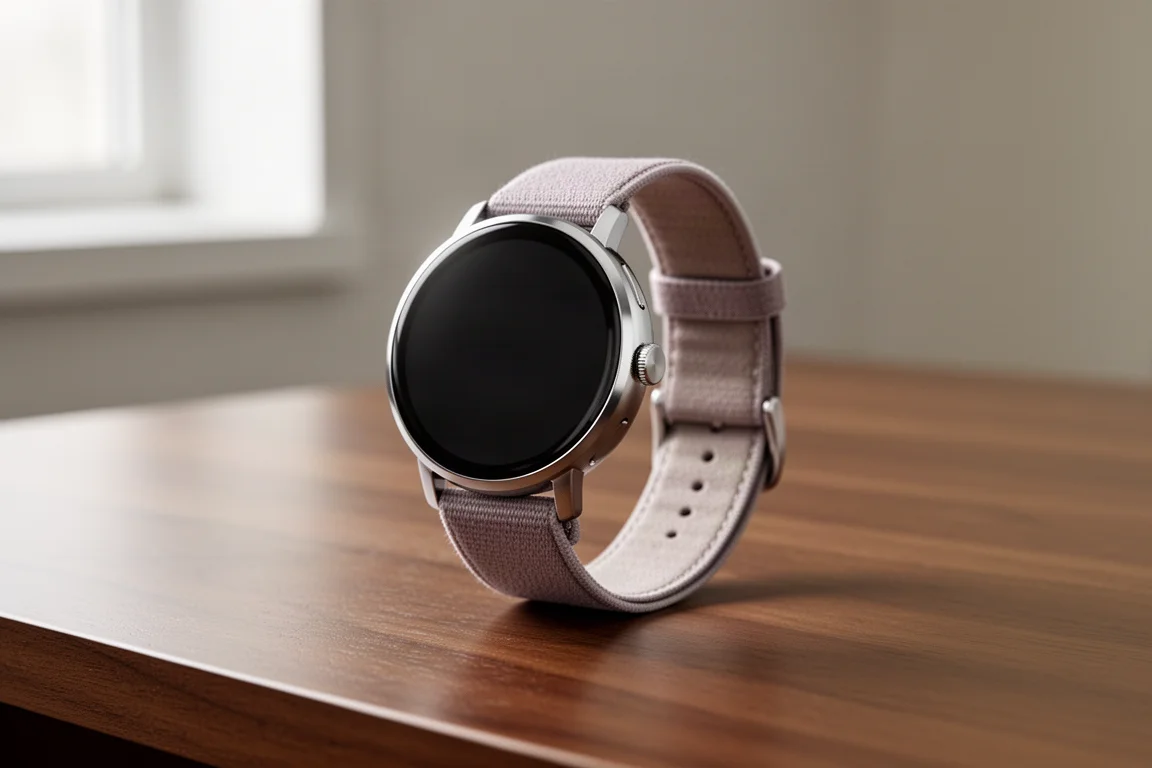
Coros continued its strong run with the Pace lineup by moving the Pace 4 to an AMOLED display while keeping the small, lightweight form factor that made the series popular. The price increased by roughly $20, which hardly changes the value story, and the watch remains one of the best budget sports watches available outside of major sale periods.
It is a straightforward recommendation for runners who want a capable, no-nonsense training watch without spending premium-watch money. During big sale events the competitive landscape gets messier, but in normal months the Pace 4 holds its own very well.
Best Mid-Range Sports Watch: Suunto Race 2
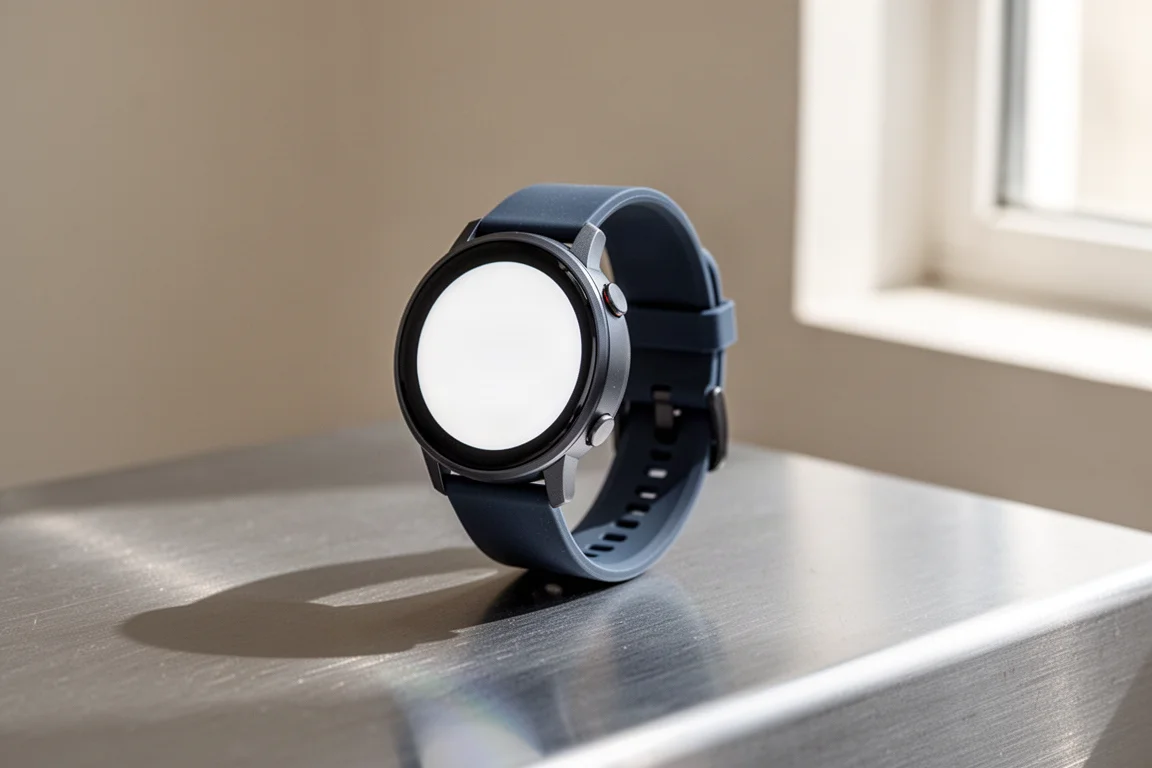
The original Suunto Race was a great watch held back by one thing: wrist heart rate accuracy. The Race 2 fixes that with a new heart rate sensor, and it also brings a much faster, smoother interface, a brighter display, a slightly thinner and lighter body, and a competitive price.
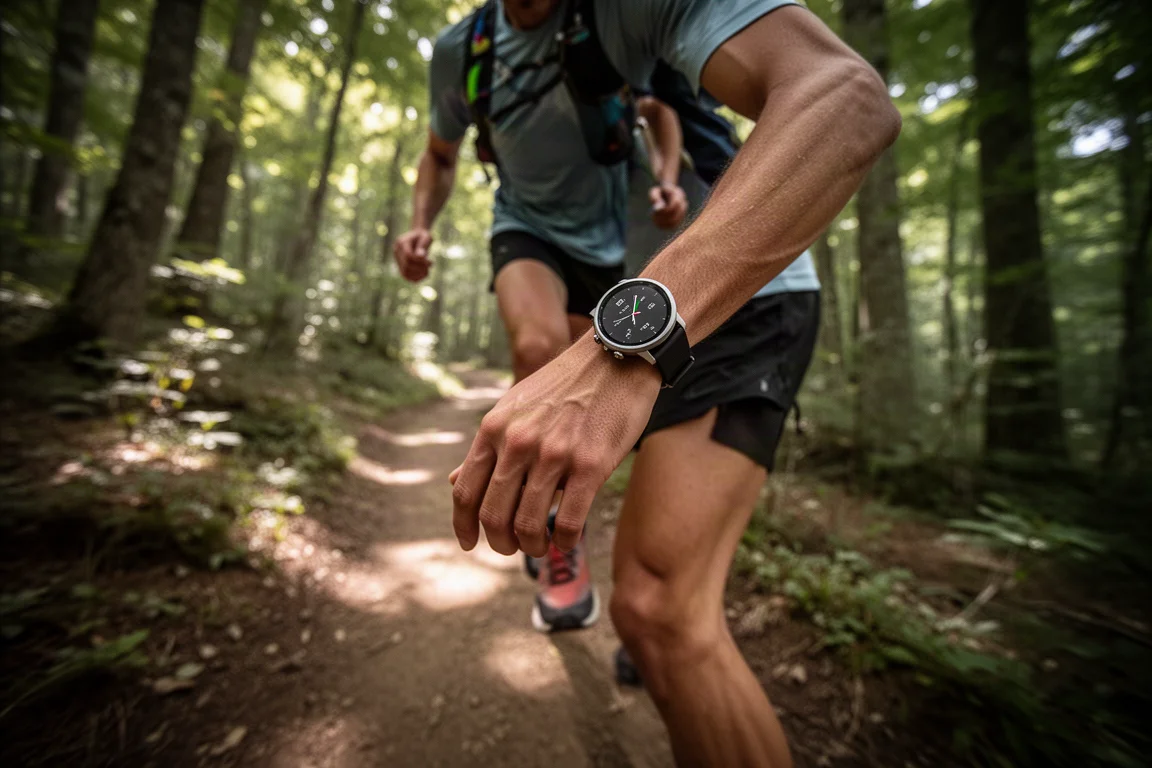
With onboard maps included, the Race 2 hits the mid-range sweet spot better than almost anything else released this year. If you want a capable, well-built sports watch with navigation without stepping into premium pricing, this is one of the easiest picks of 2025.
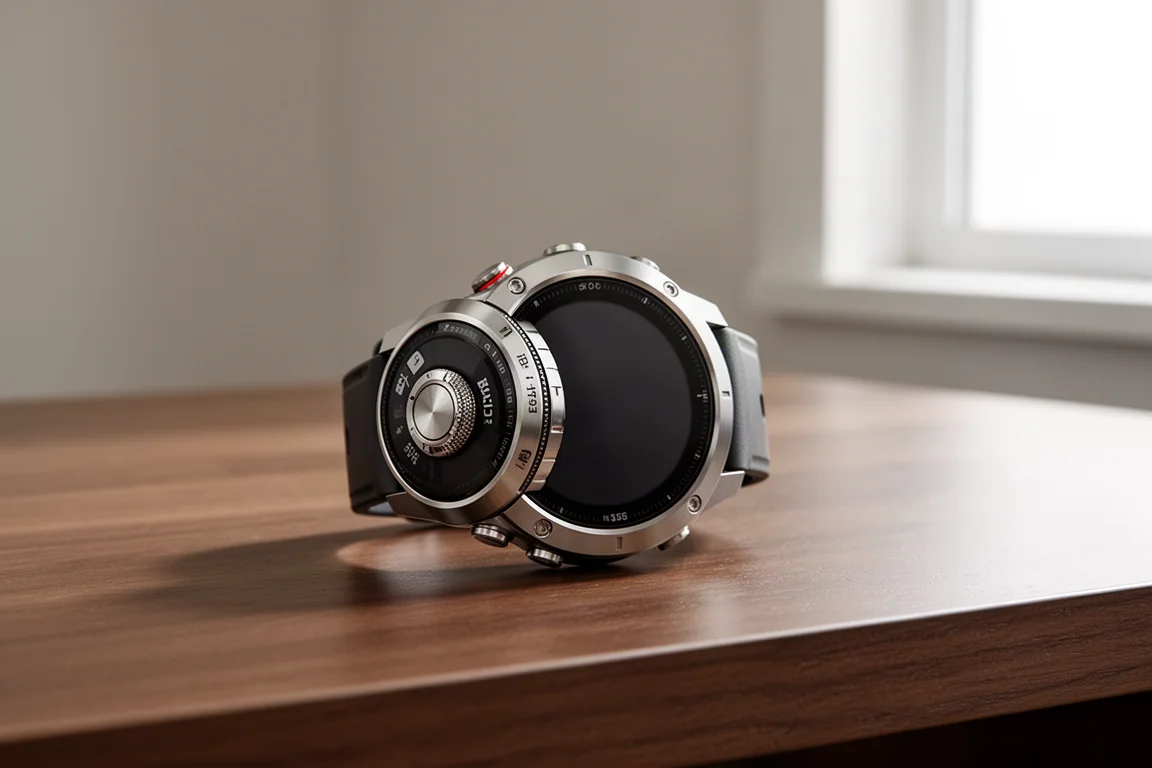
Best Premium Running Watch: Garmin Forerunner 970
The Forerunner 970 picked up two features running fans had been asking about for years: the LED flashlight from the Fenix series and a sapphire lens, which was the notable missing piece on the 965. It also gained a long list of new running features, and it shares the same software platform as the Fenix 8 and Venu X1, which means feature parity across Garmin’s higher-end lineup.
The price jumped from $599 to $749, a significant increase. The sapphire lens and flashlight do soften the blow, but it remains an expensive proposition for what is essentially a plastic-cased Fenix. Still, for runners who want nearly all of Garmin’s top-end functionality without the full outdoor-watch build, it is a very complete package.
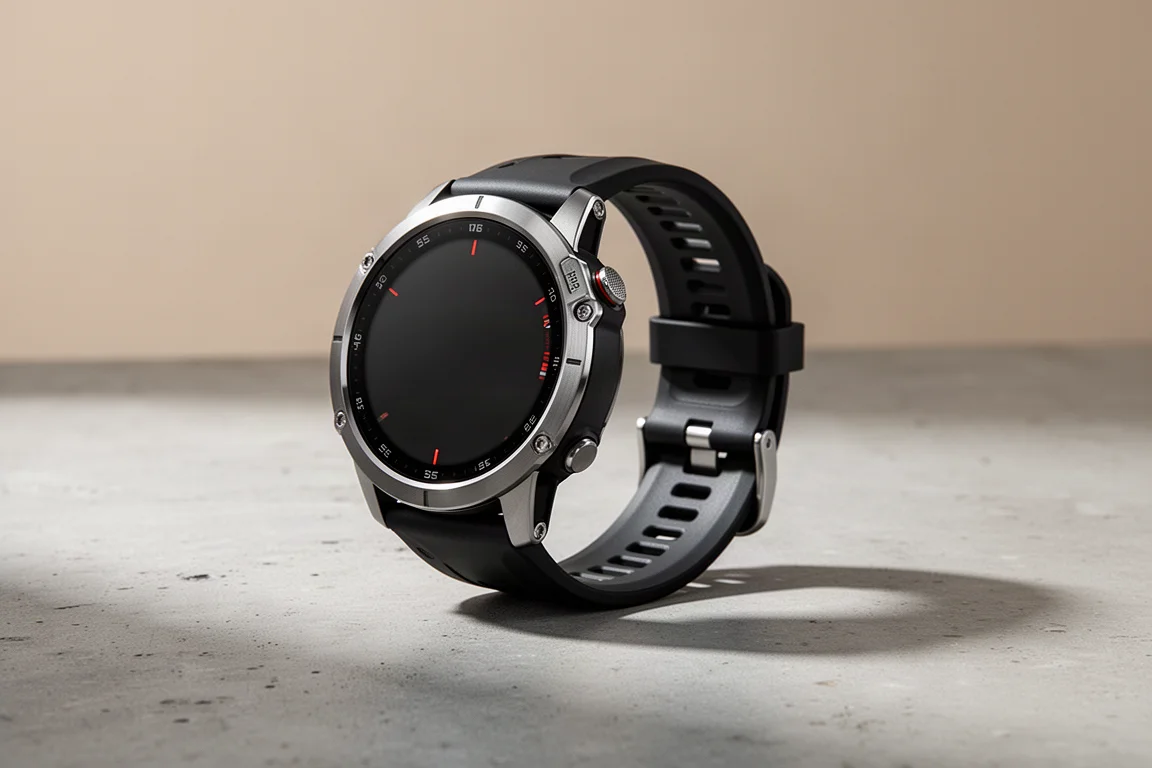
Most Unique Design: Garmin Venu X1
The Venu X1 is the strangest watch Garmin released this year: an extremely thin, square-bodied watch with a gigantic display, offline maps, a flashlight, and a $799 price tag. It blends the Forerunner, Venu, and Fenix lines into one product, and it runs the same unified software platform as those watches.
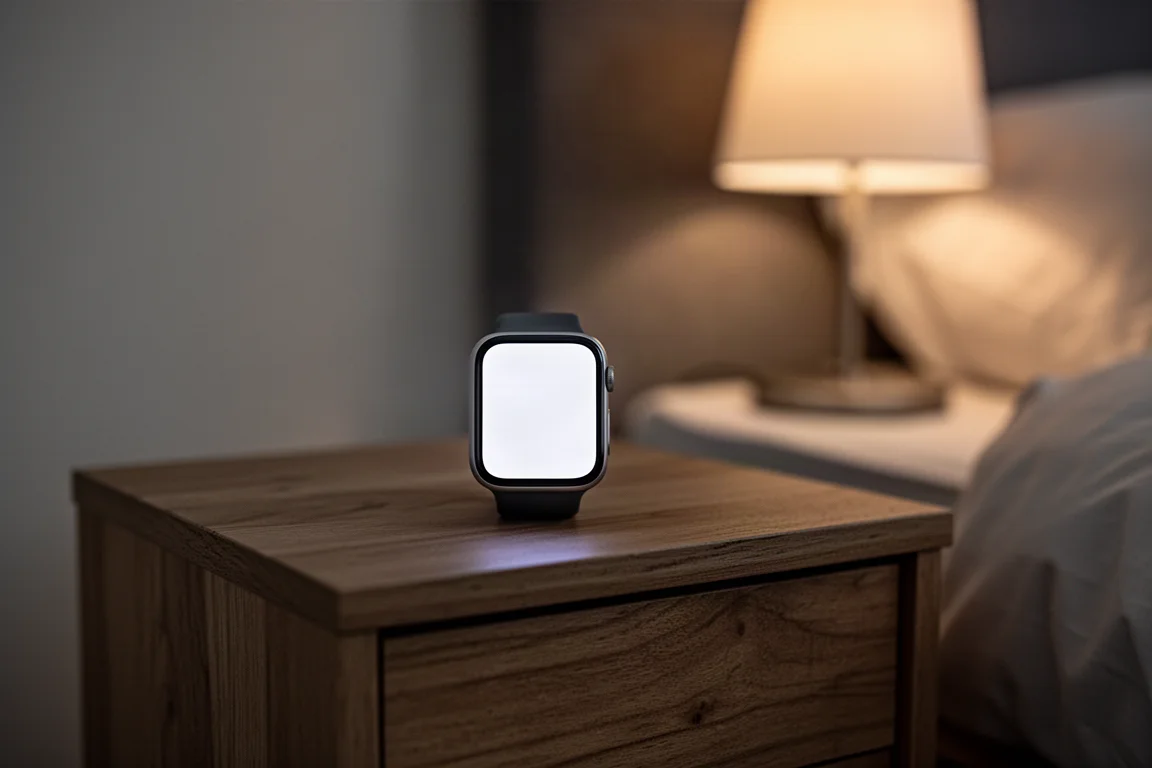
The trade-offs are real. Battery life sits around a couple of days, the very bright display drains it quickly, and the lack of buttons makes it heavily touchscreen dependent for an outdoors-oriented watch. The X1 naming also confused buyers, and Garmin discounted it to $599 within months, which says a lot. As a concept it is genuinely exciting; as a purchase, wait for a sale.
View more details for Garmin Venu X1
Best Battery-Focused Adventure Watch: Suunto Vertical 2
Suunto made a bold call with the Vertical 2: it dropped the solar memory-in-pixel display of the original and went all-in on AMOLED, while adding a flashlight, the first in a Suunto watch. Battery life remains impressive for an AMOLED watch, with some of the best numbers in the category, though it still falls short of a solar MIP display on a bright day.
The main critique is the three-button layout, which lacks a dedicated back button and the rotating dial found on the Race 2. Even so, with strong battery life, a flashlight, maps, and pricing below a Fenix 8, the Vertical 2 makes a lot of sense for long-distance adventurers who want a modern display.
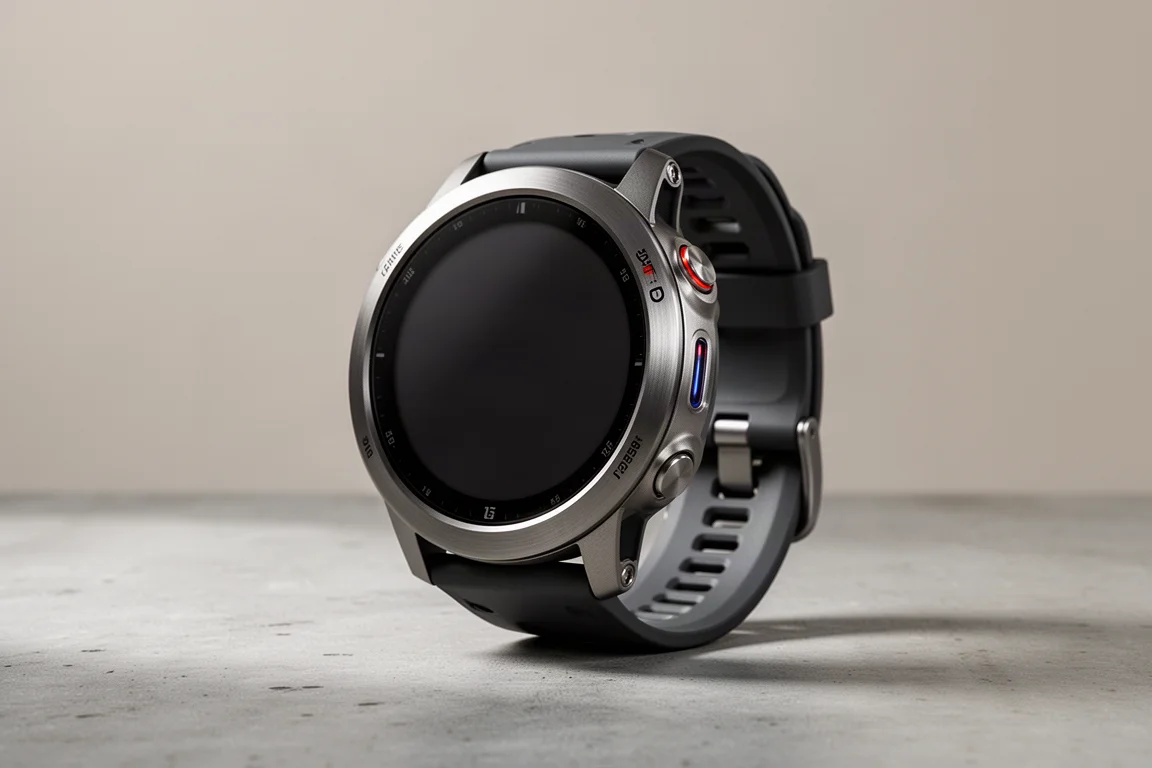
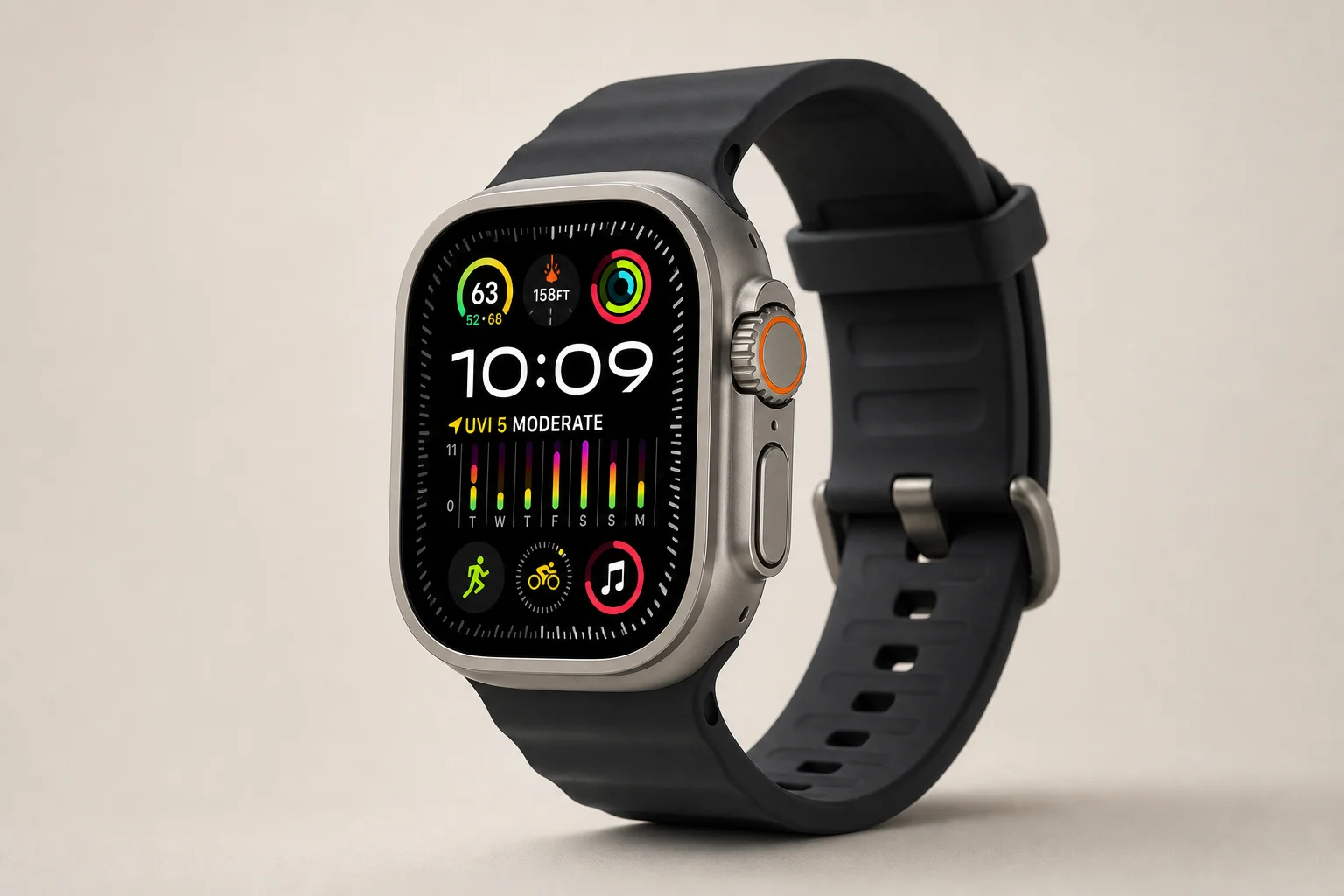
Best Satellite Smartwatch: Apple Watch Ultra 3
The Apple Watch Ultra 3 was the standout Apple release of the year. It added two-way satellite messaging, satellite Find My, and emergency SOS, and in testing its satellite messaging was the fastest and most reliable of the new satellite watches. It also gained meaningful battery life improvements, delivering a solid two-plus days of use.
Two caveats: satellite messaging currently does not work in Europe, where only SOS and Find My function, and the battery gains still trail what dedicated sports watches offer. For iPhone users who want a rugged smartwatch with genuine off-grid communication, though, nothing else combines these features this well.
Best Subscription-Based Tracker: Whoop 5.0
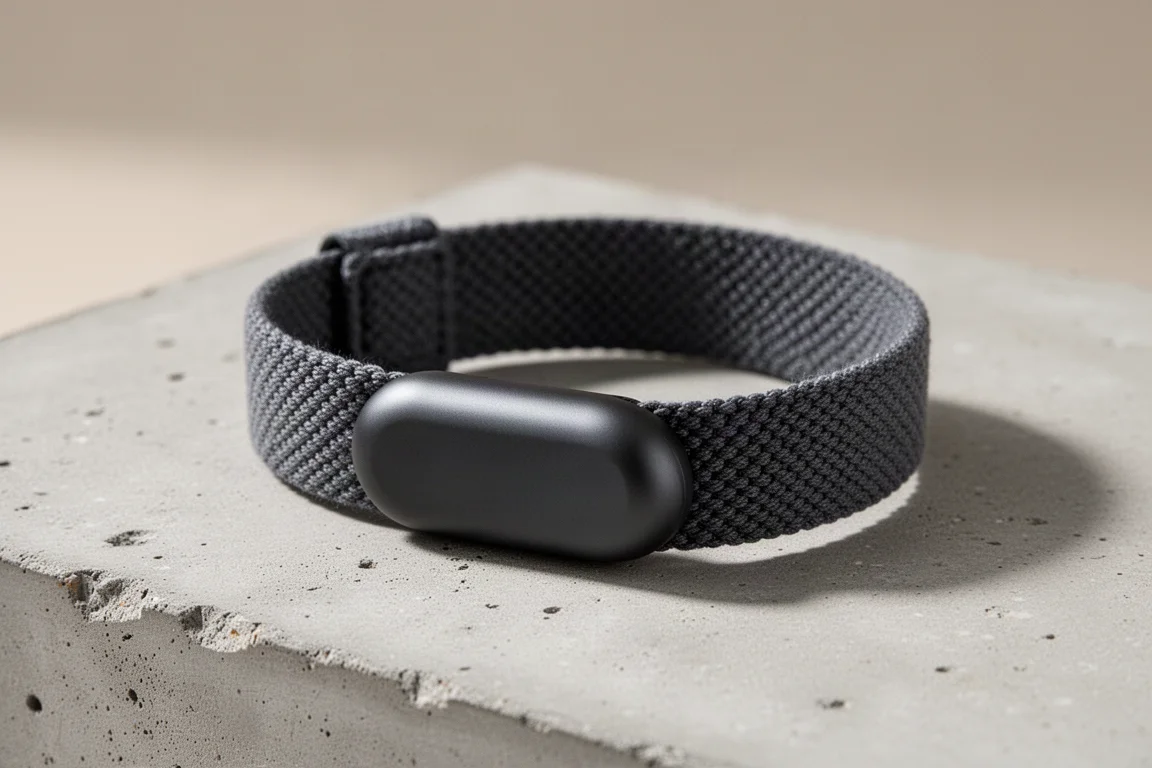
Whoop 5.0 brought a three-tier structure: the One tier with older 4.0 hardware, the Peak tier with the new 5.0 band, and the Life tier with an MG bicep band that adds FDA-certified ECG and background AFib detection. The 5.0 hardware delivers a genuinely reliable 14-day battery life, and features like HealthSpan and Pace of Aging are novel.
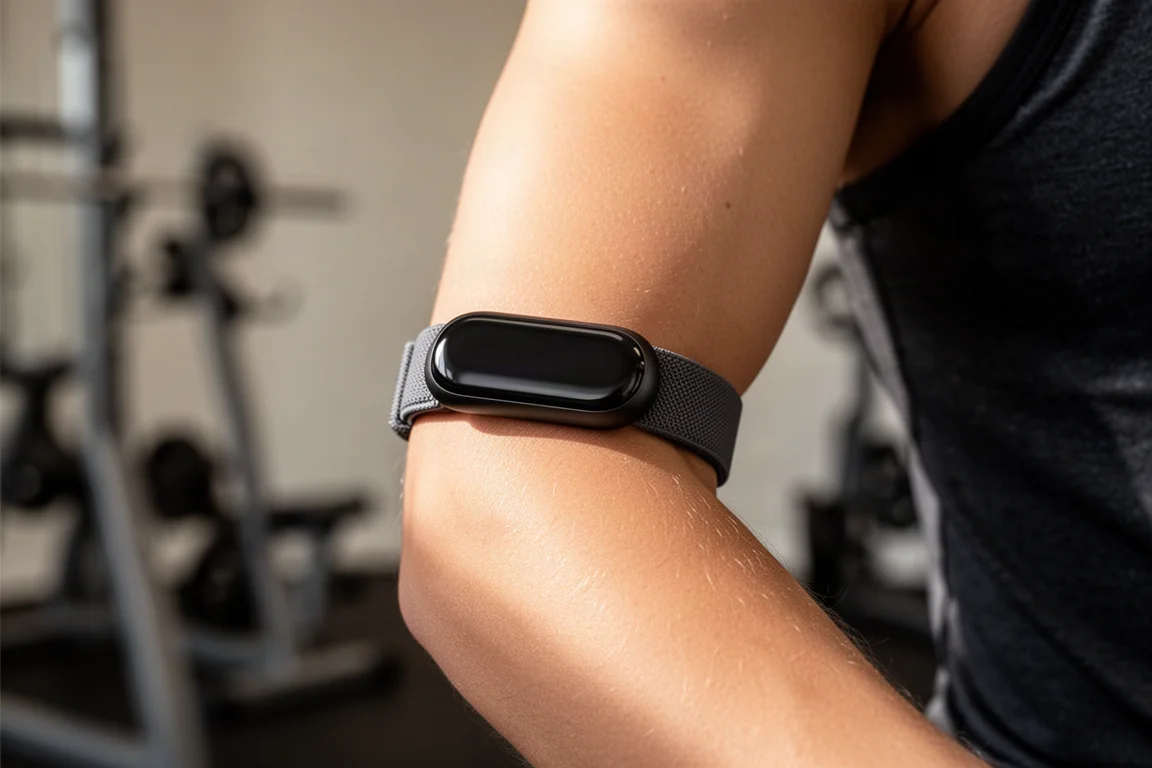
The controversy, however, dominated the conversation. Long-time subscribers who had been promised new hardware with their plans did not receive it without renewing or paying extra, and existing bands, straps, and battery packs were made incompatible. That handling damaged a lot of goodwill, so consider the subscription terms carefully before committing.
Overall Buying Advice
A few patterns from this year are worth keeping in mind. Price increases at the top end were common, and not every increase was matched by new features, so compare against prior-generation models, which often remain on sale at much lower prices. Battery life and flashlights became mainstream features across brands, and satellite messaging arrived on multiple platforms, though coverage and features vary by region.
For tight budgets, the Amazfit Active 2 and Coros Pace 4 deliver remarkable value. For mid-range training, the Suunto Race 2 is the standout all-rounder. If you are invested in Apple’s ecosystem, the Ultra 3 is the most capable option yet. And if recovery-focused tracking appeals to you, weigh Whoop’s subscription structure against screenless alternatives before committing.
Conclusion
2025 rewarded careful shoppers. Some of the year’s best value came from budget and mid-range releases, while several premium watches asked for more money without clearly earning it. Match the watch to your actual training, check whether the marquee features you care about genuinely work, and you will end up with a device that serves you well for years.
Further reading
Related Reviews
Sports Watches
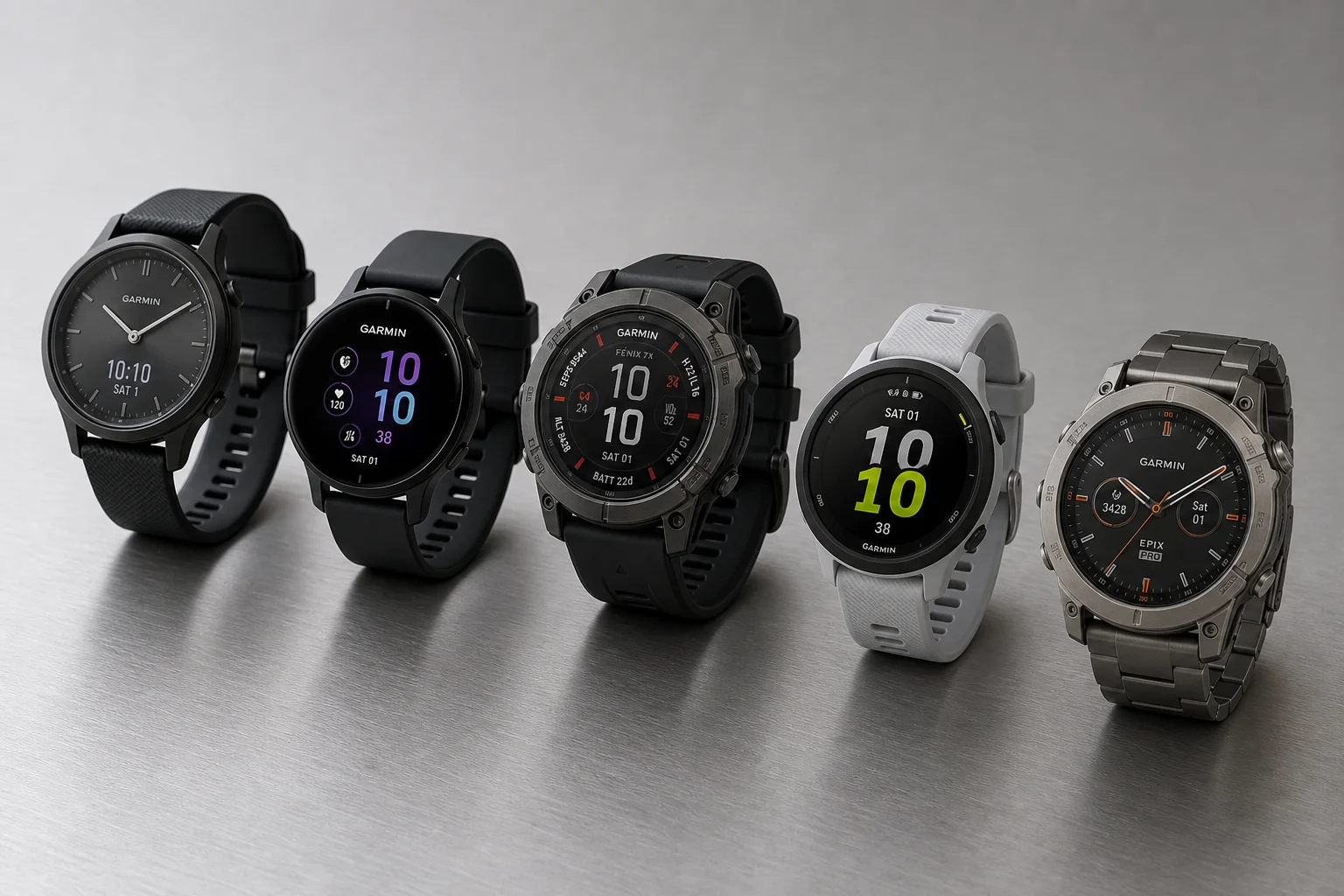
Garmin Sports Watch Guide: Finding the Right Model for Your Fitness Level
A comprehensive overview of Garmin's sports watch lineup, from casual fitness trackers to advanced multisport devices, helping you choose the right model for your needs and budget.
Sports Watches
Coros Pace Pro Review: A Complete Overhaul That Finally Feels Premium
Coros rebuilt the Pace Pro from the ground up with an AMOLED display, onboard maps, and a new heart rate sensor. Here is how it all holds up in real use.
Sports Watches
Polar Vantage M3 Review: The Sweet Spot in Polar's New Watch Lineup
A closer look at the Polar Vantage M3, which brings an AMOLED display, dual-frequency GPS, offline maps and the same software platform as Polar's flagship watches at a friendlier price.