Sports Watches
Best Sports Watches of 2021: Six Releases Worth a Second Look
A year-in-review look at six standout sports watches from 2021, covering strengths, trade-offs, and who each one actually suits.
Introduction
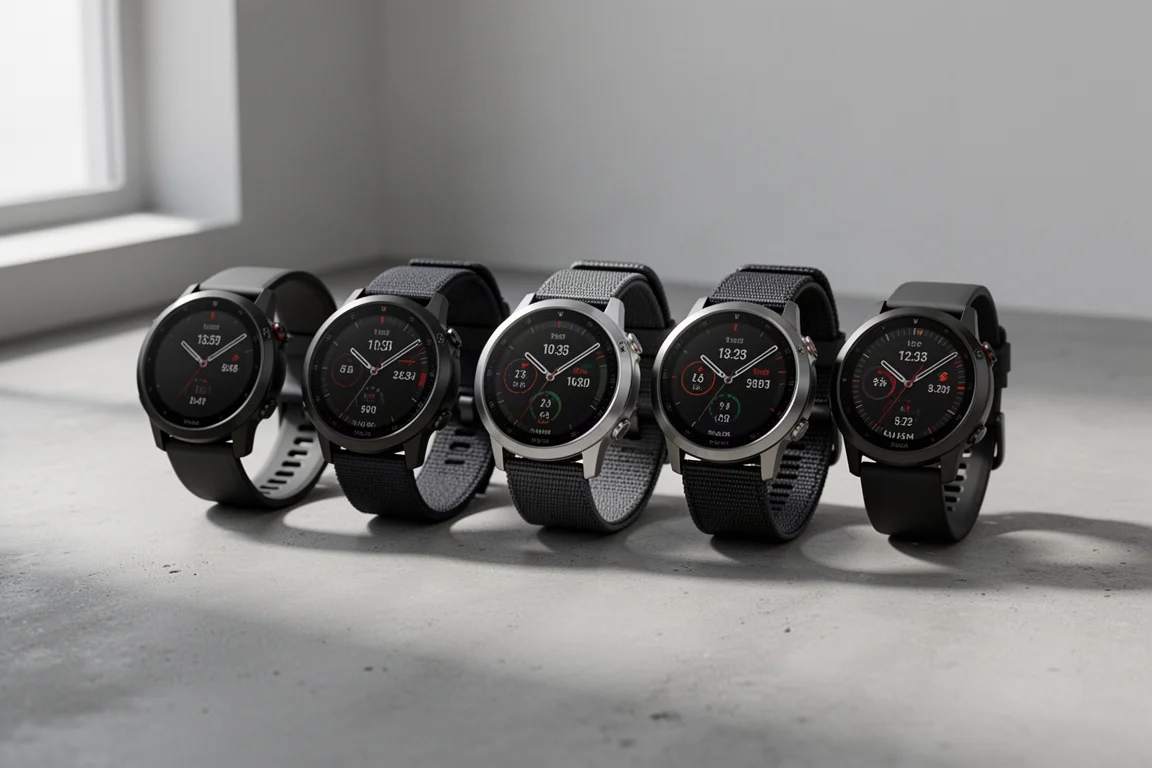
2021 was a strange year for sports watches. Supply chain issues limited how many brand-new models companies could ship, so several brands leaned heavily on software updates for existing devices instead. Even so, nearly every major name in the sport and fitness space released something, and the year produced a genuinely varied lineup, from fashion-leaning smartwatches to ultra-endurance machines. This review walks through six releases that stand out for different reasons, with the trade-offs you should know before buying.
Garmin Enduro: Battery Life Above Everything
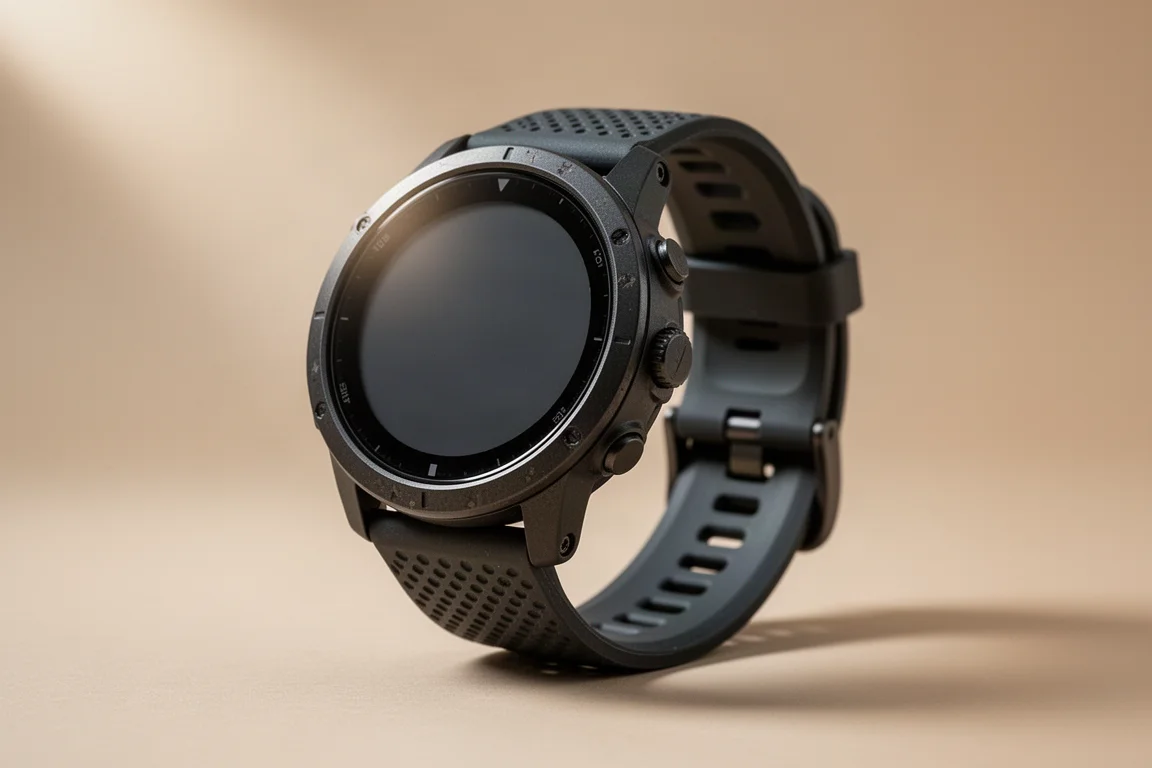
The Garmin Enduro is arguably the most purpose-built watch of the year. With solar charging and frankly extreme battery life, it can go roughly a month between charges even with daily running workouts, which makes it a favorite reference device simply because it is always charged. The debut UltraFit nylon band is a genuinely nice touch, with just enough stretch to pop on and off easily, and the hook-and-loop closure actually gets grippier over time.
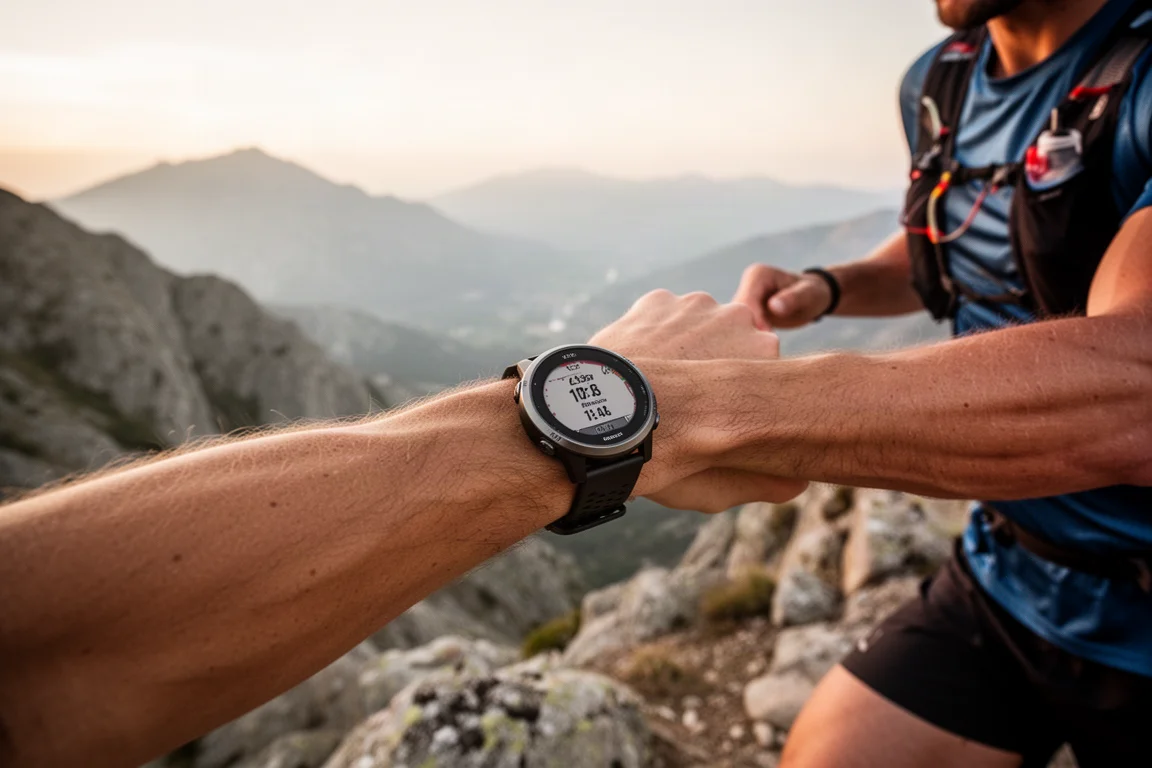
The trade-offs are significant, though. There are no maps and no music, yet the price sits in the same territory as competitors that offer both. For ultra-endurance athletes who need the absolute longest battery life, that math can still work. For nearly everyone else, watches with maps at lower prices make the Enduro a tough recommendation unless battery life is truly the top priority.
Polar Vantage M2: Premium Looks Below 300
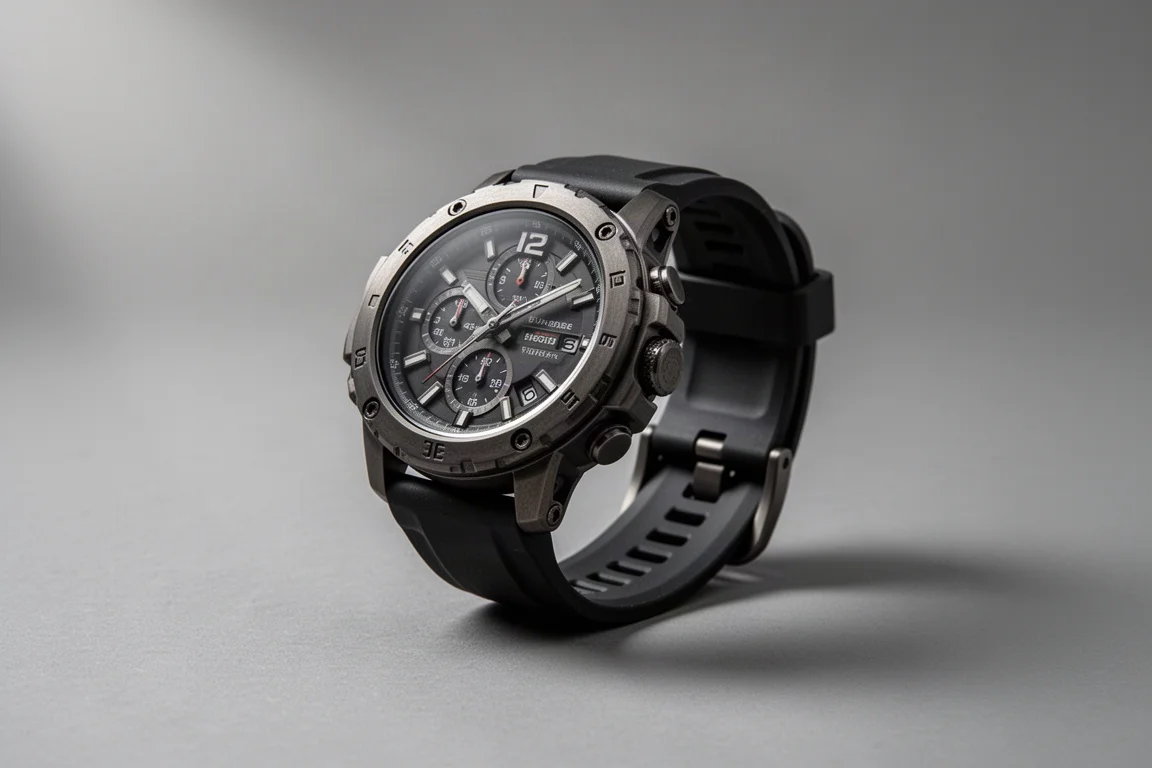
The Polar Vantage M2 is the successor to the original Vantage M, and it benefits from the usual trickle-down pattern: fueling-style features from the higher-end Vantage V series moved down into this watch. It also handles heart rate broadcasting over Bluetooth properly this time, following the standards so it can connect to third-party apps and gym platforms, something earlier Polar attempts did not manage cleanly.
Design is a genuine highlight. Below roughly the 300 mark, most watches shift to plastic construction, but the Vantage M2 does not look plasticky in real life, with a distinctive bezel and dual-texture bands that feel a step above the price. There is also a white version with a gold bezel if black is not your thing. One practical note: the glossy front is a bit of a fingerprint magnet. At a final price around 279 to 299, this earned a reputation as a strong value multi-sport pick for swim, bike, and run.
Garmin Forerunner 45: The Runner’s Baseline
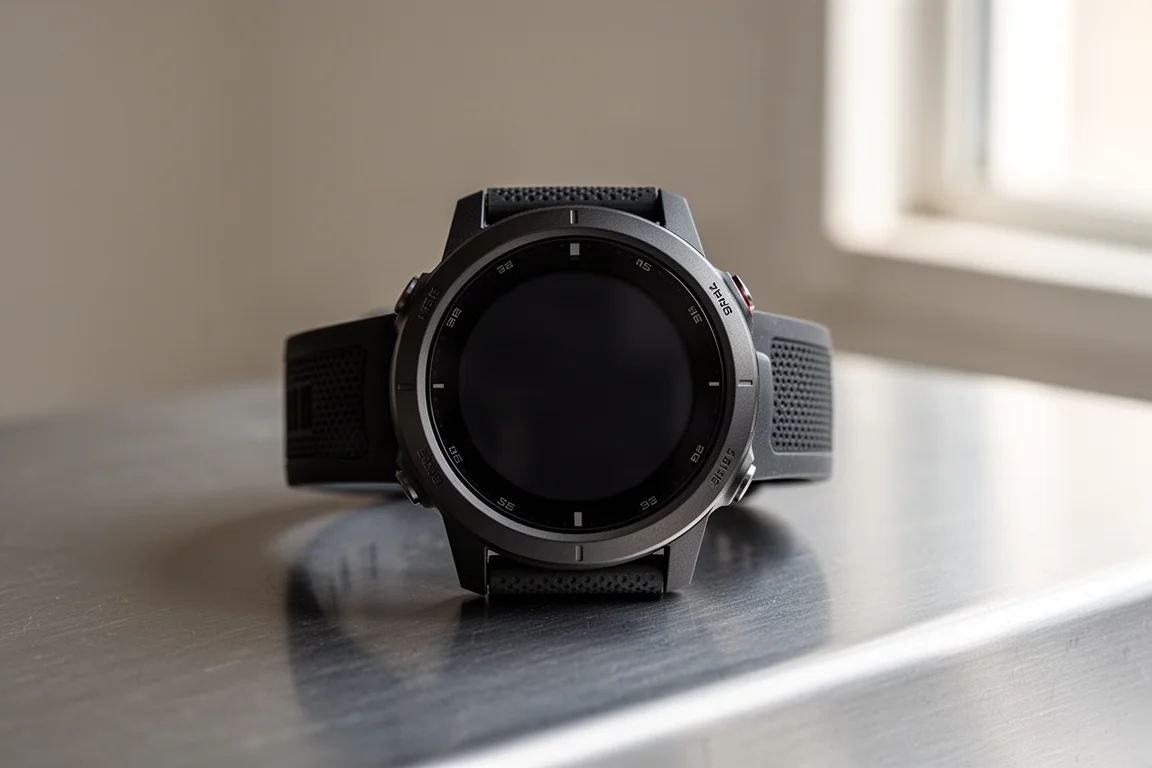
The Garmin Forerunner 45 replaced the Forerunner 45S-era design language with something between the older 55 and 245 styling, and it brought a lot of the Forerunner 245’s feature set down to the entry level. That includes PacePro, Virtual Run, daily suggested workouts, and race predictor tools. In other words, this is a runner’s watch for someone who does not care about deep physio metrics and simply wants clear guidance on what workout to do next.
The price of Garmin’s baseline running series has crept up over the years, and this generation sits around the 200 mark rather than the 129 of earlier entry models. To its credit, it now carries features that lived on 400 watches only a few years ago, and holiday sales pushed it down to roughly 150 or so. For a straightforward GPS running watch with heart rate, it is a solid contender.
Coros Vertix 2: Maps and Multi-Band GPS
The Coros Vertix 2 is a bigger, more capable follow-up to the original Vertix, and its headline features are onboard maps and multi-band, dual-frequency GPS. The map implementation has a notable catch: streets and trail names are not labeled, which means the watch cannot reroute you if you stray off course. It shows your position on the map, but it does not truly understand what is on that map.

Where the Vertix 2 genuinely impresses is usability. The touchscreen and dial combination works remarkably well for panning maps, even with sweaty hands mid-workout, and the dial finally has a purpose. Storage increased too, so you can load MP3 music directly, though there is no streaming service support. Just as important, Coros rolled full mapping to watches two and three years older, setting a strong example for post-purchase support that is quietly pressuring the rest of the industry.
Fitbit Charge 5: A Beautiful Band With a Catch
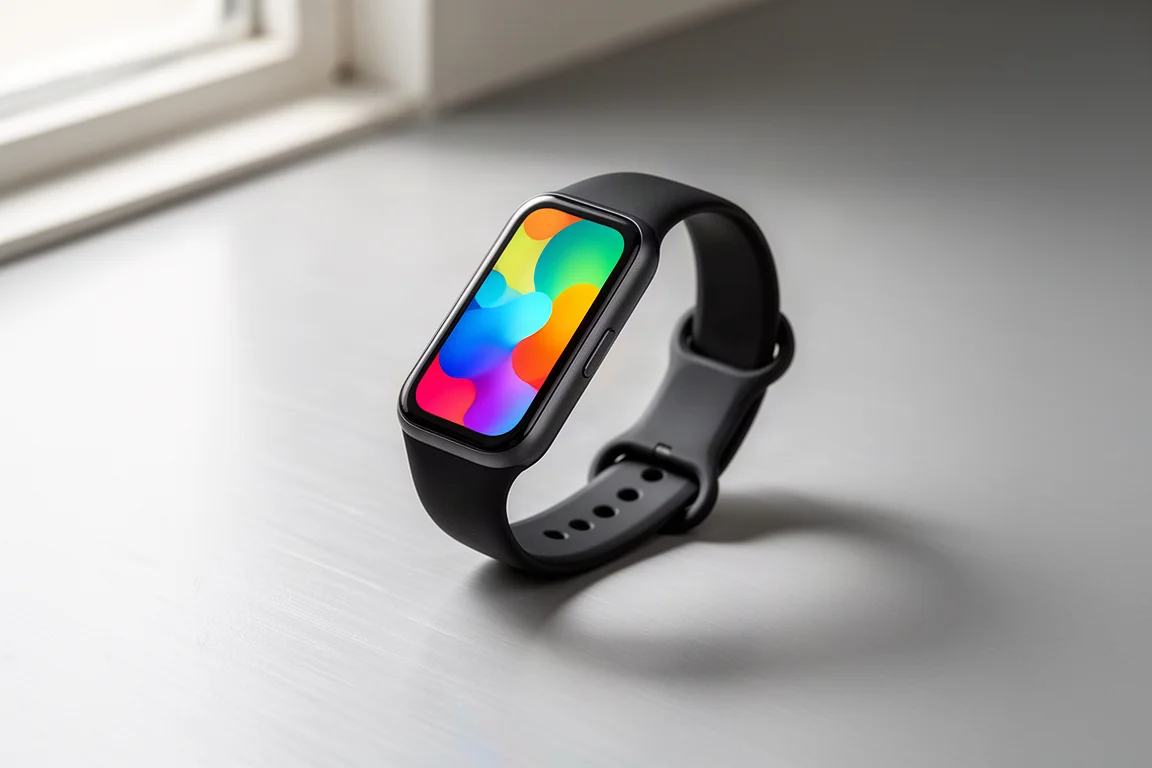
The Fitbit Charge 5 is arguably the best-looking band Fitbit has ever made. It gained a bright full-color display that is easy to read outdoors, always-on mode, ECG, SpO2, and a daily readiness score that estimates your energy levels based on sleep, recovery, and workouts. On paper it overlaps with Fitbit’s own higher-end devices, which is clearly part of the push toward the premium subscription.
The problem is accuracy, specifically the interaction between heart rate and GPS. Wearing the band snugly enough for decent optical heart rate can block the GPS antenna, which sits along the sides of the unit, and loosening it restores GPS but wrecks heart rate. In testing, this meant standing outside for 15 minutes without ever acquiring GPS. If you use your phone for GPS instead, the equation improves considerably. It is a stunning band, but the accuracy trade-offs are real and worth weighing carefully.
Apple Watch Series 7: Bigger Display, Faster Charging
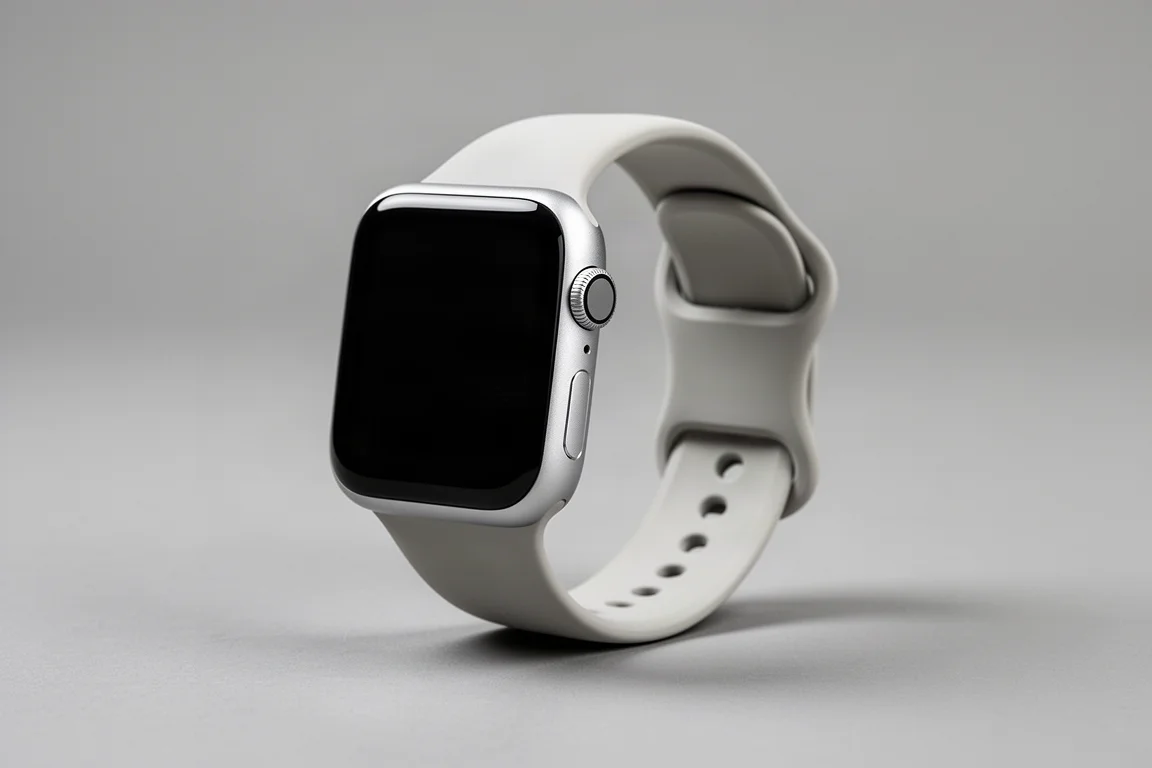
The Apple Watch Series 7 grew from 44mm to 45mm, a difference you barely notice with the display off, but the screen itself is about 20 percent larger and visibly so. Battery life claims stay at the familiar all-day 18 hours, but faster charging genuinely changes daily usability: a full charge takes about an hour, and a short 30 to 45 minute top-up covers a day and a half of typical use, including an eight-minute boost for eight hours of sleep tracking.
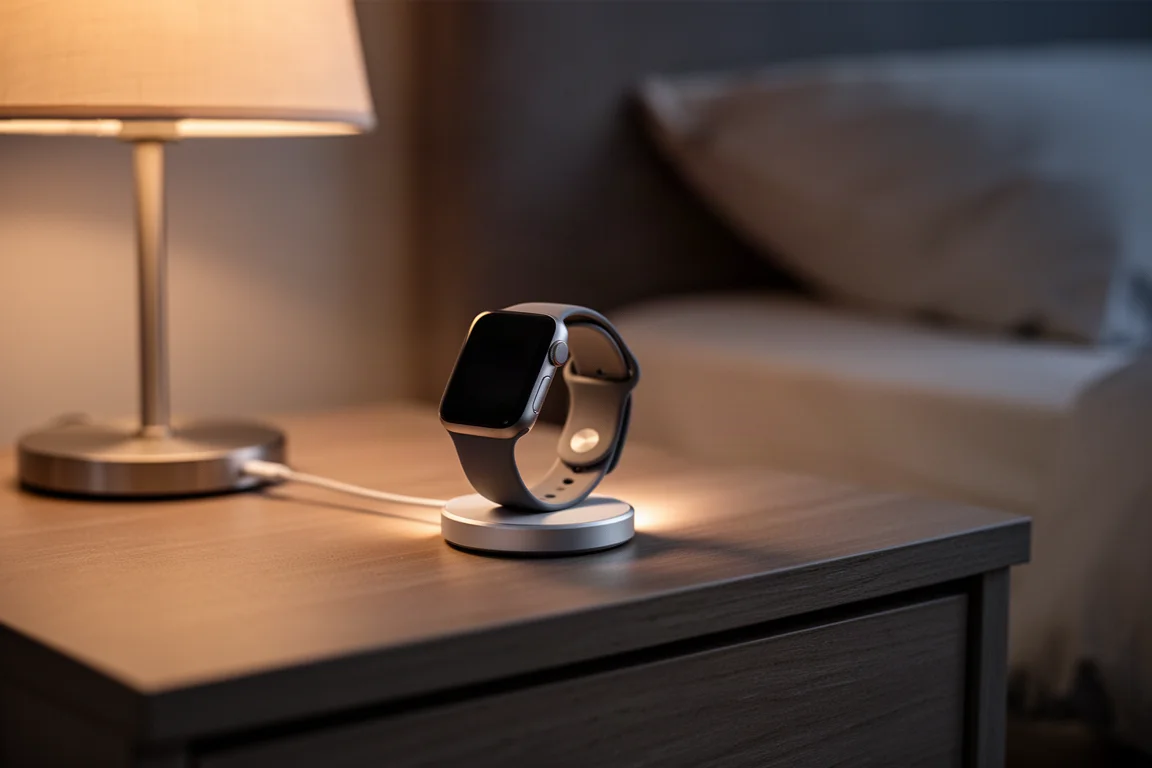
Under the hood, Apple also quietly fixed the long-running GPS corner-cutting issue in firmware, with older models improving noticeably on twisty trail sections. Bands remain interchangeable across generations, which keeps the ecosystem easy to live with. Battery life remains the standing compromise, and Apple clearly prioritizes display quality over endurance, but for iPhone owners who want one watch for everything, it remains the default choice.
Buying Advice
If battery life dominates your decision, the Garmin Enduro is in a class of its own, provided you can live without maps and music. For multi-sport athletes on a budget, the Polar Vantage M2 offers premium design and sensible pricing. Runners who just want clear daily guidance should look at the Garmin Forerunner 45, while the Coros Vertix 2 suits hikers and trail runners who want maps and strong long-term software support. The Fitbit Charge 5 works best for casual tracking with phone-based GPS, and the Apple Watch Series 7 is the pick for iPhone users who value display and convenience over multi-day battery.
Conclusion
Across 2021, the most encouraging trend was not new hardware but software: companies adding meaningful features to watches owners already have, with Coros setting the pace. Any of the six watches here can be a great purchase when it matches a real need, so weigh the trade-offs honestly and buy for the way you actually train.
Further reading
Related Reviews
Sports Watches
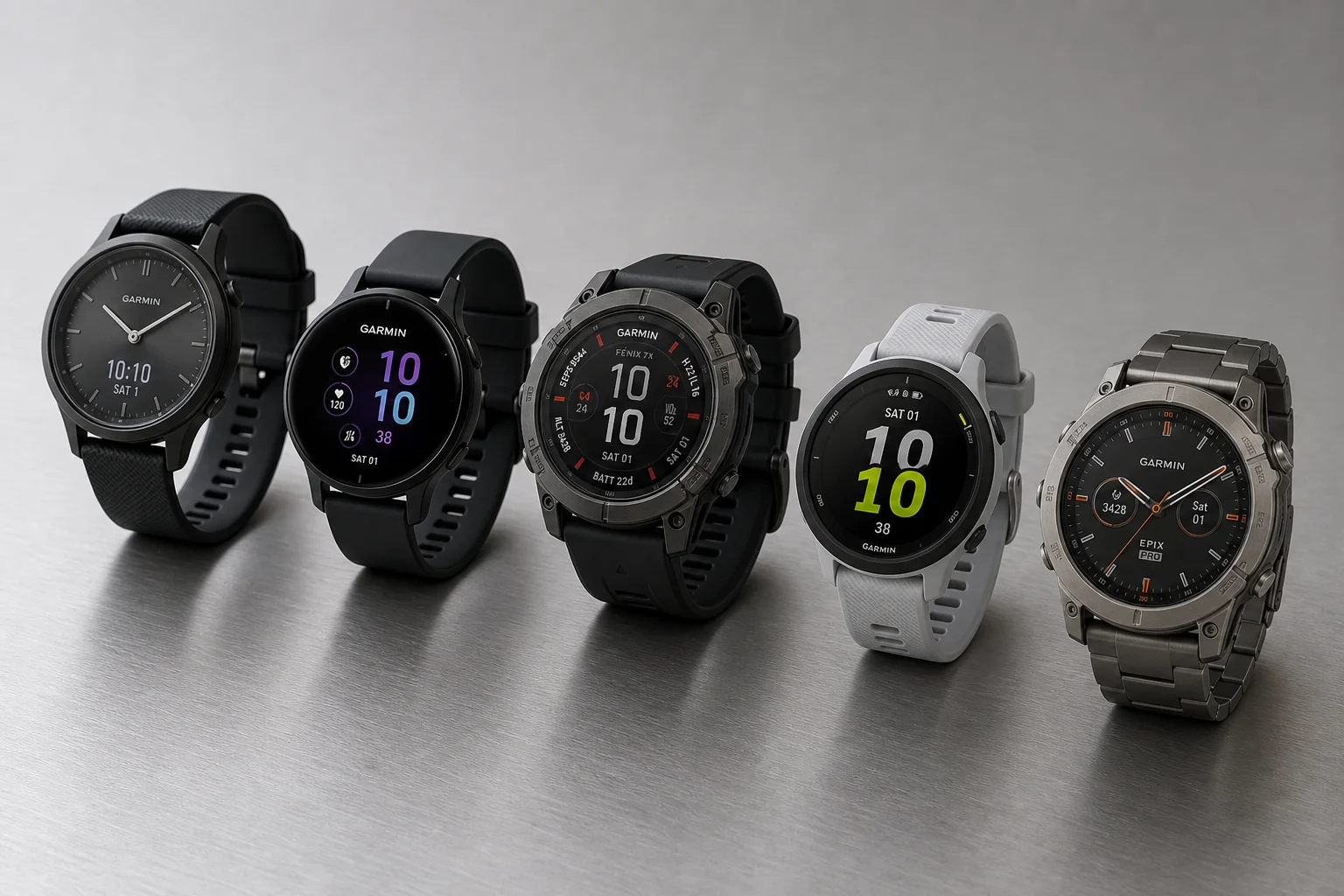
Garmin Sports Watch Guide: Finding the Right Model for Your Fitness Level
A comprehensive overview of Garmin's sports watch lineup, from casual fitness trackers to advanced multisport devices, helping you choose the right model for your needs and budget.
Sports Watches
Coros Pace Pro Review: A Complete Overhaul That Finally Feels Premium
Coros rebuilt the Pace Pro from the ground up with an AMOLED display, onboard maps, and a new heart rate sensor. Here is how it all holds up in real use.
Sports Watches
Polar Vantage M3 Review: The Sweet Spot in Polar's New Watch Lineup
A closer look at the Polar Vantage M3, which brings an AMOLED display, dual-frequency GPS, offline maps and the same software platform as Polar's flagship watches at a friendlier price.