Speakers
10 Standout Speakers Under $1,500: A Curated Roundup
Ten speakers under $1,500 per pair, from high-sensitivity floorstanders to compact monitors, with the placement, power, and subwoofer details that decide whether they work in your room.
Introduction
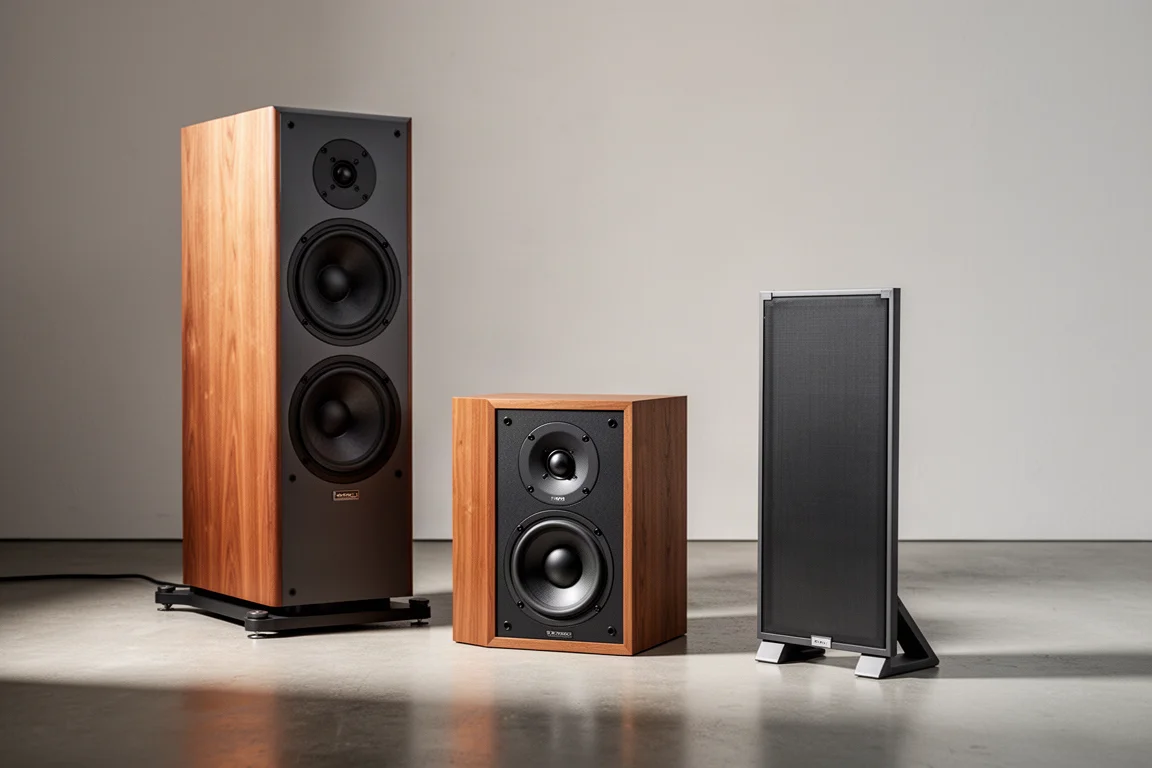
Choosing a speaker is less about finding one objectively best model and more about finding the model that suits a specific room, listening distance, and set of priorities. The ten speakers in this roundup all sit under $1,500 per pair, and they cover a wide spread of design approaches: high-sensitivity floorstanders, powered studio monitors, a planar magnetic panel, and several compact bookshelf designs.
Some of these names are established brands with wide distribution. Others are small operations that many listeners will not have encountered before. The ranking runs from 10 down to 1, but the order is not fixed. A speaker that lands near the top of the list can be the wrong choice for a very reflective room or a long listening distance, and a speaker near the bottom can be exactly right for a nearfield desk setup.
A recurring theme across the list is that almost every one of these speakers benefits from a subwoofer, careful placement, or both. Where that matters, it is called out in the individual sections.
How These Speakers Were Selected
Several measurable traits separate a speaker that is easy to live with from one that fights the room. Sensitivity determines how much amplifier power is needed to reach a given loudness. Bass extension tells you how low the speaker plays on its own, and whether a subwoofer is optional or mandatory. Horizontal radiation width describes how much energy the speaker sends to the sides, which in turn shapes how much reflected sound reaches the listener and how wide the listening window feels.
Vertical radiation matters as much as horizontal in rooms with more than one row of seats, and consistency of directivity across the frequency range matters more than a single impressive number. On-axis linearity, low distortion, and low compression all contribute to a speaker that stays composed as volume rises. Placement tolerance is the practical variable: some designs need to sit within a foot of the wall behind them, while others need to be pulled well out into the room.
The notes below focus on those practical variables rather than on raw measurement sets, so a reader can match a speaker to a room before ordering anything.
10. Klipsch RP-6000F II
The Klipsch RP-6000F II is a floorstanding speaker that currently sells for around $1,400 per pair. Its most distinctive trait is high sensitivity, at roughly 90 dB, which means it reaches a given loudness with less amplifier power than most of the other speakers here. Bass extension is good for a tower, and its directivity is well controlled.
Placement is unusually specific. This speaker really wants to sit close to the front wall, ideally within about a foot from the rear of the cabinet to the wall behind it. Pulled out further, it tends to produce an excess of midbass and can sound overly bright. In-room it can still read a little bright on its own, and side absorption panels or a small amount of equalization are the usual fixes. Equalization is especially worth considering for home theater use, where the speaker responds well to correction.
Radiation is narrow, roughly 30 degrees to either side before the response begins to fall, which is tighter than the 60 degrees that suits a lot of rooms. That means less envelopment, but it can be an advantage in a highly reflective room with few furnishings and no appetite for adding absorption. Distortion and compression are both low, so the speaker can play loud, though it still needs a subwoofer to cover the bottom octaves.
9. Kali Audio IN-8 V2
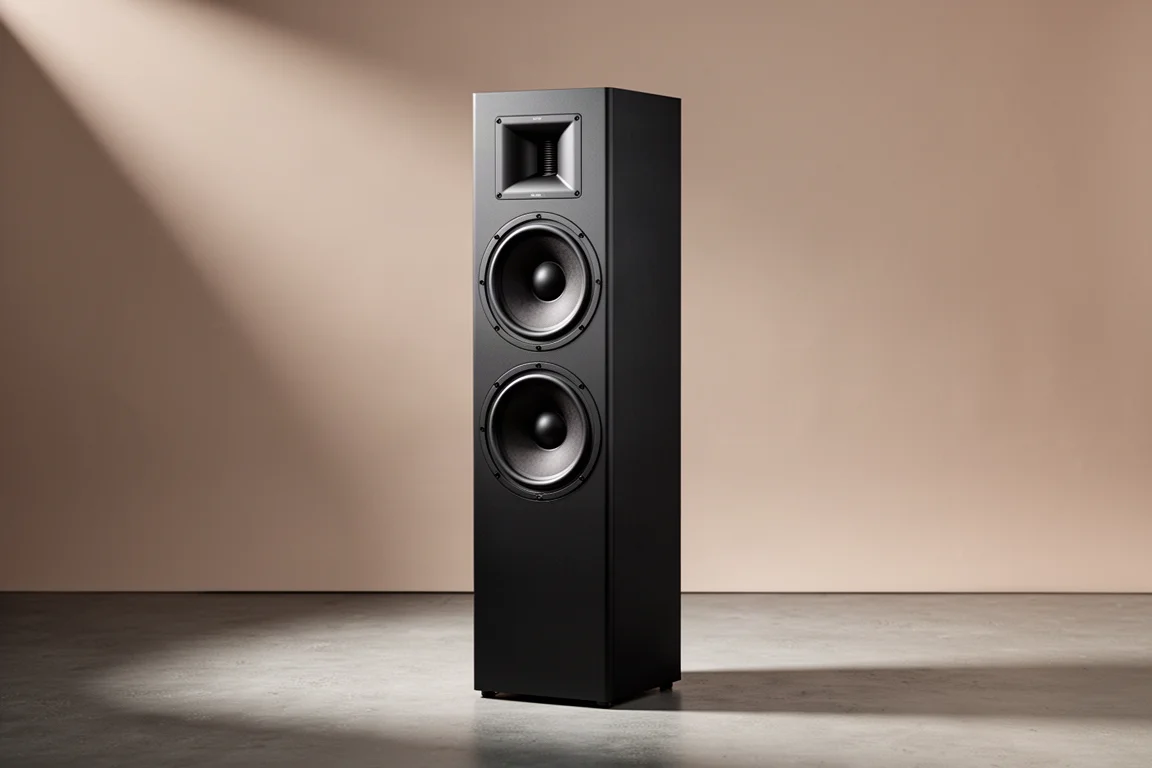
The Kali Audio IN-8 V2 is an active powered monitor that sells for just under $1,000 per pair, and it removes amplification from the buying decision entirely. All it needs is a source with RCA or balanced XLR outputs. Connect that source and it is ready to play.
One caveat shows up in the high frequencies. The former that rises above the cone appears to introduce diffraction, and that creates an imbalance around 10 kHz and above. Set that aside and the speaker is very neutral, which makes it a strong studio monitor that also holds up in a far-field setup. Bass extension reaches roughly 50 Hz in room, response is reasonably wide, and neutrality is the headline strength.
The limitation shared by most powered designs applies here: an internal limiter progressively reduces low bass extension as volume climbs. In a very large room or at a long listening distance this becomes audible, and a subwoofer is the straightforward workaround.
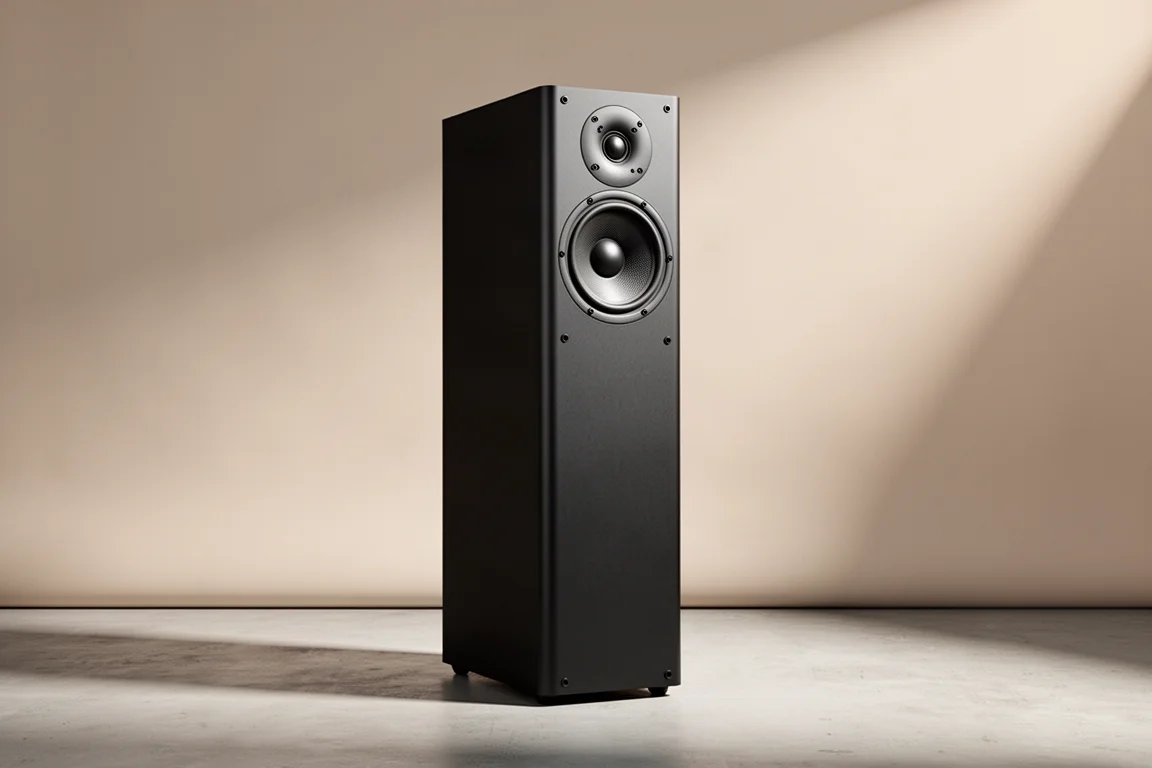
8. ELAC Debut 3.0 DF63
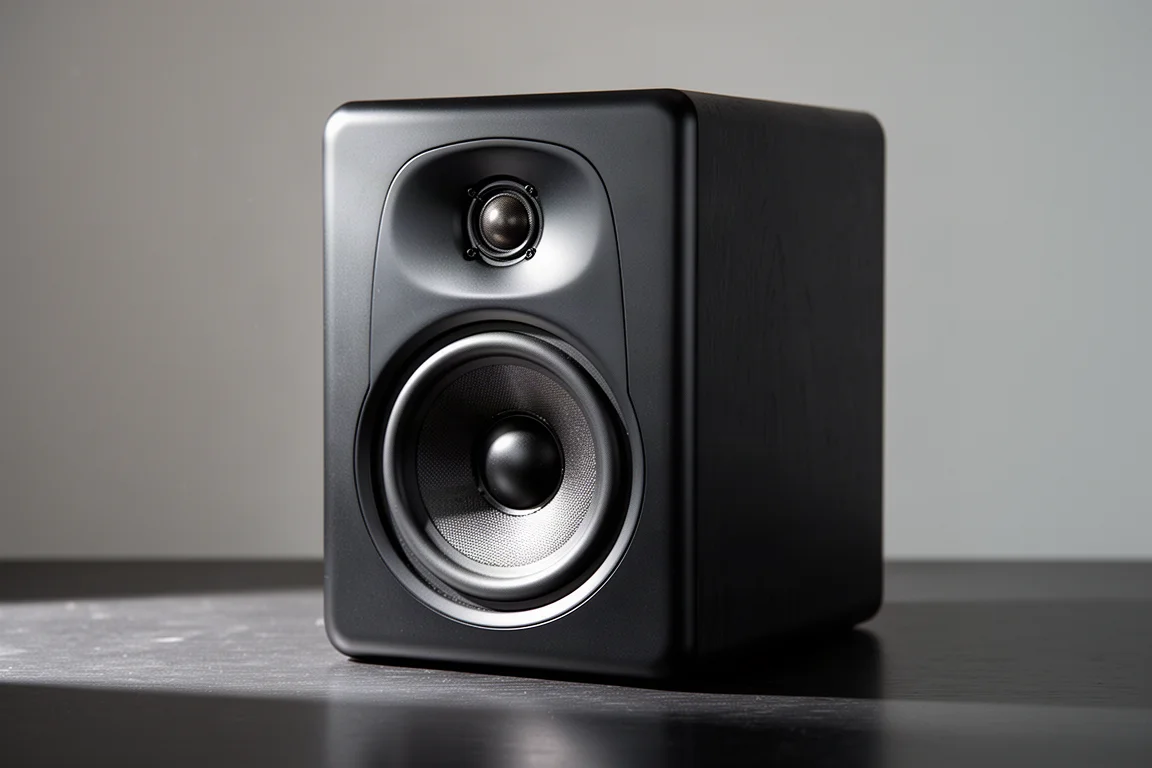
The ELAC Debut 3.0 DF63 is a floorstander currently on sale at $1,300 per pair. Its tuning includes an upper mid-range cut, which gives it a slightly warm character while remaining relatively balanced overall.
There is a small discontinuity in the crossover between the mid-range and the treble, and it has a practical consequence: the treble radiates a little more widely than the mid-range and sends more energy toward the sidewalls.
Rooms with curtains or sidewall absorption panels handle that lower treble region more gracefully, and either treatment is usually enough to tame the extra brightness. Like the Klipsch tower, this one benefits from sitting close to the front wall, so buyers who cannot place a speaker near a wall should weigh that requirement carefully before choosing it.
7. Magnepan LRS Plus
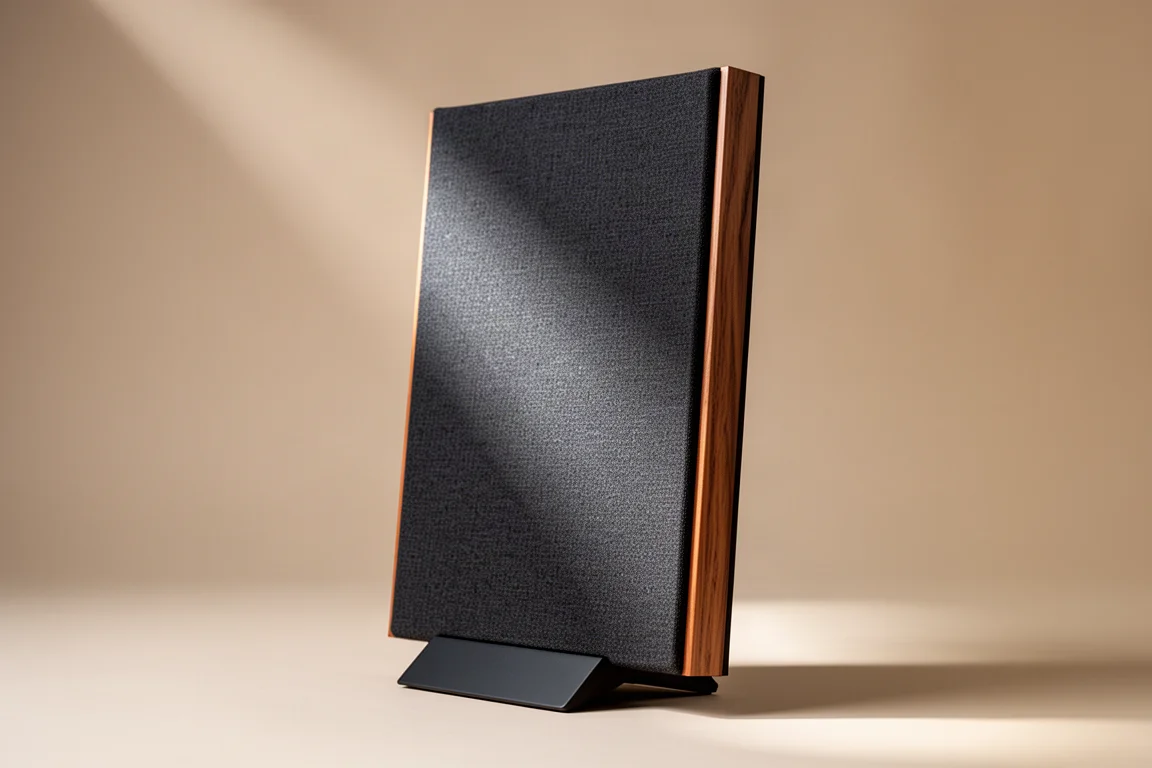
The Magnepan LRS Plus is the outlier of the group. It is a planar magnetic design that retails for about $1,000 per pair and behaves nothing like a conventional box speaker. In terms of transparency and neutrality it does not quite reach the best of the box designs here, though it comes closer than might be expected.
A subwoofer is mandatory. There is also a dip of a couple of dB in the midbass around 300 Hz, so some punch is missing in that region, and a subwoofer that can supplement the midbass specifically is worth considering. What the speaker does exceptionally well is throw a very large sound stage.
The design is a dipole, meaning what it sends forward it also sends backward, and the sidewall output largely cancels. That behavior demands two things: a lot of amplifier power, and a listening position precisely in the sweet spot. Away from that position the presentation falls apart quickly. Get those conditions right and, at around $1,000 per pair, it is a genuinely interesting option to try.
6. Polk Reserve R500
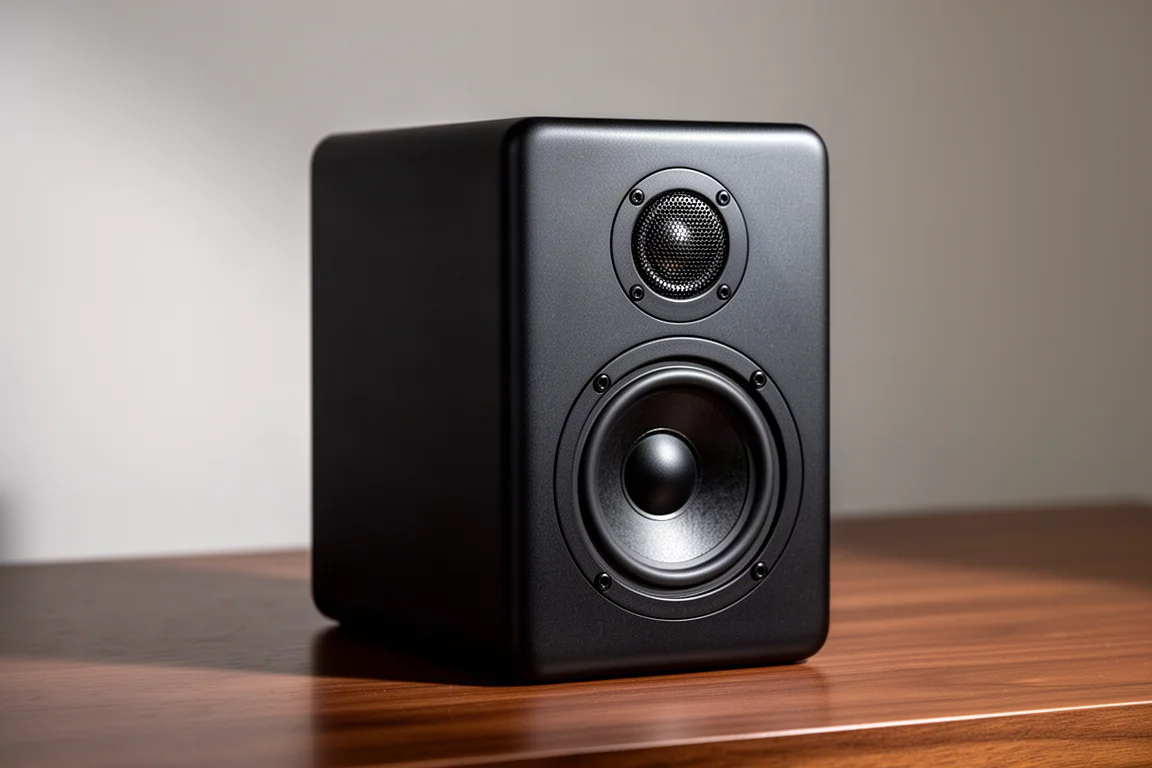
The Polk Reserve R500 retails for roughly $1,300 per pair and offers good on-axis linearity. The complication is the ring radiator tweeter, which is not known for broad dispersion at high frequencies and narrows fairly quickly.
The result is a speaker that can sound a little dark in the room. High frequencies interact less with the room and bounce less off the sidewalls, while the upper mid-range still does both. That discontinuity can read as edgy or bright, depending on how a listener describes it.
Three adjustments help. Equalization in the 4 to 5 kHz region can be pulled down, sidewall absorption or panels can reduce the reflected energy, and the speaker works best when aimed directly at the listening position. It should also be brought at least a foot off the wall behind it, and preferably further, since placing it too close tends to produce boomy bass.
5. Arendal 1961 Monitor
The Arendal 1961 Monitor sells for $1,150 per pair and is built like a small tank, in the best sense. Compression is low, distortion is low, and neutrality is genuinely good.
Bass output is the clear limitation. The monitor rolls off somewhere around 70 to 80 Hz, so a subwoofer is not optional. It cannot serve as a main speaker for music without one, and pairing it with a subwoofer for home theater is advisable anyway. Within that constraint it makes an excellent main speaker and an equally strong surround.
One more consideration is vertical radiation, which is quite narrow. Most two-way designs hold a usable window of roughly plus or minus 20 degrees, and MTM layouts with a mid-range above and below the tweeter tend to be narrower still. That creates a head-in-a-vice quality where moving up or down changes the sound. In a home theater with multiple seating rows, that is a real factor to plan around.
4. Ascend Acoustics Sierra 1 V2
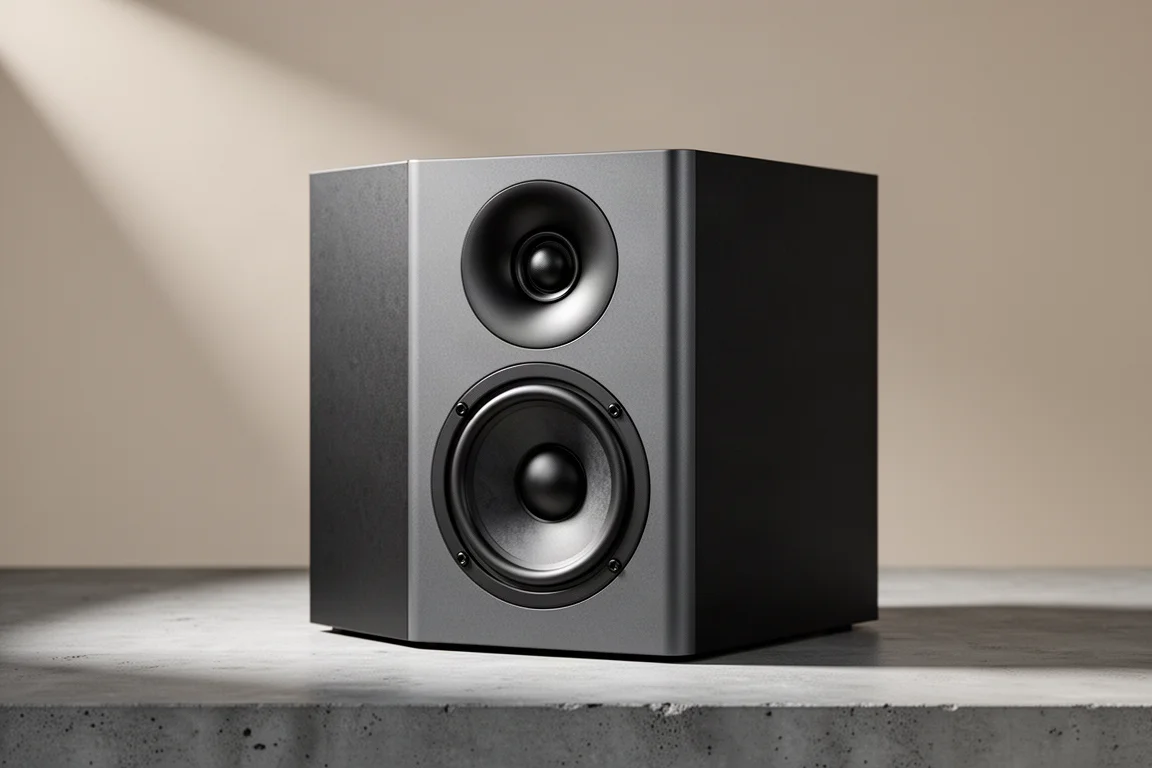
At about $1,000 per pair, the Ascend Acoustics Sierra 1 V2 packs a great deal into a small bookshelf cabinet. Build quality is excellent, tonality is very good, in-room extension reaches roughly 45 to 50 Hz, and radiation is wide enough to create a satisfying sense of envelopment.
The trade-off is sensitivity. At 81.5 dB it is the lowest figure on this list by around 2 dB, and the same characteristic shows up as elevated multi-tone distortion. This is not a speaker that will play very loud.
That is manageable in the right context. Sitting within roughly two to three meters and adding a subwoofer makes it an excellent buy. A larger room, a longer listening distance, or a habit of turning the volume up should prompt a closer look at that limitation. This speaker also wants a generous amount of amplifier power.
3. KEF Q Concerto Meta
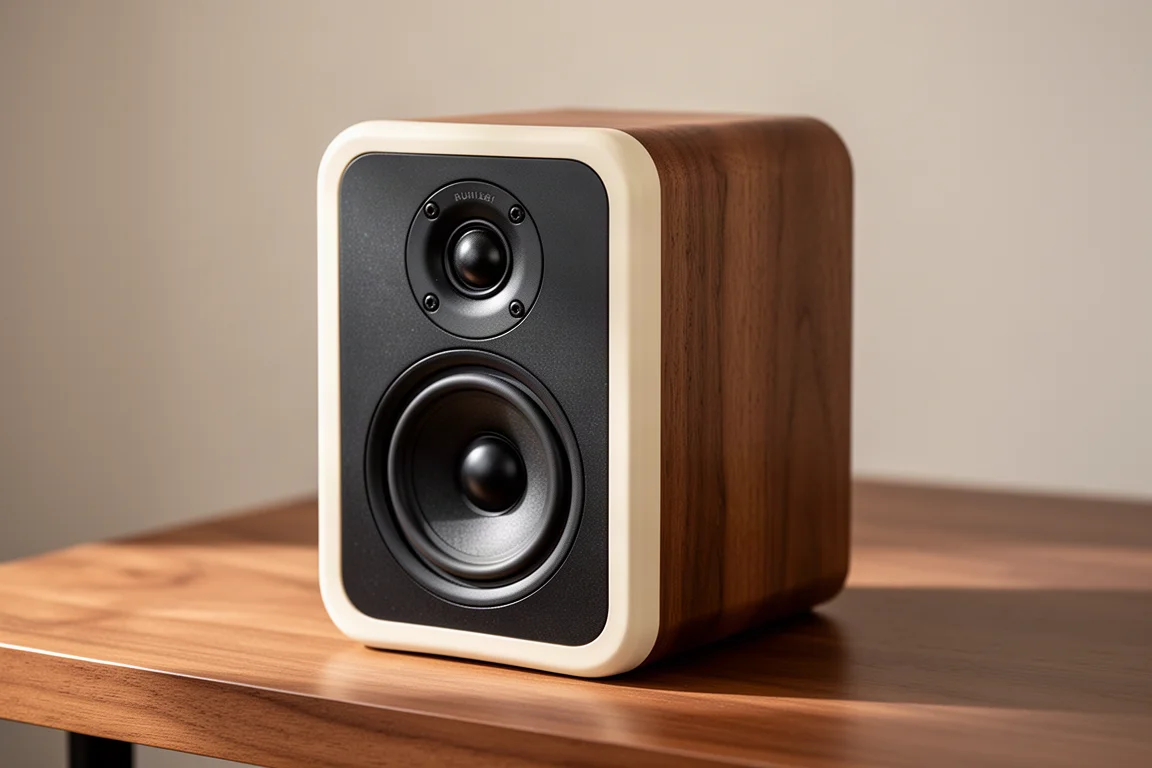
The KEF Q Concerto Meta is priced at $1,400 per pair and its strongest attribute is consistency. In-room neutrality is very good, and horizontal directivity stays even from seat to seat.
The radiation width is about plus or minus 50 degrees, slightly narrower than the plus or minus 60 degrees that many listeners prefer, but the important part is that it stays consistent. Speakers that measure wide at 2 kHz often narrow considerably in the treble, while this one holds its pattern from the lower treble through the upper treble, which is a genuinely useful quality in a real room.
Placement is forgiving in one direction and not in another. The speaker works better aimed closer to directly at the listener, though not necessarily straight on, so a small amount of toe-out is fine. Toe it out too far and it will sound very dark, a consequence of its rolled off, shelved-down top end.
2. Audio First Fidelia
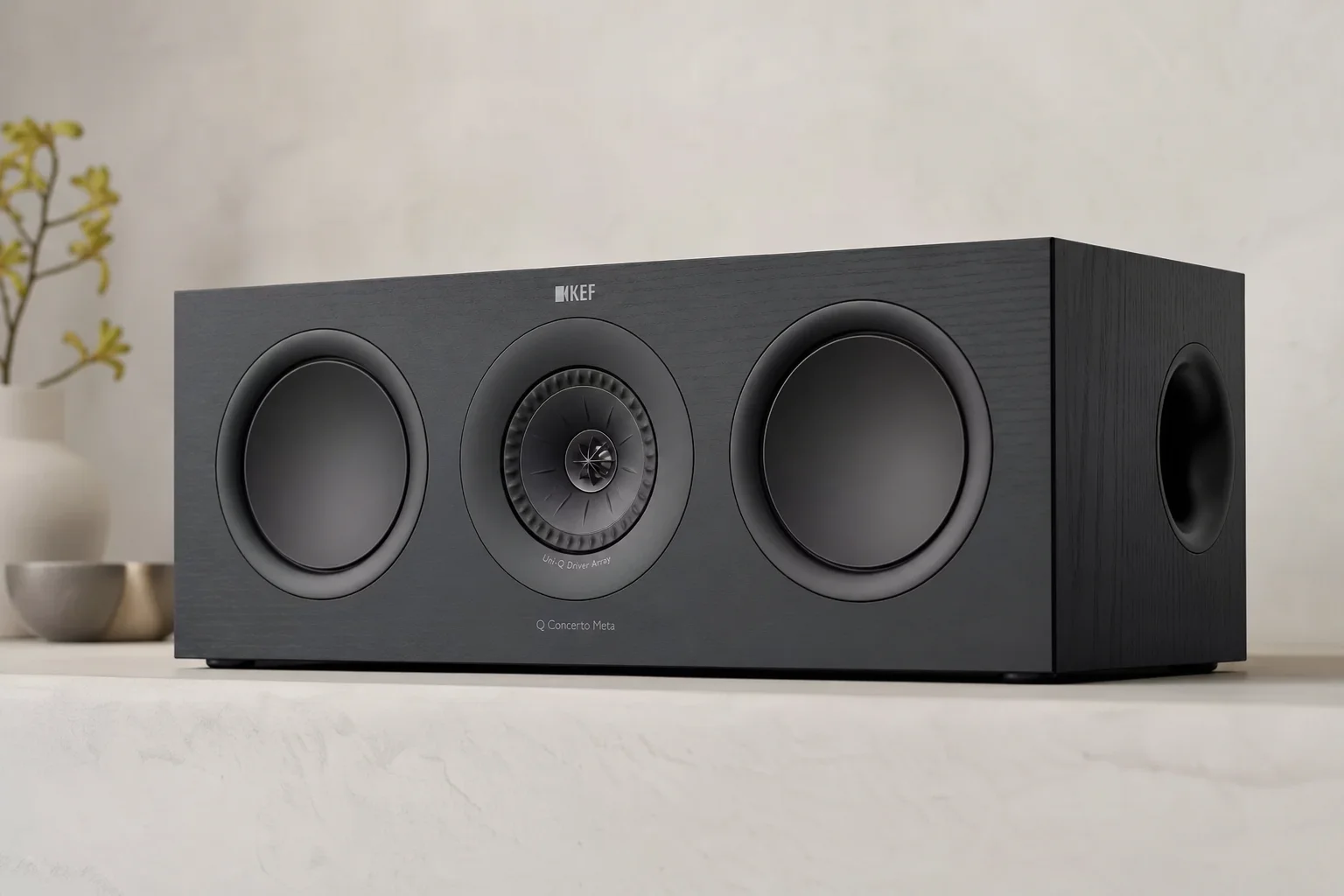
The Audio First Fidelia comes from a new UK brand and retails for about $1,150. It is sold as a kit speaker, which should not put anyone off: if you can use a screwdriver, assembly is straightforward, and the result is worth the effort.
Overall response is extremely neutral, and the horizontal radiation is broad, which produces a wide sense of envelopment. There is nothing problematic in the tonality. Bass extension reaches about 45 to 50 Hz, and the speaker does well when brought a couple of feet off the wall behind it.
For anyone shopping for a small, compact bookshelf speaker, this is a compelling option. The trade-off is physical size: the cabinet is small and uses a 5.25 inch midwoofer, so SPL capability is limited both in distortion and compression, and sensitivity is on the low side at about 83.5 dB. The broad radiation has an upside as well, since moving side to side relative to the speaker changes the sound very little. For a compact, high quality home theater setup, five of these make a persuasive case.
1. AsciLab C6B
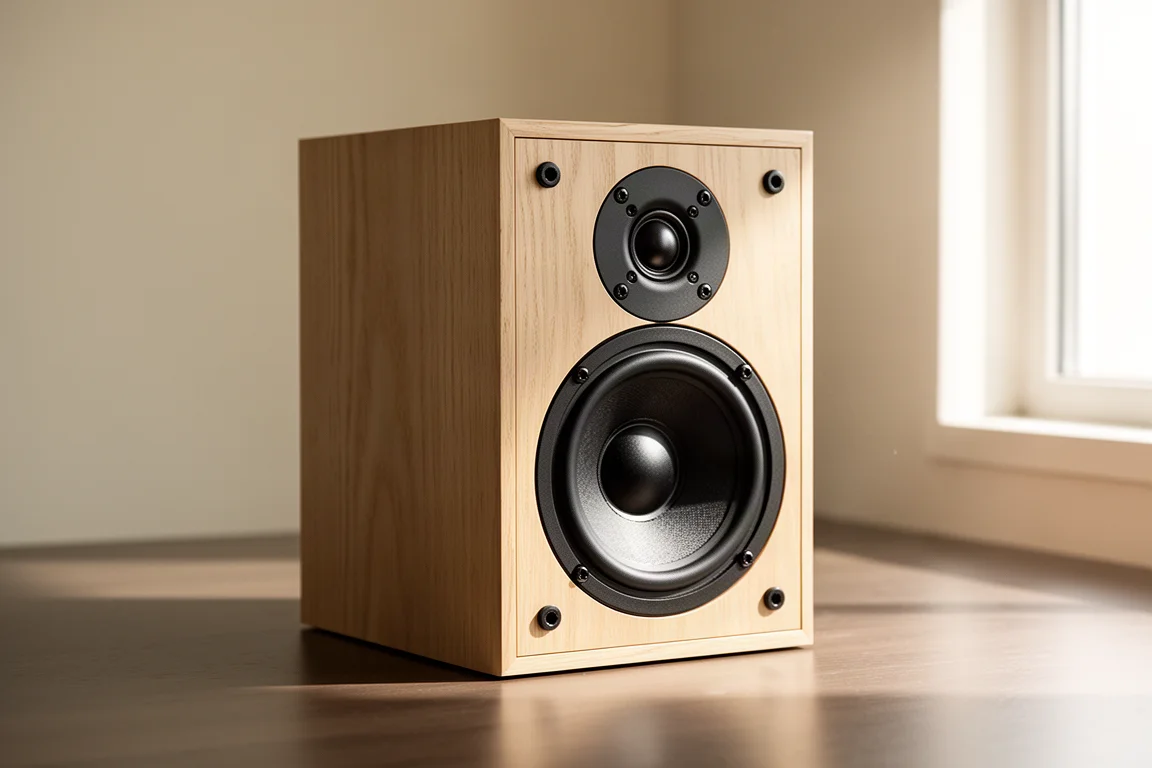
The AsciLab C6B comes from South Korea and retails for about $1,150 in the US. Availability has been tight, with orders reported to be backed up into July, so buyers who are not in a hurry may be rewarded for waiting.
It is physically larger than the Audio First Fidelia, and that size difference translates directly into greater SPL capability. Average sensitivity is closer to 86 dB. Linearity is very good. Horizontal radiation width is about plus or minus 50 degrees, which on its own would be slightly narrow for some tastes, but the pattern expands to roughly 60 degrees at higher frequencies and holds there. That behavior is unusual and pleasant.
Vertical radiation is another differentiator. Where most two-way designs are constrained, this one offers roughly plus or minus 30 to 40 degrees, which makes it easier to live with. The intended listening axis places the ears level with the midpoint between the tweeter and the midwoofer below it, and even listeners who are not perfectly on that axis should be fine.
The one caution concerns impedance. It is low, so the amplifier used with this speaker should be comfortable driving a 4 ohm load.
Buying Advice: Matching a Speaker to Your Room
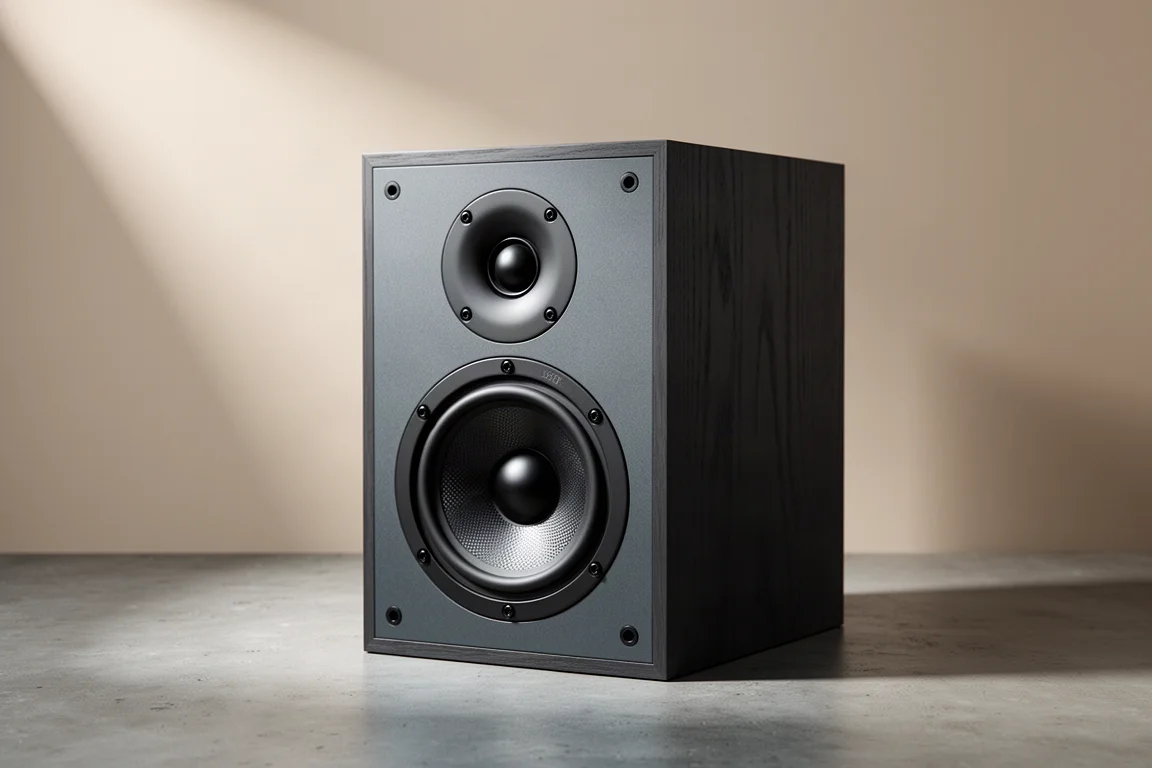
The most useful first question is whether a subwoofer is part of the plan. The Magnepan LRS Plus and the Arendal 1961 Monitor both require one, and the Klipsch RP-6000F II and Kali Audio IN-8 V2 both benefit from one. The ELAC Debut 3.0 DF63, Polk Reserve R500, and Audio First Fidelia all prefer a little space behind them, while the Klipsch tower and the ELAC floorstander want the opposite and perform best close to the front wall.
The second question is how far away you sit and how loud you listen. The Ascend Acoustics Sierra 1 V2 rewards a short listening distance of roughly two to three meters and a subwoofer, while the AsciLab C6B and Audio First Fidelia offer more SPL headroom as cabinet size increases. The Kali Audio IN-8 V2 makes sense for anyone who would rather not buy separate amplification at all.
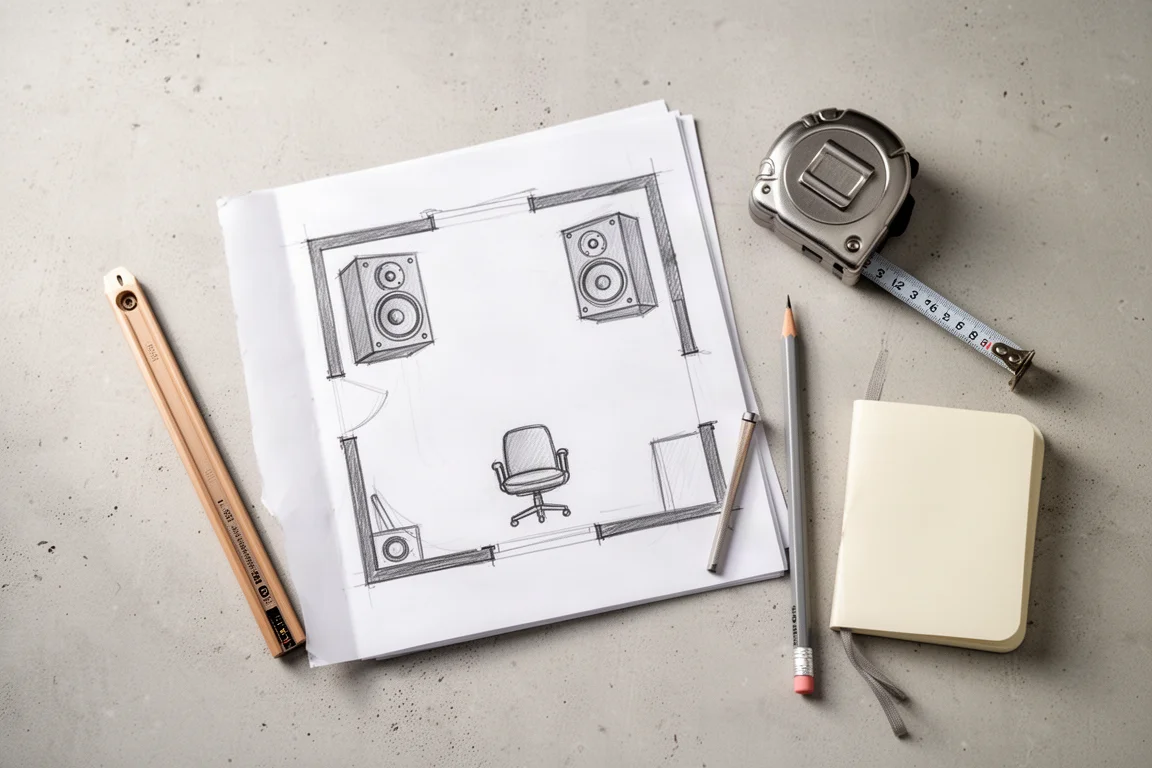
The third question is how much the room itself reflects. A narrow radiating design like the Klipsch RP-6000F II can be the right answer in a hard, sparsely furnished space, while the KEF Q Concerto Meta and the AsciLab C6B favor listeners who move around or share a couch. The Polk Reserve R500 and ELAC Debut 3.0 DF63 both respond well to simple sidewall treatment or equalization. Ordering a couple of candidates and trying them in the actual room remains the most reliable path, because measured data narrows the field but the room and the placement decide the outcome.
Conclusion
This list is a starting point rather than a fixed ranking. Every speaker here has a clear set of conditions under which it performs at its best, and those conditions matter more than the position on the page. The Klipsch RP-6000F II suits reflective rooms and home theater systems with equalization available. The Kali Audio IN-8 V2 keeps things simple for anyone who wants a powered setup. The Magnepan LRS Plus delivers scale in exchange for power and placement discipline. The Ascend Acoustics Sierra 1 V2 and Audio First Fidelia reward nearfield listeners, and the AsciLab C6B and KEF Q Concerto Meta offer the most consistent performance across a shared listening space. Match the speaker to the room first, and the choice becomes much easier.
Further reading
Related Reviews
Speakers
13 Under-the-Radar Speakers Still Worth Buying
Thirteen speakers that quietly stayed in production while newer models took the spotlight, from budget bookshelf pairs to a full-size tower.
Speakers
Arendal 1528 Monitor 8 Review: A Three-Way Standmount With Serious Dynamic Headroom
A three-way standmount speaker with extremely low distortion, high output capability, and deep bass for its size, plus the setup details worth knowing before buying.
Speakers
Arendal 1723 Monitor S Review: A Compact Monitor With Serious Ambition
A close look at the Arendal 1723 Monitor S, a compact MTM monitor with a waveguide-loaded tweeter, an HDF cabinet, and flexible ported or sealed operation for music and home theater.