Speaker Amplifiers
Best Speaker Amplifiers From Budget to Premium: 13 Options Worth Considering
A practical guide to speaker amplifiers from around $60 to $600, covering compact Class D models, full-size stereo receivers, and analog integrated amplifiers.
Introduction
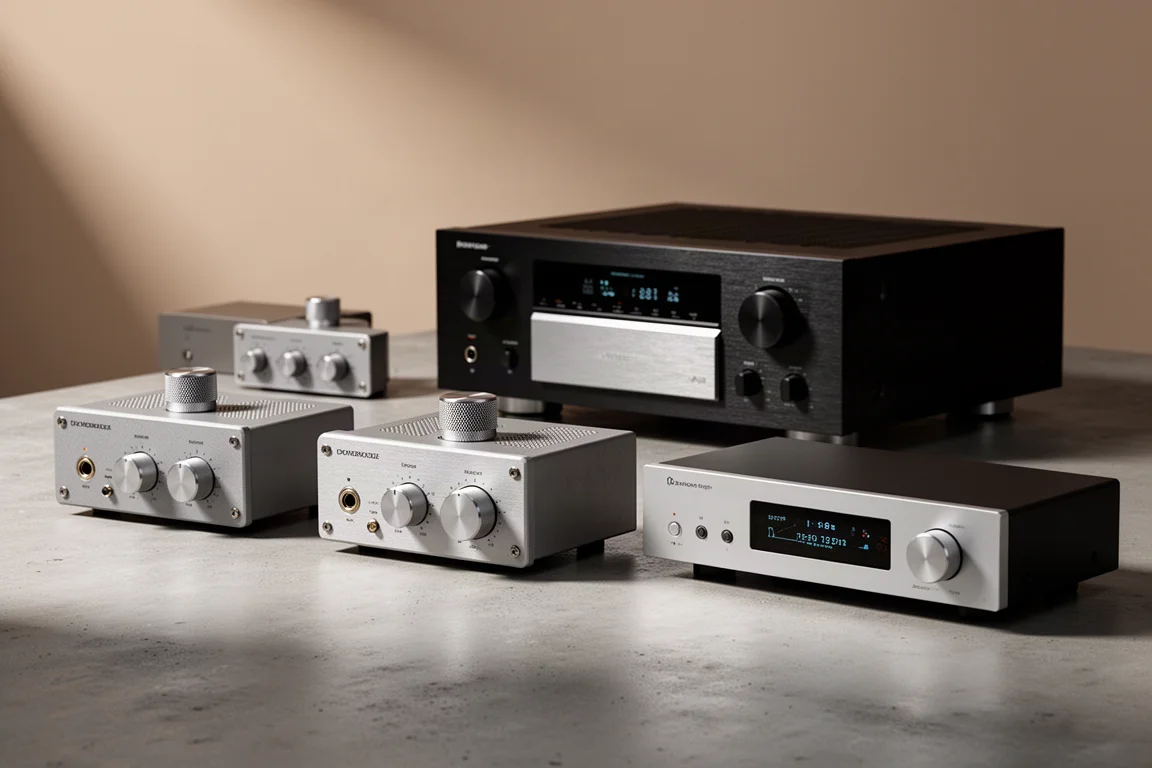
Good sound does not have to start with a large budget. The amplifiers in this guide cover a wide range, from around $60 to about $600, and each one solves a slightly different problem. Some are tiny desktop units that sit next to a monitor. Others are full-size components with phono stages, DACs, and remote controls.
What they have in common is that they can all drive a pair of speakers competently, and each gives a listener a clear path into better sound without rebuilding an entire system.
What to Look For in a Speaker Amplifier
Several of the least expensive amplifiers here share the same amplifier chipset, the Texas Instruments 3255, and that is not a coincidence. Class D designs built around a mature chip module deliver a lot of performance for the money, and the differences between them tend to show up in the details: connectivity, heat handling, and whether the manufacturer gives you tone controls.
The first decision is what you need to plug in. A Bluetooth input, a USB input, an optical or coaxial connection, and an HDMI ARC port each solve a different problem, and a phono preamp matters if a turntable is part of the plan. If you own a subwoofer, look for a subwoofer output and, ideally, a high-pass filter that sends bass away from small speakers.
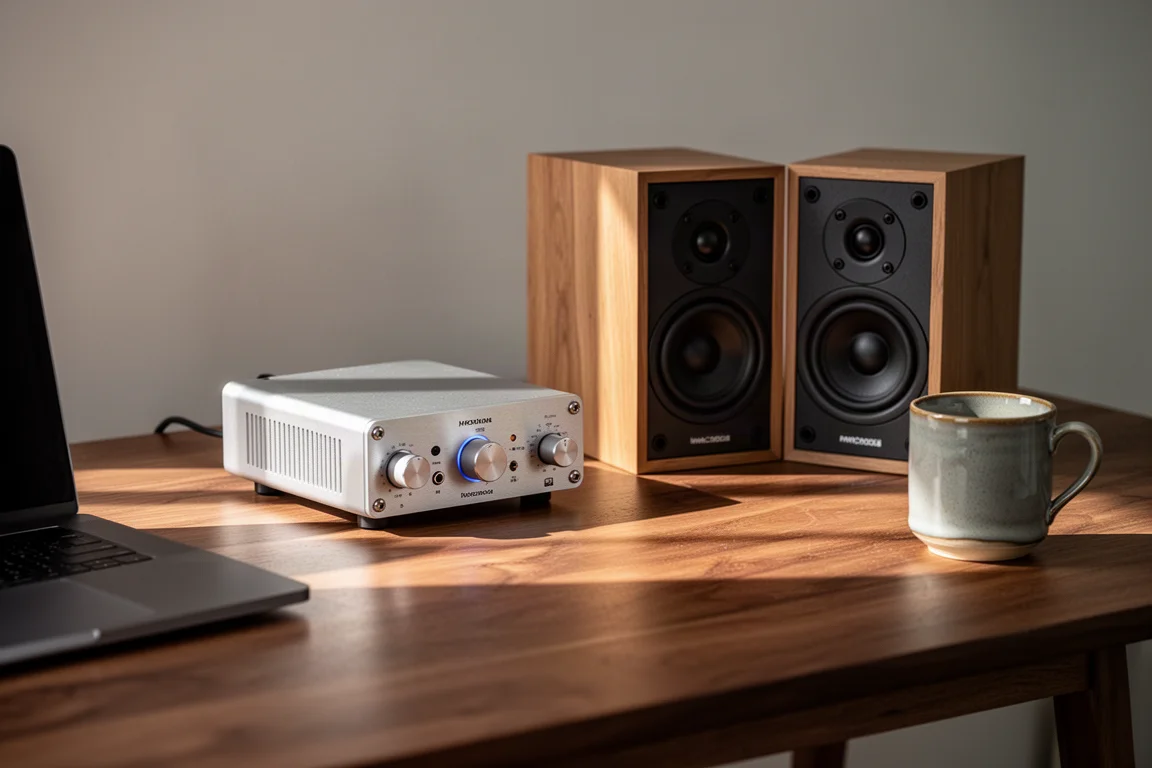
Power ratings deserve a second look. A small chassis cannot dissipate much heat, and an amplifier that runs hot will not sustain its rated output for long. Larger cases with ventilation slots usually hold up better during long listening sessions.
Tone controls are a personal preference. Some listeners want bass and treble adjustments on the front panel, while others prefer to keep the signal path simple. Both approaches are represented here.
Support is worth weighing as well. Established brands offer longer track records, while newer entrants often compete on price and features. Buyers who care most about support may prefer the more familiar names on this list.
Fosi Audio TB10D: The Budget Entry Point
At roughly $60, the Fosi Audio TB10D is one of the cheapest ways to get a real stereo amplifier. It uses the Texas Instruments 3255 chipset, includes tone controls, and sounds good for the money. There is no Bluetooth, so a source with an analog output is required.
The compact case limits how much heat it can shed, and heat is what limits sustained power. Owners who want more output can pair it with a 48V, 5A power supply, which is a common upgrade path for this class of amplifier.
AIYIMA A07 Max: More Power and Mono Flexibility
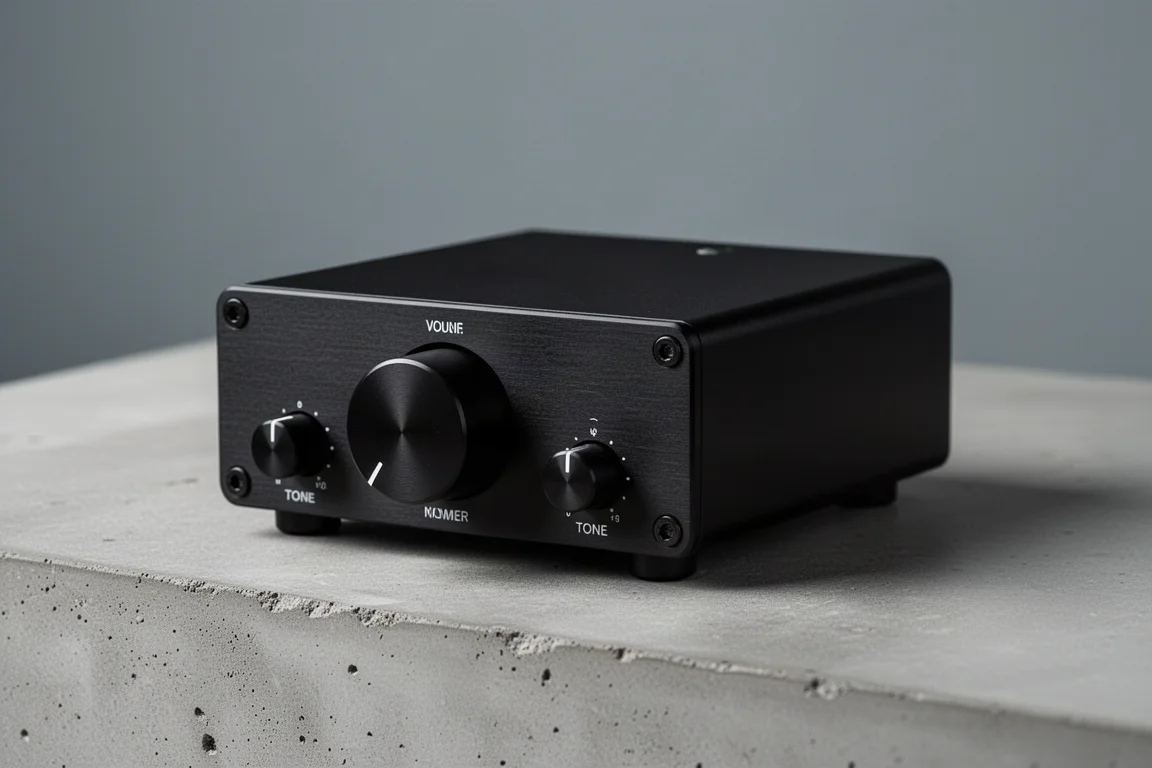
The AIYIMA A07 Max uses the same 3255 chipset but adds practical touches: ventilation underneath the chassis and offset speaker binding posts that make cable routing easier. It typically sells for around $80 and is frequently discounted below that.
There are no tone controls here. What the A07 Max offers instead is a mono mode. Buy two, run one per channel, and you get better channel separation and more power. Even a single unit is a capable amplifier for the price, and it sounds excellent.
RSL IA255.1: A Reassuring Budget Option
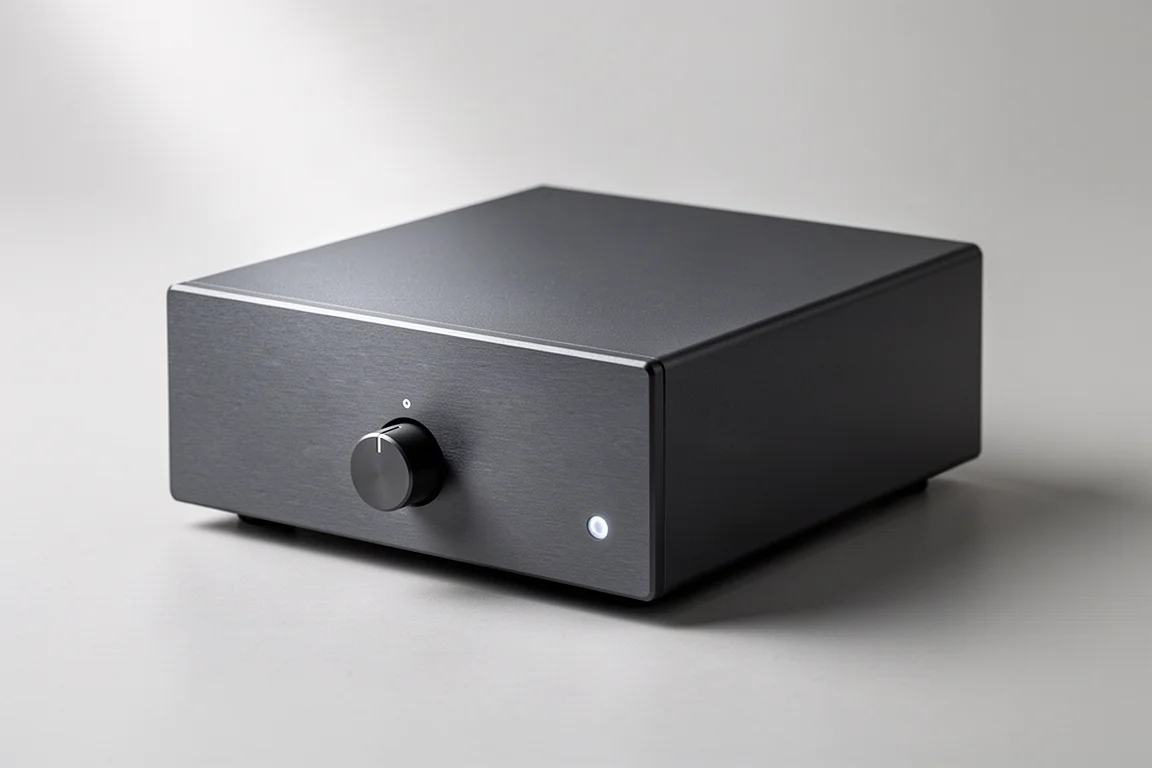
If reliability and support are the main worry, the RSL IA255.1 is a good answer at around $110. It includes USB and Bluetooth inputs, RCA line inputs, a subwoofer output, and a high-pass filter, so inexpensive speakers can hand their bass to a subwoofer instead of straining to reproduce it.
RSL claims a true 55 watts of output, and the amplifier adds triple tone controls and a two-tone case that looks more expensive than the price suggests. It is a well-rounded option for anyone who wants a mainstream alternative to the smallest budget units.
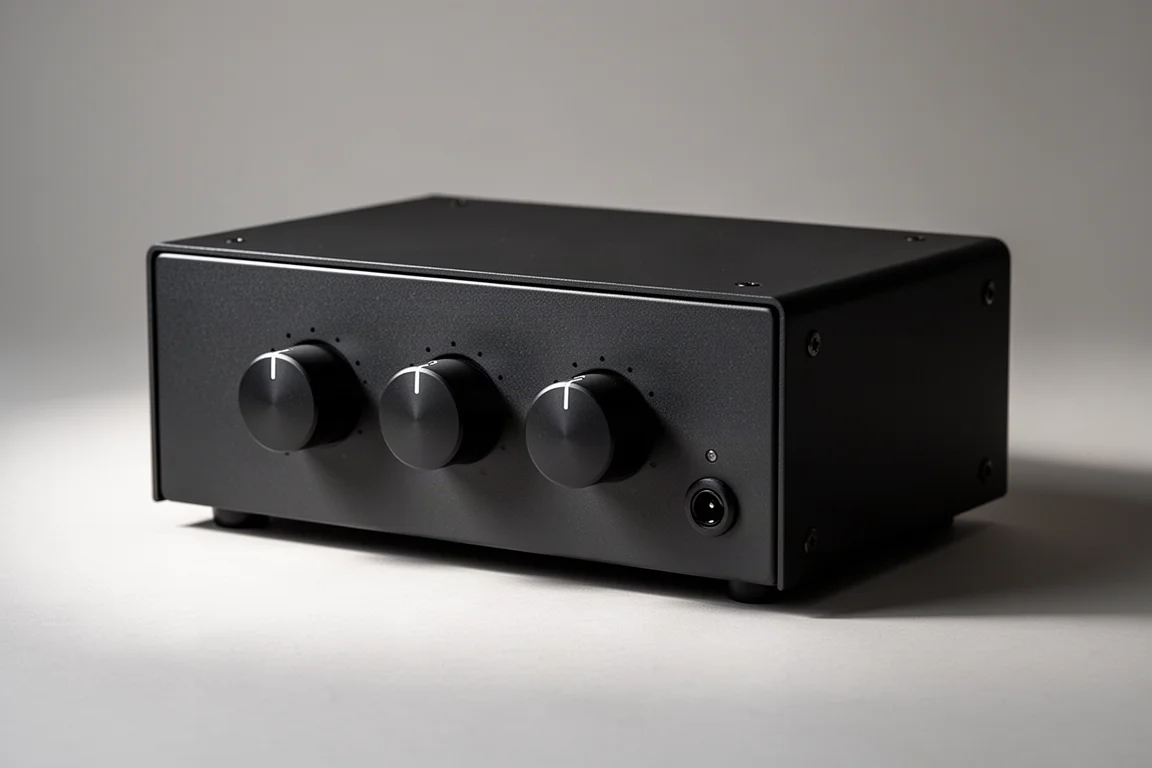
Sony STR-DH190: A Traditional Stereo Receiver
The Sony STR-DH190 is the first full-size component on this list. It has Bluetooth, four RCA inputs, a dedicated phono input for a turntable, and a remote control, and Sony rates it at 90 watts per channel into 8 ohms.
Its sound is warm, and it pairs well with the Sony SSCS5 speakers. The case feels lighter and less substantial than the size suggests, and the price has moved around a lot: it once sold for as little as $99, now sits near $200, and still drops to around $149 during sales.
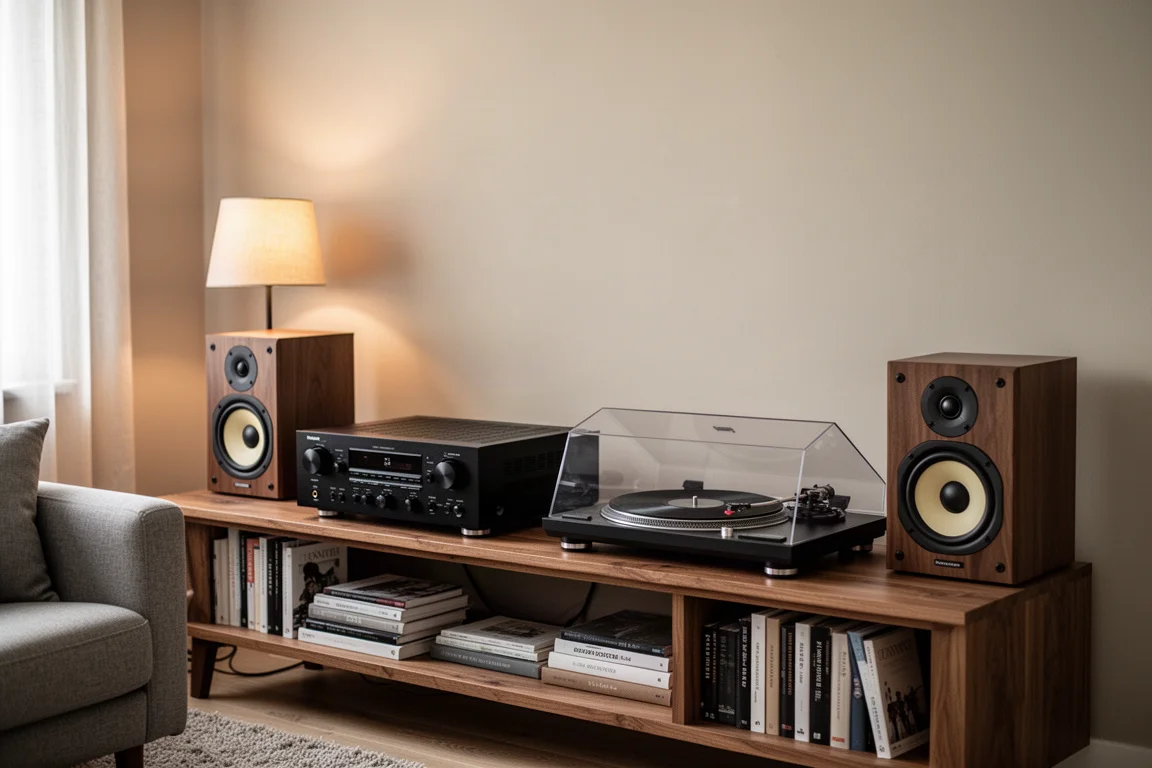
For anyone who wants a familiar brand and a conventional stereo receiver layout, it is a sensible first step into hi-fi.
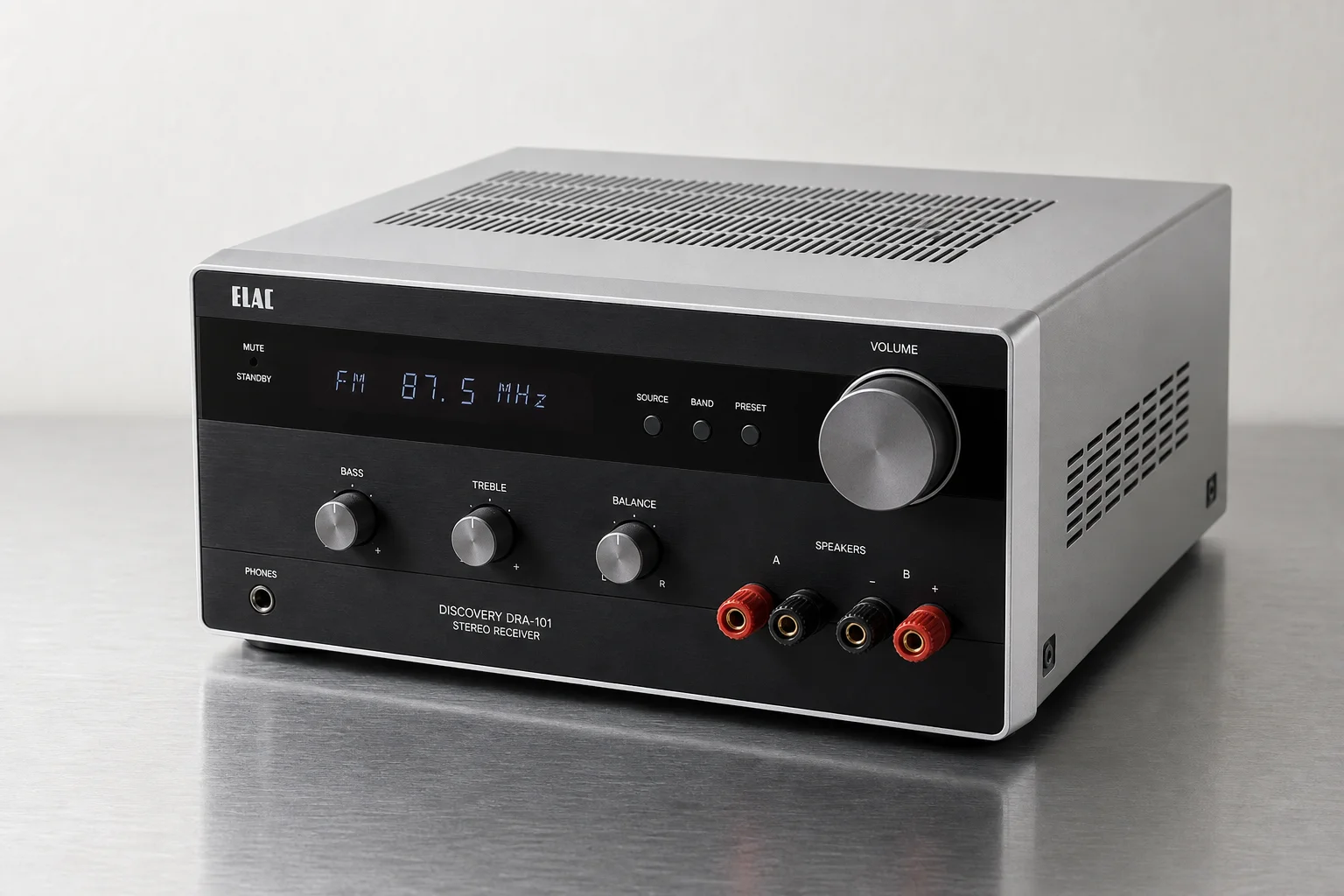
Fosi Audio ZA3: An Amplifier You Can Grow With
The Fosi Audio ZA3 is closely related to the AIYIMA A07 Max but comes in a noticeably larger case with more room for heat to escape. It costs $150, includes a subwoofer output and balanced inputs on the rear panel, and can also be run in mono with a second unit.
Its distinguishing feature is swappable op-amps. Changing them is a simple way to alter the character of the sound, similar in spirit to tube rolling. Premium op-amps such as Sparkos can add roughly $150 to the total, so the upgrade path is a genuine decision rather than an automatic one.
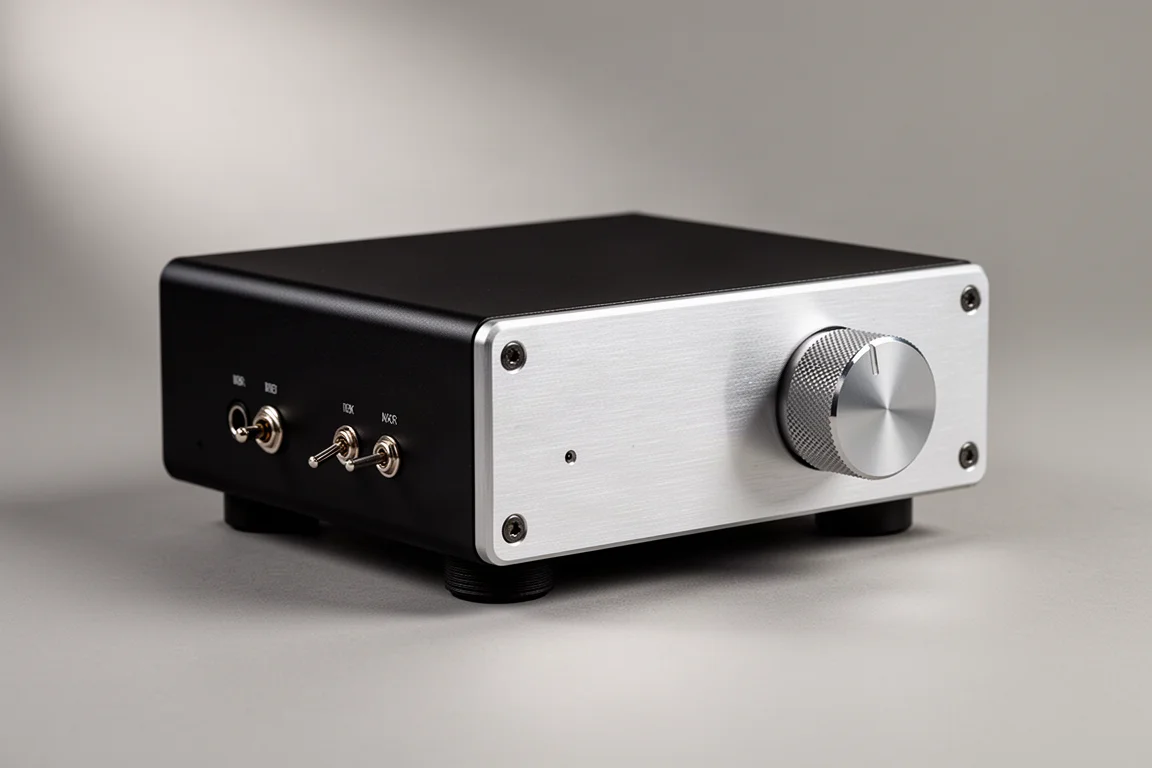
Loxjie A40: Feature Density in a Small Chassis
Few compact amplifiers pack in as much as the Loxjie A40 at $255. It offers HDMI ARC for television audio, Bluetooth, USB, optical, and coaxial inputs, a subwoofer output, a phono preamp, and a headphone output. There are built-in EQ settings, a display, and a remote control.
Ventilation is generous for the size, and the construction feels solid. Availability has been uneven at times, so it is worth checking stock before committing.
SMSL AL200: Compact Versatility
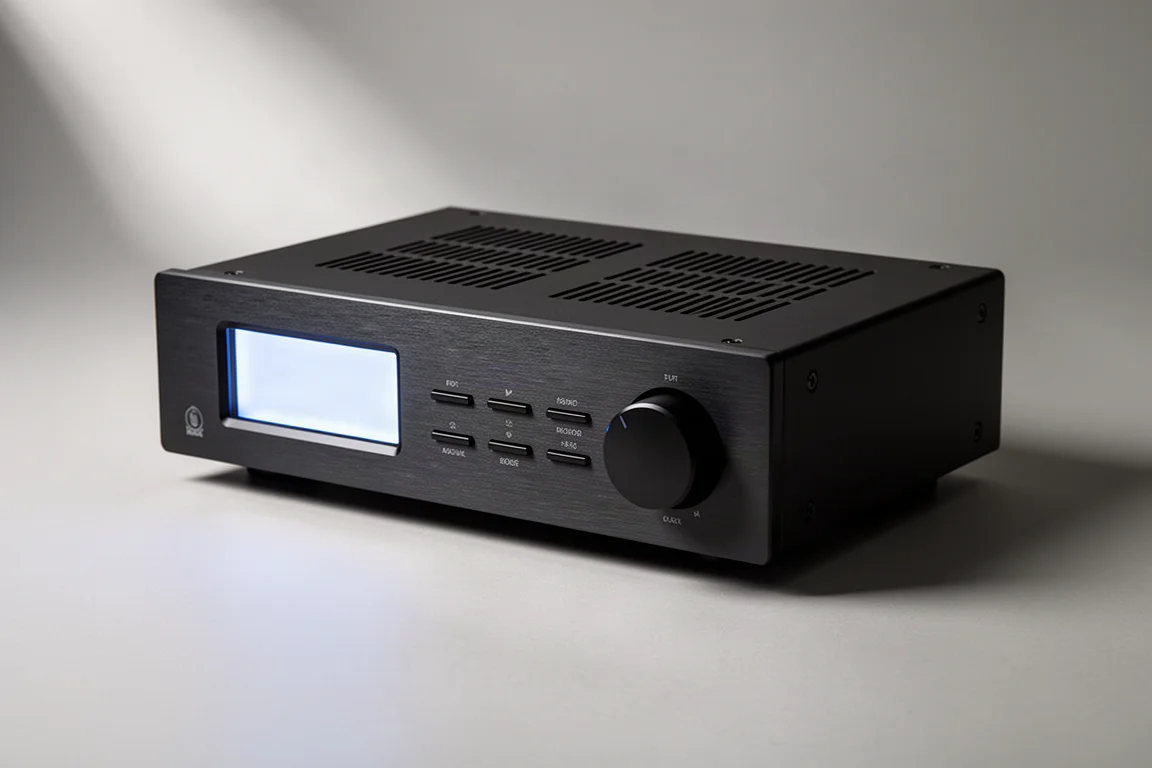
The SMSL AL200 is a small integrated amplifier with a headphone amplifier and an internal DAC built in, plus Bluetooth for wireless sources. It uses an Infineon MA5332MS two-channel Class D module.
At $260 it covers a lot of ground: tone controls, built-in EQ settings, and a remote control are all included. For a desk system that needs to handle both headphones and speakers, it is a tidy solution that is hard to argue with at the price.
WiiM Amp: Streaming Built In
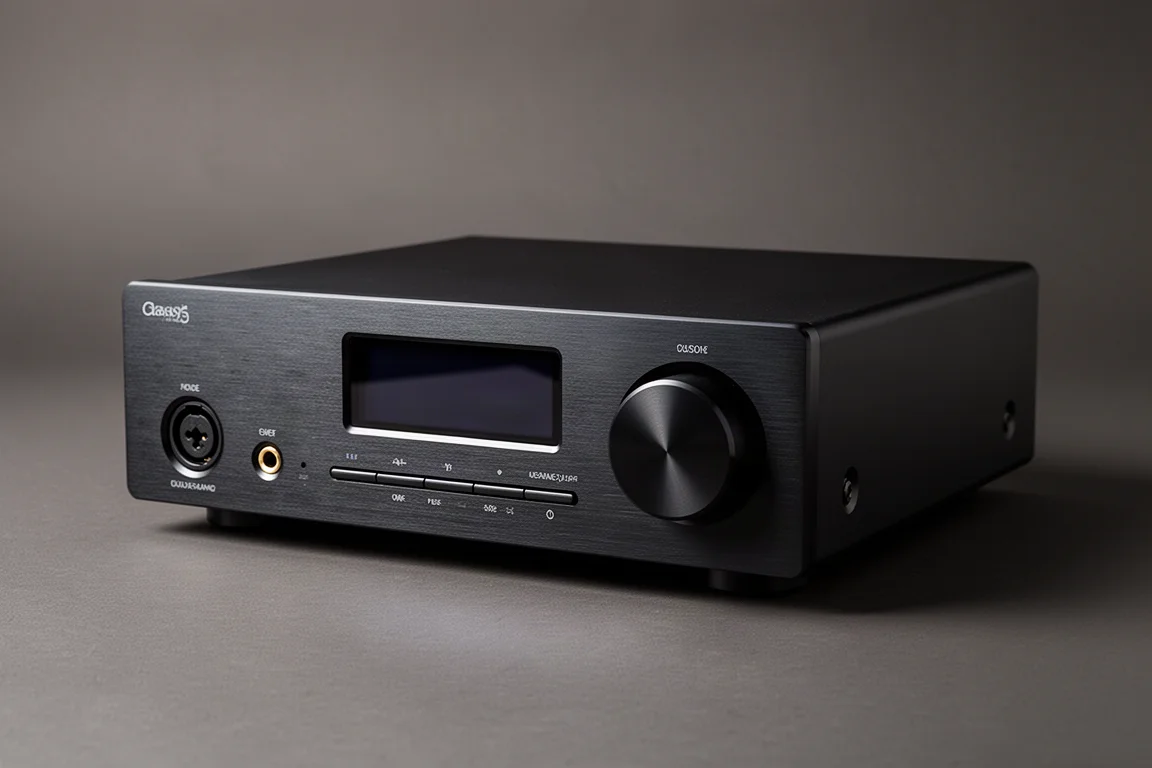
The WiiM Amp adds a full streaming platform to the amplifier, along with HDMI, a subwoofer output, and a high-pass filter. It is rated at 60 watts into 8 ohms, a figure that has been debated, though the practical result is that it drives typical speakers without difficulty.
At $300 it is the natural choice for a listener who would rather not add a separate streamer. It is one of the most discussed products in this price bracket, and for good reason.
Yamaha A-S301: Entry Into Traditional Hi-Fi
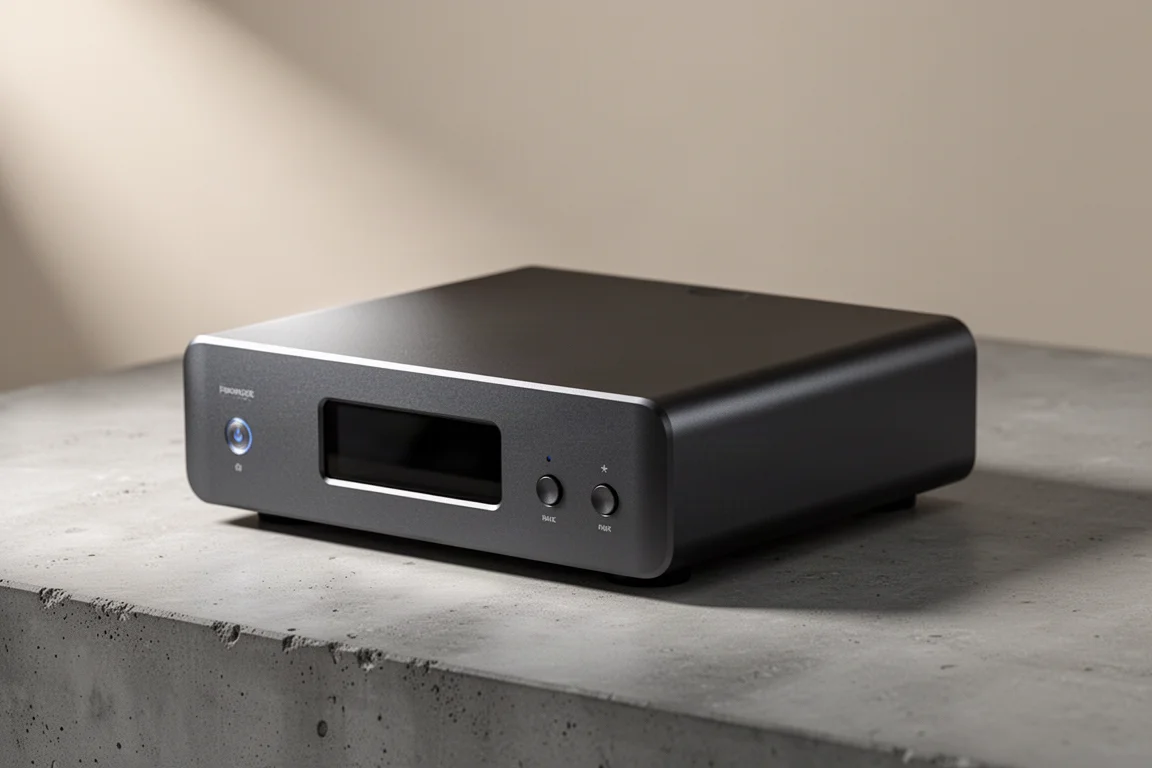
Around $350 buys the Yamaha A-S301, a full-size integrated amplifier with an internal DAC and a phono preamp. The speaker binding posts are substantial, the power supply is generous, and a remote control is included.
The variable loudness control is a feature worth having, since it lets you keep bass and treble balanced at lower listening levels. For listeners moving from a desktop amplifier to a proper component, this is a natural next step.
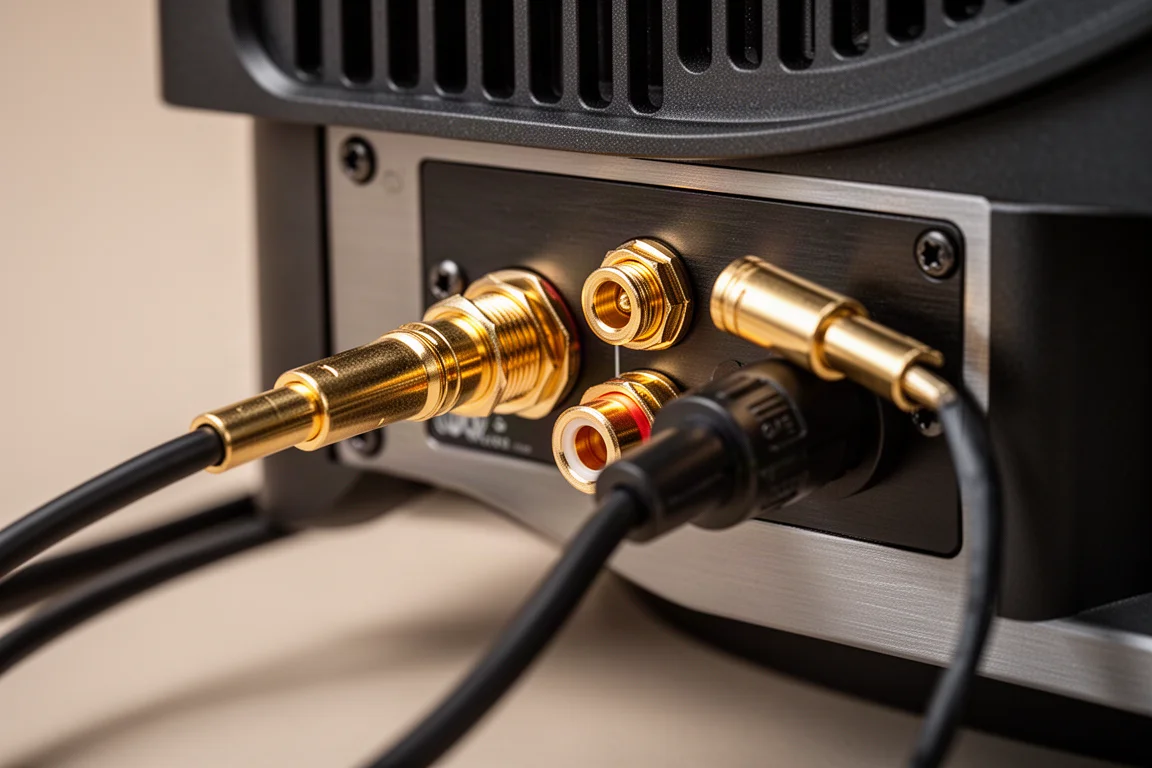
It sounds excellent and looks the part on a shelf, which matters when the amplifier is going to live in a shared room.
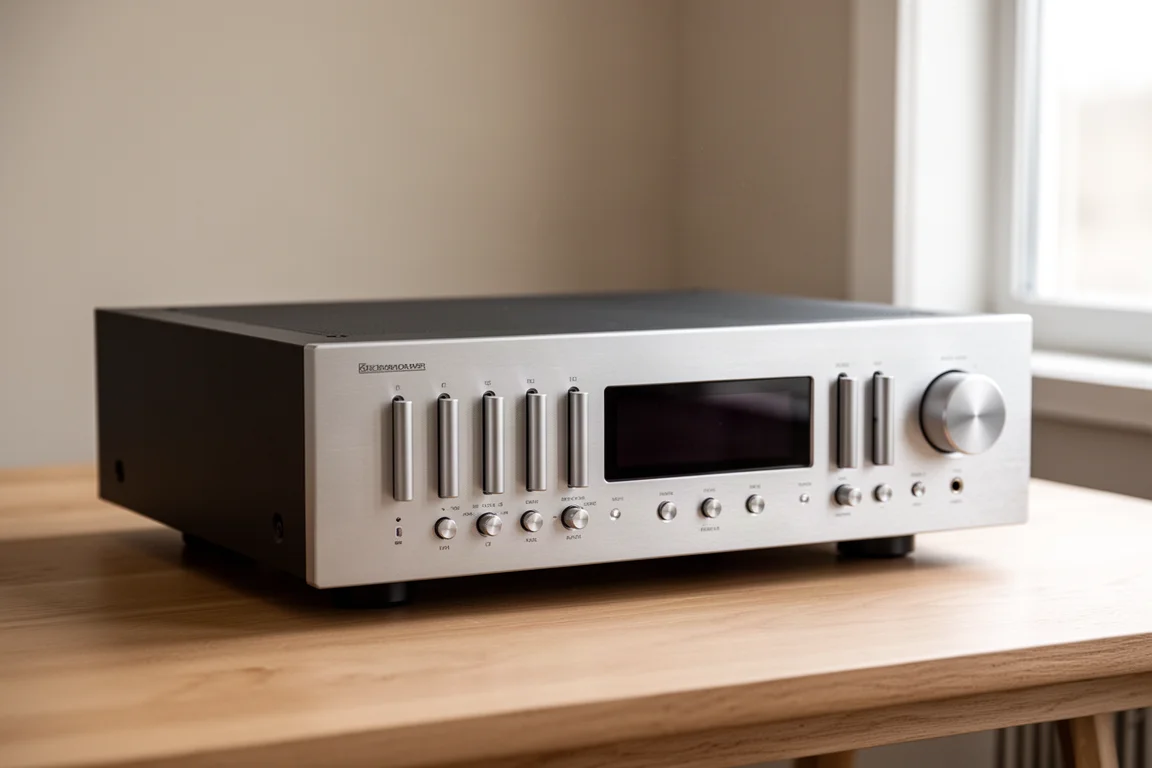
Cambridge Audio AXA25: Analog Simplicity for Less
The Cambridge Audio AXA25 is the more affordable sibling of the AXA35, priced about $100 lower. It is an analog integrated amplifier with a phono preamp and less power on tap.
Choose it if your speakers are efficient or your room is small. If you need more headroom, the AXA35 is the better fit.
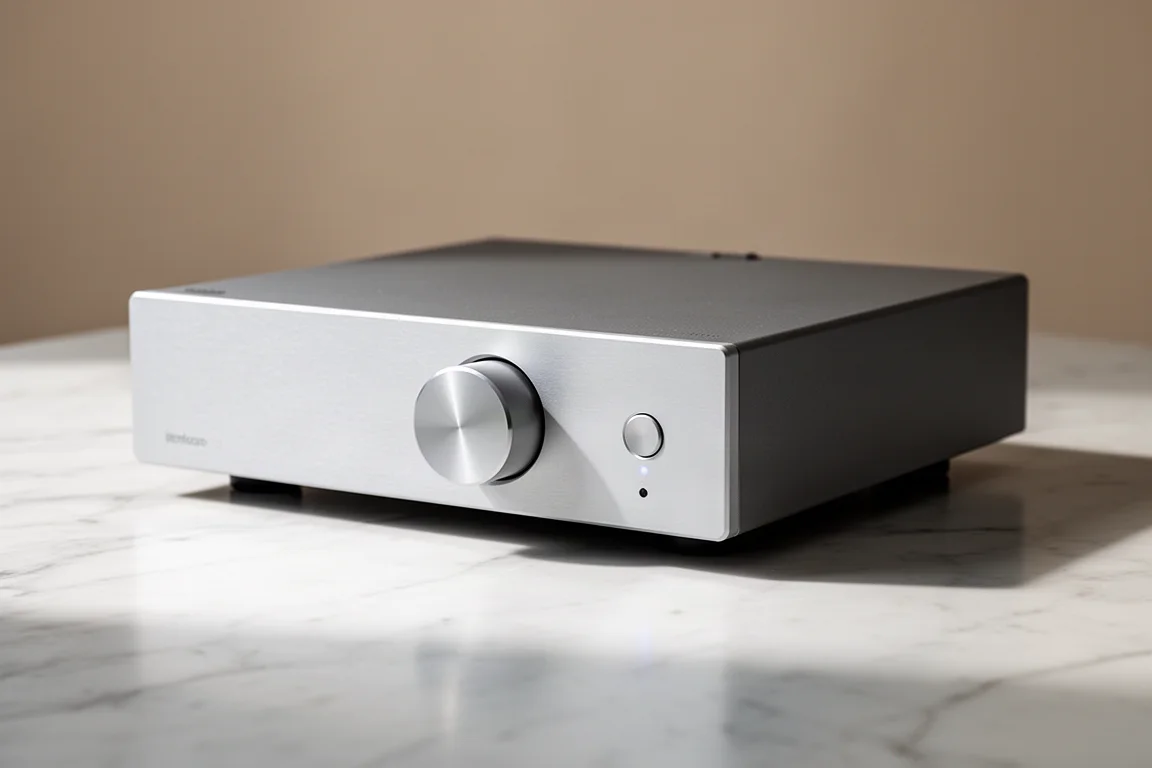
Cambridge Audio AXA35: Analog Amplification Done Well
At $399, the Cambridge Audio AXA35 is an analog amplifier with no DAC inside, so all sources connect through RCA. It includes a phono preamp, and it can drive a wide range of speakers despite modest power ratings on paper.
A toroidal transformer sits at the heart of the design, and the sound is rich and full. There is also a 5V, 500mA output on the back, which can power a small streamer directly from the amplifier.
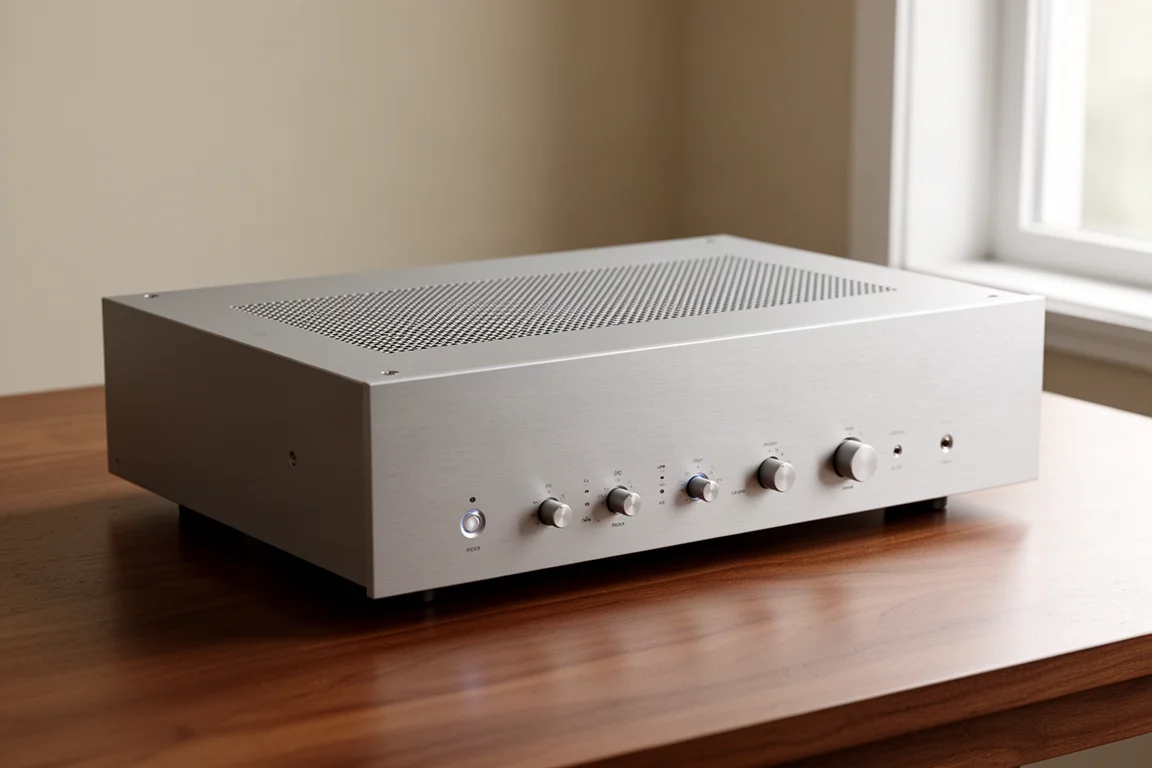
Emotiva TA1: A Flexible Step Up
The Emotiva TA1 costs $500 and behaves like a long-term investment. It includes Bluetooth, an internal DAC, a subwoofer output with bass management at 90 Hz, and a phono stage that supports both moving magnet and moving coil cartridges. A remote control is included.
Its most useful trick is that it can later serve as a preamp feeding a separate power amplifier, so the TA1 can stay in a system as it grows.
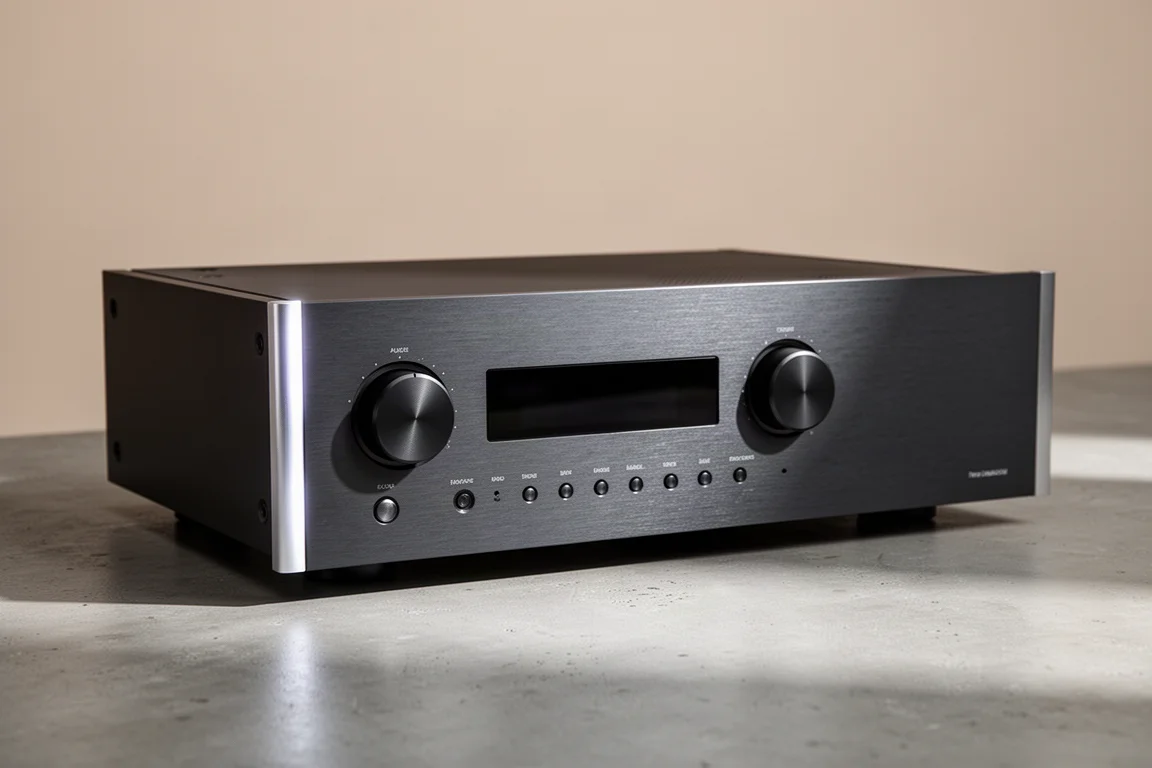
Rotel A10: The Premium End of the List
At $600, the Rotel A10 closes out the list. It has no DAC, so sources must be analog or routed through an external converter, but the build and the sound quality justify the position. It is a stripped-down relative of a higher model in the same range.
If the goal is a simple analog integrated amplifier that will not need replacing soon, this is where the budget stretches furthest.
Buying Advice: Matching an Amplifier to Your Room and Speakers
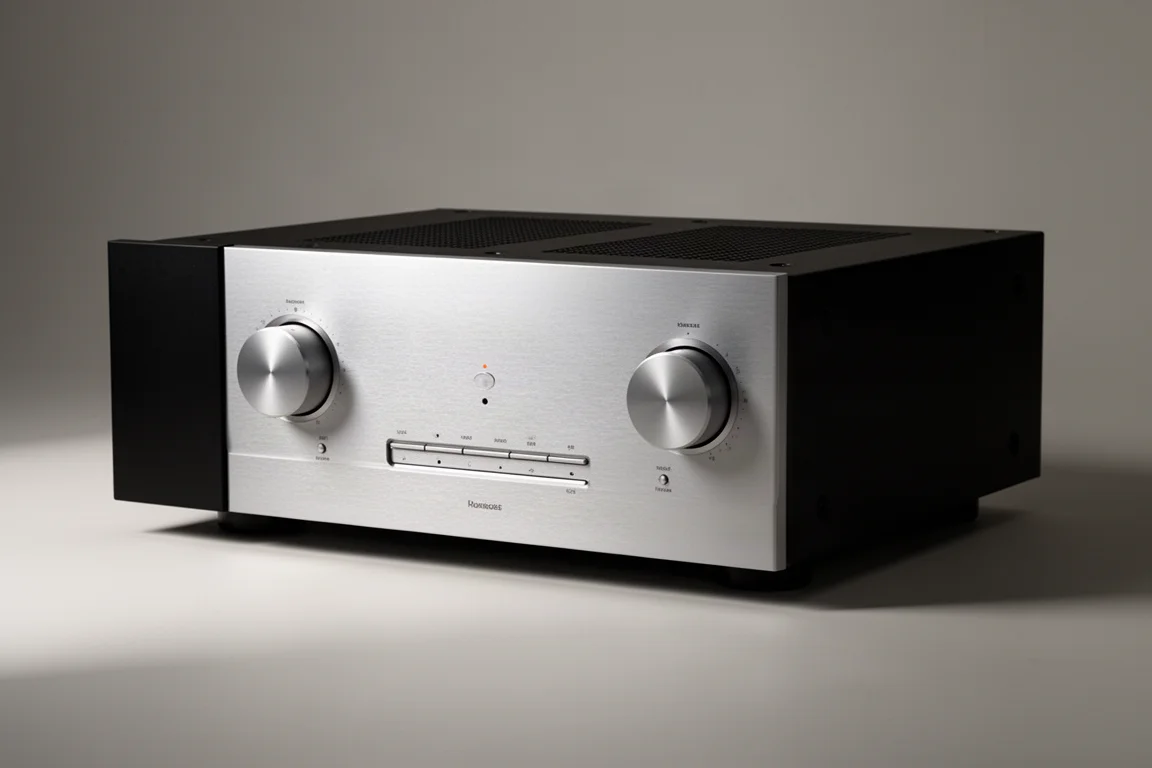
Start with the speakers and the room, not the amplifier. Small bookshelf speakers in a nearfield desk setup are well served by a compact Class D amplifier, and the cheapest options here will do the job. Larger rooms and less efficient speakers benefit from the extra power and heat handling of a full-size component.
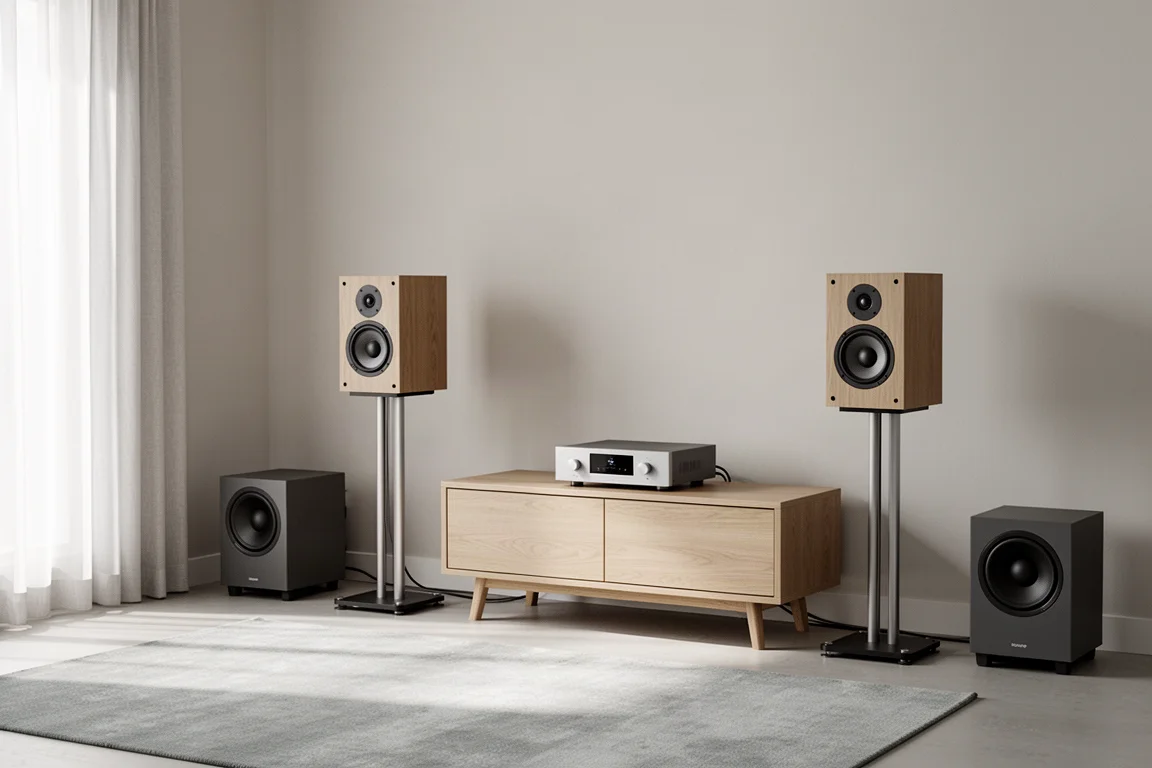
Then work through the inputs you actually need. A turntable calls for a phono preamp. A television benefits from HDMI ARC. A subwoofer works best with a dedicated output and a high-pass filter. If streaming matters, decide whether you want it built into the amplifier or handled by a separate source.
Budget matters, but the difference between $60 and $600 is mostly about power, connectivity, and how long the amplifier will remain useful as a system grows.
Conclusion
There is no single best amplifier in this group, only the one that matches your speakers, your sources, and your room. The compact options around $60 to $150 deliver genuine value, the mid-range units add DACs, phono stages, and streaming, and the upper tiers bring traditional build quality and the headroom to keep improving a system over time.
Pick the feature set you need first, then spend what the rest of your system deserves.
Further reading
Related Reviews
Speaker Amplifiers
Best Budget Speaker Amplifiers: Seven High-Value Picks Under About $350
Seven affordable speaker amplifiers, from an $80 starter amp to a $330 component design, with the strengths and trade-offs that matter before you buy.
Speaker Amplifiers
SMSL SA400 Review: A High-Power Class D Speaker Amplifier Worth the Money?
A practical look at the SMSL SA400, a 230W class D speaker amplifier with balanced inputs, nine EQ presets and a variable subwoofer output, and whether it justifies its price.

Backpacking Gear
Building a 10 lb Base Weight: An Ultralight Backpacking Gear List
A practical walkthrough of the ultralight pieces behind a 10 lb base weight, from a 765 g pack and a roomy one-person tent to a full camp chair and a dependable water filter.