Home Heating
Best Space Heaters Tested: Which Ones Actually Heat, Stay Quiet, and Keep You Safe?
Twelve space heaters from $23 to $440 go head to head on heat delivery, noise, safety, and power draw. Here is how they ranked.
Introduction
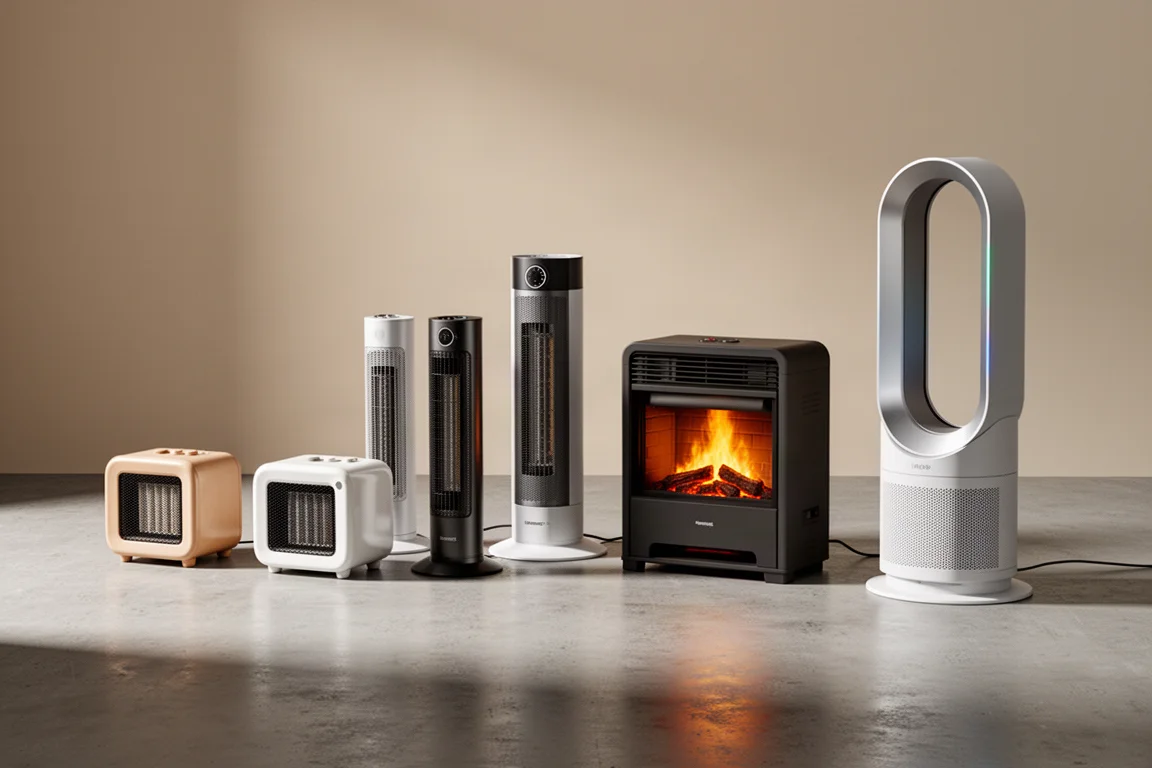
Space heaters are involved in thousands of house fires every year, which raises an uncomfortable question: is a $440 heater actually safer than the $23 model sitting next to it on the shelf? To find out, we lined up twelve space heaters ranging from $23 to $440 and ran them through the same gauntlet: heat output, noise, tip-over behavior, overheat protection, and real power draw.
The field covers everything from bare-bones ceramic units to a propane-fueled Little Buddy and a premium bladeless heater-and-purifier combo. Some results were surprising, a few were genuinely worrying, and one $90 tower heater quietly ran away with the top spot.
How the Heaters Were Tested
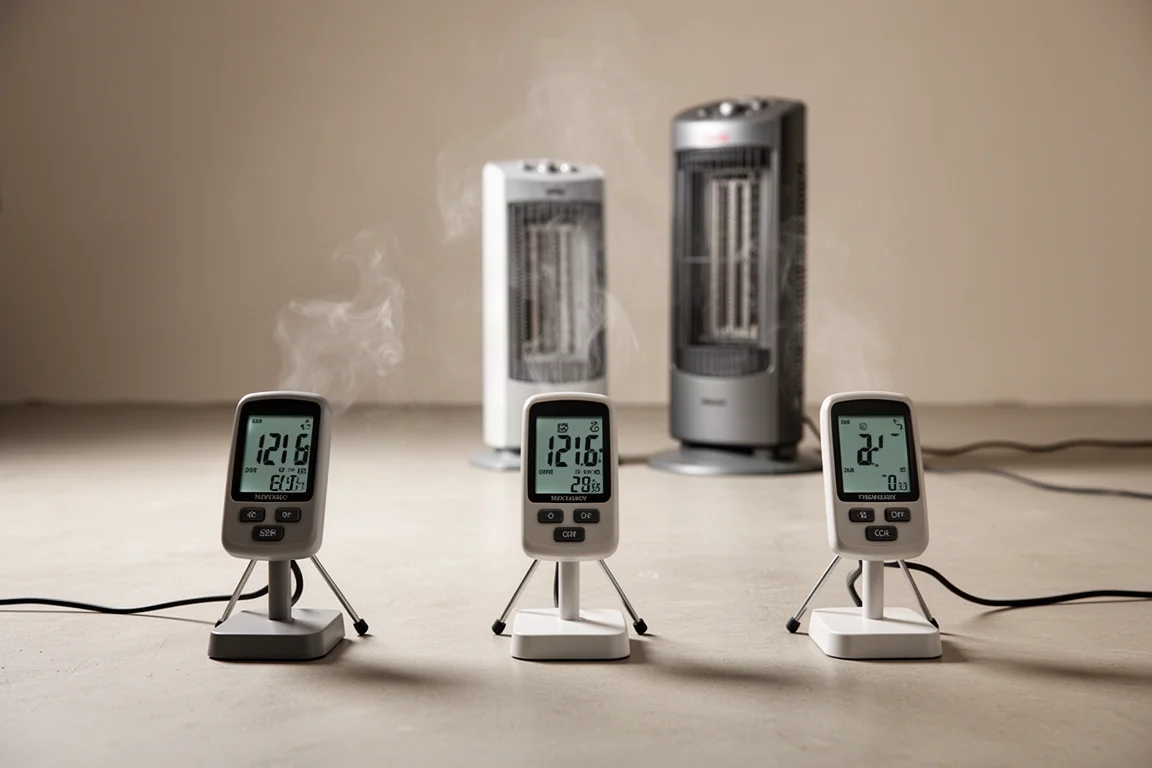
Every unit faced the same set of tests. First, a heat broadcast test measured how well each heater warmed thermometers placed 36 inches away, with three sensors spaced about 20 inches apart. Oscillating models got a second run in oscillation mode. Next, noise was measured from 24 inches with a sound meter in a room with an ambient level around 35 decibels.
Safety got the most scrutiny. Each heater was tipped over onto plastic to see how quickly it shut down and whether it melted the surface. Then each was covered with a pillowcase to simulate contact with fabric, and we recorded how long it took to power down and how hot the fabric got. Finally, a power meter tracked energy draw on low and high settings.
Meet the Lineup: Budget Picks ($23 to $32)
QQT Space Heater ($23)
The least expensive heater tested is a 1,200 watt unit with two heat settings, claimed overheat and tip-over protection, and a compact footprint at just 1.6 lb. It has no thermostat, and the claimed “less than 30 decibels” quietness did not survive testing. It also produced the weakest heat broadcast of the group. Still, for $23 it powered down instantly in the tip-over test without melting anything.
Amazon Basics Space Heater ($24)
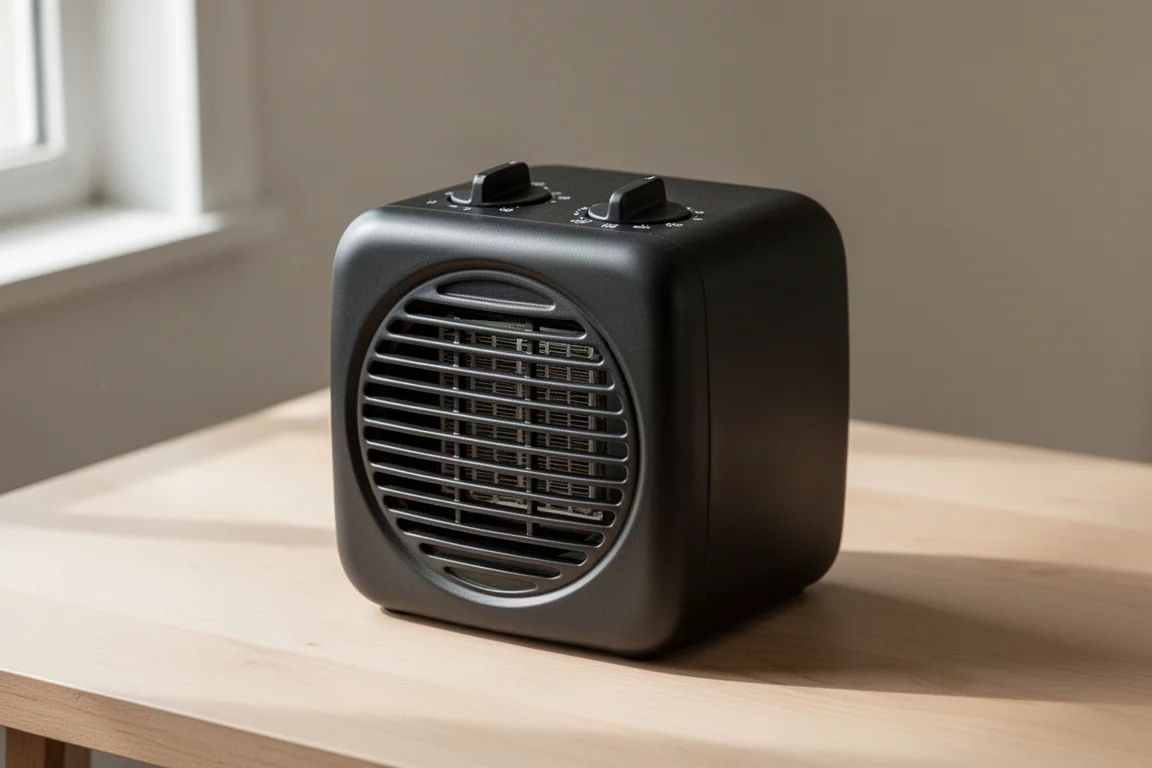
At $24, this 1,500/900 watt heater includes tip-over and overheat protection plus a power indicator light. It broadcast heat far better than the QQT, raising the center thermometer 4.1 degrees, and shut down before tipping onto plastic caused any damage. Its weaknesses are noise: about 54 decibels on both settings, and a thermostat click measured at 57.3 decibels that could disturb light sleepers. Its high-setting power spike near 2,010 W is worth noting if you have a loaded circuit.
Aicoper Space Heater ($26)
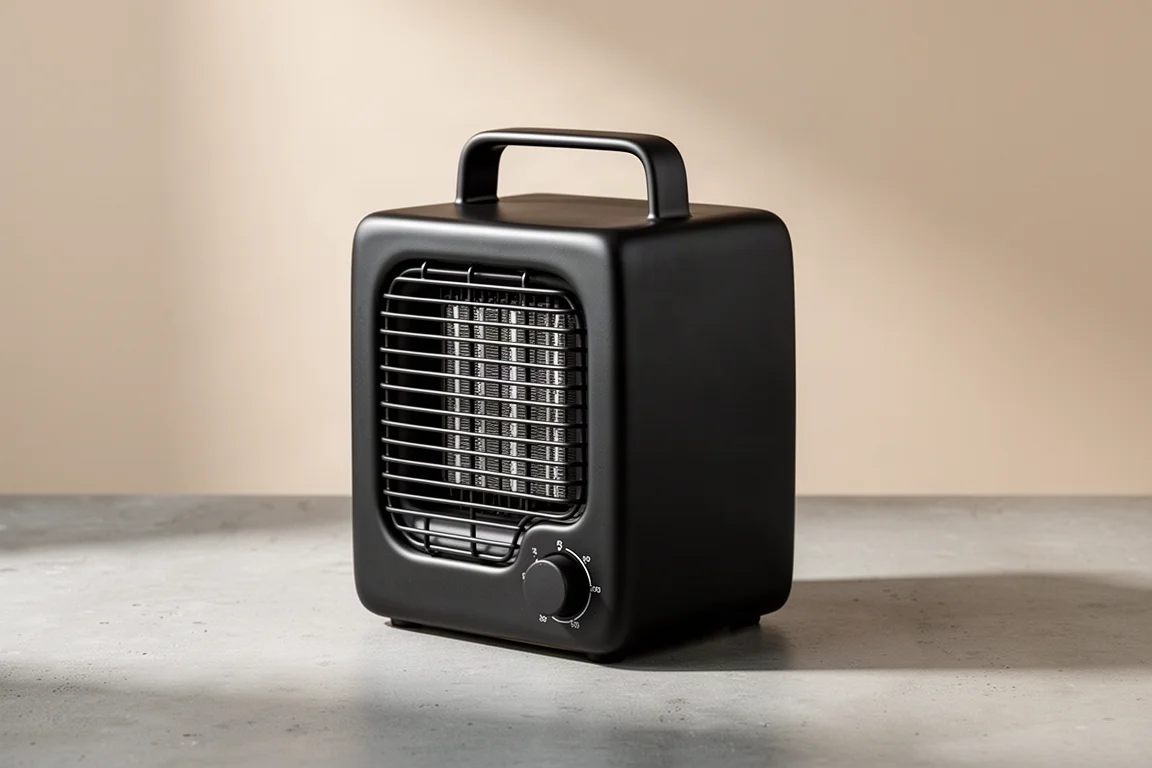
The Aicoper offers 1,500 watts, a thermostat, low/medium/high settings, and a fan-only mode in a 2.56 lb body. Its heat spread was mediocre at a 1.5 degree center increase, and it was the loudest heater at the time of testing at 56.6 decibels. More concerning: in the tip-over test it melted the plastic on contact despite shutting down, and in the covered-fabric test it smoked before finally powering off at 437 degrees Fahrenheit after 2 minutes and 12 seconds. That is the worst overheat result in the field.
GiveBest Space Heater ($26)
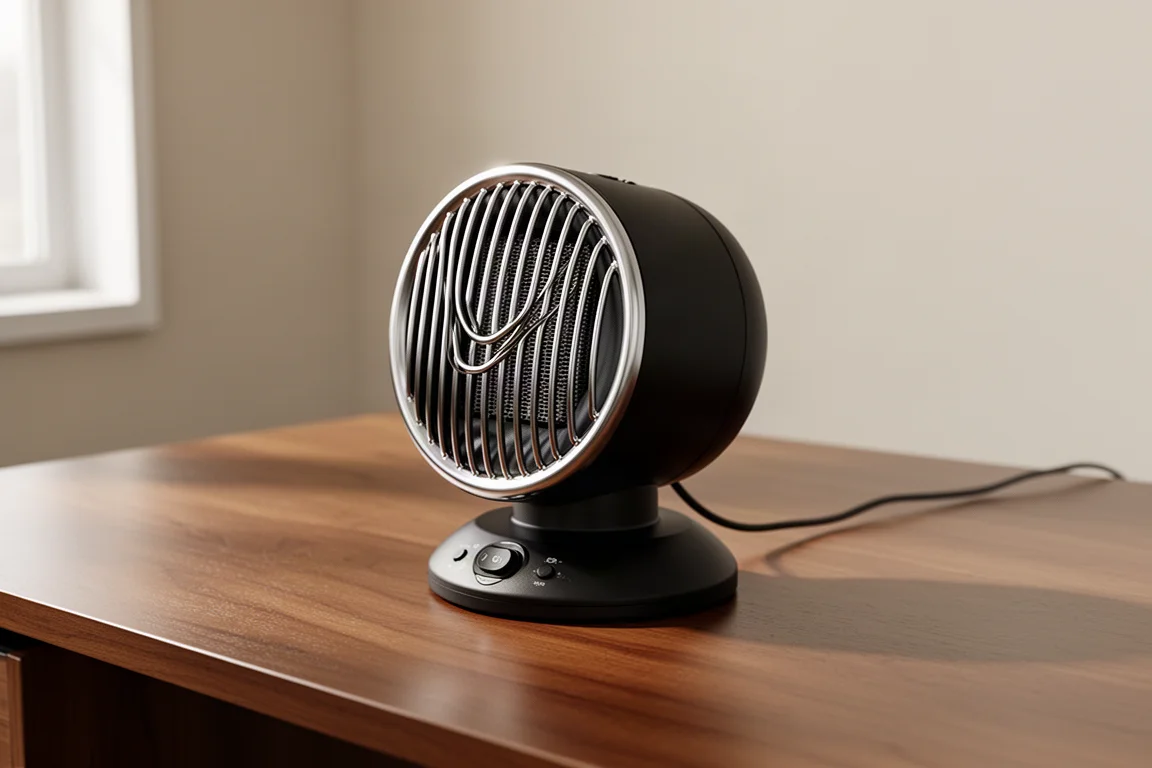
The GiveBest runs at 750 or 1,500 watts with a thermostat adjustable from 41 to 95 degrees Fahrenheit and claimed tip-over protection. It shut down instantly in the tip-over test and powered off its heating element in the fabric test at about 330 degrees in under 55 seconds, which is respectable. On the downside, it was the loudest heater overall at 57.7 decibels, with an especially loud thermostat click at 62.9 decibels, and heat spread was average.
Jabufi Space Heater ($28)
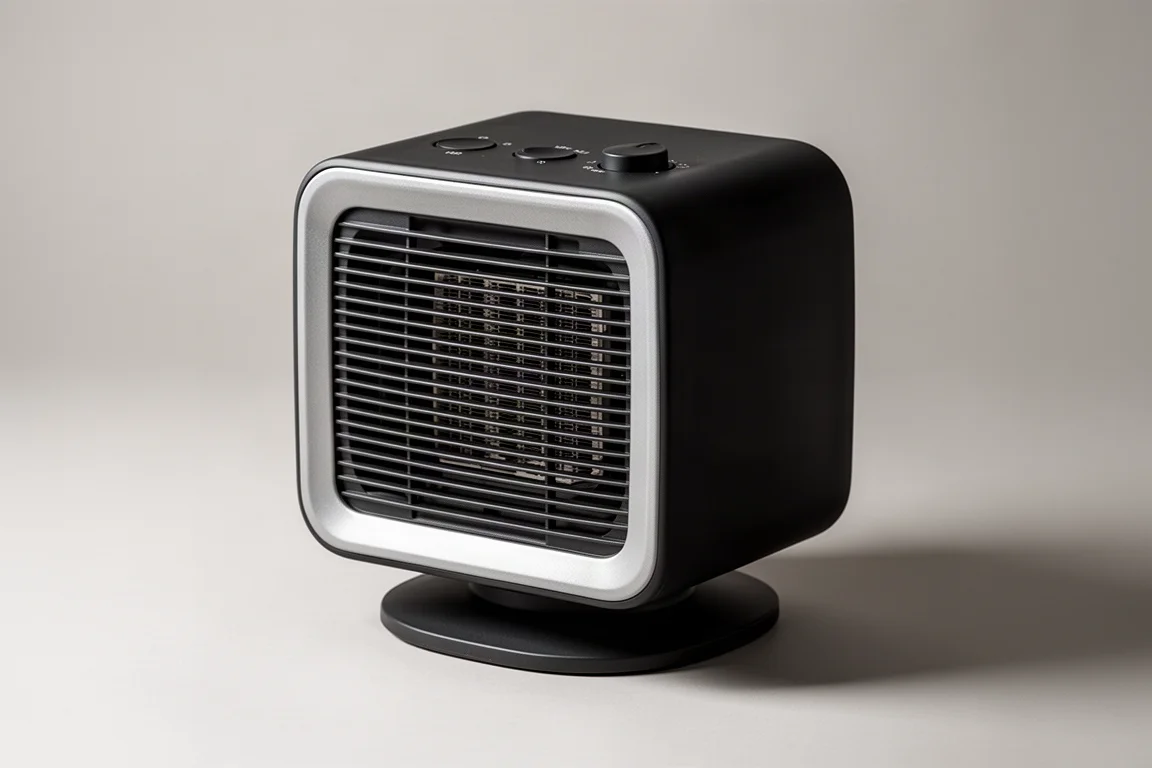
The Jabufi stands out with a 70-degree oscillation feature, up to 1,500 watts, a remote control, a fan-only mode, and three heat settings. It was the quietest of the budget group at 53.3 decibels and delivered one of the best heat broadcasts, rocketing the center thermometer to 87.6 degrees in five minutes. It took about a second to shut down when tipped, sounded an alarm, and ran its fan to cool the element without melting anything. Its thermostat click is loud at 61 decibels.
Black+Decker Space Heater ($32)
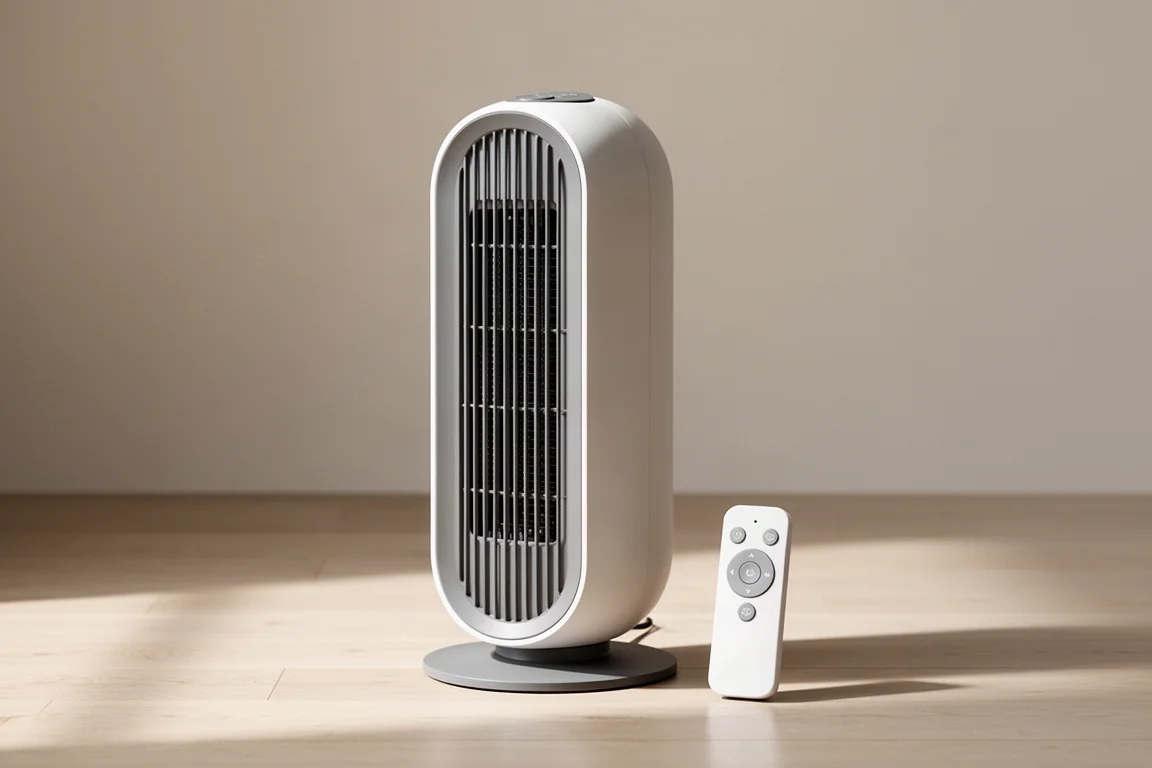
The Black+Decker offers 750 and 1,500 watt settings plus a fan mode with claimed overheat and tip-over shutoff. It performed well in the tip-over test, cutting power the moment its base lifted, and reached a cooler fabric temperature of 319 degrees in the overheat test. Its heat broadcast was strong at a combined 14.7 degrees, good for fourth place overall. Noise is its weak point at 57.8 decibels, the loudest of the electric units.
Mid-Priced Picks ($45 to $60)
Dreo Space Heater ($45)
The smaller Dreo is where the value starts to sharpen. It delivers up to 1,500 watts, a remote control, a thermostat, 70-degree oscillation, and high/medium/low plus eco and fan-only modes, and it is made in Vietnam rather than China. It was dramatically quieter than everything below it: 37.8 decibels on low and 43.7 on high, with the quietest thermostat of the fan-based heaters at 51.5 decibels. Heat delivery was strong too, with a center reading of 85.8 degrees and a solid oscillating result. In the fabric test it peaked at 356 degrees before cutting power around the one-minute mark, with the fan running on afterward to cool the element.
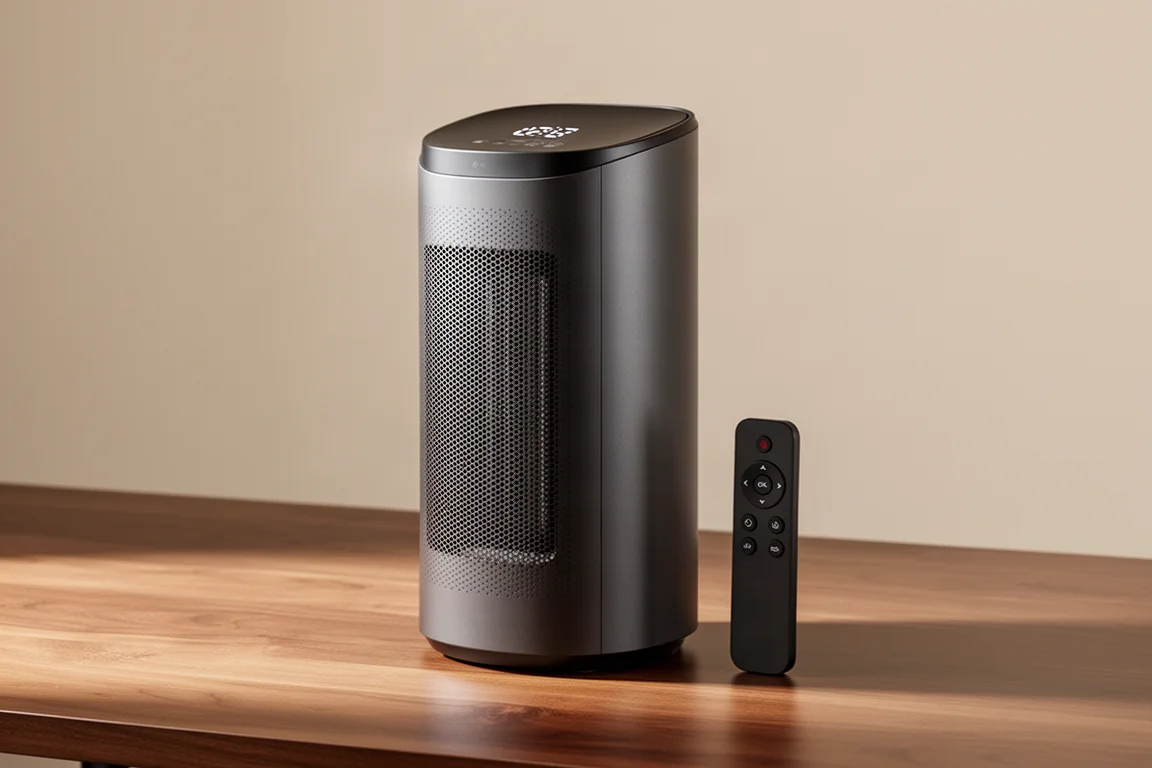
Lasko Space Heater ($47)
The Lasko is a short tower with two settings, 900 and 1,500 watts, optional widespread oscillation, an adjustable thermostat, and claimed overheat protection. Its heat broadcast hit 8 degrees on the center thermometer but nothing on the sides, and oscillation mode was only middling at about 4.6 degrees combined. Noise was better than average at 52.6 decibels. Where it shines is overheat protection: it powered down in just 24 seconds at 291 degrees, the fastest conventional electric heater in the fabric test.
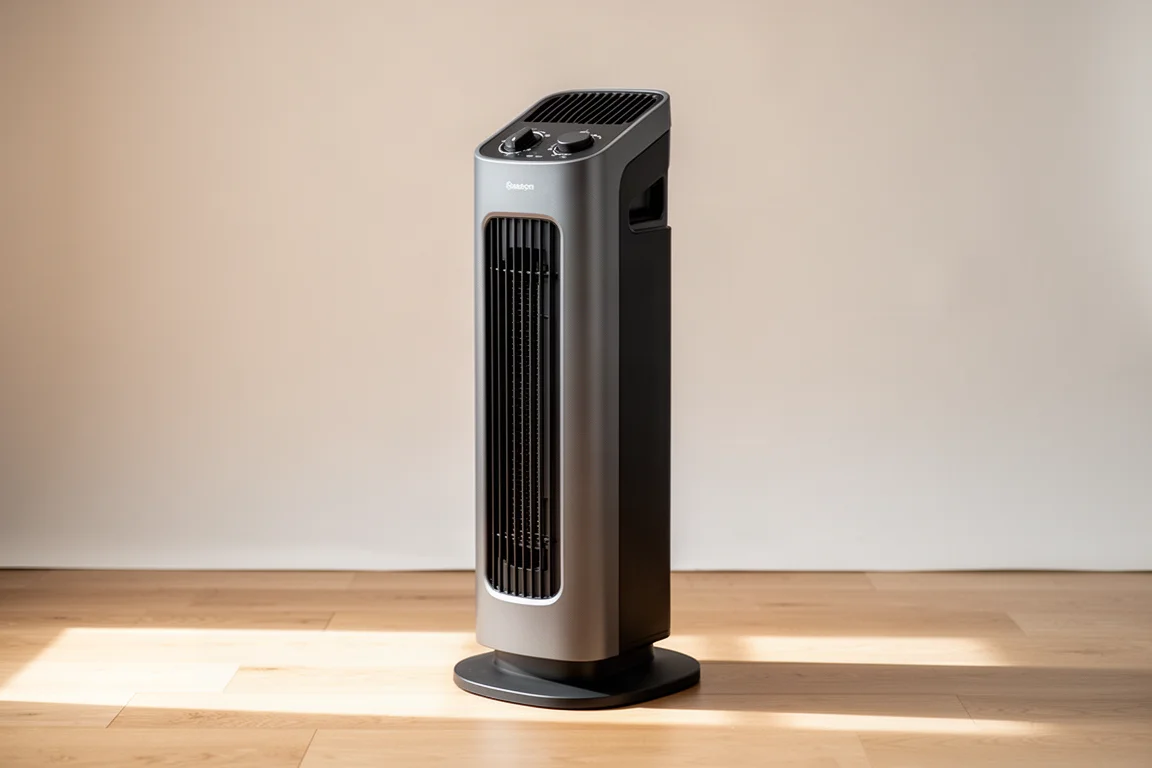
Mr. Heater Little Buddy ($60)
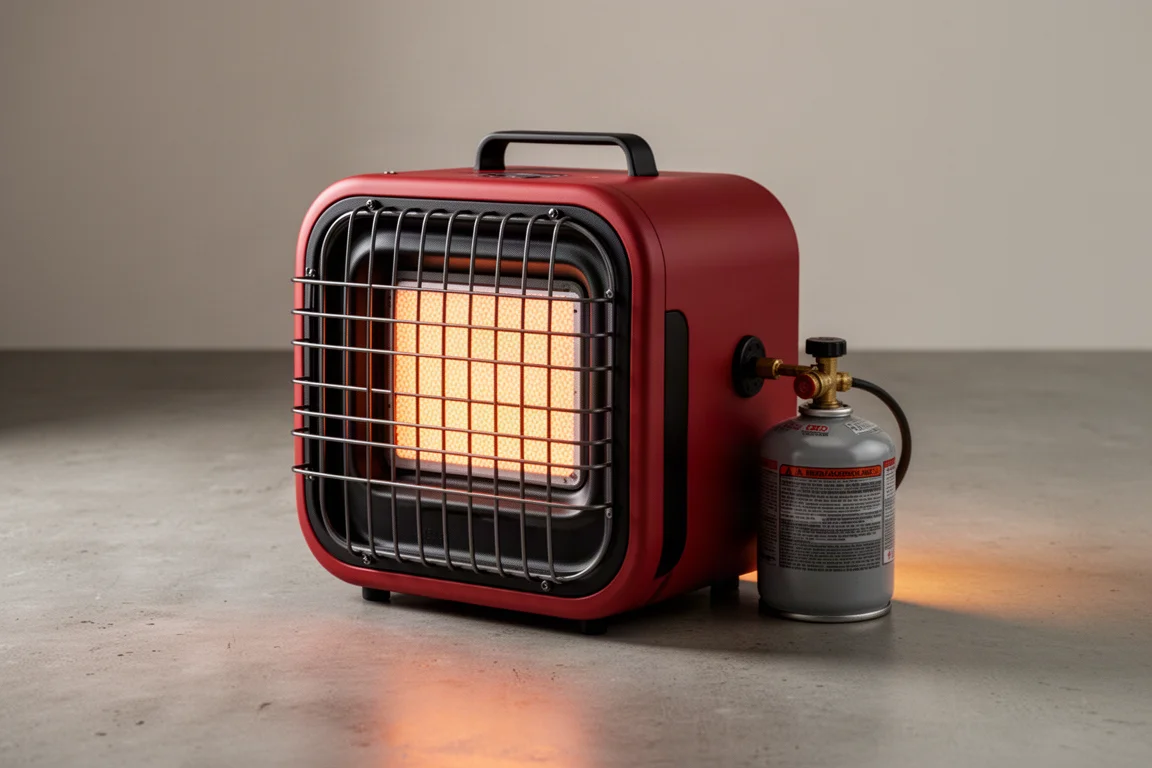
The only non-electric entry runs on propane, producing a claimed 3,800 BTU with about 5.6 hours of runtime on a 1 lb cylinder, designed for indoor use. It is effectively silent at around 35 decibels since there is no fan. But safety testing raised real flags: its hot grill melted plastic in the tip-over test, and in the fabric test the thermal camera maxed out above 752 degrees before the flame was extinguished. Heat broadcast without a fan was weak at 4.1 degrees combined. Handle with extreme care.
Premium Picks ($90 to $440)
Dreo Tower Space Heater ($90)
This is the overall winner. The Dreo tower offers three heat settings, an eco mode, a thermostat adjustable from 41 to 95 degrees, tip-over and overheat protection, and is made in Vietnam at 6.9 lb. It moves enormous volumes of air: a center reading of 90.3 degrees and a combined 18.1 degrees across all three sensors, second best overall. Noise is superb at 37.7 decibels on low and 48 on high, with a quiet thermostat at 53.8 decibels. In safety testing it cut its element in about a second when tipped, and in the fabric test it powered down at just 24 seconds and only 190 degrees, the best overheat result of all. At an average finish of 1.9 across the scorecard, nothing else came close.
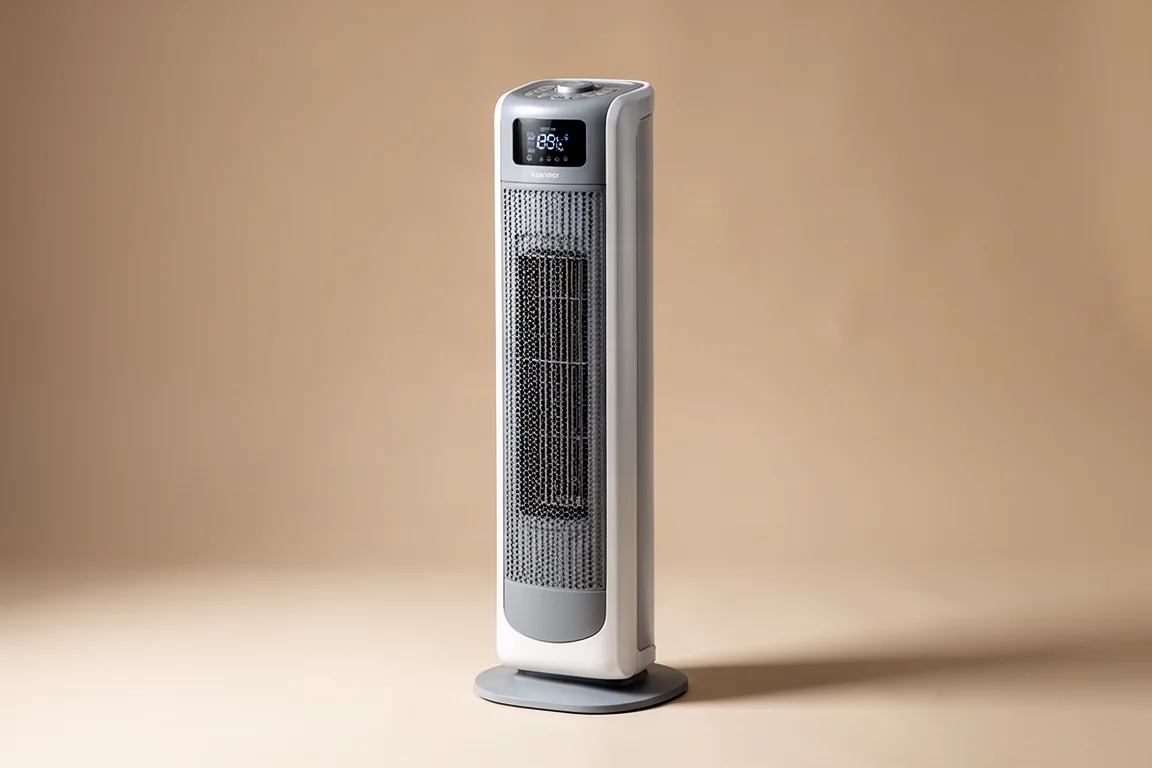
Real Smart Space Heater ($100)
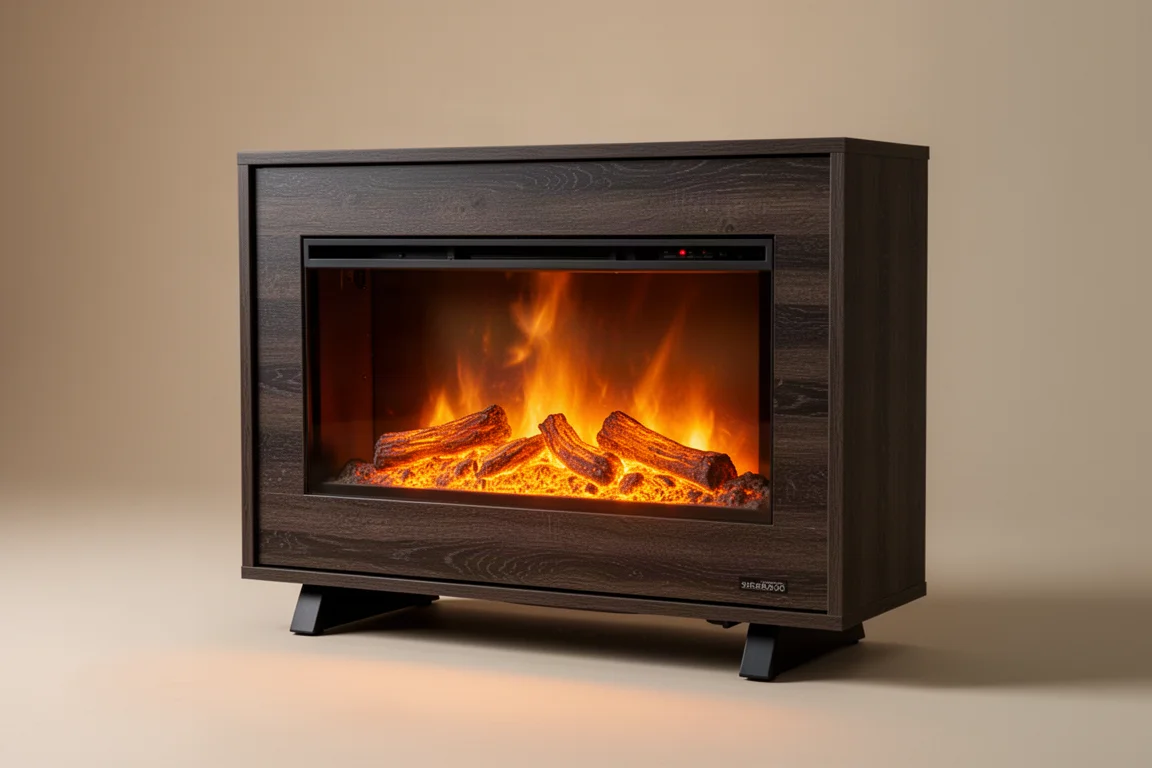
The Real Smart is an electric heater with a full-screen fireplace display, a claimed realistic 3D flame, four modes (850 W, 1,500 W, flame only, and heating only), and claimed overheat and tip-over protection. It delivered the single best heat broadcast of the field: 95.5 degrees on the center thermometer and 20.9 degrees combined. It is also quiet at 48.3 decibels on both settings with a thermostat at 52.7. Safety was strong too, powering off in under 12 seconds at 212 degrees in the fabric test, second only to the Dreo tower. Its one blemish: the heating element ran for over 15 seconds face-down in the tip-over test, though nothing melted.
Dyson Space Heater ($440)
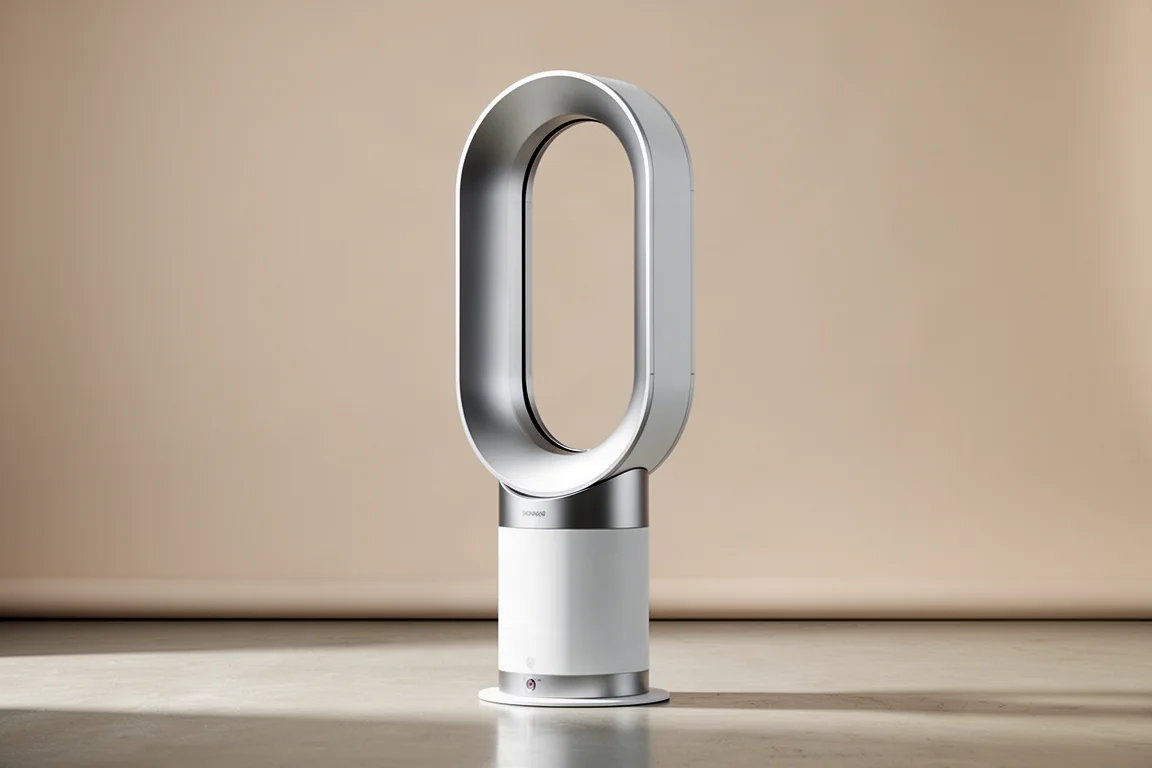
The most expensive unit by far doubles as a fan and air purifier, uses air multiplier technology to circulate air through the whole room, oscillates up to 350 degrees, includes a remote, and is made in Malaysia at 11.69 lb. It draws the most power on low at 1,265 W and holds a steady 1,518 W on high with no spikes, and it is fairly quiet at 47 decibels on the lowest fan speed. Its standout trait is a thermostat with no clicking at all. The concerns are price and safety: it took 5 minutes and 7 seconds to power down once covered with a pillowcase, the slowest electric result in the test, reaching 320 degrees.
Noise Test Results
In a room with an ambient level near 35 decibels, noise separated the field sharply. Every budget heater measured in the mid-50s, with the Black+Decker worst at 57.8 decibels and the GiveBest thermostat clicking at 62.9. The Dreo units changed the picture completely: 37.8 decibels on low for the small Dreo and 37.7 for the tower, both close to the room’s baseline. The propane Mr. Heater was technically quietest at around 35.1 decibels, but that is an apples-to-oranges comparison since it has no fan at all.
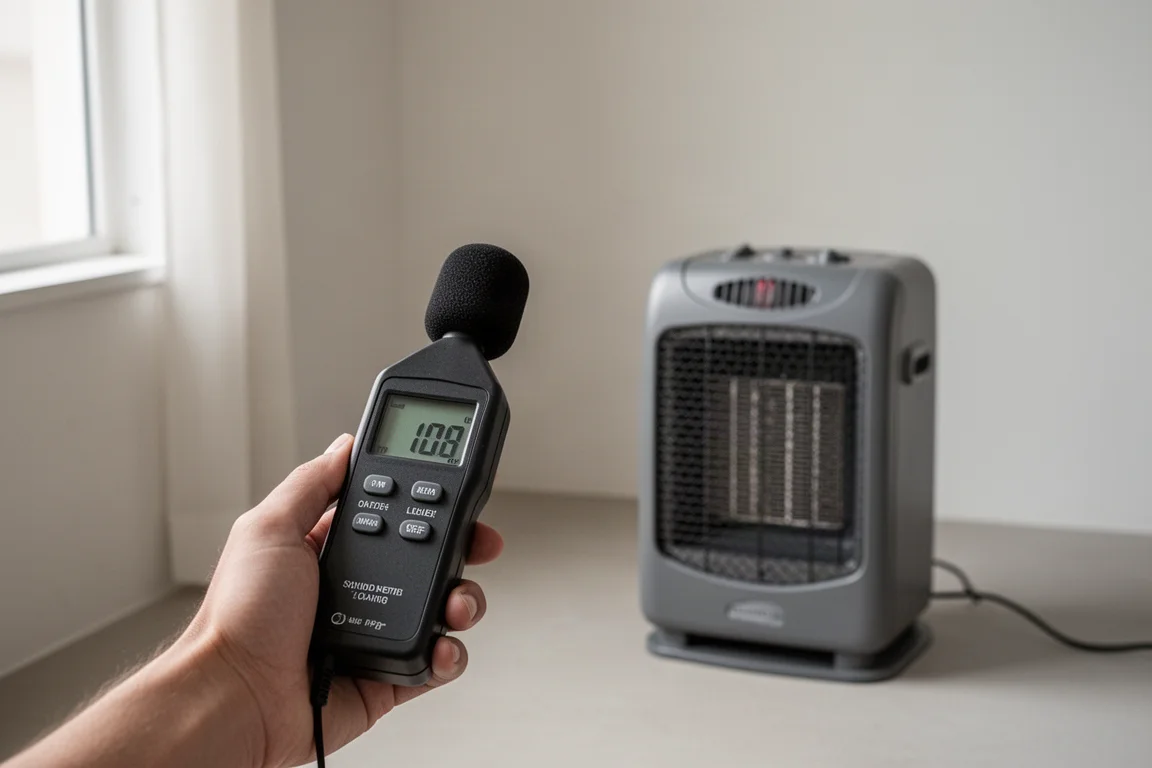
Thermostat clicking matters more than most buyers expect, especially for bedrooms. The Dyson is the only unit with no thermostat click, while the small Dreo at 51.5 decibels and the Real Smart at 52.7 were the quietest of the rest.
Heat Broadcast Test
With three thermometers spaced across a 36-inch target zone, air movement proved to be the differentiator. The Real Smart led with a combined 20.9 degree increase, followed by the Dreo tower at 18.1 and the Jabufi at 16.9. The Dyson managed a solid 15.5 despite covering a more vertical space, and the Dreo tower’s vertical aim still produced 7.7 degrees in oscillation.
Among oscillating models specifically, the Jabufi led at 8 degrees combined, ahead of the Dreo tower at 7.7 and the small Dreo at 7.4. The weakest performers were the QQT at just 1.2 degrees on the center sensor and the propane Mr. Heater at 4.1 degrees combined, both handicapped by little or no air circulation.
Safety Tests
Two tests drove the safety rankings. In the tip-over test onto plastic, most heaters powered down instantly and caused no damage. The exceptions were the Aicoper and the Mr. Heater Little Buddy, whose hot grills melted the plastic on contact, and the Real Smart, whose element ran for just over 15 seconds face-down before shutting off.
The covered-fabric test simulated a heater against curtains or bedding, and the results matter. The Dreo tower was the standout, powering down in 24 seconds at just 190 degrees. The Real Smart followed at under 12 seconds and 212 degrees, with the Lasko third at 24 seconds and 291 degrees. At the other end, the Aicoper smoked for over two minutes before shutting off at 437 degrees, and the propane Little Buddy created a flame hazard that only an extinguisher solved.
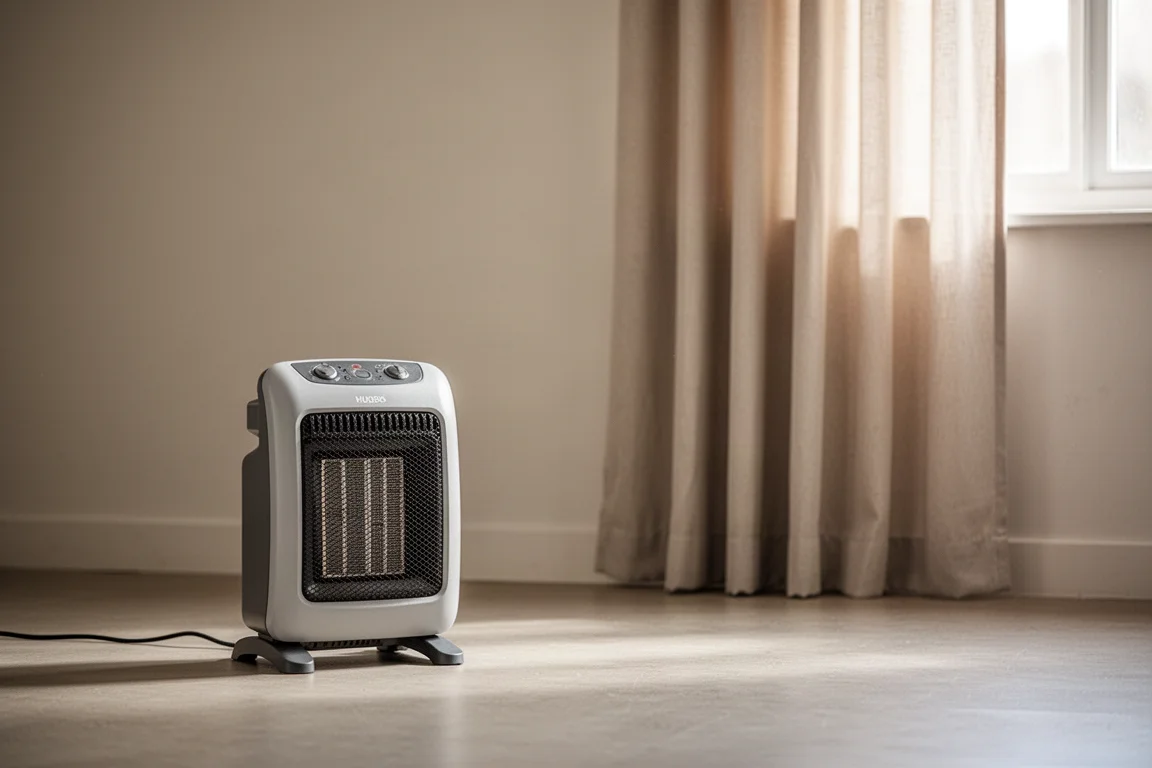
If safety is your priority, the Dreo tower’s record across both tests is unmatched in this field, and the Real Smart and Lasko are strong runners-up.
Power Draw and Efficiency
Electric resistance heating, whether ceramic or convection, converts essentially all incoming electricity to heat, so efficiency differences come down to power spikes and steady-state draw. Several budget units spiked hard on high: the Amazon Basics peaked near 2,010 W, the GiveBest at 1,823 W, and the Real Smart at 1,891 W, all of which could stress a loaded circuit. The Dreo tower handled the transition best, peaking at only 1,648 W while still delivering the most heat at a steady 1,536 W. The Dyson held a clean 1,518 W with no spikes at all.
Buying Advice
The overall winner is the Dreo tower space heater with an average finish of 1.9. At $90 it is not cheap, but its combination of strong heat delivery, near-silent operation, and the best safety results in the field makes it the easy recommendation if it fits your budget. Second place went to the Dyson at an average finish of 3.7, but the slow 5-minute shutoff under fabric and the roughly $440 price give us pause.
If budget is the priority, the Lasko at $47 is the value pick, delivering good safety, decent performance, and quiet-enough operation for under $50. Among budget units, the Jabufi and Black+Decker balance performance and safety best, while we would steer clear of the Aicoper based on its overheat behavior. One encouraging note: compared to heaters from 15 to 20 years ago, safety across the board has improved dramatically.
Conclusion
After testing twelve space heaters on heat, noise, safety, and power, the Dreo tower earns the top recommendation, the Lasko is the smart budget buy, and the Real Smart is the best pick if you want ambiance with your warmth. Whatever you choose, keep it away from fabric, and treat any propane unit with extra caution.
Further reading
Related Reviews
Home Heating
Best Space Heaters for Winter: 7 Picks for Every Room and Budget
From smart tower heaters and a walnut fireplace to a 125,000 BTU propane shop heater, seven practical ways to stay warm this winter.
Home Heating
Best Space Heaters Tested: 11 Heaters Ranked for Safety, Noise, and Heat Performance
We compare 11 space heaters from $20 to $550 on safety, noise, heat delivery, power draw, and real-world room warming to find which ones are actually worth buying.
Home Heating
Luna Heater Review: A Small Ceramic Heater That Falls Short of Big Claims
We tested the heavily advertised Luna Heater in a real room to see whether it can heat large spaces in minutes. The short answer: no.