Home Heating
Best Space Heaters Tested: 11 Heaters Ranked for Safety, Noise, and Heat Performance
We compare 11 space heaters from $20 to $550 on safety, noise, heat delivery, power draw, and real-world room warming to find which ones are actually worth buying.
Introduction
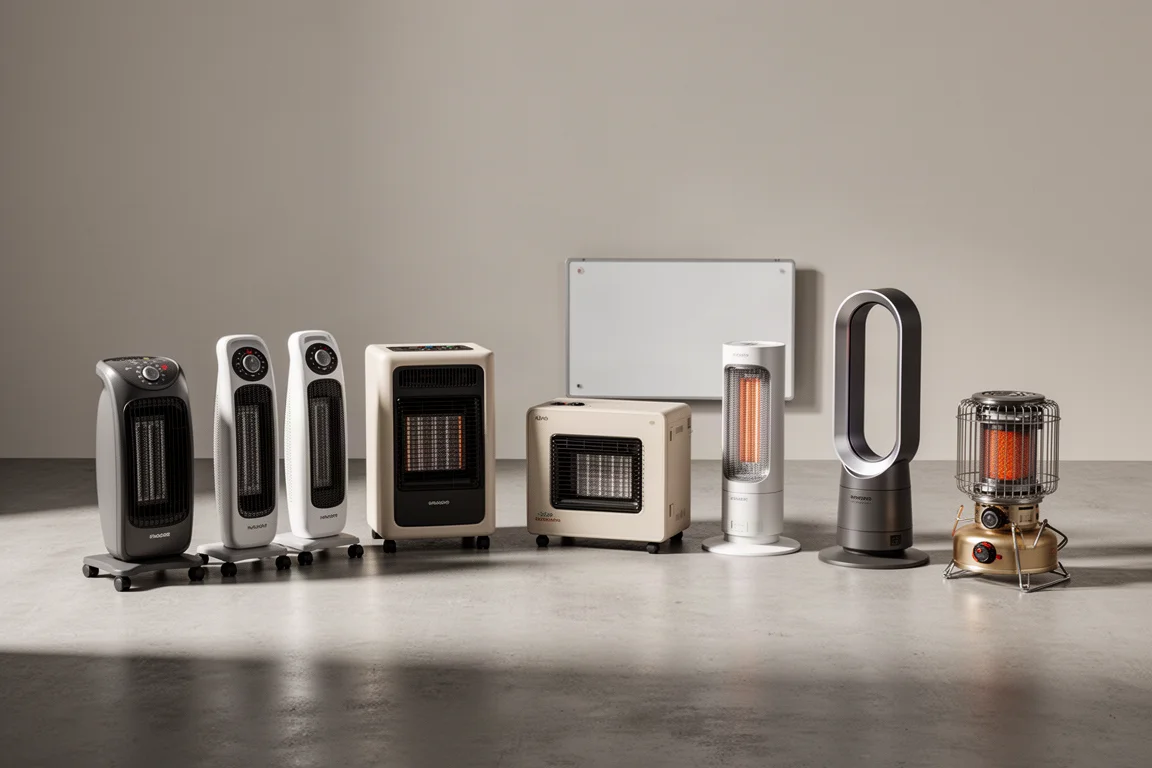
Every year roughly 25,000 fires are started by space heaters, which raises an uncomfortable question: is a $550 heater any safer than a $20 one? To find out, we put 11 popular space heaters through a full set of hands-on tests, covering tip-over shutdown, fabric contact safety, noise, heat delivery, power draw, and real-world room warming. All prices and figures below come directly from that testing.
How We Compared the Heaters
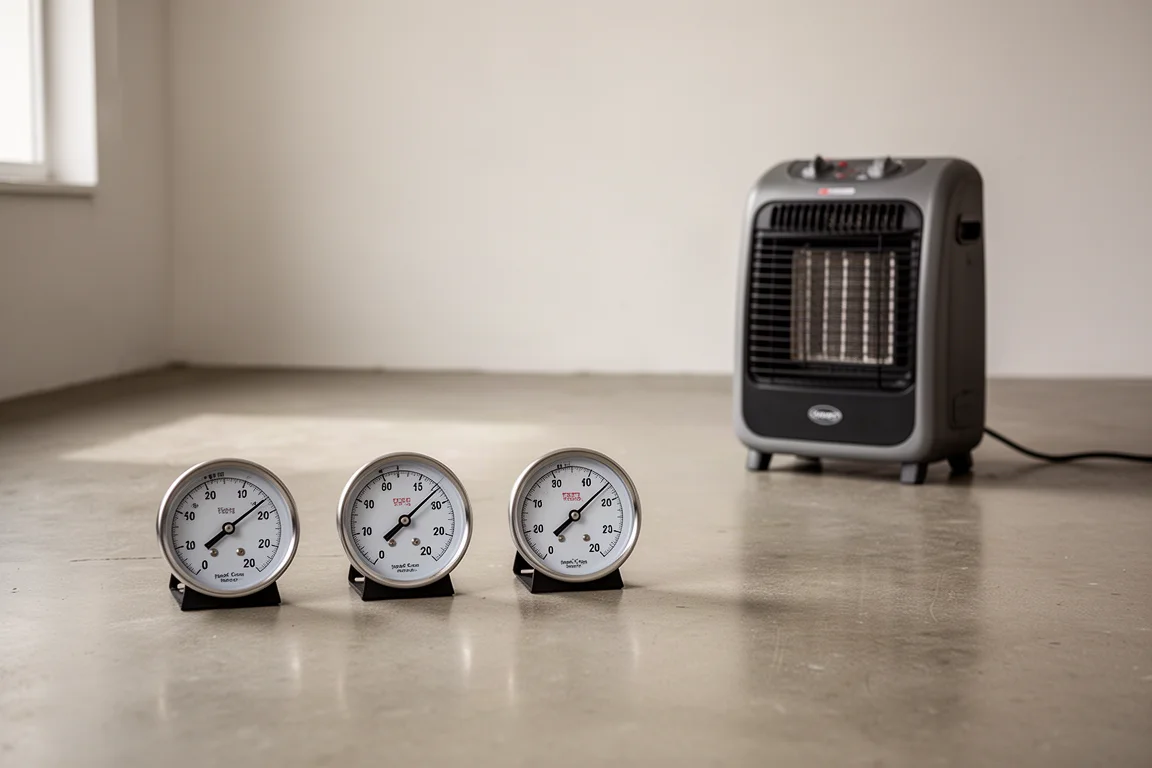
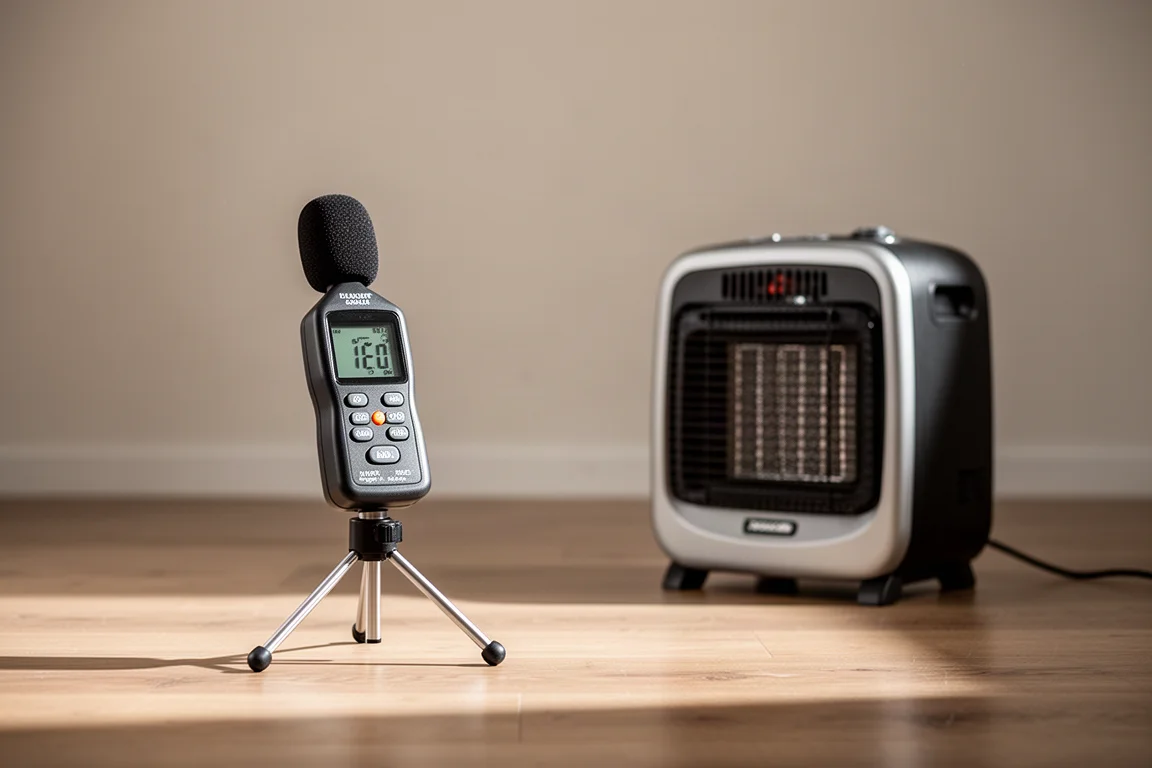
Each heater went through the same battery of tests. We measured noise from 24 inches away with a sound meter in a quiet room (ambient around 35 dB). We placed three thermometers roughly 20 inches apart and aimed each heater at the center one to measure how well it broadcasts heat over five minutes. We plugged each heater into a power meter to track wattage on low and high settings. We tested tip-over shutoff and fabric-contact safety by draping a pillowcase over the running heater. Finally, we gave each heater 30 minutes to warm a very cold but well-insulated 200-square-foot building.
All of the electric heaters here are resistance heaters, and both ceramic and convection designs convert incoming electricity to heat at nearly 100 percent efficiency, so the real differences come down to how well each unit moves that heat, how quietly it runs, and how it behaves in emergencies.
Amazon Basics Space Heater: $20
About 20,000 of these were sold on Amazon in the last 30 days. It offers three settings (750W low, 1500W high, fan only), overheat protection, and a tip-over switch. It weighs 2.72 lbs and is made in China.
On the sound meter it measured around 53.5 dB with the fan, staying nearly constant on low and high since the heat setting does not change fan speed. The thermostat clicks loudly, which could bother light sleepers. In the heat broadcast test it raised the center thermometer by 5 degrees in 5 minutes. It powered off immediately when tipped over without melting, and shut down in about 35 seconds during the fabric test with the fabric only reaching 147°F, one of the better results. In the room warming test it averaged 3.56 degrees per thermometer, among the best.
For $20, it performed well in the safety testing and is easy to recommend.
Mainstays Space Heater: $20
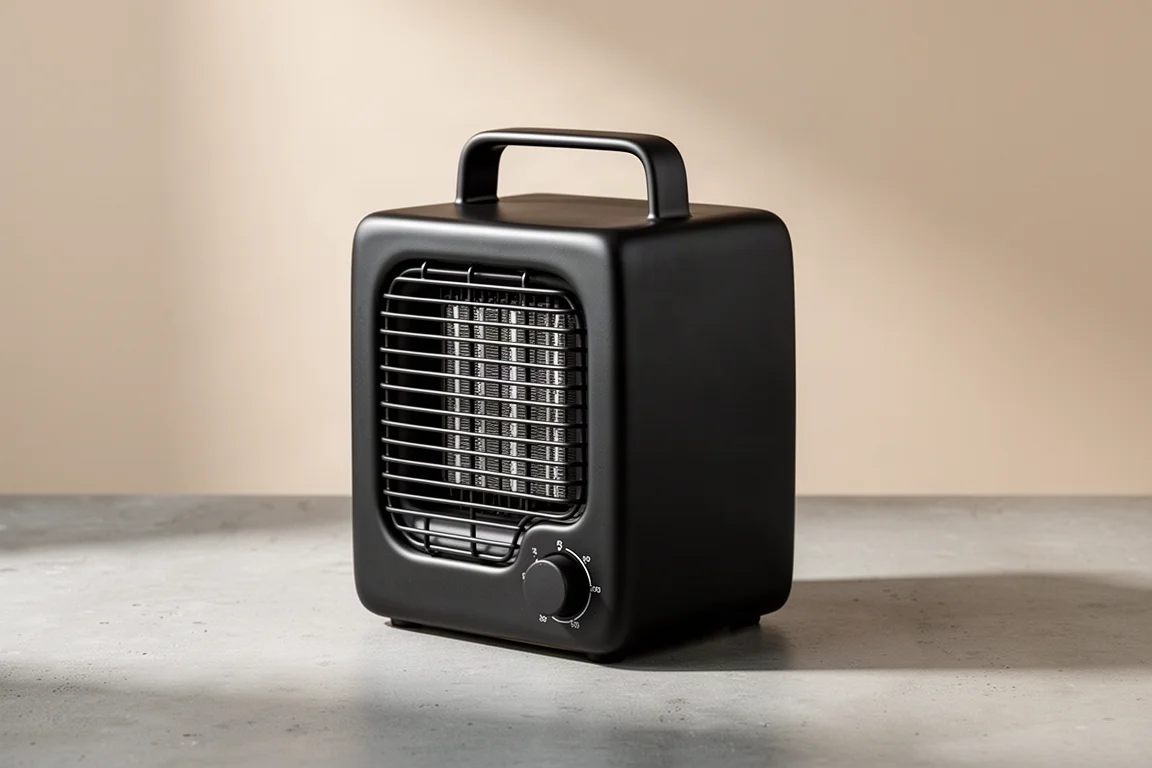
Sold at Walmart, this ceramic heater claims energy-efficient warmth with settings at 700W, 900W, and 1500W, plus a cool-touch carrying handle, overheat protection, and tip-over protection. It weighs 2.63 lbs and is made in China.
It measured around 54.3 dB, slightly louder than the Amazon Basics, with a somewhat noisy but slightly quieter thermostat. It directed heat noticeably better in the broadcast test, raising the center thermometer by about 7 degrees. The fabric test was a weak point: it kept running for a minute and a half before shutting down, with the fabric reaching around 313°F. In the room warming test it averaged 3 degrees per thermometer, close behind the Amazon Basics.
Aikoper Space Heater: $24
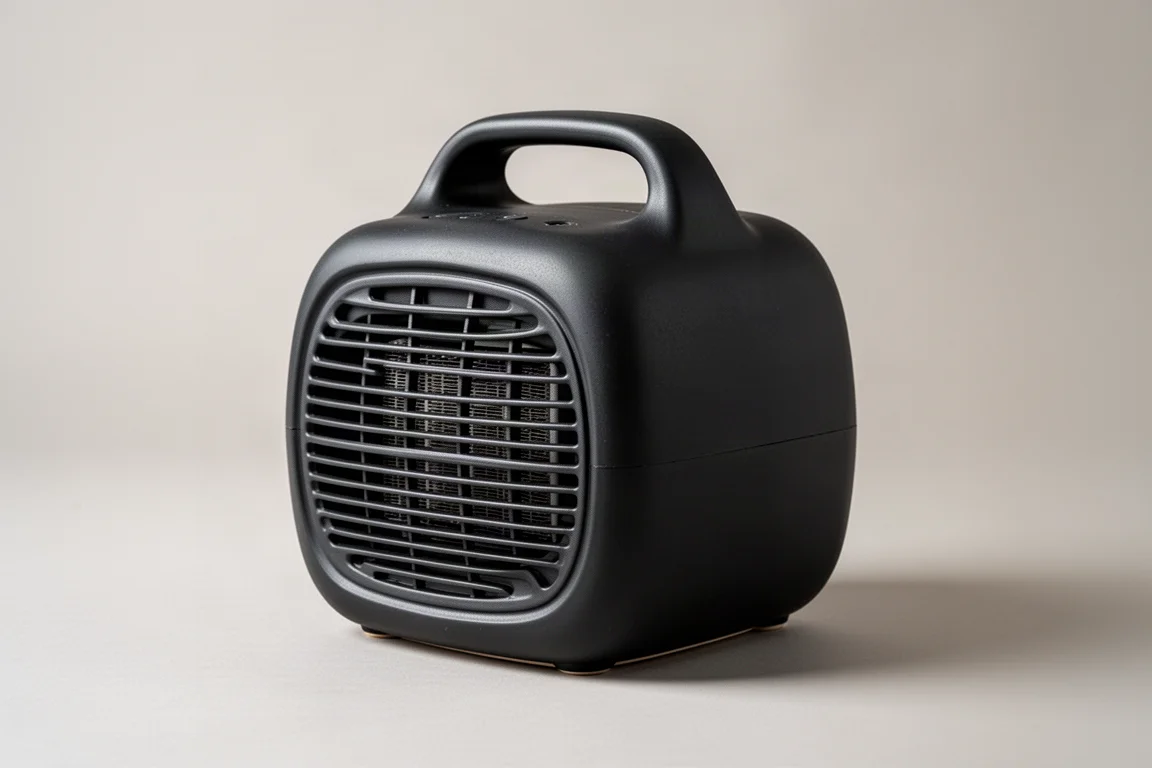
Around 40,000 of these sold in the last 30 days. It claims an ultra-efficient fan for faster, more even heating, with three heat settings, overheat protection, and a tip-over switch. It weighs 2.24 lbs and is made in China.
Noise came in just over 54 dB, similar to the Mainstays, with a quieter thermostat than the two cheapest units. The broadcast test was its worst result: the center thermometer rose only 2.2 degrees, the least progress of any unit. The fabric-contact test was worse still: it refused to power down and finally shut off at close to 5 minutes and 15 seconds, with the fabric reaching 320°F. Room warming averaged just 2.87 degrees.
Given its safety and heat performance, it is hard to recommend over the $20 alternatives.
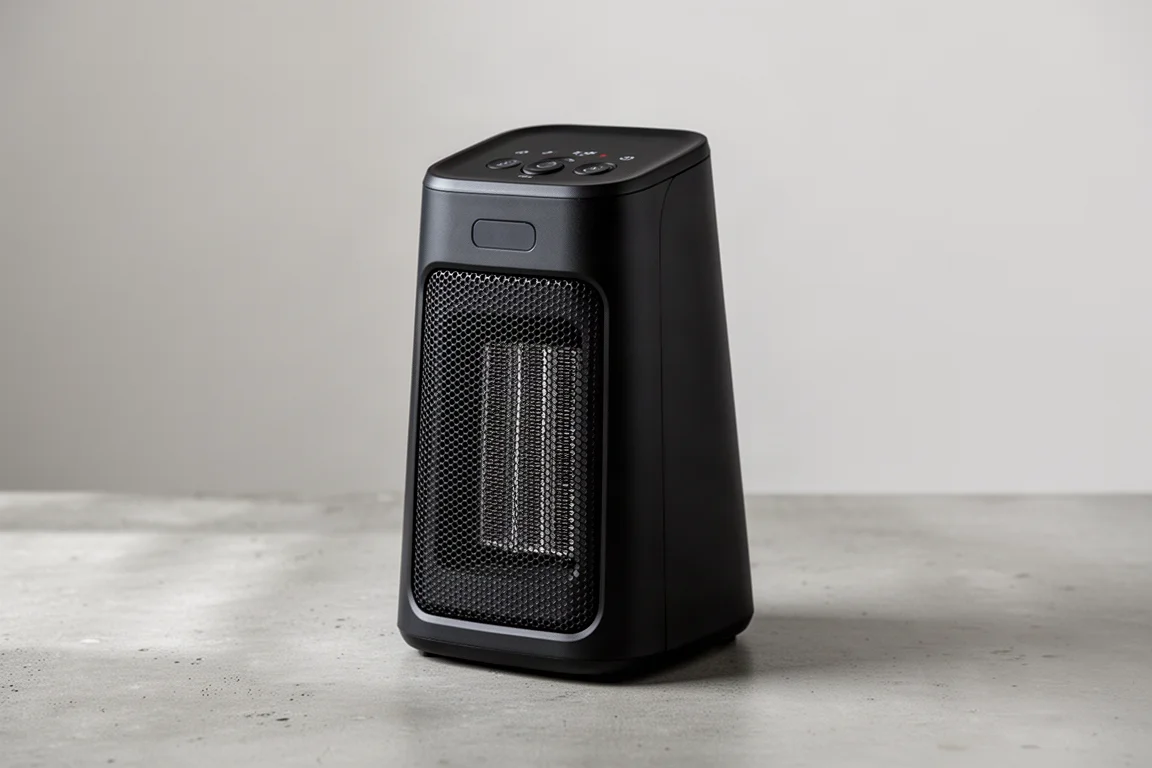
GiveBest Space Heater: $30
The most popular heater in the group with 50,000 sales in the last 30 days. It claims lower than 45 dB, includes overheat and tip-over protection, and a thermostat that turns the heater off at a preset temperature. It weighs 2.64 lbs and is made in China.
It measured around 52.1 dB, the quietest of the budget units, though the thermostat clicks as loudly as the Amazon Basics. In the broadcast test it moved into second place with nearly a 6-degree rise on the center thermometer. The fabric test was strong, shutting off at close to 35 seconds with the fabric at 236°F. In the room warming test it tied for first overall at 3.87 degrees average.
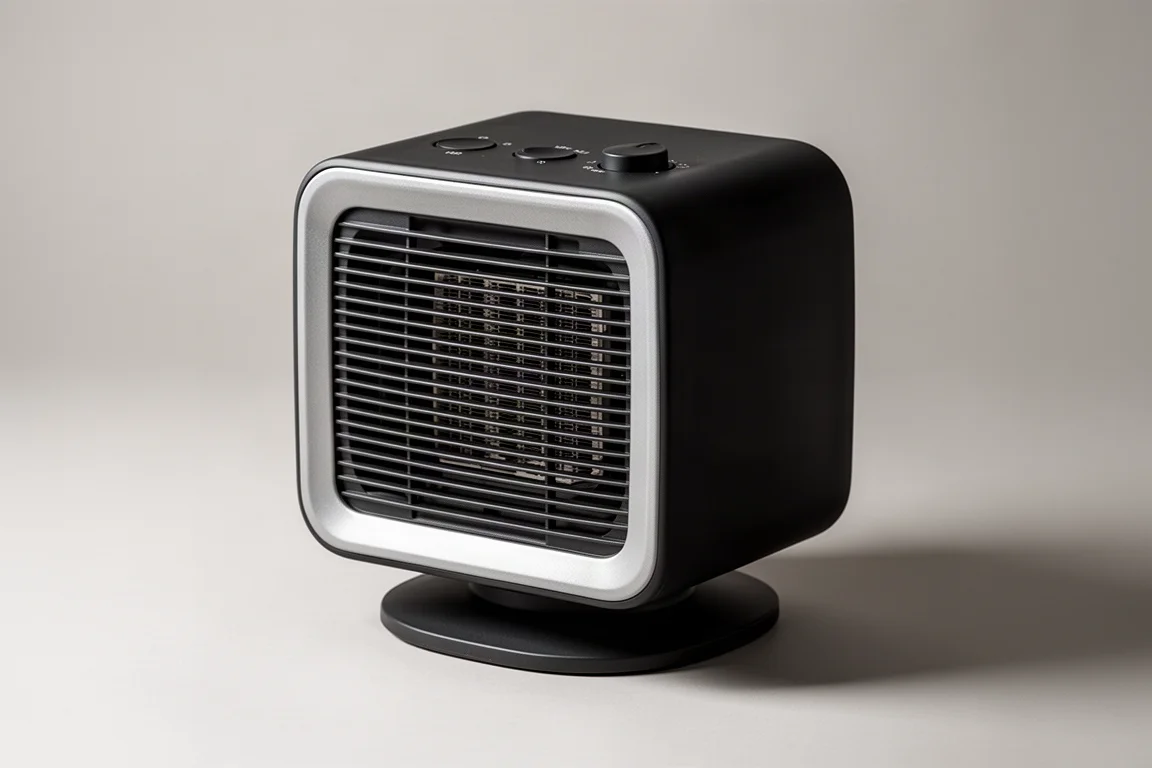
Dreo Space Heater: $40
A 1500W ceramic heater in very high demand with 30,000 sales last month. Its heat funnel design claims to project heat 200 percent farther than other heaters. It has tip-over and overheat protection, a 1 to 12-hour timer, eco mode, and fan mode. It weighs just over 3 lbs and is made in China.
On the lowest fan speed it measured below 40 dB, by far the quietest tested, occasionally reaching 41 dB on high. The heat funnel claim held up: the center thermometer rose 20 degrees in 5 minutes, by far the best broadcast result. In the fabric test it shut down in 46 seconds with the fabric around 250°F. On tip-over it cut the heating element immediately while the fan kept running to cool it down, a thoughtful design. Room warming averaged about 2.7 degrees, likely because it draws only about 1,430W on high.
For $40 it is hard to beat: safe, quiet, and the best at directing heat.
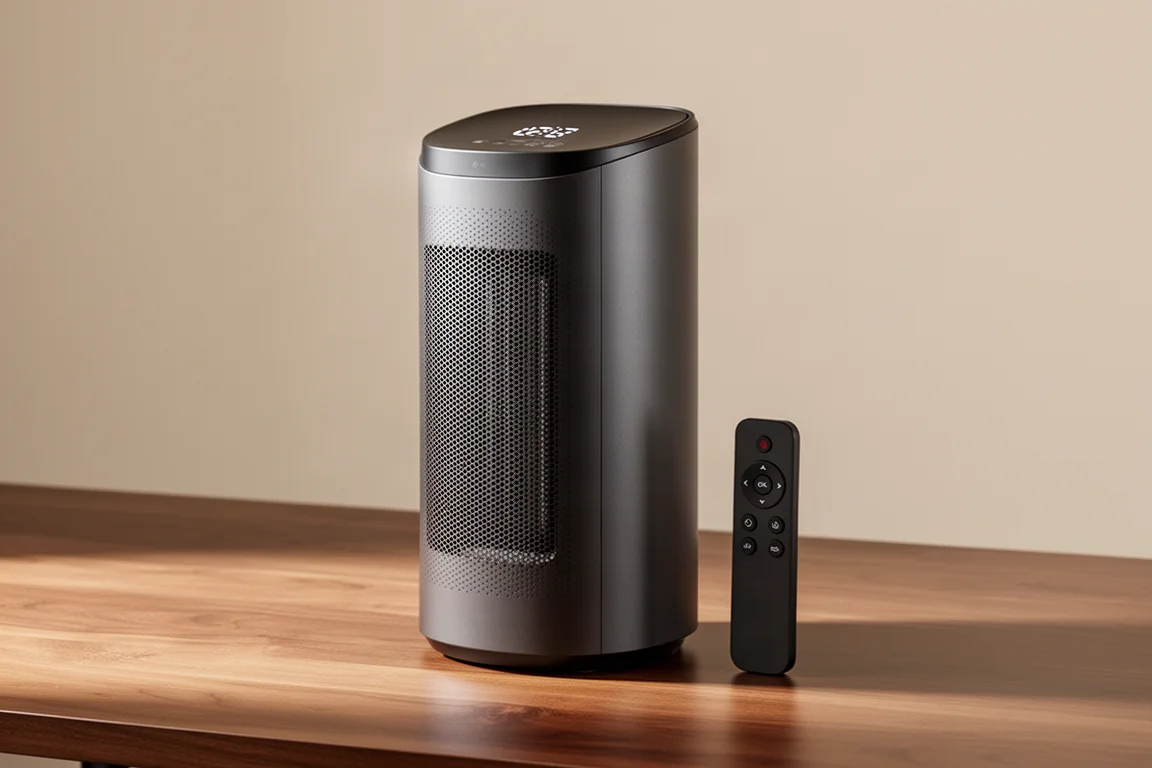
Lasko Space Heater: $65
This unit has a multi-functional remote control for power, oscillation, and thermostat adjustment, with two quiet heat settings. It weighs 5.6 lbs and is made in China.
It measured around 45.5 dB, quieter than the budget units but not as quiet as the Dreo. The broadcast test was excellent: it moved into second place behind the Dreo with the center thermometer reaching 80.4°F. It was the best fabric-test performer among its peers at the time, shutting down in just 8 seconds with the fabric at 162°F. However, the tip-over test was a concern: it kept supplying power to the heating element for about 25 seconds before shutting down, though the plastic did not melt. Room warming was the weakest at only 2 degrees average, drawing around 1,450W.
Mr Heater Propane Heater: $74
Unlike the others, this is an indoor-safe propane heater with 10,000 sales in the last 30 days. While an electric heater tops out around 5,200 BTU, it claims between 4,000 and 9,000 BTU. It includes an accidental tip-over safety shutoff, runs about 3 hours on one pound of propane, and needs no electricity. You hold the pilot button for 30 seconds to light it. It weighs 8.2 lbs and is made in China.
With no fan it is extremely quiet, around 35 dB on low and high. It cannot broadcast heat effectively, but it warmed all three thermometers by about 4 degrees each, the most even whole-area warming in the spot test. Room warming averaged 2.63 degrees, with much of the heat rising straight to the ceiling since there is no fan.
The serious caveat is safety: it melted a pillowcase and ignited a second one in under 10 seconds during the fabric test. It is a useful backup for power outages, but not nearly as safe as the electric heaters.
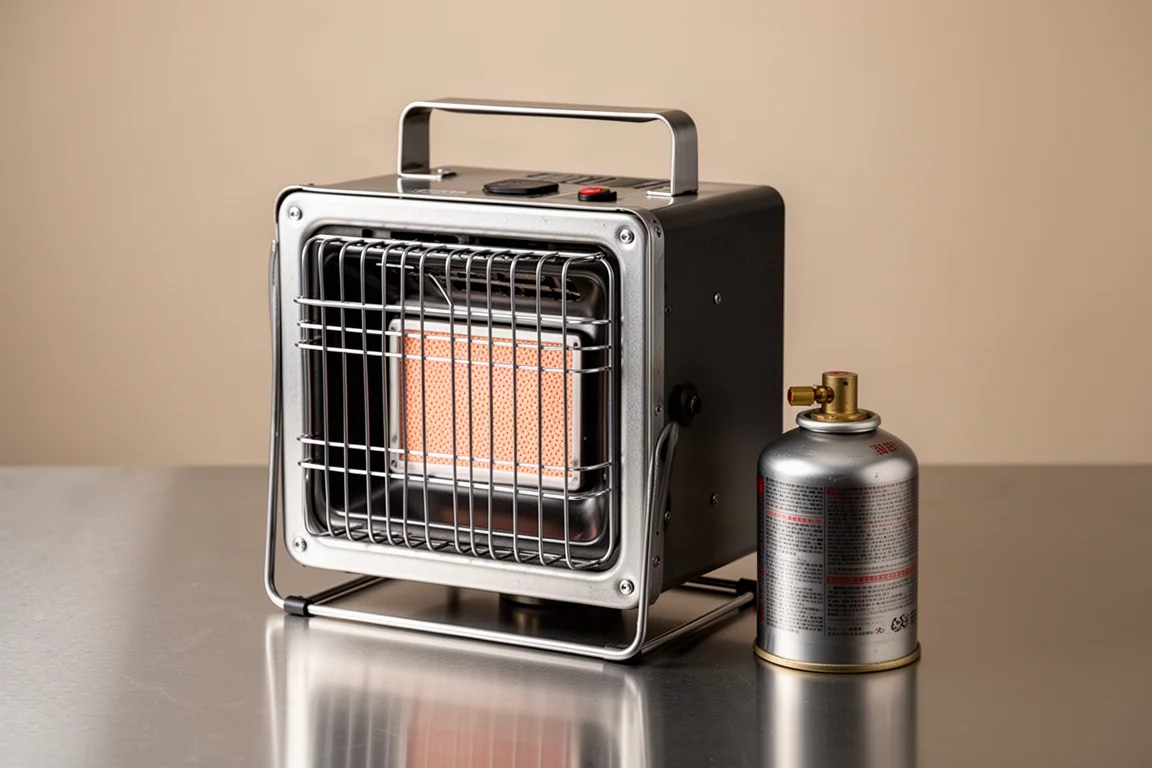
Honeywell Ceramic Heater: $86
This ceramic heater uses up to 1500W and includes auto shutoff, tip-over protection, and a programmable thermostat. It weighs 8.25 lbs and is made in China.
It measured 44 dB on low fan and 47.3 dB on high, and its thermostat was the quietest yet, barely audible. In the fabric test it was the safest of all, shutting off in under 3 seconds with the fabric around 149°F, and it also shut off before fully tipping over in the tip-over test. In the broadcast test the center thermometer rose 8 degrees, fourth place overall. Room warming averaged 2.7 degrees while drawing about 1,490W. One caution: its peak power draw hit 2,240W on high, which could trip a 15 amp breaker.
If safety is the top priority, this is the safest heater in the lineup, though it is fairly large and pricier than the budget units.
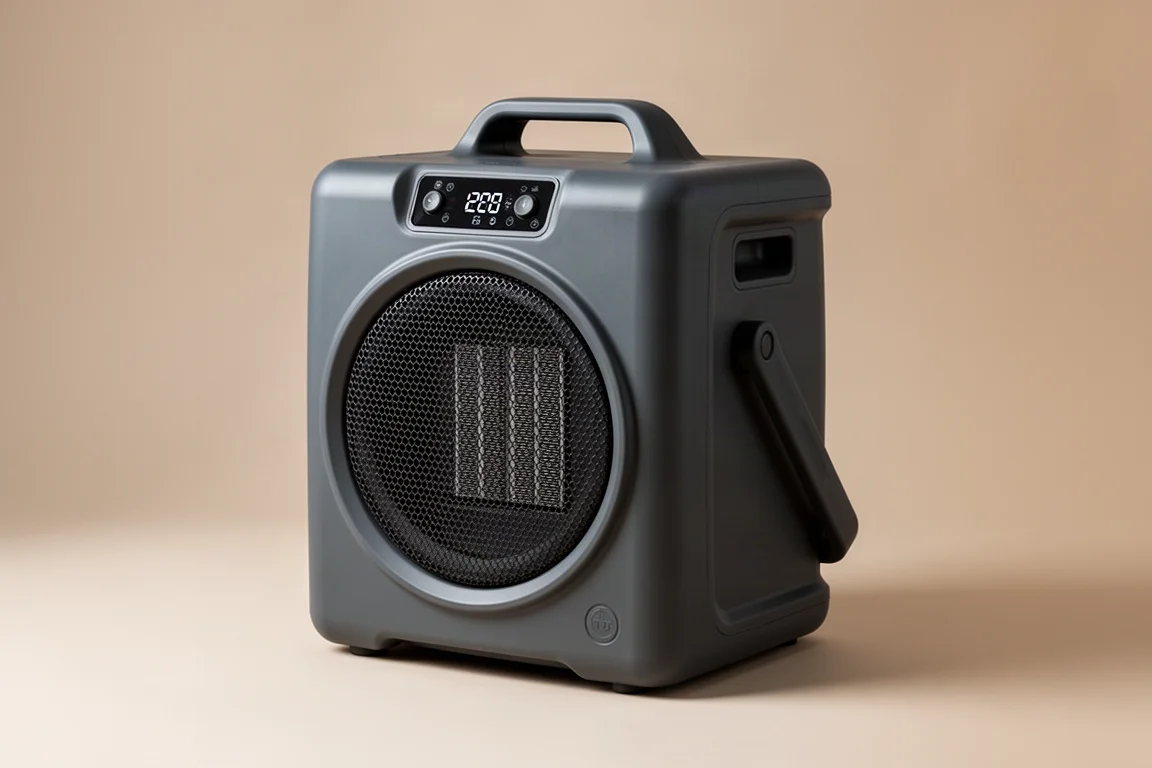
Dr Infrared Heater: $100
A dual-heating-system unit with an infrared quartz tube, remote control, 5,200 BTU rating, and a thermostat range of 50 to 85 degrees, claiming quiet 39 dB operation. It weighs 19.2 lbs, the heaviest tested, and is made in China.
Measured noise was just over 49 dB, a little louder than the Honeywell, with a relatively quiet thermostat. The broadcast test was very strong with about a 19-degree rise on the center thermometer. The fabric test was poor: it finally shut off at 4 minutes with the fabric very hot. The tip-over test went well, shutting off immediately when tipped. Room warming averaged 3.37 degrees, making good use of its roughly 1,526W draw. Its peak draw of 1,846W could also trip a 15 amp breaker.
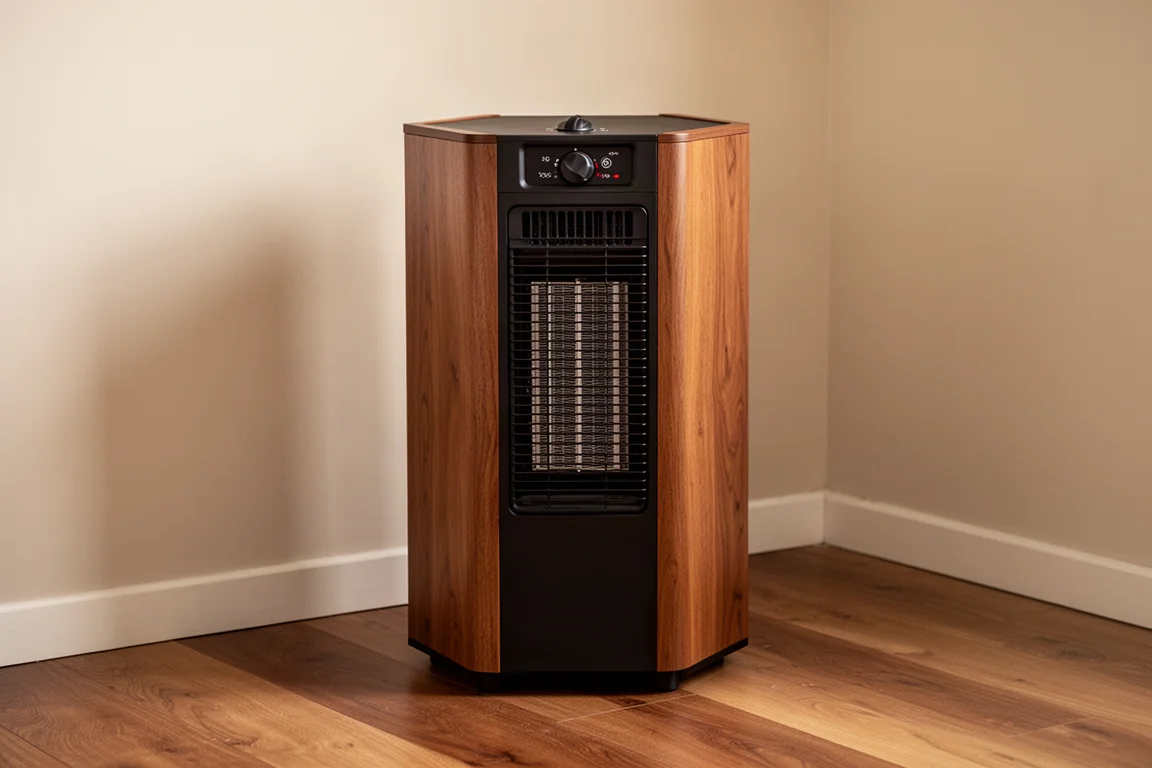
Heat Storm Wall-Mounted Heater: $120
With 10,000 sales in the last 30 days, this Wi-Fi enabled unit lets you control the temperature from your phone, has a safe-to-touch grill, and outputs up to 1500W. It mounts to a wall, which prevents kids or pets from tipping it over, and includes a template with a level, mounting hardware, and a cord. It weighs 7.74 lbs and is made in China.
Noise measured around 42.3 dB on low and 53.4 dB on high, with a relatively quiet thermostat. The broadcast test produced about a 7-degree rise on the center thermometer, close to the Honeywell. In the fabric test it shut down at around 57 seconds, a bit slower than the best performers. Room warming was solid at 3.3 degrees average. It had the lowest peak power demand of the group at 1,596W and delivered the highest continuous draw at 1,585W.
Dyson Heater Air Purifier: $550
The most expensive unit tested doubles as a space heater and air purifier. It claims a HEPA filter removes 99.97 percent of particles as small as 0.3 microns, and it ships with both filters included; replacements cost around $37 and are easy to install. It oscillates up to 350 degrees, weighs 11.87 lbs, and is made in Malaysia.
It is extremely quiet on the lowest fan speed but fairly loud on high at 58.3 dB, and it has the quietest thermostat in the lineup. The broadcast test was strong with about a 13-degree rise on the center thermometer and above-average warming of the side thermometers. The fabric test was slow: it shut down only after 8 minutes, though the fabric only reached around 191°F. Room warming tied for first at 3.87 degrees average thanks to its powerful fan. Power draw was thirsty at 1,984W on the lowest fan speed, settling to 1,500W on high heat.
Noise: Which Heaters Run Quietest
On the lowest heat setting, the Mr Heater propane unit and the Dyson made the least noise at around 35 dB. On the highest setting, Mr Heater stayed quietest at about 35 dB, with the Dreo relatively quiet at 41 dB and the Lasko at 45.5 dB.
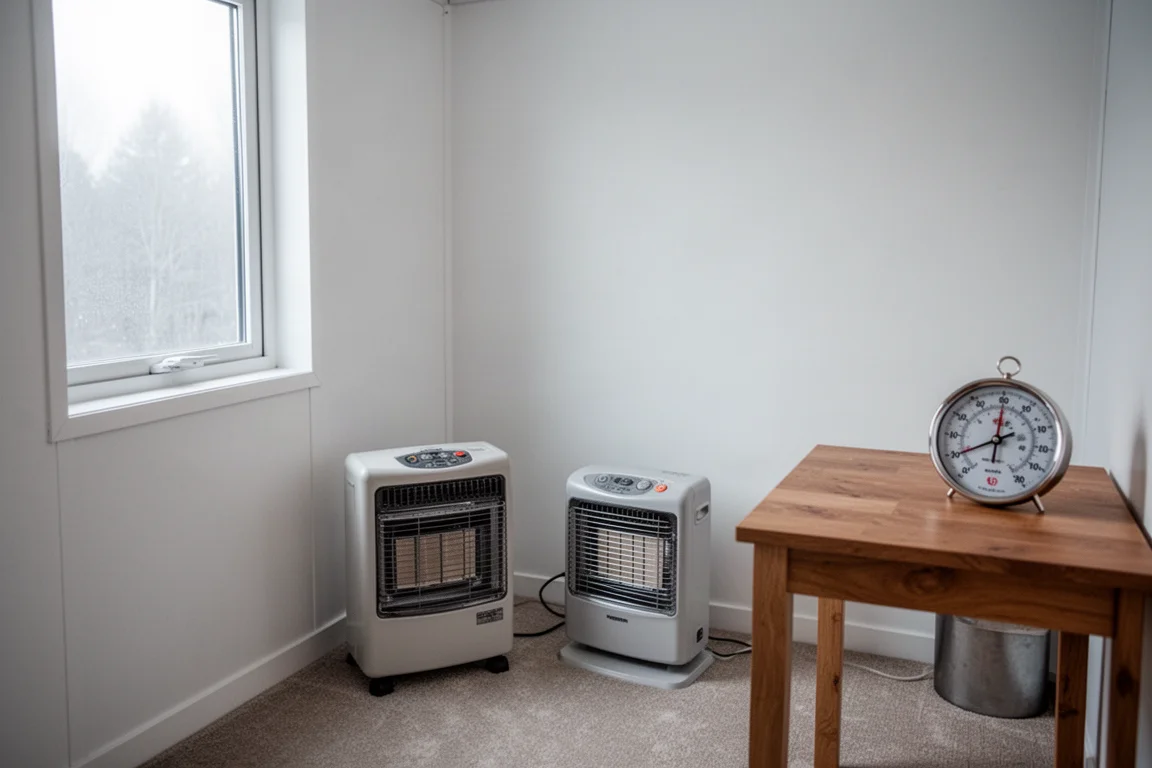
If the clicking sound of a thermostat bothers you, the Dyson is the quietest, while the Honeywell, Dr Infrared, and Heat Storm also performed very well.
Power Draw and Breaker Safety
Most heaters here are rated for 1500W and most actually achieved their rating. The Heat Storm had the lowest peak demand at 1,596W, followed by the Dreo at 1,666W and the Lasko at 1,671W. On high, the Dreo settled at the lowest continuous draw of 1,432W while the Heat Storm delivered the highest at 1,585W.
Watch out for the Honeywell, which peaked at 2,240W, and the Dr Infrared at 1,846W: either could trip a 15 amp breaker. The Dyson drew 1,984W on its lowest fan speed. A space heater demanding too much electricity can trip a breaker or worse, especially on an extension cord.
Whole-Room Warming Test
In a very cold but well-insulated 200-square-foot building, each heater got 30 minutes. The GiveBest and Dyson tied for first with an average increase of 3.87 degrees per thermometer. The Amazon Basics followed closely at 3.57 degrees, then the Dr Infrared at 3.37 and the Heat Storm at 3.3.
The Mainstays managed 3 degrees, the Aikoper 2.87, the Mr Heater 2.63, the Honeywell and Dreo about 2.7, and the Lasko only 2 degrees. Since the Dreo and Lasko draw less power than some competitors, their lower totals are partly explained by that, but the GiveBest and Dyson clearly warmed the room best.
Safety Warnings Everyone Should Know
Two test results deserve special attention. First, in the tip-over test, most heaters shut off immediately and earned the best possible rating, while the Lasko kept powering its heating element for about 25 seconds and scored worst among the electrics.
Second, the fabric-contact test exposed real fire risk. The Honeywell shut down fastest at under 3 seconds, with the Lasko at 8 seconds and the Amazon Basics and GiveBest around 35 seconds. But the Aikoper took nearly 5 minutes and 15 seconds, the Dr Infrared 4 minutes, and the Dyson 8 minutes. The Mr Heater was the scariest result: it melted a pillowcase and started a small fire in under 10 seconds with a higher-cotton fabric.
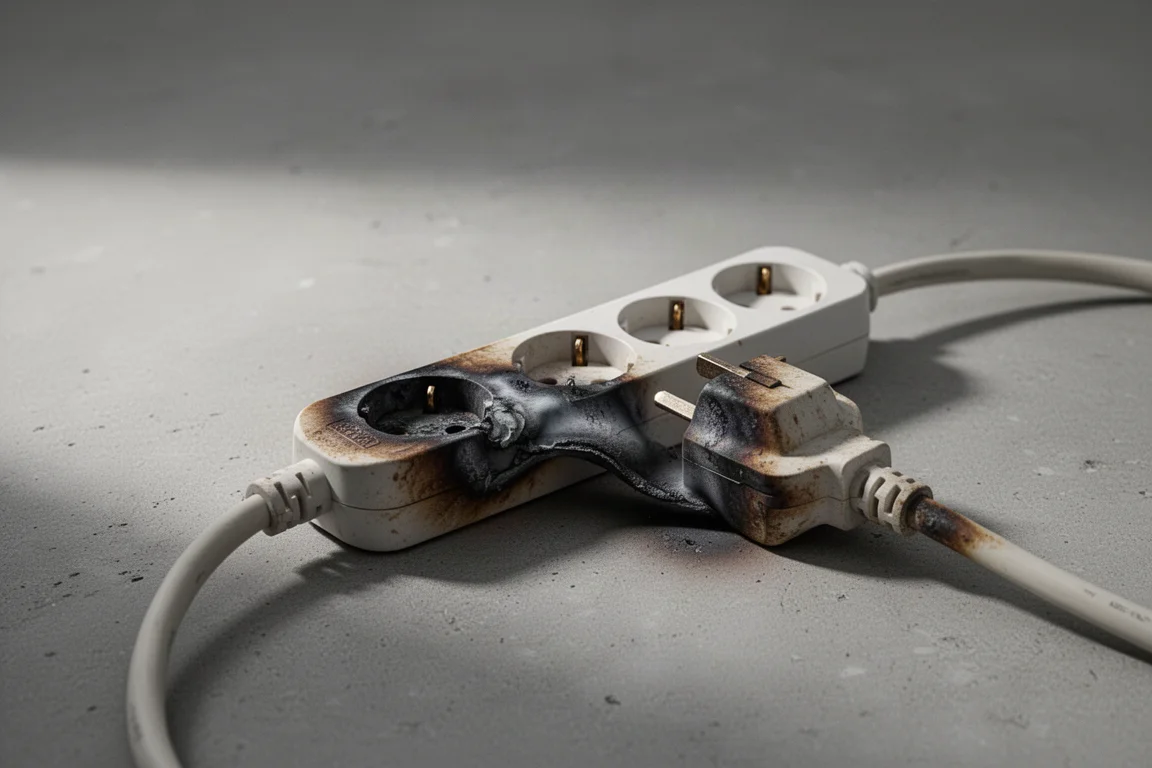
Also avoid extension cords. Plugging two space heaters into a three-outlet extension cord pushed the meter over 2,100W; within a minute the cord reached 330°F and began to melt. This is how many space heater fires actually start.
Which Space Heater Should You Buy
Safety matters more than any other factor, so here is how the field shakes out:
- Best budget pick ($20): The Amazon Basics performed well in safety testing, warmed the room well, and is easy to recommend despite slightly higher noise.
- Best overall value ($40): The Dreo is safe, quieter than the Amazon Basics, and performed well in most categories.
- Safest pick ($86): The Honeywell earned top marks in both safety categories, though it is large and more expensive.
- Best for power outages ($74): The Mr Heater propane unit is far less safe than the electric heaters but is a valuable backup for ice storms and outages.
Conclusion
The good news is that price does not decide safety: a $20 heater can shut down quickly in emergencies while a $550 one may keep running far longer. For most people, the Dreo offers the best balance of safety, quietness, and heat delivery at $40, the Amazon Basics is a strong $20 fallback, the Honeywell is the pick if safety outranks everything else, and the Mr Heater earns a place only as an emergency power-outage backup. Whatever you choose, skip the extension cord.
Further reading
Related Reviews
Home Heating
Best Space Heaters for Winter: 7 Picks for Every Room and Budget
From smart tower heaters and a walnut fireplace to a 125,000 BTU propane shop heater, seven practical ways to stay warm this winter.
Home Heating
Best Space Heaters Tested: Which Ones Actually Heat, Stay Quiet, and Keep You Safe?
Twelve space heaters from $23 to $440 go head to head on heat delivery, noise, safety, and power draw. Here is how they ranked.
Home Heating
Luna Heater Review: A Small Ceramic Heater That Falls Short of Big Claims
We tested the heavily advertised Luna Heater in a real room to see whether it can heat large spaces in minutes. The short answer: no.