Indoor Cycling
Best Smart Turbo Trainers Around £500: Five Direct-Drive Units Compared
Five direct-drive smart trainers in the same price bracket, compared on ride feel, stability, power accuracy, gradient simulation and everyday practicality.
Introduction
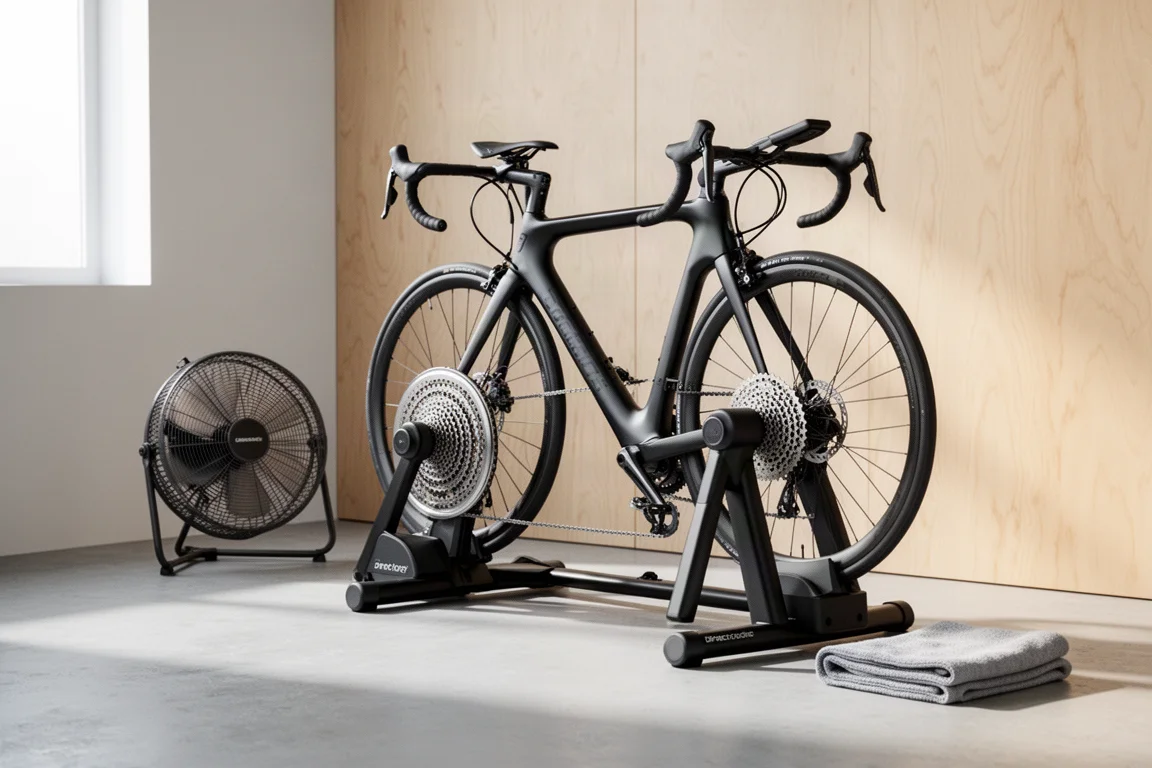
Winter training sends most riders indoors, and the direct-drive smart trainer has become the default tool for it. The good news is that you no longer need to spend flagship money to get a capable unit. The trainers in this roundup all sit around the £500 mark, and each one delivers a ride feel and a feature set that would have looked premium not long ago.
We spent several months riding five of them: the Zwift Hub, the JetBlack Volt V2, the Wahoo Kickr Core, the Tacx Flux S and the Elite Zumo. What follows is a breakdown of where each one stands out, and where it asks you to accept a compromise.
What These Five Trainers Have in Common
Every unit here is a direct-drive smart trainer in roughly the same price band. All of them respond to virtual gradient changes, run ERG mode workouts, and offer a maximum resistance figure that amateur riders will find workable.
The differences show up in the details. Power accuracy ranges from ±2% to ±3% across the group, maximum simulated gradient runs from 12% to 16%, and the physical design varies considerably. Flywheel weights, leg layouts, folding mechanisms and carry handles are all different, and those choices shape how the trainer feels to live with rather than how it looks on a spec sheet.
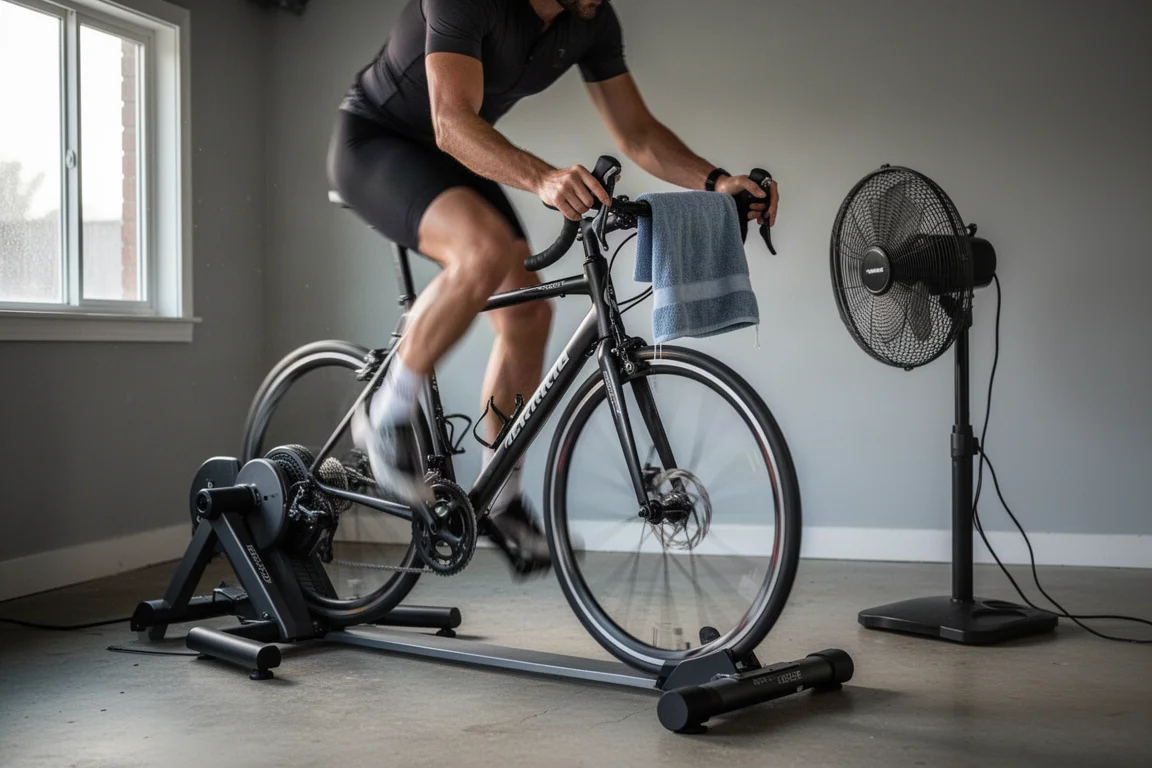
That last point matters more than most spec sheets suggest. A trainer that is awkward to move, or that shifts under a hard effort out of the saddle, will quietly shape how often you actually use it. So while headline watts and gradient figures are worth checking, the everyday details deserve equal weight.
Tacx Flux S: The Best All-Round Ride Feel
The Tacx Flux S was the best trainer on test for the simple business of riding a virtual route. Resistance changes arrive quickly and smoothly, and the resistance stays steady even when you are climbing at a low speed and a low cadence.
ERG mode handled large differences in target power well, ramping resistance quickly without crushing your cadence the way some other units on this list do. When riding without ERG mode or virtual gradients, the gearing sat comfortably in the middle of the cassette, with no cross-chaining on the bigger sprockets and no running out of gears at the small end.
Stability is a genuine strength. The Flux S feels planted, and on the fundamentals of ride feel and platform solidity it beats some trainers that cost considerably more.
The compromises are practical rather than performance related. It is a heavy unit and the legs do not fold, so moving it or stowing it away is awkward. Power accuracy is rated at ±3%, which sits below the ±2% threshold that higher levels of virtual racing tend to ask for, and the maximum simulated gradient of 14% falls short of the rules for a virtual Everesting attempt. For most riders neither point will matter, but they are worth knowing before you buy.
Wahoo Kickr Core: Racing Accuracy and Easier Storage
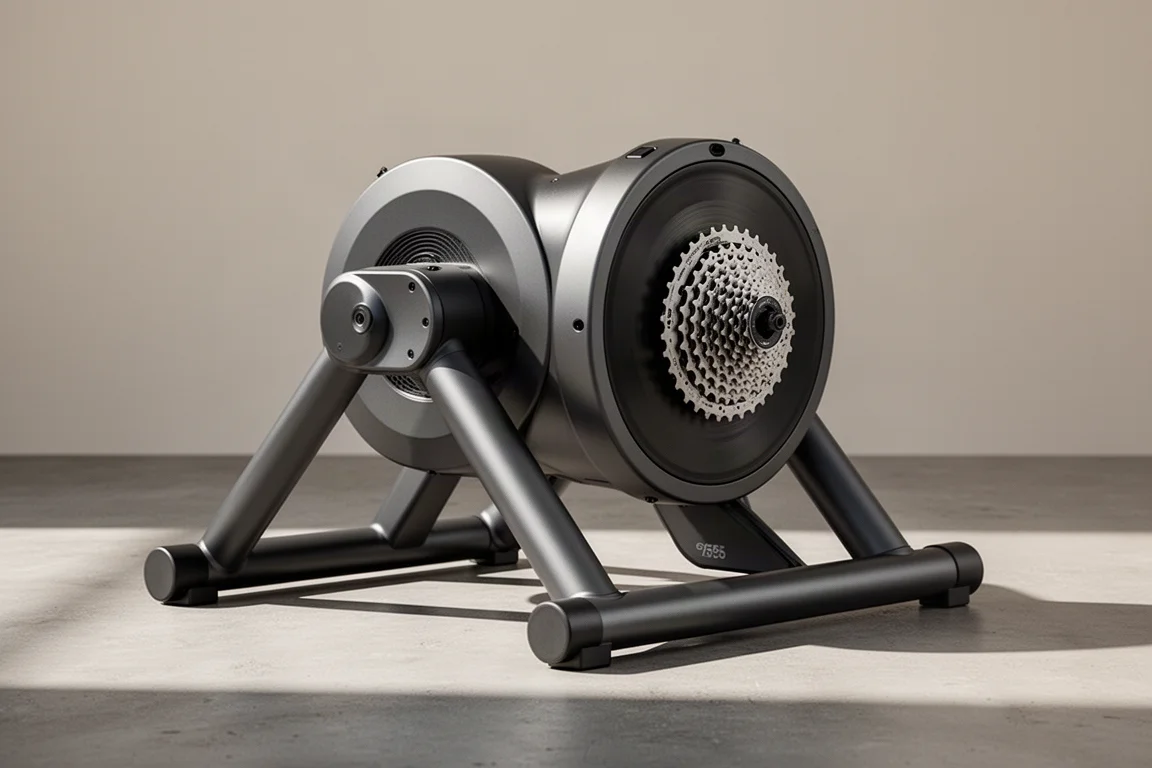
The Kickr Core is the natural alternative for anyone who wants the Flux S experience with fewer of its limitations. Power accuracy is ±2%, which opens the door to the higher end of indoor racing, and the maximum simulated gradient of 16% is enough for a first virtual Everesting attempt.
Ride feel is strong too. With a 5.4 kg flywheel, the sensation of acceleration feels a little more natural than on the heavier, higher-end Kickr V5, though heavier riders may well find the opposite. Resistance changes in response to gradient and to large differences in power are smooth and quick, and there is no tendency to drag you into a spiral of ever-lower cadence.
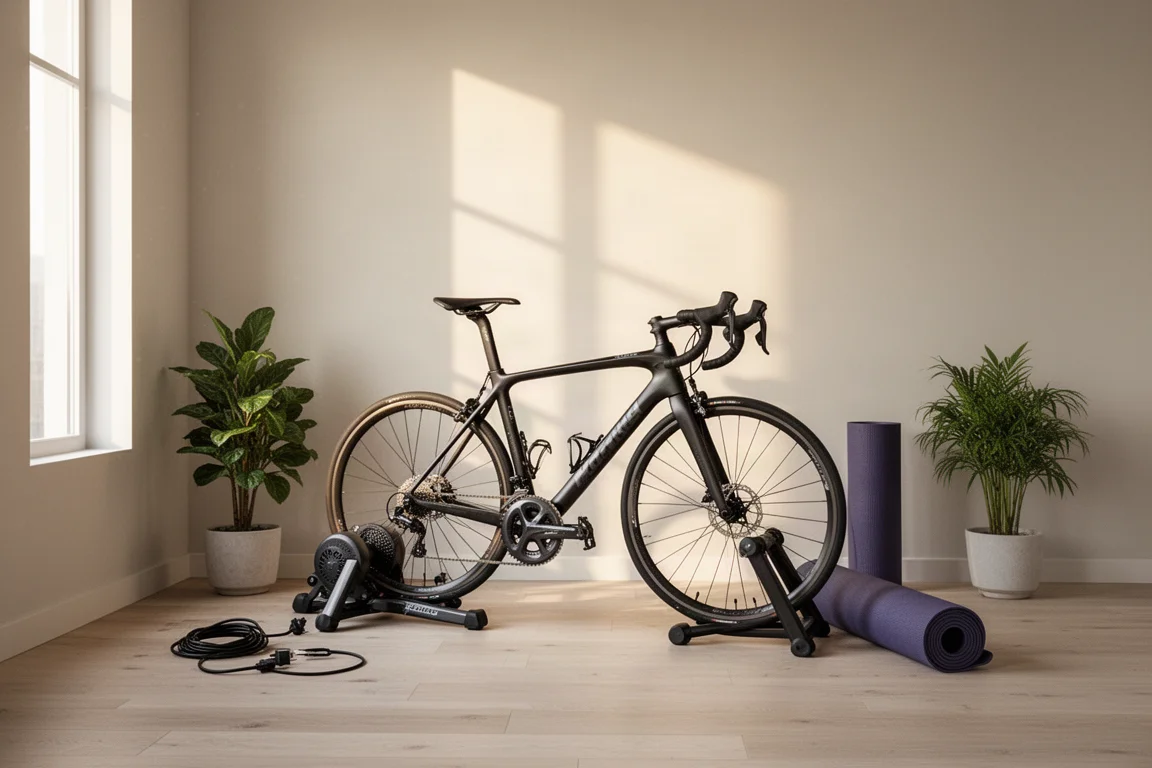
Day-to-day practicality is better than the Flux S as well. The Kickr Core is easier to move around, takes up less space, and the front leg folds away. The trade-off is stability: the two-bar design is less planted than the three-leg arrangement on the Flux S. It also costs around £100 more, which is a meaningful share of the value of a trainer at this price.
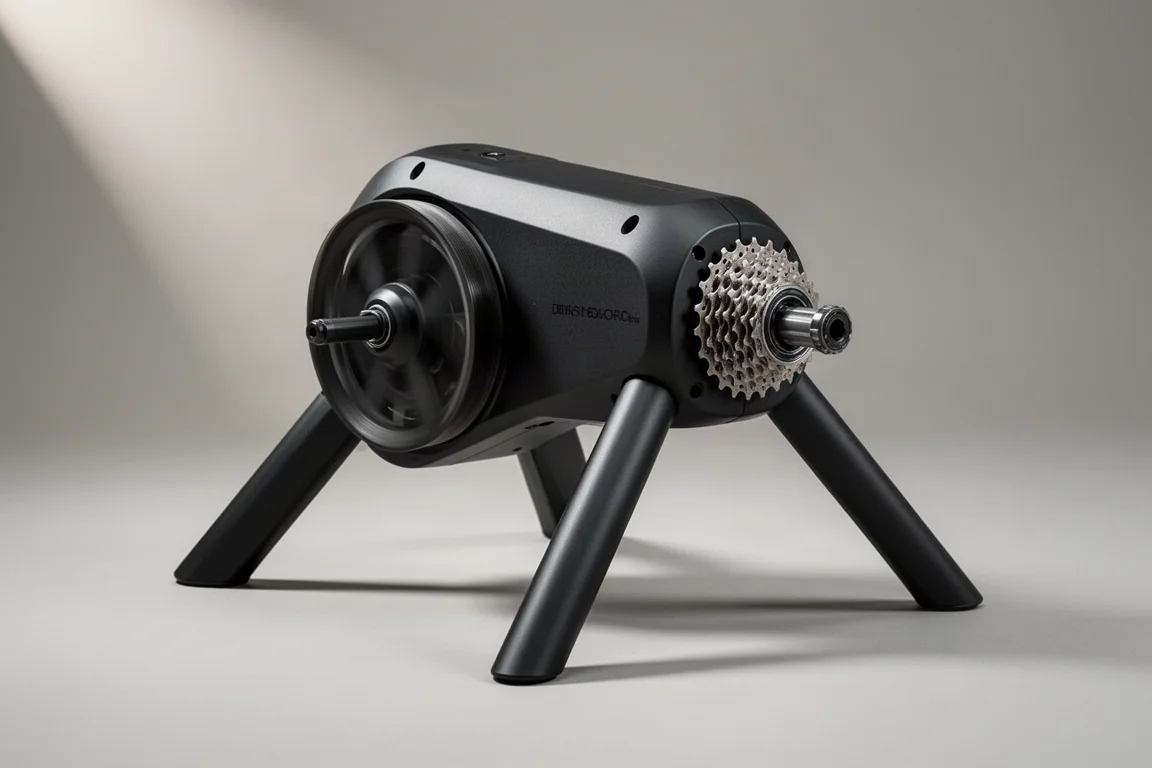
JetBlack Volt V2: Similar Looks, Different Feel
At first glance the JetBlack Volt V2 looks like a Kickr Core clone. It costs the same, quotes the same maximum gradient and the same maximum watts, and the silhouettes are close. The details tell a different story: it weighs 15.4 kg against the Wahoo’s 18 kg, its flywheel is 4.7 kg against 5.4 kg, the flywheel housing uses more plastic, the legs are oval rather than circular, and the front bar is fixed rather than folding.
Those differences show up in the ride. On steep virtual climbs at a low cadence in ERG mode, resistance felt distinctly choppy, like pushing through treacle between two and four o’clock on the pedal stroke, before easing up sharply. It makes for a jarring sensation. At higher speeds and wattages the problem largely fades.
Add a ±3% accuracy rating that rules out the higher tiers of virtual racing, and the Volt V2 becomes a harder recommendation at its price than the trainers around it.
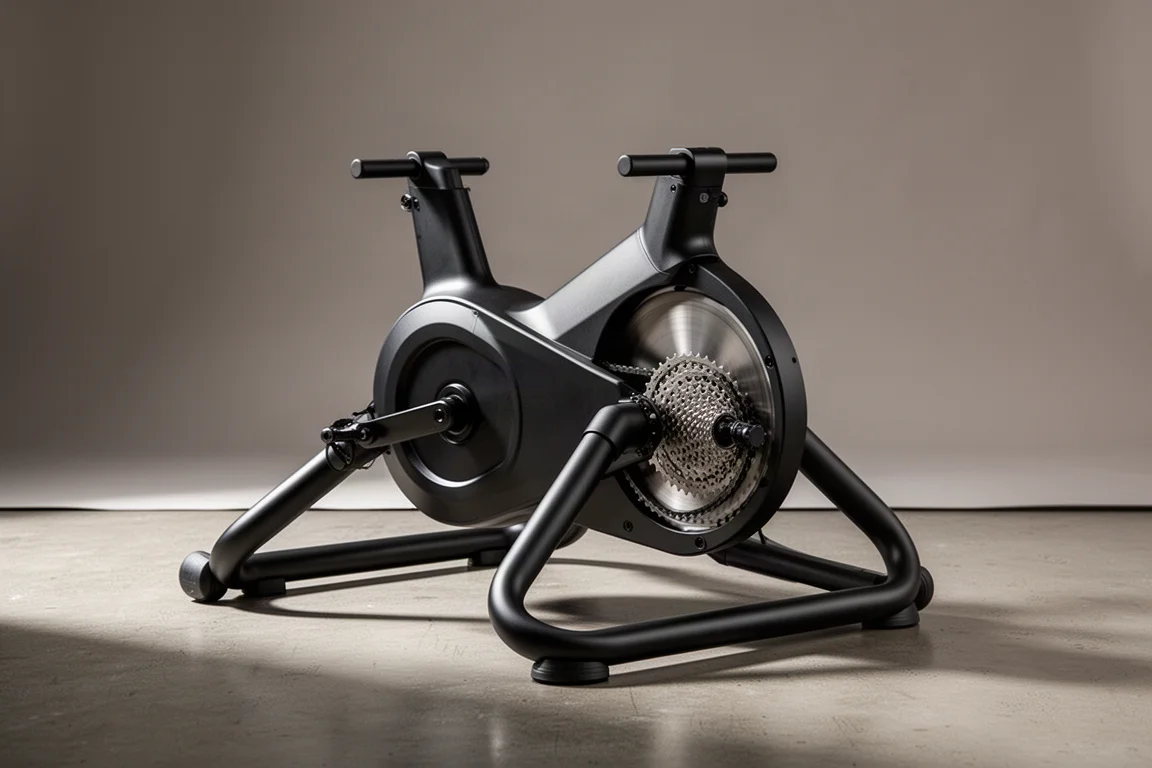
Zwift Hub: The Value Pick
The Zwift Hub is the cheapest trainer here, and value is the whole argument for it. The ride sensation is smooth and measured, with only occasional choppiness at lower cadences. The flywheel spins up fairly quickly, and at the other end it does not feel as though you are spinning the trainer out at higher power numbers.
ERG mode is smooth and reacts quickly to in-game gradient changes. Two caveats are worth flagging: a spin-down calibration is currently required, though a software update is in the works to make it automatic, and the power and cadence numbers displayed in-game were slower to change than on the other trainers used with the same connection.

Stability was always going to be slightly compromised given the layout of the legs, and in practice that only became noticeable during hard efforts out of the saddle. The Hub is relatively quiet, on par with the rest of the group.
The real compromises are practical. There is no carry handle and no obvious place to pick it up, which makes it unwieldy to move, and the legs do not fold, so storage and transport are less convenient than on some rivals. Set against that, the feature set, the simple setup and the price make it an easy recommendation for anyone starting indoor training.
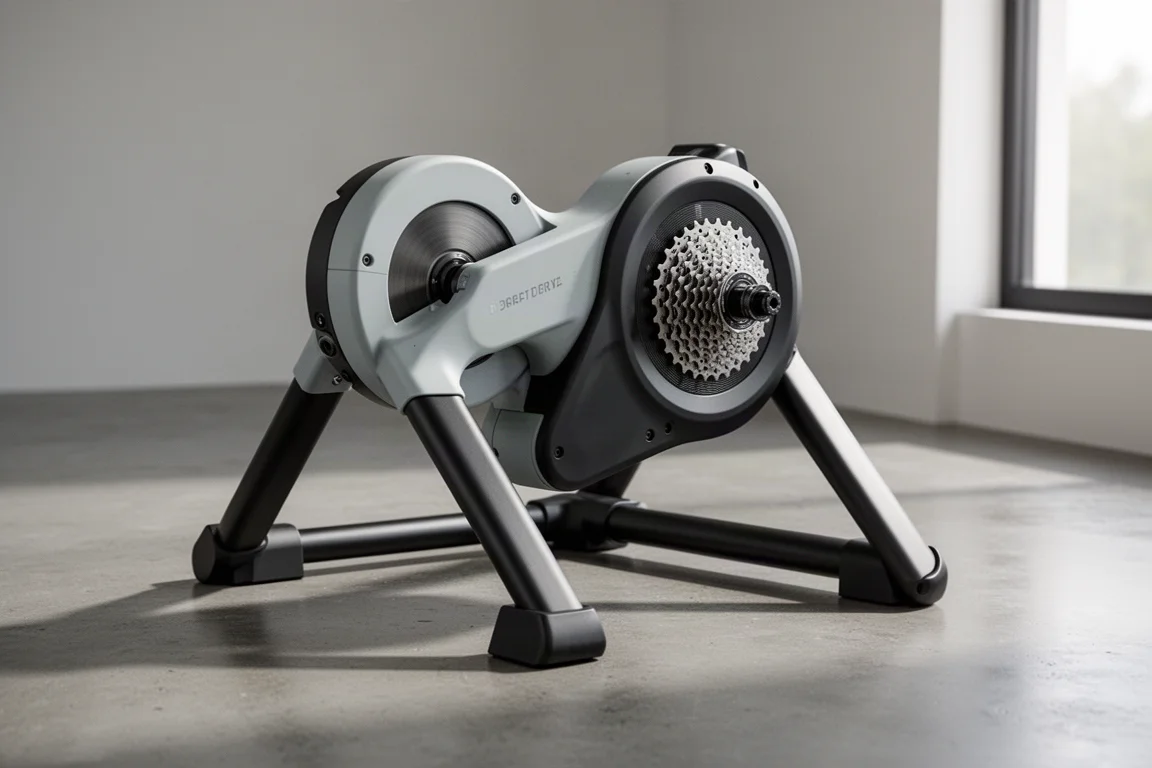
Elite Zumo: Light, Portable, and Smooth
The Elite Zumo is the second cheapest trainer on test and also the lightest, with the lightest flywheel in the group. On paper it looks like the weakest performer: ±3% accuracy, a maximum resistance of 1,350 watts, which is the lowest here, and a maximum simulated gradient of 12%, the second shallowest.
In practice the ride feel is genuinely good. Despite the smaller flywheel, the sensation is smooth, and noticeably better than the JetBlack Volt V2. On rolling terrain it responded to gradient changes quickly and proportionally, with barely any lag. The maximum gradient of 12% is still more than enough for low-cadence, high-power interval work, though you will need to push a slightly larger gear than on some rivals.
Portability is where it wins outright. A carry handle, folding legs and a low weight make it easy to move, while the wide footprint keeps it very stable. The resistance is nicely controlled and feels smooth throughout.
Two limitations stand out. In ERG mode, sessions with large power differentials, such as 20 by 40 second efforts or ten by one minute intervals, can tip into a spiral of ever-increasing resistance as you struggle to bring your legs back up to speed. And when free riding without ERG mode or virtual gradients, it spins out at around 250 watts, which is low enough to be a real constraint.
Buying Advice
Start with what you actually do on a trainer. If you ride virtual routes and structured workouts and care most about how the trainer feels underneath you, the Tacx Flux S is the strongest choice here. It has the best ride feel and the most stable platform in this group, and it is the trainer most riders will be happiest with. The only reasons to look elsewhere are virtual racing and Everesting rules, or a need to move and store the unit regularly.
If either of those applies, the Wahoo Kickr Core answers both with ±2% accuracy, a 16% maximum gradient and a folding front leg, at the cost of around £100 and a slightly less planted two-bar stance.
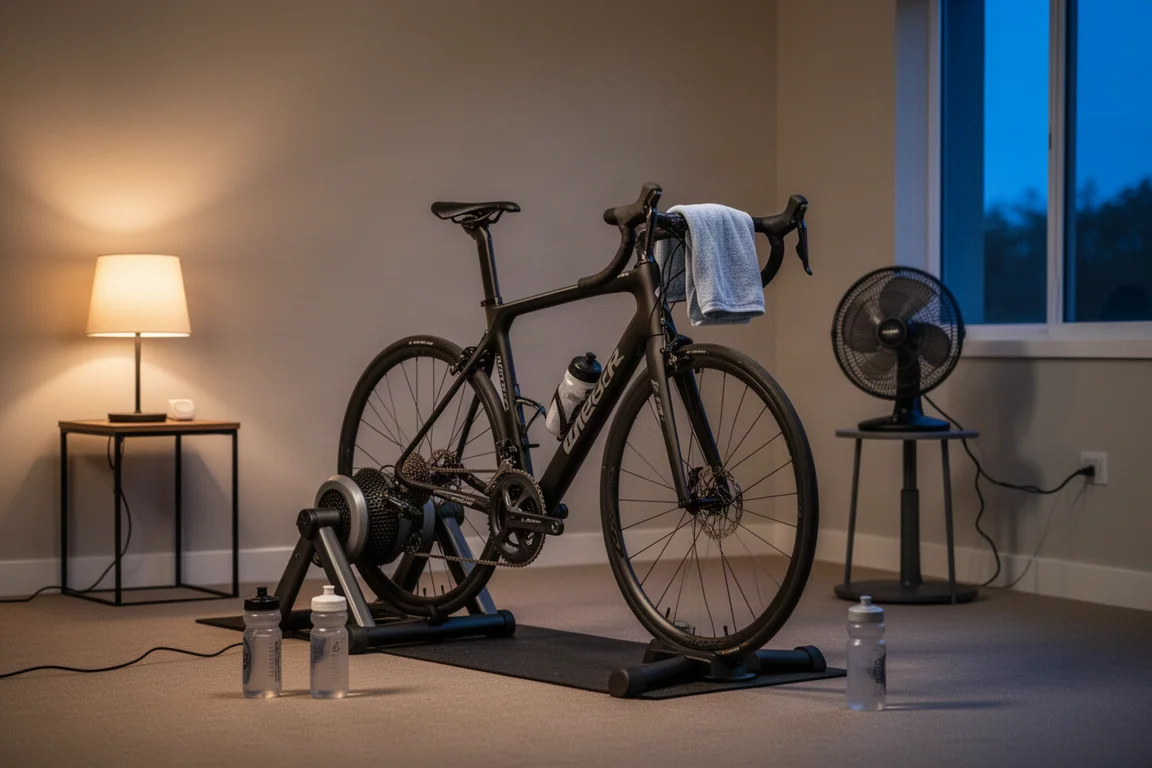
If the priority is spending as little as possible while still getting a smart direct-drive trainer, the Zwift Hub is the value pick, provided you can live without a carry handle and folding legs. It shares much of its specification with the JetBlack Volt V2 while costing considerably less, which makes the occasional choppiness at low cadence easier to forgive.
If you need to move the trainer often or tuck it away between sessions, the Elite Zumo’s carry handle and folding legs make it the most convenient unit here, as long as you can work around its ERG mode behaviour and its low free-riding resistance.
The JetBlack Volt V2 is the hardest to justify. It costs the same as the Kickr Core and matches it on headline stats, but the choppy feel at low cadence and moderate gradient, together with a ±3% accuracy rating, leave it behind the trainers either side of it.
Conclusion
The roughly £500 tier of direct-drive smart trainers is far more capable than the price suggests, and every unit here will get a winter of structured training done. The differences come down to feel and convenience rather than raw ability.
For most riders, the Tacx Flux S is the one to choose: it offers the best ride feel and the most stable platform, and its limitations only bite if you race virtually or need to move it often. The Wahoo Kickr Core is the pick for those who do race, or who want a folding leg and a smaller footprint. The Zwift Hub is the clear value option for a first smart trainer, and the Elite Zumo is the most portable of the group. Any of the four will reward the rider who matches it to how they actually train.
Further reading
Related Reviews
Indoor Cycling
Best Budget Smart Indoor Trainer Setups: Six Options Worth Considering
Smart indoor trainers keep getting better while prices come down. Six setups and components worth considering, from the cheapest Zwift-ready option upward.
Indoor Cycling
Best Budget Smart Indoor Trainers for Immersive Cycling in 2026
A practical guide to affordable smart indoor trainer setups, including budget and mid-range options with virtual shifting.
Indoor Cycling
Best Indoor Cycling Apps and Smart Trainers: A Winter Buying Guide
A practical look at the indoor training platforms and smart trainers that matter this season, from a new challenger to Zwift to the entry-level trainer that stands out on value.