Indoor Cycling
Best Smart Trainers Under £500: Three Direct-Drive Options Compared
Three direct-drive smart trainers around the £500 or $600 mark, compared on ride feel, power accuracy, connectivity, and how easily each one stores away.
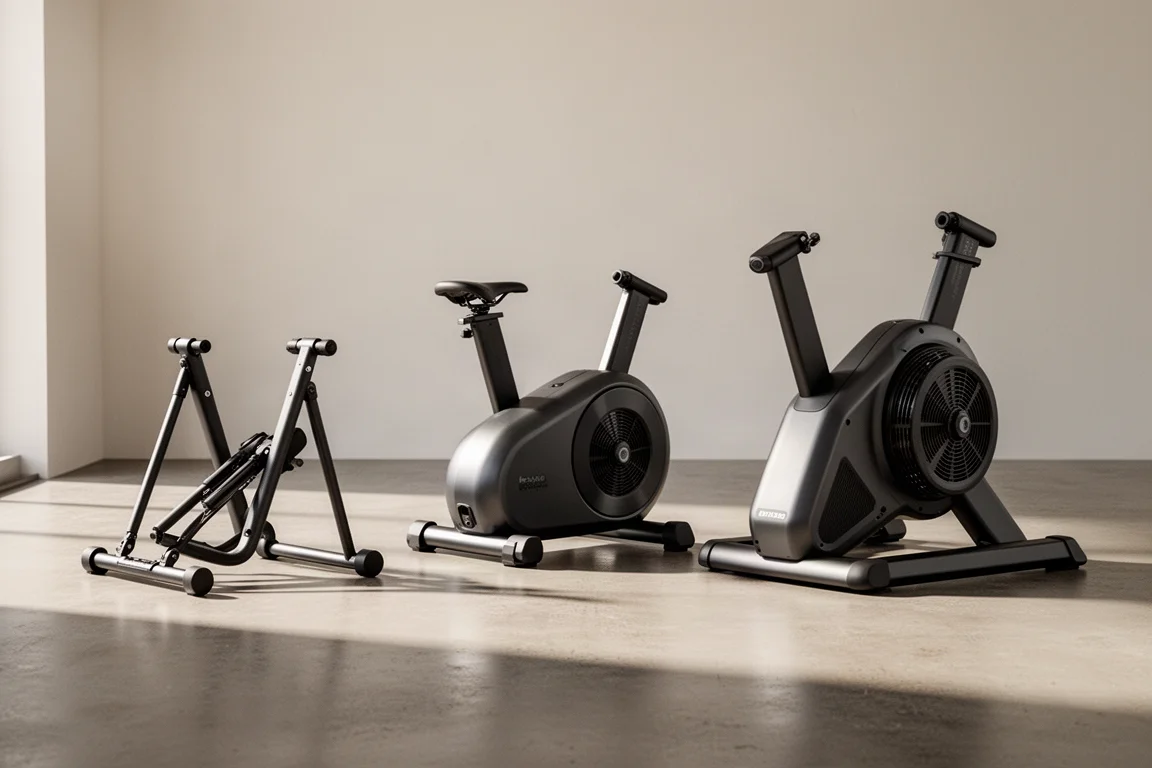
Introduction
Smart trainers have become cheaper and far more capable, and the strongest balance of price, features and performance now sits around the £500 or $600 mark. Three direct-drive models define that part of the market: the Jetblack Victory, the Wahoo KICKR CORE 2 and the Elite Riivo. All three remove the rear wheel and mount the bike at the dropouts, all three claim enough performance to satisfy the vast majority of riders, and all three sell for broadly similar money. The differences show up in ride feel, data accuracy, connectivity, and how easily each one stores away between sessions.
What Matters in a Smart Trainer at This Price
On paper the three trainers look closely matched. The Jetblack Victory and the Wahoo KICKR CORE 2 both have a maximum power ceiling of 1,800 W and simulate gradients of up to 16%. The Elite Riivo goes a little further with a 2,100 W ceiling and up to 18% gradient simulation. All three use direct-drive designs and offer Bluetooth and Wi-Fi connectivity, although the Riivo drops ANT+. Claimed power accuracy sits within plus or minus 2 to 2.5% across the group.
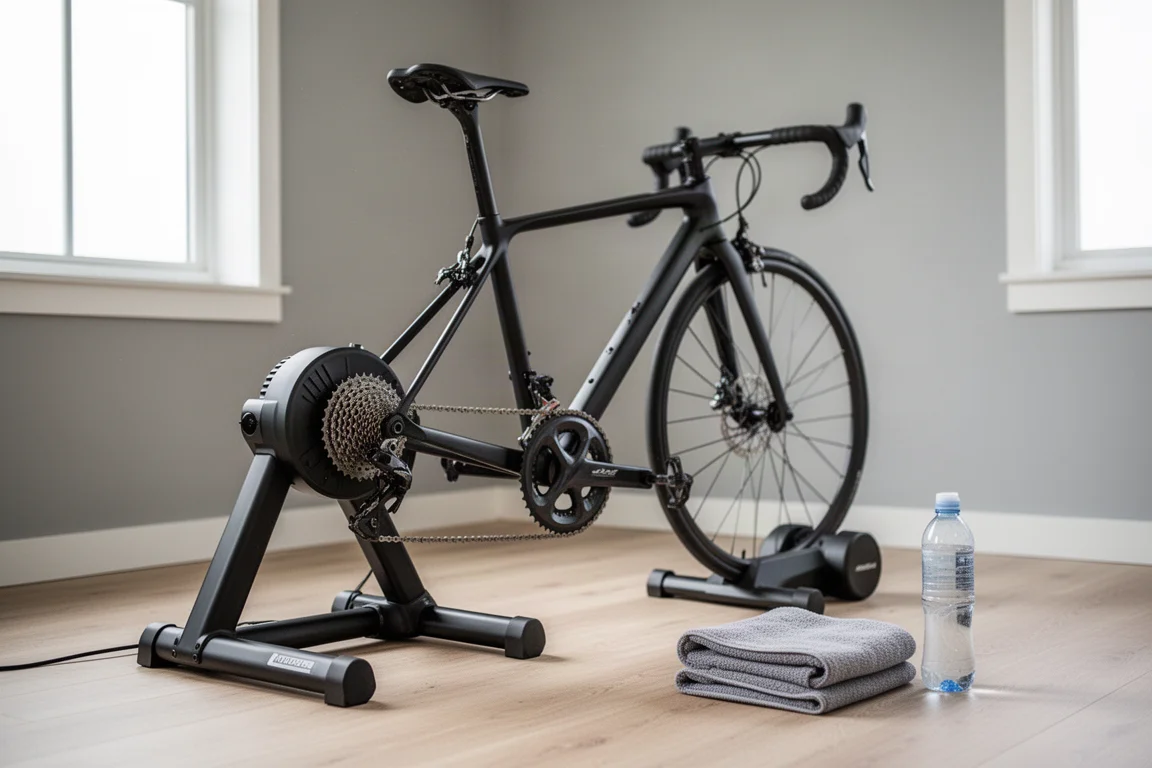
Flywheel weight, total weight and storage are where the numbers diverge more meaningfully. The Riivo is the lightest at 10 kg with a 3.5 kg flywheel, and it folds into the most compact package of the three. The Victory sits in the middle at 12.9 kg with a 4.7 kg flywheel. The KICKR CORE 2 is the heaviest at 18 kg with a 5.4 kg flywheel. Those figures matter because flywheel weight tends to shape how smooth the pedals feel, while overall weight and folding behaviour decide how practical a trainer is in a room that has to double as something else.
Best Overall Performance: Wahoo KICKR CORE 2
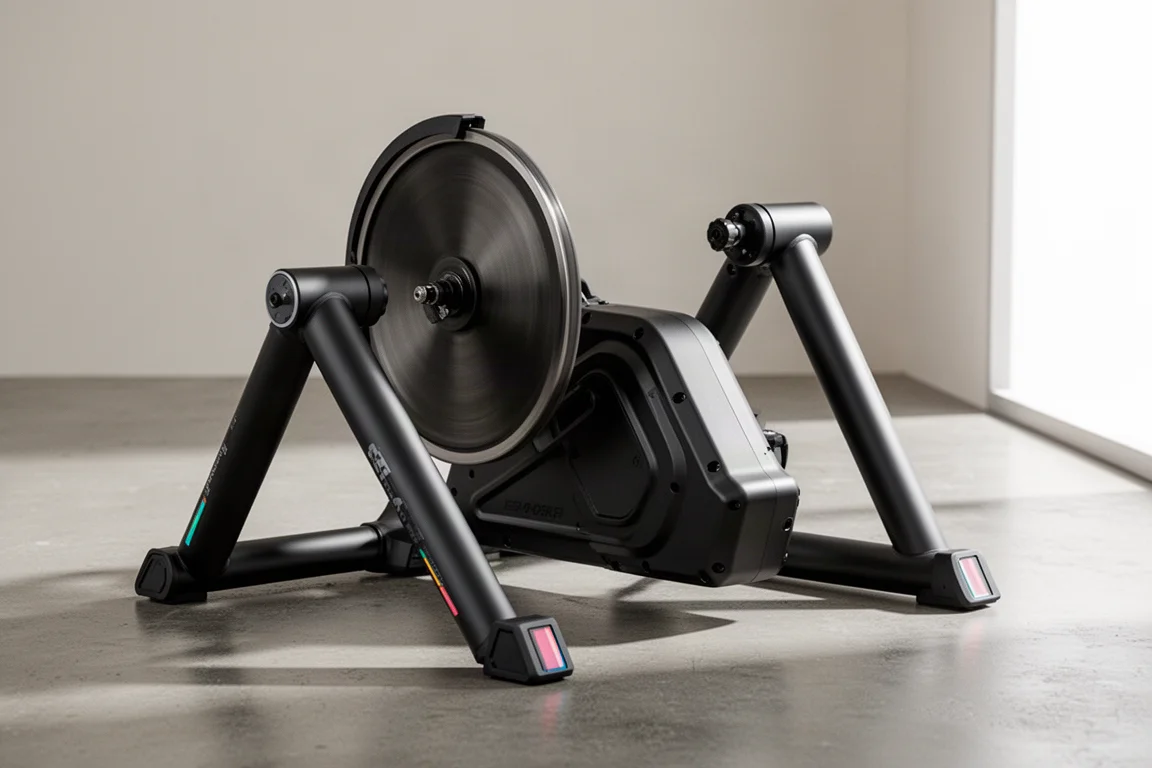
The KICKR CORE 2 arrived in September as the successor to Wahoo’s influential mid-range direct-drive trainer, at roughly 25% more than the Victory. It is the heaviest of the three at 18 kg and the only one without a carry handle, which makes moving it around noticeably more awkward.
What it does best is the riding experience. Ride feel is the strongest of the group, and power and cadence data proved impressively accurate and consistent in testing, matching on-bike power meters more closely than the outgoing KICKR CORE. Wahoo has not detailed specific hardware changes, but the calibration appears to account for drivetrain losses. Automatic calibration keeps the numbers in check as you ride, and virtual shifting plus race mode work over both Wi-Fi and Bluetooth. Setup is also the most beginner-friendly here, thanks to colour-coded legs and a guide for the axle adapters.
Best Value: Jetblack Victory
The Victory launched in 2024 at just under £400 or $450 and set a benchmark for price-to-performance in this category. It pairs a 1,800 W power ceiling and 16% gradient simulation with a 12.9 kg body, a 4.7 kg flywheel and an integrated carry handle.
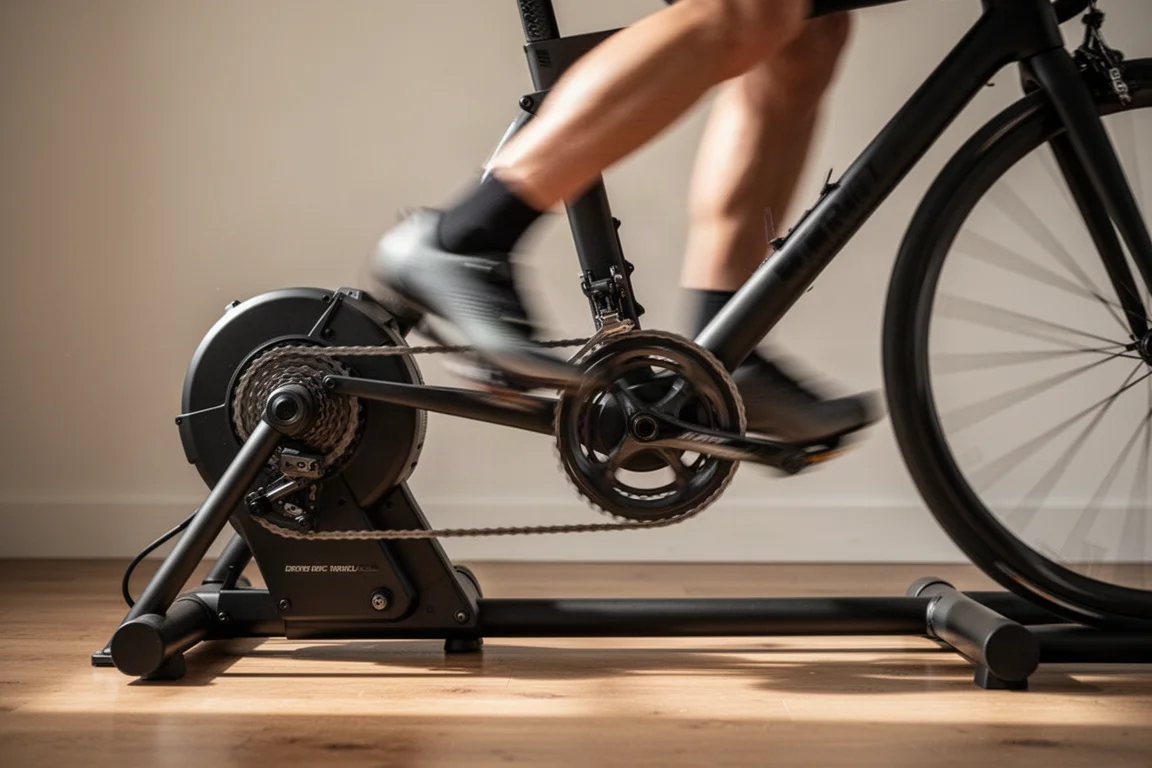
Ride feel sits just behind the KICKR CORE 2, close enough that many riders would struggle to tell the two apart. Power tracking was solid overall, though there were occasions where it read slightly low early in a ride before settling after around ten minutes.
Automatic calibration is included, and virtual shifting and race mode work over both Wi-Fi and Bluetooth. The main practical drawback is availability: Jetblack’s distribution network is smaller than Wahoo’s, so tracking one down can take a little more effort.
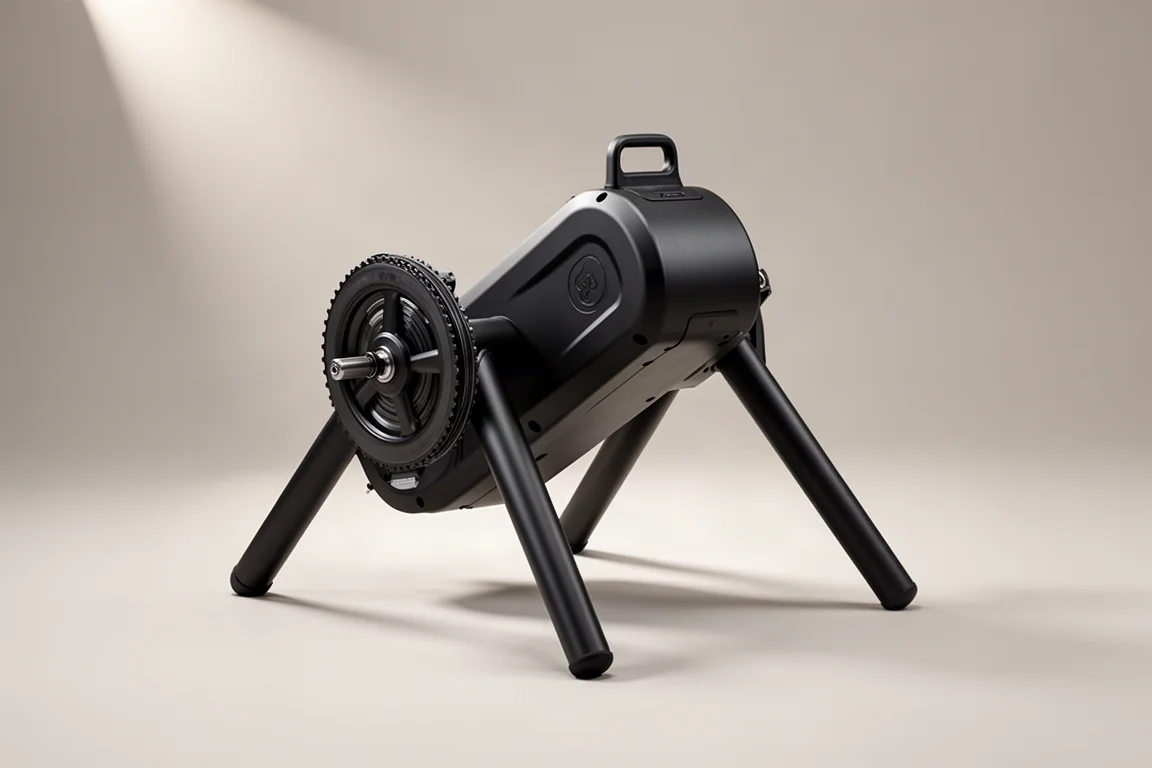
Most Compact Option: Elite Riivo
The Riivo replaces the aging Suito and borrows design cues from Elite’s flagship Justo while staying competitive at just under £500 or €520. It has the highest headline numbers of the three, with a 2,100 W ceiling and 18% gradient simulation, and it is the lightest and most storable: 10 kg, a 3.5 kg flywheel, a carry handle and a folding design that packs down smaller than either rival.
The trade-offs appear in use. The lighter flywheel makes the pedals feel choppier and less realistic than the other two. Power accuracy was fine at lower efforts but underreported during sprints, often missing peak power, with some drift that did not settle during a ride. Calibration is manual, and a spin-down is required only after ten minutes of riding so the unit can come up to temperature. Virtual shifting works over Bluetooth only, which rules out race mode over Wi-Fi when using that setup, and ANT+ is not supported. Riders who own a power meter can link it and transmit that data instead, but not everyone has one.
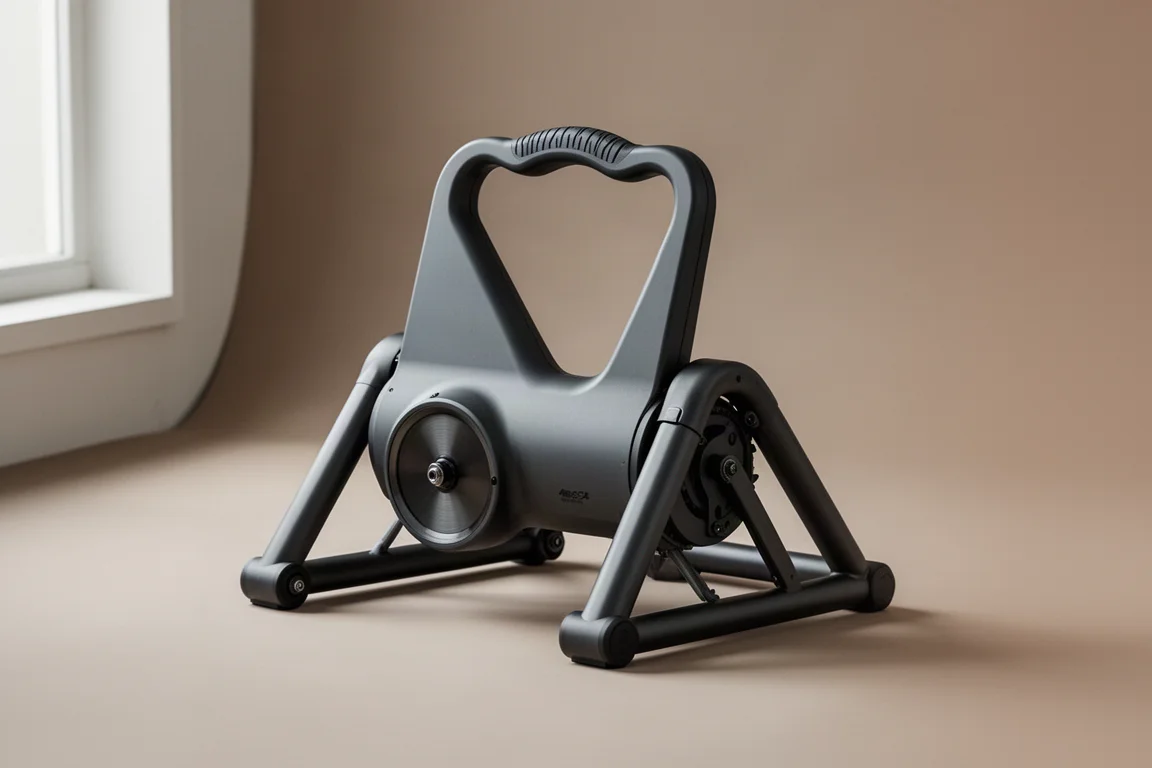
Ride Feel and Power Accuracy Compared
There is a clear hierarchy in ride feel. The KICKR CORE 2 leads, the Victory sits close behind, and the Riivo is a step down. Flywheel weight is not the whole story, but the link is hard to ignore: the 3.5 kg flywheel in the Riivo produces a choppier sensation through the pedals than the heavier units in the other two. Structured workouts with tighter erg mode demands are generally better served by higher-end trainers, but most riders will be satisfied with any of these three.
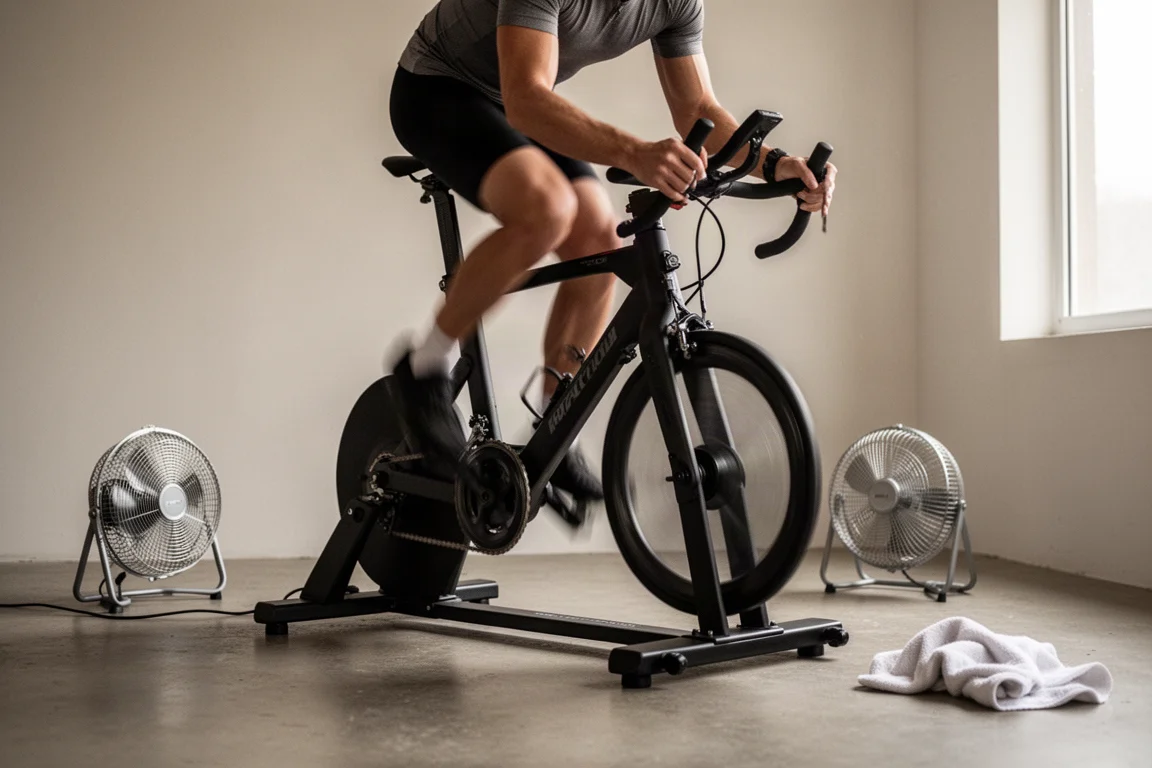
On data, the KICKR CORE 2 was the most accurate and consistent, matching on-bike meters closely. The Victory was also reliable, with the early-ride low readings noted above. The Riivo tracked well at low intensity but lost accuracy under hard efforts, which matters because most indoor cycling apps translate power data directly into what happens on screen.
Connectivity, Calibration, and Setup
Wi-Fi is a genuine benefit on all three: firmware can update automatically, and the connection to an indoor cycling app is often stronger and more stable than Bluetooth alone. The Victory and the KICKR CORE 2 support virtual shifting and race mode over both Wi-Fi and Bluetooth. The Riivo restricts virtual shifting to Bluetooth, so a Zwift Cog and click controller setup gives up the faster Wi-Fi data transfer speeds.
Setup was straightforward on all three for an experienced rider. The KICKR CORE 2 is the most approachable for newcomers, with colour-coded legs and an axle adapter guide. The Victory includes legs but no axle adapter guide, and the Riivo includes neither. Choosing a version with a Zwift Cog removes most bike compatibility concerns, since the cassette is effectively replaced.
Buying Advice
On pure performance, the KICKR CORE 2 takes the win: best ride feel, the right feature set, and the most accurate and consistent data, with the missing carry handle as the only obvious omission.
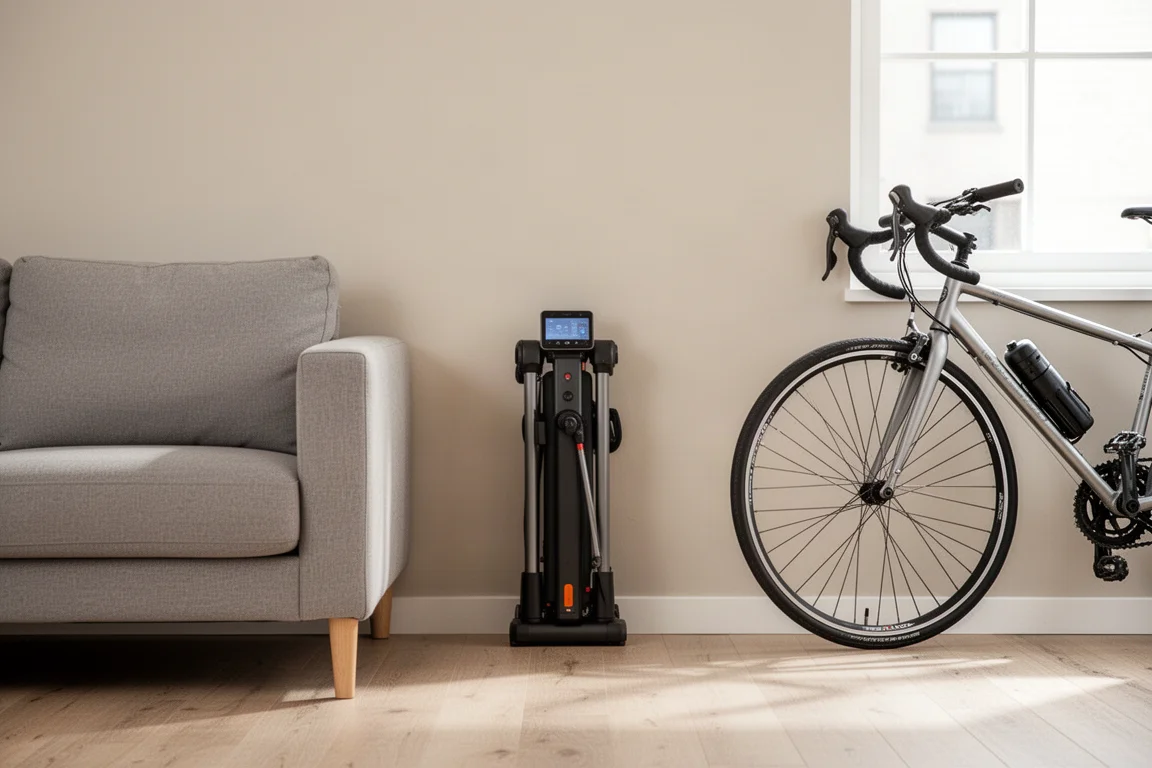
The Victory makes the decision harder. It is within touching distance of the KICKR CORE 2 in every meaningful area for around £100 or $150 less, which is difficult to argue against. The catch is availability rather than ability.
The Riivo is the hardest of the three to recommend. It is not a bad smart trainer, but the competition has moved forward while it has largely stood still. Even with a power meter to work around the accuracy issue, the choppier ride feel and Bluetooth-only virtual shifting would be enough to point most buyers toward one of the other two.
Conclusion
All three trainers are direct-drive, all three cover Bluetooth and Wi-Fi, and all three will satisfy the majority of indoor riders. The choice comes down to priorities: the KICKR CORE 2 for the best ride feel and data, the Victory for near-identical performance at a lower price, and the Riivo mainly for riders who need the most compact, easiest-to-store option and can accept its compromises.
Further reading
Related Reviews
Indoor Cycling
Best Budget Smart Indoor Trainer Setups: Six Options Worth Considering
Smart indoor trainers keep getting better while prices come down. Six setups and components worth considering, from the cheapest Zwift-ready option upward.
Indoor Cycling
Best Budget Smart Indoor Trainers for Immersive Cycling in 2026
A practical guide to affordable smart indoor trainer setups, including budget and mid-range options with virtual shifting.
Indoor Cycling
Best Indoor Cycling Apps and Smart Trainers: A Winter Buying Guide
A practical look at the indoor training platforms and smart trainers that matter this season, from a new challenger to Zwift to the entry-level trainer that stands out on value.