Indoor Cycling
Best Smart Trainers Under £500 / $600: Three Direct-Drive Picks Compared
Three direct-drive smart trainers around the £500 or $600 mark, compared on ride feel, power accuracy, connectivity, setup and everyday storage.
Introduction
Smart trainers are cheaper and more accessible than they have ever been, and the current sweet spot for price, features and performance sits around the £500 or $600 mark. That is the band where direct-drive hardware, dependable connectivity and genuinely usable power accuracy overlap, without stepping up to flagship money.
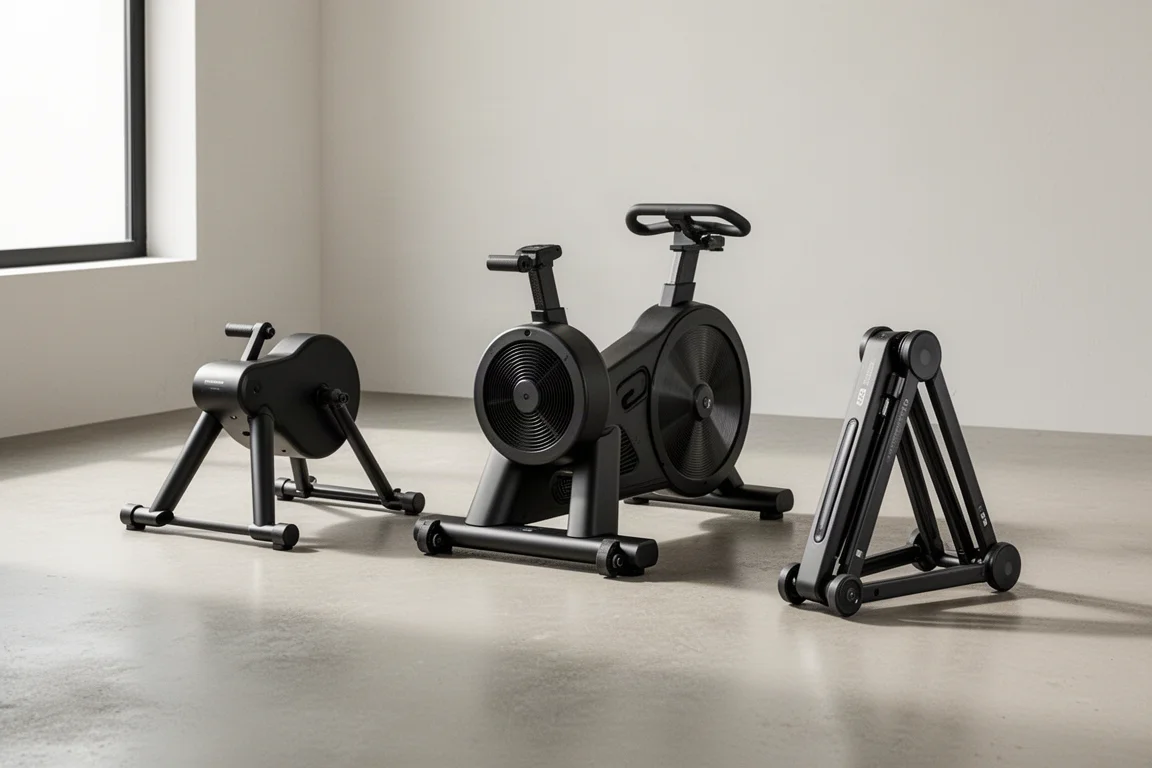
This comparison covers three trainers built for exactly that budget: the Jetblack Victory, the Wahoo KICKR CORE 2 and the Elite Riivo. All three use a direct-drive design, so you remove the rear wheel and mount the bike frame directly to the trainer at the dropouts.
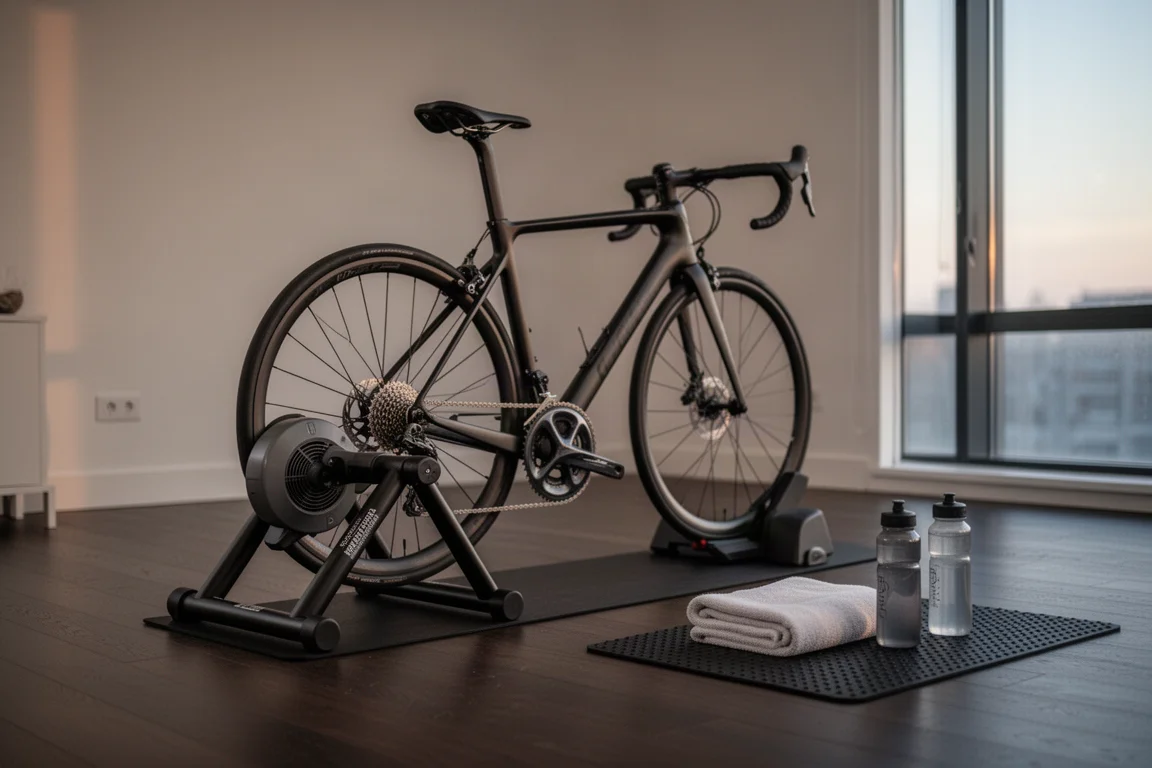
Each of them claims enough performance to satisfy the vast majority of riders. The real differences show up elsewhere: flywheel weight, how easy each unit is to move and store, calibration behaviour, and how faithfully the power data reflects what you actually put through the pedals.
How These Smart Trainers Compare on Paper
On paper these three look closer than they behave in practice. The Jetblack Victory and the Wahoo KICKR CORE 2 both offer a maximum power ceiling of 1,800 W and simulate gradients of up to 16%. The Elite Riivo goes a little further on both counts, with a 2,100 W ceiling and gradient simulation up to 18%.
Connectivity is broadly comparable too. All three support Bluetooth and Wi-Fi, which allows automatic firmware updates and a potentially stronger, more stable connection to indoor cycling apps. The Riivo is the exception because it drops ANT+ support.
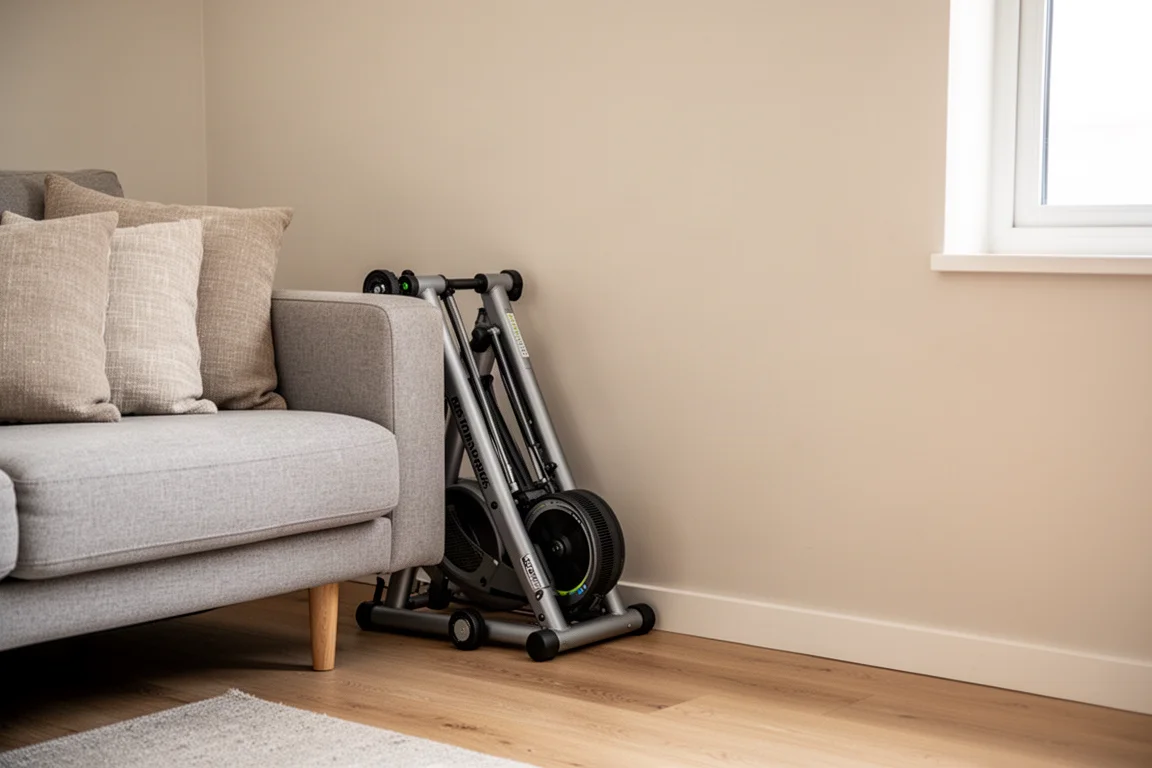
Weight and storage are where the numbers separate. The Elite Riivo is the lightest of the three at around 10 kg, with the lightest flywheel at 3.5 kg, and it folds into the most compact shape of the group, which makes it the easiest to tuck away between rides if you do not have a permanent space for a bike and trainer. The Jetblack Victory sits in the middle at 12.9 kg with a 4.7 kg flywheel. The Wahoo KICKR CORE 2 is the heaviest on both fronts, at 18 kg with a 5.4 kg flywheel.
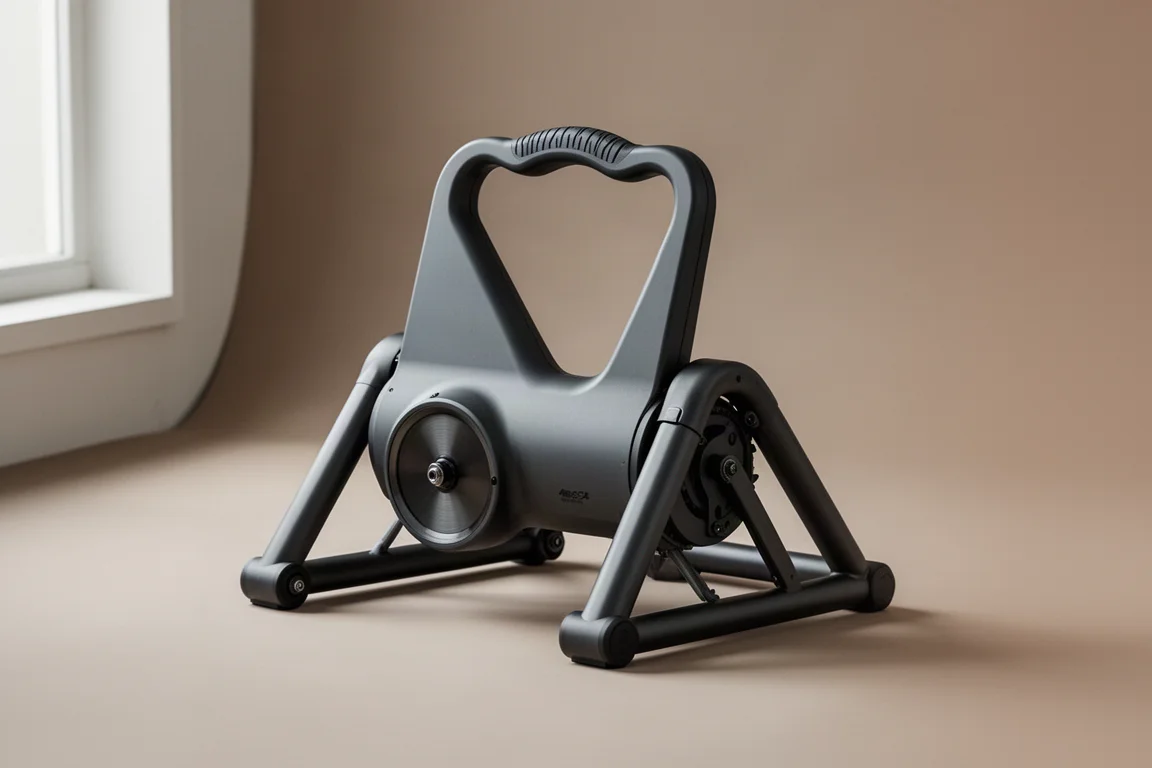
Handles are a small detail that matters more than expected. The Riivo and the Victory both have one. The KICKR CORE 2 does not, which makes it noticeably more awkward to lift and reposition.
Jetblack Victory: The Value Champion
The Jetblack Victory launched in 2024 at just under £400 or $450 and immediately set the benchmark for price-to-performance in this category. Its headline specifications match the KICKR CORE 2 almost exactly, and in use it gives away remarkably little for a trainer that costs around £100 or $150 less.
Setup is straightforward for an experienced rider. The trainer includes its legs, but there is no guide for the axle adapters, so first-timers will need to pay a little more attention during installation.
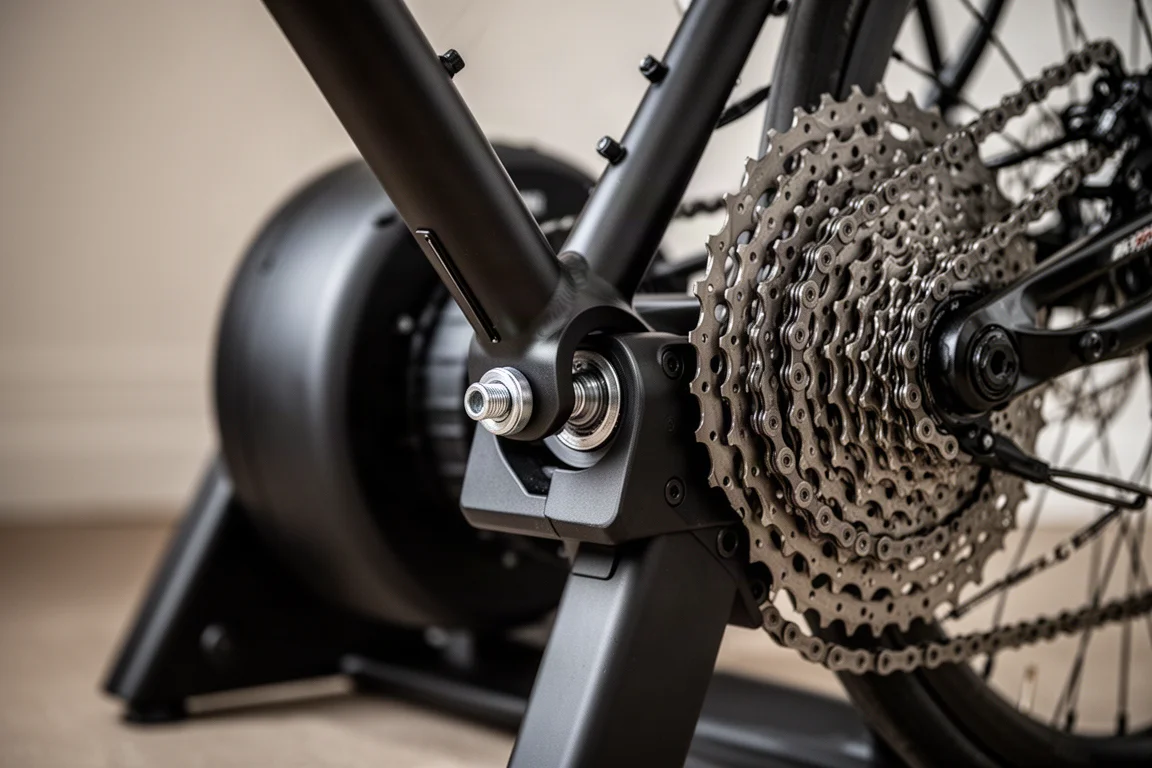
Power accuracy is a genuine strength. The Victory uses an automatic calibration function to keep data in check as you ride, and it matched on-bike power meters closely during testing. There were a few occasions where it tracked slightly low at the beginning of a ride, but that always corrected itself within about ten minutes.
Ride feel is close enough to the more expensive KICKR CORE 2 that many riders would struggle to tell them apart, and both sit a clear step above the Elite Riivo here.
The main practical drawback is availability. The Victory does not have the same distribution network behind it as Wahoo, so it can be trickier to get hold of depending on where you live.
Wahoo KICKR CORE 2: The Performance Pick
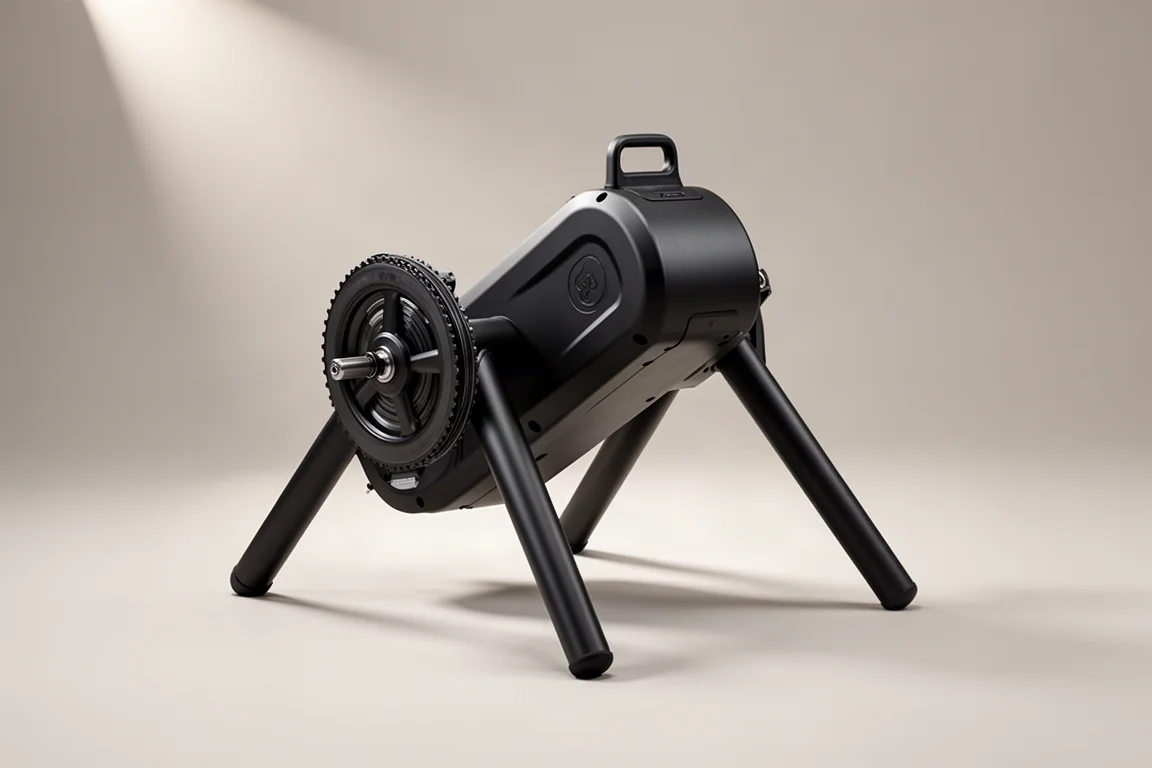
The Wahoo KICKR CORE 2 arrived as the long-awaited successor to a highly influential mid-range direct-drive trainer. It costs roughly 25% more than the Jetblack Victory, and it earns that premium in a few specific areas.
Ride feel is the clearest of them. The KICKR CORE 2 offers the most fluid and realistic pedalling sensation of the three, and it produced the most accurate and consistent power and cadence data during testing, matching on-bike power meters more closely than the trainer it replaces. Automatic calibration keeps that data in check during a session, and Wahoo states that it now factors drivetrain losses into its calibration.
Setup is the most beginner-friendly of the group thanks to colour-coded legs and an axle adapter guide. Virtual shifting and race mode, the faster data transfer available over Wi-Fi, both work over Wi-Fi and Bluetooth.
The trade-offs are physical. At 18 kg with a 5.4 kg flywheel it is the heaviest of the three, and the absence of a handle makes moving it around more of a chore than it should be for a trainer at this price.
Elite Riivo: Compact, Light and Foldable
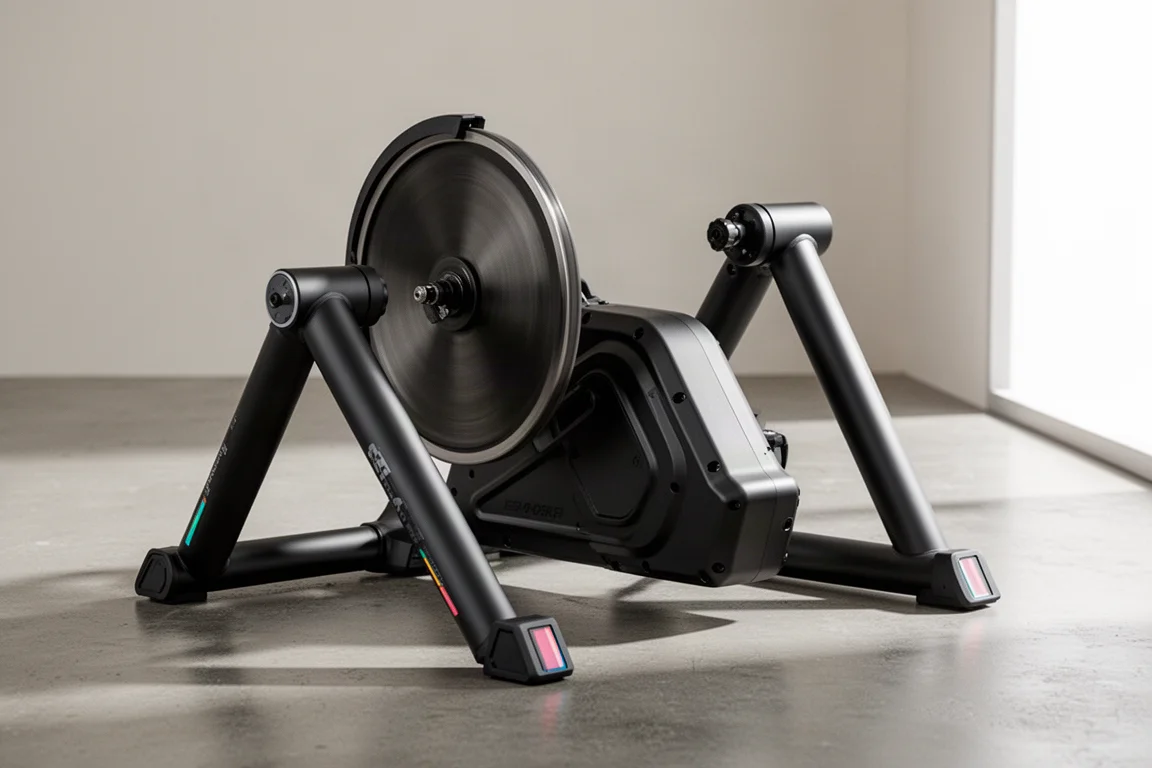
The Elite Riivo updates a long-serving and well-regarded direct-drive design, borrowing styling cues from the brand’s flagship trainer while keeping the price competitive at just under £500 or €520. It is the most powerful of the three on paper, with a 2,100 W ceiling and 18% gradient simulation, and by far the easiest to live with in a small space.
At around 10 kg with a 3.5 kg flywheel, it folds into the smallest package here and is simple to store between sessions. It includes a handle, but unlike the KICKR CORE 2 it arrives without legs and without an axle adapter guide, so setup is a little less guided for newcomers.
Connectivity is where the Riivo makes its clearest compromise. Virtual shifting works only over Bluetooth, which means that if you pair it with a Zwift Cog and click controllers you cannot ride over Wi-Fi and therefore miss out on race mode and its faster data transfer. Riders using a standard cassette instead of a Cog will not run into this, but it is worth knowing if the Cog setup appeals to you.
Power accuracy is the weakest area. Calibration is manual and requires a spin-down after ten minutes of riding so that everything reaches the right temperature. At lower efforts the Riivo tracked on-bike meters reasonably well, but it tended to underreport during sprints, missing peak power snaps, and showed some drift across rides that did not stabilise. If you already own a power meter you can link it and transmit its data in place of the trainer’s own, but not every rider has that option.
Ride feel follows the same pattern. The lighter flywheel makes the pedalling sensation choppier and less realistic than the Victory or the KICKR CORE 2, and that is the kind of difference you notice on longer sessions.
Setup and Connectivity Compared
All three trainers are easy to set up for anyone who has spent time around bikes, and choosing a version supplied with a Zwift Cog removes most bike compatibility concerns, because you no longer have to match a cassette to your drivetrain.
For beginners, the KICKR CORE 2 is the most approachable. Colour-coded legs and an axle adapter guide take the guesswork out of the process. The Victory includes legs but no adapter guide, and the Riivo includes neither, though none of the three is genuinely difficult once the bike is on the trainer.
On the connectivity side, all three offer Wi-Fi for automatic firmware updates and a stronger, more stable connection to indoor cycling apps. The Riivo’s Bluetooth-only virtual shifting is the notable limitation, while the Victory and the KICKR CORE 2 support virtual shifting and race mode over both Wi-Fi and Bluetooth.
One thing worth setting expectations around is erg mode. Higher-end smart trainers generally perform better here, so riders who are serious about structured workouts may prefer to save for a more expensive model. For most people, the ride feel on offer from all three of these trainers will be entirely satisfactory.
Buying Advice: Which Smart Trainer Is Right for You
If pure performance decides it, the Wahoo KICKR CORE 2 is the pick. It has the best ride feel, the right features and the most accurate, consistent data of the three, and the only real complaint is the missing handle.
It is also hard to ignore how good the Jetblack Victory is for around £100 or $150 less. It performs so close to the KICKR CORE 2 in every meaningful area that justifying the extra spend is genuinely difficult. The catch is availability, which can vary depending on where you are.
The Elite Riivo is the toughest of the three to recommend, and not because it is a bad smart trainer. The competition has taken tangible steps forward while the Riivo has stood relatively still. Even if you have a great power meter to work around the accuracy questions, the choppier ride feel and the Bluetooth-only virtual shifting are more than enough reason to lean towards one of the other two.
Conclusion
Around the £500 or $600 mark, the KICKR CORE 2 remains the performance benchmark and the safest choice for riders who want the best ride feel and the most dependable data. The Jetblack Victory is the value answer, delivering nearly the same experience for meaningfully less money if you can find one. The Elite Riivo wins on portability and storage, and for anyone short on space that matters, but its ride feel and power accuracy leave it behind the other two in this comparison.
Further reading
Related Reviews
Indoor Cycling
Best Budget Smart Indoor Trainer Setups: Six Options Worth Considering
Smart indoor trainers keep getting better while prices come down. Six setups and components worth considering, from the cheapest Zwift-ready option upward.
Indoor Cycling
Best Budget Smart Indoor Trainers for Immersive Cycling in 2026
A practical guide to affordable smart indoor trainer setups, including budget and mid-range options with virtual shifting.
Indoor Cycling
Best Indoor Cycling Apps and Smart Trainers: A Winter Buying Guide
A practical look at the indoor training platforms and smart trainers that matter this season, from a new challenger to Zwift to the entry-level trainer that stands out on value.