Indoor Cycling
Best Smart Trainers: Mid-Range Direct Drive Picks and Premium Options
A practical look at the smart trainers worth buying now, from the £500 mid-range sweet spot to premium direct drive options with heavier flywheels.
Introduction
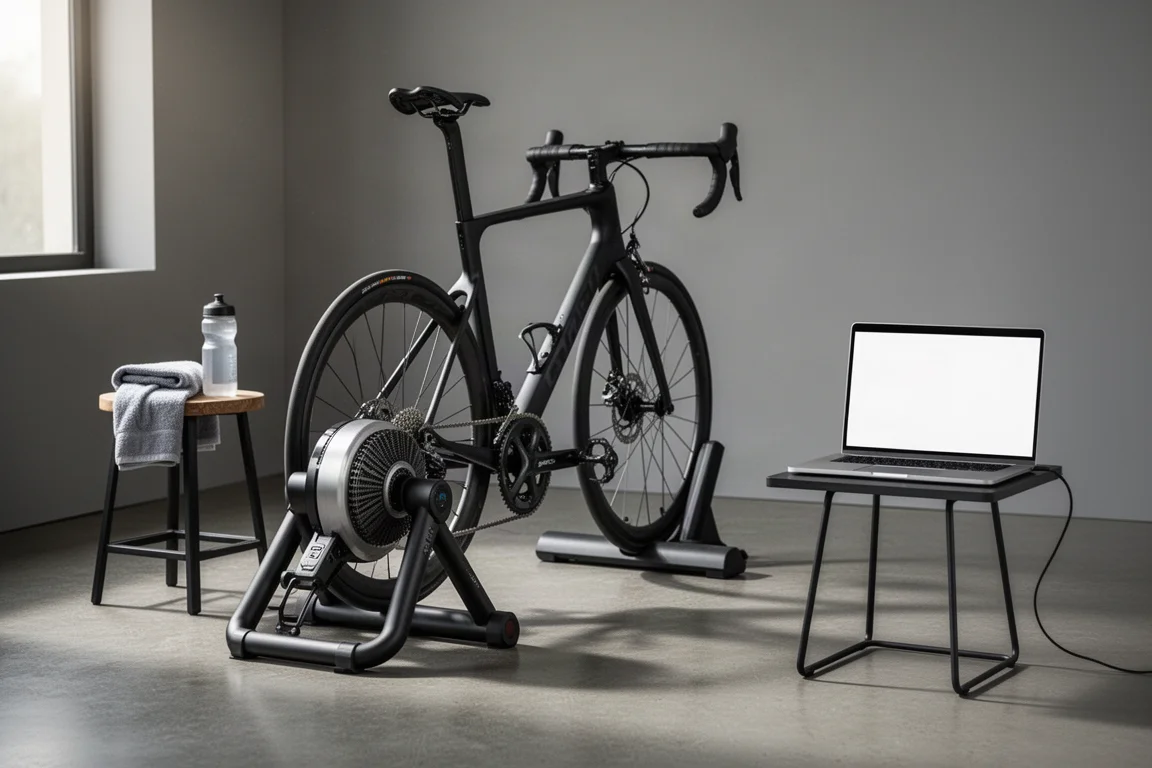
Direct drive smart trainers have settled into a comfortable plateau. The migration away from wheel-on designs is essentially complete, the long-standing complaints about accuracy, ride feel and noise have been addressed, and prices keep falling. The practical upshot is that a genuinely capable indoor setup now costs considerably less than it did a few seasons ago.
This guide covers the trainers that make the most sense for the majority of riders, along with the premium options for anyone who wants a heavier flywheel and a more planted feel under load. The short version is that the middle of the market is where the value sits, and for most riders there is little reason to go beyond it.
What to Look For in a Smart Trainer
Maximum power is the most useful dividing line. A trainer capped around 600 W is entirely capable for structured ERG workouts and steady general riding, but it becomes limiting as soon as racing or hard sprint intervals are part of the plan. The mid-range bracket lifts that ceiling to roughly 1,800 W and adds gradient simulation of up to 16%.
Connectivity now shapes the experience as much as raw resistance does. Wi-Fi and virtual shifting have moved from premium extras to expected features at mid-range prices, and both affect how a trainer behaves inside racing platforms.
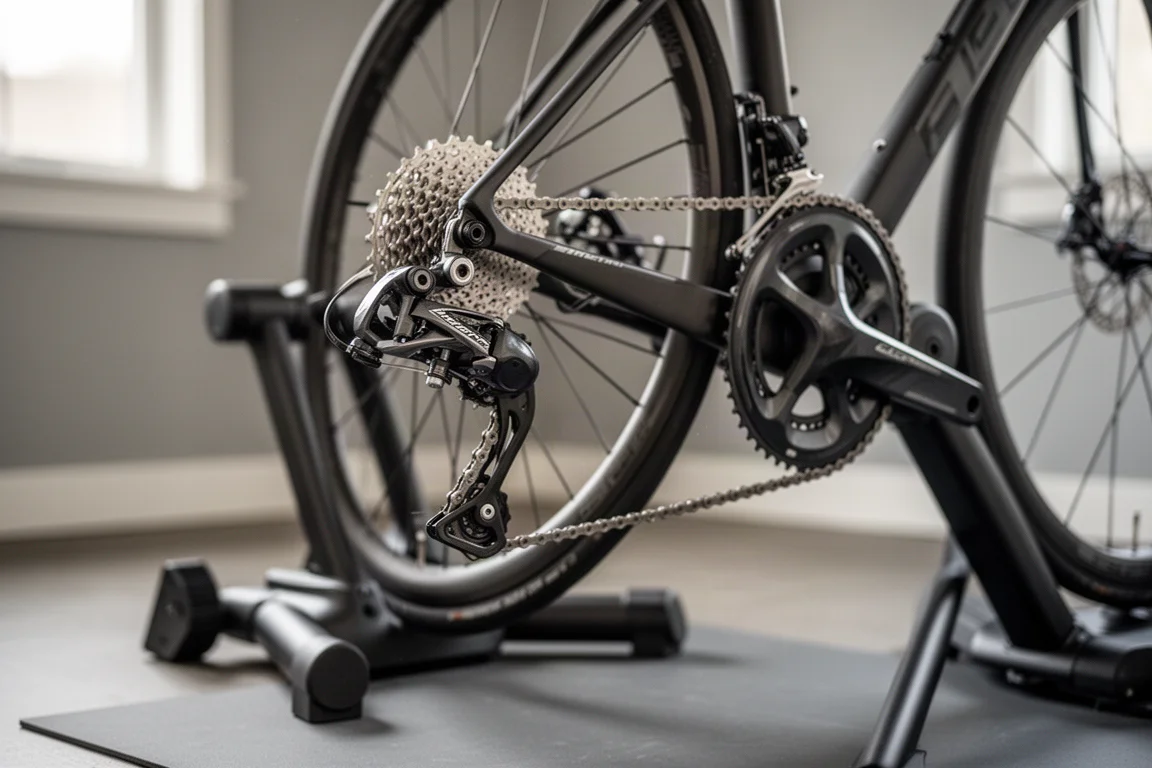
Power accuracy is the other figure worth understanding. Mid-range trainers typically quote plus or minus 2%, while the most expensive models quote plus or minus 1%. That gap is small enough that most riders will never feel it, and it only becomes visible when several power meters are compared side by side.
Wahoo KICKR CORE 2
The original KICKR CORE helped open up the affordable direct drive category at around £700. Its successor arrives with a set of improvements and a price closer to £500, which places it exactly where the market’s best value now sits.
The specification covers 1,800 W maximum power, 16% gradient simulation, Wi-Fi connectivity and virtual shifting, so it handles everything most riders are likely to ask of a trainer. Power accuracy is quoted at plus or minus 2%, the standard mid-range figure rather than the premium plus or minus 1%.
JetBlack Victory
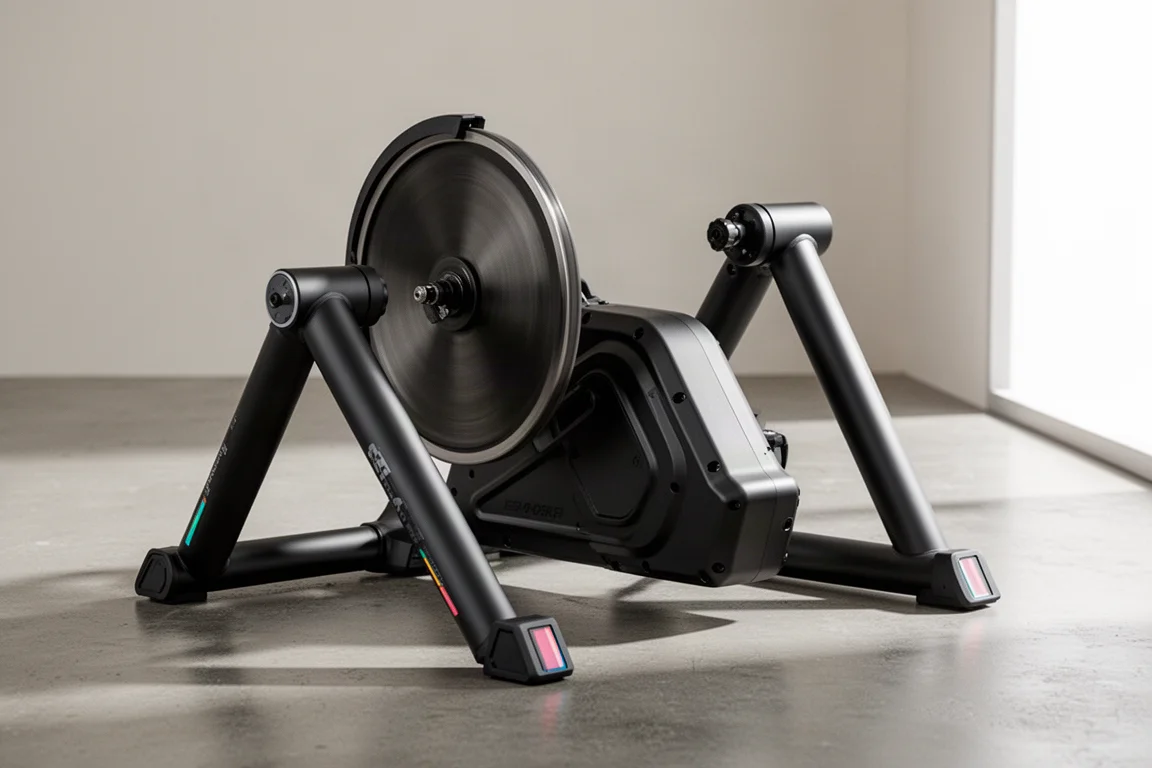
The Victory occupies the same £500 to $600 territory and matches the class standard on the headline numbers: 1,800 W maximum power, 16% gradient simulation, Wi-Fi and virtual shifting.
That specification is what makes this bracket so appealing. You get the connectivity and the racing-relevant power ceiling of a serious trainer, and the only meaningful compromise is the slightly wider power accuracy window.
Van Rysel D100
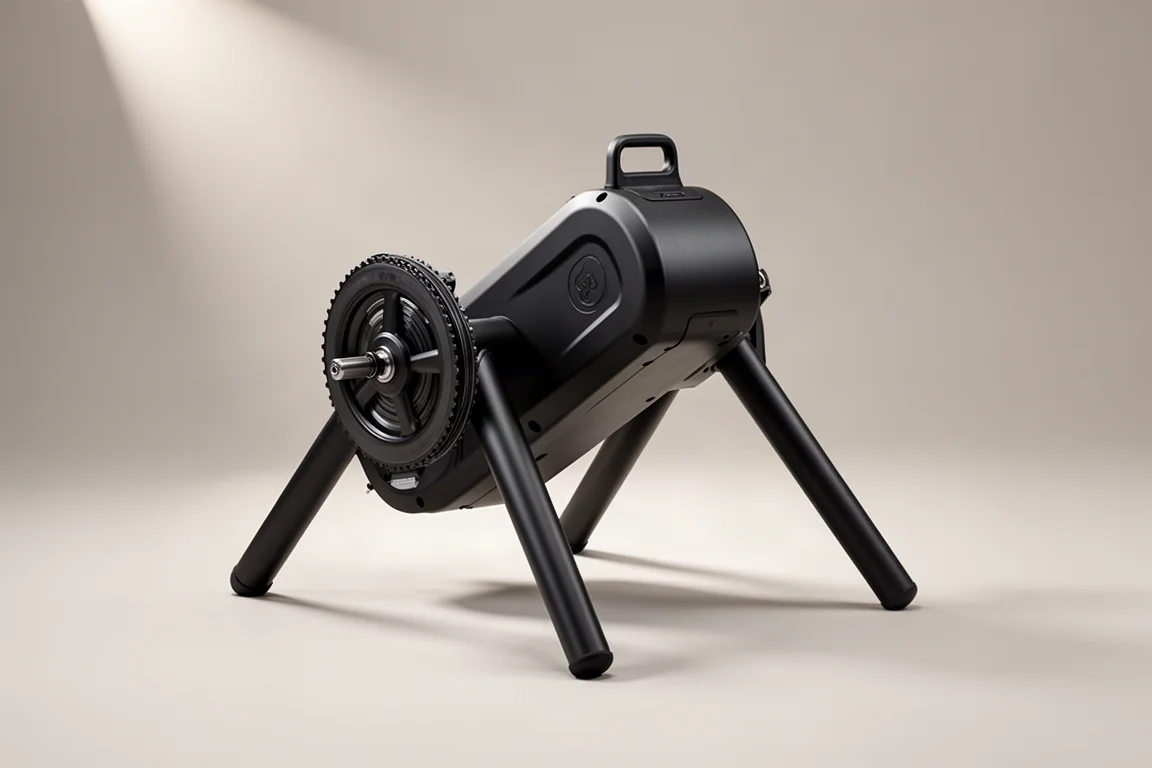
At around $270, the D100 costs roughly half of the mid-range group while still delivering genuinely good ride quality. For riders whose indoor training is built around ERG sessions and steady miles, that makes it difficult to argue against.
The trade-off arrives in the form of a maximum power ceiling of about 600 W. That is fine for general riding but will hold you back in racing, and it is the one point worth weighing carefully before committing.
Elite Revo
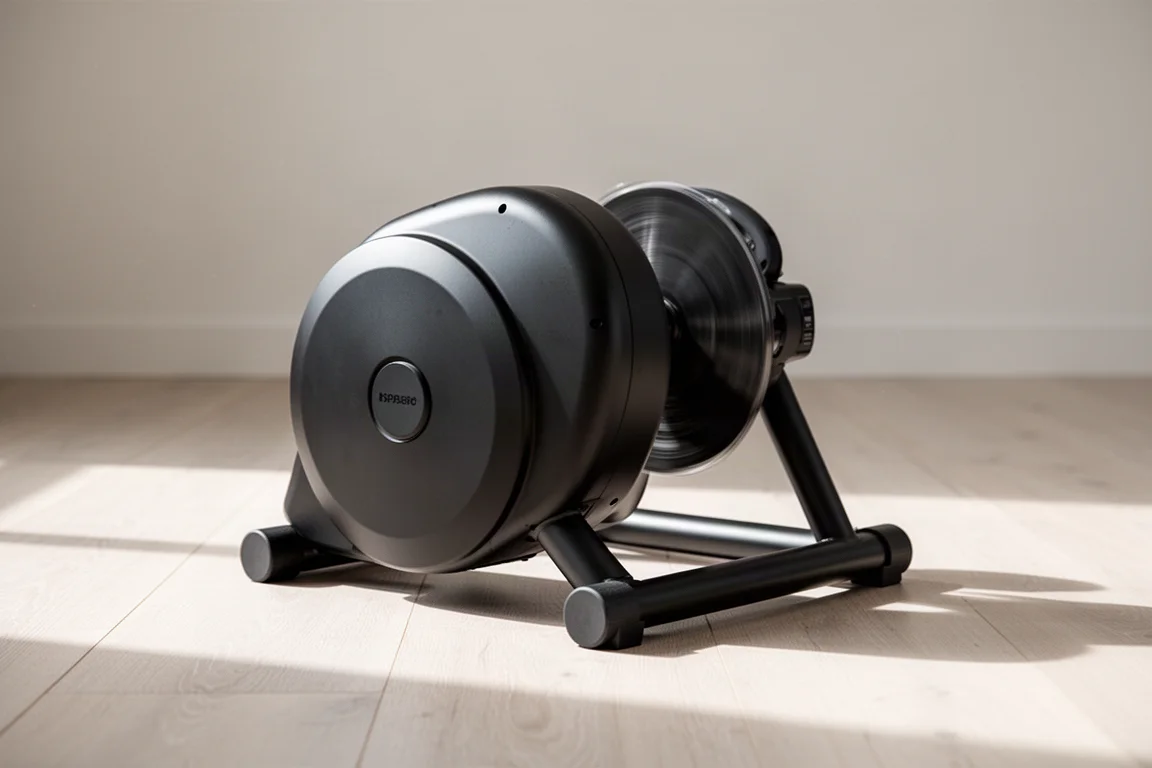
The Revo joined the mid-range group this year and sits in the same bracket as the KICKR CORE 2 and the Victory, where Wi-Fi, virtual shifting and a high power ceiling are the baseline rather than a bonus.
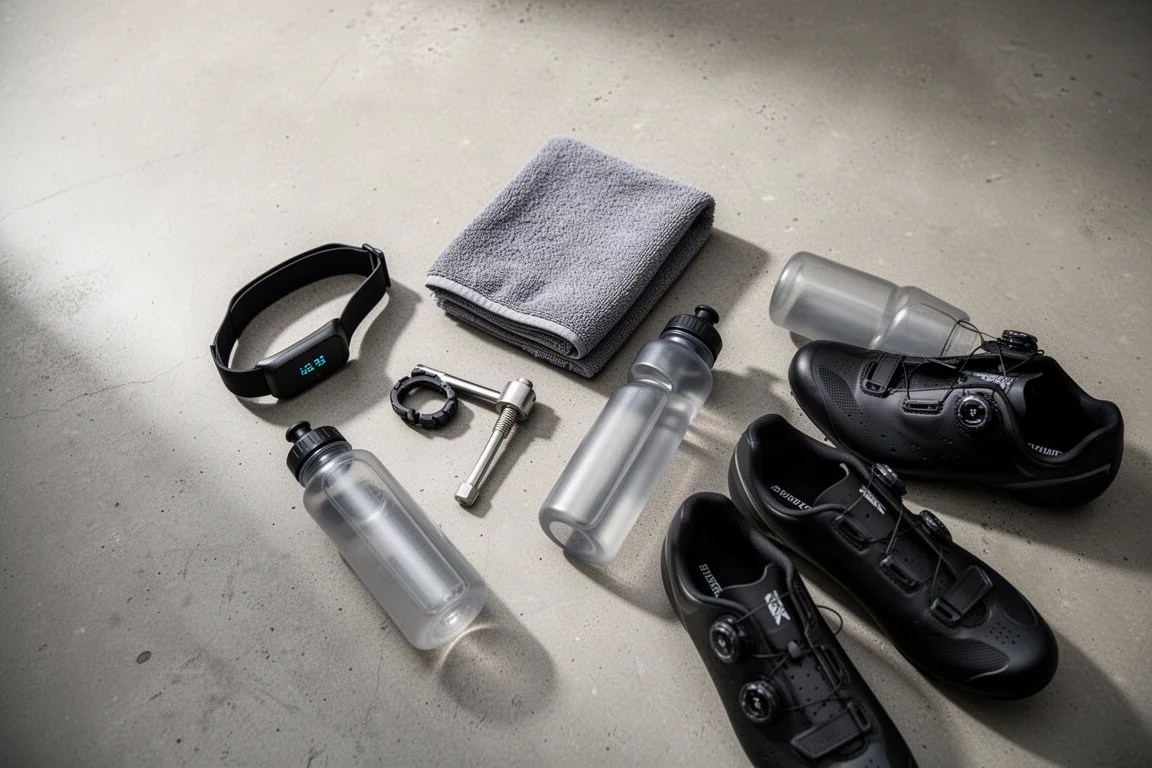
For riders who want a full-featured direct drive trainer without premium pricing, it is a sensible addition to the shortlist. The competition around it is strong, so the deciding factors will come down to availability and personal preference rather than headline specification.
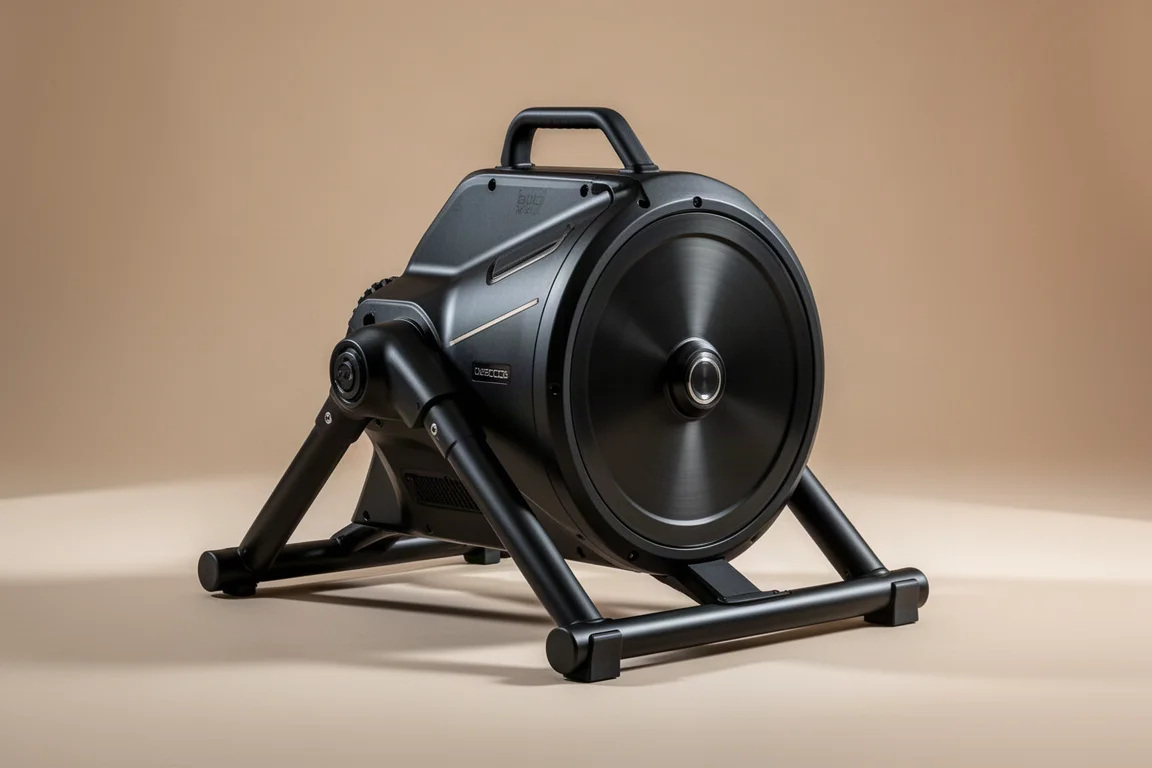
Wahoo KICKR V6
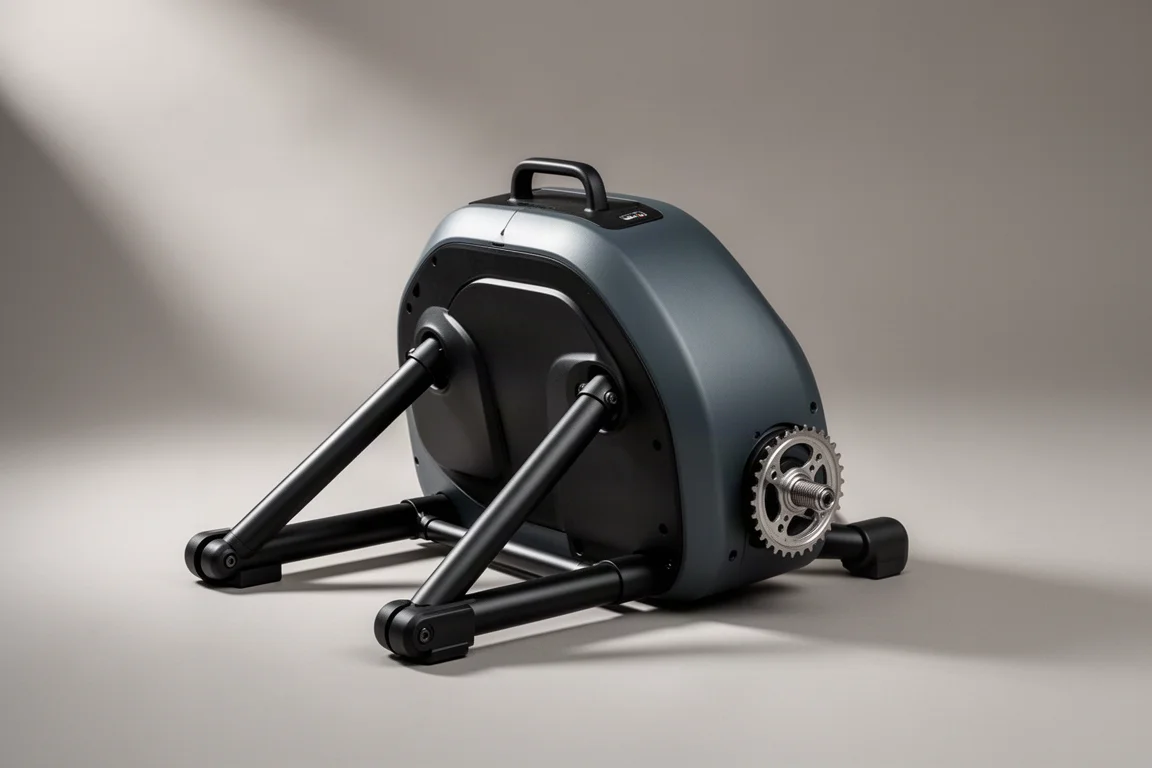
Moving up to the KICKR V6 buys a much heavier flywheel, and with it the excellent ride feel that a heavier flywheel delivers. It also suits riders who produce very large power numbers and want more headroom than the mid-range bracket provides.
What it does not buy is a fundamentally different feature set. At the top of the market, brands have been refining details such as added movement rather than introducing revolutionary capabilities.
Tacx NEO 2T
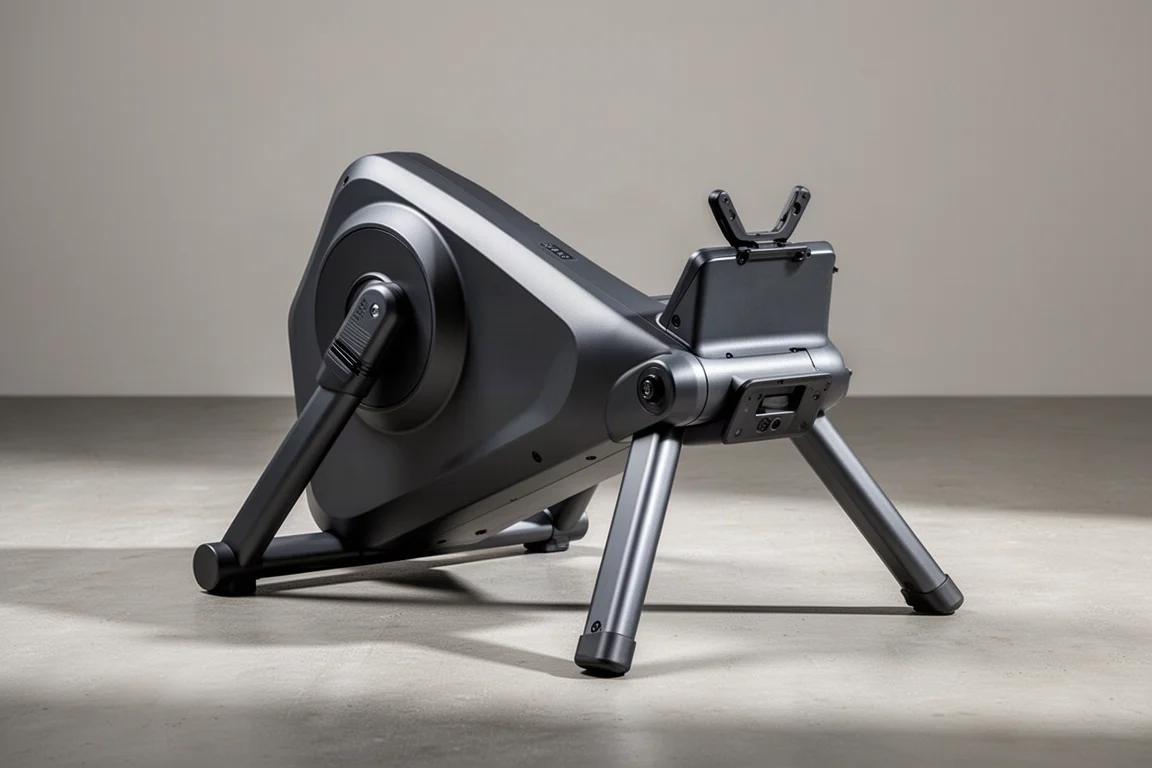
The NEO 2T occupies the same premium tier, and the same logic applies. The additional spend goes towards ride feel and the confidence of a heavier, more substantial unit rather than towards features the mid-range trainers lack.
For the majority of riders, that difference will not show up anywhere in their training. It becomes relevant when the trainer itself is part of the enjoyment, or when power output is high enough that headroom genuinely matters.
Buying Advice
The clearest conclusion from the current market is that around £500 or $600 is a sensible ceiling for most riders. At that price you get 1,800 W of maximum power, 16% gradient simulation, Wi-Fi and virtual shifting, and the only concession is plus or minus 2% power accuracy instead of plus or minus 1%.
Unless you race at an elite level, or compare power meters as a pastime, that accuracy difference is not something you will notice in practice. Spending less is also a legitimate choice: the Van Rysel D100 covers ERG training and general riding well, provided its 600 W ceiling does not clash with your ambitions.
Conclusion
Smart trainer technology has plateaued, and for buyers that is genuinely good news. Direct drive trainers are now accurate, quiet and consistent across the board, and prices have fallen far enough that a capable setup no longer demands a premium budget. Start in the middle of the market, and only move up if a heavier flywheel or a higher power ceiling is something you will actually use.
Further reading
Related Reviews
Indoor Cycling
Best Budget Smart Indoor Trainer Setups: Six Options Worth Considering
Smart indoor trainers keep getting better while prices come down. Six setups and components worth considering, from the cheapest Zwift-ready option upward.
Indoor Cycling
Best Budget Smart Indoor Trainers for Immersive Cycling in 2026
A practical guide to affordable smart indoor trainer setups, including budget and mid-range options with virtual shifting.
Indoor Cycling
Best Indoor Cycling Apps and Smart Trainers: A Winter Buying Guide
A practical look at the indoor training platforms and smart trainers that matter this season, from a new challenger to Zwift to the entry-level trainer that stands out on value.