Indoor Cycling
Best Smart Trainers 2026: Budget, Mid-Range and High-End Picks
A practical guide to smart trainers at every price point, from an affordable direct-drive entry model to flagship units with heavy flywheels and race mode.
Introduction
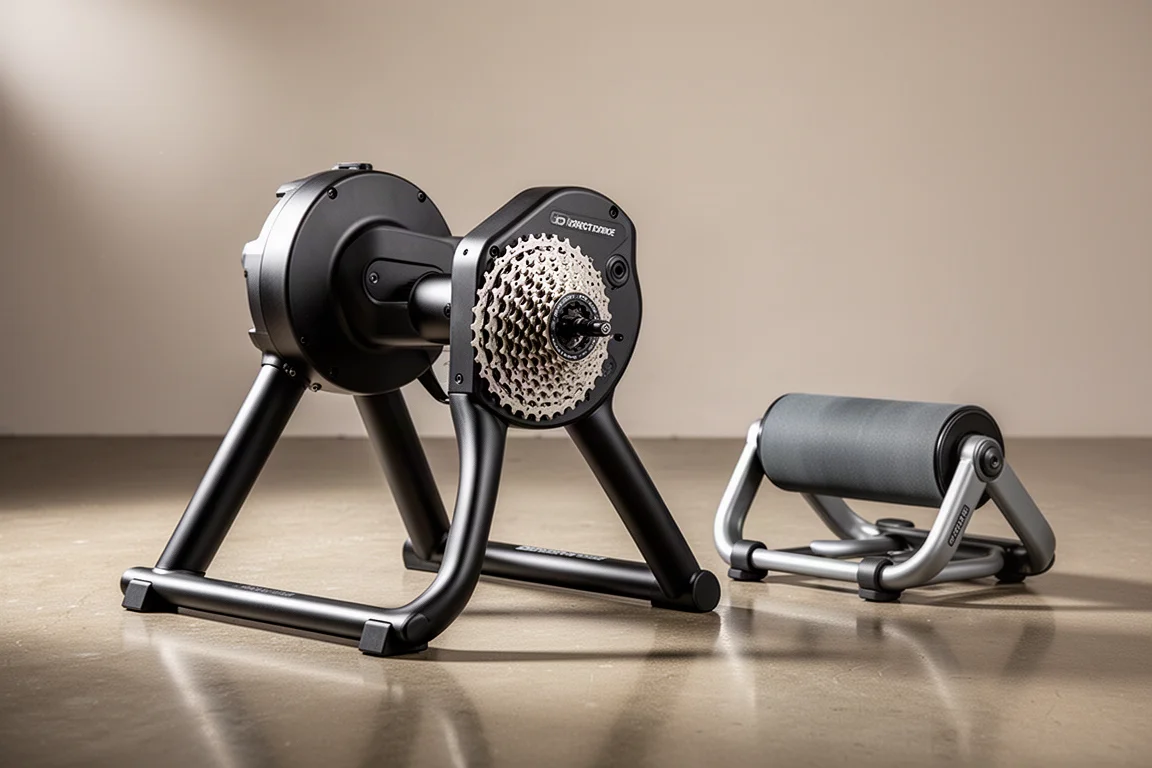
Indoor training has grown from a winter fallback into a year-round habit, and the hardware has grown with it. Smart trainers now cover an unusually wide spread of prices, from direct-drive units that cost about as much as a decent set of wheels to flagship machines with flywheels heavy enough to change how a hard effort feels.
That choice is welcome, but it makes the decision harder. Two trainers with similar specifications can feel quite different under load, and the features that matter most depend on how you ride: virtual racing, structured intervals, or simply a stable setup that stays in the garage.
This guide breaks the market into budget, mid-range and high-end picks and explains the trade-offs behind each one, so you can match a trainer to the way you actually train.
What to Look For in a Smart Trainer
Four numbers and characteristics separate a trainer you will keep using from one you will resent by February.
Maximum power and simulated gradient are the headline figures. A trainer that caps out at 600W of resistance cannot add any more load once you reach that point, which makes sprinting unrealistic for many riders. Most mid-range and high-end trainers offer well over 1,000W and double-digit gradient simulation, so the entry level is where this limit really bites.
Ride feel comes mostly from flywheel weight and the inertia it carries through the pedal stroke. Heavier flywheels feel smoother and closer to riding outdoors, while lighter ones can feel choppier, particularly when resistance changes quickly.
Data accuracy matters if you train to power. Look for a stated accuracy figure and, ideally, automatic calibration, so the numbers stay consistent without you having to think about it. Cadence measurement is a common weak point on cheaper trainers.
Connectivity decides how the trainer behaves in apps. Bluetooth and ANT+ are the baseline, Wi-Fi adds a stronger and potentially more stable connection, and race mode speeds up the rate at which data packets are exchanged, which reduces lag between your pedals and the screen.
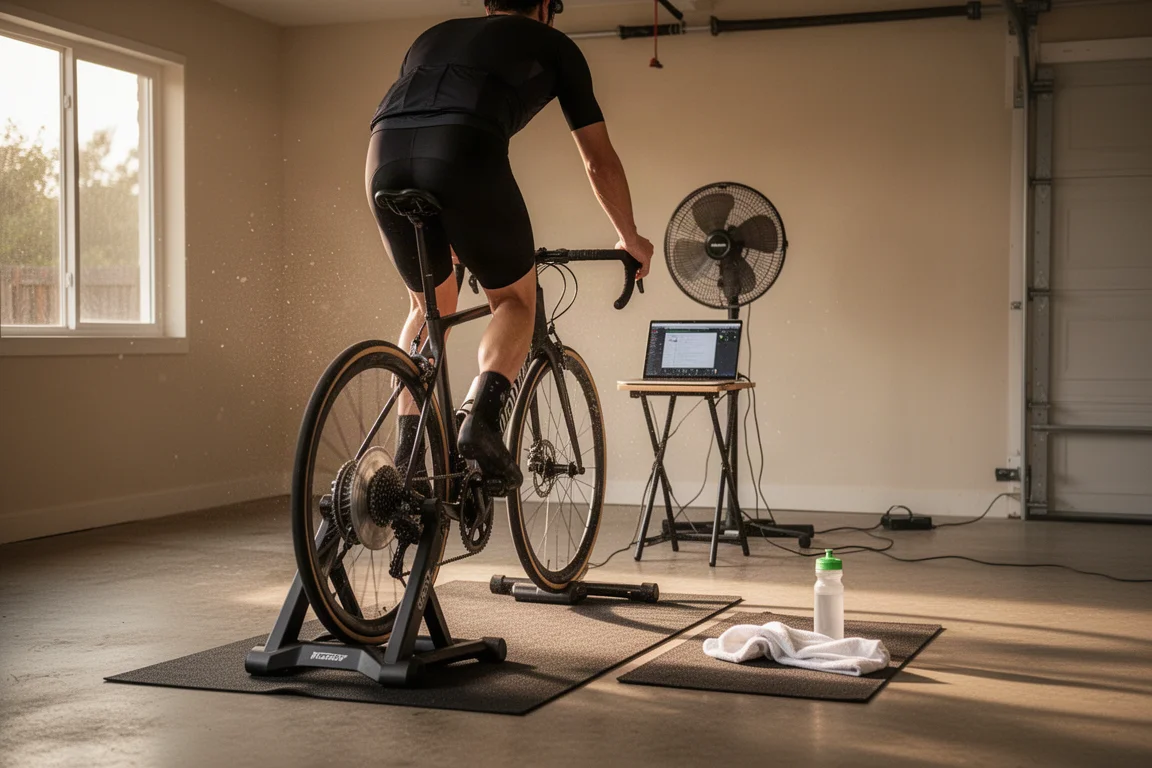
Stability is easy to overlook and hard to fix later. Heavier trainers with wide, multi-leg bases stay planted during hard efforts, while lighter units can shift and rock. Direct-drive trainers also need a cassette or a virtual shifting adapter, whereas wheel-on models are quicker to move between bikes but noisier and less stable.
Best Budget Direct-Drive Trainer: Van Rysel D100
The Van Rysel D100 is the model that made direct drive affordable, arriving at around £260 / €300 when the entry level was dominated by wheel-on trainers. Direct drive removes the rear tyre from the equation, which brings better stability, lower noise and a much more natural feel under load.
The compromise is a 600W ceiling on resistance. Beyond that point the trainer cannot supply any more resistance to your pedalling, which makes sprinting impossible for a large number of riders. A rider who weighs around 64 to 65kg and does not train much can still hit 600W in a race or an interval session. Not every virtual race ends in a sprint and most ERG workouts never ask for one, so this is not a deal breaker for everyone, but stronger riders, or those who want to become stronger, are better served by saving for a more capable unit.
Everything else at this price is better than expected. Ride feel is leagues ahead of similarly priced wheel-on trainers. The flywheel is not the heaviest, so the feel is slightly choppier than on pricier direct-drive units, but the difference is small and easy to live with if you have not spent years on a big-flywheel trainer.
Power accuracy is a pleasant surprise. The claimed figure is plus or minus 5%, which usually suggests limited confidence, yet the D100 averaged within about 3% of reference power meters once properly calibrated. Cadence data, by contrast, is unreliable enough that the sensible approach is to ride at whatever cadence feels right and ignore the number on screen.
Maximum simulated gradient is limited to 6%, which sounds restrictive but rarely is in practice. With the default trainer difficulty setting at 50% in Zwift, the D100 will not run out of resistance until the in-game gradient reaches around 12%. You simply change gear less often on steep virtual climbs.
One version ships with a Zwift Cog single-speed adapter and a Zwift Click button for virtual shifting, which means almost any bike works straight out of the box. A version without the Zwift Cog costs roughly £30 / €30 less, but you supply your own cassette. Availability is limited to the UK and the EU.
Best Budget Wheel-On Option: Tacx Flow Smart
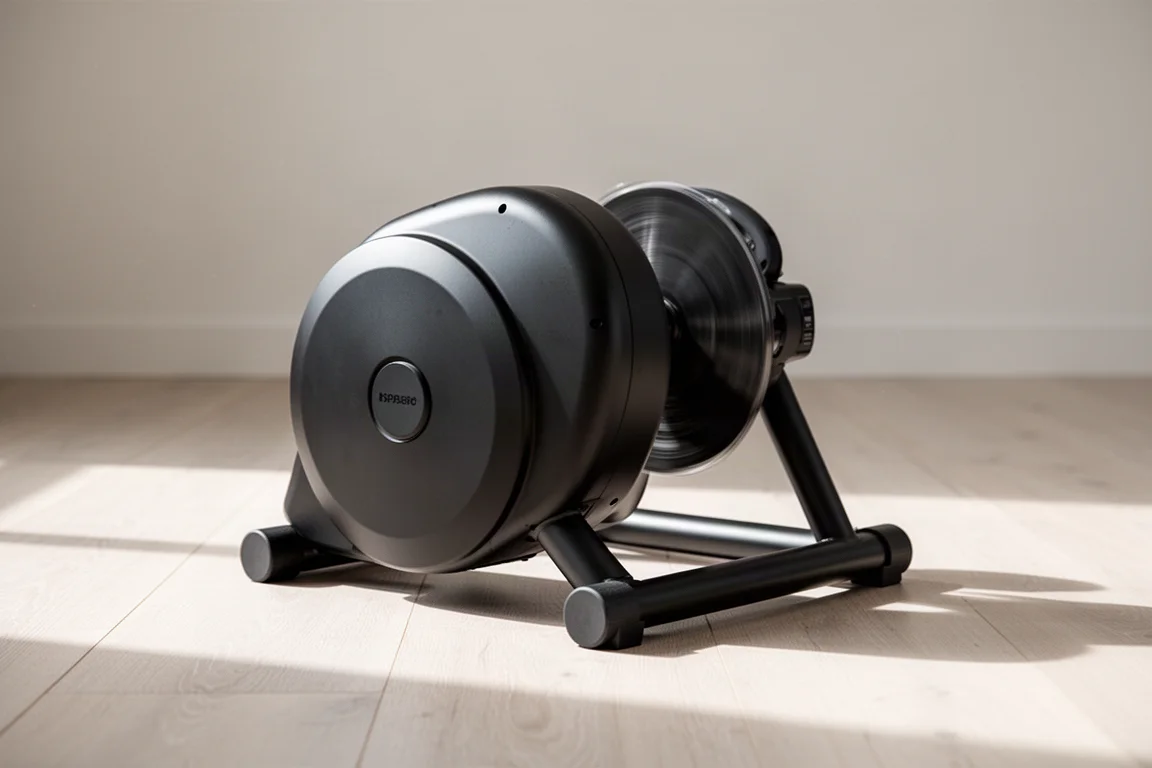
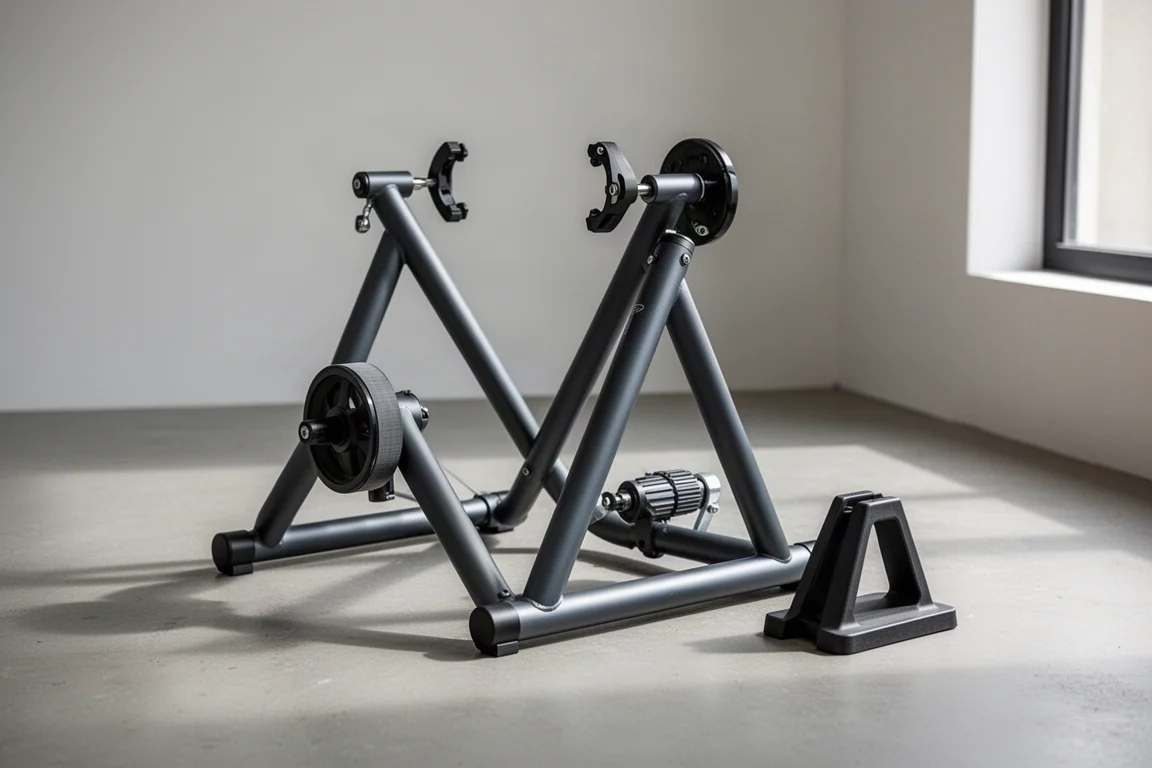
If direct drive is not an option where you live, wheel-on trainers remain the entry point. The Tacx Flow Smart carries a list price around £300 / $400 and is frequently discounted online. It offers up to 800W of resistance and simulates gradients up to 6%.
In practice it provides decent ride feel and a reasonably good experience on apps such as Zwift. Power measurement is not as accurate as the Van Rysel D100, but it is far from unusable, and the overall package is easy to live with.
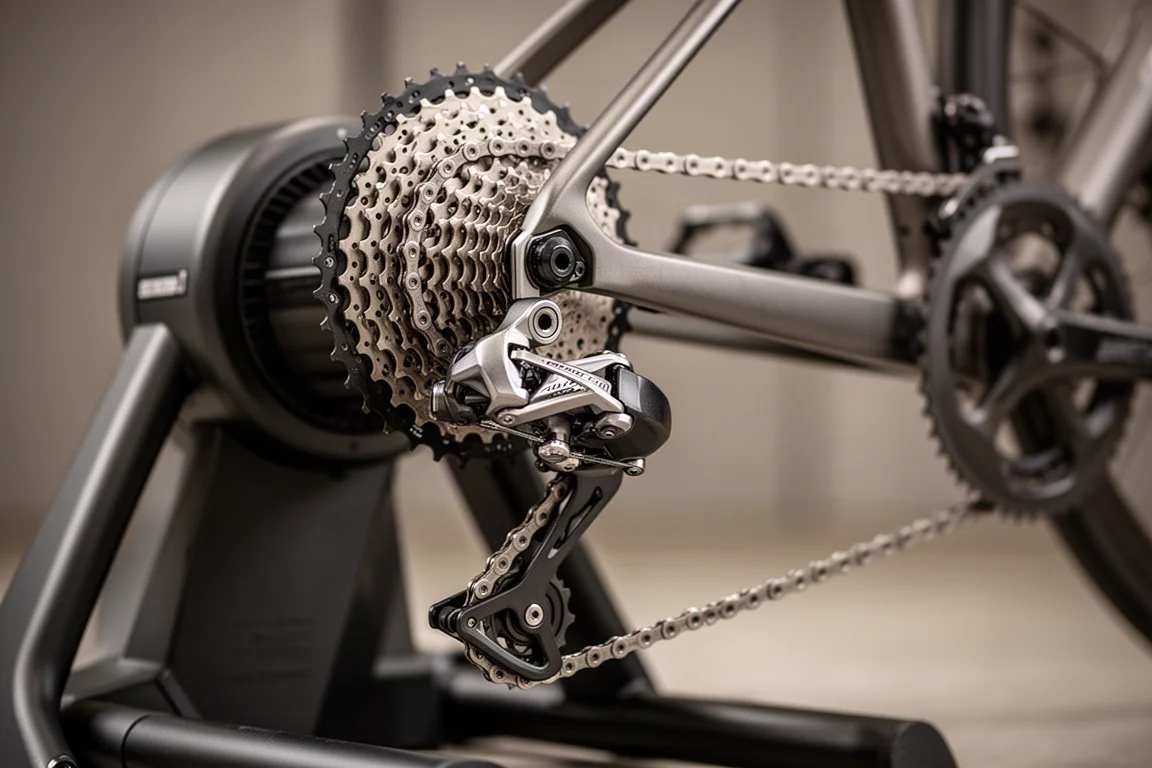
The stronger argument for it is that a wheel-on smart trainer is a better investment than a dumb trainer paired with a power meter, and it is much easier to move between bikes or store away. Other options in the same mould include the Wahoo KICKR Snap and the Elite Novo Smart, both of which follow the same principle of trading stability and silence for a lower price.
Best Overall Mid-Range Trainer: JetBlack Victory
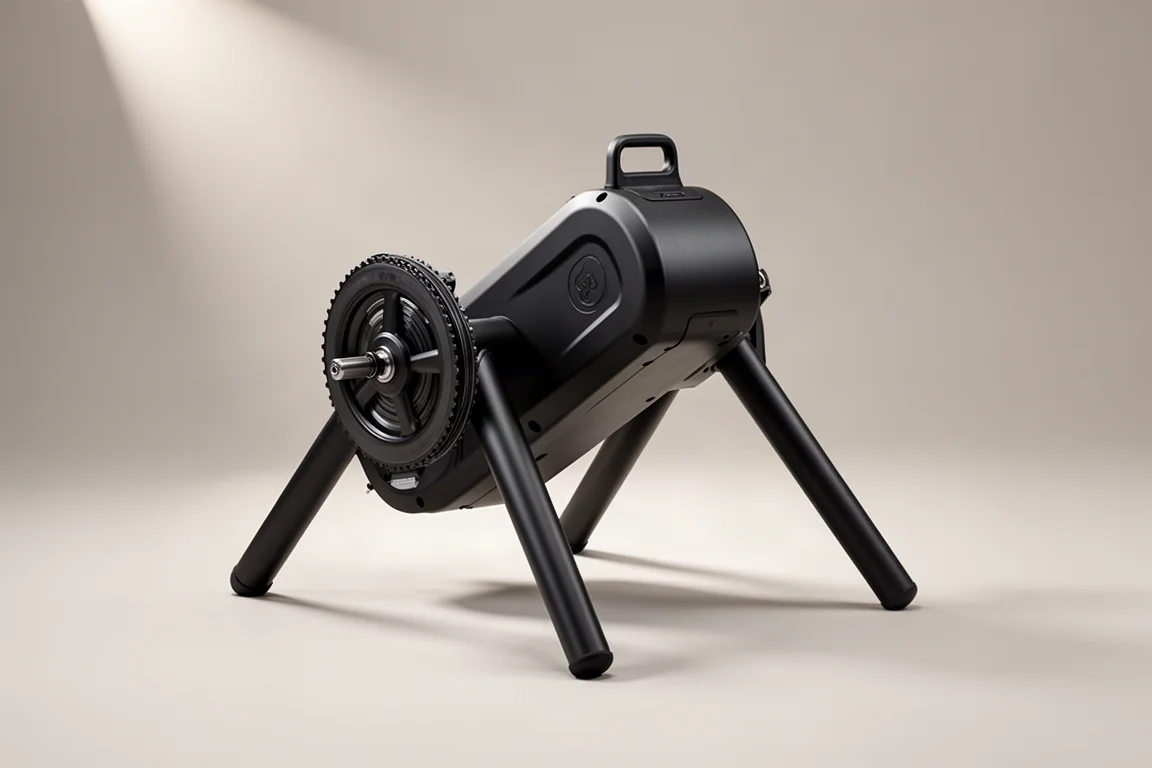
At just under £400 / €450, the JetBlack Victory costs only about £40 more than the Van Rysel D100 while belonging to an entirely different class. It simulates gradients up to 16% and provides up to 1,800W of resistance, which is more than enough for anyone who is not a world-class sprinter.
Ride feel is excellent, helped by a 4.7kg flywheel, and power accuracy is strong. Data occasionally reads slightly low at the start of a ride, but automatic calibration resolves it within about ten minutes of pedalling.
Wi-Fi connectivity gives a stronger, potentially more stable connection than Bluetooth or ANT+, and race mode sends and receives data packets at a much faster rate for a more responsive feel in whichever app you use. That responsiveness matters most in virtual races, where less lag between pedal input and on-screen response is a real advantage. Both features are absent from some very expensive high-end trainers, which makes them notable on a trainer at this price.
A small carrying handle rounds off the package and makes the unit easier to move without trapping fingers in the frame.
Mid-Range Alternative: Wahoo KICKR CORE
Stock and regional availability mean the JetBlack Victory is not always an option, and the Wahoo KICKR CORE is the natural substitute. It typically sells for around £450 / $500 and lacks Wi-Fi and race mode, but it ticks essentially every other box and comes from a well-established brand with a long-running platform behind it.
For riders who follow structured workouts and do not race on virtual platforms, the missing connectivity features matter little. What remains is a stable, accurate direct-drive trainer with a proven track record.
It is also worth watching for discounts, because slightly older trainers are reduced fairly often. An Elite Suito has been seen at around £275 in the UK, and the Saris H3 also appears at frequent reductions. Deals move quickly and vary by region, so it pays to check specifications carefully before committing.
Mid-Range Alternative: Elite Direto XR
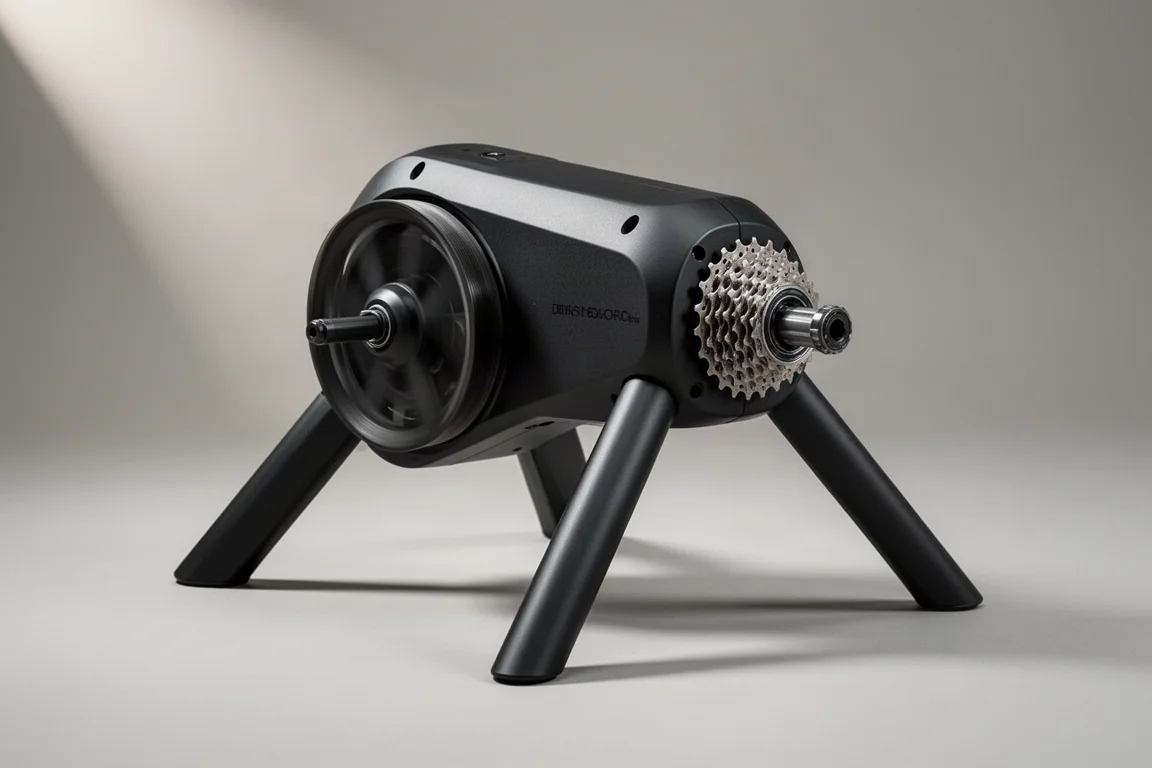
The Elite Direto XR launched in 2021 and its price has fallen considerably since. The build quality is plasticky and does not feel as solid as some rivals, but the trainer has been in near-constant use for around four years without any trouble at all.
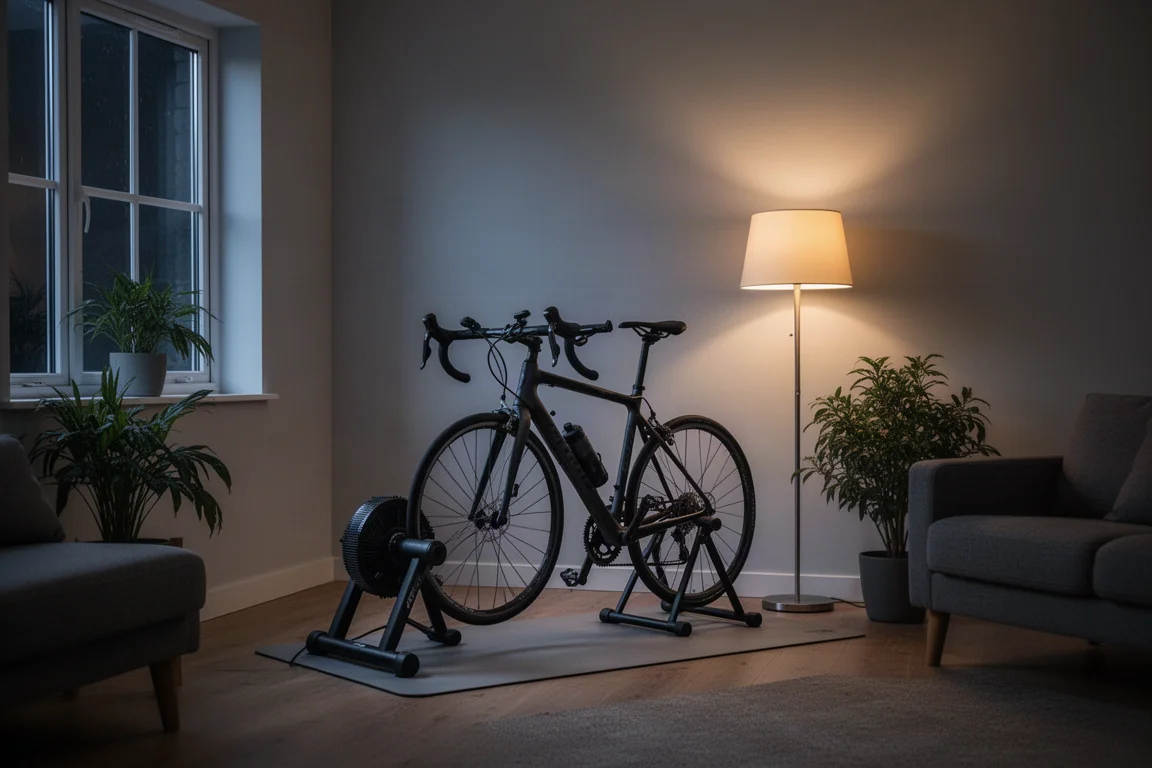
For a rider who wants direct-drive accuracy and broad app compatibility at a discounted price, and who is not concerned about a premium finish, it remains a sensible choice rather than a compromise.
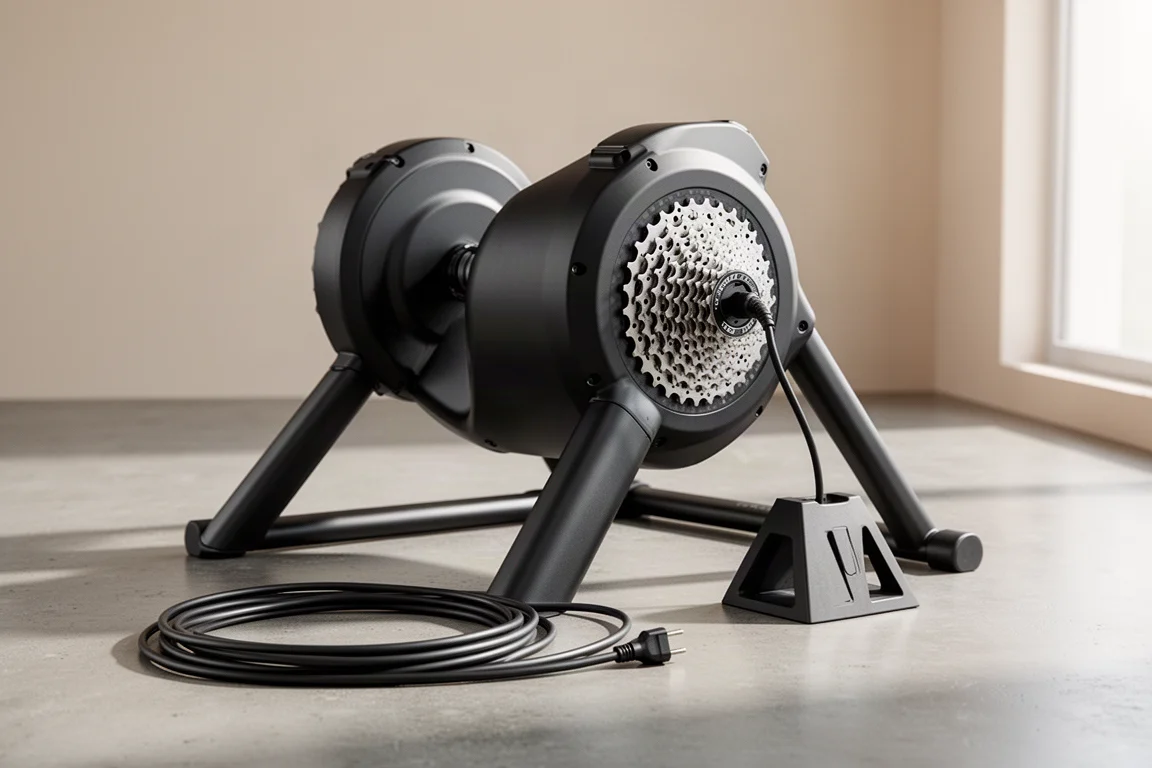
Do You Really Need a High-End Smart Trainer?
Before spending flagship money, it is worth asking what the extra outlay actually buys. For the most part it is slightly better ride quality, plus higher maximum power and simulated gradient figures than most riders will ever reach.
The mid-range already covers 1,800W of resistance and 16% gradients. The analogy is the difference between Ultegra and Dura-Ace: one is shinier and a little lighter, but the vast majority of riders get on perfectly well with the more affordable option.
High-end trainers make most sense for heavier, more powerful riders who benefit from extra ballast and stability under sprint efforts, and for anyone who wants the smoothest possible feel through the pedals along with the full set of connectivity features.
Best High-End Smart Trainer: Wahoo KICKR V6
The Wahoo KICKR V6 has been on the market for a couple of years, and it still carries every feature you could want, including Wi-Fi and race mode.
Its 7.3kg flywheel generates a lot of inertia, which makes the ride feel very good in terms of fluidity through the pedals. The difference is not night and day compared with the KICKR CORE or the JetBlack Victory, but the wider three-leg design and the heavier overall weight of just under 22kg make it extremely stable when you are producing big numbers.
Lighter riders may not notice that stability as much. Bigger, more powerful riders will. Add the fact that it typically costs less than its closest high-end rival, and it stays the obvious choice at this level.
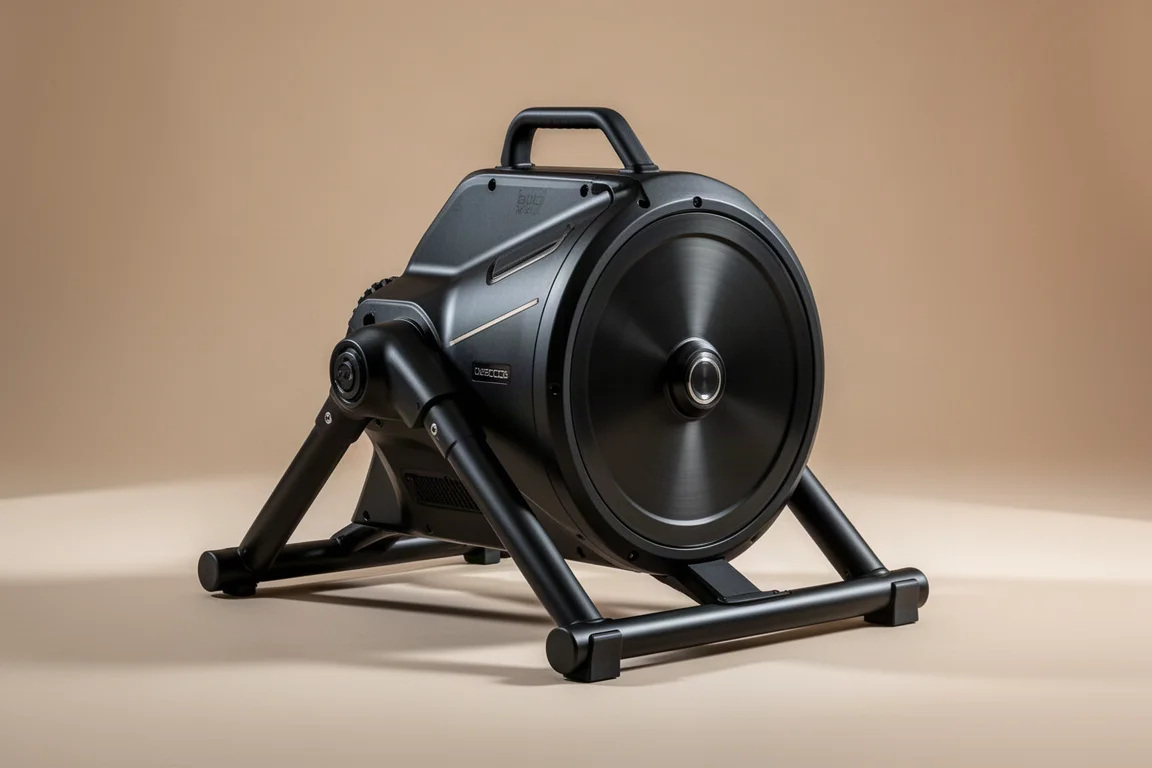
High-End Contender: Elite Justo 2
The Elite Justo 2 is a strong contender on paper, with specifications that are almost identical to the Wahoo KICKR V6.
The deciding factor is price. Because the KICKR V6 generally costs less for a comparable feature set, the Justo 2 needs a meaningful discount to become the more attractive option.
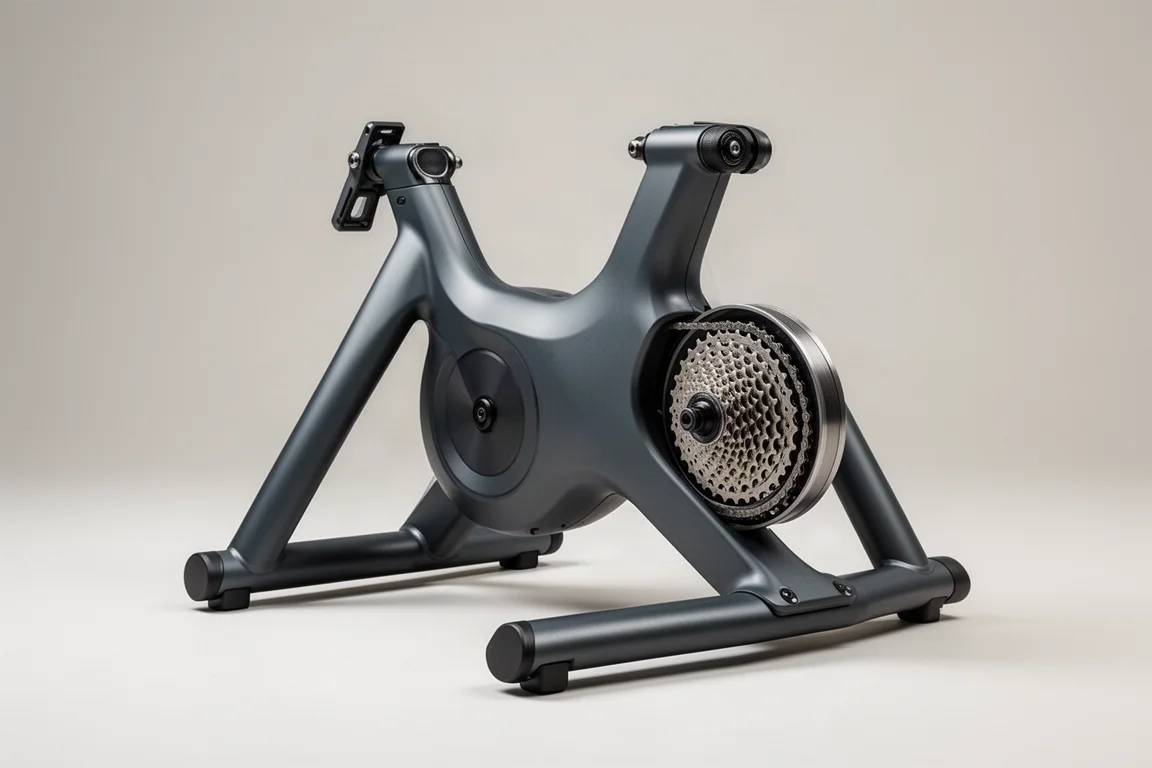
Tacx Neo 3M: Premium Price, Fewer Features
The Tacx Neo 3M sits at the very top of the market at just under £1,750 / $2,000, and on published specifications it does not appear to offer anything meaningful over the Wahoo KICKR V6 or the Elite Justo 2.
It also omits Wi-Fi connectivity and race mode, which is surprising on a trainer at this price. Its predecessor, the Neo 2T, was an excellent unit, so expectations for the 3M are high, but at roughly double the cost of the KICKR V6 it is difficult to see where the extra money goes.
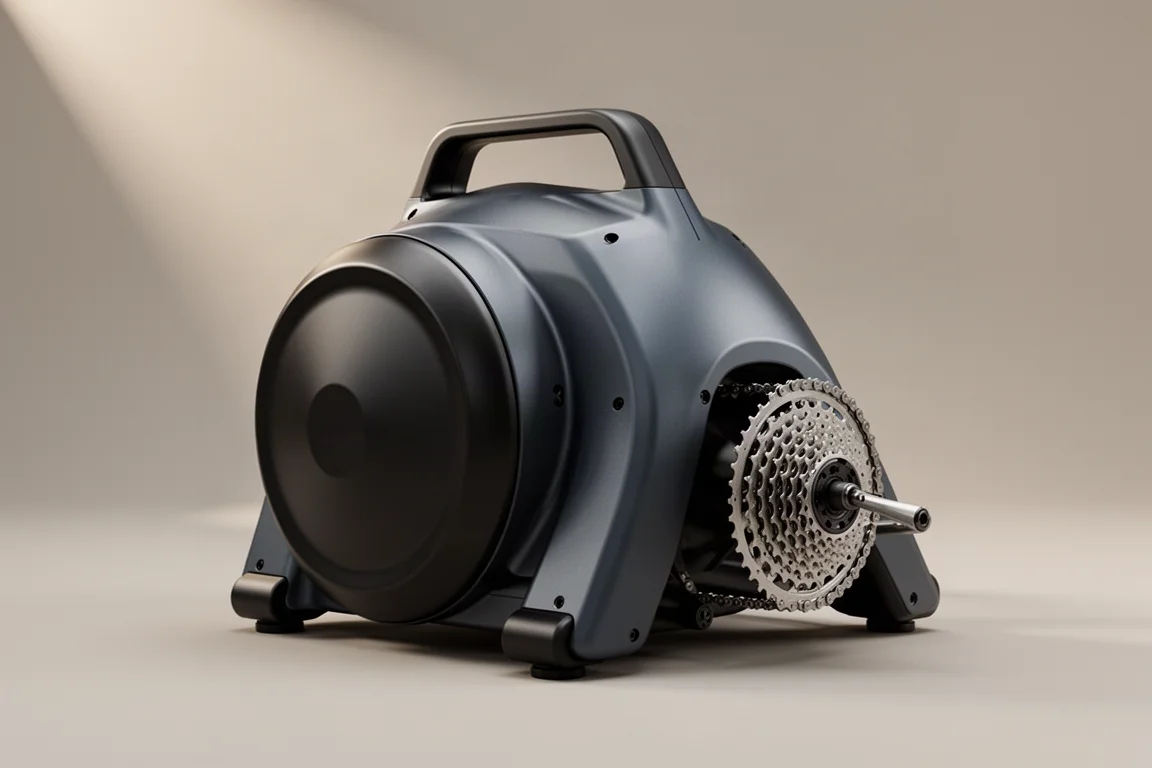
Buying Advice: Matching a Trainer to Your Riding
Start with the way you train rather than the specification sheet. If virtual racing and sprint finishes are the goal, the JetBlack Victory and the Wahoo KICKR V6 make the strongest case, thanks to high resistance ceilings and fast data handling. If you mostly follow ERG workouts at steady power, a budget direct-drive trainer such as the Van Rysel D100 covers the requirement comfortably.
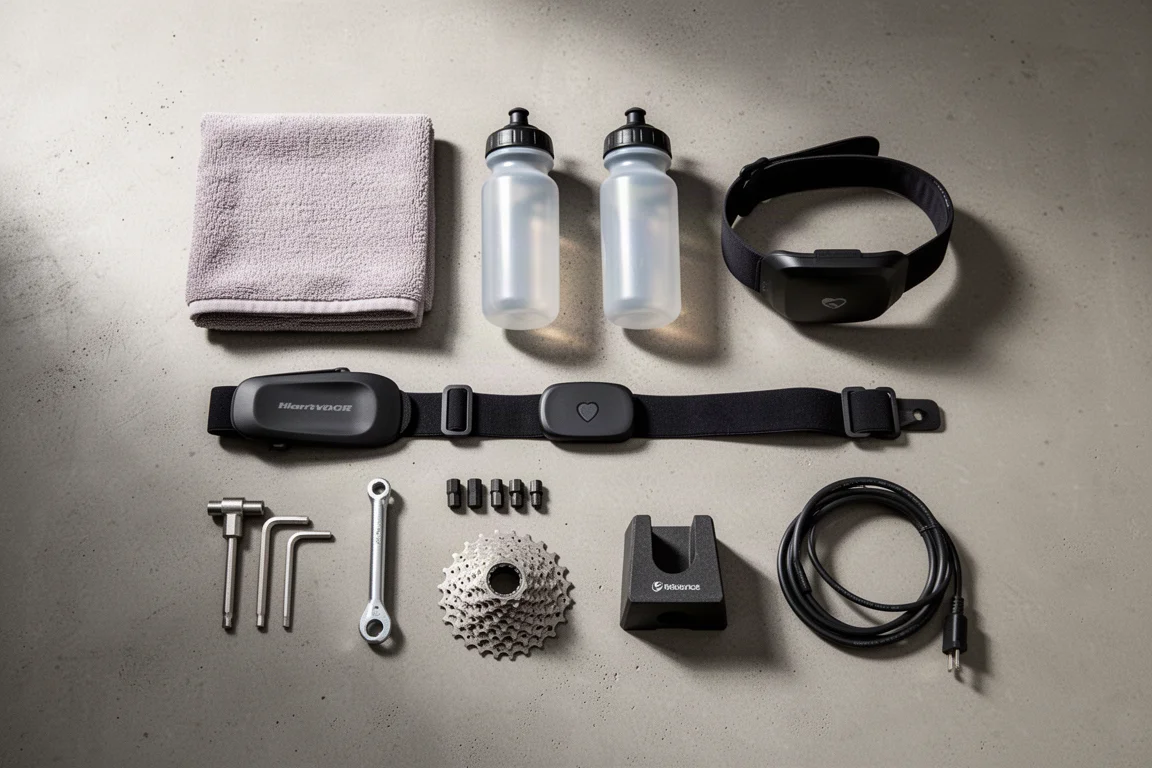
Consider your space and your tolerance for noise next. Direct-drive trainers are heavier and need a cassette or a virtual shifting adapter, but they are quieter and far more stable. Wheel-on models are lighter, cheaper to move between bikes and easier to store, at the cost of noise, stability and ride feel.
Finally, be patient. Slightly older direct-drive trainers are discounted regularly, and a mid-range model bought at the right moment often delivers more than a new budget unit at full price.
Conclusion
The entry level has improved dramatically, and the mid-range is now genuinely competitive with the top of the market. The Van Rysel D100 is a remarkable first direct-drive trainer for riders who do not need big sprint power, the JetBlack Victory is the strongest all-round package for the money, and the Wahoo KICKR V6 remains the sensible flagship for heavier or more powerful riders. Above that, the case for spending more gets harder to make.
Further reading
Related Reviews
Indoor Cycling
Best Budget Smart Indoor Trainer Setups: Six Options Worth Considering
Smart indoor trainers keep getting better while prices come down. Six setups and components worth considering, from the cheapest Zwift-ready option upward.
Indoor Cycling
Best Budget Smart Indoor Trainers for Immersive Cycling in 2026
A practical guide to affordable smart indoor trainer setups, including budget and mid-range options with virtual shifting.
Indoor Cycling
Best Indoor Cycling Apps and Smart Trainers: A Winter Buying Guide
A practical look at the indoor training platforms and smart trainers that matter this season, from a new challenger to Zwift to the entry-level trainer that stands out on value.