Ski Apparel
Best Ski Shell Jackets: Three Options for Resort, Touring, and Backcountry
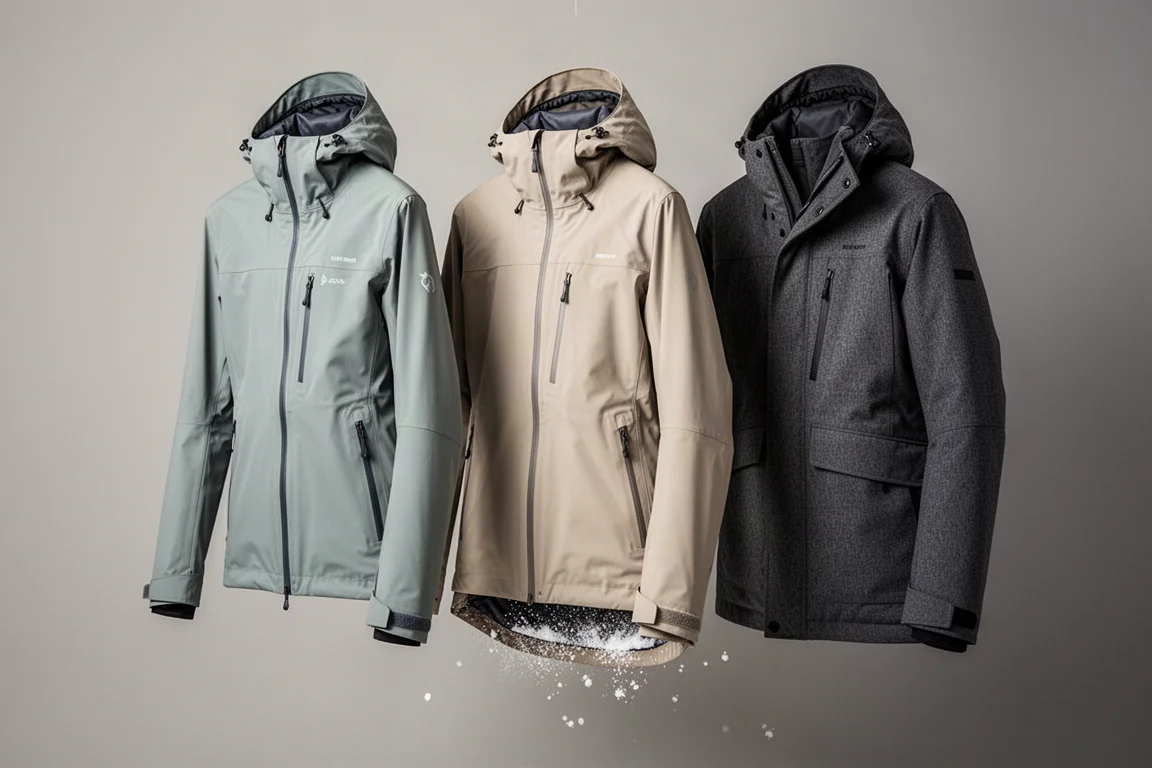
Three hard shells across different weights and feature sets, from a lightweight touring jacket to a fully featured resort coat.
Introduction
A shell jacket is one of the most versatile pieces you can own for skiing, whether you lap the resort or head into the side country and backcountry. Instead of insulating you with down or synthetic fill, a shell keeps you warm by being extremely windproof and waterproof, so nothing gets in while excess heat dumps out when you sweat or overheat.
This guide compares three shells at different weights and feature levels: a lightweight touring-focused jacket, a midweight all-rounder, and a heavier resort-oriented coat. Understanding where each one fits makes it much easier to pick the right layer for how and where you actually ski.
Why Choose a Shell Jacket?
Shell weight is measured in grams, and the practical range you will shop in sits roughly between 500 and 700 grams. On paper those differences seem small, but if you are stuffing the jacket into a pack or grinding uphill on a tour, every gram counts.
Lighter shells around the 400 to 500 gram mark still qualify as hard shells, but they skew toward the soft shell side to save weight. They remain windproof and waterproof, just not as hearty or as warm. Heavier shells closer to 700 or 800 grams trade that weight for warmth-oriented features such as thumb gaiters that keep your arms warm, a snow skirt that protects your midsection, and simply a thicker, more protective fabric.
The North Face Summit Series Futurelight Jacket
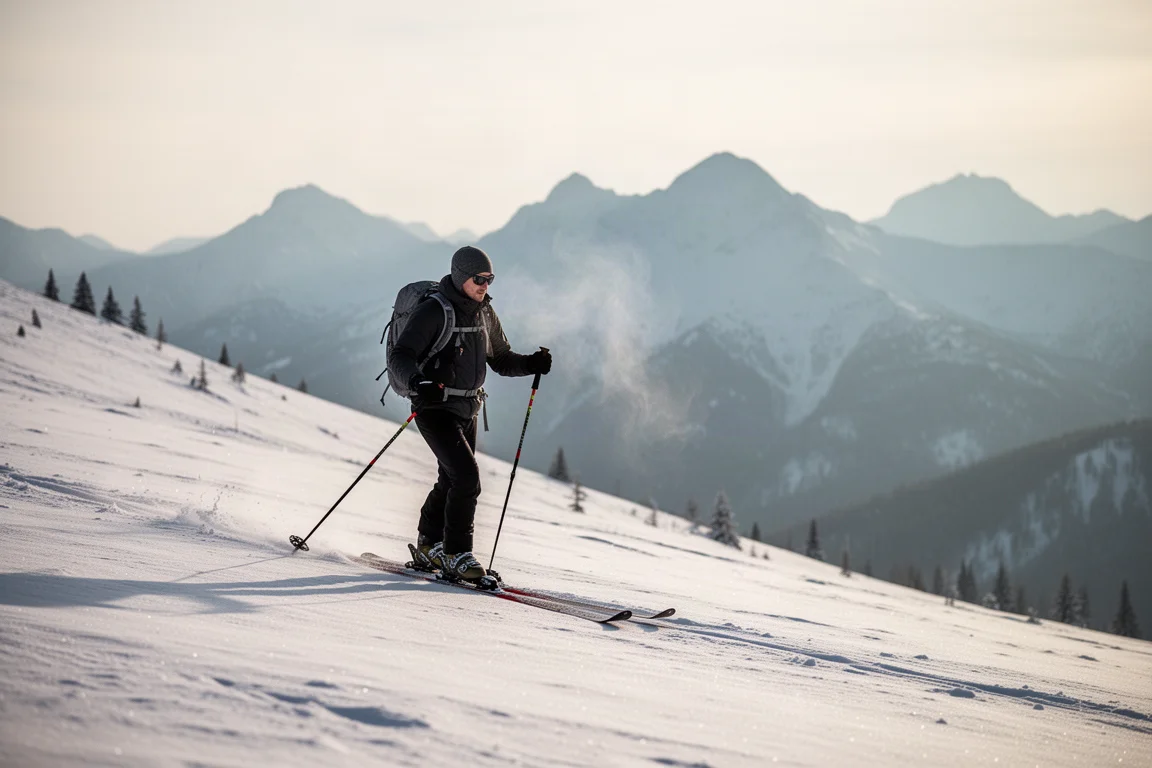
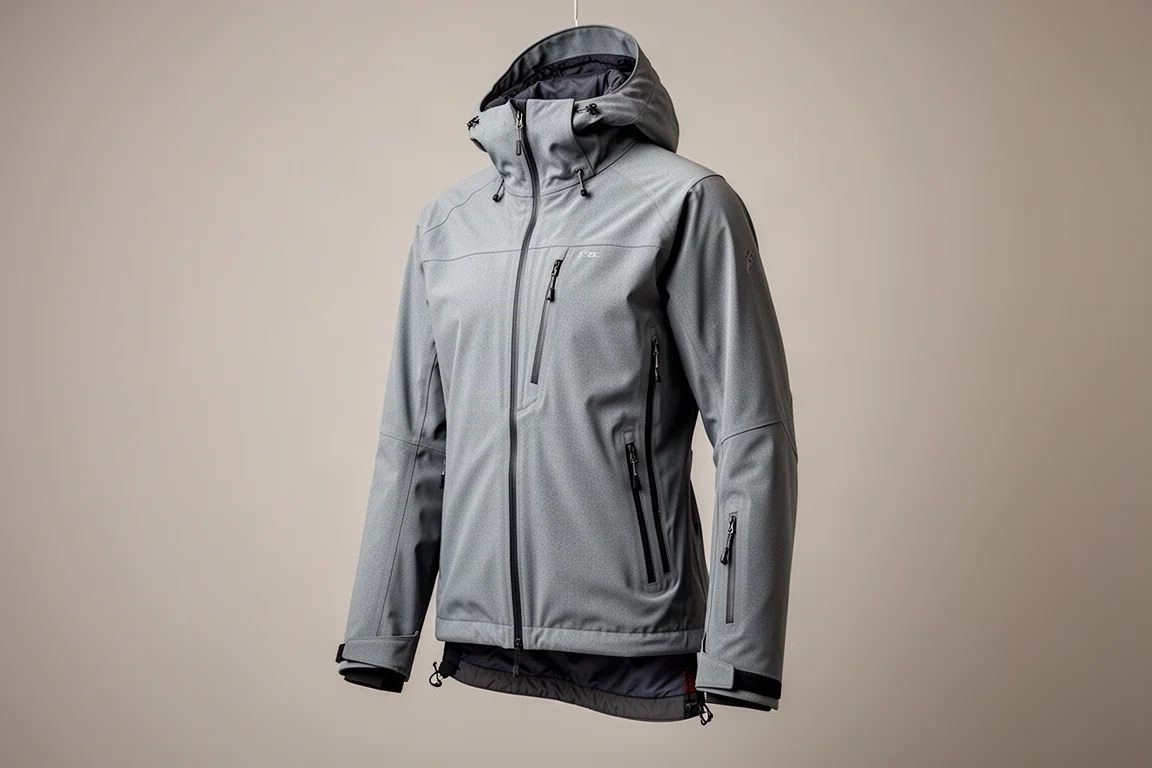
The lightest of the three, this Summit Series jacket uses Futurelight technology and is built first and foremost for touring. It dumps heat efficiently through the membrane and through generous pit vents, which is exactly what you want when you are working hard on the way up.
It is not fully resort featured, though. There are no thumb guards to keep your hands and arms warmer, and no snow skirt to protect your chest and torso. If all you do is resort skiing in a cold climate, this is probably not the perfect match. But if you have the right layers underneath and do not expect to run cold, it still works as a great shell at the resort. Just think carefully about your activity level and whether you might want something a bit heavier and warmer.
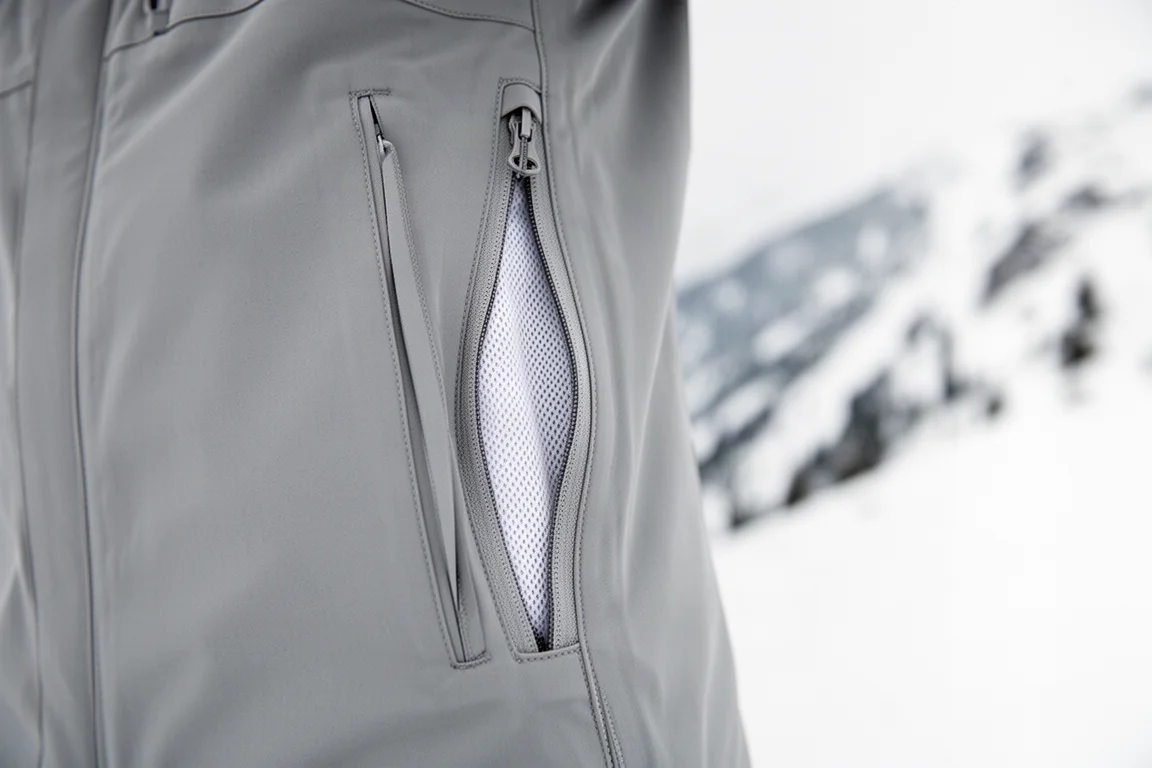
For skinning, touring, and anyone who values minimal weight above all else, this is the one to reach for.
Norrona Lofoten Gore-Tex Jacket
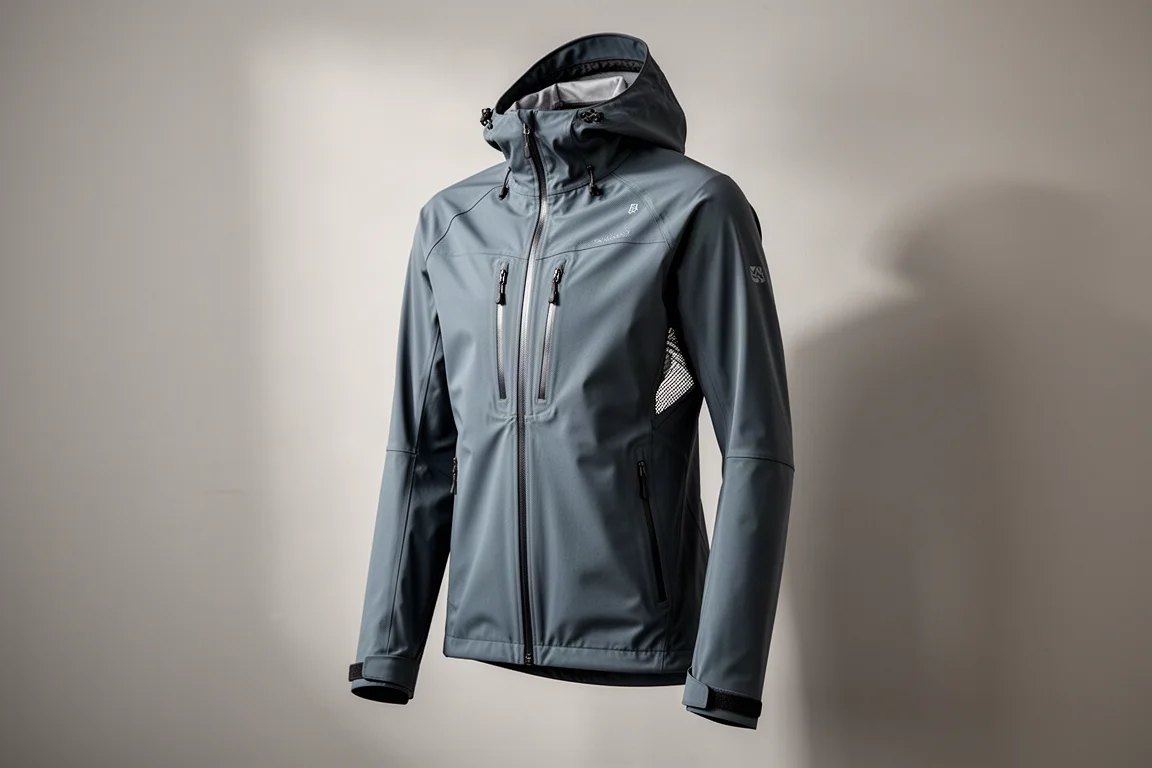
The next step up is the Lofoten Gore-Tex jacket, which stands out as a favorite shell for the season. Like the Futurelight option, it is excellent in the backcountry and side country thanks to its ability to dump heat through the Gore-Tex membrane and its well-designed vents.
Where it pulls ahead is resort friendliness. It adds a removable snow skirt that keeps your torso and chest warmer, and if you want to drop as much weight as possible you can simply take the skirt out. The fabric is also a touch thicker than the lighter jacket above.
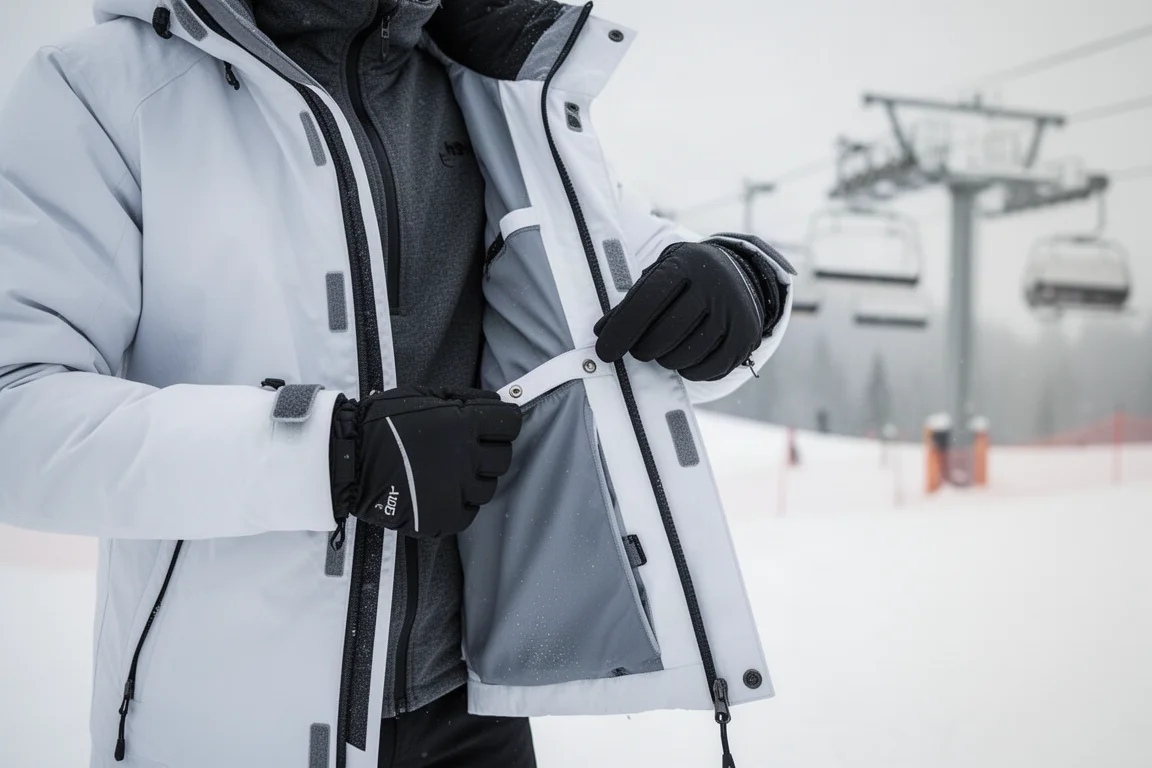
With the proper layers, this is a jacket you can wear year round at the resort and year round on tour, which makes it the most flexible pick of the group.
Flylow Billie Coat
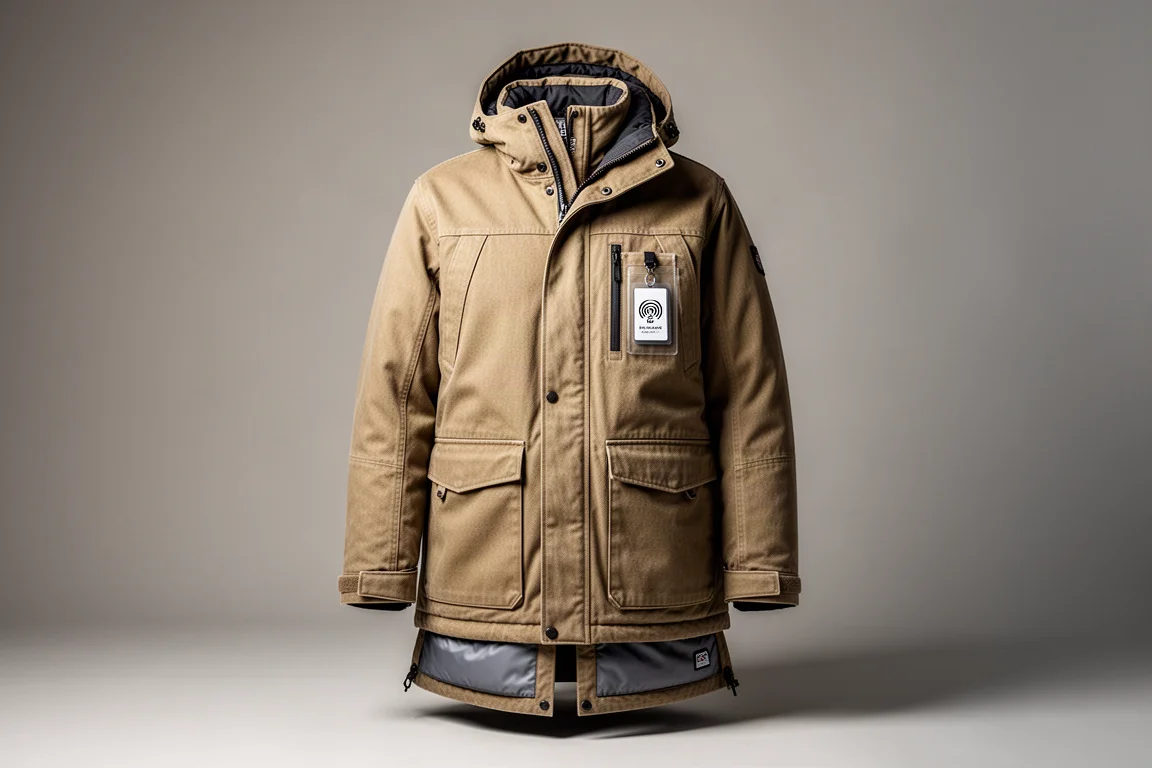
The Billie Coat is noticeably thicker than either of the two lighter shells, and that difference is immediately obvious as soon as you pick it up. It is fully taped and fully waterproof, so it keeps you warm the same way the others do, but it is by far the most resort-focused of the three.
Resort-friendly features include a pass pocket for your RFID lift pass and a built-in snow skirt. You still do not get the thumb guards found on a typical insulated resort jacket, but the weight, waterproofing, and windproofing of this coat, combined with the right layers, make it comfortable year round at the resort. Its breathable membrane also keeps it usable if you head into the backcountry or side country.
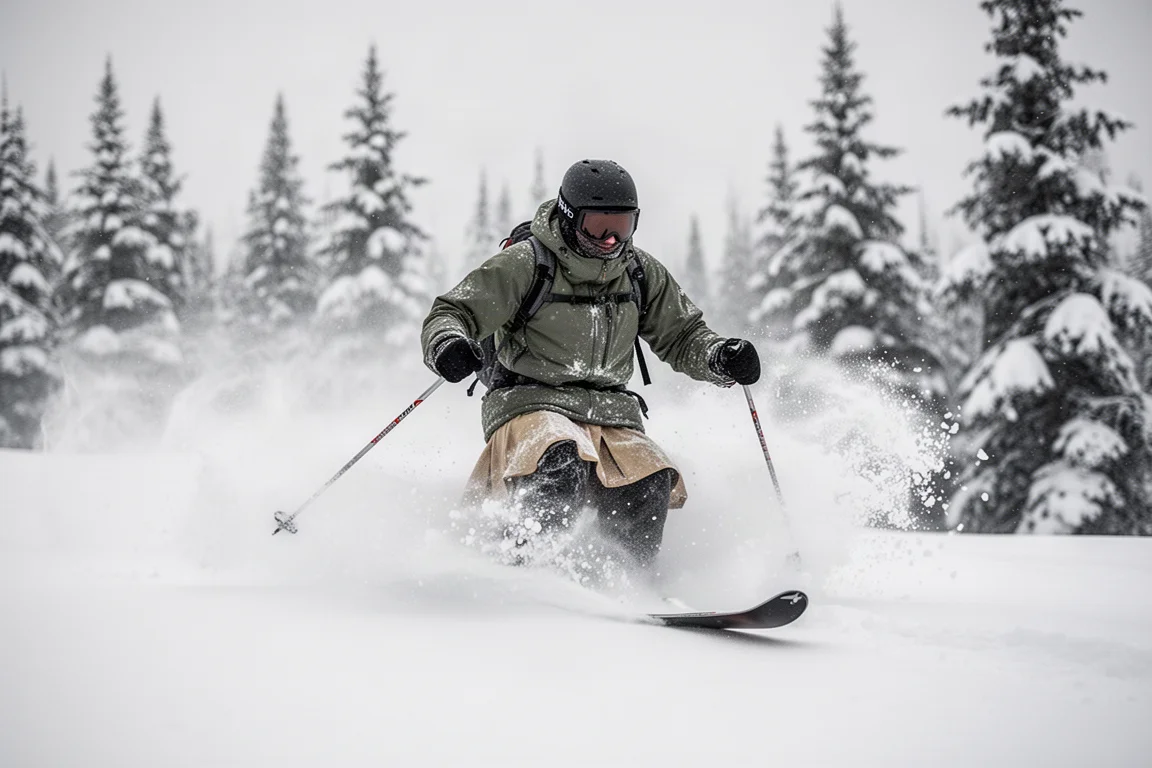
If you ski mainly at the resort but want a shell that can still handle the occasional tour, the Billie Coat covers both.
Who Should Buy a Shell Jacket?
Shells are ideal if you ski while getting your heart rate up through any kind of trekking or hiking, or if you simply run a bit warm. They are a genuinely versatile option you can wear all year with the right layering.
On the other hand, if you only ski at the resort, tend to ski in very cold places, or generally run cold, whether heading out to the car in the morning or walking the dog, a shell may not be the right choice for you. In that case an insulated jacket will likely serve you better.
Conclusion
Picking between these three shells comes down to weight versus warmth. Tour hard and sweat a lot? The North Face Summit Series Futurelight Jacket keeps things minimal. Want one jacket that genuinely does both the resort and the backcountry? The Norrona Lofoten Gore-Tex Jacket is the standout all-rounder. Ski mostly in the resort and want maximum protection? The Flylow Billie Coat delivers the hardiest build of the three.
Further reading
Related Reviews
Ski Apparel
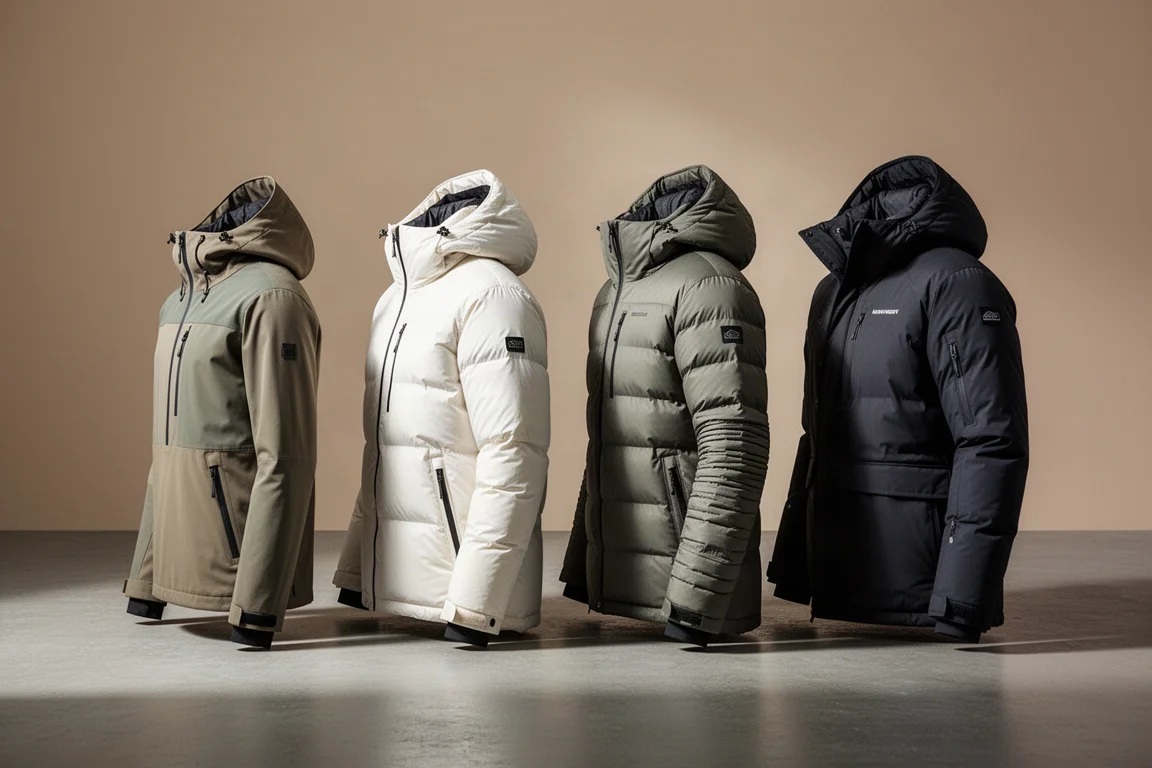
Best Insulated Ski Jackets: Four Options From Light Layering Pieces to Full Winter Armor
Four insulated ski jackets compared, from a lightly insulated hybrid anorak to one of the warmest jackets on the market, with guidance on choosing the right warmth level.
Ski Apparel
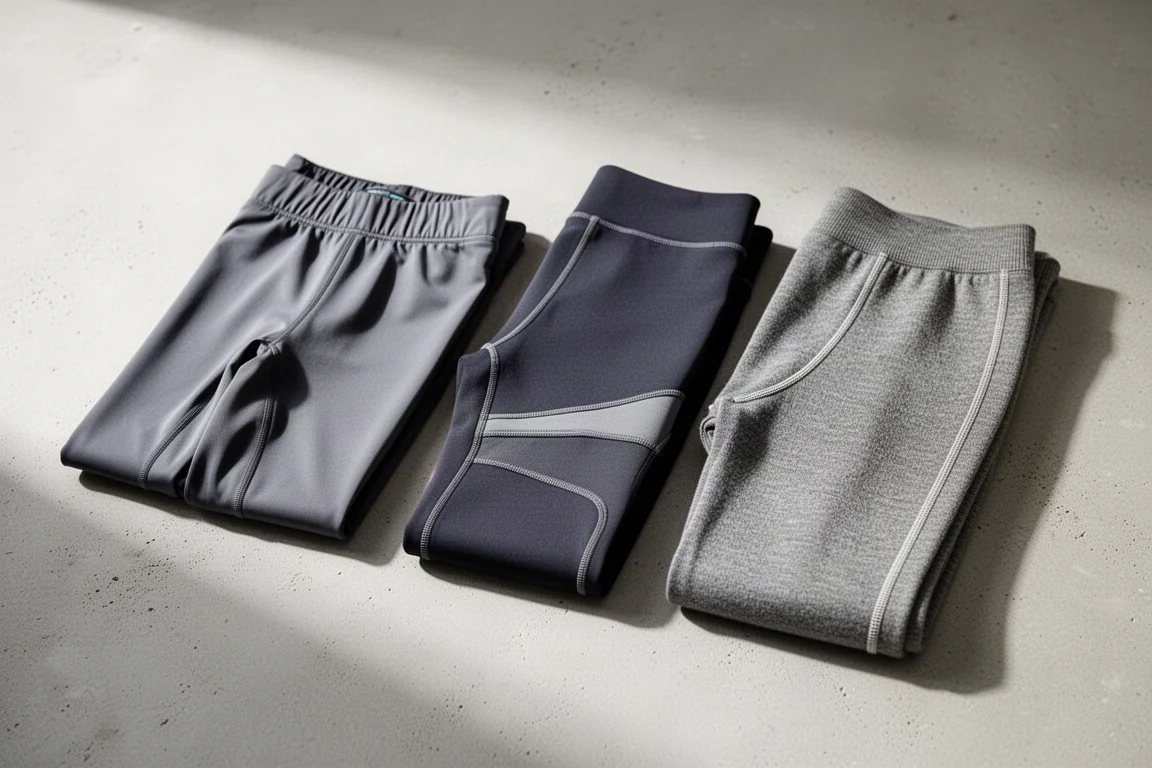
Best Ski Base Layers: Three Long Underwear Picks Worth Your Money
Three base layers tested across a full ski season: a balanced all-rounder, a warm and supportive power-user option, and a premium merino favorite.
Ski Apparel
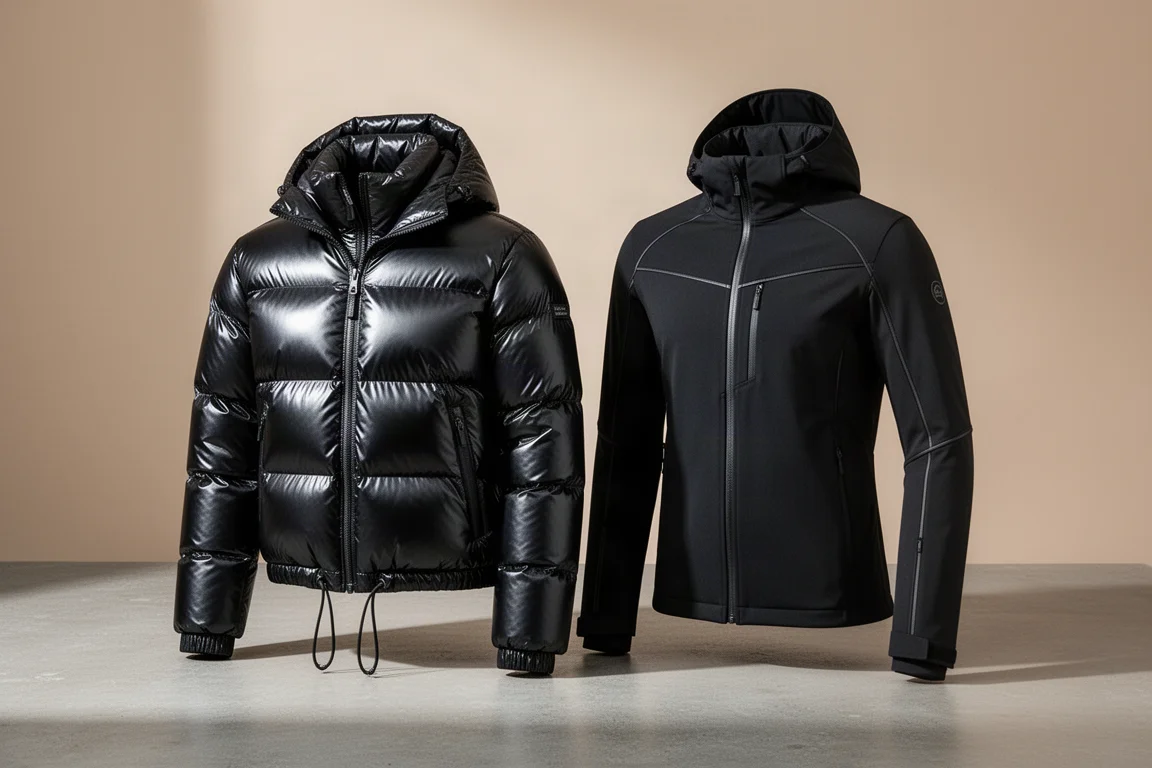
Moncler Ski Jackets Field-Tested: Allesaz Bomber and Hainet Reviewed
Two premium Moncler ski jackets put through resort skiing in snow, sun, and variable conditions. Here is what held up and what did not.