Ski Apparel
Best Insulated Ski Jackets: Four Options From Light Layering Pieces to Full Winter Armor
Four insulated ski jackets compared, from a lightly insulated hybrid anorak to one of the warmest jackets on the market, with guidance on choosing the right warmth level.
Introduction
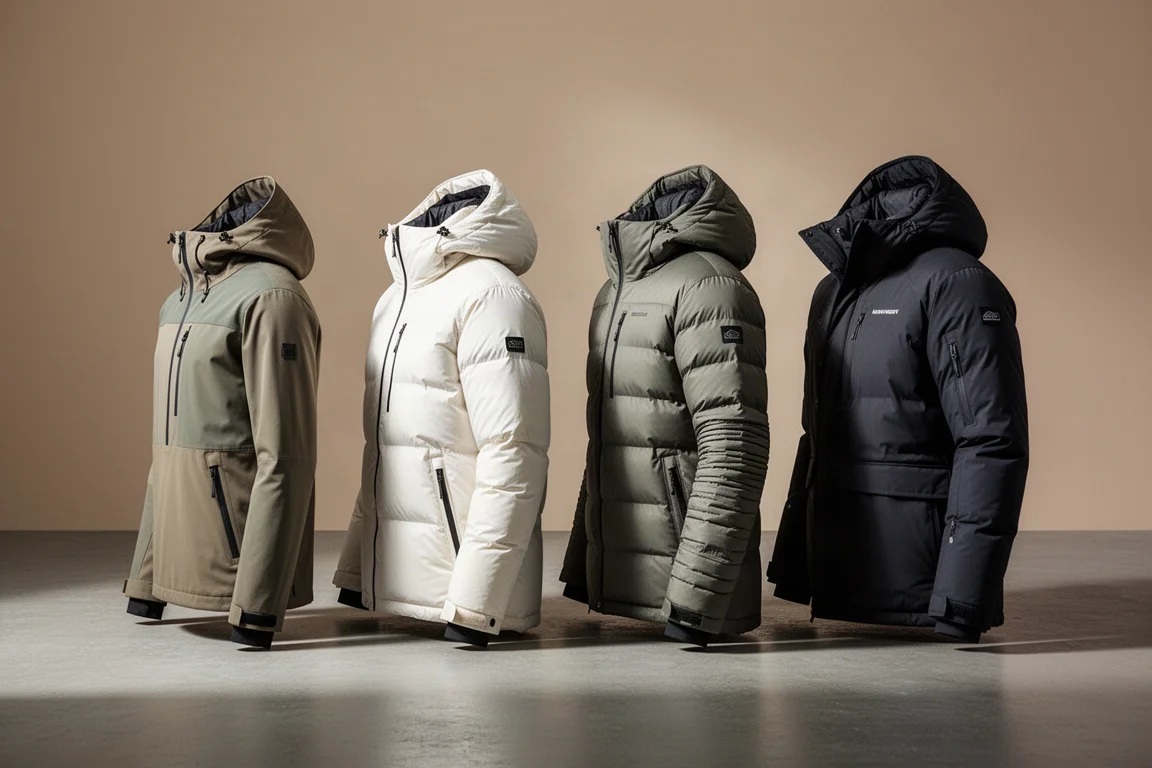
Insulated ski jackets are not all built the same, and choosing well comes down to how warm you run, where you ski, and how much you like to layer underneath. In this guide we compare four insulated jackets that sit at noticeably different points on the warmth spectrum, from a lightly insulated hybrid anorak to one of the warmest jackets you can buy. If you tend to run cold, an insulated jacket is probably the right call, but the amount of insulation you need varies far more than most buyers expect.
Insulated or Shell: Which Is Right for You?
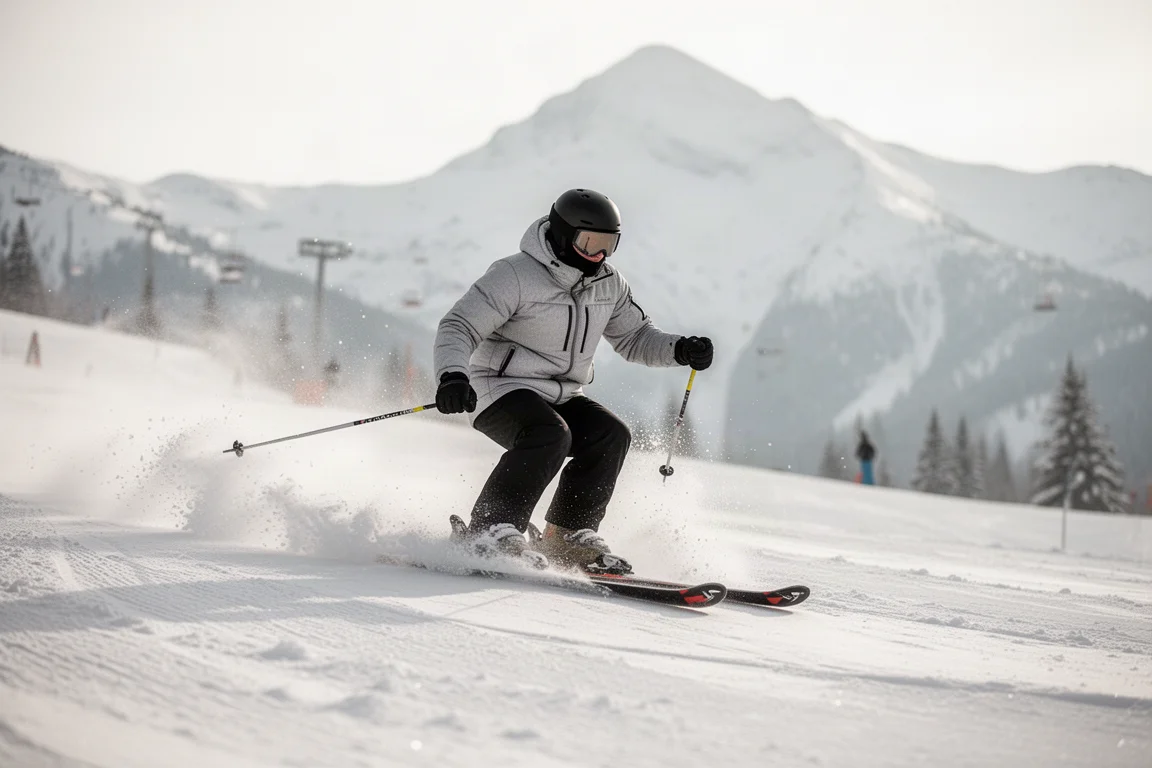
Before picking a specific jacket, decide whether an insulated jacket actually suits your skiing. If you spend most of your time skinning uphill, touring, or heading into the backcountry or sidecountry, a shell plus a layering program is usually the better setup, because you can shed layers when you start to sweat. If you are mainly a resort skier, spend plenty of time on the lift, or simply run cold all the time, an insulated jacket makes a lot of sense.
Even then, the picture is not black and white. If you run slightly cold but do a bit of sidecountry riding, a lighter insulated jacket may serve you better. If you are always on the lift in the coldest corners of New England and Maine, a thicker insulated jacket may be exactly what keeps the winter chill out.
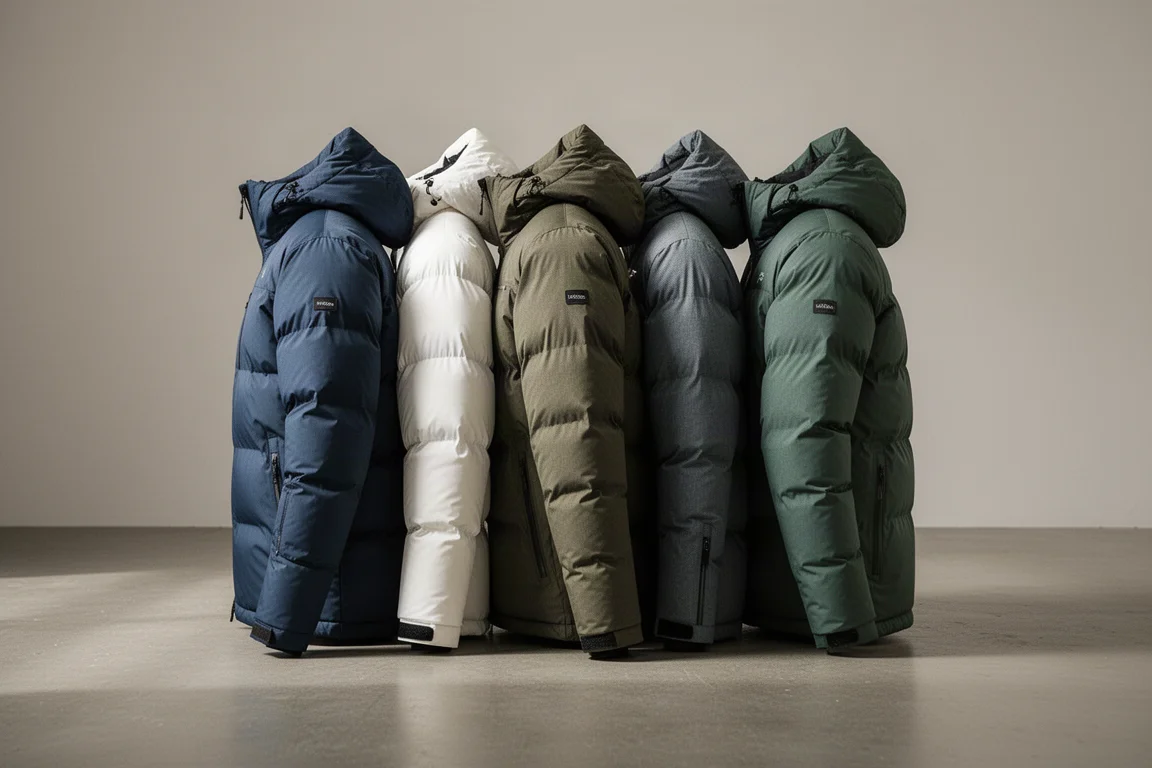
It also helps to know what is equal across the board here. All four jackets in this guide carry a strong set of ski features: a pass pocket, a snow skirt, either a high level of DWR treatment or full waterproofing, and underarm vents to dump heat when an insulated jacket gets too warm. What really separates them is the insulation itself, in both weight and placement. A quick side-by-side look at the jackets tells the story: you can genuinely see which ones are more insulated just from their profiles.
Armada Salsbury Anorak
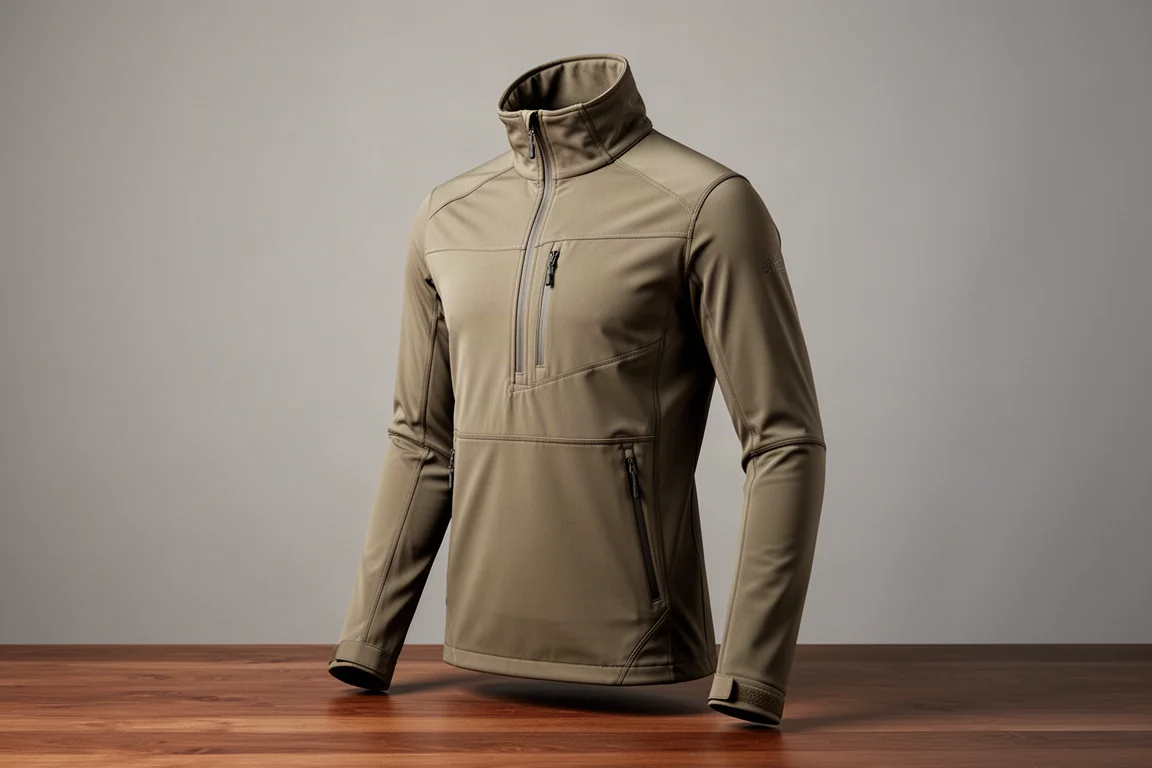
The Armada Salsbury Anorak is the least insulated of this group, and that is precisely its appeal. It is one of the most popular jackets among the staff, and it works well as a hybrid insulated piece. The chest carries a light amount of insulation while the sleeves have none at all, which keeps your core warm without overheating across your back and under your arms.
That makes it a strong pick if you run a little warm, work hard on the way down, or want a jacket that still layers comfortably underneath. It also extends further into the spring season than a fully insulated piece would. Riders who like an anorak’s clean look and a jacket that earns its place through the shoulder season will find a lot to like here.
Burton AK Swash Jacket
Next in the lineup is the Burton AK Swash Jacket, a piece with a clear freeride identity. Like the Salsbury Anorak, it stays friendly to layering programs thanks to its light overall insulation, but the ProLoft fill in the chest is thicker than what you get in the anorak, so it keeps you noticeably warmer through the core.
The sleeves remain uninsulated, which means you can still dump heat through your back, shoulders, and underarms. This positions the Swash well for skiers who want a bit more warmth than a hybrid anorak without giving up the flexibility of layering underneath, particularly those who spend much of their day charging freeride terrain at the resort.
Terraa Helicon Jacket
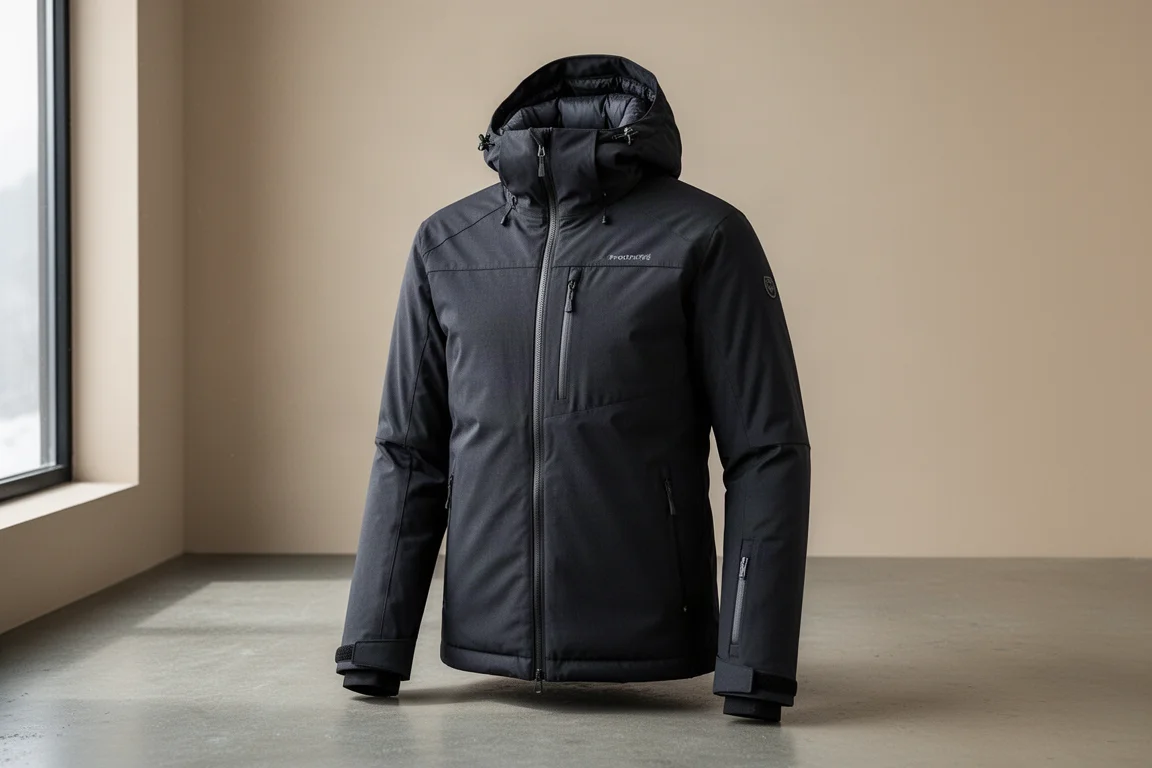
With the Terraa Helicon Jacket, we move into fully insulated territory. This one adds insulation through the sleeves, a solid amount down the chest and back, and even insulation in the hood. In practice, that means you can stop thinking about layers beyond a base layer and a fleece on cold days.
The Helicon is the kind of all-in-one jacket that suits resort riding and genuinely cold weather. If you would rather grab one jacket, put it on, and go, without fussing over how many midlayers to bring, this is where the format starts to make sense. The added insulation in the sleeves and hood is what separates it from the two hybrids above.
Aztec Super Nuke
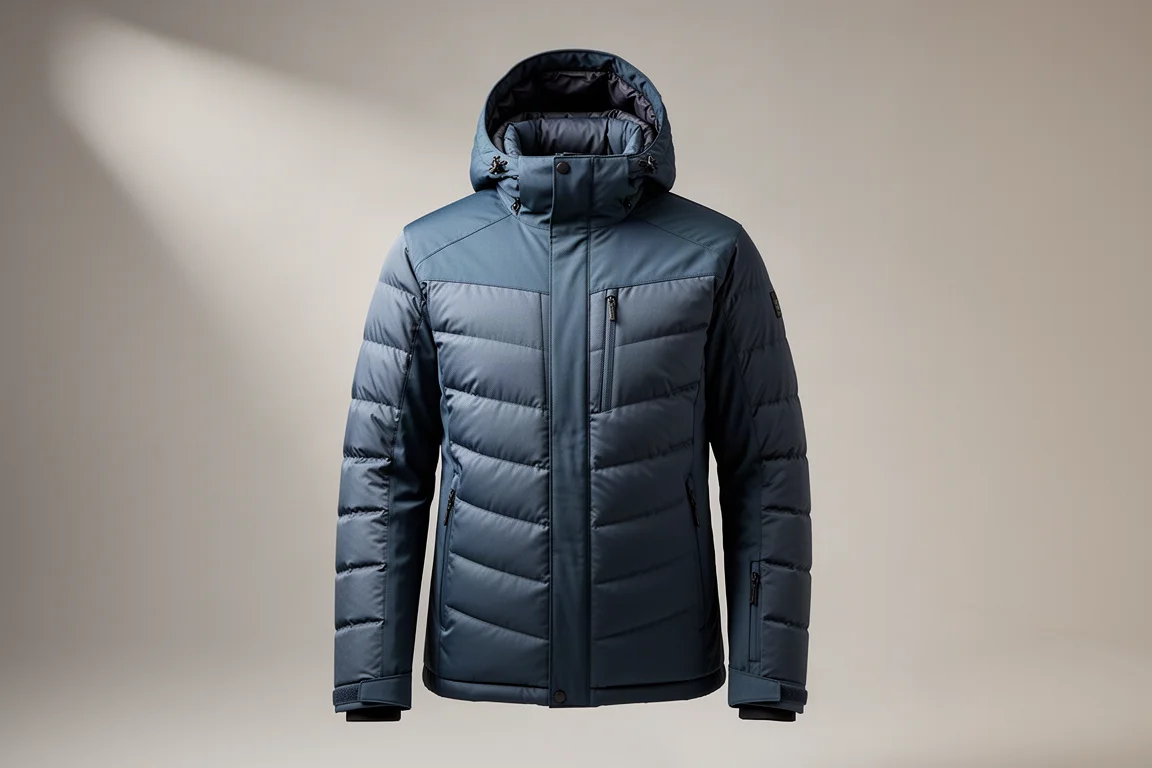
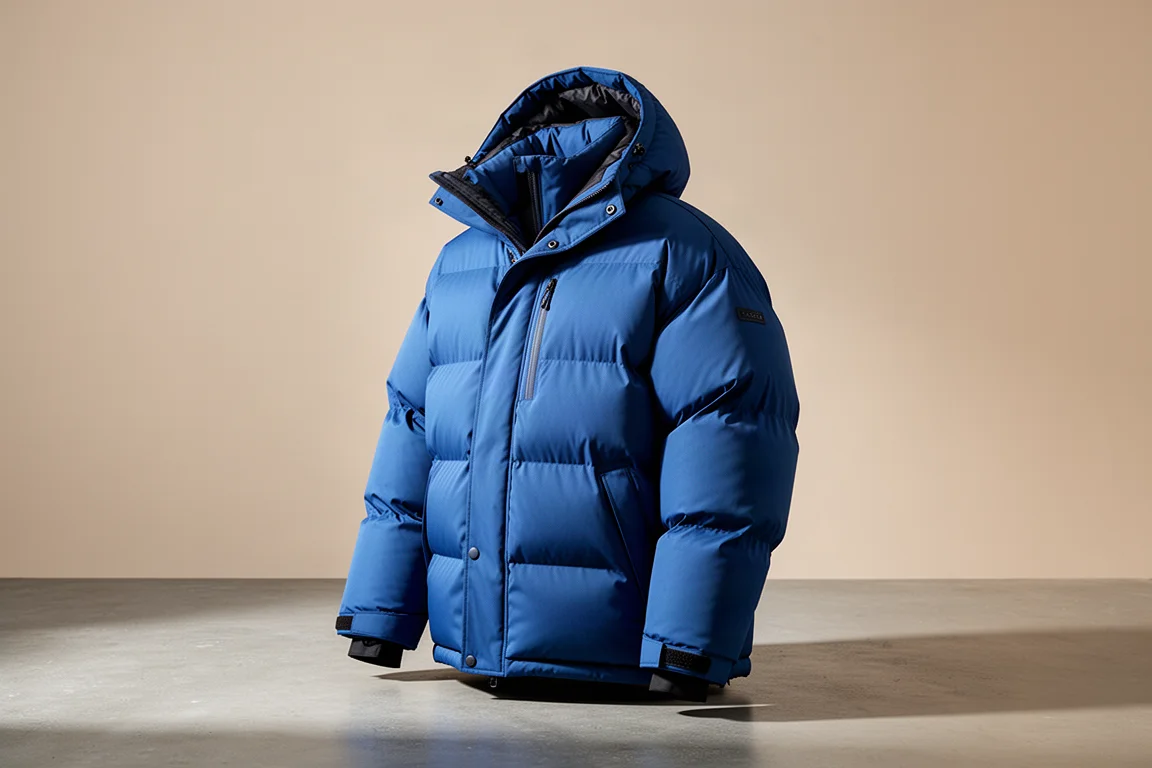
Last up is the Aztec Super Nuke, widely considered the warmest jacket in the store and one of the warmer jackets on the market. You can see the difference just by looking at it: there is visibly more insulation than in the Helicon, and lifting it up confirms it is simply a heavier jacket.
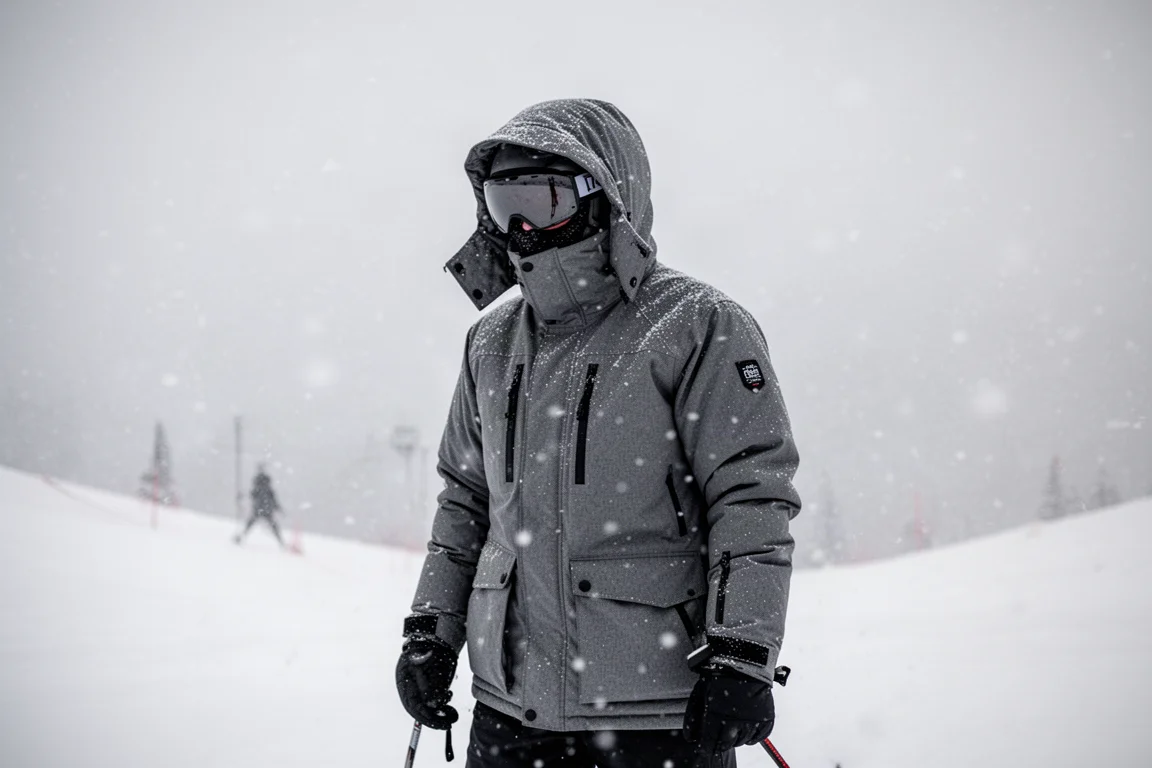
This is the piece for skiers who are really not doing much layering at all. Throw it on, head to the mountain, and stay warm. It is best suited to riders who are consistently cold, who ski in persistently frigid conditions, or who just want a single jacket that removes any thought of layering from the morning routine.
Buying Advice
The key takeaway is that choosing insulated does not mean choosing maximum warmth. If you run cold, an insulated jacket is likely right for you, but the two lighter options here still let you layer up underneath, and honestly the two heavier jackets can take a thin layer under them too if you need it. Match the insulation level to where you ski and how you run, and the choice becomes much easier. If you are still unsure, reaching out to a shop with fitting and advice support is well worth the few minutes.
Conclusion
These four jackets cover the full range of what insulated ski jackets can be: a hybrid anorak for warm-running riders and spring skiing, a ProLoft-insulated freeride piece that still plays nicely with layers, a fully insulated resort jacket for cold days, and a heavyweight option for the coldest days on the mountain. Identify where you sit on the warmth spectrum, and one of these should fit your season well.
Further reading
Related Reviews
Ski Apparel
Best Ski Base Layers: Three Long Underwear Picks Worth Your Money
Three base layers tested across a full ski season: a balanced all-rounder, a warm and supportive power-user option, and a premium merino favorite.
Ski Apparel
Best Ski Shell Jackets: Three Options for Resort, Touring, and Backcountry
Three hard shells across different weights and feature sets, from a lightweight touring jacket to a fully featured resort coat.
Ski Apparel
Moncler Ski Jackets Field-Tested: Allesaz Bomber and Hainet Reviewed
Two premium Moncler ski jackets put through resort skiing in snow, sun, and variable conditions. Here is what held up and what did not.